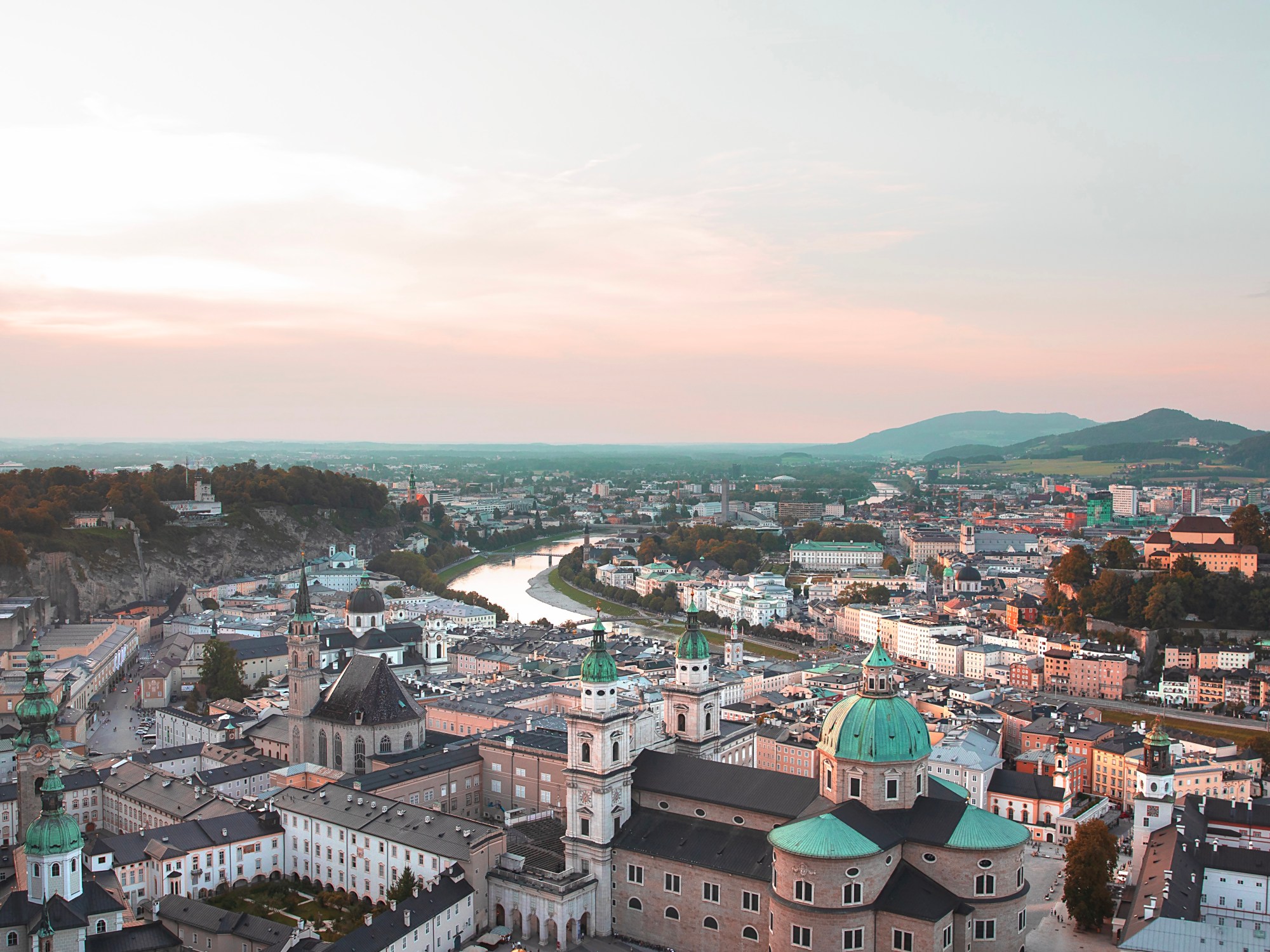
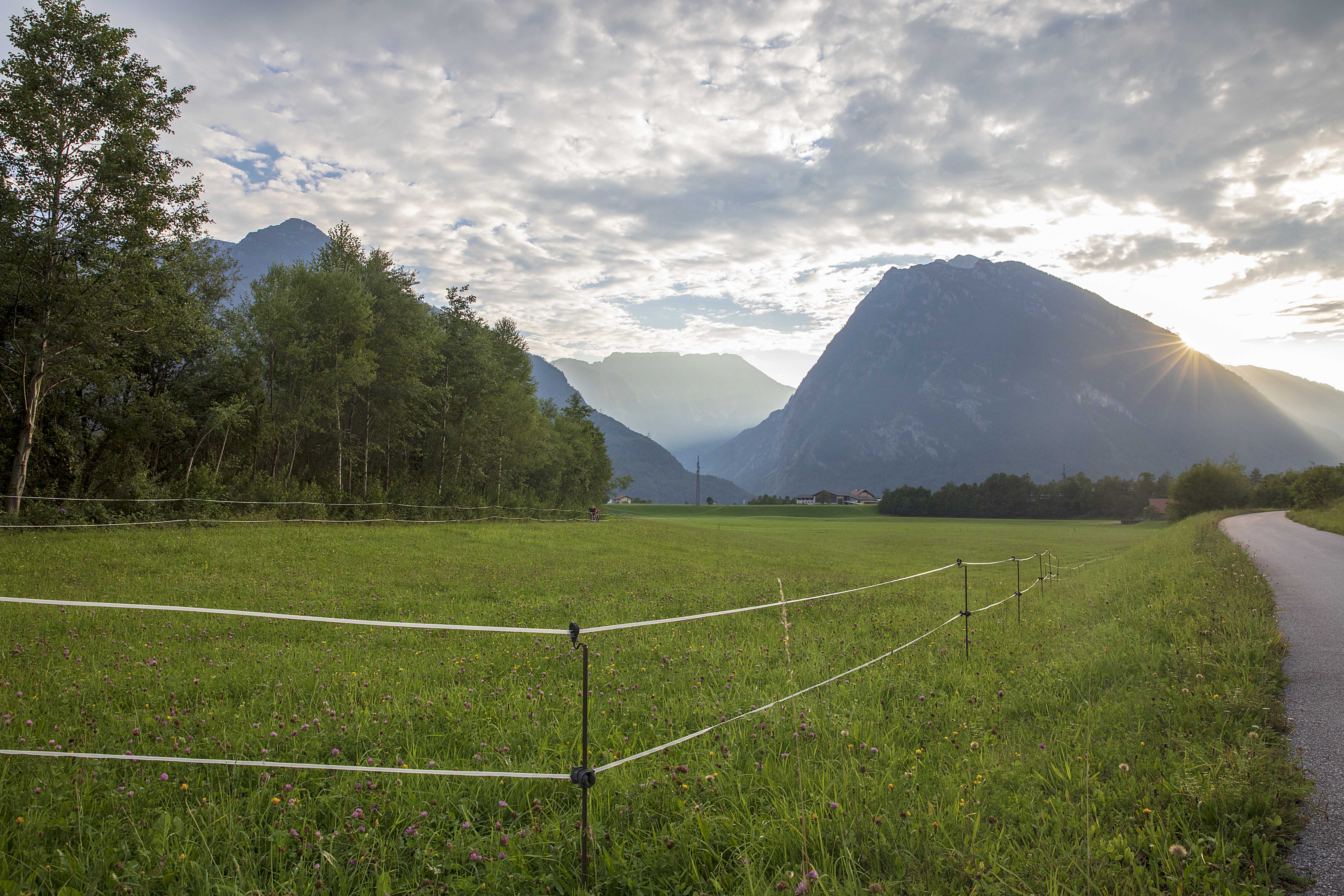
Before my fingers began dancing across the keyboard to write this month’s post, I found myself lingering on the photo above. Strangely enough, I can’t remember the exact spot where I took it. What I do remember, though, is the feeling.
I was driving from Hallstatt to Salzburg after spending the day wandering through Austria’s breathtaking Salzkammergut region. The sun was slowly sinking behind the mountains, painting the sky in shades of amber, gold, and crimson before quietly handing it over to the stars. The mountain air carried that familiar crispness that comes with altitude, and an almost surreal sense of calm seemed to settle over everything.
Surrounded by endless green hills and tucked away in a quiet corner of Europe, I couldn’t resist pulling the car over for a few minutes. I leaned against it, watched one of the most beautiful sunsets I had ever seen, and, as always, let my thoughts wander. Somehow, moments like these have a way of putting life into perspective. No distractions, no rush… Just silence, mountains, and the comforting reminder that the world is far bigger and far more beautiful than our daily worries.
But enough daydreaming. Let’s get back on the road, shall we? We still have plenty of miles ahead of us, and many stories waiting to unfold. Our destination is Salzburg. Before we get there, though, we have an important mission.
Is anyone here a fan of HBO’s mini series Band of Brothers? If you’ve watched the incredible story of Easy Company, 101st Airborne Division, then you probably remember the final episode, “Points.” Hidden away in the Bavarian Alps is a place that appears in that very episode, a place every fan should visit at least once.
But that’s tomorrow’s adventure.
For now, night has fallen, and we need somewhere to rest. I know just the place: Alpenhotel Brennerbascht, located in the charming alpine village of Bischofswiesen, right beside a gentle river in the heart of the Bavarian Alps. It’s the perfect place to spend the night before setting off early in the morning.
So let’s call it a day, wake up with the mountains, and continue our journey at first light.
Oh, by the way, Welcome to the Alps.
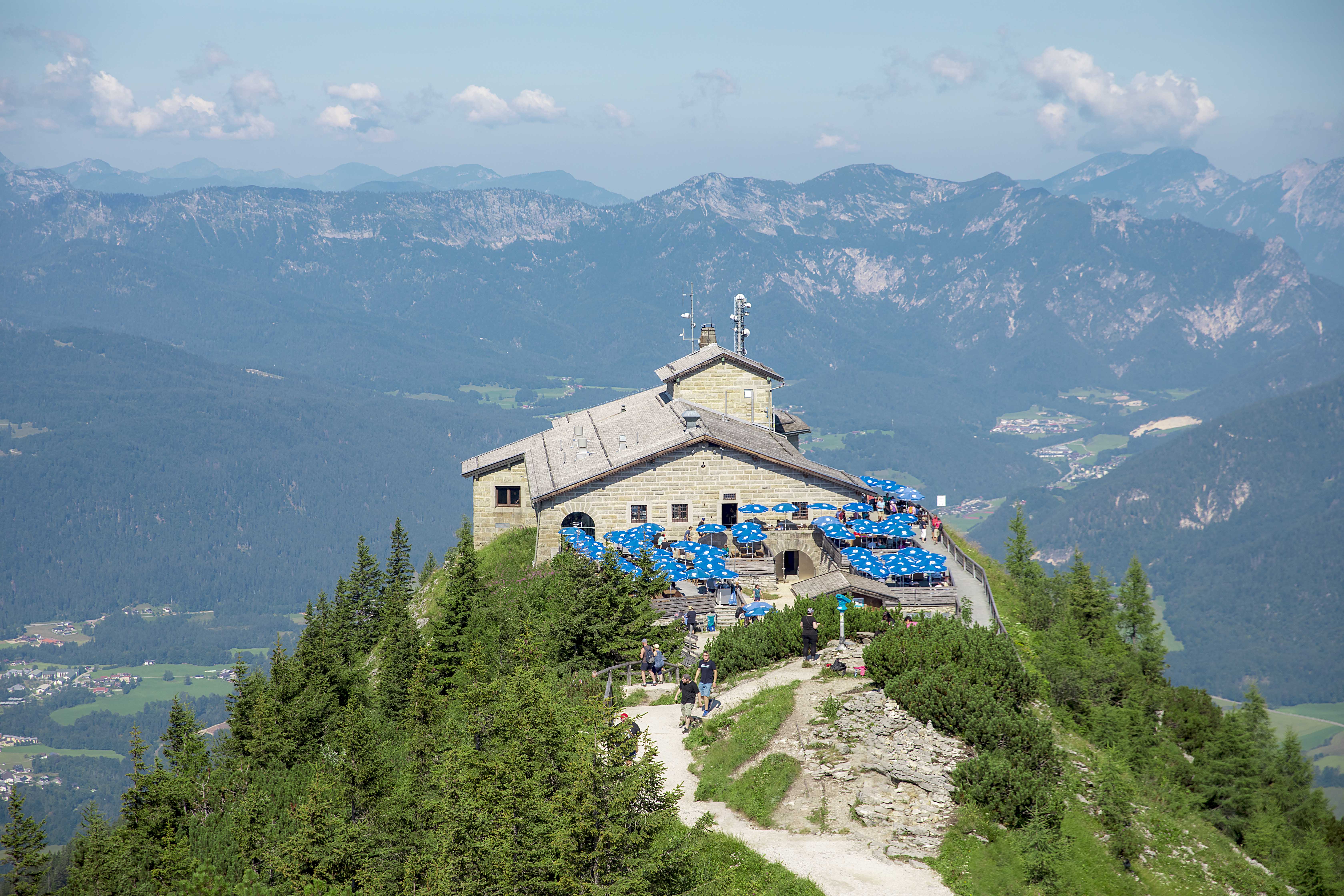
I woke up early the next morning to catch the bus to Adolf Hitler’s Kehlsteinhaus, better known as the Eagle’s Nest. Perched atop a rocky ridge overlooking the town of Berchtesgaden, this Third Reich-era building was completed in 1938 and presented to Hitler by the Nazi Party as a gift for his 50th birthday.
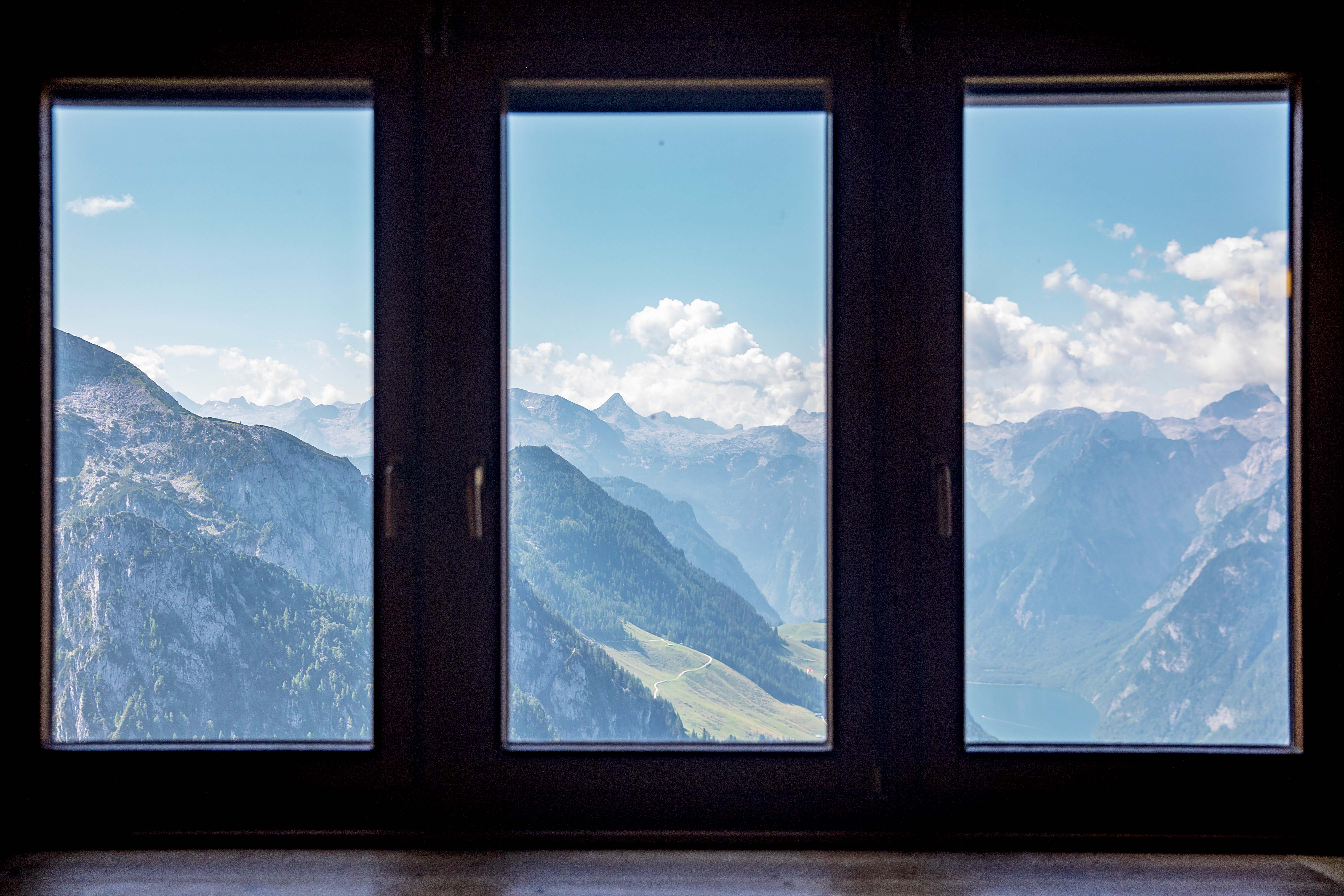
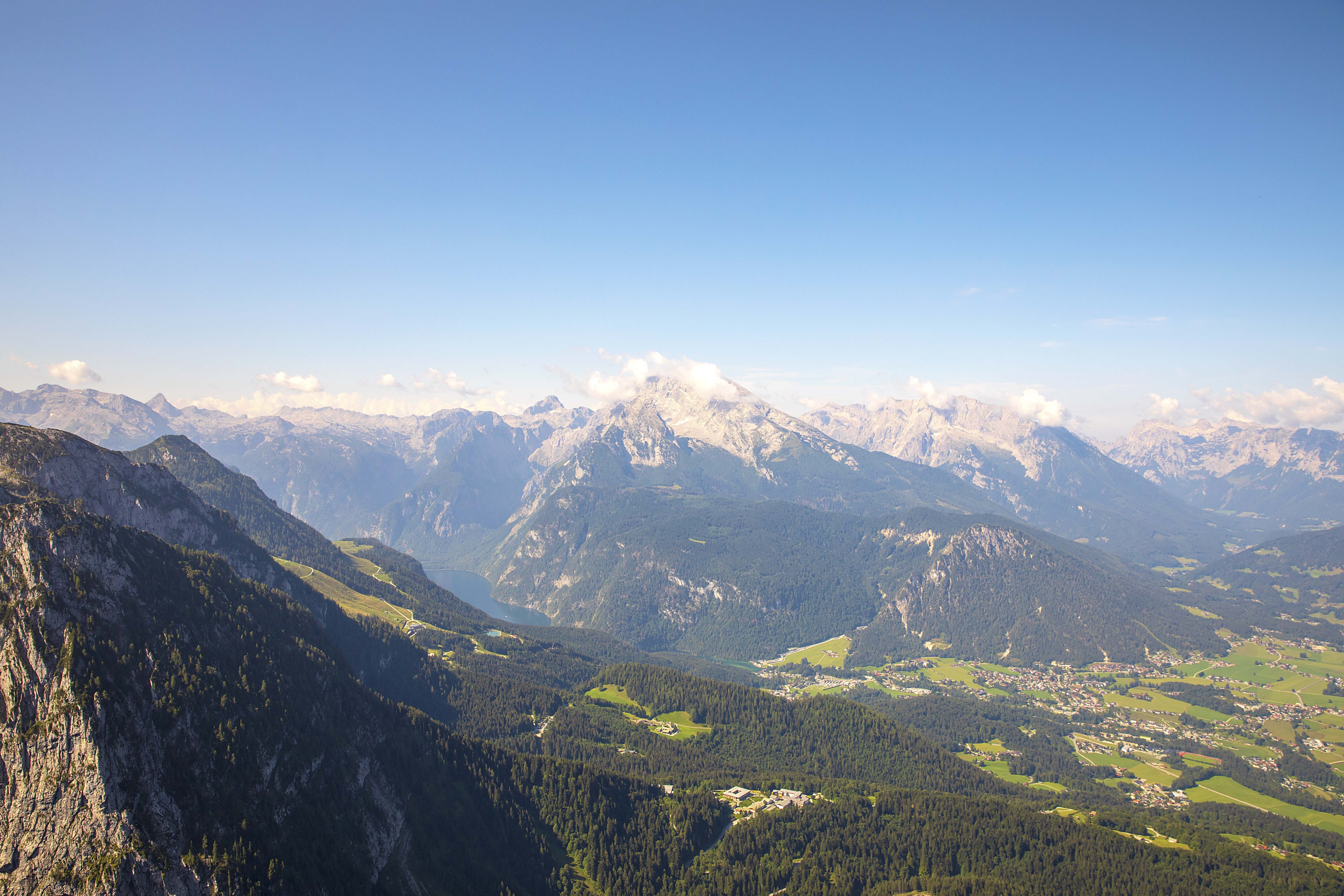
Kehlsteinhaus offers breathtaking 360-degree views of the Berchtesgaden Alps, with the panorama stretching all the way to Salzburg, Austria, on a clear day. The Eagle’s Nest is open to the public only from early May until late October or early November, depending on the snow conditions each year. I can only imagine how otherworldly this place must feel during the winter months, when the mountains and surrounding landscape disappear beneath a pristine blanket of snow.
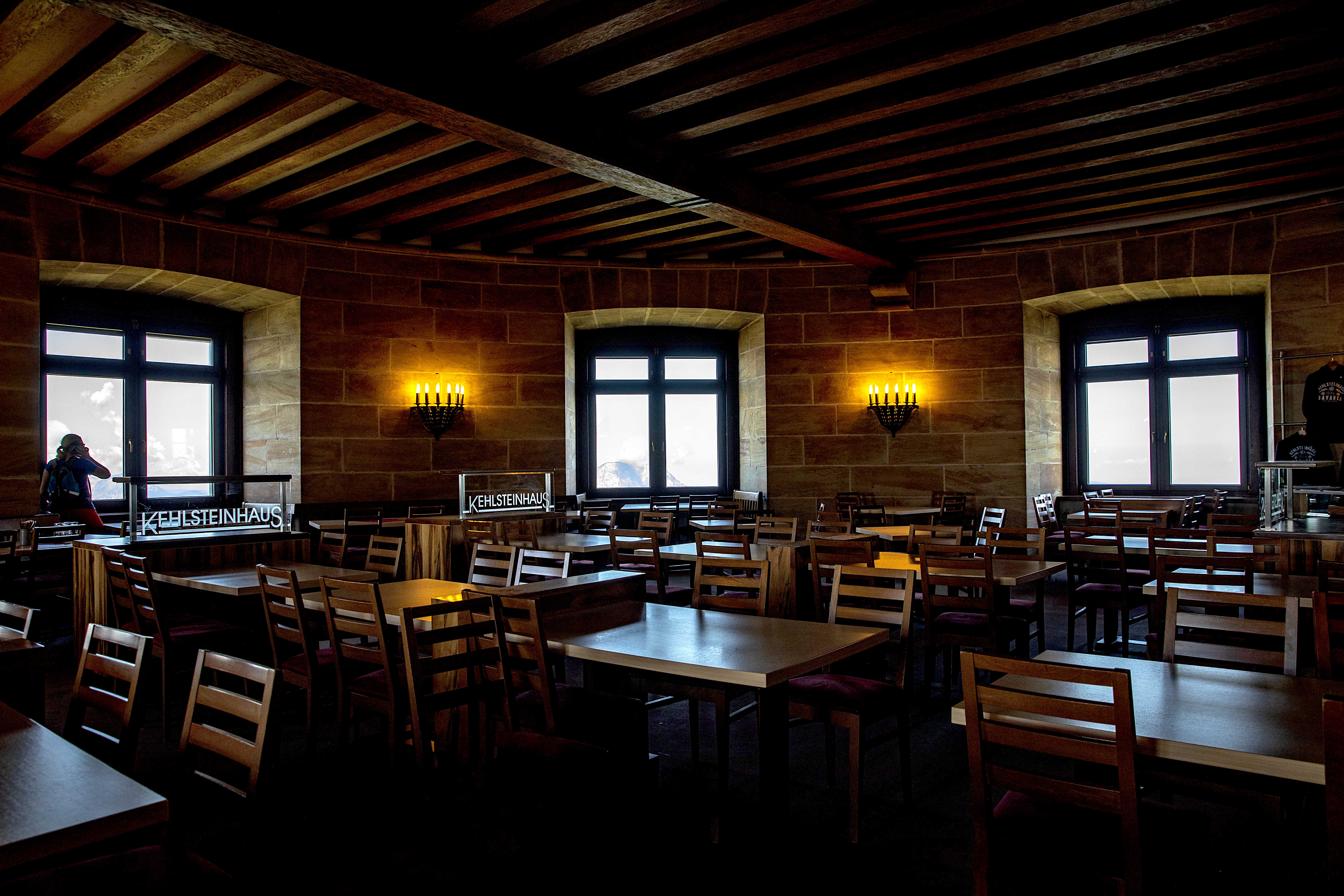
During the Third Reich, the Kehlsteinhaus served primarily as Adolf Hitler’s mountain retreat, while also functioning as a diplomatic teahouse and reception venue designed to entertain and impress foreign officials. Today, this historic landmark has taken on a very different role, operating as a restaurant and café with a small gift shop inside. Visitors are free to explore both the building and its surrounding grounds at no cost though.
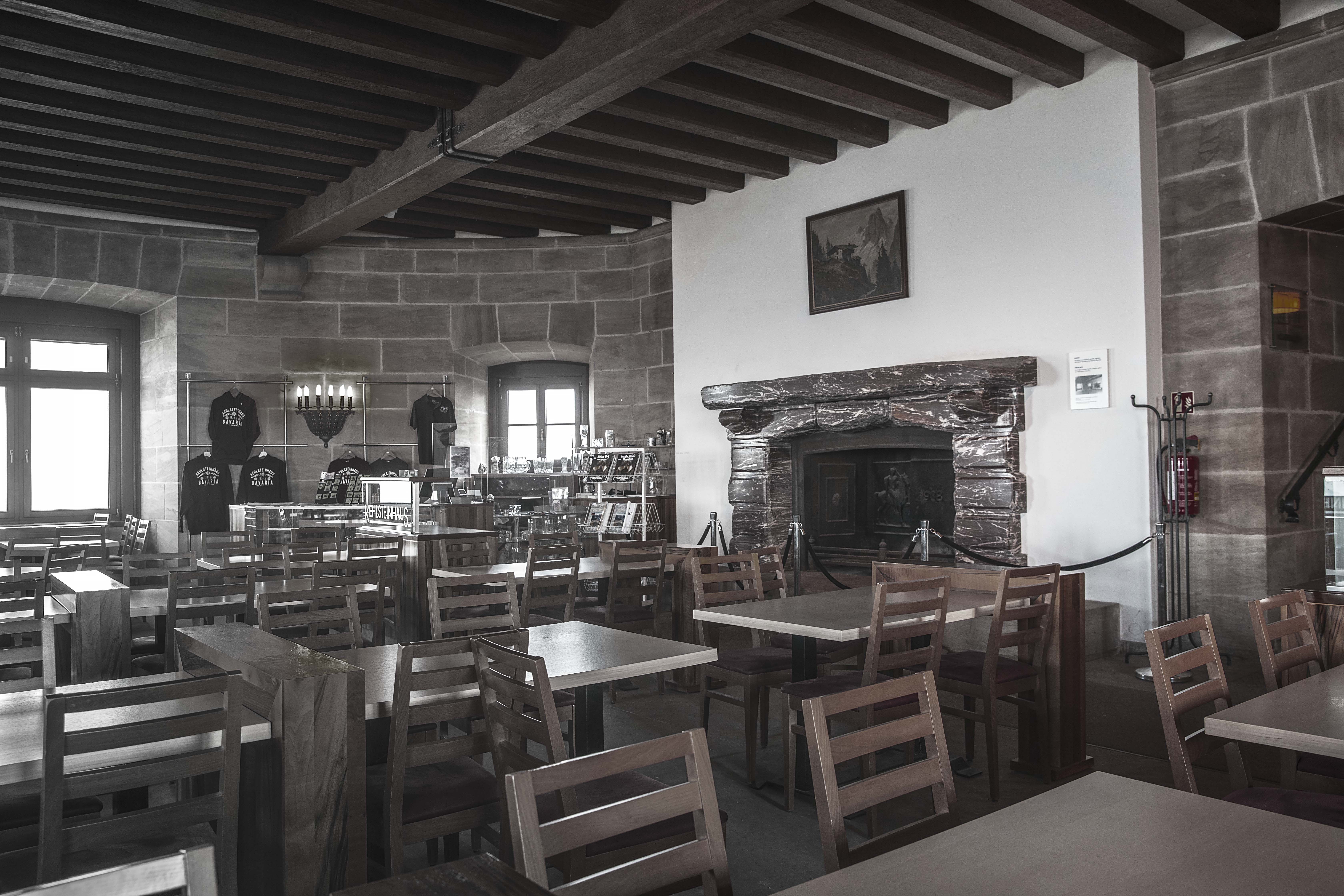
The building itself is an impressive feat of engineering, but a few details stood out to me more than anything else.
The centerpiece of the main reception room is a massive fireplace carved from deep red Carrara marble, presented to Adolf Hitler as a diplomatic gift by Italian dictator Benito Mussolini. It remains one of the most striking features of the interior.
The other thing I won’t forget is the famous elevator that carries visitors up to the Kehlsteinhaus. Although it isn’t made of solid gold, its polished brass interior and luxurious design certainly give that impression. Photography inside the elevator was prohibited, but the elevator guide explained that it has remained almost untouched since it was built. Even more remarkable is the journey itself. It travels 124 meters straight through the heart of the mountain in just 41 seconds, making the ride feel almost as extraordinary as the destination.
You can’t drive all the way up to the Eagle’s Nest. There are two ways to get there: join a guided tour, which I found to be quite expensive, or purchase a round-trip bus ticket in advance. I would definitely recommend the second option. If I remember correctly, the round-trip ticket cost around €35 (as of August 2026).
The buses depart from Busbahnhof Kehlsteinhaus, which is also where you’ll leave your car. Keep in mind that parking is paid in addition to the bus fare. Be sure to arrive a little early, as your ticket is valid for a specific departure time, and the buses leave on schedule.
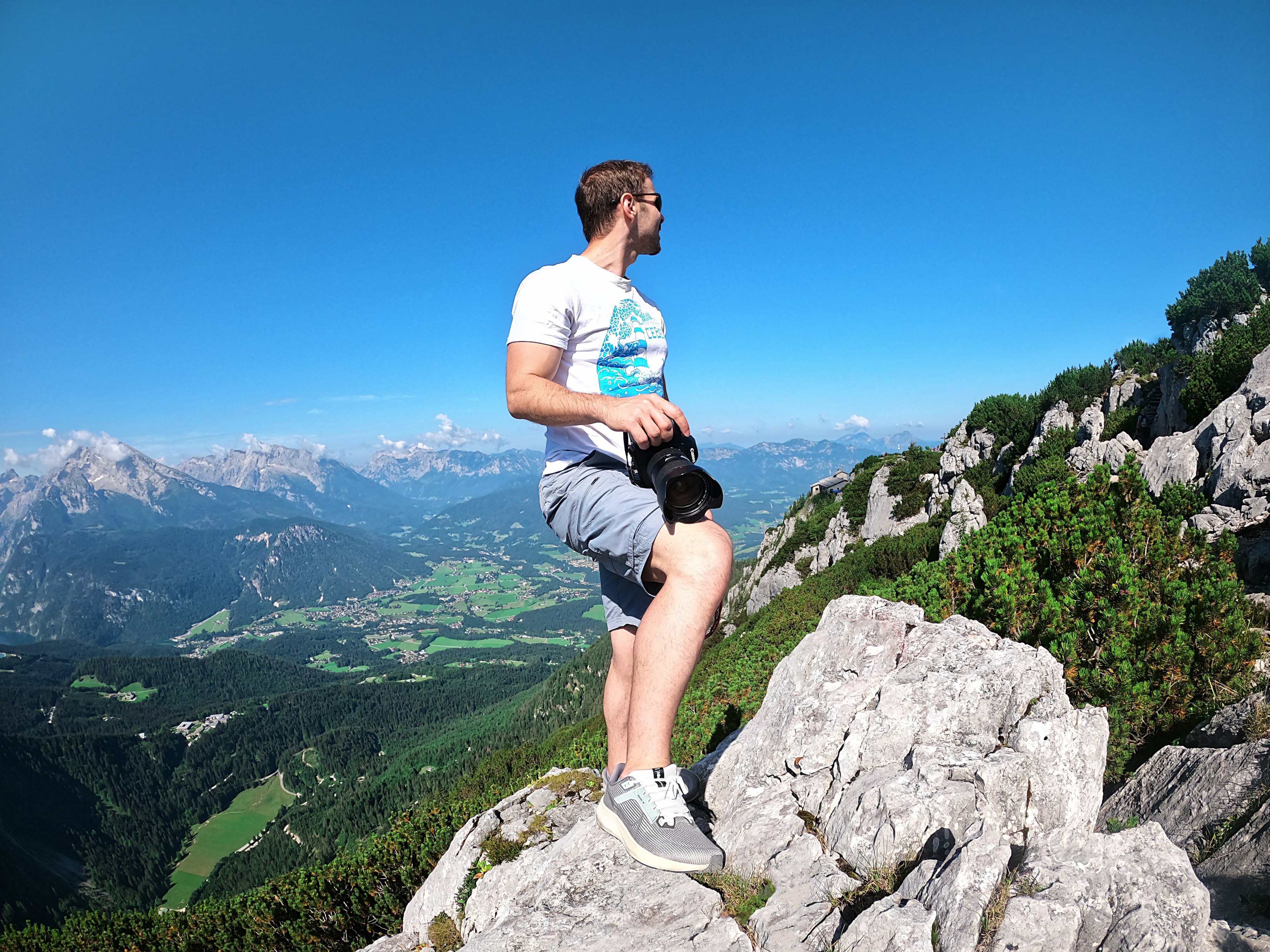
A quick side note: somewhere around the Eagle’s Nest, I managed to lose my sunglasses. It was a bit disappointing, but honestly, it didn’t take anything away from the experience. Some places are simply too memorable to let a minor inconvenience overshadow them.
You can spend hours wandering around the complex, hiking the surrounding trails, taking in the spectacular scenery, or simply finding a quiet spot to admire the breathtaking views over the Bavarian Alps.
Now, I think it’s time to get back on the road and make our way to the capital of Red Bull, Salzburg. Though before we get there, I’ll probably need to pick up a new pair of shades from INTERSPORT Tscherne Salzburg Alpenstraße.
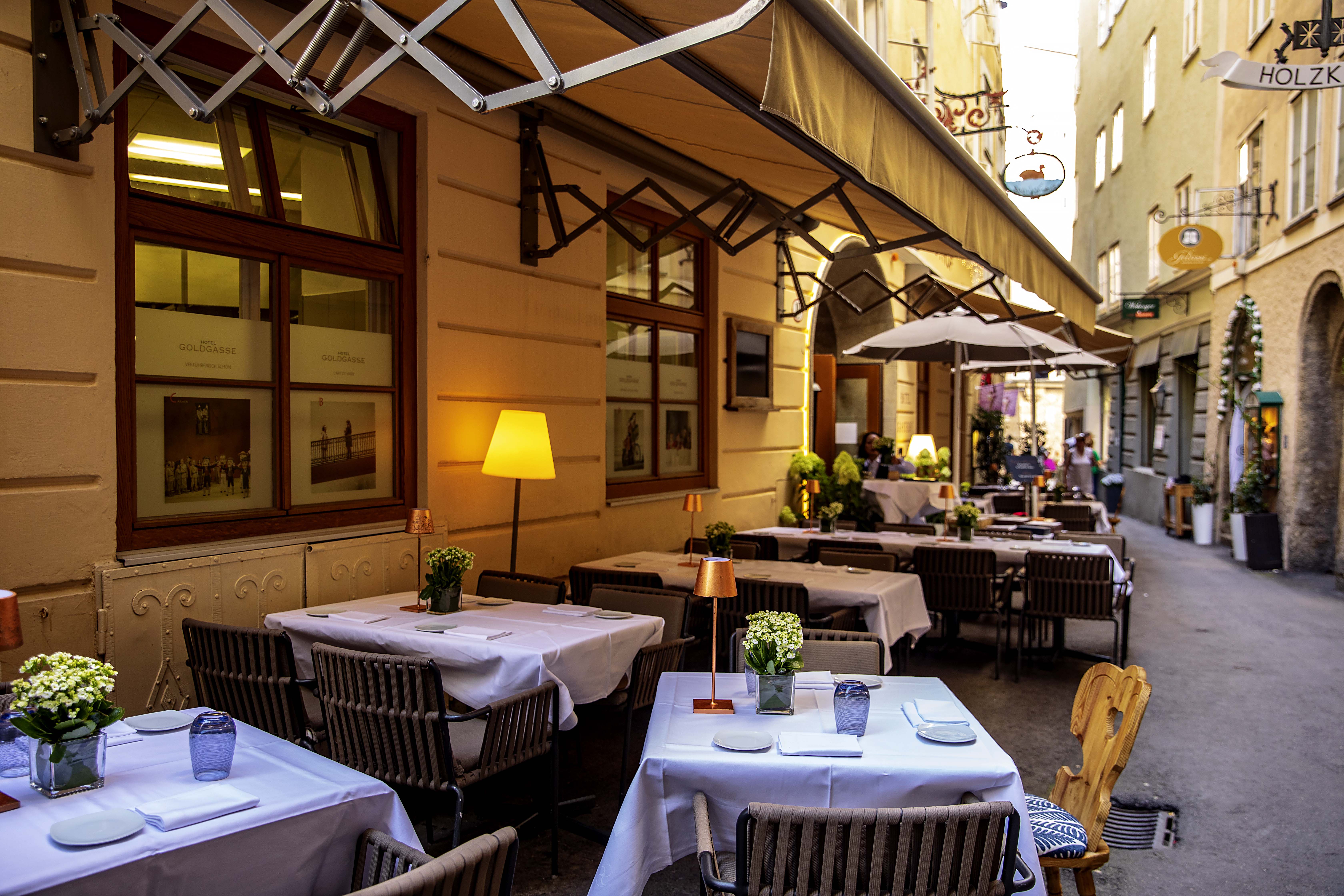
After about a 30-minute drive from Busbahnhof Kehlsteinhaus, I arrived in the city center of Salzburg.
A quick heads-up if you are planning to drive there: street parking can be a little tricky. It is not quite like the US, where you simply find a meter on the street and pay. In Salzburg, there are designated parking zones where you need to purchase a ticket and display the receipt behind your windshield.
I parked the car and decided to grab some food (try Salzburger Döner) before exploring the city. About 30 minutes later, when I returned, I found an older but very friendly parking enforcement gentleman standing next to my car, ticket book in hand, ready to write me a citation.
I quickly explained that I had only stepped away briefly to get something to eat. He smiled and replied, “I’ve been waiting here for 20 minutes.” 🙂
I told him I was a tourist and genuinely didn’t know where I was supposed to pay for parking. Instead of giving me a ticket, he kindly explained where I could find the payment machine and, luckily, decided to let me off with a warning.
I followed his directions, only to discover that the machine wasn’t working. After a bit of searching, I eventually found another parking spot and finally began exploring the beautiful old town of Salzburg.
A small parking adventure before the real adventure began.
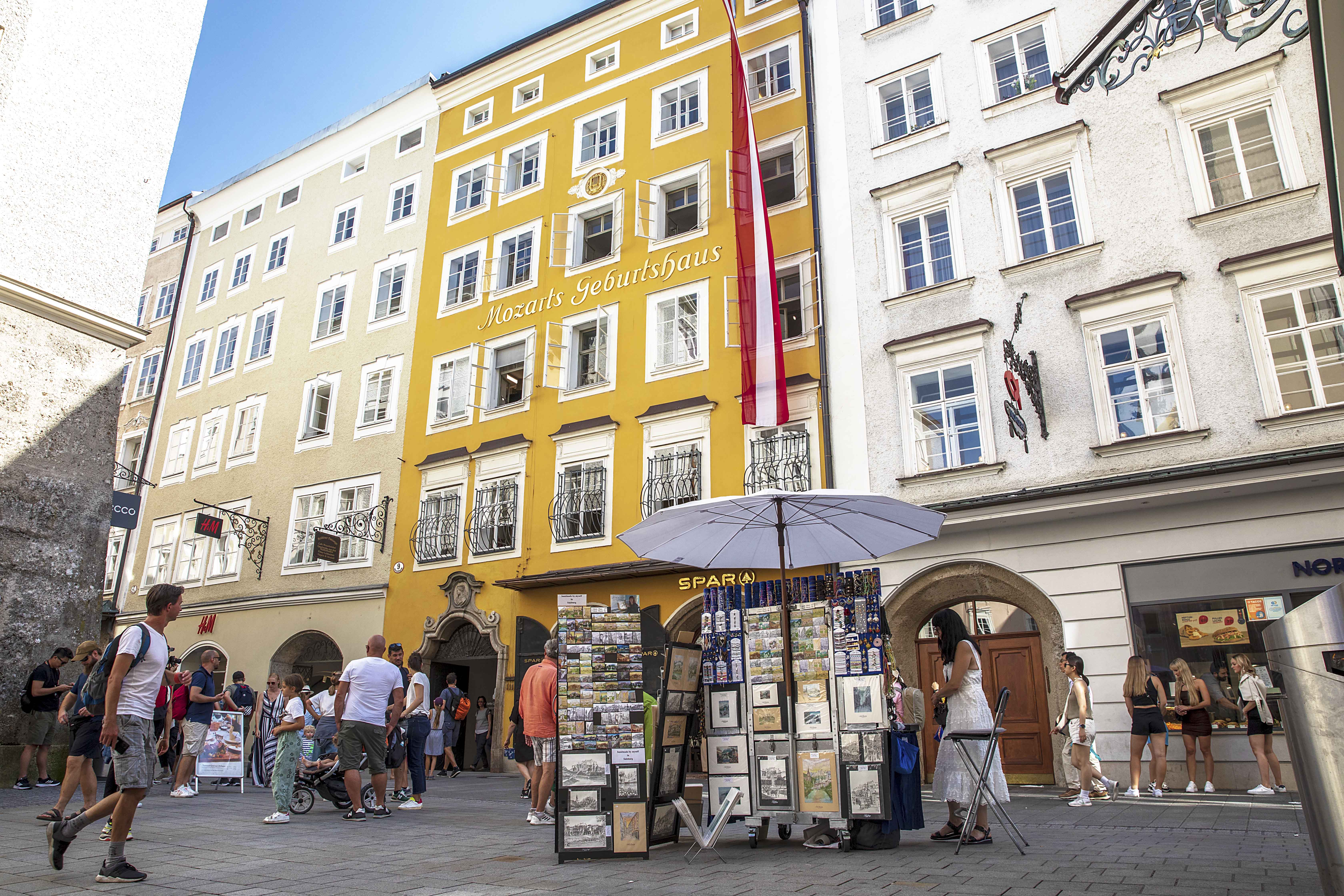
The old town area of Salzburg is wonderfully compact, making it possible to explore many of its highlights in a single day. The city is famously known as the “City of Mozart”, and for good reason.
Wolfgang Amadeus Mozart was born in Salzburg on January 27, 1756, at Getreidegasse 9 (Mozarts Geburtshaus, shown in the picture above), one of the most iconic and historic streets in the city. He spent the first 25 years of his life here, composing many of his early masterpieces while serving as a court musician for the Prince-Archbishops of Salzburg.
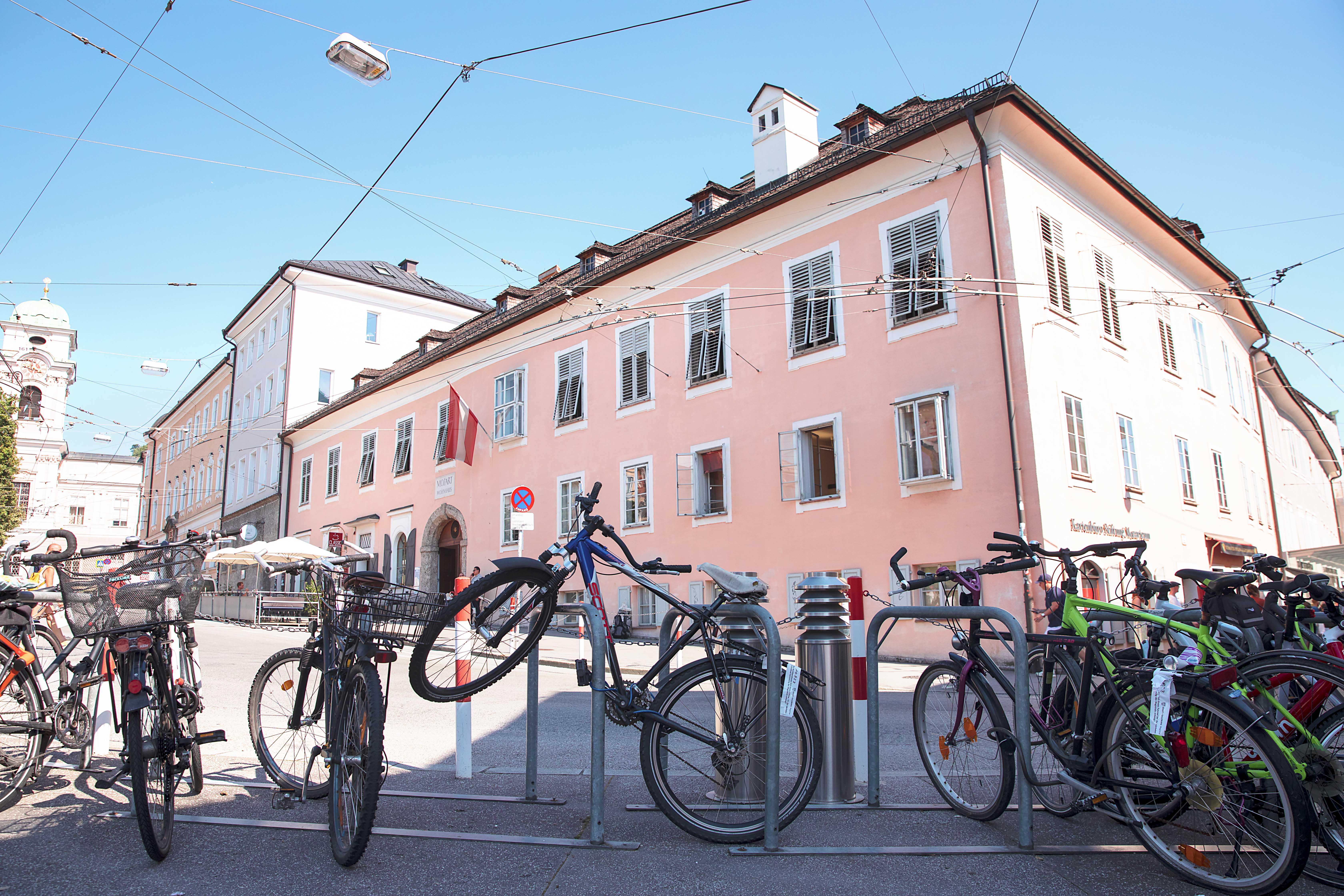
The Mozart family moved into the spacious eight-room apartment shown above on the first floor in 1773, as their original home in Getreidegasse had become too small for the growing family.
If you are a classical music enthusiast, you can purchase a combined ticket for around €25 (as of August 2026) and visit both of Mozart’s residences in Salzburg, offering a glimpse into the early life and surroundings of one of the world’s greatest musical geniuses.
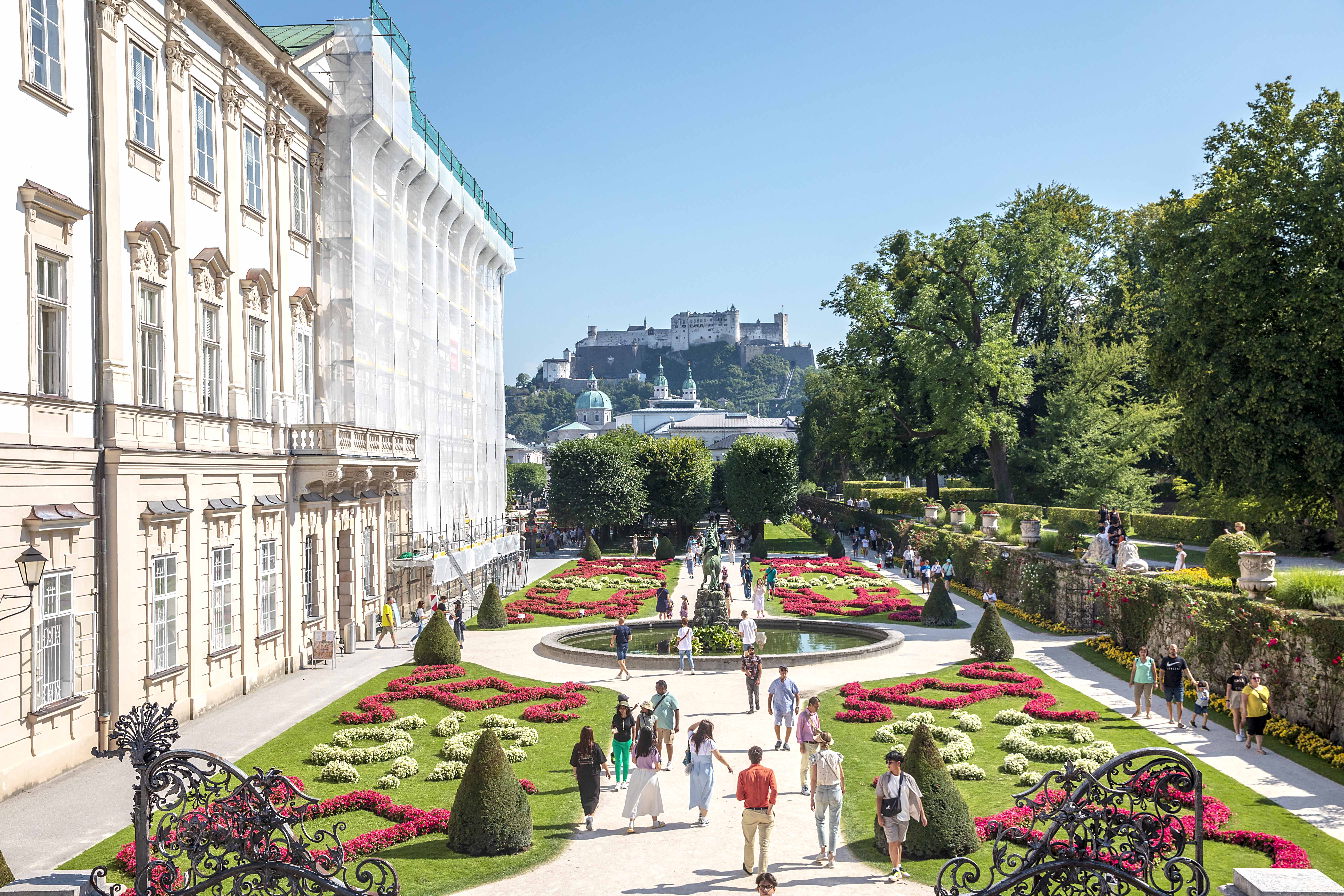
Palaces are among the most defining characteristics of Austria’s major cities, and one thing that never fails to impress is the incredible attention to detail in their gardens. You can truly appreciate the level of artistry and planning that went into designing these spaces. I still remember seeing books from the 16th and 17th centuries in the Austrian National Library dedicated to gardening and garden design, showing how deeply this tradition has been rooted in Austrian culture for centuries.
Mirabell Palace is no exception. The entire complex is a protected monument and is also part of the UNESCO World Heritage site of Salzburg. Even better, both the palace grounds and the beautifully designed gardens are free for visitors to explore.
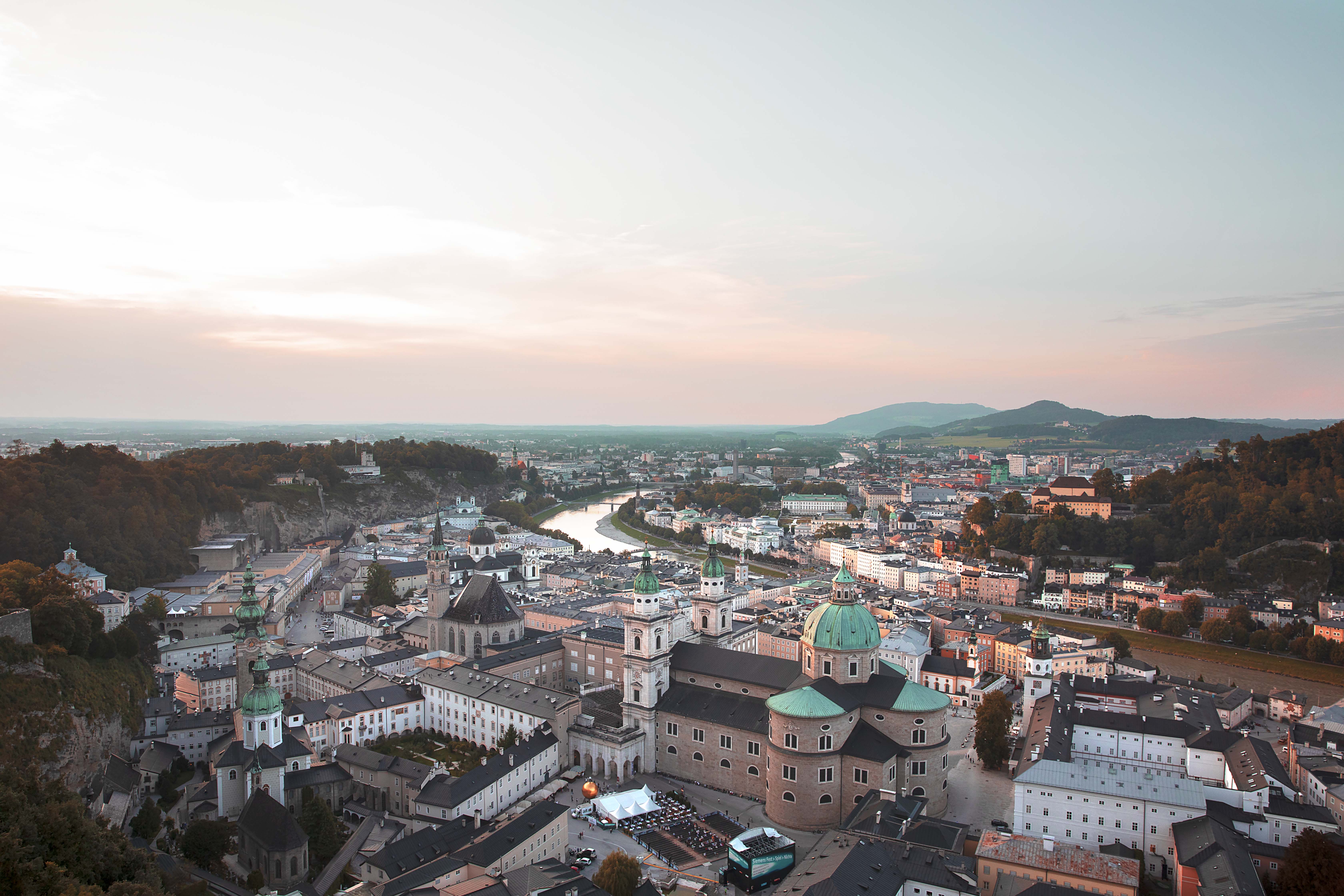
There is perhaps no better place to watch the sunset over Salzburg than the iconic and sprawling Fortress Hohensalzburg. Standing high above the city, this magnificent castle complex offers breathtaking panoramic views of Salzburg and the surrounding landscapes.
At the base of the fortress, you can purchase an All-Inclusive Ticket, which includes access to the courtyards, bastions, museums, armory, exhibitions, and many other areas of the castle, along with a round-trip ride on the funicular. If I remember correctly, the ticket was around €20.
Of course, you can choose to walk up to the fortress instead of taking the funicular, but the savings are only around €3. In my opinion, the funicular ride itself is part of the experience, so I would definitely recommend enjoying it and saving your energy for exploring the castle and taking in the views.
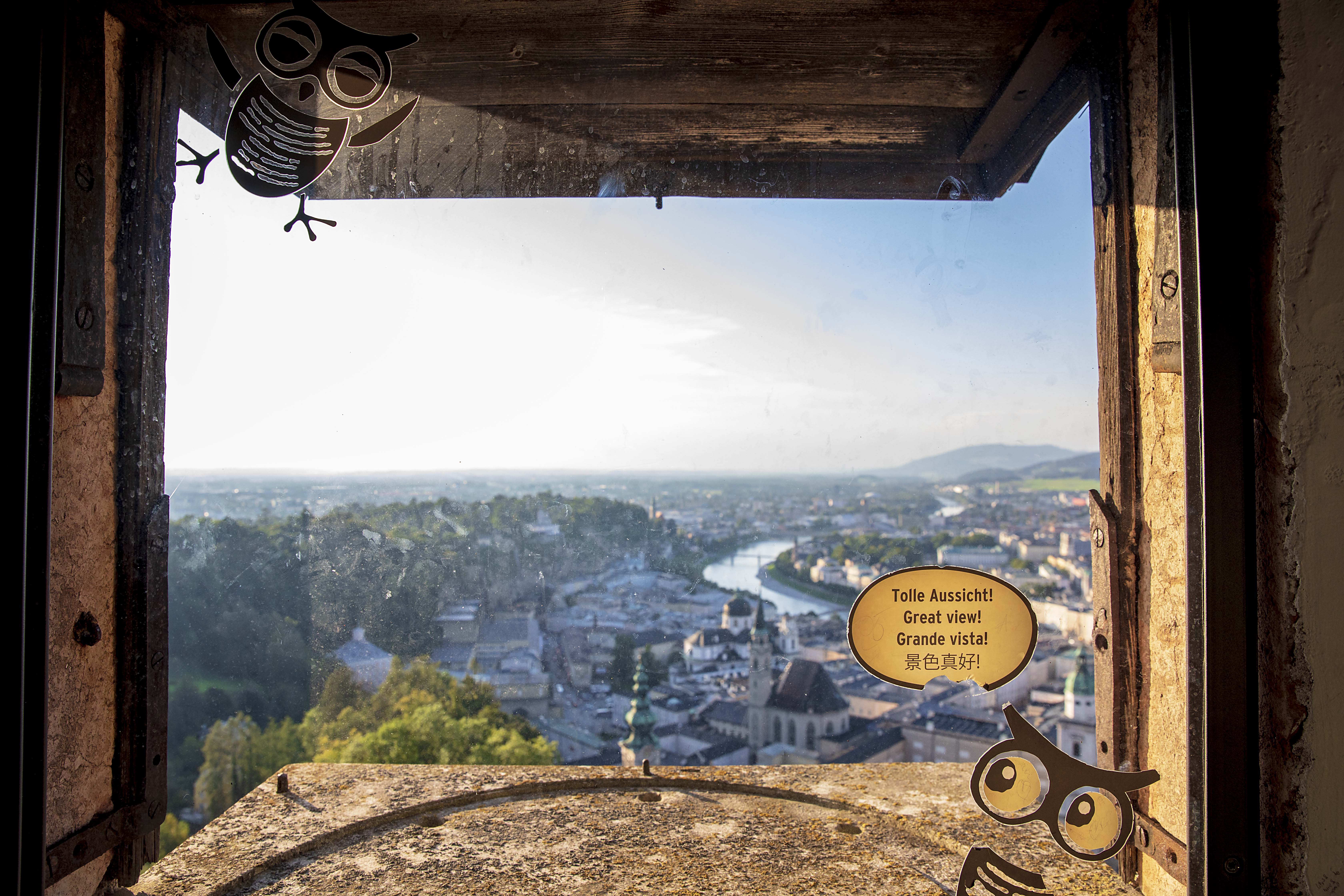
The fortress was built around 1077 during the era of the Holy Roman Empire and sits proudly on a hilltop overlooking the city of Salzburg. Designed almost like a small medieval town enclosed within massive fortified walls, the complex feels like stepping back in time.
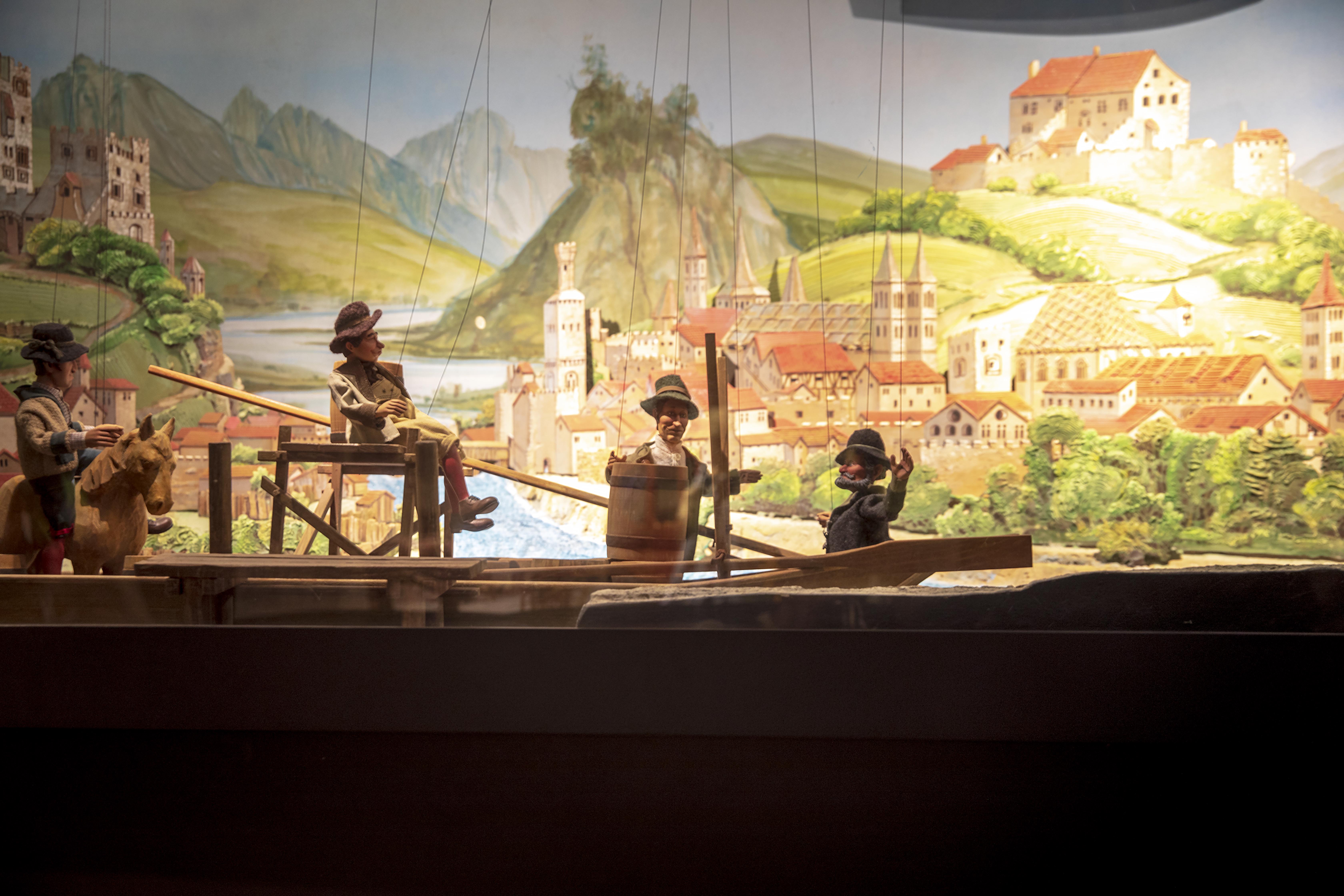
There are also many fascinating puppet exhibits throughout the complex showcasing the part of Salzburg’s cultural heritage. Be prepared to spend at least a few hours exploring the fortress. Walking through its ancient courtyards, wandering along the medieval walls, and taking in the breathtaking views of Salzburg creates a truly magical experience.
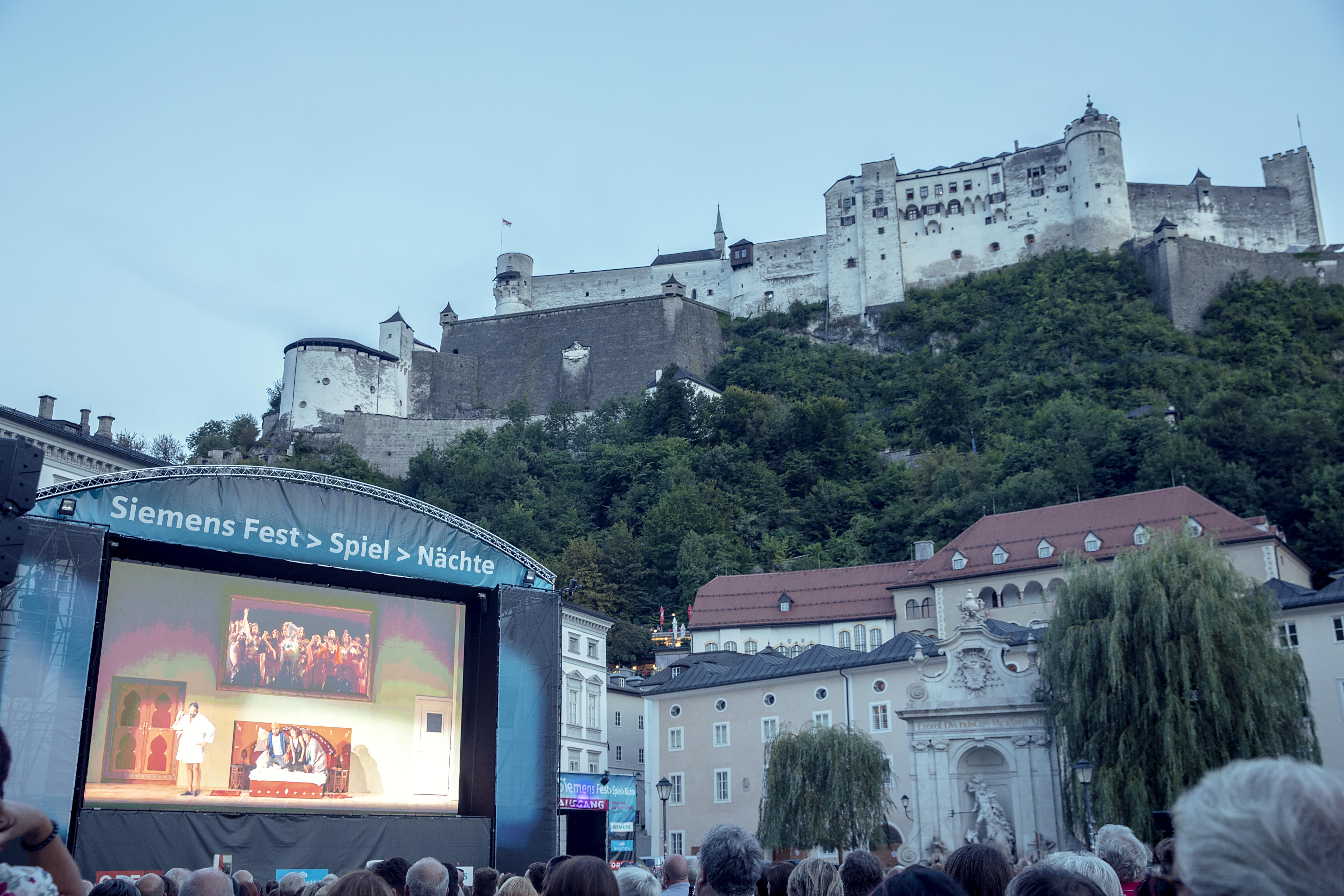
From late July through August, Salzburg hosts the Siemens Festival Nights (Siemens Fest > Spiel > Nächte) in Kapitelplatz, right in the heart of the Old Town. Every evening, visitors can enjoy world-class opera performances, theater productions, and classical concerts on a giant outdoor screen. Best of all, the event is completely free and open to the public.
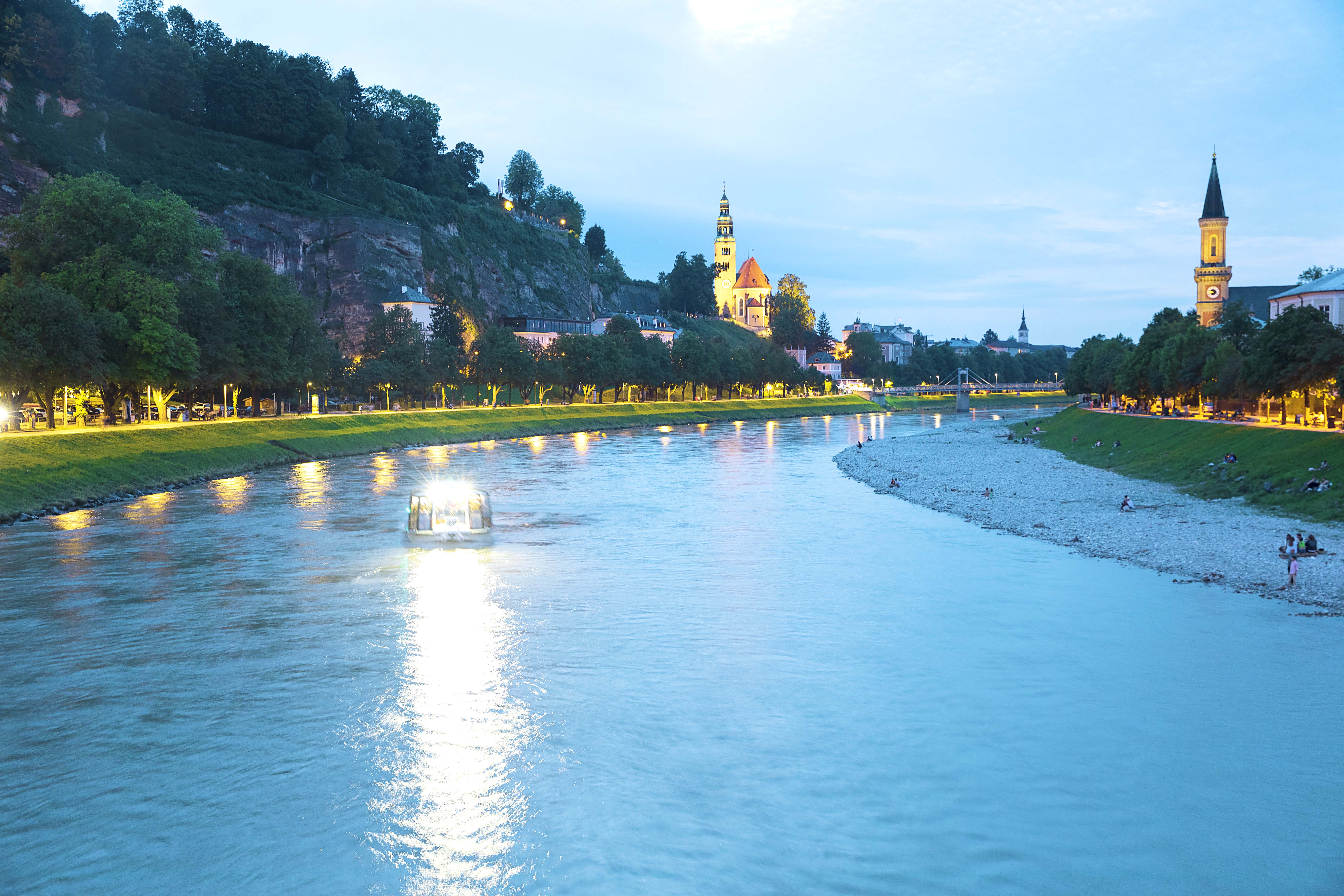
If you’re looking to escape the crowds, Salzach Beach is the perfect place to unwind. Sit back, listen to the gentle flow of the river, and watch the city lights slowly illuminate the skyline as the evening settles in.
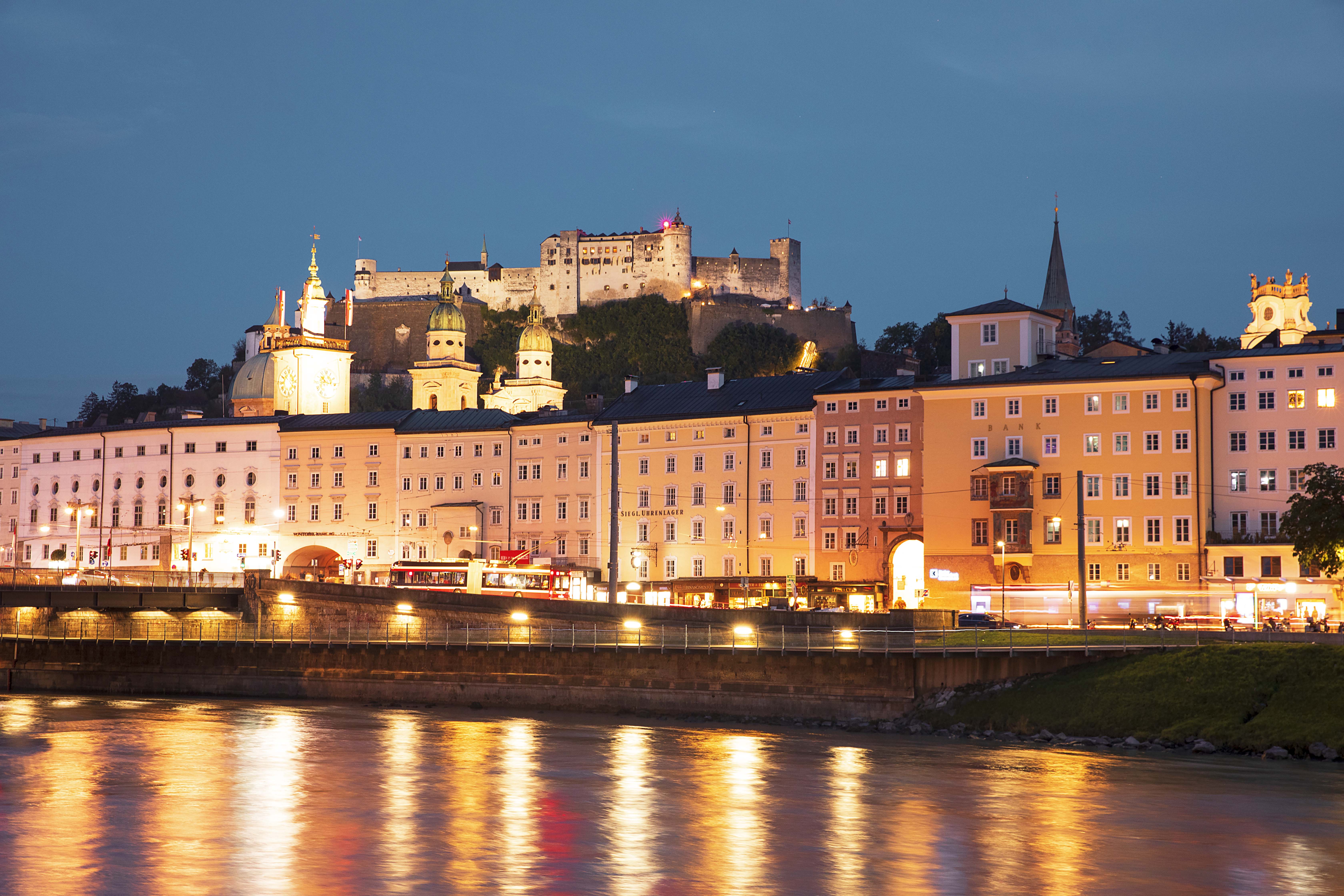
A Midsummer Night’s Dream in Salzburg.
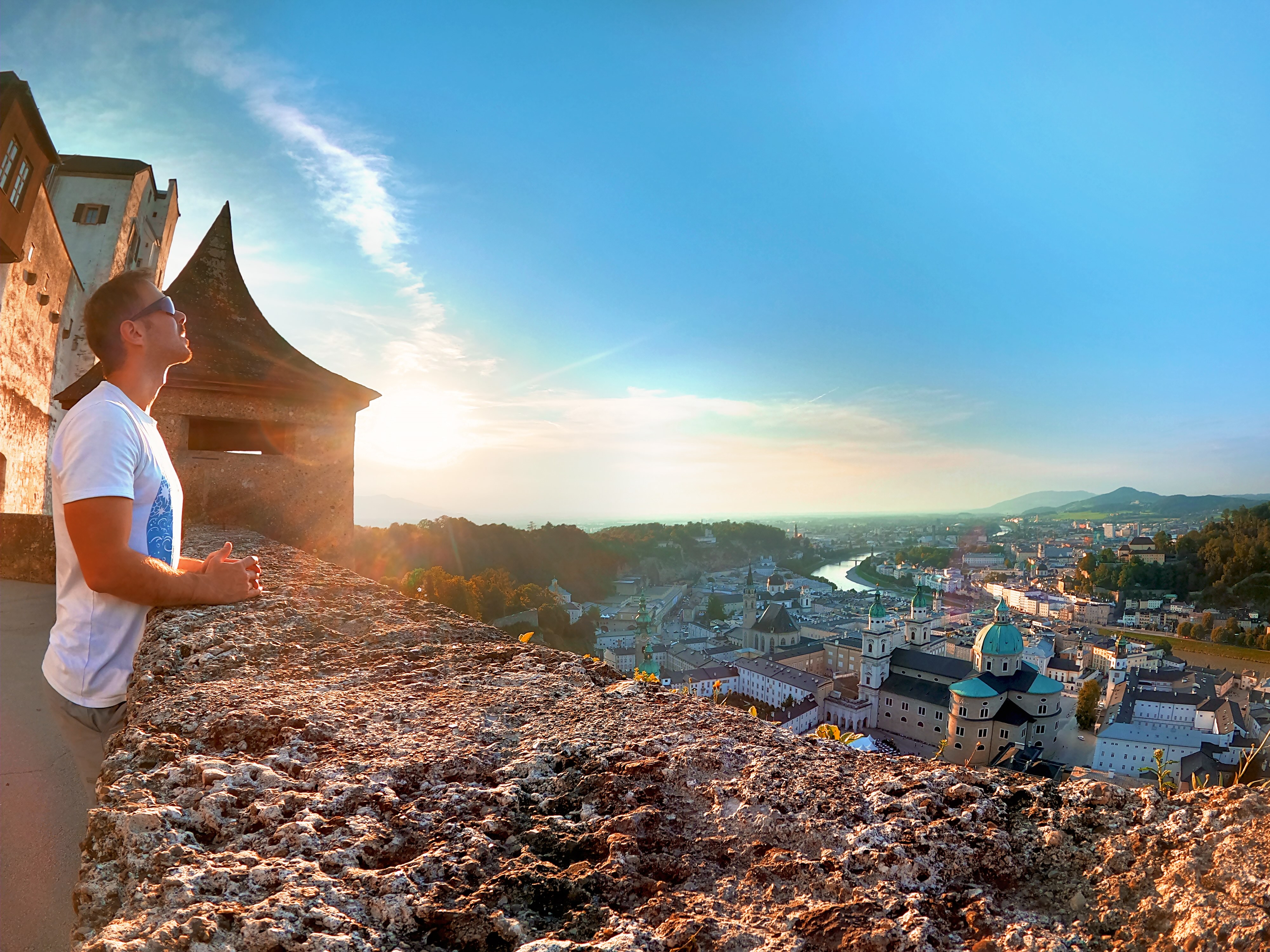
And just like that, another adventure comes to an end.
These are the moments we cherish the most when we travel. Perhaps, over the years, many of them will slowly fade from our memory, even if we have photographs and stories to remind us. One day, we may look back and ask ourselves whether it was all worth it… the money spent, the time invested, the effort, the long roads, and the countless hours of planning. Maybe, at first glance, the answer may not always seem obvious.
But I see it differently.
Traveling is like walking through endless fields shaped by the wind. The journey is not always easy. Sometimes the roads are exhausting, the weather is unforgiving, and the effort required feels greater than the reward. Yet, as we move forward, we collect little pieces of those moments like dust carried by the wind. Some are lost along the way, scattered into the distance as new adventures begin, but others stay with us.
Those pieces quietly become part of who we are. They shape our perspectives, change the way we see the world, influence how we face challenges, and teach us to appreciate the beauty hidden in ordinary moments. They become memories not just stored in our minds, but engraved somewhere deeper, in our souls, where they remain with us until our final breath.
So, from the walls of Hohensalzburg Fortress, as the sun sends its final golden kisses over the beautiful city of Salzburg, I say goodbye for now.
Until the next adventure…

