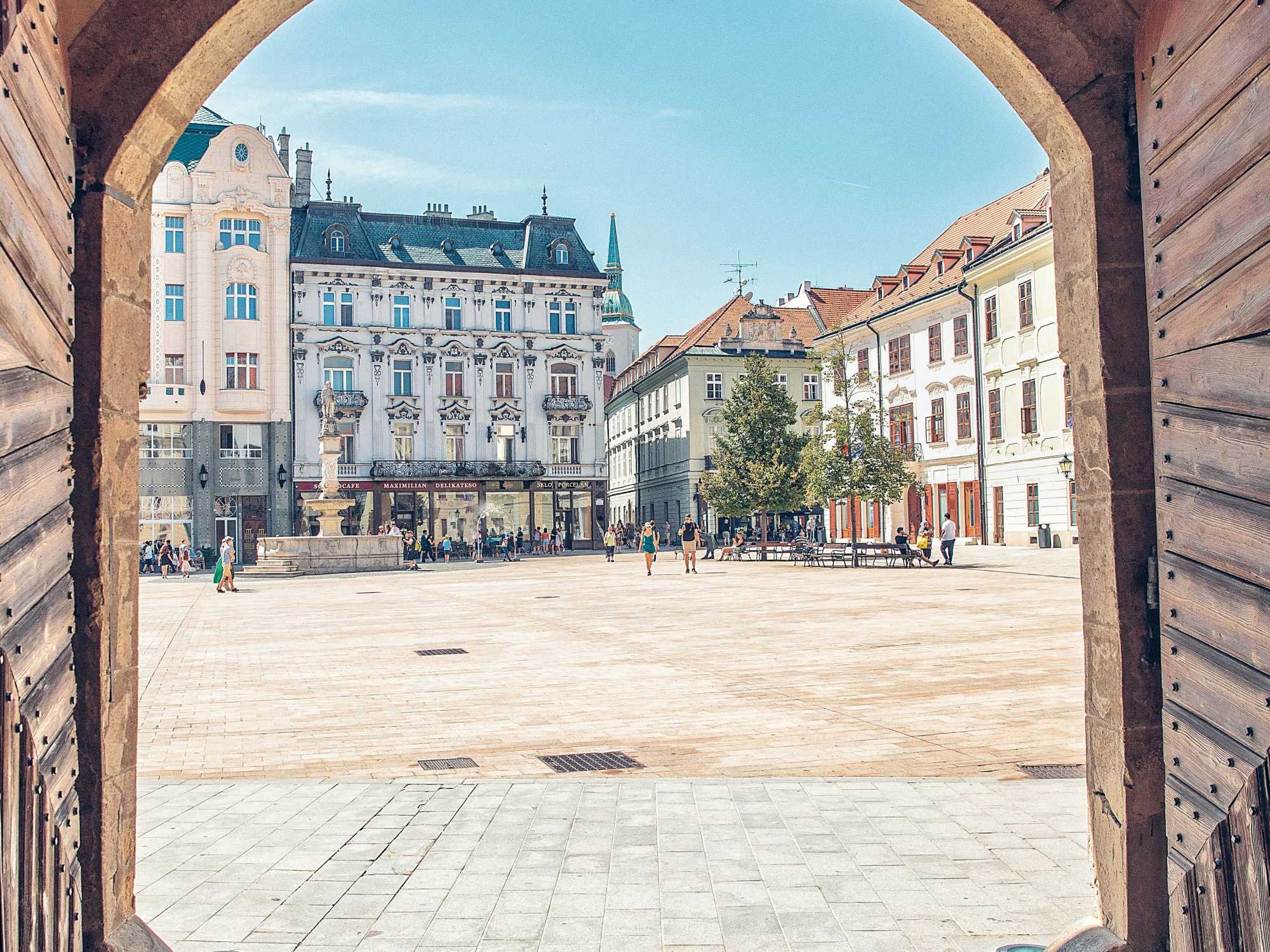
Were you all waiting for my highly anticipated July travel post? Well, I heard “Yes” 🙂 So, say no more. On the journey from Budapest to Vienna, there’s a small yet charming city that’s too easy to overlook but absolutely shouldn’t be. That was exactly my plan. On a hot European summer morning, I set off from Budapest toward the heart of Europe, Vienna, a drive of less than three hours. Instead of heading there directly, I decided to make a stop in Slovakia’s capital, Bratislava. Even with only a few hours to spare, I wanted to wander its streets, soak up its atmosphere, and discover what makes this compact city so special.
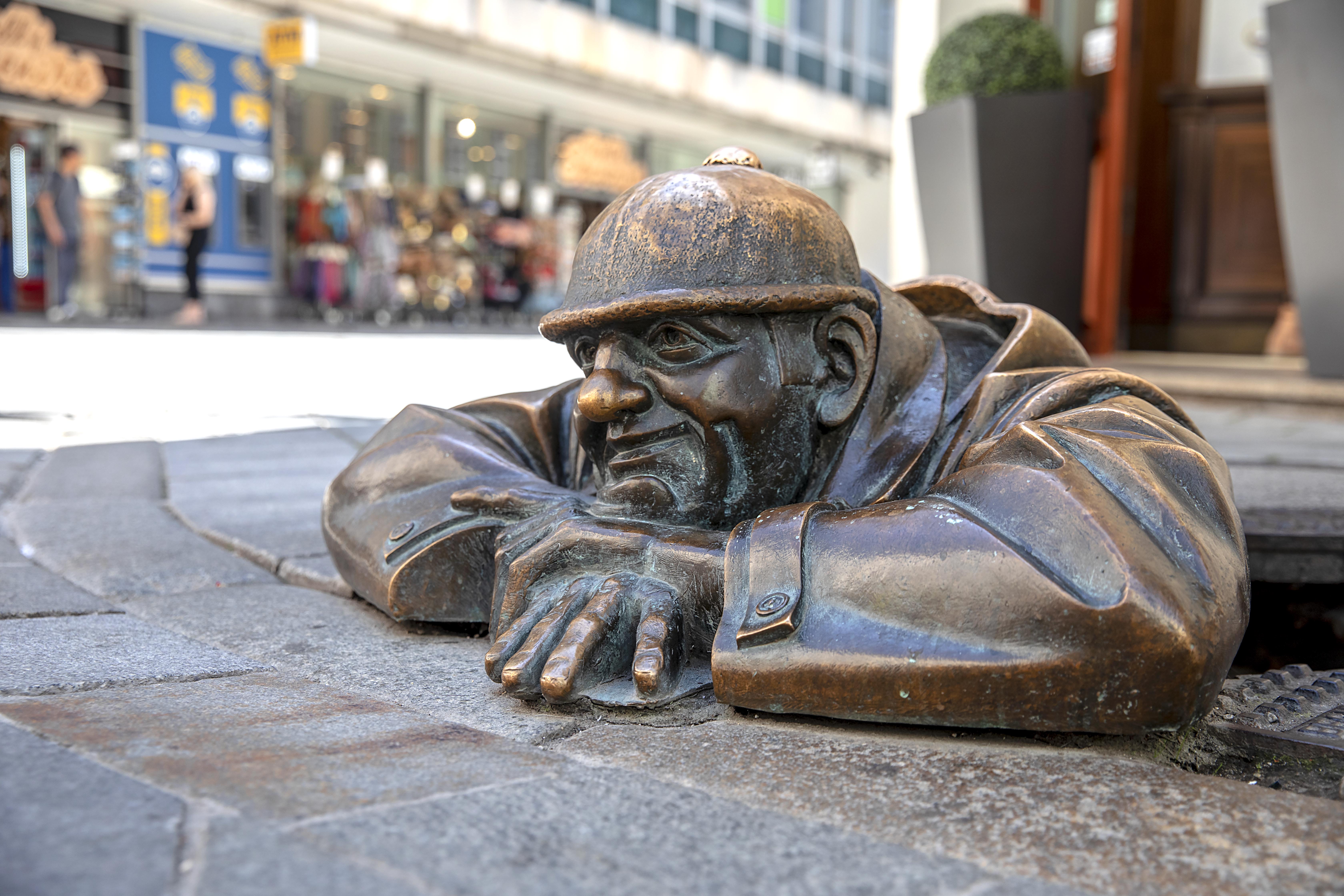
I have a feeling Čumil is already peeking out from the streets of Bratislava, waiting to welcome us into the story. So, let’s not keep him waiting.
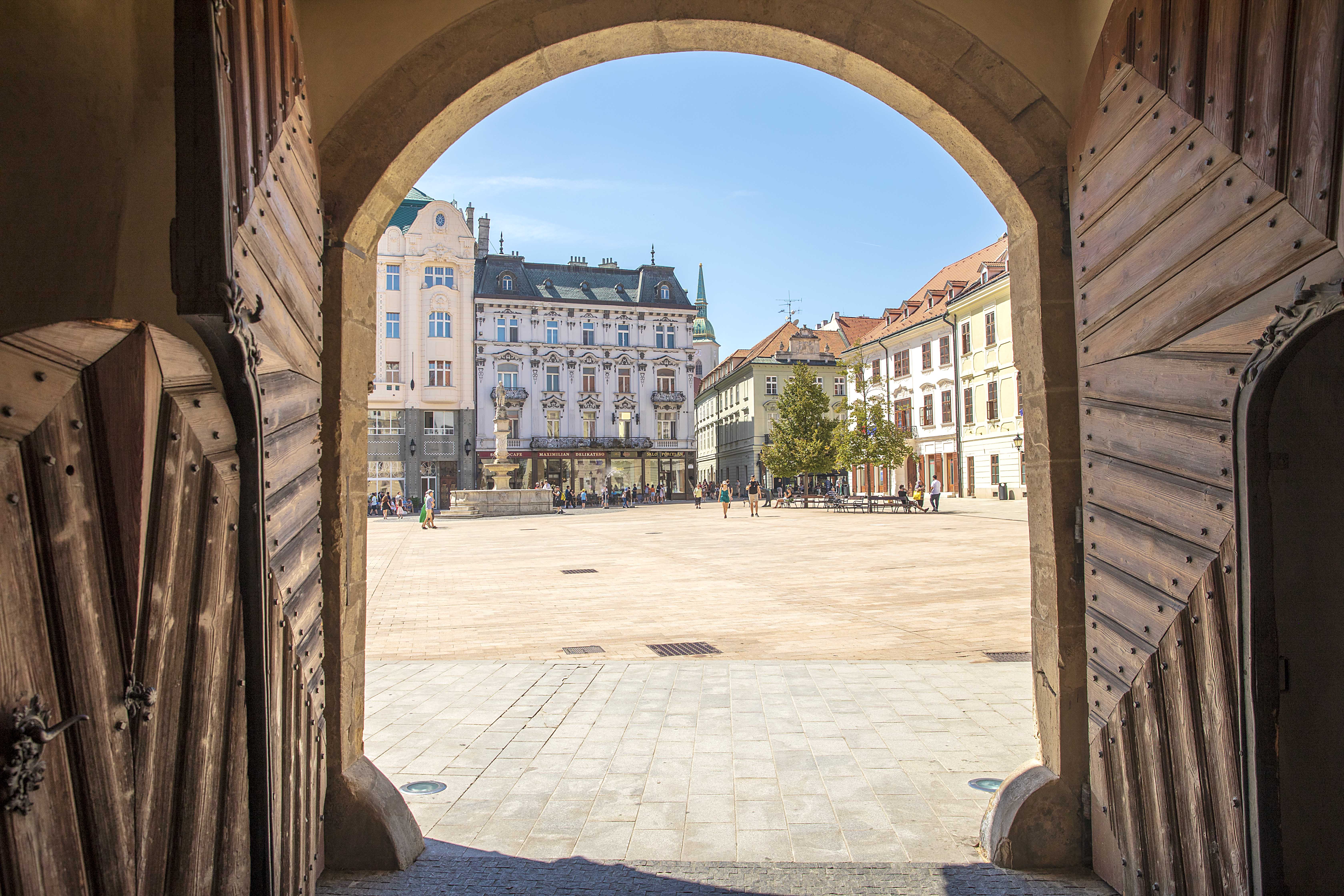
After parking my car on one of the quiet side streets near Marrol’s Boutique Hotel, I began my journey through Slovakia’s charming capital. To be honest, it was a scorching summer day, and spending long periods outdoors was not exactly easy. Then again, that is part of visiting Central Europe during the peak of summer, so be prepared for the heat.
The good news is that even if you only have a few hours in Bratislava, you can still see many of its highlights. The historic city center is compact and easy to explore on foot. Just remember to stay hydrated, especially if you plan to spend a lot of time walking under the summer sun.
As you make your way toward the Main Square (Hlavné námestie), you will come across several charming statues that give Bratislava’s Old Town its unique character.
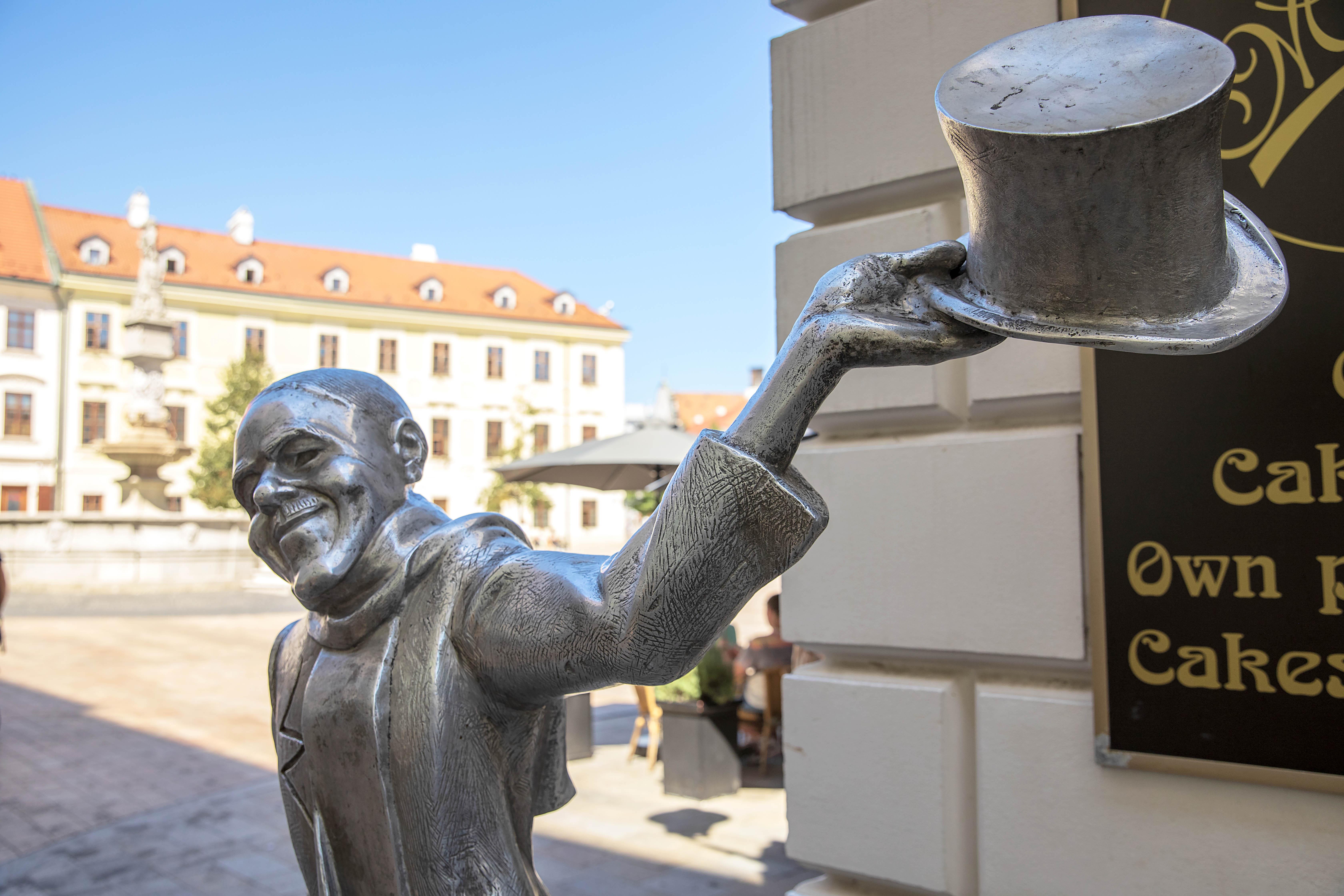
The most famous of them is the Čumil Statue (the first picture at the very top). Čumil, whose name means “the Watcher” or “the Peeper,” is one of Bratislava’s most beloved and quirky landmarks. Like many famous street sculptures around the world, he has inspired his own local legend. It is said that if you gently rub the top of his polished head and make a wish, it will come true.
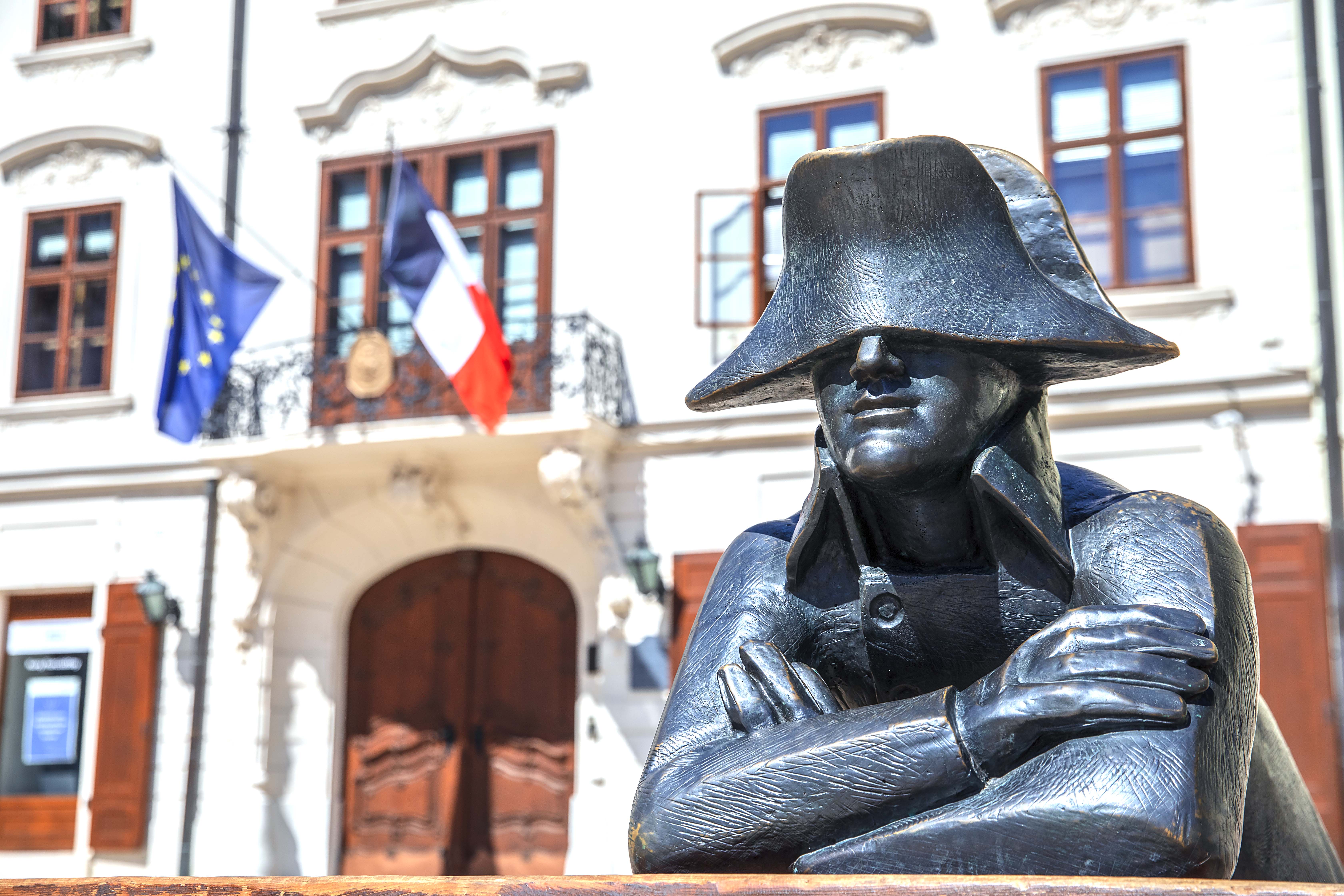
Another memorable statue stands in Hlavné námestie and tells a story that blends history with local folklore. During the Napoleonic Wars, Napoleon’s armies marched through Bratislava on several occasions. According to the legend, a wounded French soldier named Hubert was left behind in the city to recover. While being cared for by a Slovak nurse, he fell deeply in love with her and decided never to return to France. Instead, he deserted Napoleon’s army, settled in Bratislava, and eventually became a successful producer of sparkling wine by drawing on his French heritage.
If you look closely at the statue, you will notice one final detail. Hubert’s back is deliberately turned toward the French Embassy. According to local lore, the statue is permanently the embassy, serving as a playful artistic reminder of his decision to abandon Napoleon’s army and embrace a new life in Bratislava.
Bratislava’s statues are not limited to fictional characters. Just around the corner from the Main Square in the Old Town, you will find one dedicated to a real person who became a local legend.
Schöne Náci, which means “Beautiful Náci,” was the nickname of Ignác Lamár, one of Bratislava’s most beloved street personalities. Known for his kindness and impeccable manners, he became a familiar sight in the Old Town. Every day, he would stroll through the streets dressed in an elegant morning suit with velvet tails, carrying a walking stick and wearing a polished top hat.
Whenever he encountered a woman, he would greet her with a warm smile, gracefully tip his hat, and offer a courteous bow. His charm and gentlemanly demeanor left such a lasting impression that he remains one of Bratislava’s most cherished historical figures, immortalized in bronze for future generations to meet.
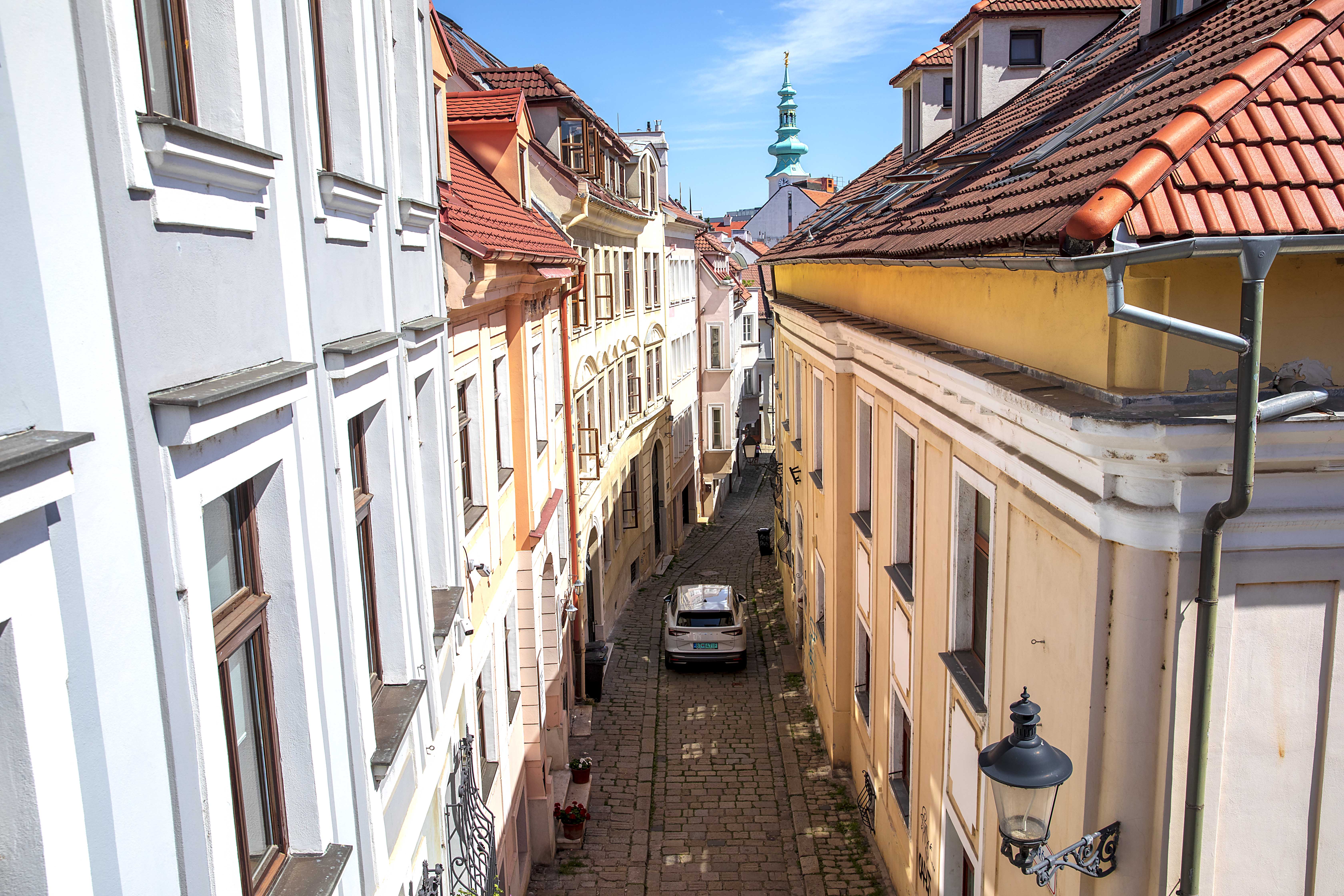
One thing I highly recommend is simply wandering through the streets of Bratislava without a set plan. During the morning, the city is remarkably quiet, and not super hot, giving you the perfect opportunity to soak in its atmosphere before the crowds arrive. After exploring the Main Square, I made my way toward Bratislava Castle.
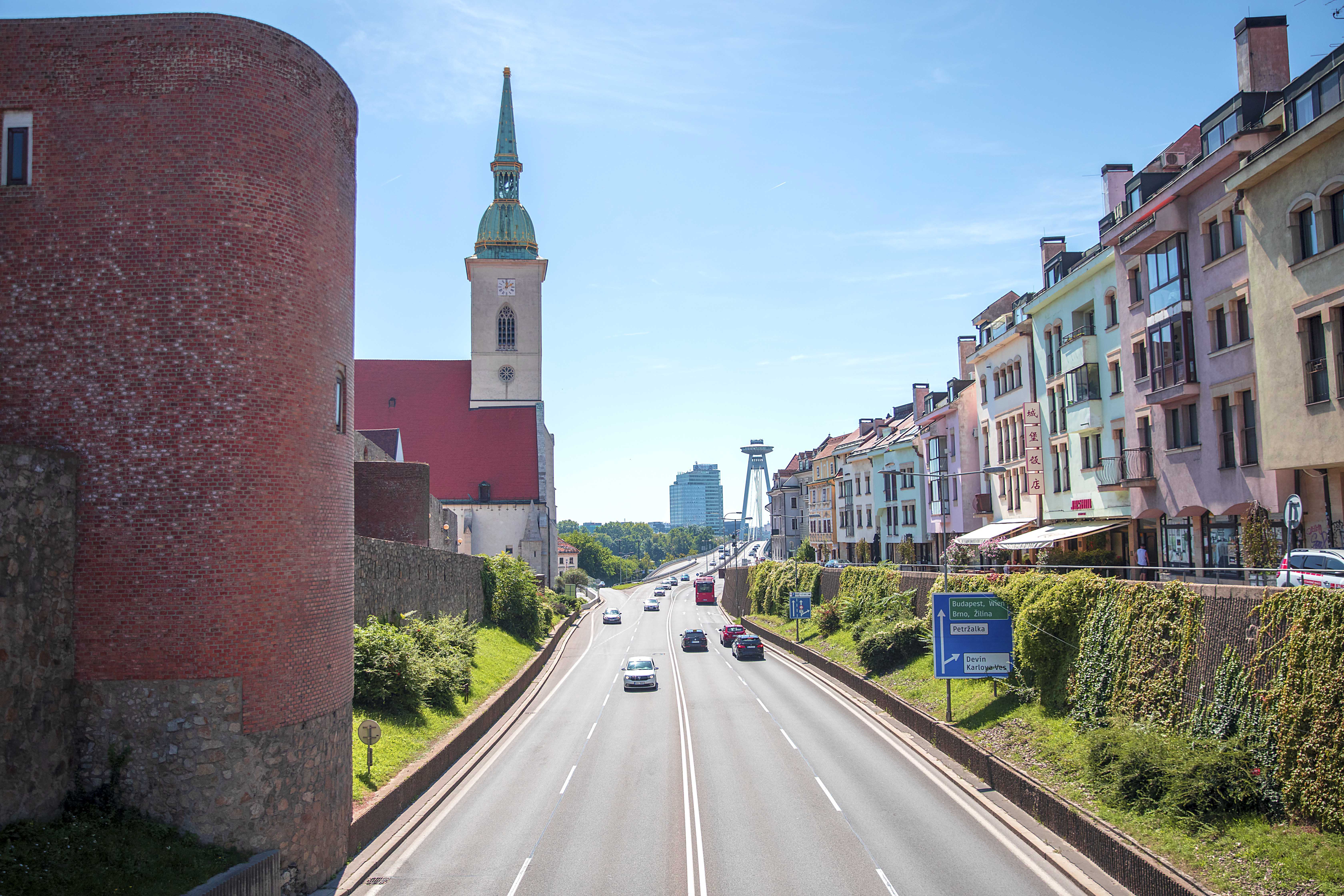
As you make your way toward the castle, you will notice a saucer-shaped structure rising above the SNP Bridge. This is the UFO Observation Tower, and it looks like a retro 1960s science fiction spaceship hovering over the Danube River. It is the tallest observation structure in Bratislava and offers panoramic views of the city. I did not have a chance to visit it, but I have heard that it is one of the best places in the city to watch the sunset.
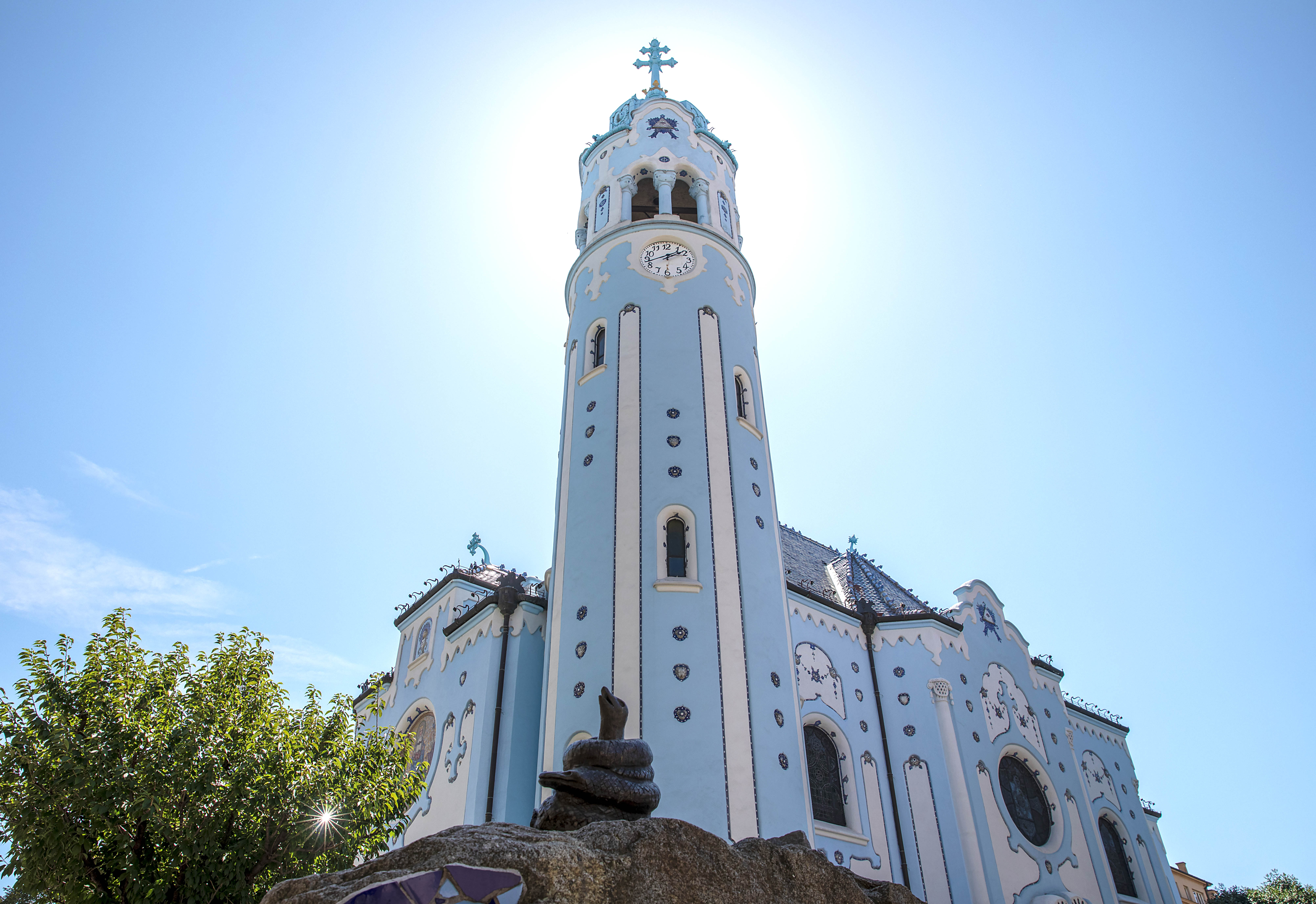
One of the most recognizable churches in Bratislava is the Blue Church, officially known as the Church of St. Elizabeth. It is named after Saint Elizabeth of Hungary, a medieval princess who became famous across Europe for her compassion, humility, and dedication to helping the poor. She gave away much of her wealth, founded hospitals, and personally cared for the sick and needy, making her one of the most beloved figures in Christian history.
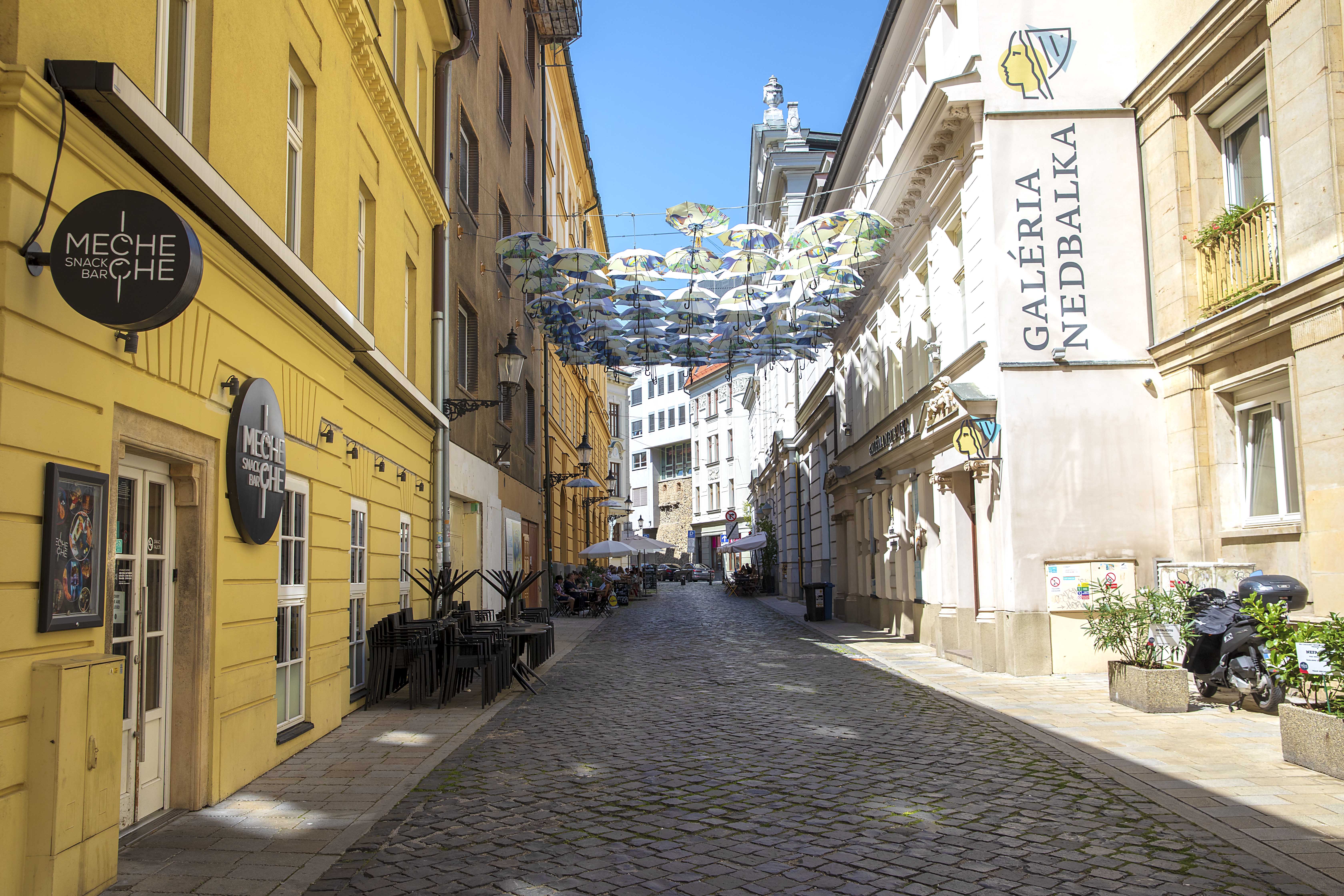
I had originally planned to spend just two or three hours in the city, grab a cup of coffee, and stroll through the streets; however I ended up spending a bit over five hours. To be honest, I really enjoyed Bratislava’s atmosphere and wanted spend more time. While some parts of the city could use a bit more care, I did not mind at all. In fact, those weathered corners gave the city character and provided great opportunities to capture unique and memorable photographs.
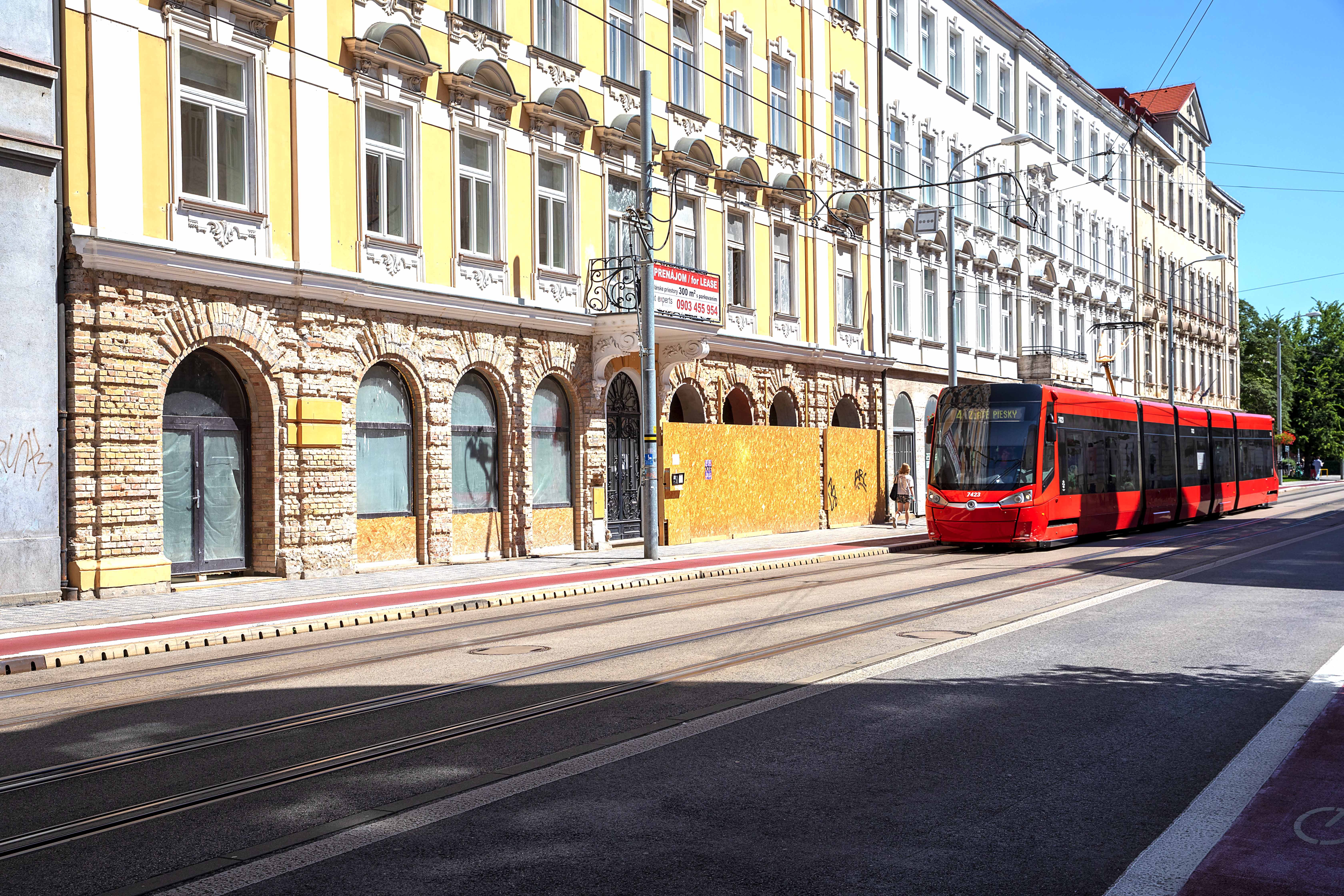
Overall, Bratislava’s city center has a modern feel while still preserving its historic charm. I think one of the city’s biggest challenges is its location between two of Europe’s most famous capitals, Vienna and Budapest. It is easy for travelers to overlook Bratislava when such iconic destinations are so close by. In fact, the connection between Bratislava and Vienna has always been remarkably close. In the early 1900s, you could travel directly between the two cities by tram. Even today, Vienna is only about 37 miles (60 km) away, making it less than an hour’s drive.
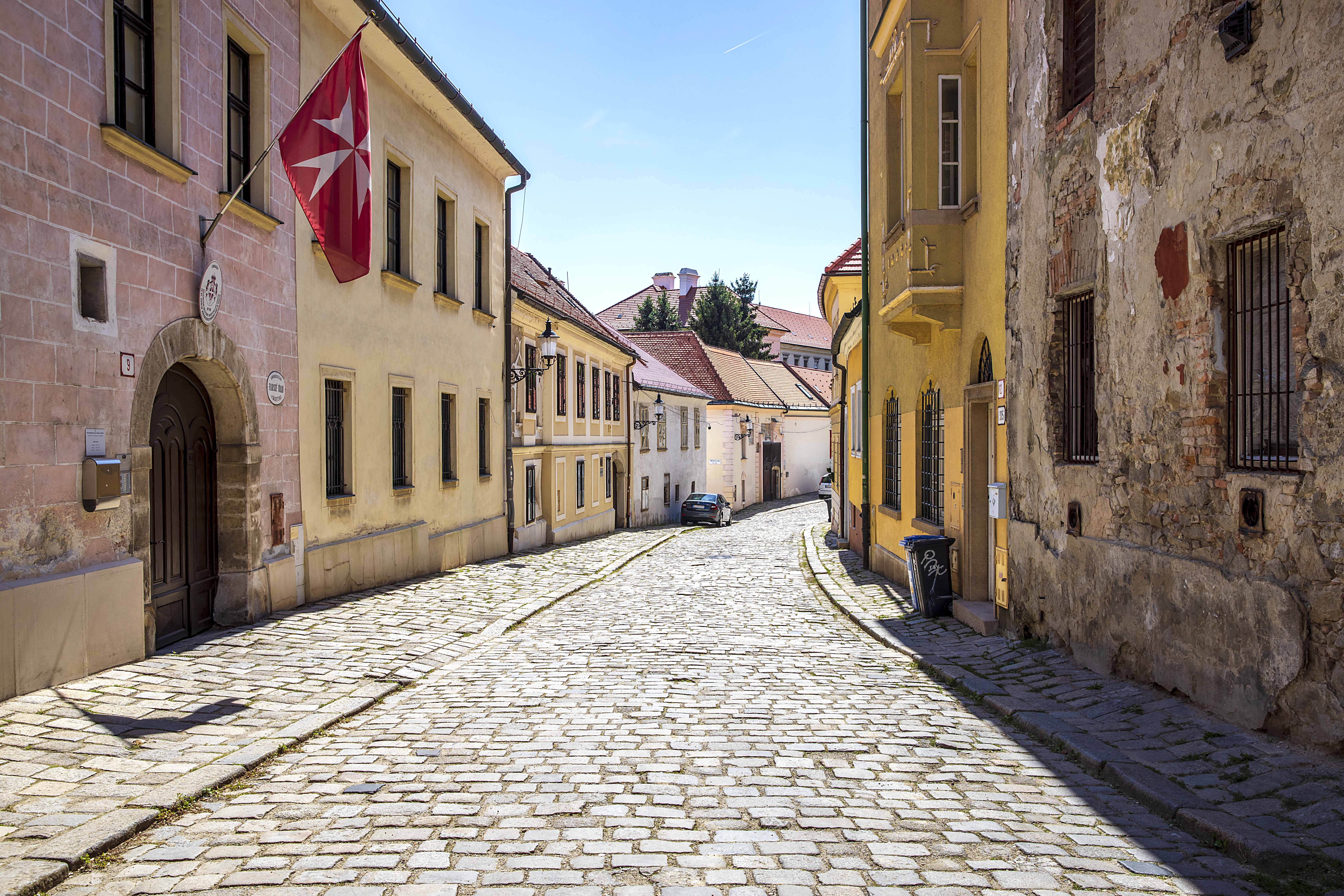
When I took the photo above, what caught my attention was the quiet, empty street. There was something special about seeing an old European street without crowds. I also noticed a flag with a white cross on a red background hanging from the building on the left, although at the time I did not know what it represented.
It was only later, while editing my photos, that I realized it belonged to the Order of Malta. That immediately reminded me of my visit to their consulate in Rome, where I had the opportunity to learn more about the Order and its fascinating history.
Moments like these remind me that travel is often about connecting the dots. We capture countless details with our cameras without fully understanding their significance. Then, months or even years later, another journey gives those details new meaning. Looking back, I think that if I had not traveled as much as I have, I probably would have missed many of these subtle connections that make exploring the world so rewarding.
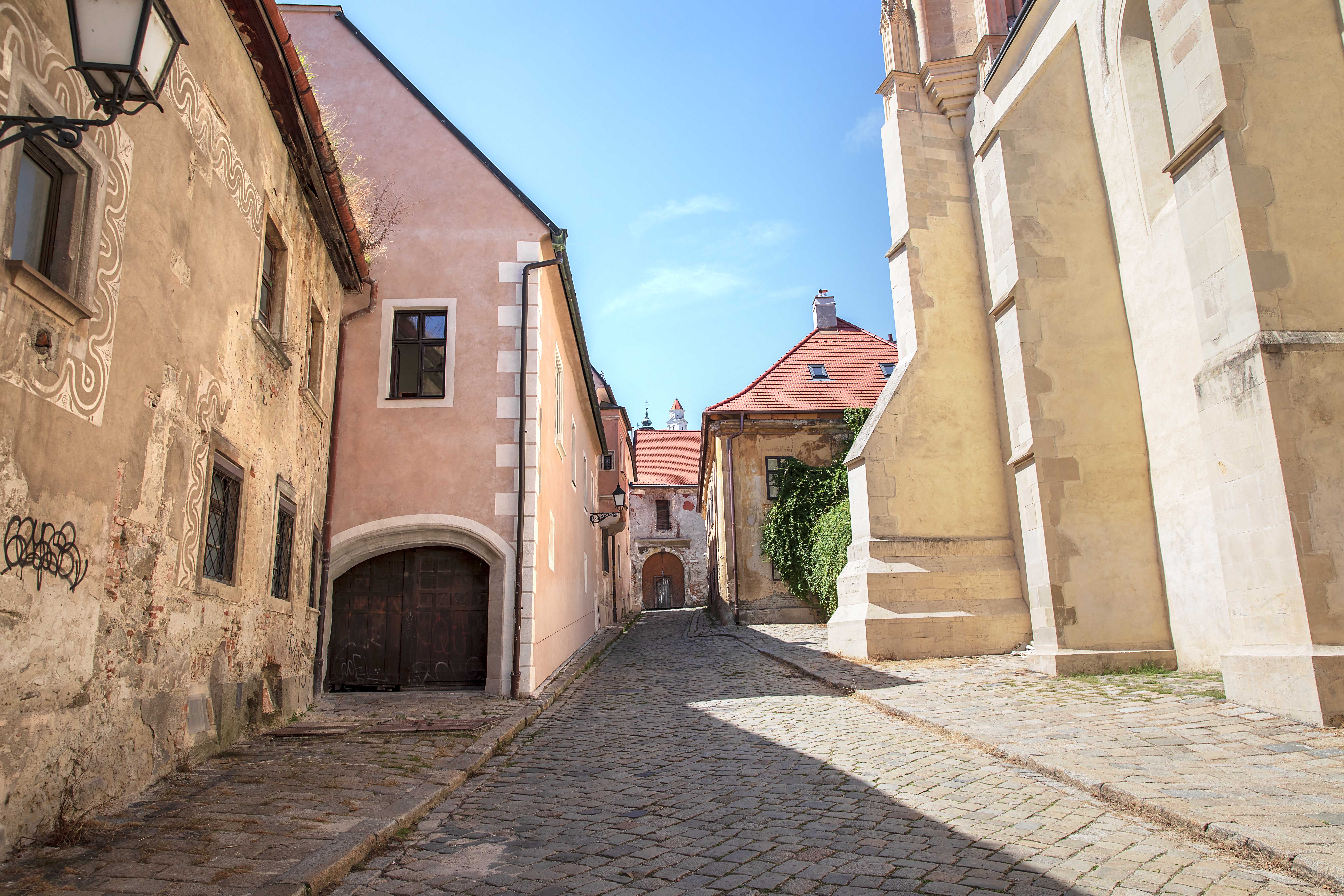
One of the favorite photo spots I found in the Old Town is the street beside the Church of the Elevation of the Holy Cross. It offers a beautiful perspective and is well worth a stop if you enjoy photography.
To capture the composition I had in mind, I would have needed to step back a little farther and wait until the evening, or even after sunset, when the streets become quieter and the light is softer. Alas, I did not have enough time.
If you move about 30 feet farther back from where I took this photo, the composition becomes even better. From that vantage point, you can frame the majestic walls of Bratislava Castle in the background. In fact, if you look closely at the photo above, you can already spot the tip of one of the castle’s towers rising just above the red-tiled rooftops.
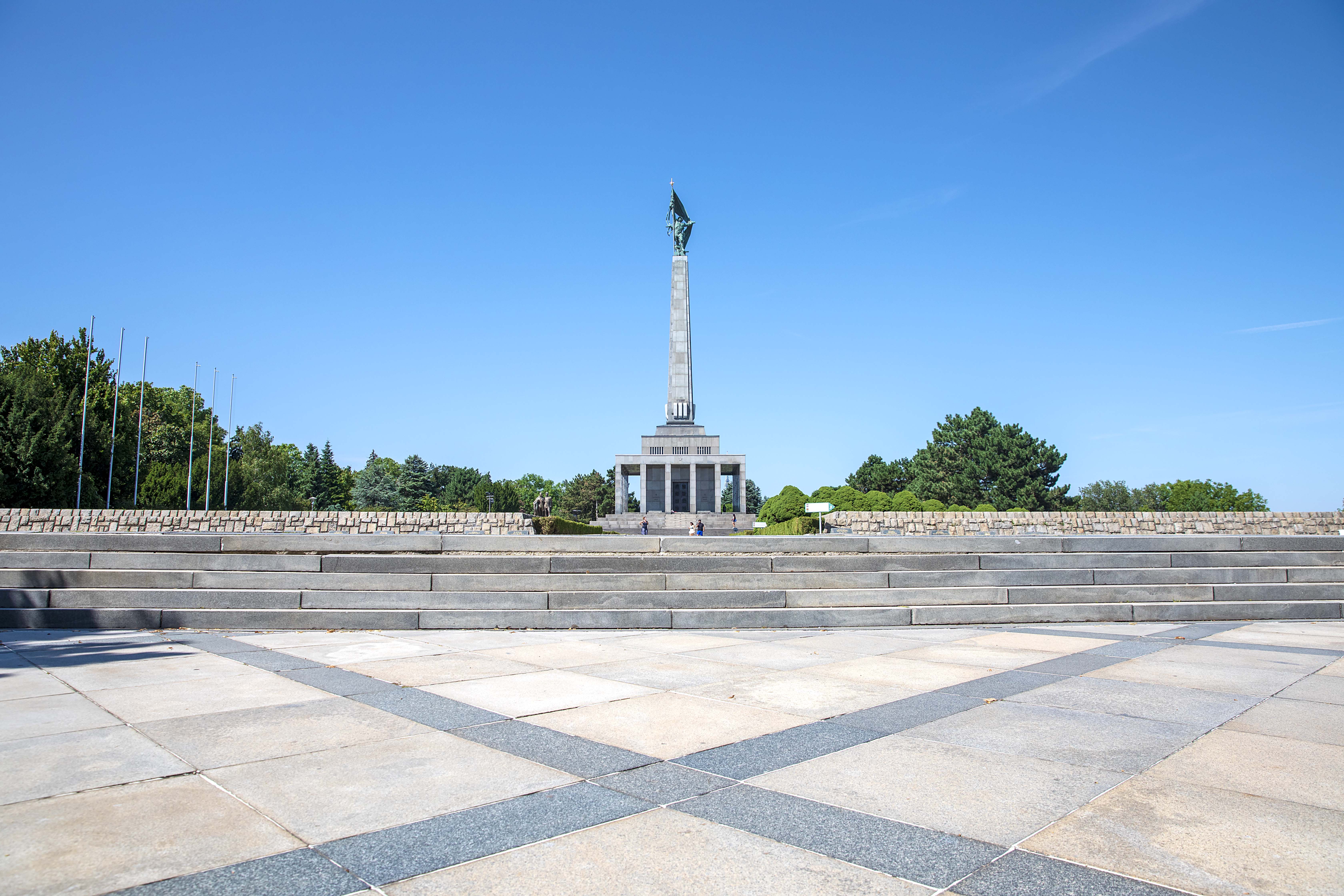
If you have traveled through Central and Eastern Europe, you have probably noticed the number of Soviet war memorials scattered across the region. Although I have read quite a bit about World War II, I never realized just how many of these monuments there were until I began traveling.
After the war, the Soviet Union promoted the construction of thousands of memorials, Red Army monuments, and statues of Lenin throughout its sphere of influence. What surprised me was learning that many of the large, permanent memorials were not actually built by the Soviet Union itself. Instead, they were often designed and constructed by the local governments of the Eastern Bloc. Slavín is a striking example of this.
Perched on a hill overlooking Bratislava, about a 5 to 10 minute drive from the Old Town, the Slavín Memorial was built by Czechoslovakia and completed in 1960. It serves as both a monument and a military cemetery, where 6,845 Soviet soldiers are buried. They lost their lives in April 1945 during the final weeks of World War II while fighting to liberate Bratislava and the surrounding region from Nazi occupation.
Standing at Slavín, it is impossible not to reflect on the immense human cost of the war. Regardless of politics, the memorial is a powerful reminder of the thousands of young soldiers who never returned home.
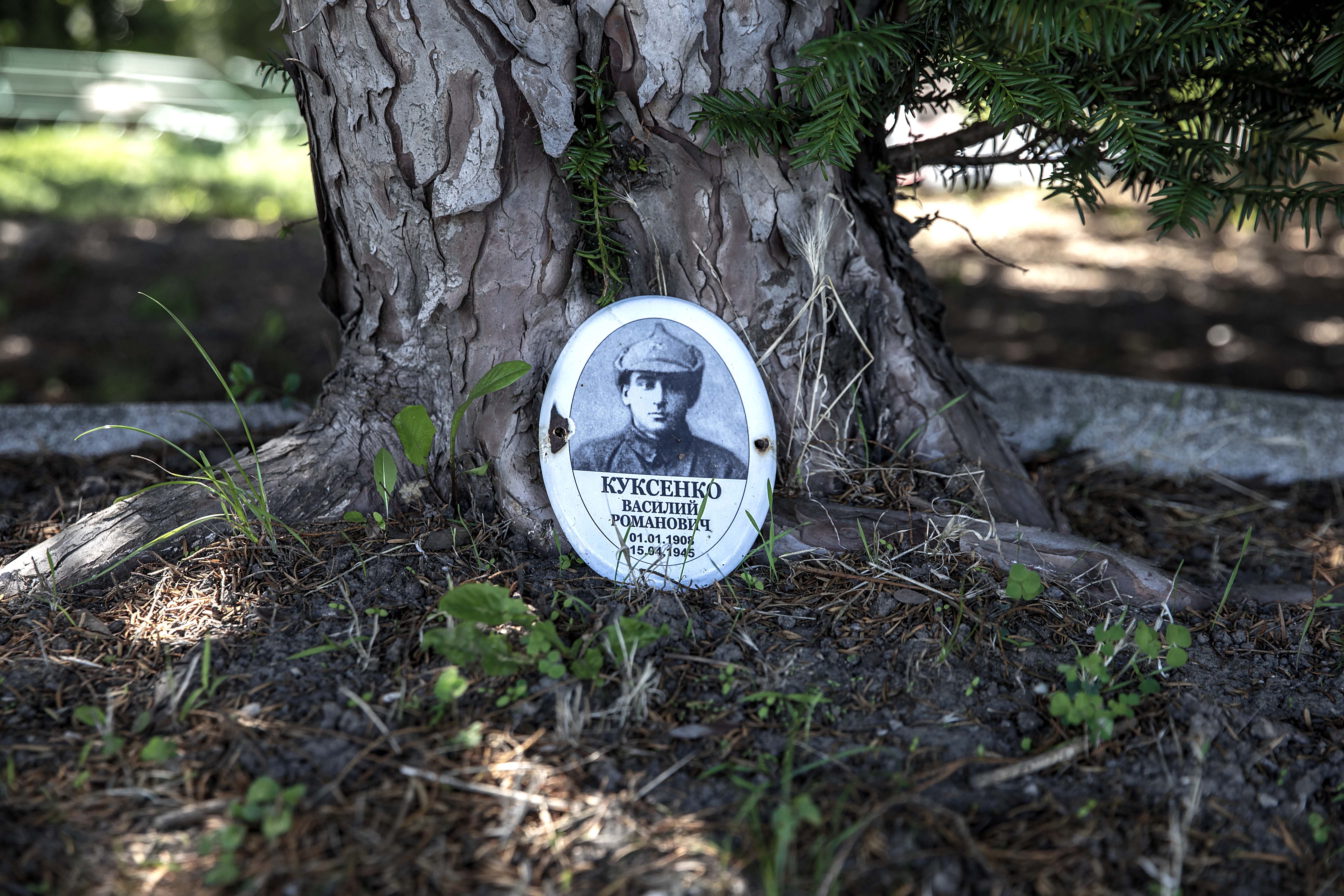
Here lies one of the soldiers who never made it back home: Vasily Romanovich Kuksenko. Based on his surname, I suspect he may have been of Ukrainian origin, as surnames ending in “-enko” are most commonly associated with Ukraine.
The plaque records his date of birth as January 1, 1908, and his date of death as April 15, 1945. Seeing that date is especially poignant. He died during the final weeks of World War II, just weeks before Germany’s surrender in May 1945. Like thousands of others buried at Slavín, he never lived to see the end of the war he had fought so hard to survive.
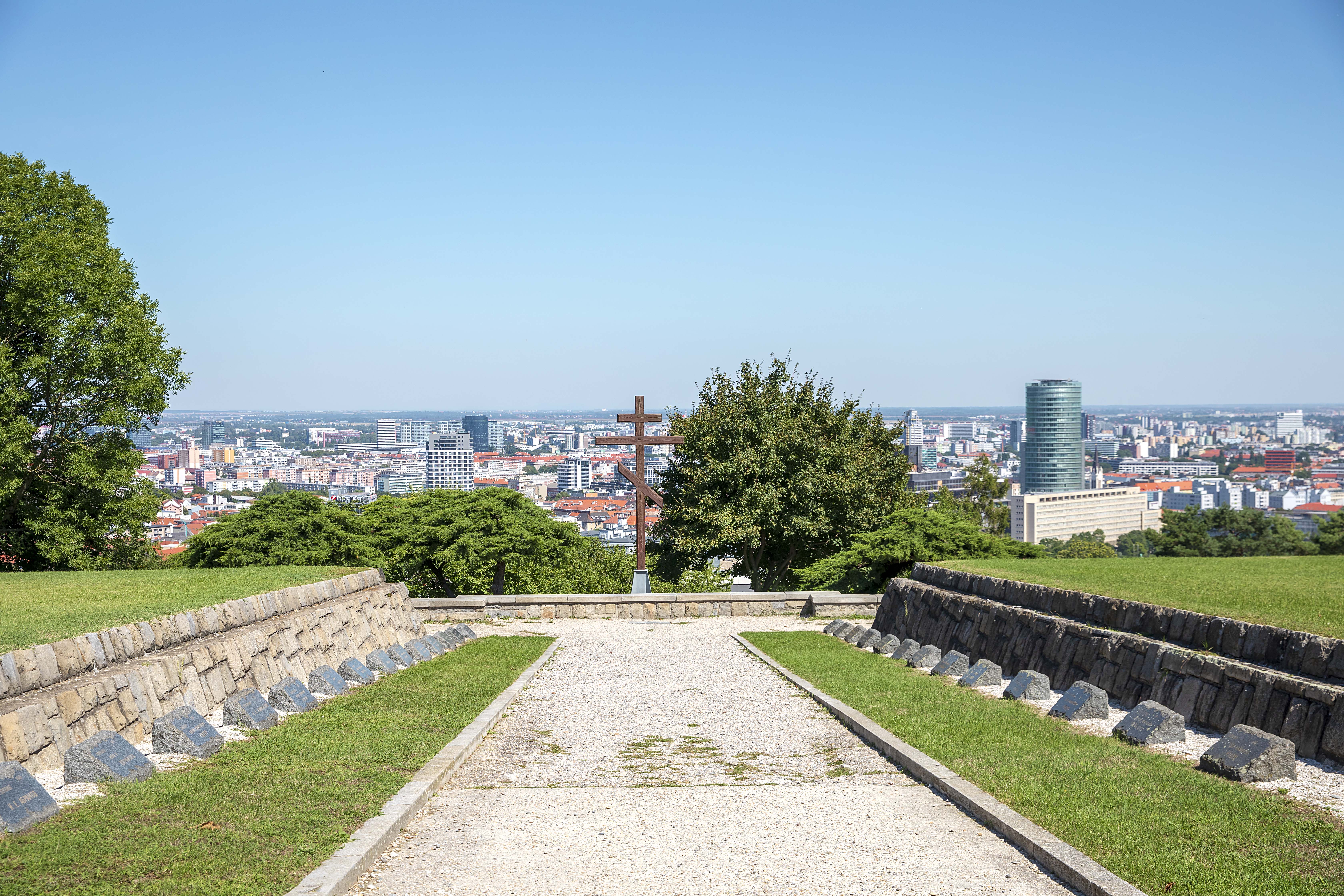
Slavín also offers one of the best views of Bratislava. Sitting on top of a hill just north of the Old Town, the memorial overlooks the city and provides a beautiful panoramic view. It is a quiet place where you can take a break, enjoy the scenery, and reflect on the history surrounding you.
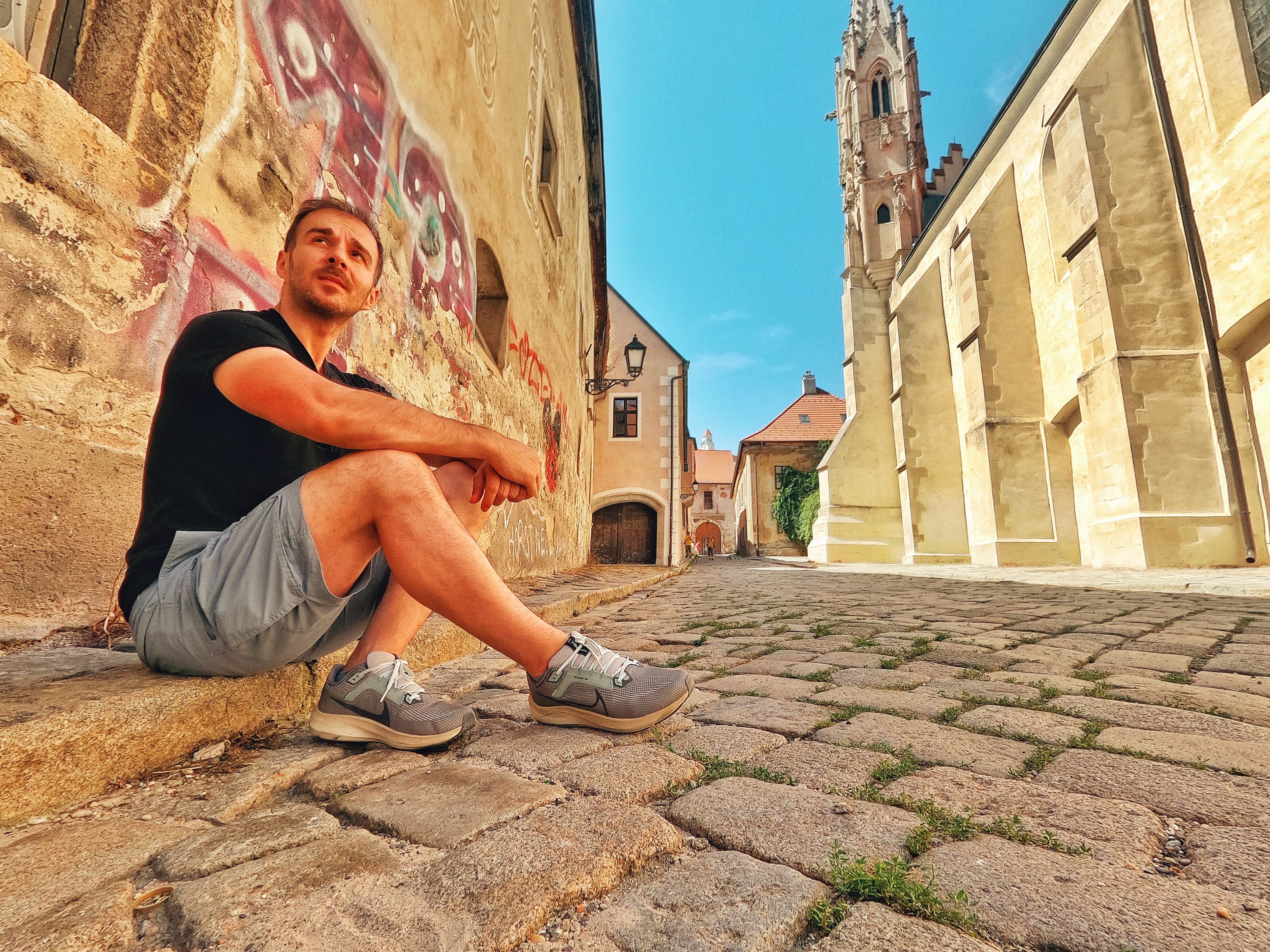
Final thoughts on Bratislava…
It is definitely worth a visit, especially if you are traveling between Vienna and Budapest. Set aside at least half a day to explore this charming capital at a relaxed pace. Wander through the Old Town, stop for a cup of coffee, and take in the city’s unique atmosphere. Bratislava may be small, but it has plenty of character and is well worth getting to know.
 Huseyin Karadeniz | Travel & Photography Journal