One of the greatest things about traveling in Europe is how easily you can cross borders and cultures. In just a matter of hours, a train ride or a scenic drive can take you from one city, and one chapter of history, to another. That was exactly the idea behind my Balkan adventure. My relationship with the region began in 2015 when I visited Belgrade, Serbia, the first European city I ever set foot in. Years later, it was time to return to the lands of the former Yugoslavia, this time starting with Zagreb, Croatia, once the federation’s second most important economic and industrial center after Belgrade.
The plan was simple, at least on paper. Fly into Zagreb and immerse myself in a city where Yugoslav character blends seamlessly with elegant Austro-Hungarian architecture. From there, drive to the village of Smiljan to pay my respects to one of history’s greatest minds, Nikola Tesla, by visiting the house where he was born. Along the way, we hoped to experience a slower side of Croatia and spend some time among local villagers far removed from the tourist crowds.
Next came Split, the mesmerizing capital of Dalmatia, where ancient Roman walls meet the sparkling Adriatic Sea. But the crown jewel still awaited us. Dubrovnik. Known to many as King’s Landing from Game of Thrones, Dubrovnik is one of the most spectacular medieval cities I have ever visited. Surrounded by massive stone walls and overlooking the turquoise Adriatic, it fully deserves its nickname, the Pearl of the Adriatic. But the adventure was far from over. Crossing into Bosnia and Herzegovina, we continued to Mostar, a charming town where Ottoman architecture, cobblestone streets, and the iconic Stari Most bridge tell stories of resilience and coexistence. The bridge does more than connect two sides of the river. It symbolizes the connection between different communities and cultures. From Mostar, we drove onward to Sarajevo, the resilient capital of Bosnia and Herzegovina. A city marked by a turbulent past yet filled with some of the warmest people I have ever met. Here, history lives on every street corner, accompanied by the irresistible taste of ćevapi, burek, and freshly brewed Bosnian coffee.
Think we’re slowing down? Not a chance. After a seven-hour drive, we arrived in Ljubljana, Slovenia’s enchanting capital, a city seemingly guarded by dragons and wrapped in fairy-tale charm. By now you might be wondering, “Surely it’s time to head home?” Not yet. One final stop remained, Varaždin. Smaller than the cities that came before it, yet every bit as captivating, Varaždin felt like a hidden Austro-Hungarian gem. Its colorful facades, quiet squares, and relaxed atmosphere made it the perfect ending to the road trip. Of course, the town also gifted me with a memorable souvenir, a painful wasp sting while shopping at a local store. In the wasp’s defense, perhaps it was still suspicious of my Ottoman ancestry.
Now that the route is set, are we ready? Let’s board Turkish Airlines Flight 80 from San Francisco to Istanbul. After a 13-hour journey across continents, we recharge at the IGA Lounge in Istanbul with delicious Turkish food, endless cups of Turkish tea, and just enough rest before catching our connecting flight to Zagreb. Because when it comes to travel, there is no such thing as being tired. The journey itself is part of the adventure. And just like that, we land in Zagreb. The Balkan conquest begins. First stop, the shuttle bus to Autobusni Kolodvor Zagreb, the city’s main bus terminal. Time to start exploring the land of cravats.
After a comfortable night at Hotel Sliško, located about a 30-minute walk from Zagreb’s city center, we enjoyed a hearty breakfast before setting off for a long day of exploration. I have always believed that Turkish breakfast is among the best in the world, but I have to admit that the Balkans know how to feed people just as well.
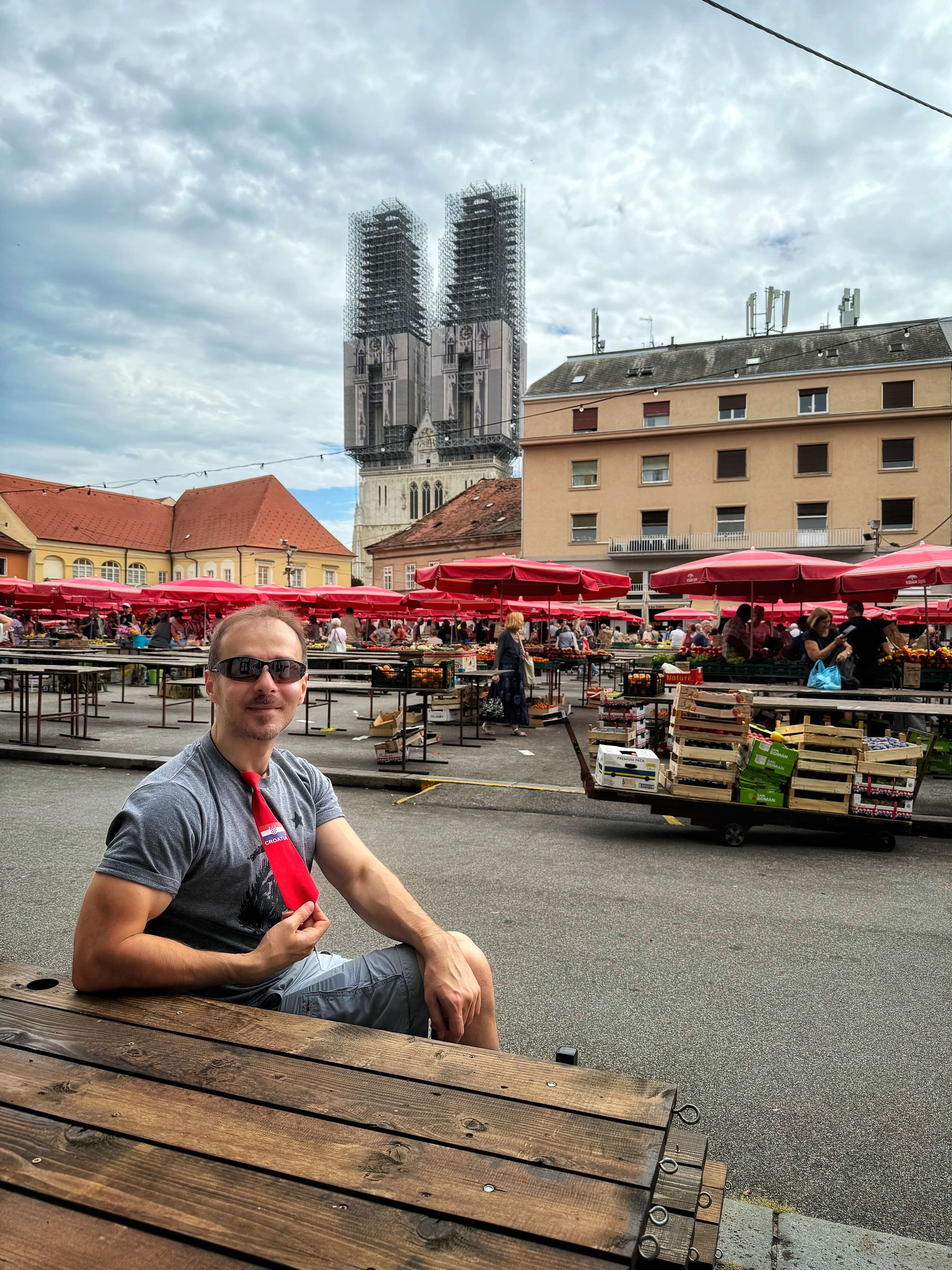
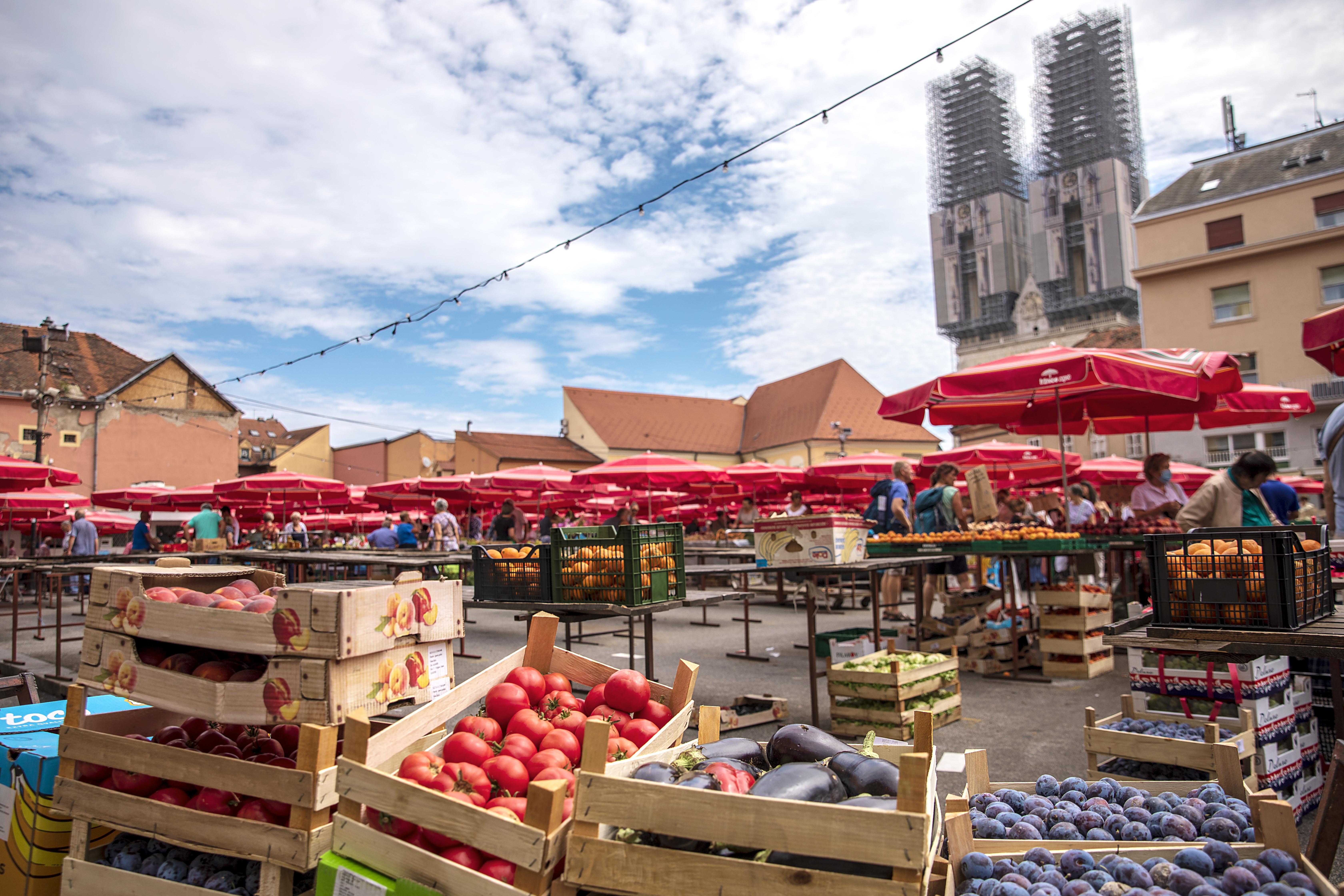
Our first stop was Dolac Market, the beating heart of Zagreb, where farmers and villagers from the surrounding countryside gather to sell fresh flowers, fruits, vegetables, meats, and local products.
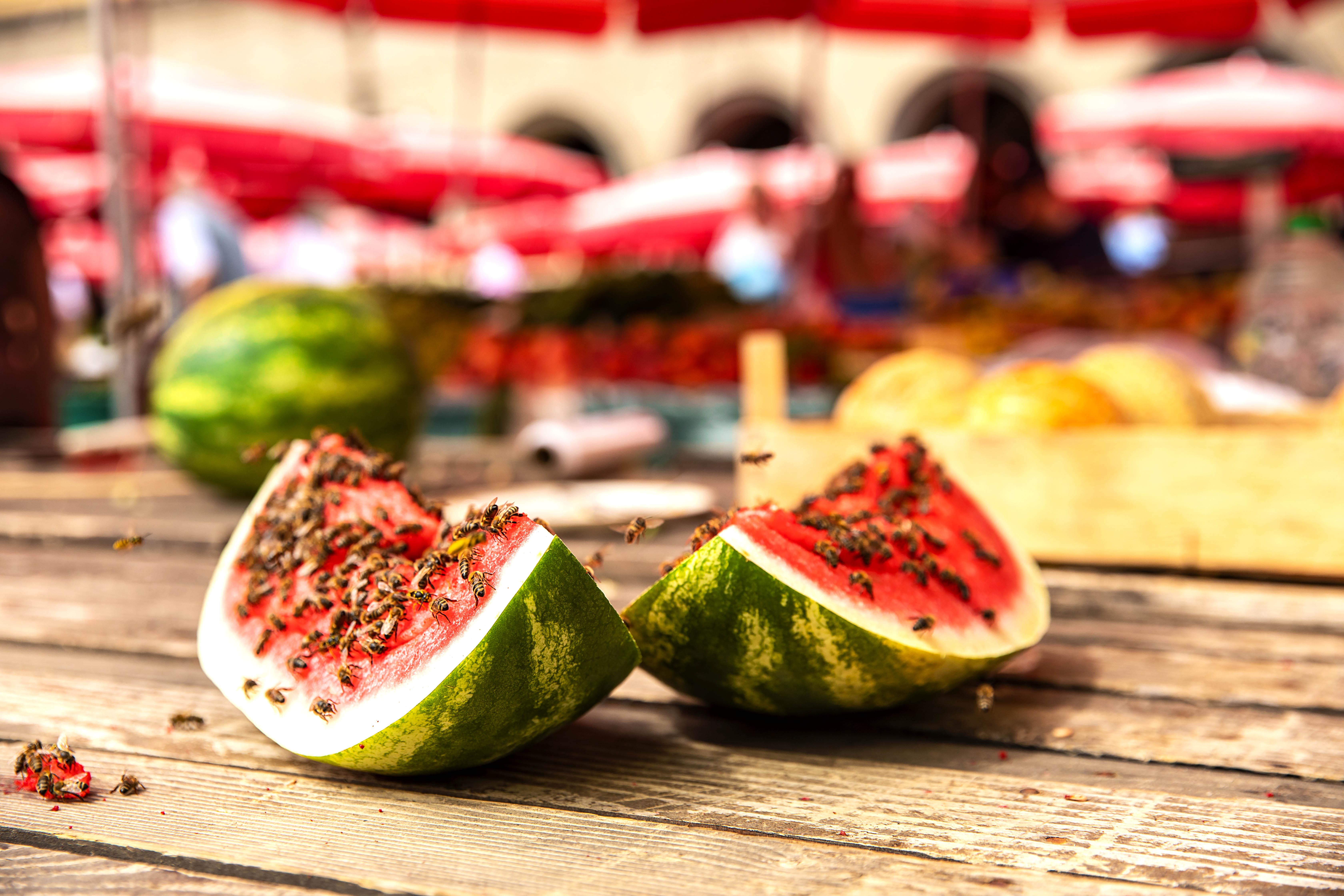
The moment you step into the market, you are greeted by an explosion of colors and aromas. The scent of fresh produce and flowers fills the air in a way that feels increasingly rare these days. Living in the United States, finding fruits and vegetables with that genuine farm-fresh smell can sometimes feel like a scavenger hunt.
One of the most recognizable symbols of Dolac Market is the sea of bright red umbrellas scattered across the square. Known as Šestinski kišobrani, these traditional Croatian umbrellas trace their origins back to the mid-18th century and have become one of Zagreb’s most iconic sights.
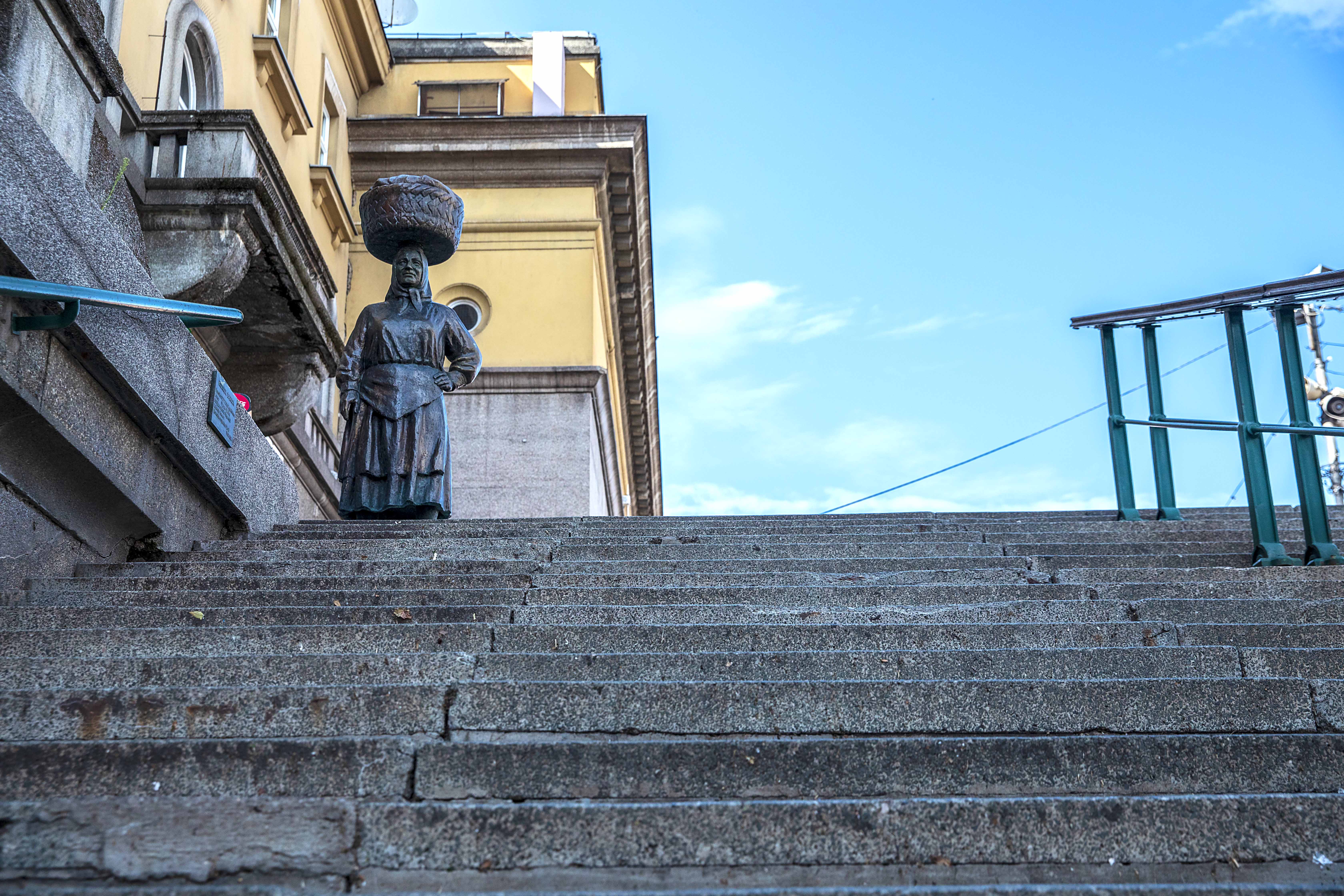
Another iconic symbol of Dolac Market is the statue of Kumica Barica, a tribute to the hardworking women from the villages surrounding Zagreb who would travel into the city each day to sell fresh fruits, vegetables, and other homegrown products. The monument honors their dedication and the vital role they played in connecting the countryside with the city’s daily life.
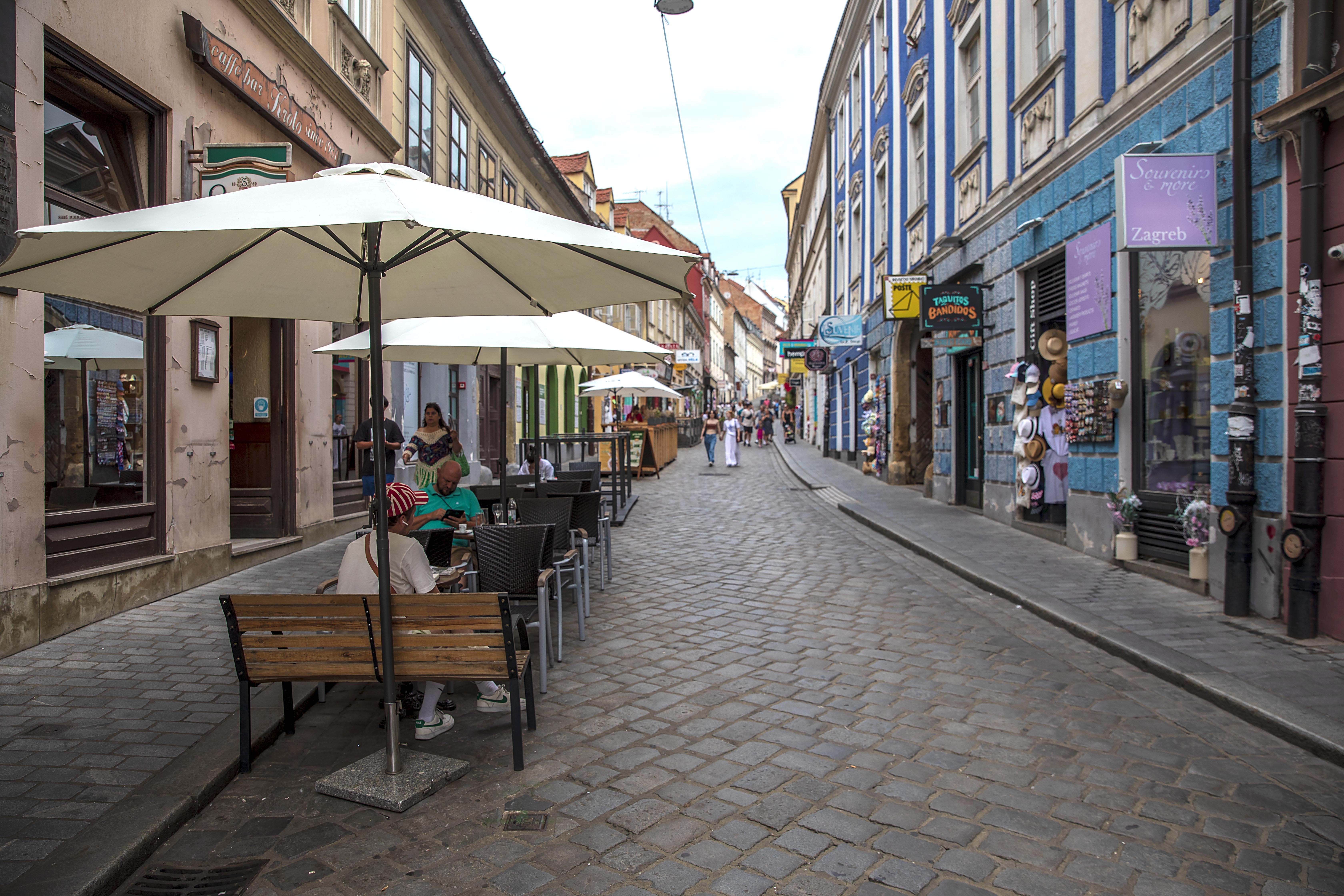
One thing that surprised me about Zagreb was how different it felt from what I had imagined before arriving. I was expecting a modern, polished European capital, but instead I found a city that felt much older, both in appearance and atmosphere. Parts of the city and its surrounding neighborhoods seemed worn and not always particularly well maintained. Full disclosure though, the streets are still quite clean. As you wander through downtown, you can still sense traces of the Yugoslav era, giving Zagreb a character that feels distinct from many Western European capitals.
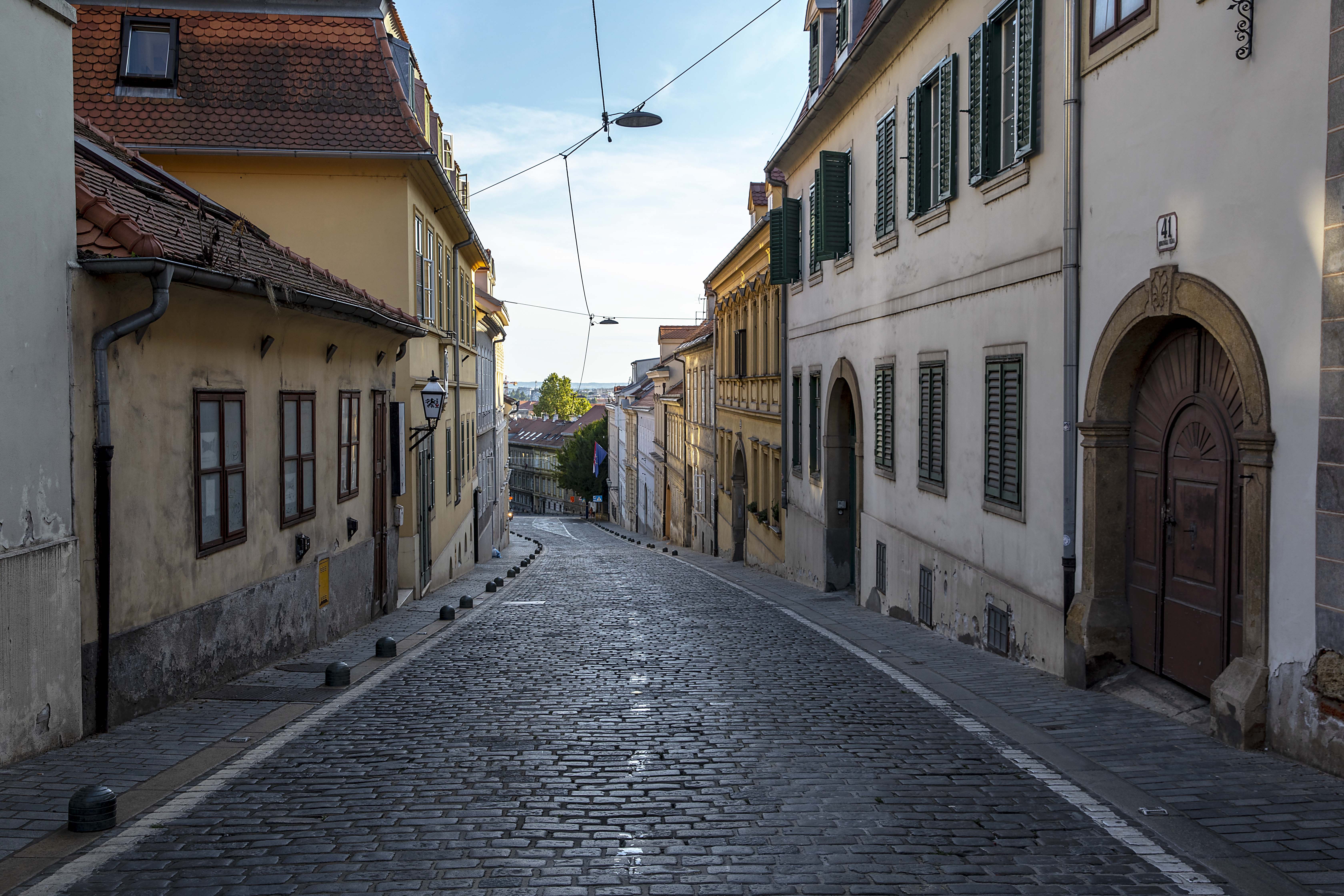
What surprised me even more was the cost. Zagreb was noticeably more expensive than I had anticipated, especially when it came to accommodation. Finding a reasonably priced hotel near the city center was a tad challenging, particularly during the summer months. In fact, we encountered the same issue later in the trip. On our 7-hour drive from Sarajevo to Ljubljana, we planned to spend another night in Zagreb to get some rest, but many of the hotels we contacted were either fully booked. Given the city’s relatively understated reputation compared to some of Europe’s more famous destinations, I was genuinely surprised by the number of visitors and the demand for accommodations. Zagreb clearly attracts far more traffic than I had expected.
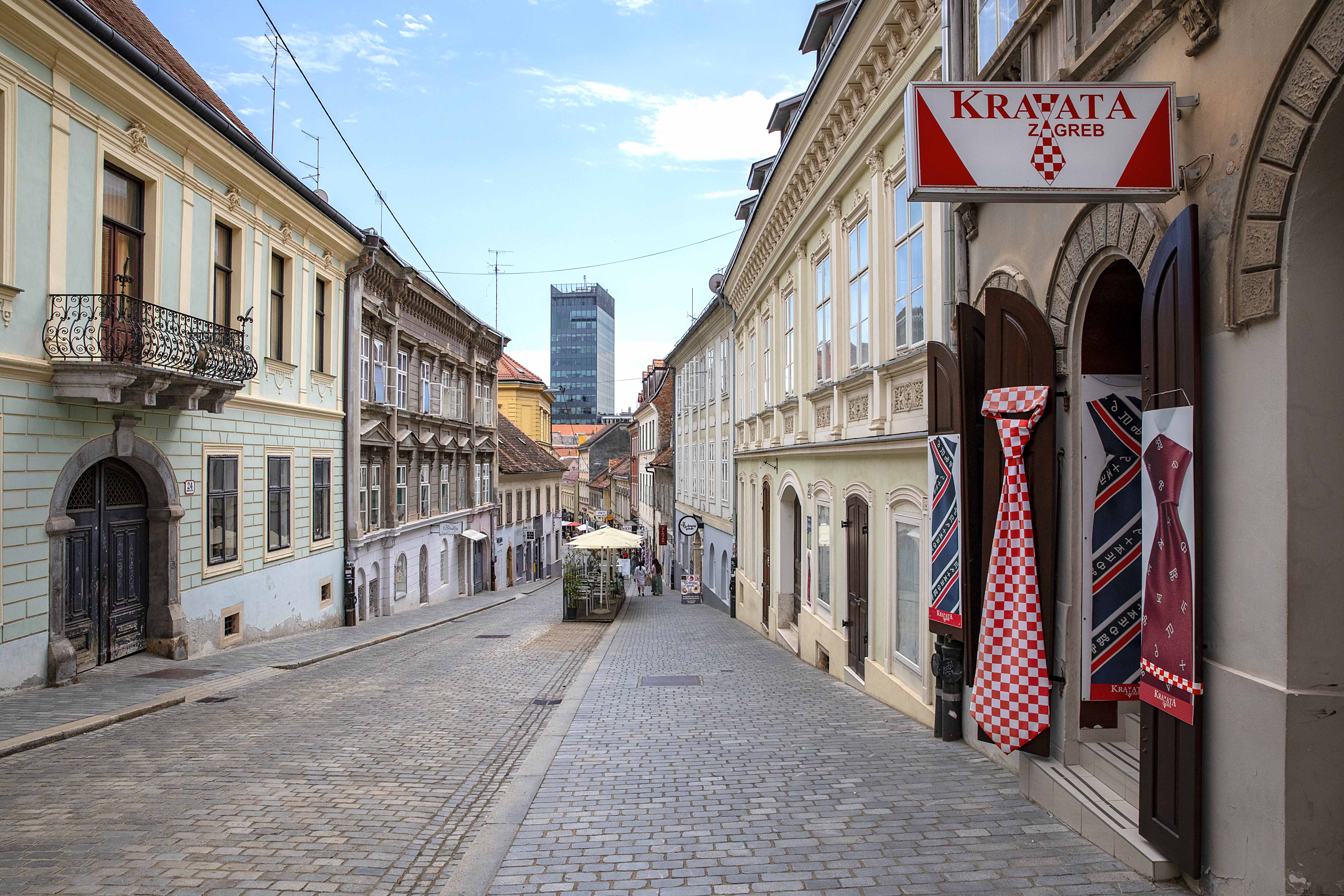
As you stroll through downtown Zagreb, you’ll likely notice an abundance of necktie shops. That is hardly a coincidence. Croatia is widely credited with giving the world one of its most enduring fashion accessories: the necktie.
The story dates back to the Thirty Years’ War in the 17th century, when Croatian cavalrymen served as mercenaries in the French army under King Louis XIII. These soldiers wore colorful pieces of cloth tied loosely around their necks as part of their traditional military attire. The distinctive accessory immediately caught the attention of the French, who had never seen anything quite like it before.
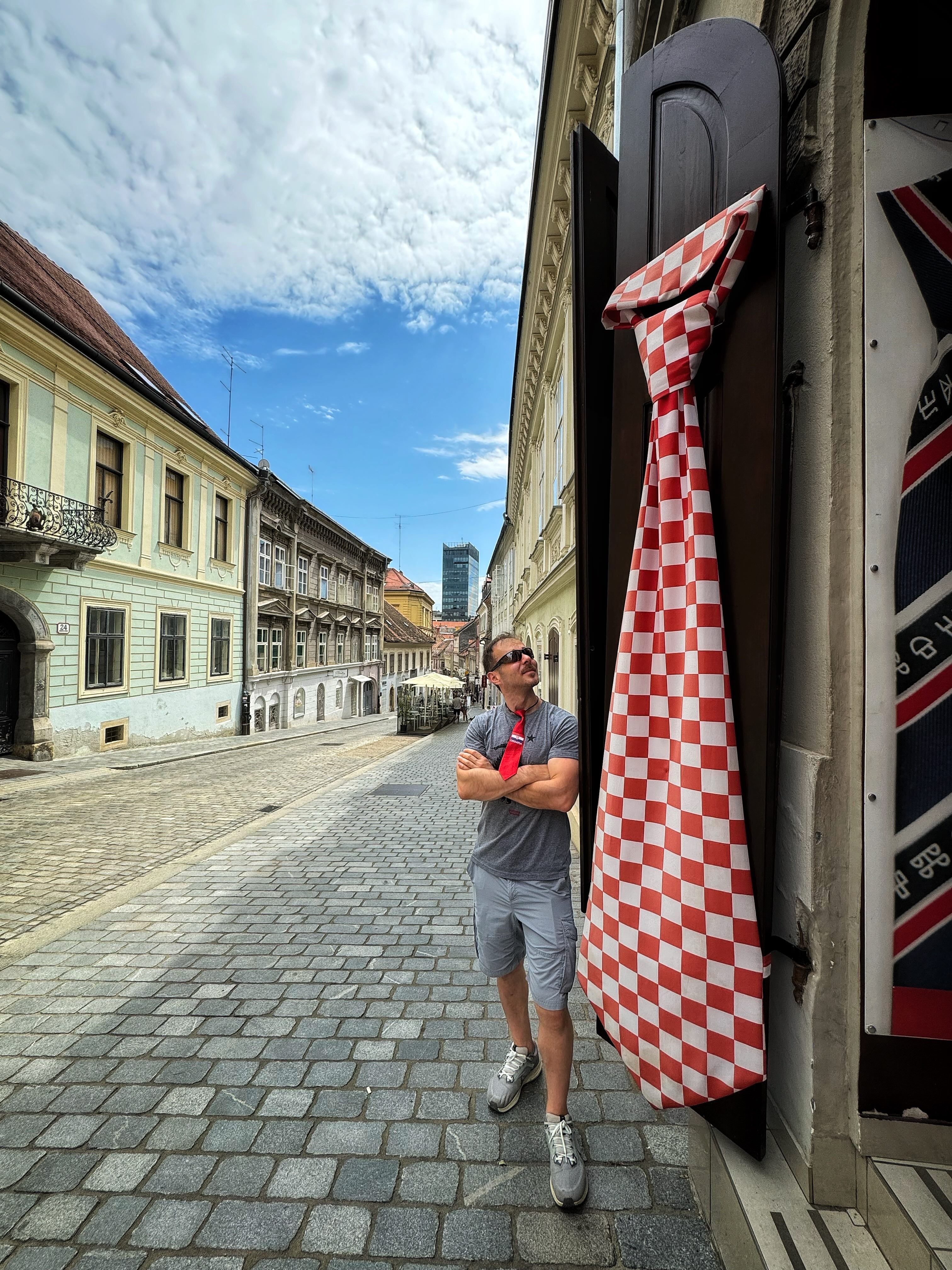
The trend truly took off when King Louis XIV embraced the style and made it fashionable at the royal court. Before long, the neck cloth became a symbol of elegance throughout France and eventually across Europe. Legend has it that when the French asked who these stylish soldiers were, they were told they were Croats. The French pronunciation transformed the word into “cravate,” which became the French term for the accessory. Over time, the cravate evolved into the modern necktie that is worn around the world today.
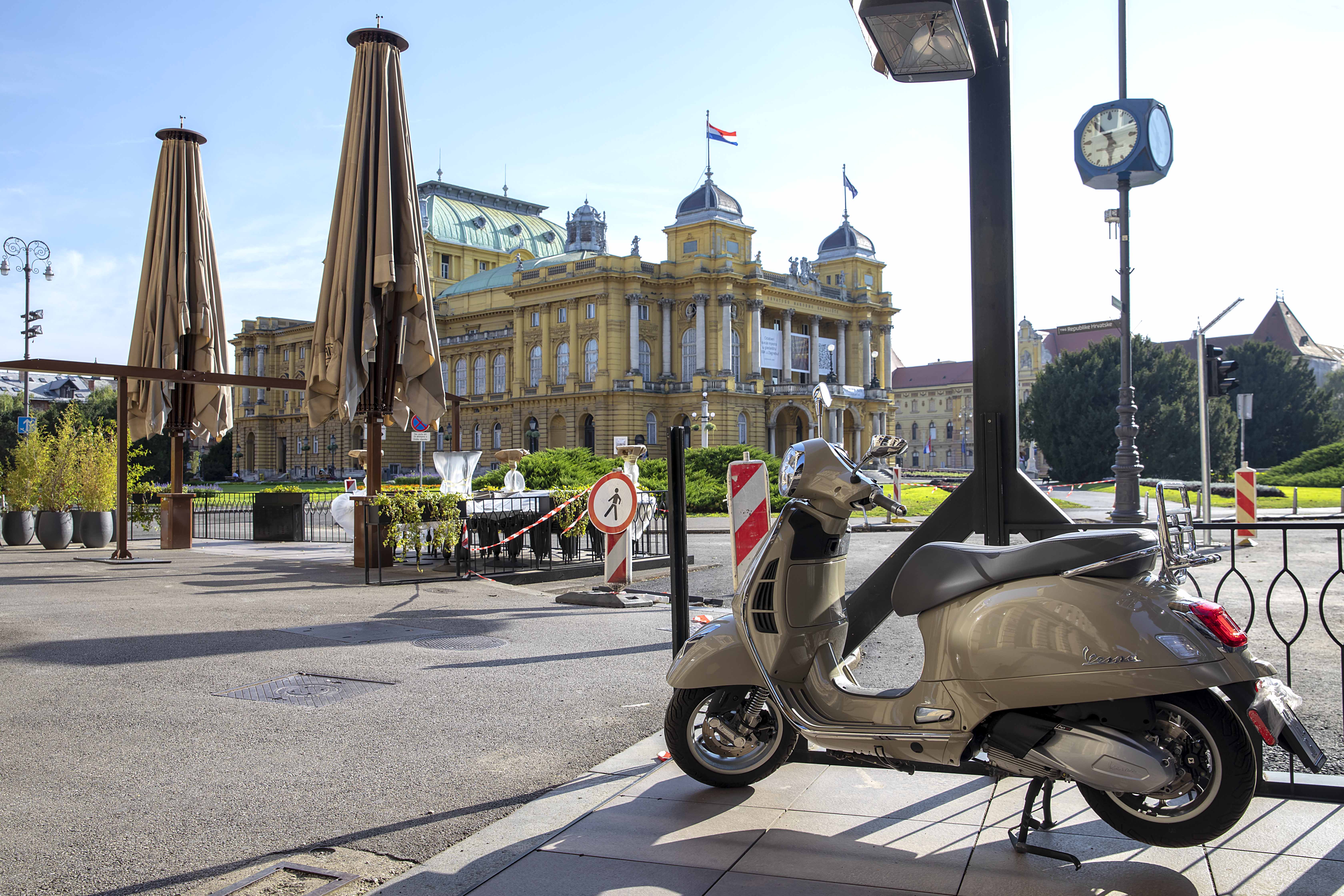
Since Zagreb was once part of the Austro-Hungarian Empire, many of its buildings reflect the elegant Neo-Baroque architectural style of that era. And, as was customary for major cities of the empire, a grand national theatre was considered an essential symbol of culture and prestige.
On the way to Croatian National Theatre, however, you’ll come across a place called Sisters Kurtoš & Ice Cream. I highly recommend stopping by and treating yourself to a few scoops before continuing your walk through the city.
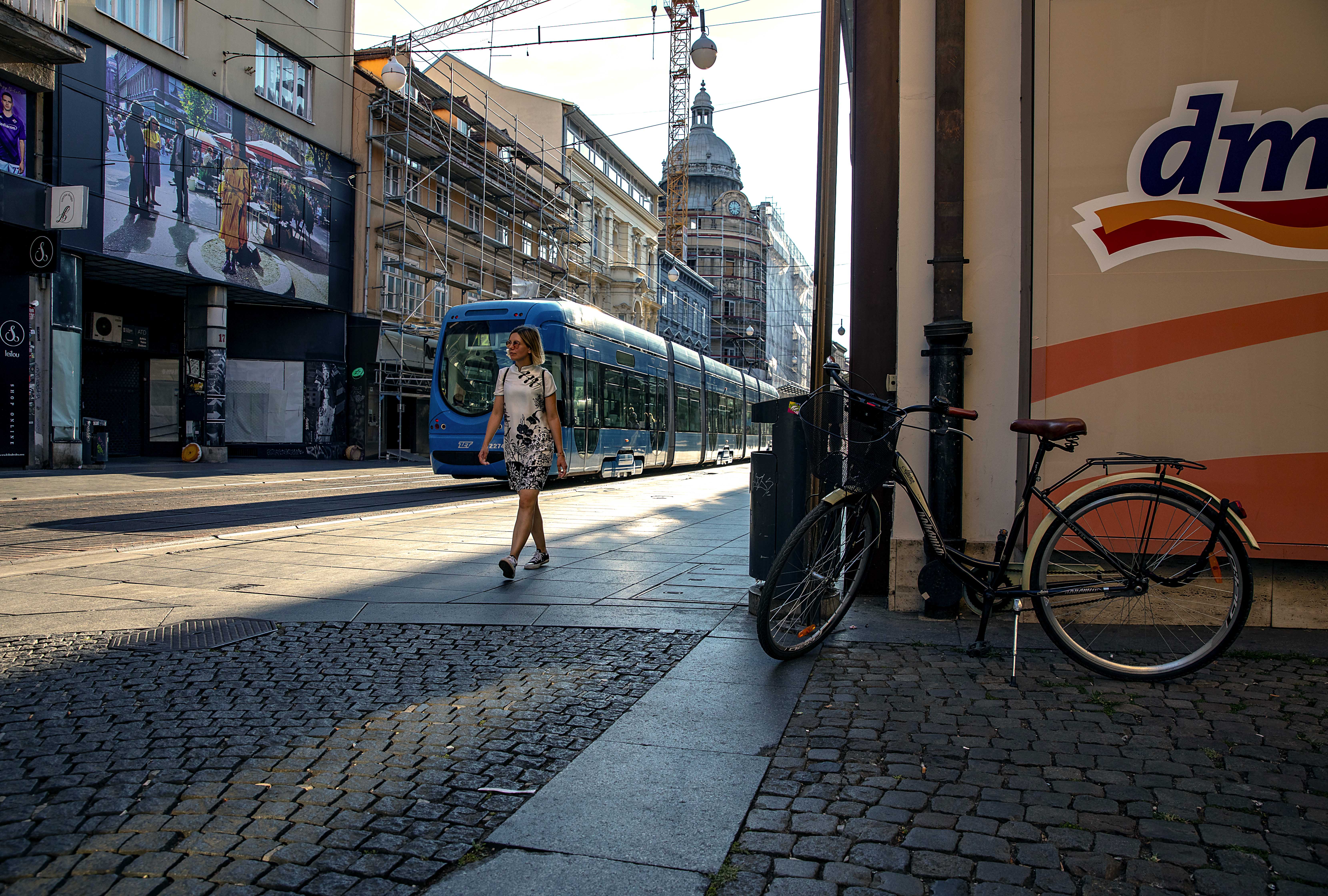
A stroll along Ilica Street, Zagreb’s most famous thoroughfare, is especially rewarding at sunset. As the golden light washes over the historic facades, it’s easy to appreciate why this street has remained the heart of the city for generations. But for a moment, let’s use Ilica as our time machine and transport ourselves back to the days of Yugoslavia.
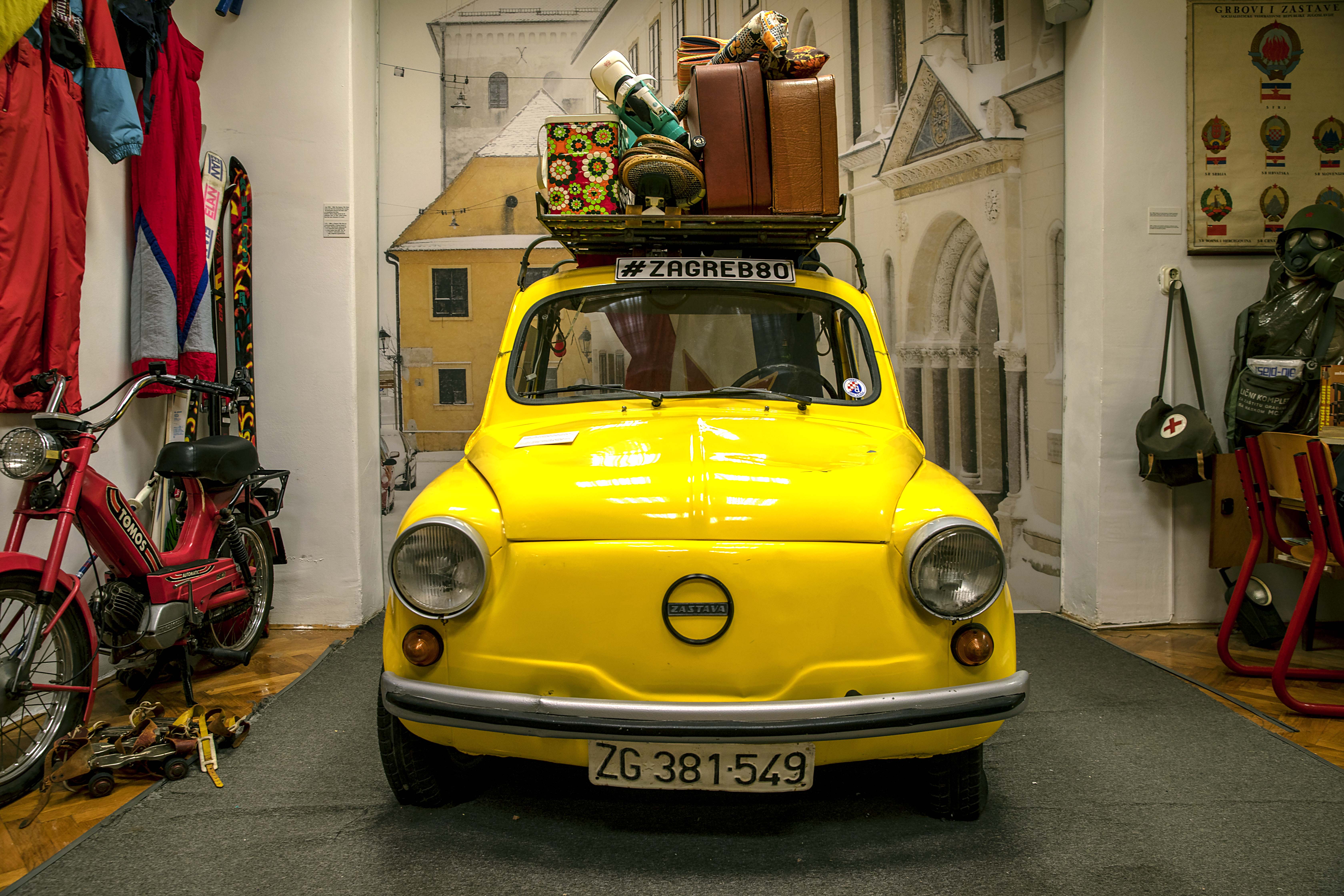
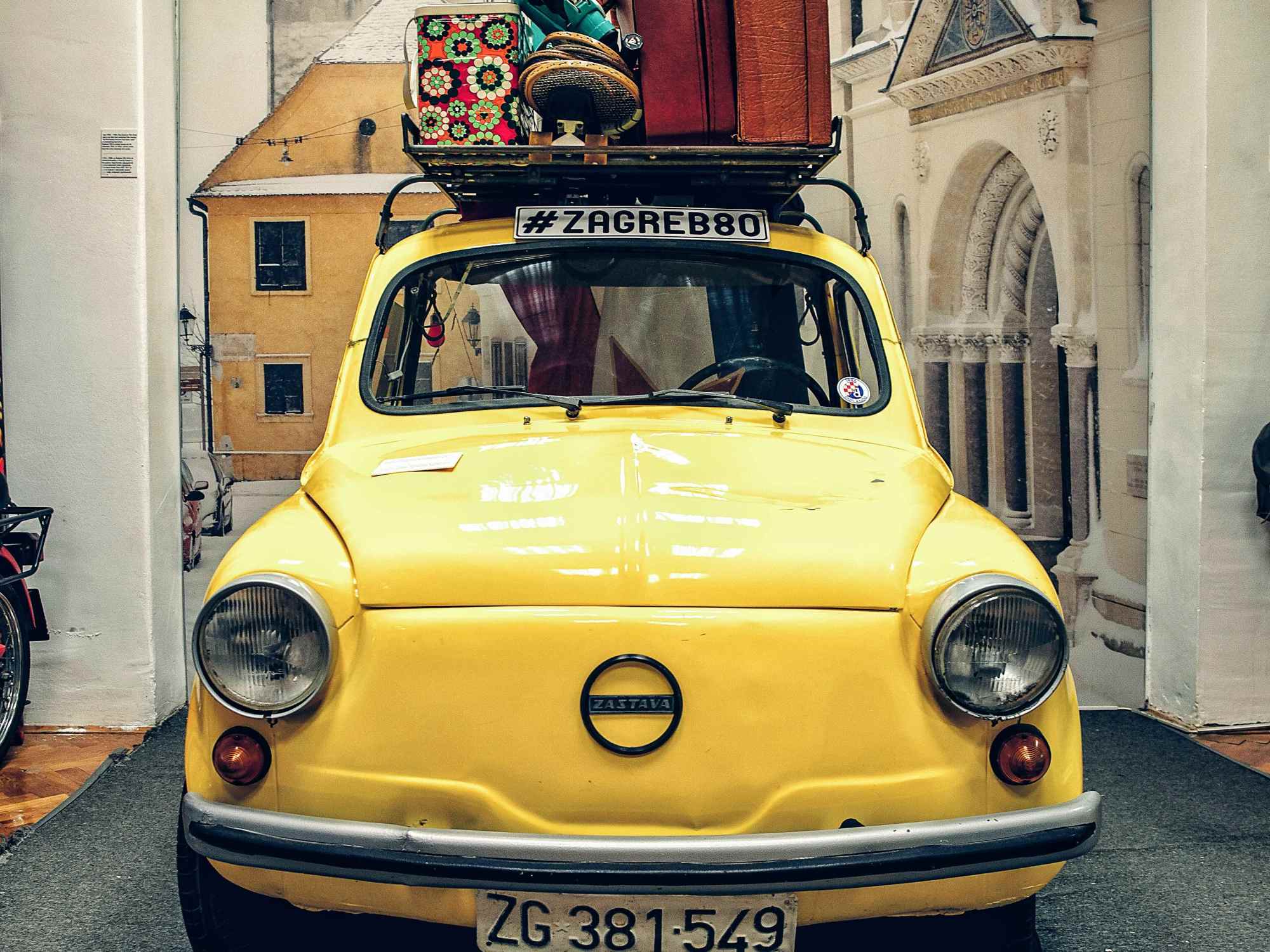
Welcome to Zagreb 80’s Museum. It is a super cool museum that acts as a literal time capsule, allowing visitors to step straight into the everyday domestic life, technology, and design of the 1980s.
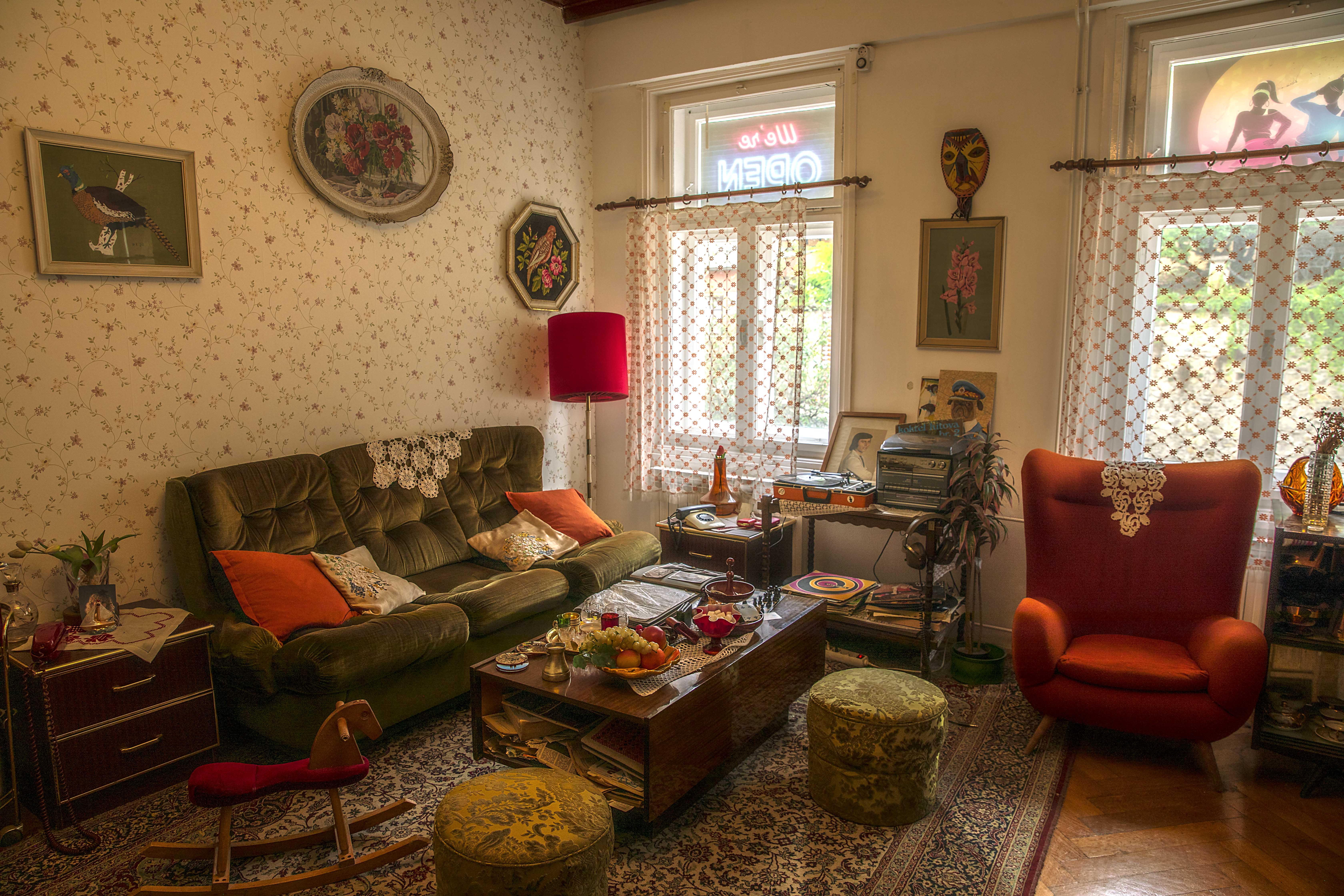
Instead of a conventional museum filled with glass cases and stern “do not touch” warnings, this space unfolds as a fully furnished, life-sized apartment from the late Yugoslav era. Almost everything is within reach, inviting you to touch, explore, and step directly into the stillness of the 1980s, and perhaps even the early 1990s, for a few suspended hours.
As time passes, it becomes easier to recognize the quiet warmth of that atmosphere, especially when seen through the lens of childhood memory. There was less, materially speaking, yet there was a kind of simplicity and calm that feels increasingly distant from today’s modern living spaces.
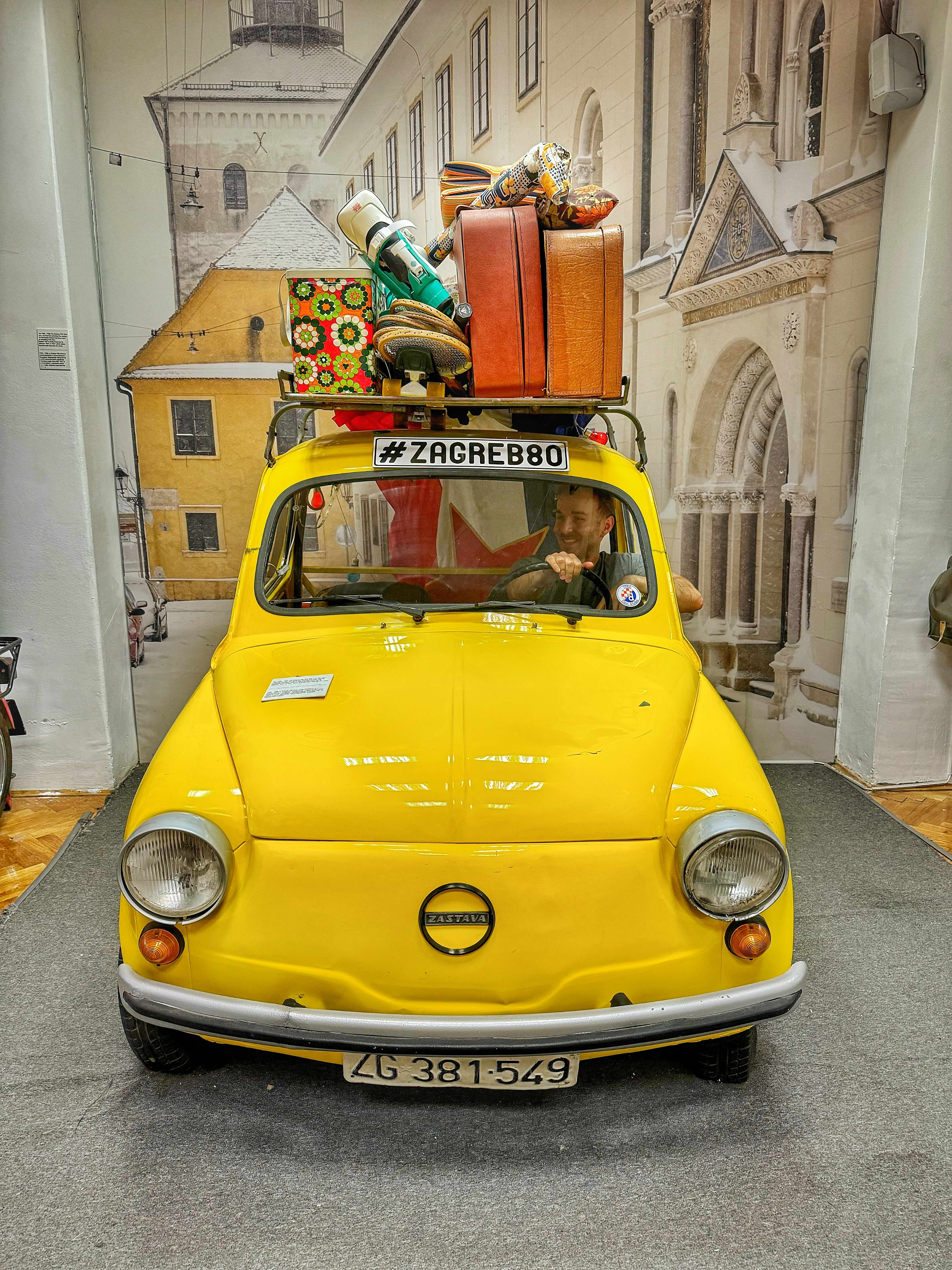
Inside the museum, there is also a tribute to the legendary Yugo, the small but iconic car that once carried the pride of Yugoslavia. Even in its partially cut form, with the back half open to the world, it invites you to step inside and imagine the journeys it once made across winding roads and distant horizons. For a moment, you are not just taking a photo. You are sitting inside a relic of another time, where stories of travel, ambition, and everyday life still linger in the air. It feels like a quiet invitation to keep moving forward, to keep discovering, and to chase the next road waiting just beyond the horizon.
Cheers to many more adventures, and to all the roads still calling our names.
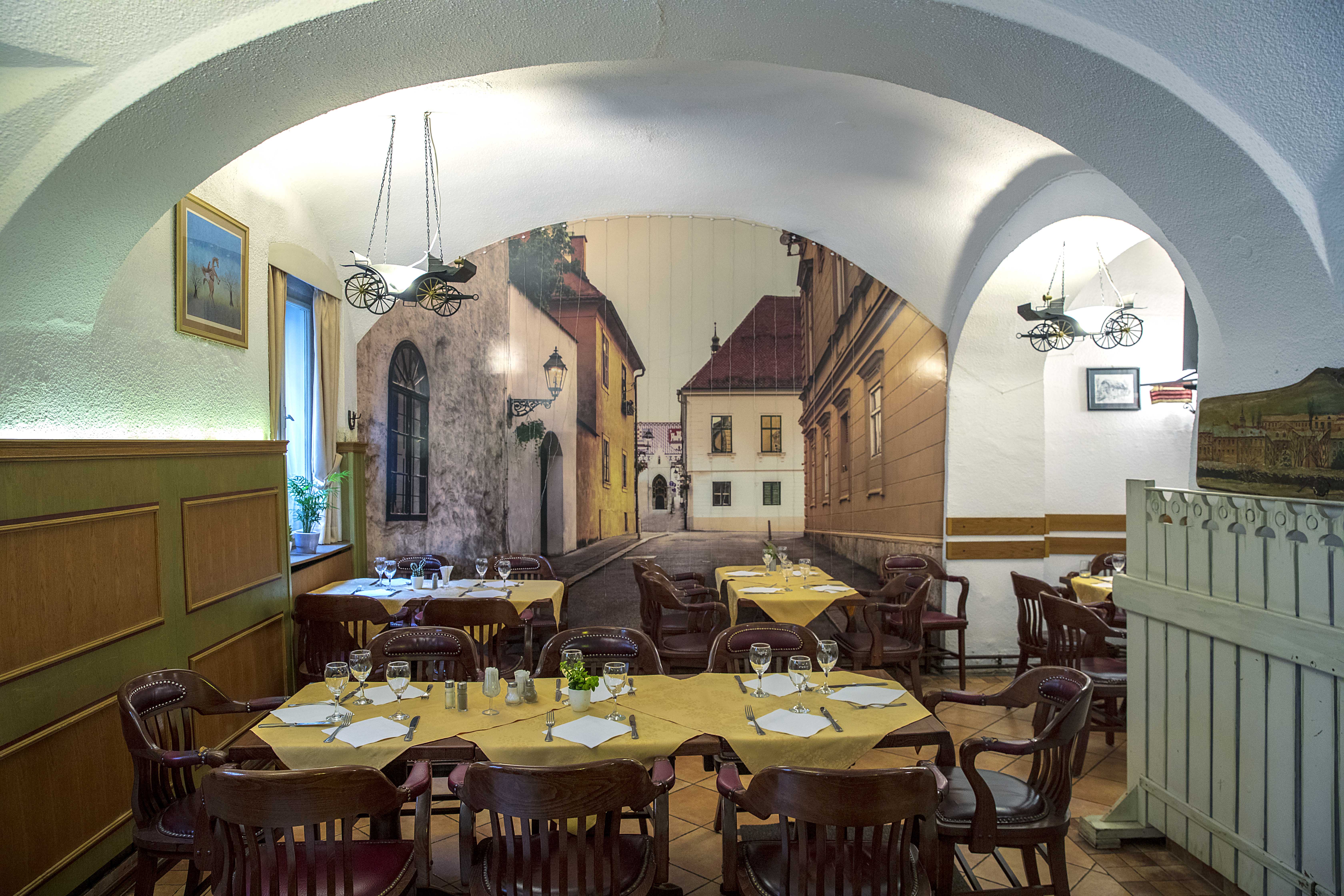
It is not just the roads and adventures calling our names. By this point, who isn’t craving some delicious Balkan food? While planning the trip, I spent some time digging through Reddit threads, and local recommendations. One name kept appearing over and over again: Stari Fijaker. Renowned for its authentic local cuisine and reasonable prices, it seemed like the perfect place to experience traditional Croatian and Balkan flavors.
There is one catch, though. The restaurant is incredibly popular, and securing a table can be challenging, especially in the evening. If you plan to dine there, making a reservation ahead of time is highly recommended. Unfortunately, we learned that lesson the hard way. We arrived just as the restaurant was preparing to open for dinner, excited to reward ourselves after a day of exploring with a feast of Balkan specialties. Our hopes were quickly dashed when the staff informed us that the entire restaurant had been reserved for a private event that evening.
Disappointed? Absolutely. But travel often surprises you in unexpected ways. We ended up chatting with the staff for a while, and their warmth and friendliness left just as much of an impression as the food probably would have.
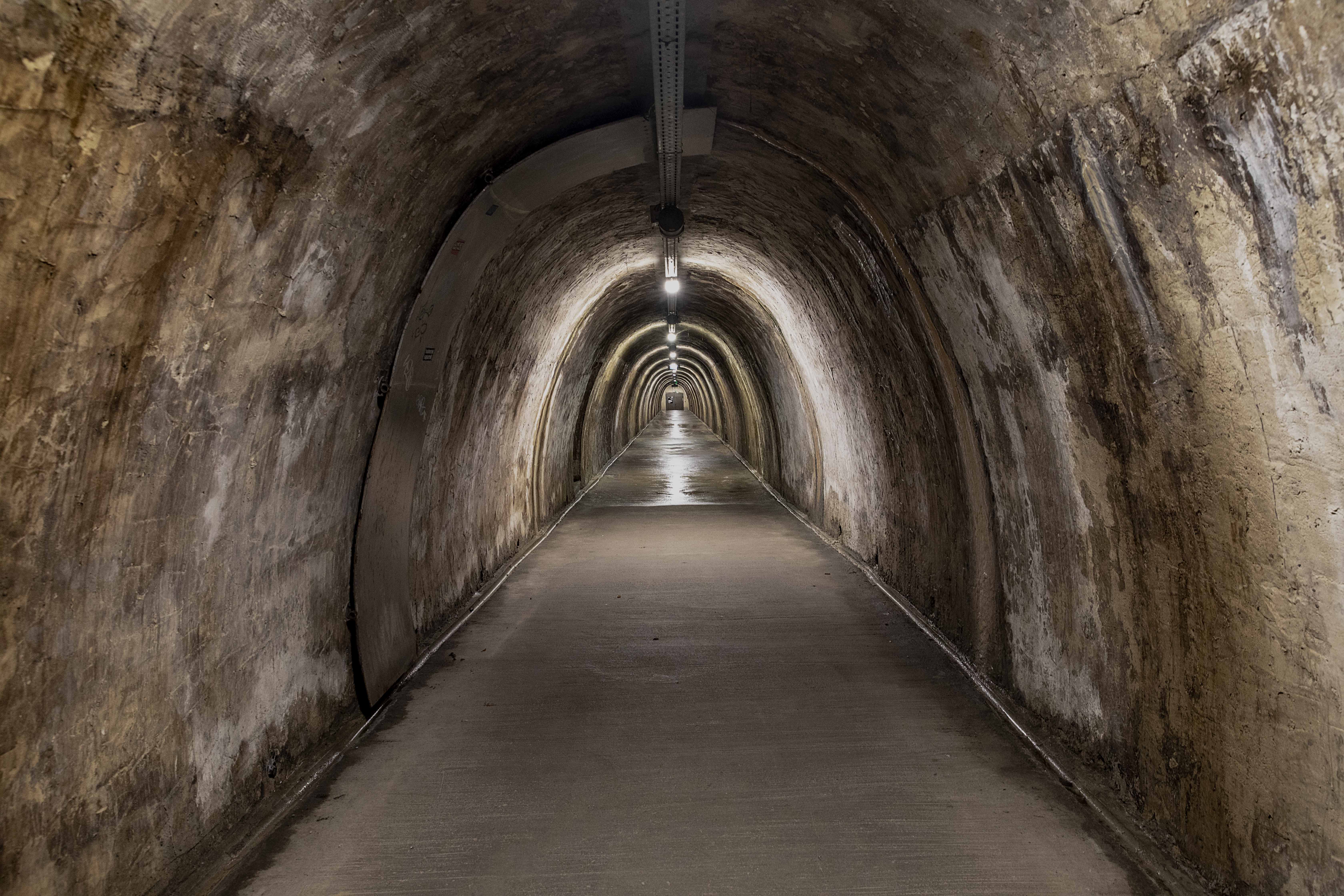
If you look from the famous Ilica Street toward Lotrščak Tower, you’ll notice that the city rises uphill. To make getting around easier, several tunnels run beneath the streets and serve as shortcuts for pedestrians. While they are mainly used for walking today, these tunnels were originally built during World War II by the Ustaše government (Croatian ultra-nationalists) as bomb shelters.
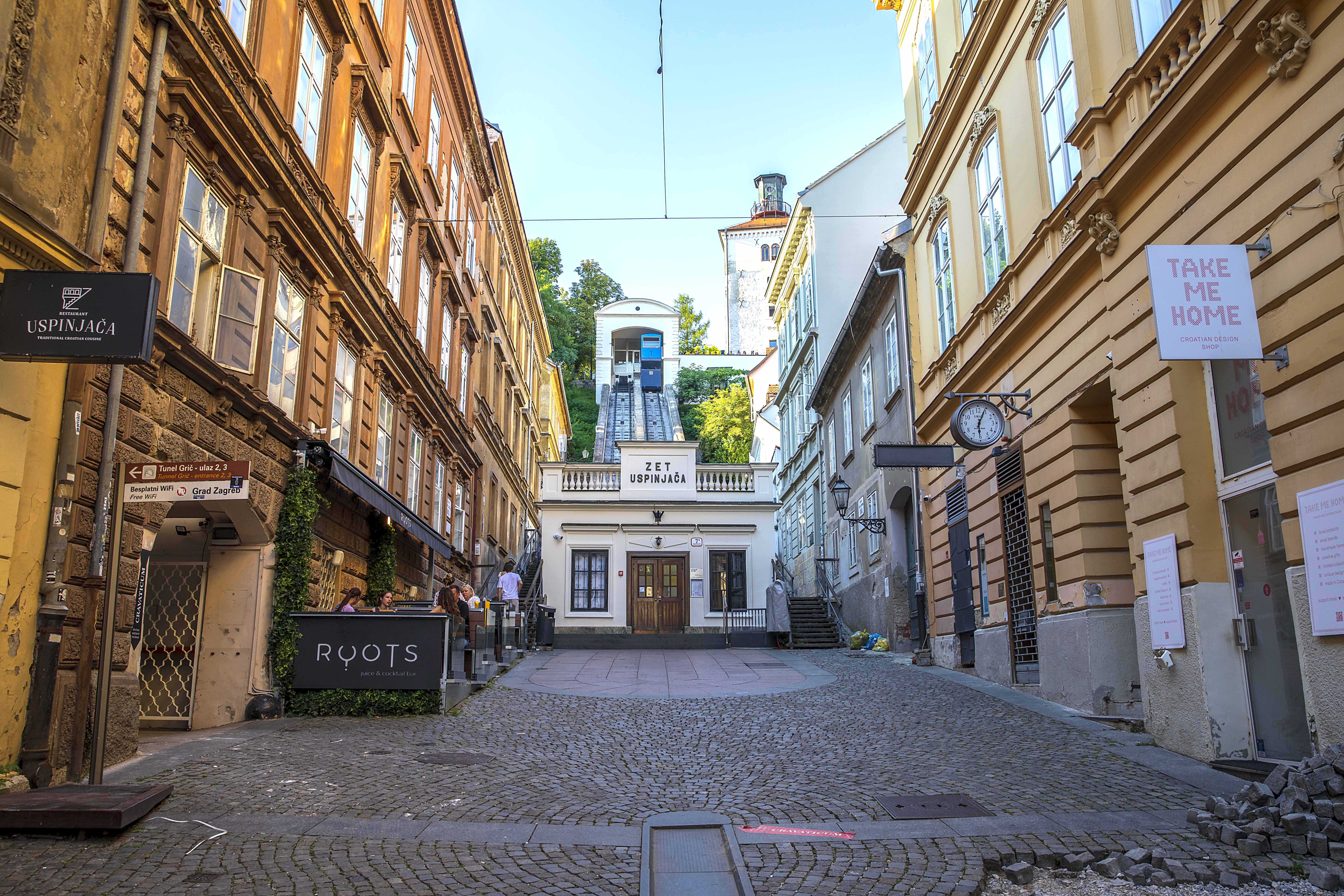
The good news is that you don’t have to climb the hill on foot to reach Zagreb’s Upper Town. Instead, you can hop on the Zagrebačka uspinjača, the city’s historic funicular, which is often considered the shortest public transportation funicular in the world. For less than a euro, about €0.66, it offers a quick and charming ride to the top.
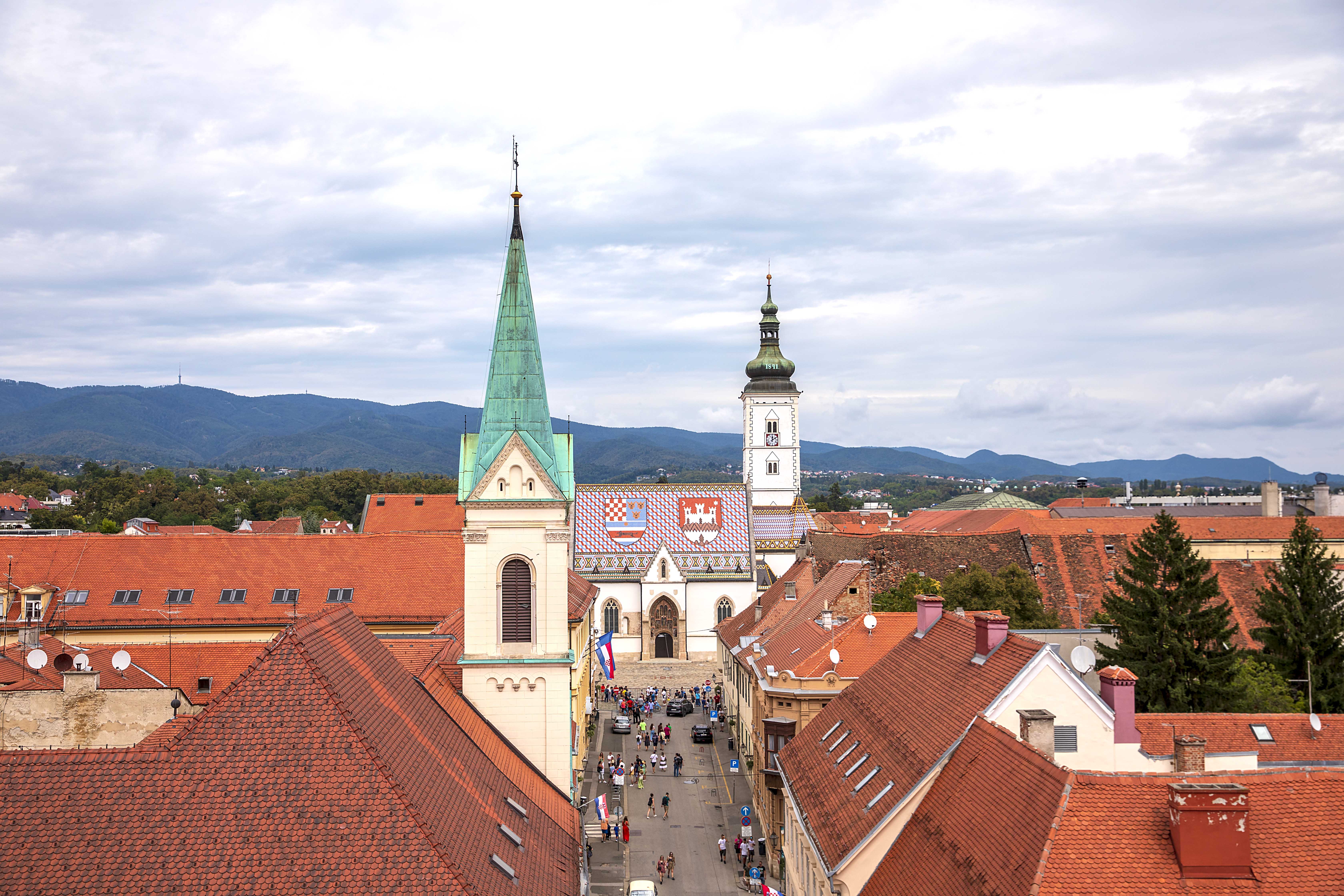
One of the first places you’ll want to visit after stepping off the funicular is Lotrščak Tower. It offers some of the best panoramic views of Zagreb and is a perfect spot to take in the rooftops, church spires, and surrounding hills. We arrived just before noon to witness the famous Noon Blast, the local tradition of firing the Grič Cannon from the tower every day at exactly 12 o’clock. The cannon shot echoes across the city and has become one of Zagreb’s most recognizable traditions.
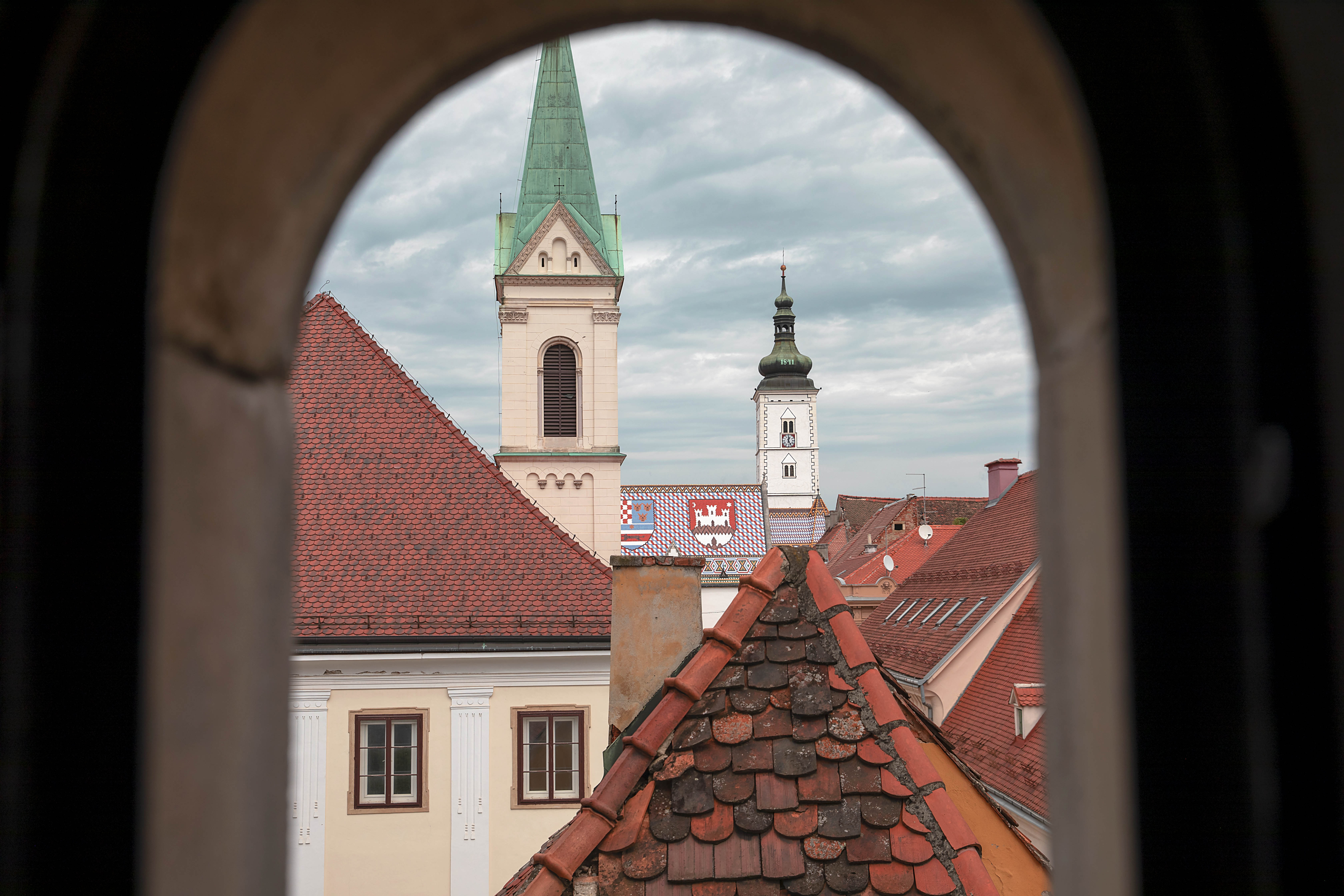
As one of our very first stops in Zagreb, the tower left a mixed first impression. The elderly woman working at the ticket booth seemed less than enthusiastic about greeting visitors, which initially gave us a somewhat unfriendly impression of the city. Beyond the views and daily cannon firing, the tower has a long history. Built in the 13th century as part of Zagreb’s defensive walls, it later served as an important lookout point during the 15th and 16th centuries, when guards scanned the horizon for approaching Ottoman cavalry and potential threats to the city.
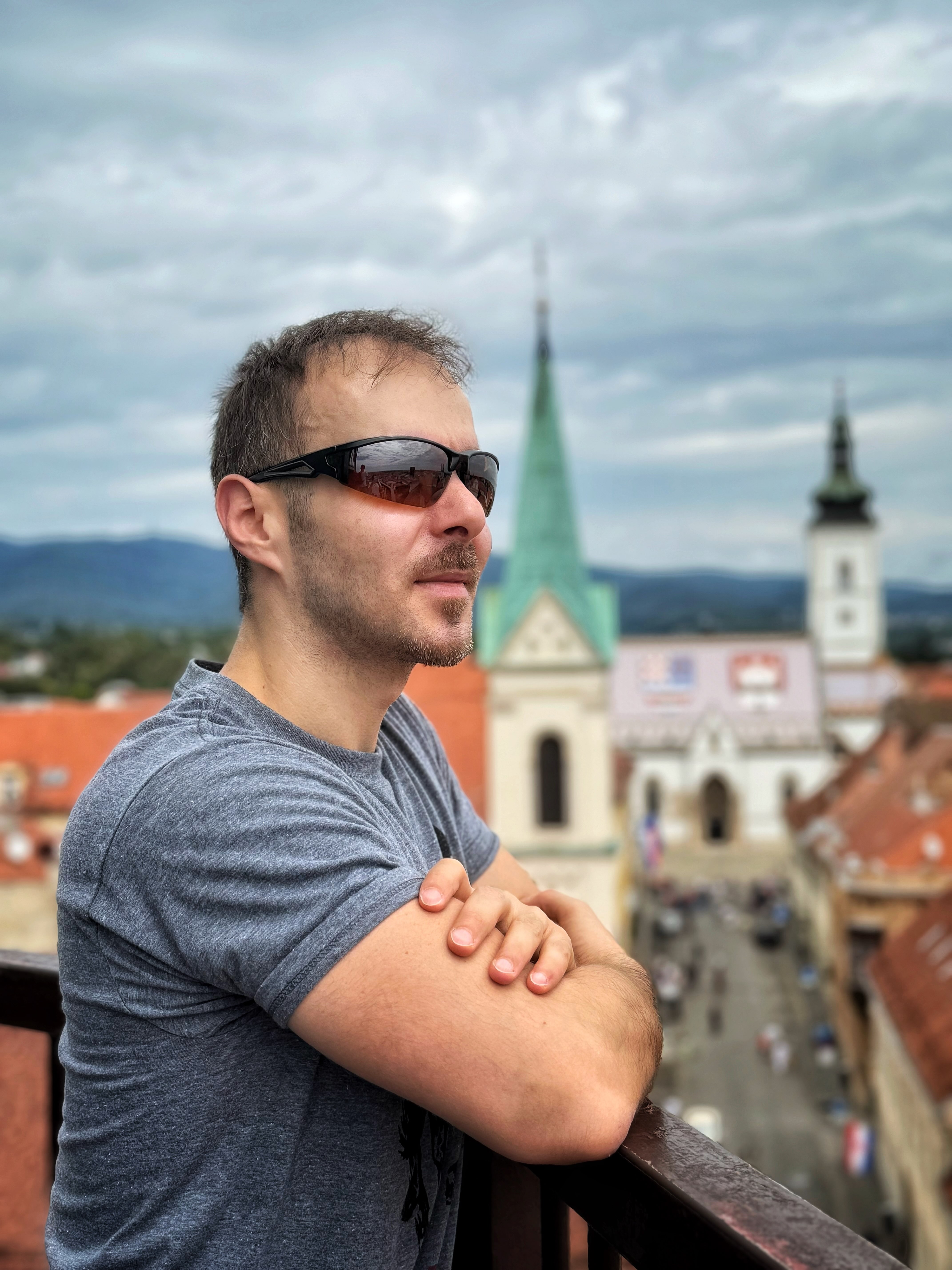
The guards at Lotrščak Tower spent centuries looking for approaching Turks. Turns out we’d eventually arrive as tourists and pay for the view 🙂
If you prefer to reach the Upper Town on foot rather than taking the funicular, you can climb the charming Love Stairs and continue along Strossmayerovo šetalište. The scenic walk rewards you with beautiful views of the city before leading directly to Lotrščak Tower.
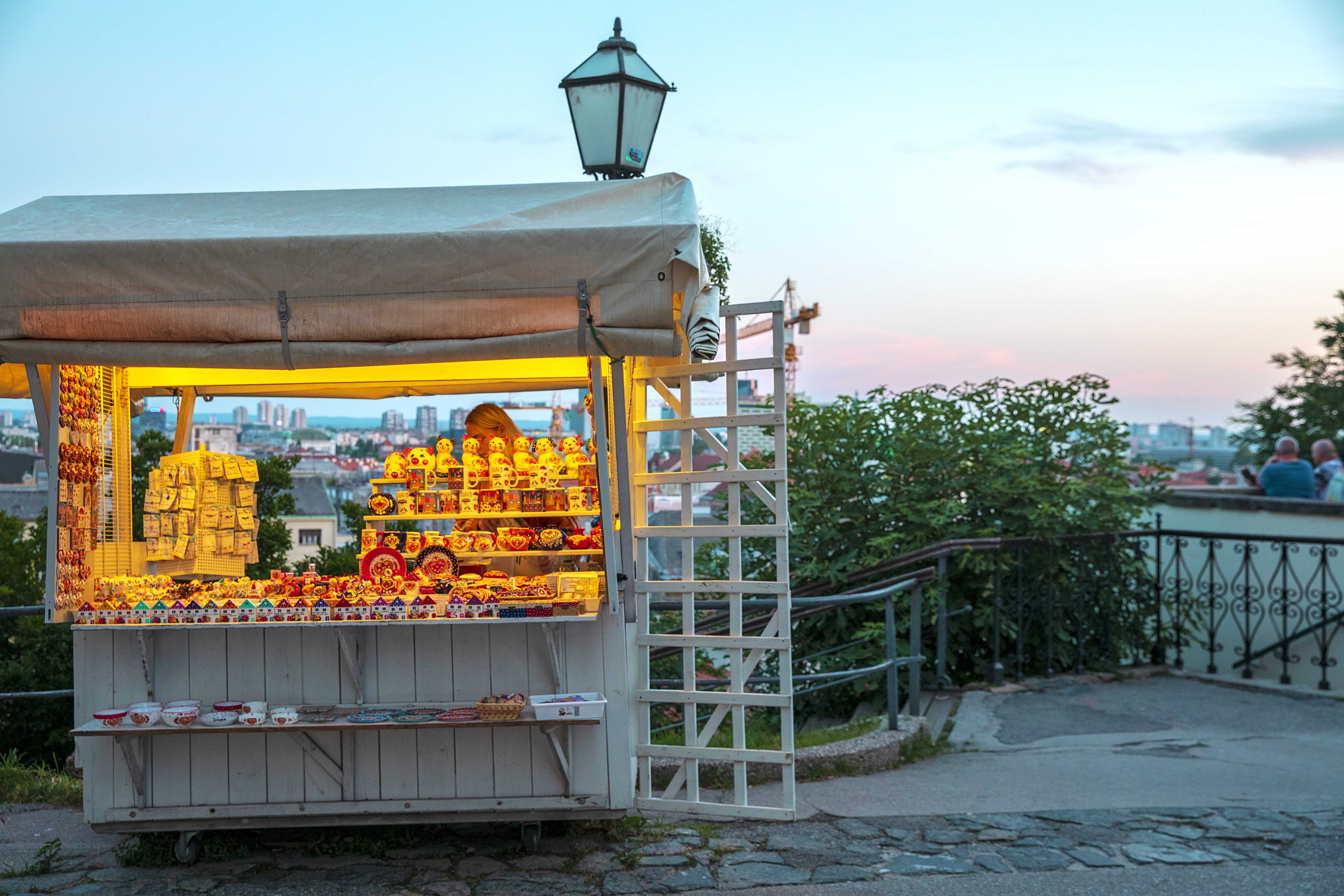
One detail that caught my attention was the small souvenir kiosk located right across from the tower. Though modest in appearance, it has been serving visitors for years and has become a familiar part of the square’s atmosphere.
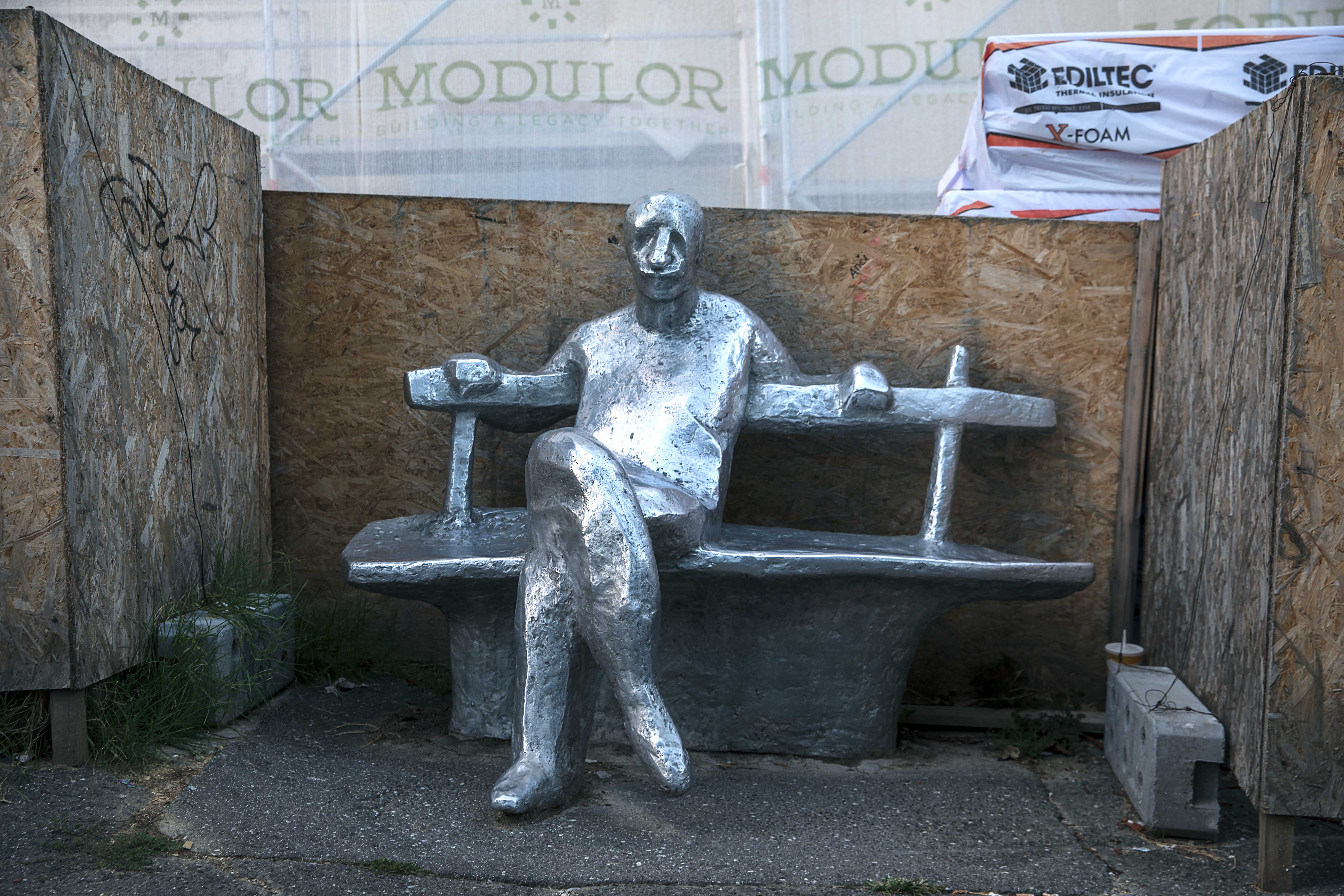
One of the highlights of Zagreb’s Strossmayer Promenade is the iconic Matoš bench statue. Sitting quietly with one of the city’s best views behind him, the monument honors Antun Gustav Matoš, widely regarded as one of Croatia’s greatest poets, short story writers, and essayists.
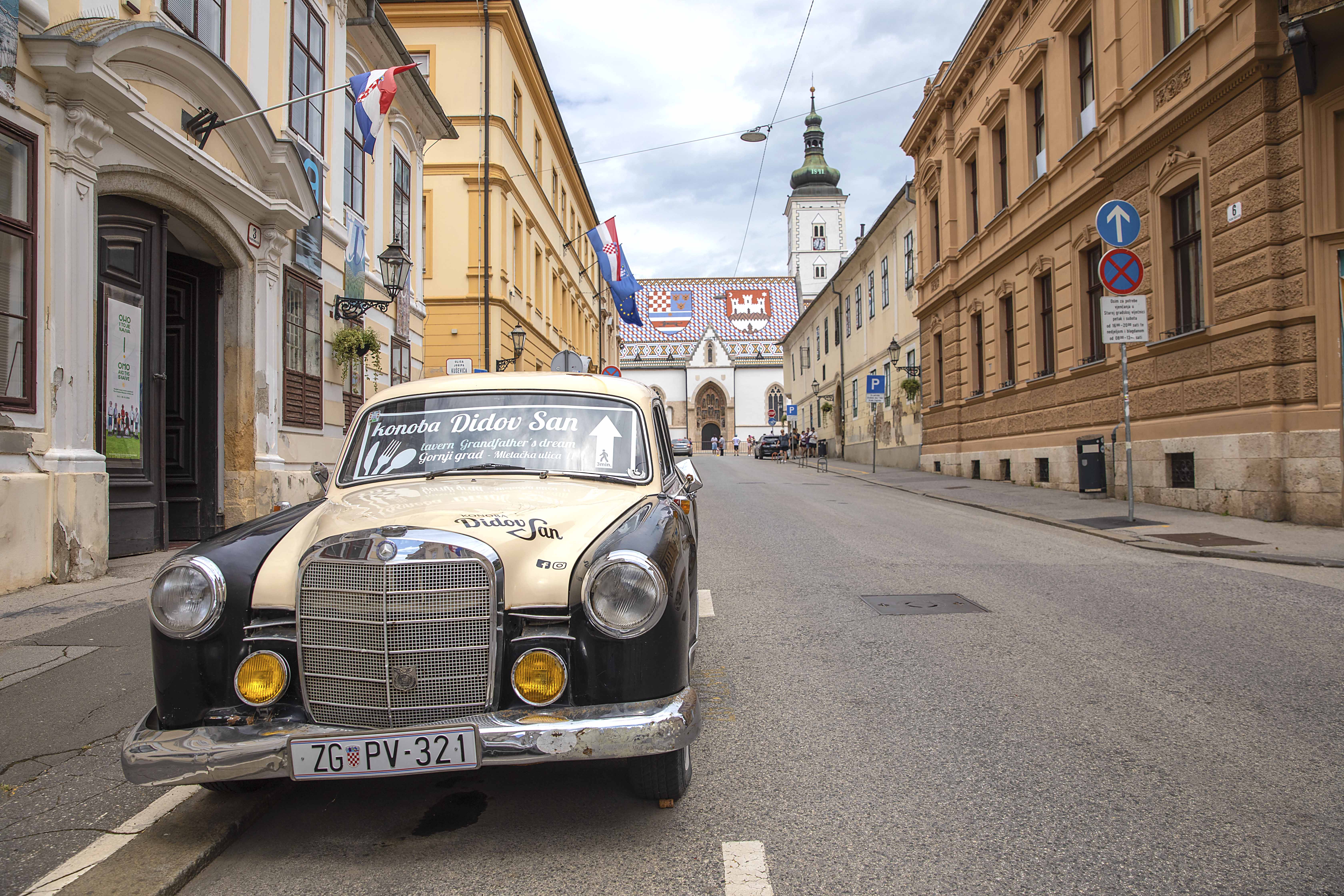
The Upper Town is home to one of Zagreb’s most iconic landmarks, St. Mark’s Church, easily recognized by its colorful tiled roof featuring the coats of arms of Croatia, Dalmatia, Slavonia, and Zagreb. Unfortunately, the square around the church is closed to the public, which is disappointing for many visitors hoping to see it up close. The area also houses the Croatian Parliament and other government buildings. After an armed attack in October 2020 in which a police officer was injured, access was further restricted for security reasons.
As a result, the church can only be viewed from a distance, which takes away some of the experience of exploring such an important historic site. It feels a bit sad to miss the chance to experience such an important historic site up close.
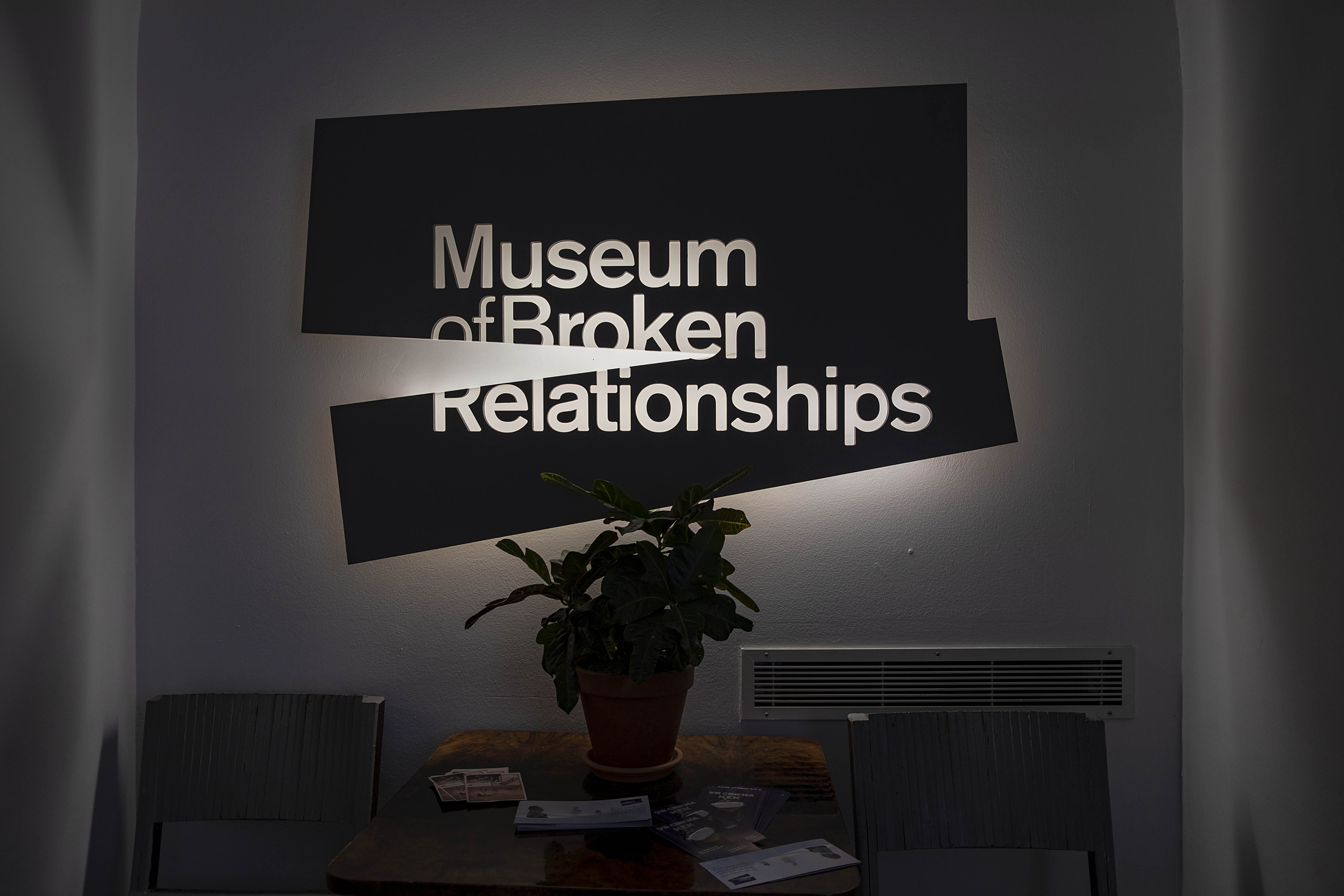
Well, if that makes you feel a little sad, you are not alone. Just to the right of where I took the photo of the church, right next to that classic Mercedes, there is a quirky little place called the Museum of Broken Relationships. Everything inside the museum has been crowdsourced from people around the world, each object carrying a personal story about love, loss, and relationships that ended in one way or another.
I am not even sure whether to call it comforting or heartbreaking, but you can also contribute yourself in two ways. You can submit your story to their online virtual collection, or send a physical item along with its story to their permanent collection in Zagreb or one of their traveling exhibitions. I will quietly leave the link here and let you decide whether this sounds therapeutic or dangerous.
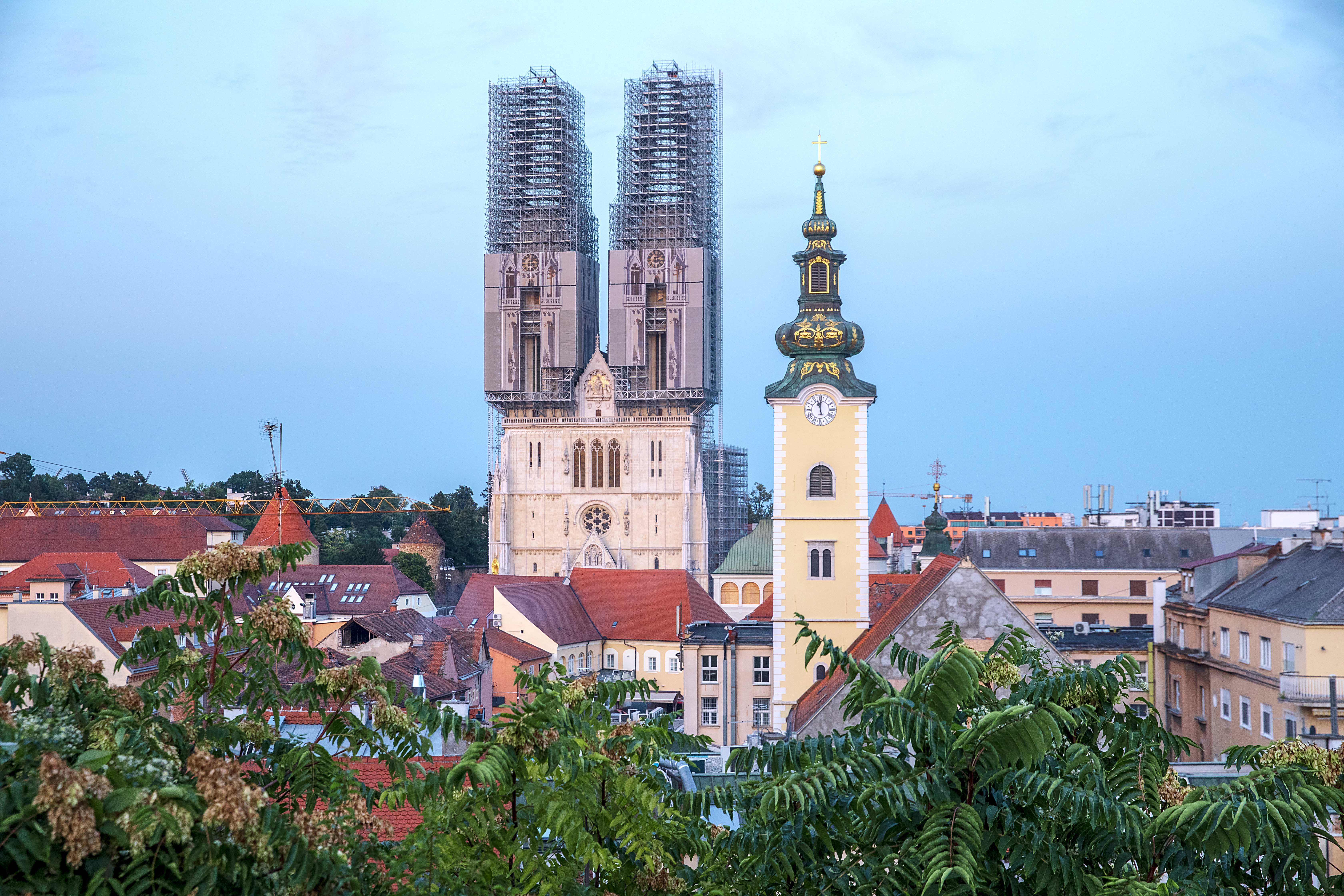
If you’re searching for one of the best sunset views in Zagreb, complete with a picture-perfect view of the city’s iconic cathedral, make your way to Love Rails. As the sun begins to set and the city is bathed in golden light, it’s hard to find a more romantic spot to take it all in.
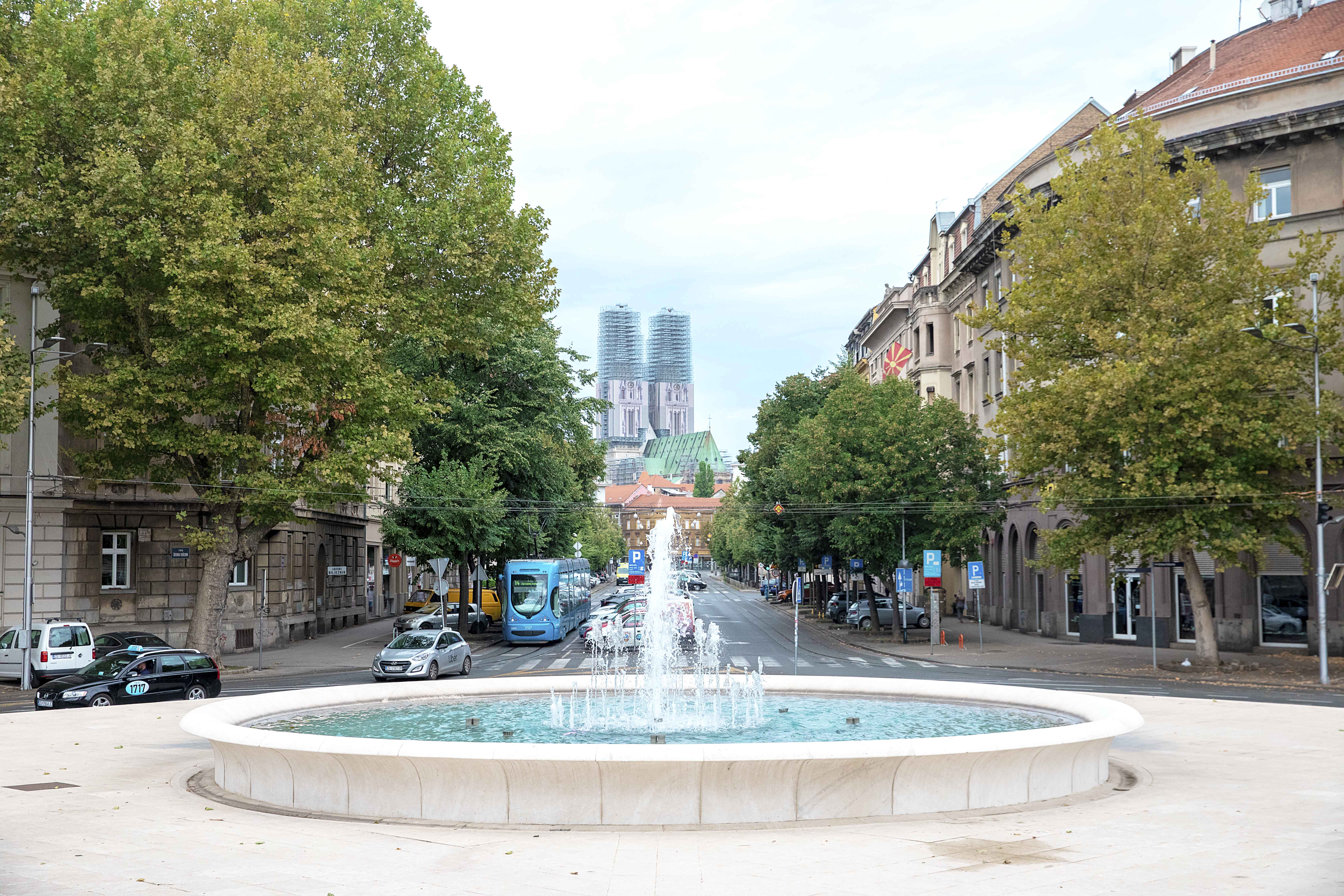
There is one final stop to make before we wrap up our time in Zagreb. Let’s hop in the car and drive about 10 kilometers outside the city for one last adventure.
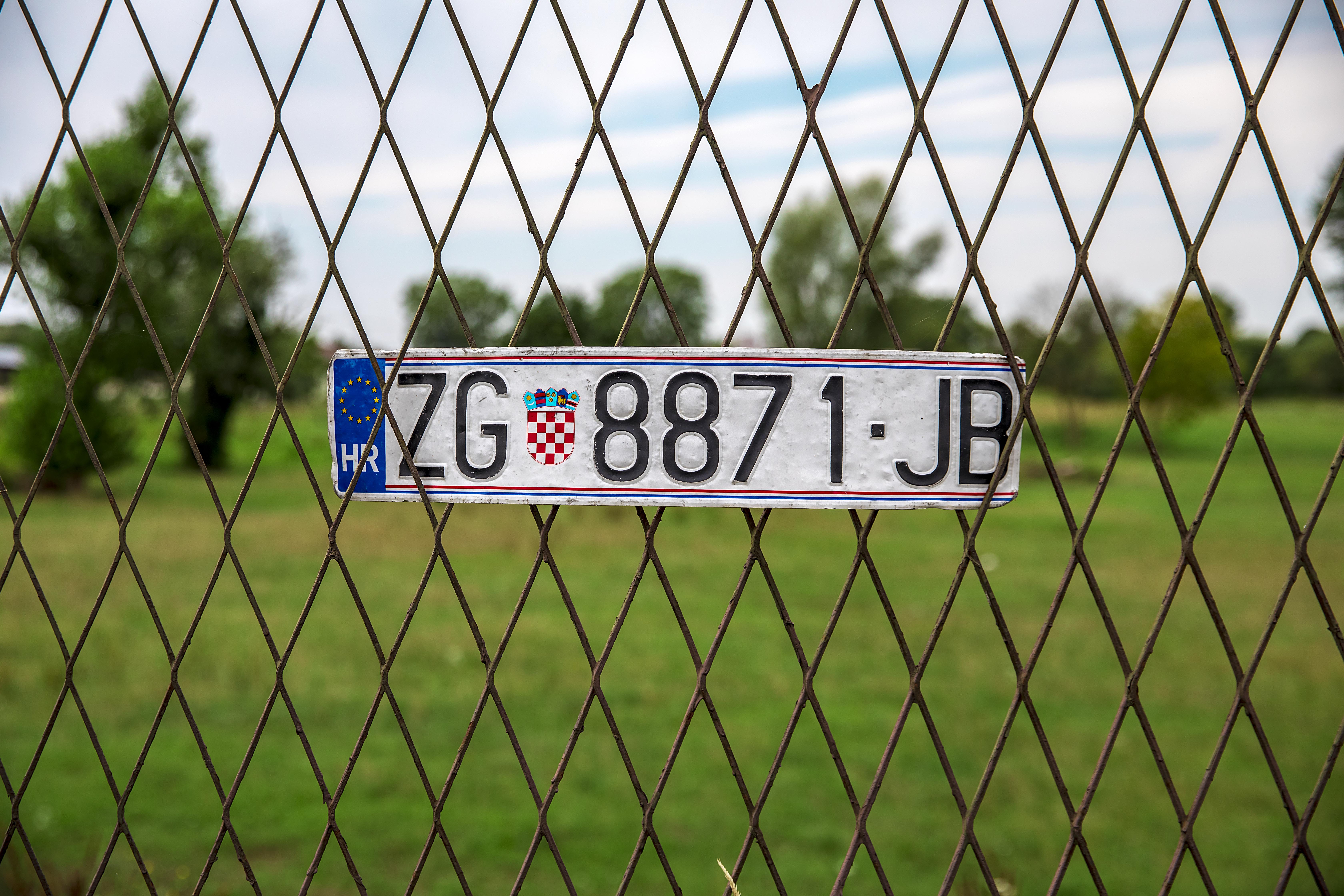
Before setting off for Split, we wanted to make one last stop at the Hrelić Flea Market. Unfortunately, I don’t have any photos from the market, partly because it felt a little too sketchy to walk around with a camera hanging from my neck. That said, Hrelić is a fascinating place. It feels like a giant treasure hunt where you can find almost anything imaginable. From Yugoslav-era memorabilia and vintage collectibles to clothing, household items, piles of old keys, tangled power cables, rusted tools, and obsolete electronics such as old Nokia phones and VHS players, the market is packed with surprises around every corner.
If you decide to visit, I have a few suggestions. First, arrive as early as possible, ideally around 7 or 8 AM. By noon, many vendors are already packing up their blankets and calling it a day. Also, bring cash and plenty of small change, as card payments are generally not accepted. Second, embrace the art of haggling. The first price is usually just the beginning of the conversation, not the final offer.
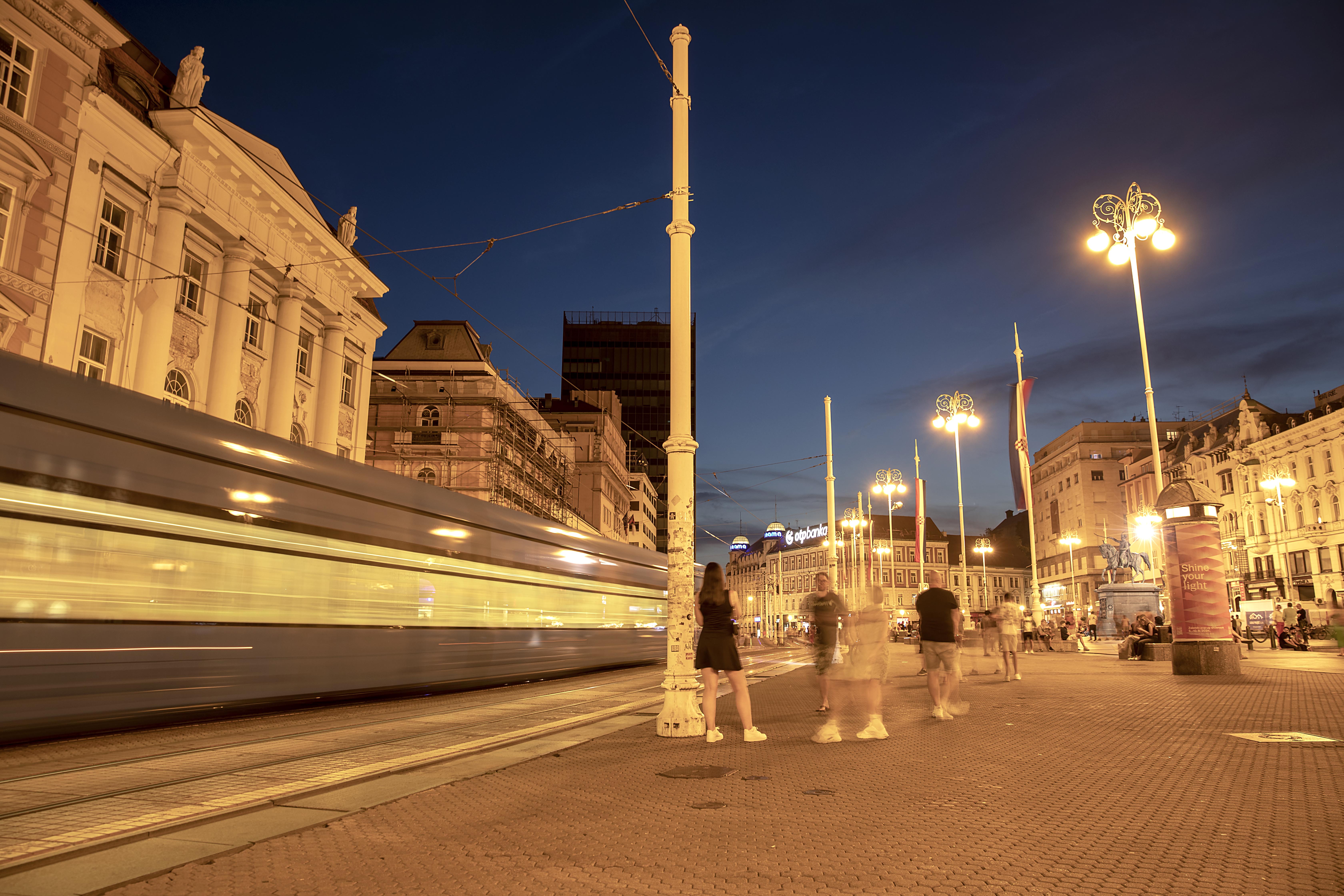
I can’t think of a better place to end this post than Ban Josip Jelačić Square after sunset, when the lights come on and the heart of Zagreb settles into its evening rhythm. For me, Zagreb was a refreshing journey into a world I had wanted to experience for a long time. The city still carries traces of its Yugoslav past, giving it a character that feels distinct from many other European capitals. The people occasionally seemed a bit reserved, though that may have simply been my own experience. Overall, my time here was overwhelmingly positive. If you’re planning a trip to Croatia’s famous coastline, where most visitors tend to head, I highly recommend spending a day or two in Zagreb first. It may not have the glamour of the Adriatic, but it offers something equally valuable: authenticity. It feels different from other European capitals, and despite its imperfections, it has a soul.
From Ban Josip Jelačić Square in Zagreb, until the next adventure, good morning, good afternoon, and good night.

