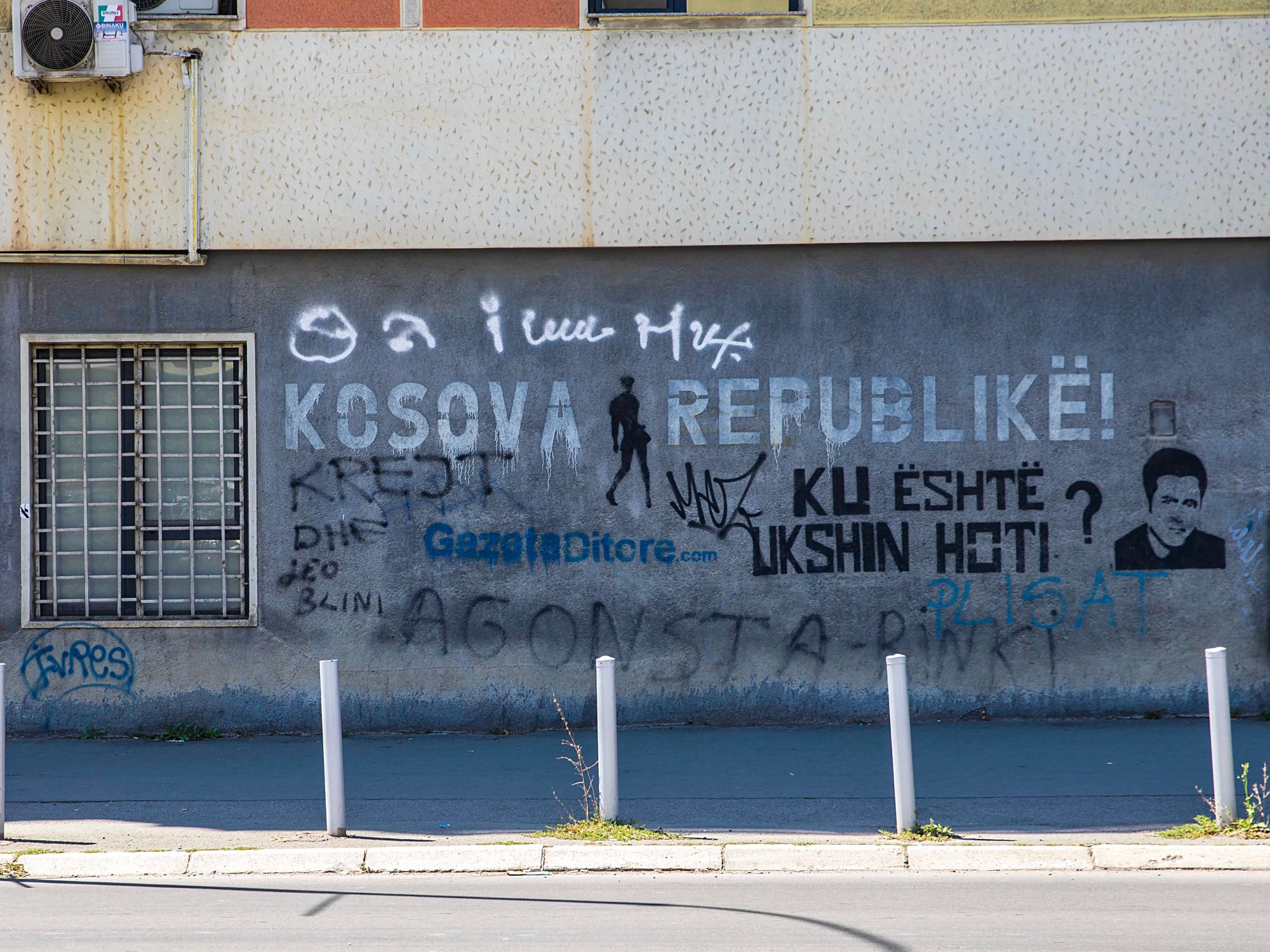
If you thought our Balkan tour was going to end right after visiting Macedonia, think again! We’re not calling it a day until we’ve visited all the non-EU countries in the Balkans. And I’m pretty sure you’re eagerly waiting for every chapter of this adventure to drop as soon as possible 🙂
After spending a day and a half in Skopje, we finally hit the road again in the evening of August 12. Our rental car had been sitting in the parking lot of Hotel Centar all day, baking under the scorching summer sun, but it was time to put it back to work.
Our next destination? Not the youngest sovereign state in the world, but often considered the youngest in Europe, having declared independence from Serbia on February 17, 2008, just over 18 years ago.
The Balkan adventure is far from over. In fact, it has only just begun.
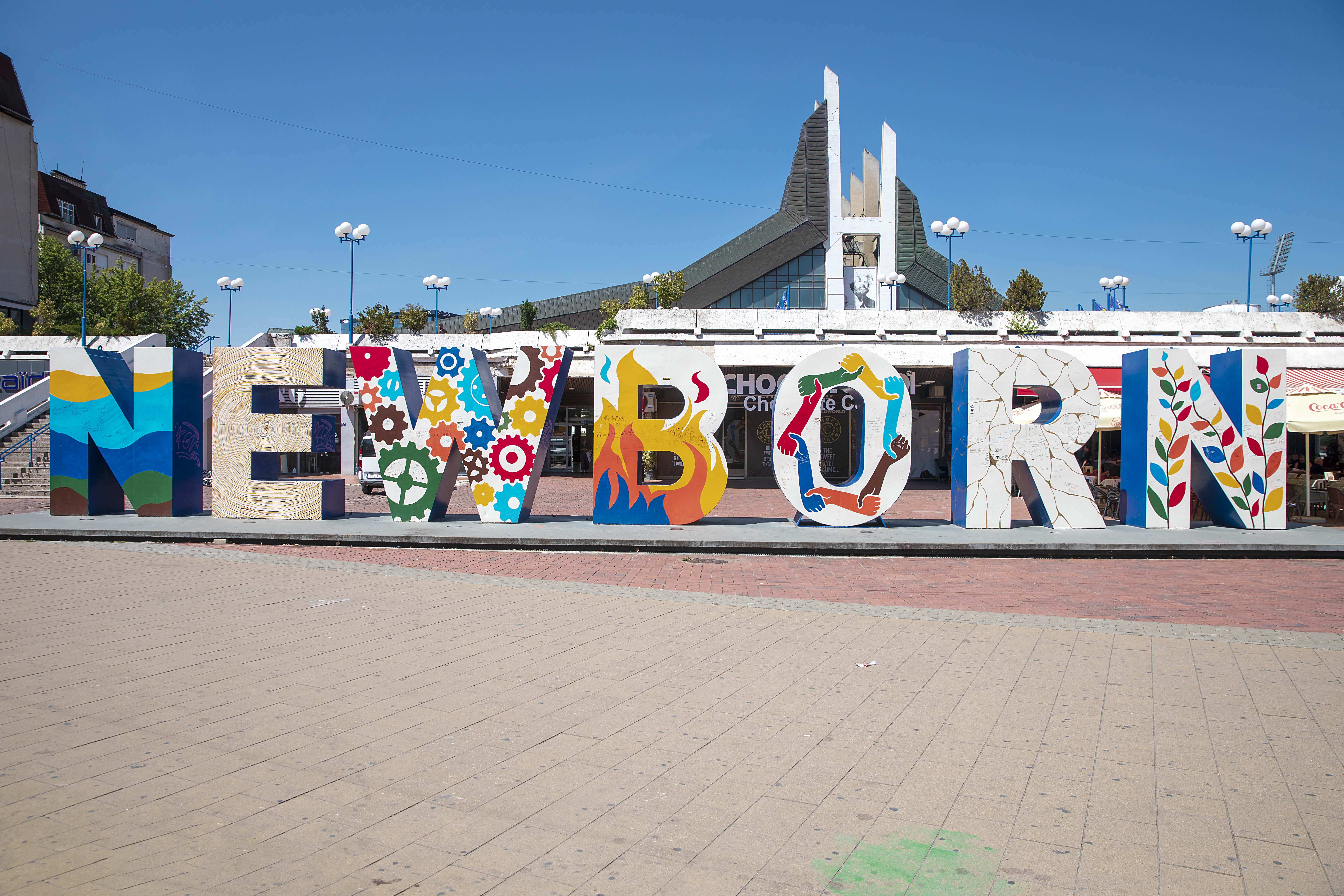
Welcome to the Land of the Dardanians. Welcome to Kosovo.
I remember being a high school kid, playing a PC game called Soldier of Fortune. It was one of the best games I’ve ever played, and I can still remember how religiously we played it on my uncle’s custom-built PC.
One of the campaigns, Mission 3, was set around Gračanica, Kosovo. The story unfolds in the aftermath of NATO’s withdrawal from the region, when a radical Serbian military faction known as the Red Guard (Crvena Straža) resumes hostilities, taking control of Gračanica and a nearby airbase. The Shop, a black-ops mercenary outfit led by Sam Gladstone and employing the protagonist, John Mullins, coordinates with the Kosovo Liberation Army as part of the local resistance against the Red Guard.
Even now, just explaining the story gives me goosebumps.
And that’s how I first became familiar with Kosovo. Ever since then, I’ve wanted to visit it someday. After all these years, I finally get to turn that childhood dream into reality.
Kosovo was an autonomous province of Serbia, with rights similar to those of a republic within Yugoslavia. However, in 1989, Serbian leader Slobodan Milošević (Butcher of the Balkans) revoked much of Kosovo’s autonomy, and placed the province under direct Serbian control.
After years of repression, the Kosovo Liberation Army launched an armed rebellion against Serbian security forces. Milošević responded with a brutal military crackdown. Serbian forces burned villages, committed massacres, including the Račak massacre in January 1999, and forced hundreds of thousands of ethnic Albanians from their homes.
When diplomatic talks failed, NATO launched Operation Allied Force on March 24, 1999. The 78-day bombing campaign targeted Yugoslav military forces. In June 1999, Serbian and Yugoslav forces withdrew from Kosovo, paving the way for an international peacekeeping mission.
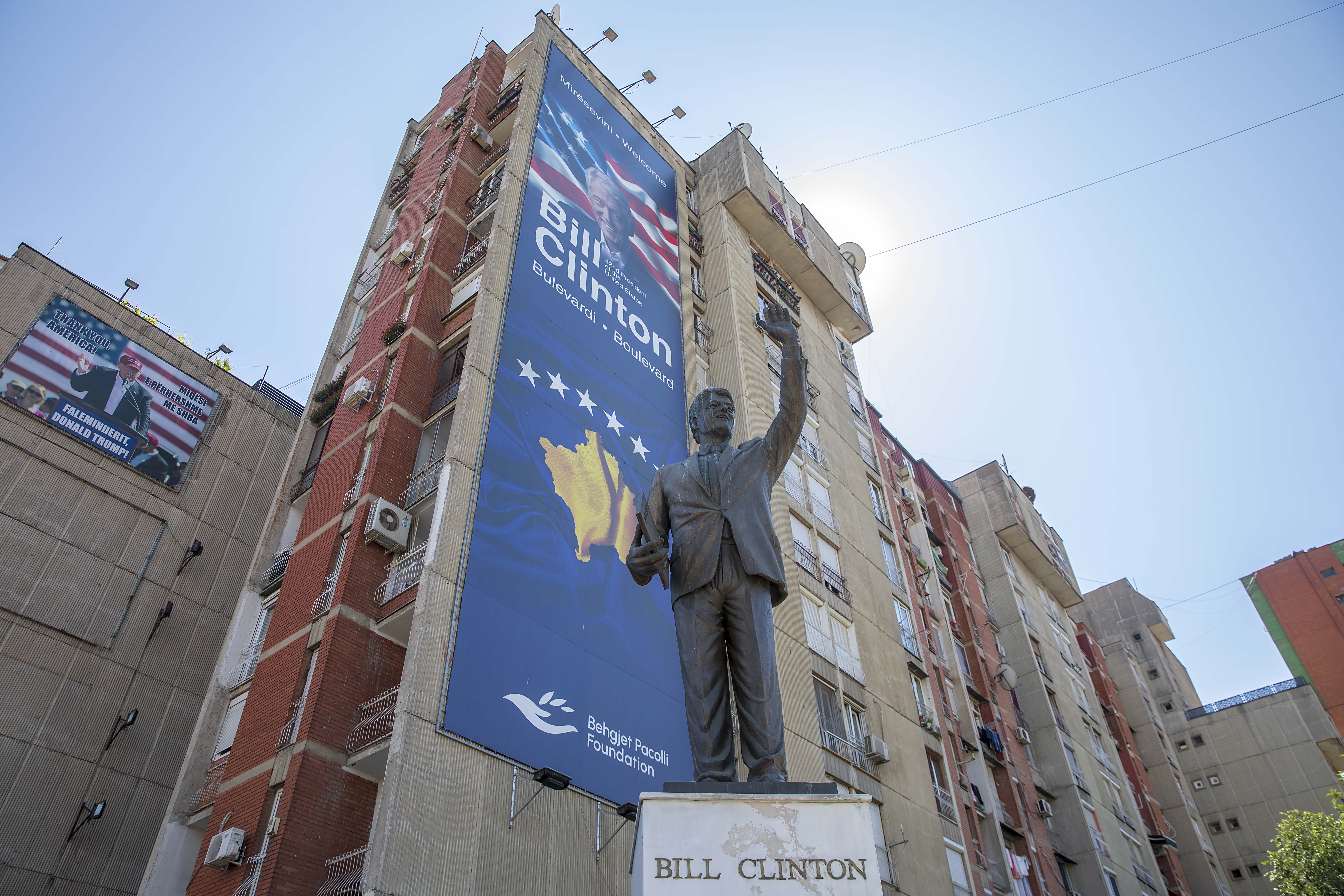
Bill Clinton played a key role in the international response to the conflict. Under his leadership, the United States strongly supported NATO’s intervention, helping shape both U.S. foreign policy and the future of the Balkans. In Kosovo, Clinton is widely regarded as a hero who stood by the Albanian population during one of the darkest periods in its history. Many Kosovars see him as a key figure who helped stop the violence and prevent further mass displacement. His legacy remains deeply rooted in Kosovo’s national identity.
The drive from Skopje to Pristina, the capital of Kosovo, takes around an hour and a half, including roughly 30 minutes to reach the Kosovo border from downtown Skopje.
Keep in mind that this part of Europe doesn’t have the same freedom of movement you’ll find within the EU’s Schengen Area. You’ll need to go through passport control twice: once when leaving North Macedonia and again when entering Kosovo.
The border crossing itself is generally straightforward, but be prepared for potentially long waits during peak season. We waited about an hour, and according to what people told us, that was considered normal, not even particularly long!
One final tip: Keep your passport and green card (proof of car insurance valid for the Balkan countries you’re visiting) ready when approaching the border. It’ll make the process much smoother.
If you’re visiting Kosovo, the direction from which you enter matters because Serbia does not recognize Kosovo’s independence.
Entering Kosovo from Serbia is generally straightforward. However, traveling in the opposite direction can be a problem. If you try to enter Serbia directly from Kosovo without a valid Serbian entry stamp, Serbian authorities may consider your entry into Serbia unauthorized and refuse you entry at the border. Entering from North Macedonia is totally fine.
So, if you’re planning to visit both Kosovo and Serbia, pay close attention to your route and border-crossing requirements.
One of the first things we noticed after arriving in Pristina was how developed the city looked compared to Skopje. Modern infrastructure, tall buildings, lavish shopping malls, a lively atmosphere, and relatively well-maintained roads immediately caught our attention.
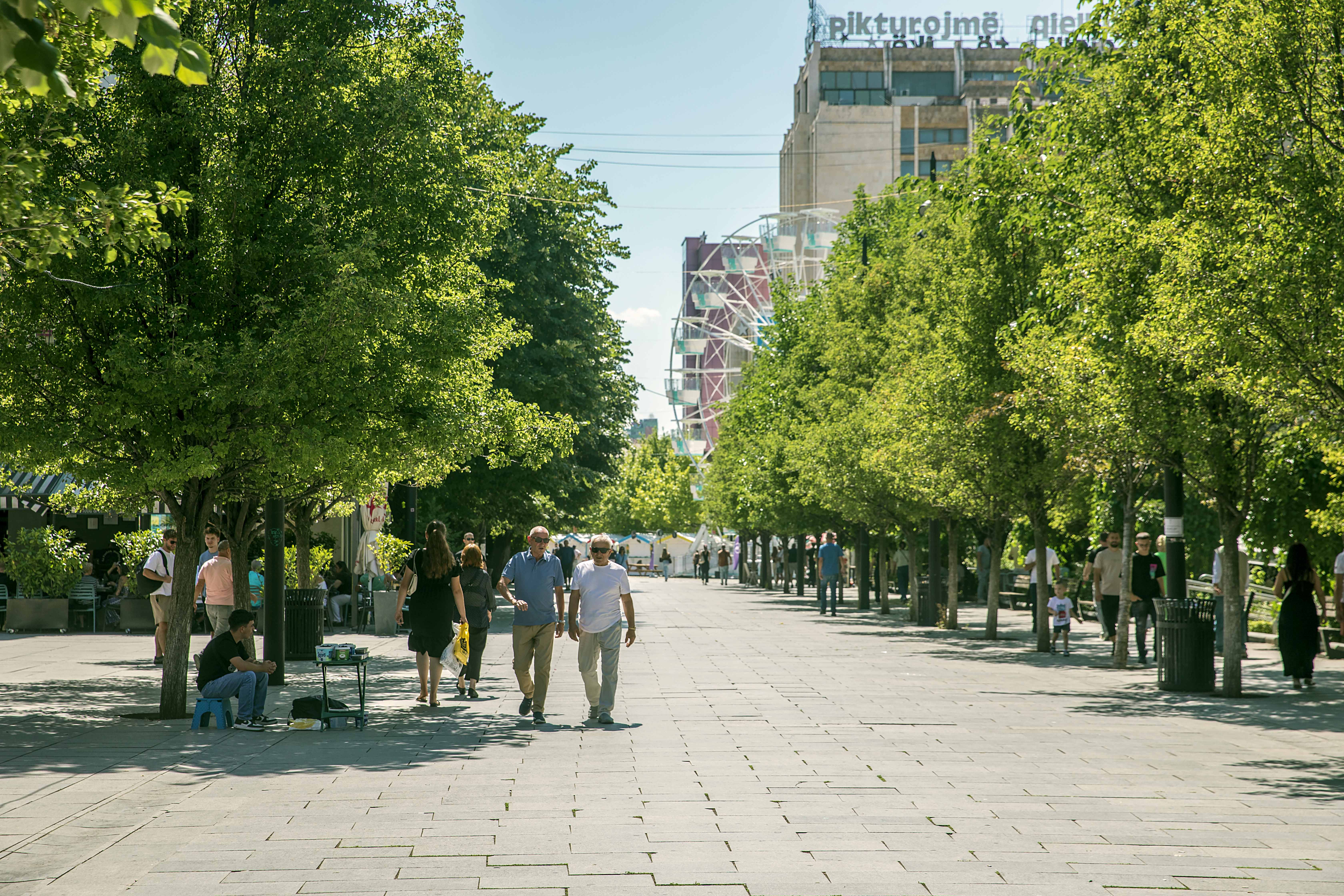
We stayed at a lovely hotel, Hotel La Corte, conveniently located near Pristina’s famous pedestrian street, Bulevardi Nënë Tereza. The hotel offered a great breakfast, and another thing that stood out during our stay was how well people spoke English. Kosovo has one of the youngest populations in Europe, and many young Kosovars grew up in the post-Yugoslav era, when English became increasingly important in education and everyday life.
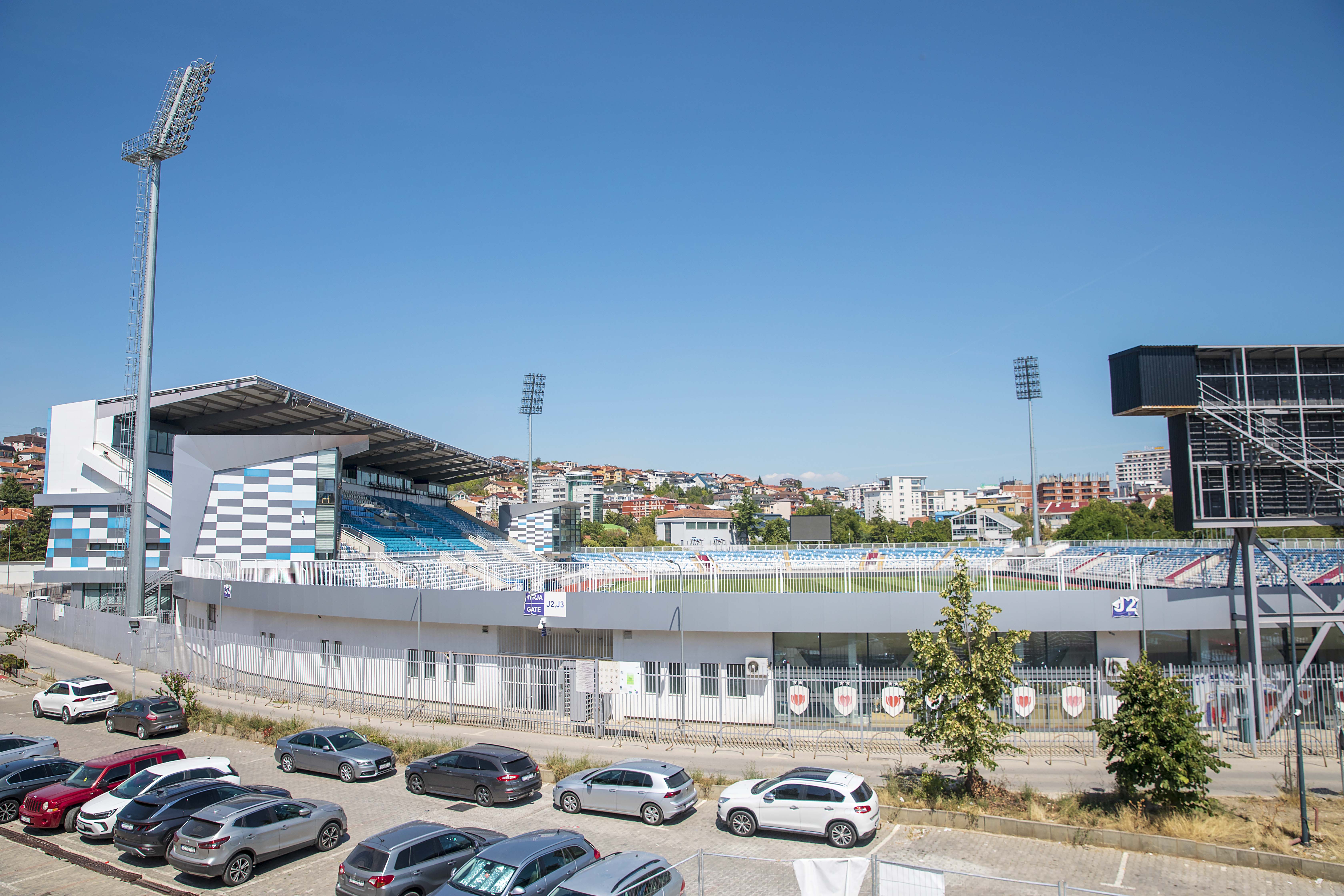
Kosovo also has a promising national football team. During the European qualification campaign for the 2026 FIFA World Cup, they made it all the way to the playoff final, just one game away from qualifying for the tournament. The decisive match took place at Fadil Vokrri Stadium in Pristina, where Kosovo faced Türkiye. Türkiye won 1-0, ending Kosovo’s World Cup dream this time around.
It was a heartbreaking result, but Kosovo put up a great fight and played an impressive game against Türkiye. Hopefully, we’ll see them make it to the World Cup in the future.
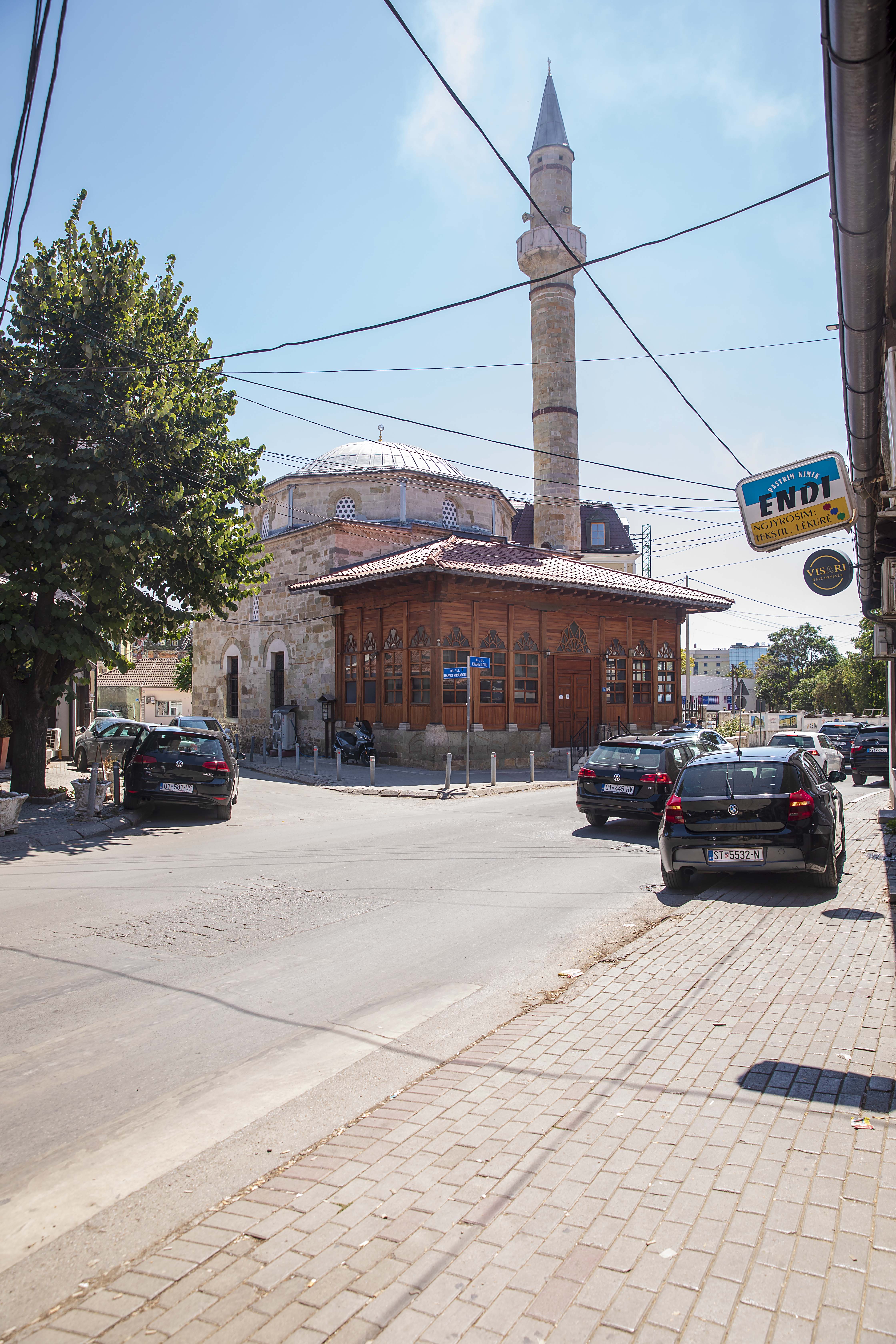
Kosovo remained under Ottoman rule for abour five centuries (more on that later), so it’s no surprise that Ottoman influences can still be seen throughout the country. Pristina, in particular, is home to several historic mosques, including the Sultan Mehmed Mosque, Yaşar Pasha Mosque, and Carshi Mosque, all located in or around the city center.
Many of these historic landmarks have been restored over the years, with support from Türkiye’s Ministry of Culture and Tourism, helping preserve an important part of Kosovo’s Ottoman heritage.
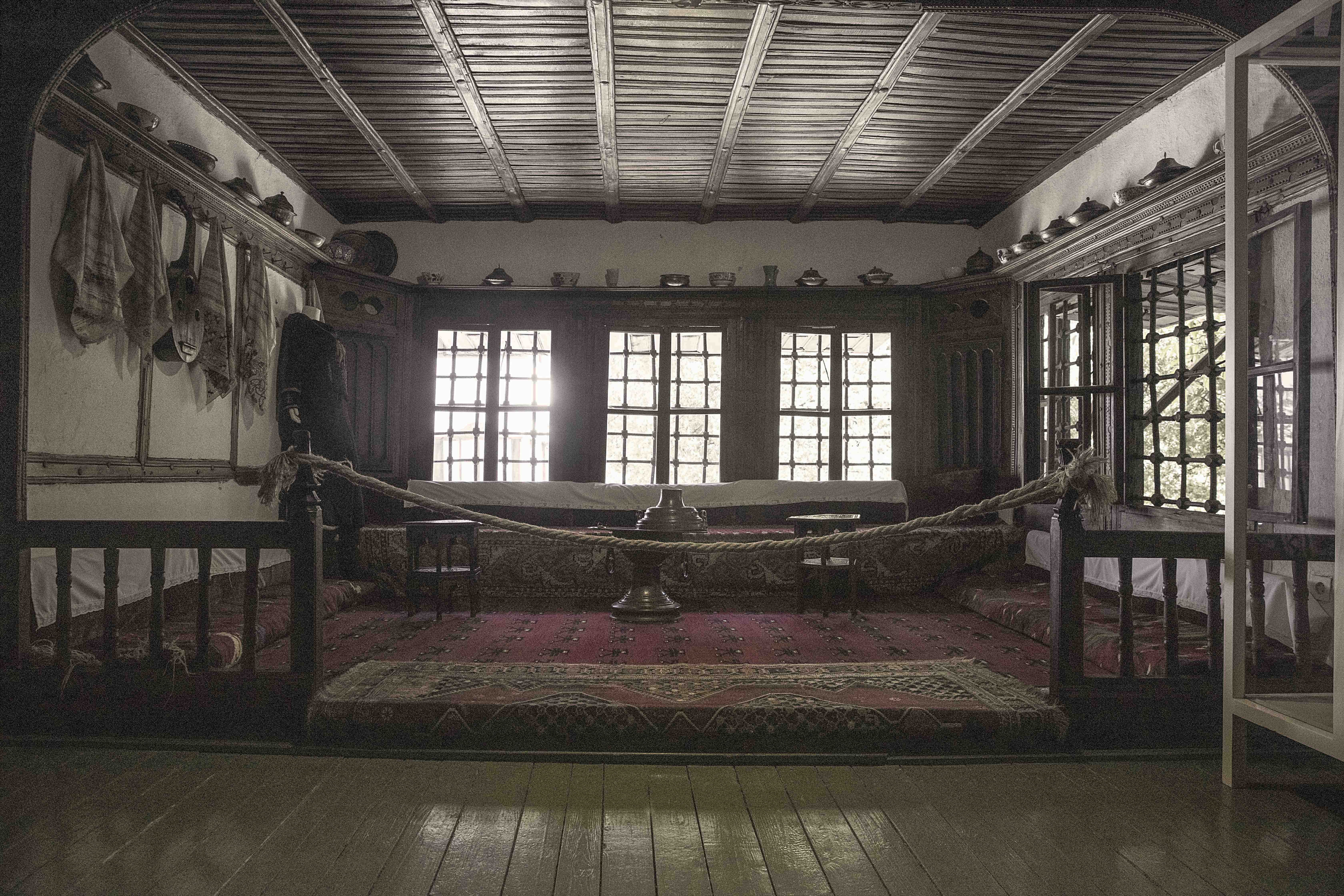
But the Ottoman legacy in Kosovo doesn’t end with its mosques. Just a short walk from the Sultan Mehmed Mosque, you can visit the Ethnological Museum, where a traditional house complex offers a glimpse into the daily lives of wealthy families during those times. Best of all, admission is free! Finding the place can be a little tricky, as it’s concealed among the neighborhood’s narrow streets, but keep an eye out for the unofficial signs pointing you in the right direction.
And here’s another interesting cultural connection: Turkish TV dramas are incredibly popular in Kosovo! Thanks in part to these shows, it’s not unusual to meet locals who speak some Turkish. In fact, on our very first night, right after checking into our hotel, I turned on the TV and guess what? A Turkish drama was already playing. Talk about feeling at home!
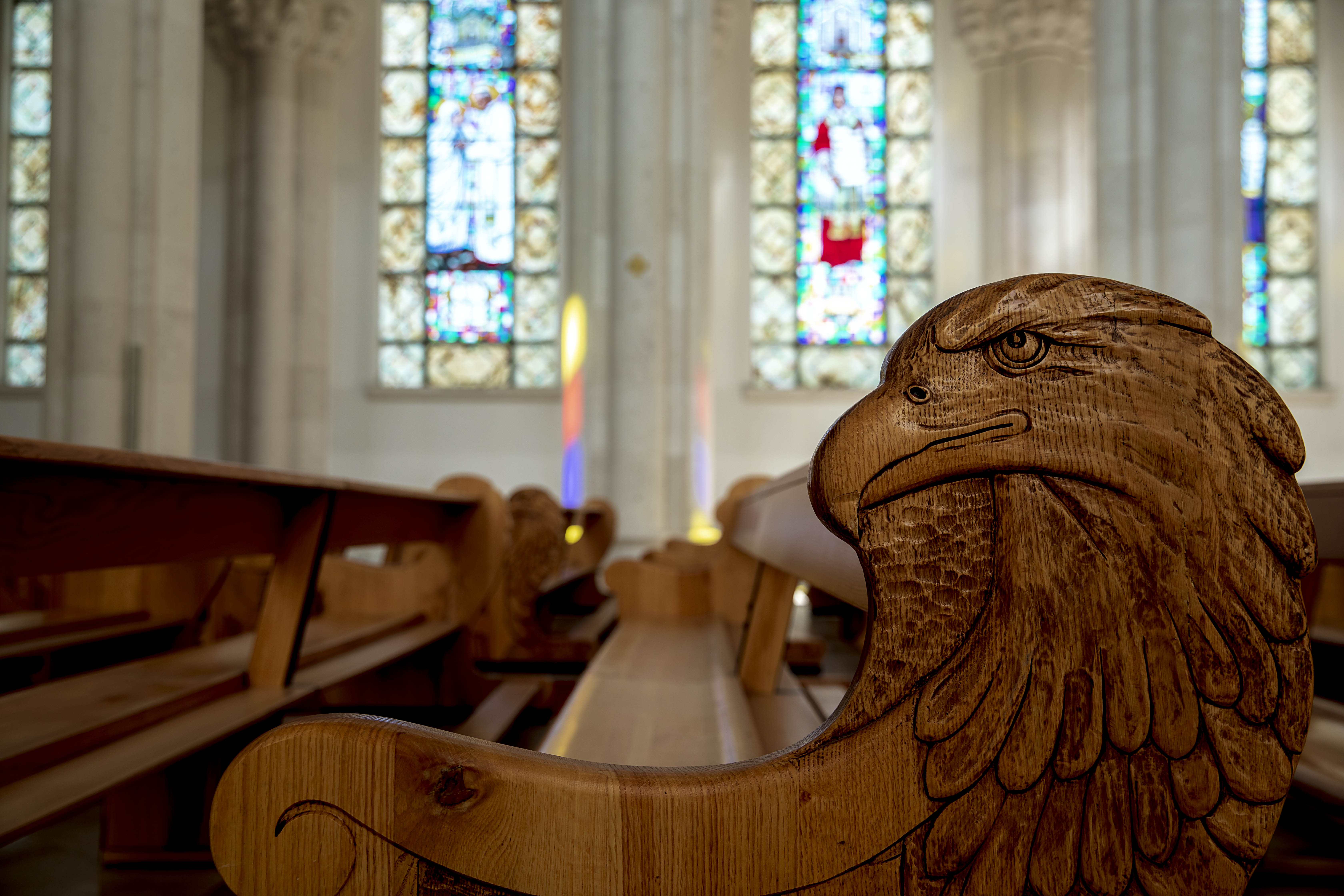
One thing you’ll notice everywhere in Kosovo is the Albanian flag, flying at almost every corner. The reason is simple: around 93% of Kosovo’s population is ethnic Albanian.
I was actually surprised by how overwhelming the majority was, so I asked a local why Kosovo didn’t hold a referendum on joining Albania. He explained that although most Kosovars support the idea, changing borders in Europe could create much bigger problems, especially with neighboring Serbia. Given the region’s complicated history, his explanation made sense.
Despite the Albanian majority, Kosovo is also home to other communities, including Bosniaks, Turks, and Serbs, each contributing to the country’s cultural diversity. Religion is another interesting part of Kosovo’s identity. While most ethnic Albanians in Kosovo are Muslim, a small Catholic community also exists.
One of the most prominent landmarks in downtown Pristina is the Cathedral of Mother Teresa, a Roman Catholic cathedral named after the Albanian-born Mother Teresa. Its striking architecture makes it an important religious and cultural landmark in the capital.
Quick travel hack: Looking for affordable, covered parking during those scorching summer days? Check out 038 Parking Center, right next to the cathedral. Reasonable rates, a covered garage, and a secure location. We left the car here for the whole day, and explored the city by walking.
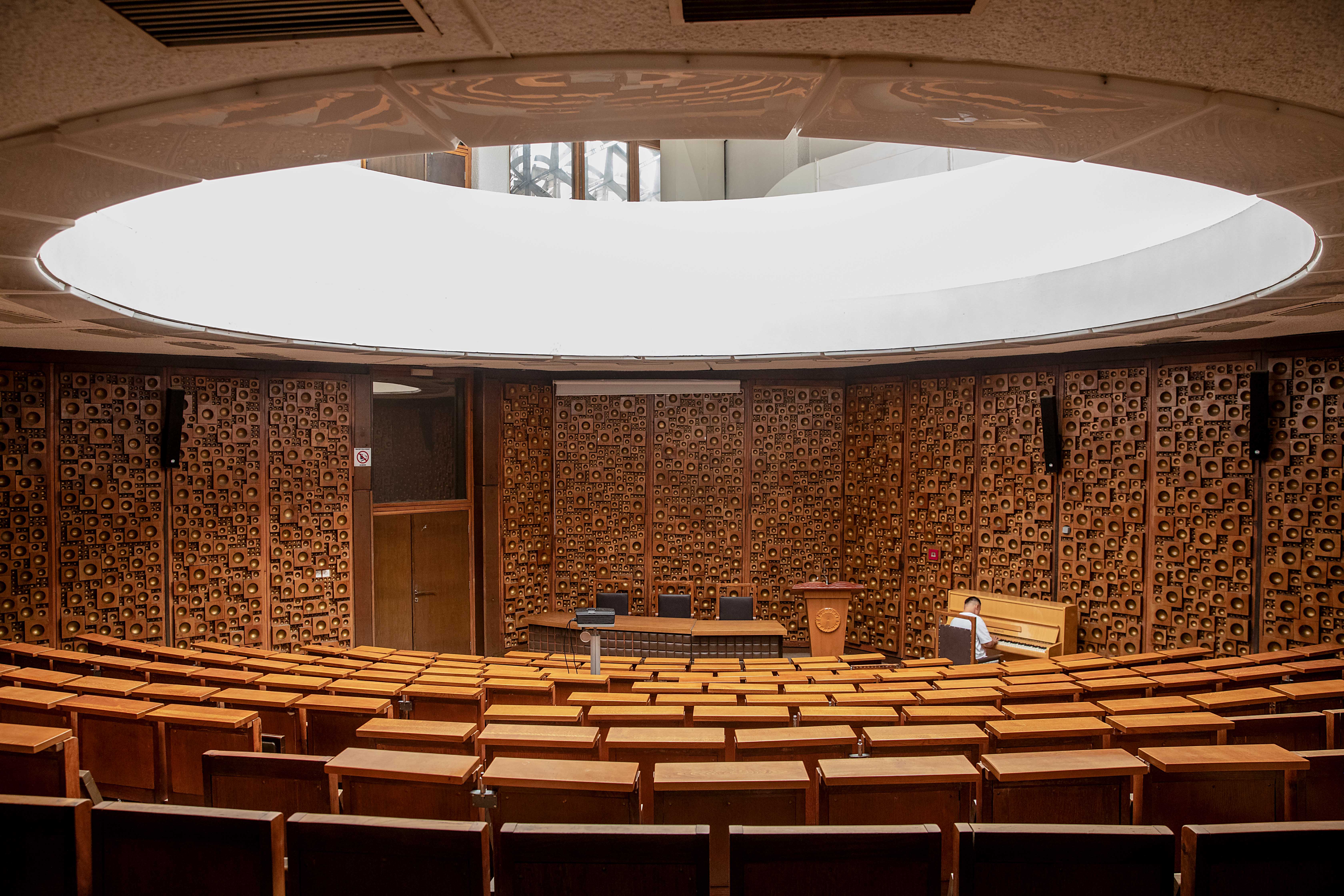
Religion and science should never be too close, right? Well, in Kosovo’s capital, they’re practically neighbors 😄
The beautiful National Library of Kosovo sits right next to the Cathedral of Saint Mother Teresa, making for quite an interesting contrast. With its unique architecture and distinctive design, the library is definitely a must-visit when exploring Pristina.
We are now leaving Pristina, but our journey through Kosovo is far from over.
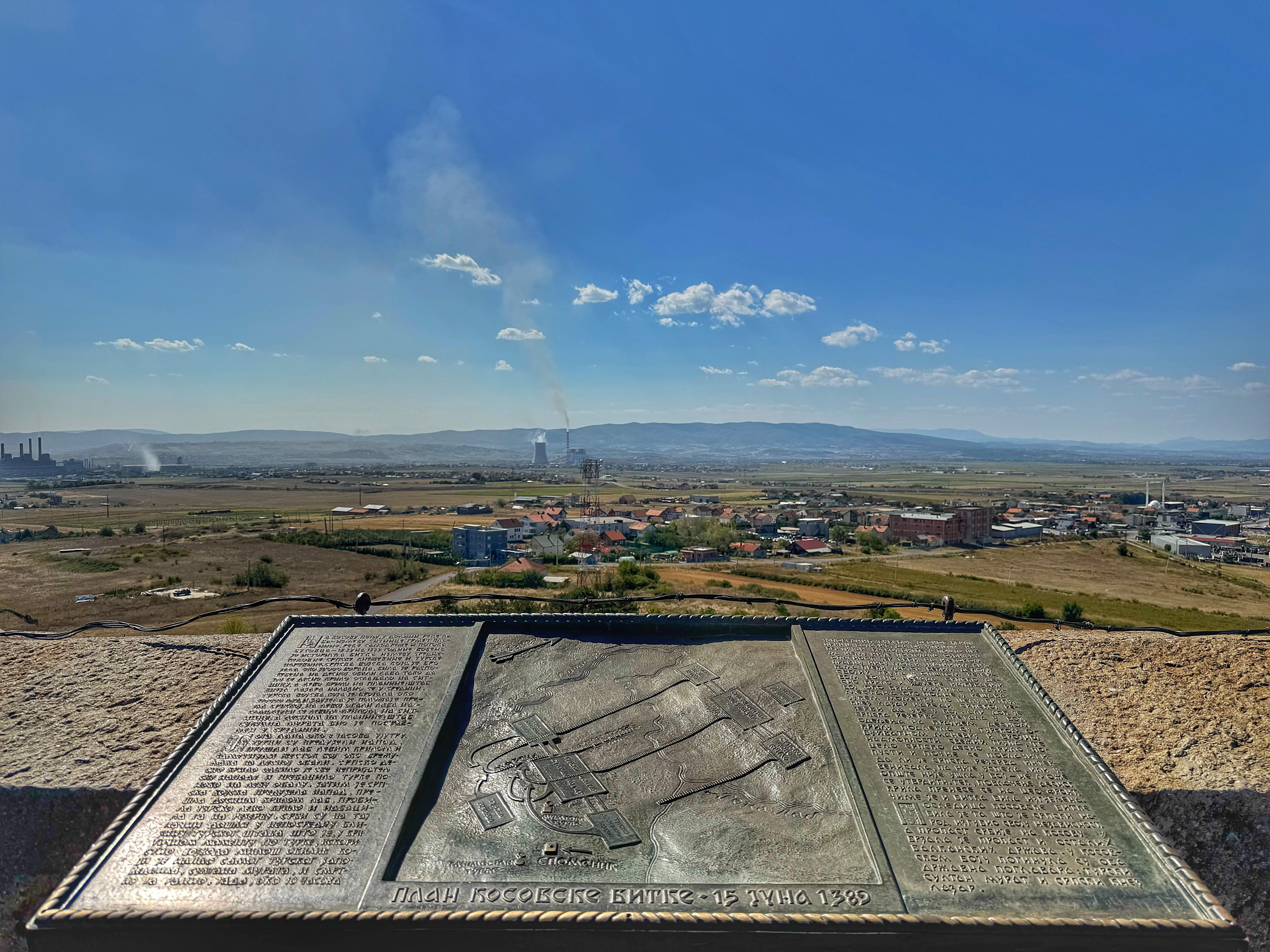
One of the places I had always wanted to visit was Gazimestan, also known as the Field of Blackbirds, a site that witnessed one of the bloodiest and most devastating battles of its era.
On June 15, 1389, according to the Julian calendar used at the time, Ottoman forces led by Sultan Murad Hüdavendigâr faced an army commanded by Serbian Prince Lazar Hrebeljanović in what became known as the Battle of Kosovo. To understand the intensity of the battle, both commanders were killed during the fighting.
Although the outcome of the battle was inconclusive, it marked a significant moment in Balkan history and helped pave the way for the long-term influence of Ottoman power across the region.
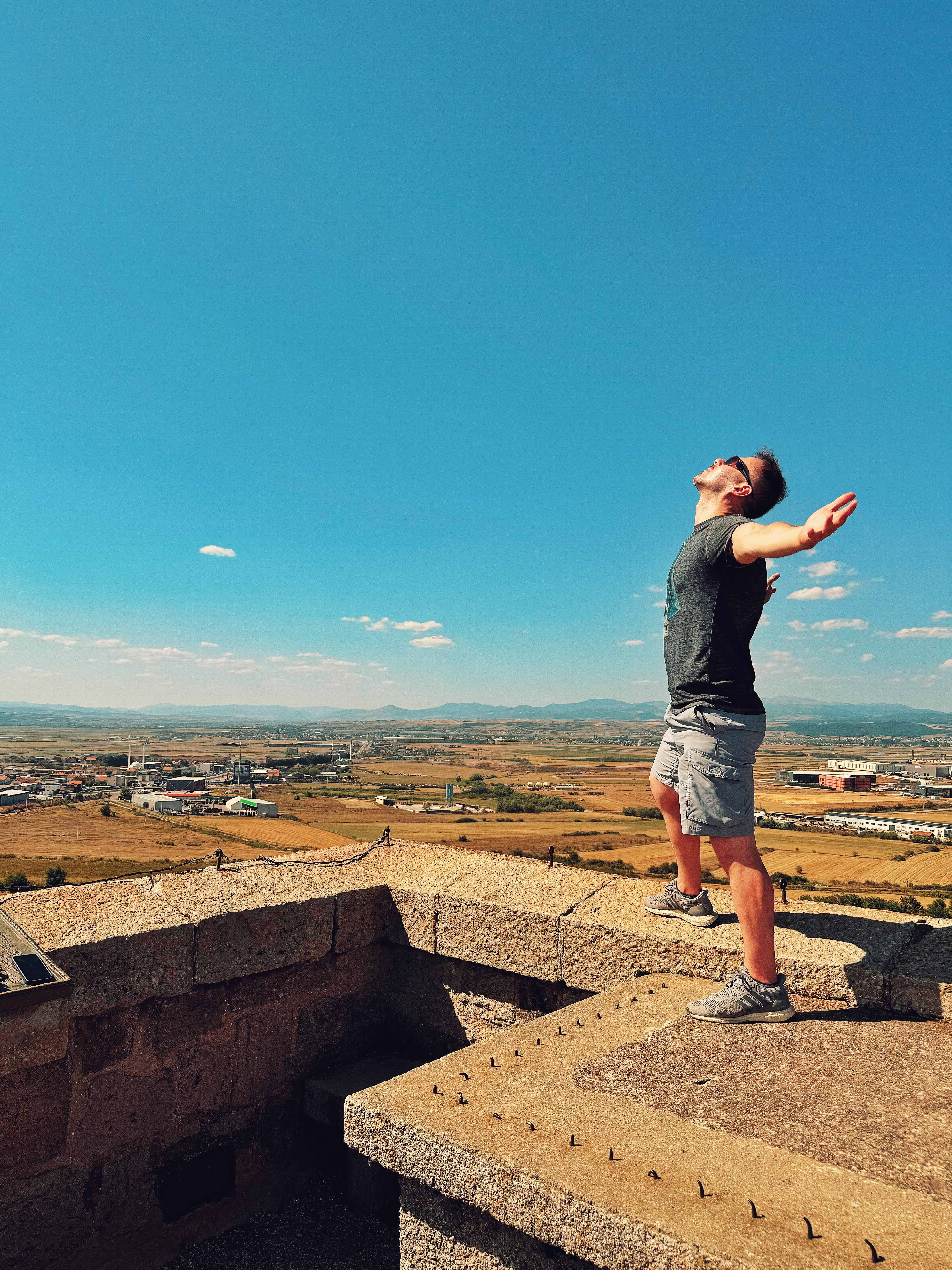
At the heart of the Field of Blackbirds stands the Gazimestan Monument, a tower you can climb via a series of zigzagging stairs inside. Once at the top, you’re rewarded with a wonderful 360-degree view of the surrounding landscape where the historic battle took place.
Interestingly, you’re not allowed to bring backpacks or cameras into the monument. But what really caught my attention was seeing two guards at the entrance, one from Serbia and the other from Croatia. Quite ironic, given the history of the region, and the fact that an Ottoman is part of the story, too! We chatted with them for a bit, and they seemed pretty friendly with each other 🙂
As for me, I climbed all the way to the top for one reason: to pay my respects to Sultan Murad.
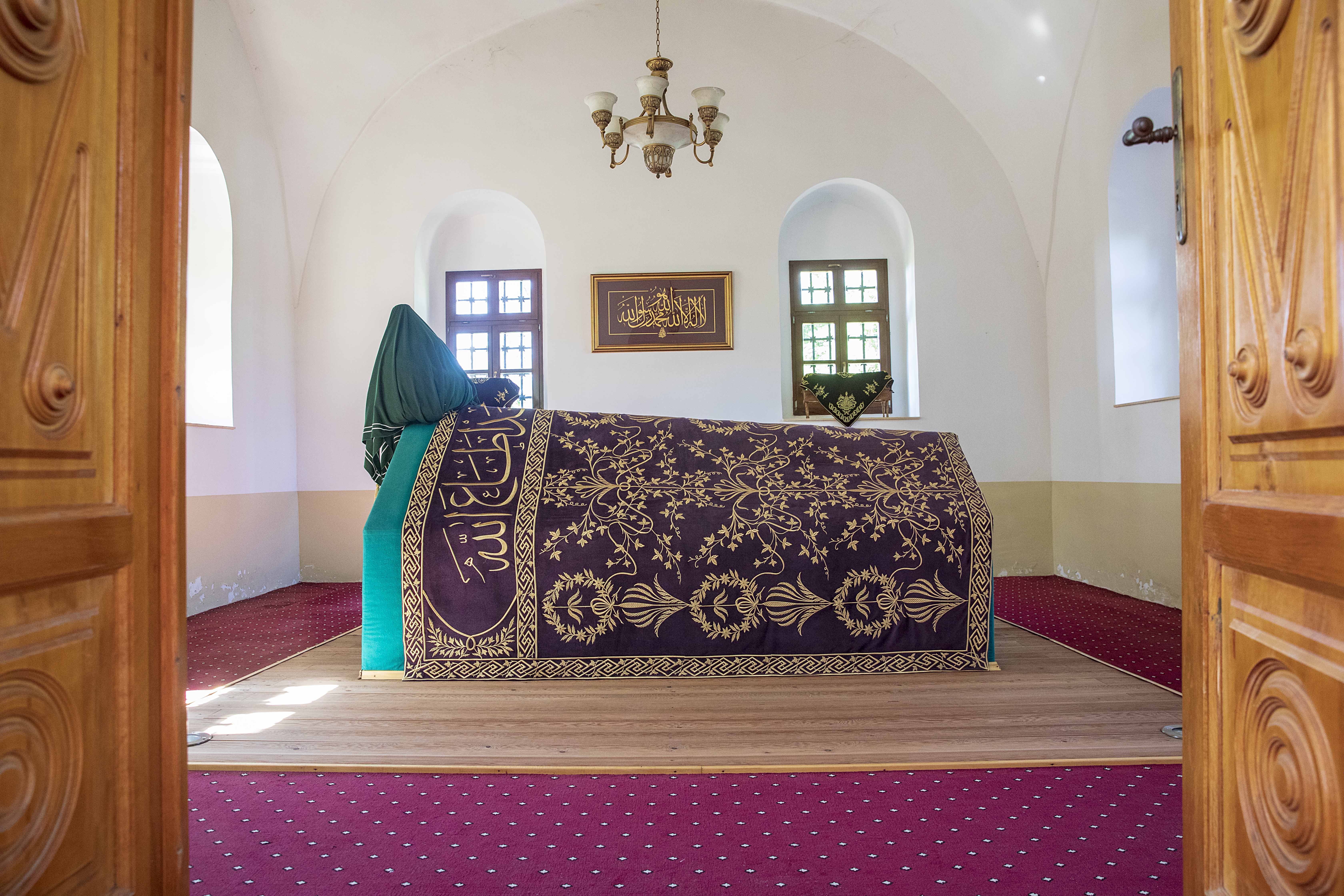
About a five-minute drive away (roughly 2.5 kilometers), you’ll find the Tomb of Sultan Murad. As I mentioned earlier, Sultan Murad was killed during the Battle of Kosovo. According to the traditional account, a Serbian knight named Miloš Obilić approached the Sultan’s command tent under the pretense of surrendering, then fatally stabbed him in the abdomen with a concealed dagger.
Sultan Murad’s actual tomb is in Bursa, Türkiye. However, following his death, his internal organs were removed and buried near the battlefield.
Right next to the tomb, there’s also a lovely museum showcasing Kosovo’s Ottoman-era history. We arrived fairly close to closing time, but the last group of tourists was just leaving, so we ended up having the entire museum to ourselves!
A guide was there to explain the exhibits and share the history behind them. I believe his name was Zgjim Dida, and, if I remember correctly, he was also a software engineer who worked at the museum during the summer. He was incredibly helpful and took the time to explain everything we saw.
If you’re reading this, Zgjim, thank you for making our visit so memorable 🙂
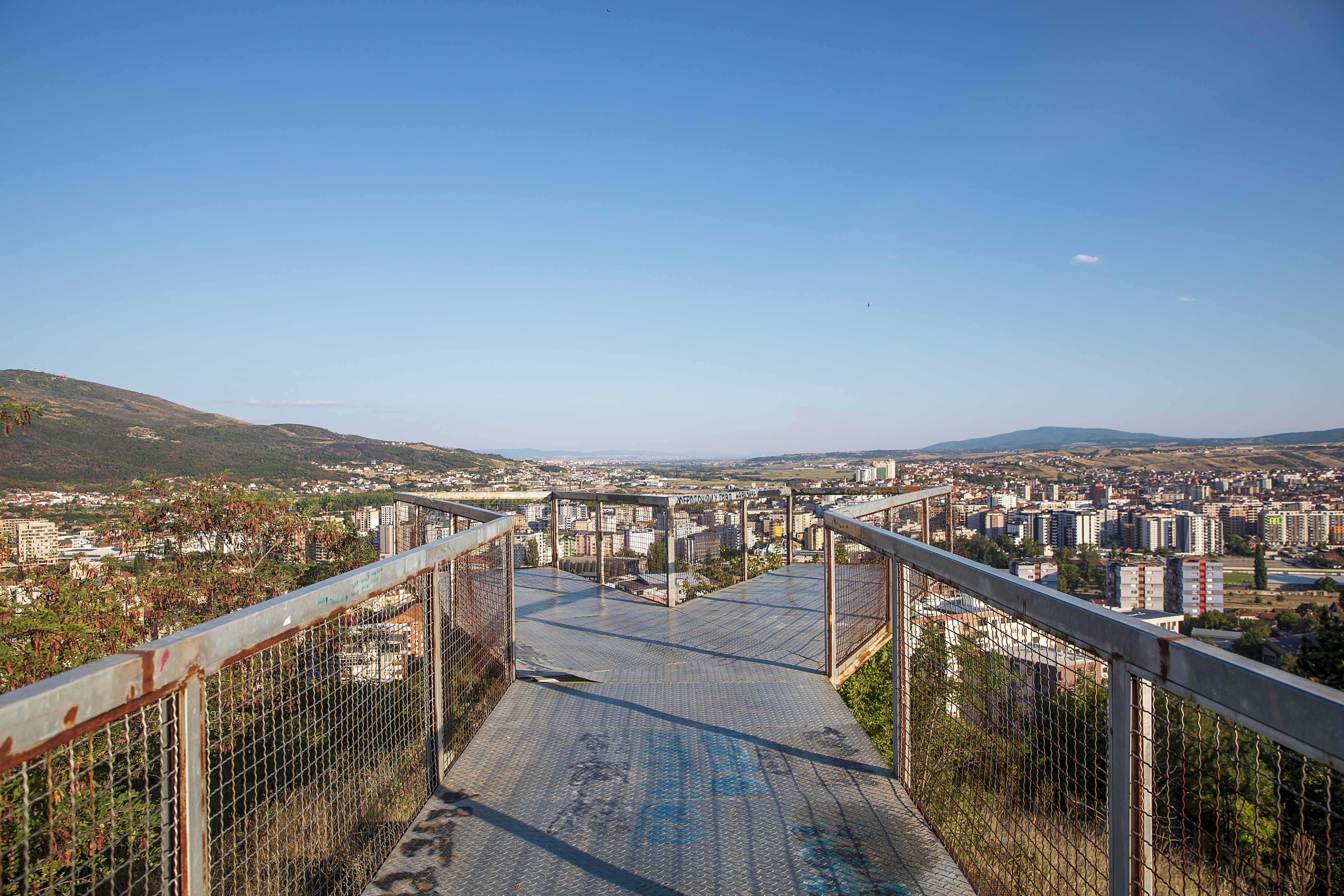
We’re getting close to the end of our Kosovo journey, but there’s still one more place we need to visit. So, let’s get back on the road and head towards Mitrovica.
By now, you probably know that I have a soft spot for quirky places, unusual sights, and things you don’t come across every day. And trust me, Mitrovica has something that fits the bill.
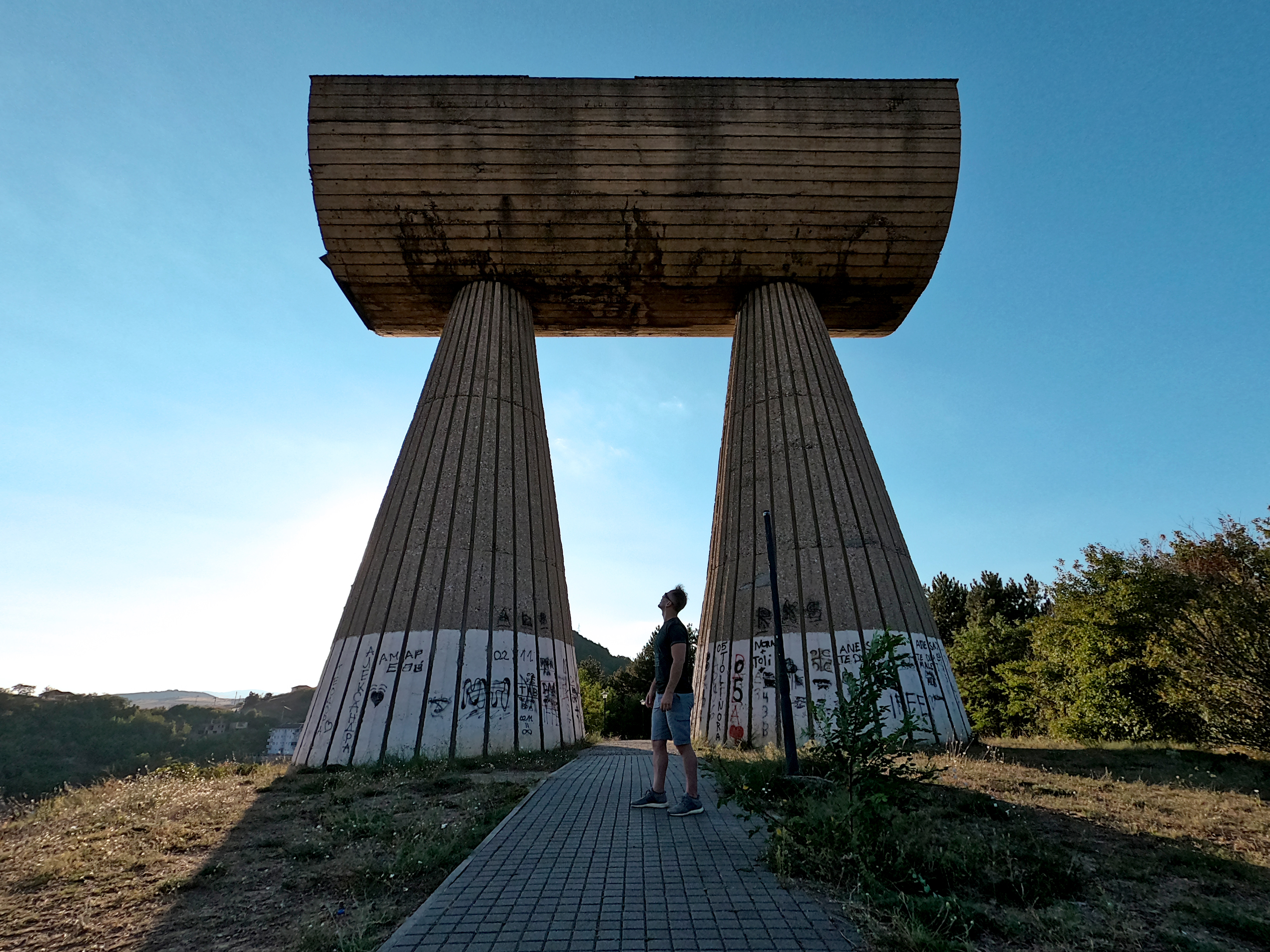
And there we are… the Monument to the Heroic Miners of Trepča! This monument honors the miners from the nearby Trepča mining complex who resisted the German occupation during World War II.
The monument is free to visit, and there’s a parking lot right next to it, making it an easy stop for anyone exploring Mitrovica.
You may have noticed that I haven’t really talked about food so far. Well, here we are! If you’re visiting Pristina, definitely stop by Mama Mantia for some amazing Balkan börek and delicious desserts. The food in Kosovo is not only delicious but also very affordable.
It’s been an incredible day in Kosovo, filled with history, childhood memories, and encounters with big-hearted people. I’m truly happy I had the chance to visit this country and turn those childhood memories into reality.
But every journey has to continue, and I guess it’s time to hit the road again. We have another six hours of driving ahead of us, right through the heart of the Balkans.
Let me leave you with a traditional Kosovo blessing:
“Udhë e mbarë dhe këmba e bardhë!” – May your journey be smooth and your steps bring good fortune.

