In the heart of Bavaria, a city stands as a vibrant testament to history that effortlessly blends the old with the new, enticing travelers from across the globe… Welcome to München. Join me to embark on a captivating journey through the capital of Bavaria.
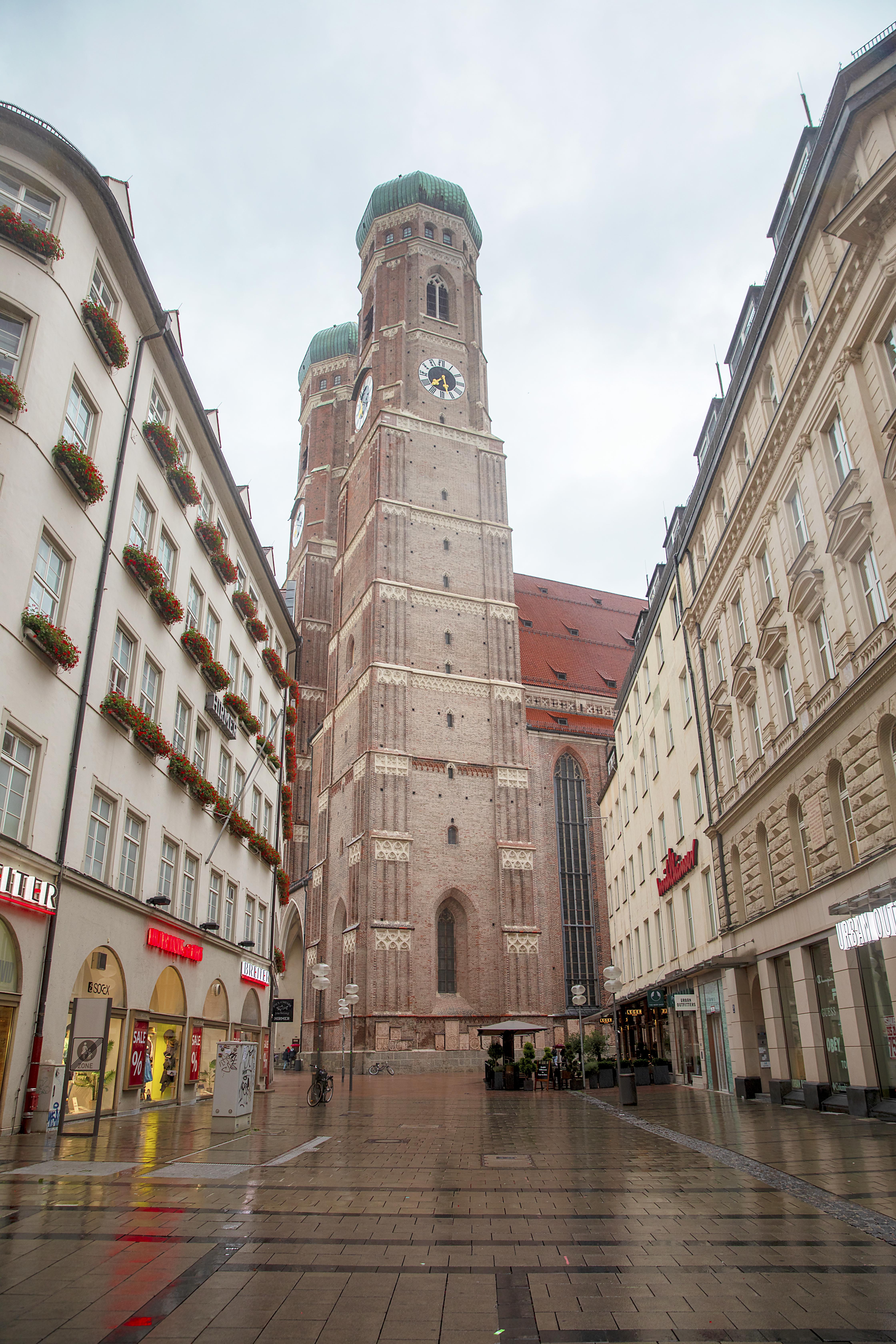
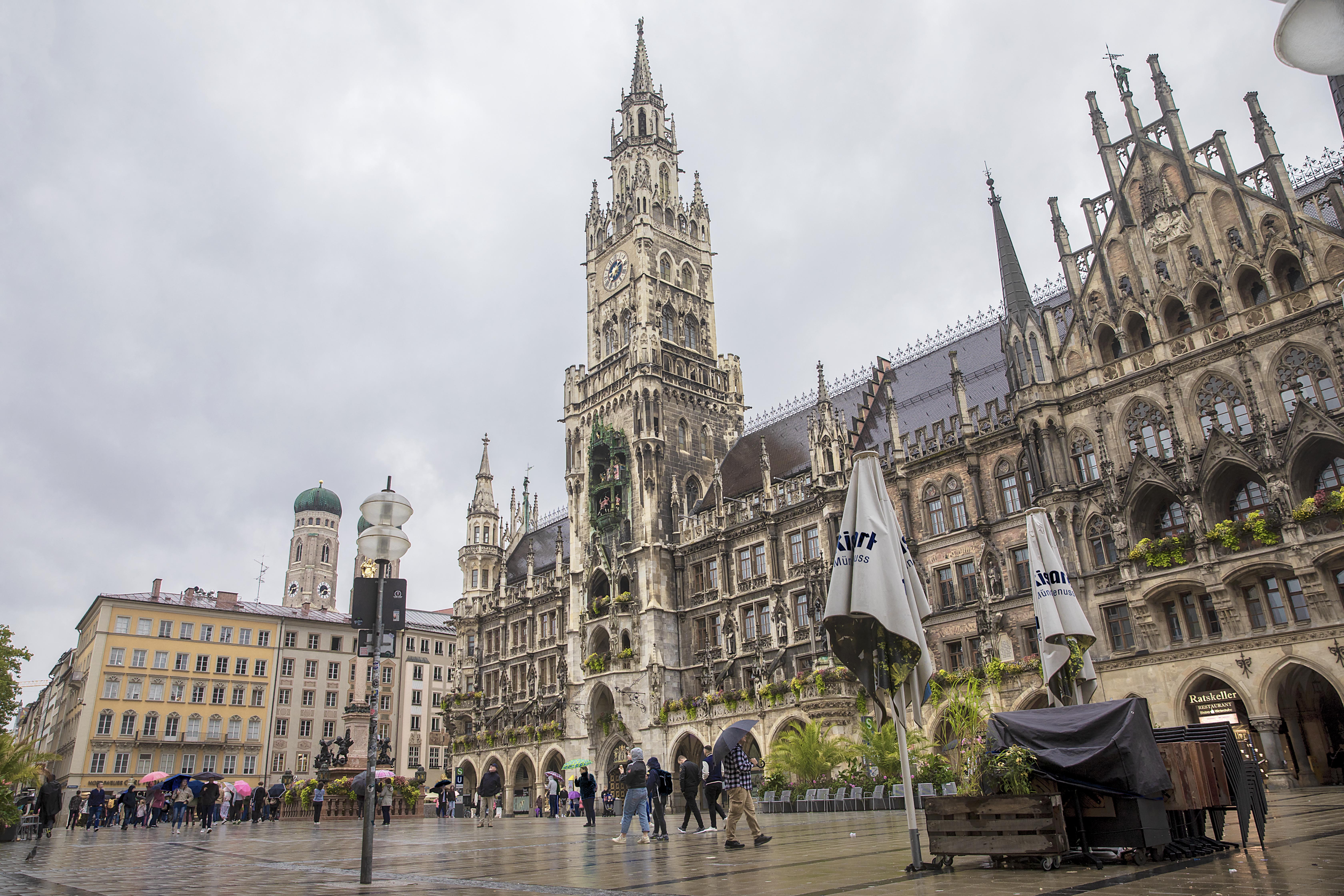
Munich’s streets resonate with centuries of history. The city’s historical core, Altstadt, beckons with architectural marvels like the majestic Frauenkirche and the iconic Neues Rathaus (New Town Hall) at Marienplatz.
Frauenkirche, or the Cathedral of Our Dear Lady, stands tall and proud amidst the historic skyline of Munich. This iconic landmark, with its distinctive twin towers capped by bulbous domes, is an architectural masterpiece that has witnessed centuries of Bavarian history.
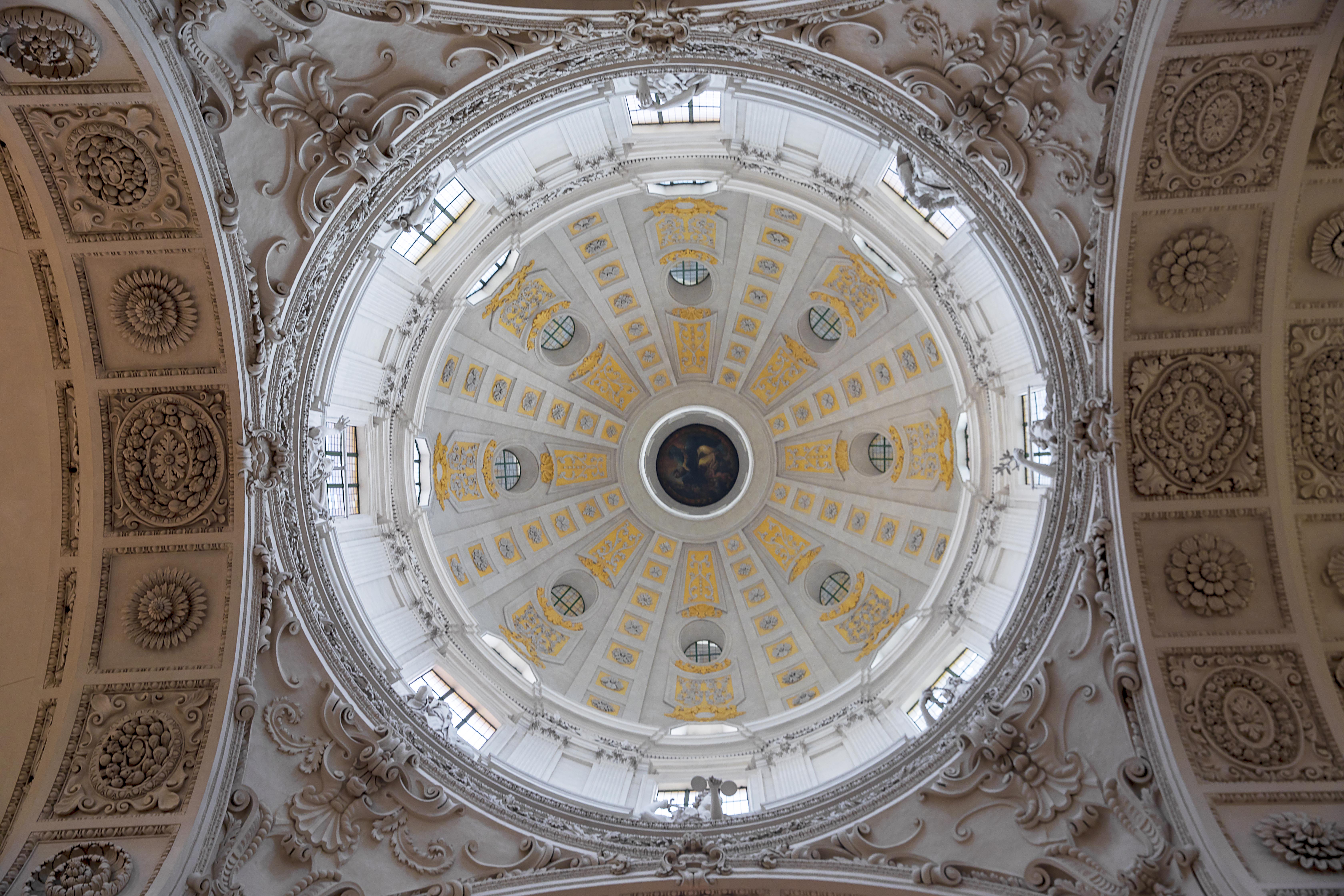
Don’t leave the area yet! Across Marienplatz stands a venerable church, steeped in history, stands as one of the city’s oldest landmarks, dating back to the 12th century. St. Peter’s Church, affectionately known as “Alter Peter” by locals, proudly graces Munich’s skyline with its unmistakable presence while its dome offers a feast for the eyes.
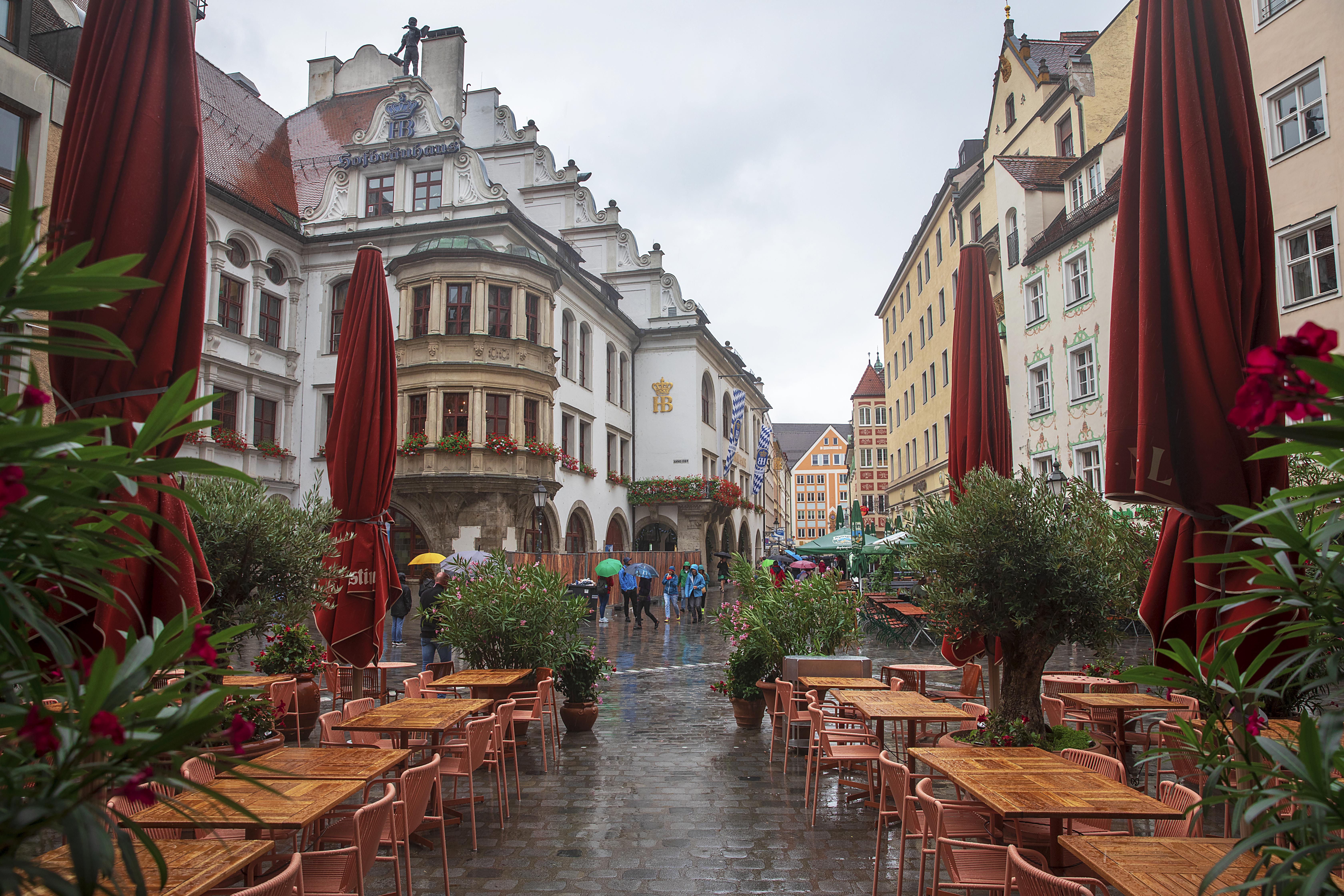
When you talk about Munich, you cannot neglect beer. A few blocks away Marienplatz, the Hofbräuhaus stands as an iconic attestation to Bavarian conviviality and heritage. Enter its storied halls and be swept away by the lively atmosphere, resonating with centuries of merriment and camaraderie. The air is alive with the sounds of traditional Bavarian music, as jovial patrons raise steins of frothy beer, toasting to the age-old traditions of Gemütlichkeit (feeling of coziness, comfort, warmth, and a sense of belonging).
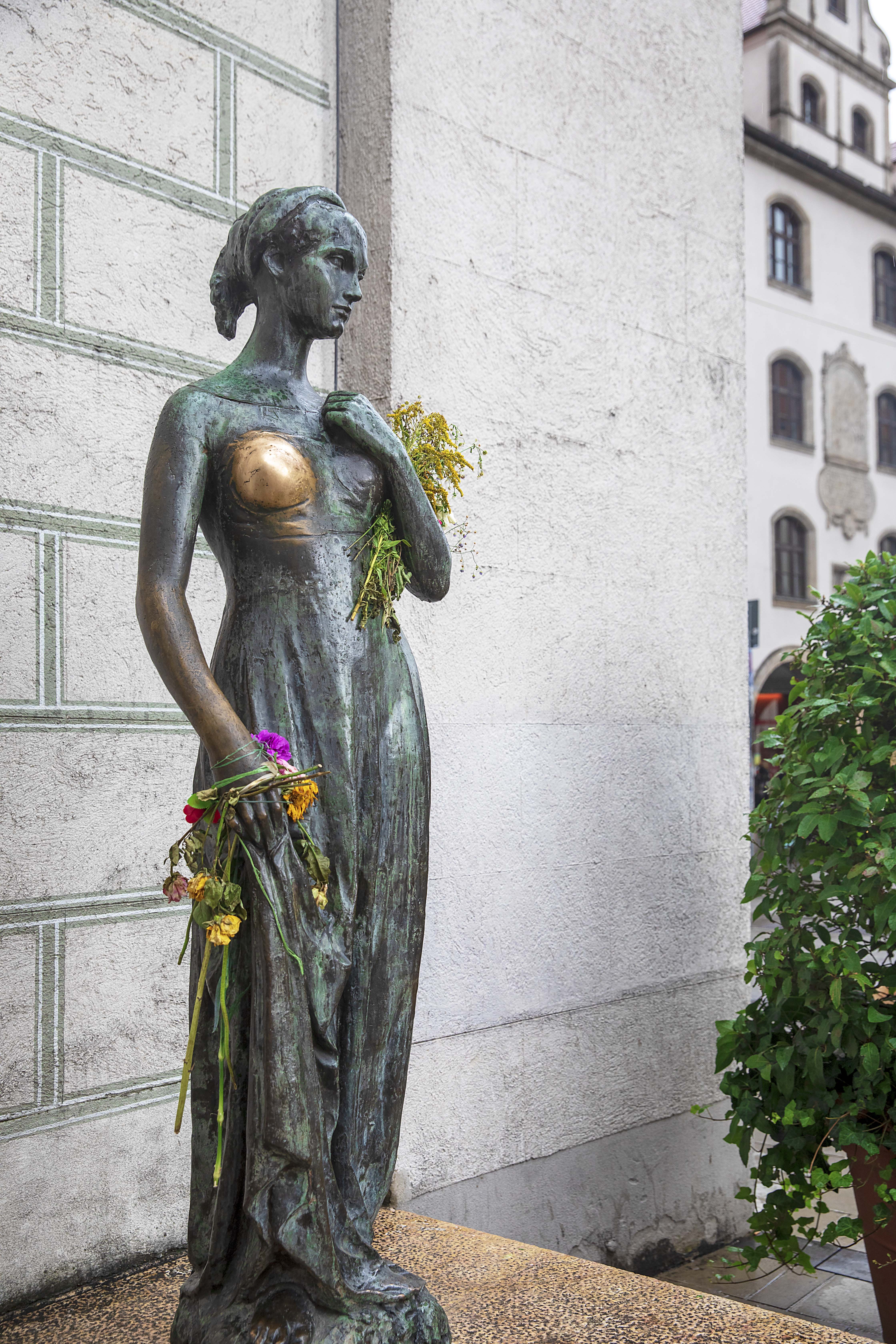
Most of us know that the story of Romeo and Juliet is linked to Verona, Italy. However, on the southern side of the Altes Rathaus (Old Town Hall), you can see the statue of Juliet. Are you wondering why her right breast is brighter? Well, you’re supposed to touch Juliet’s breasts for a chance to have undying love. And, no, I haven’t touched it 🙂
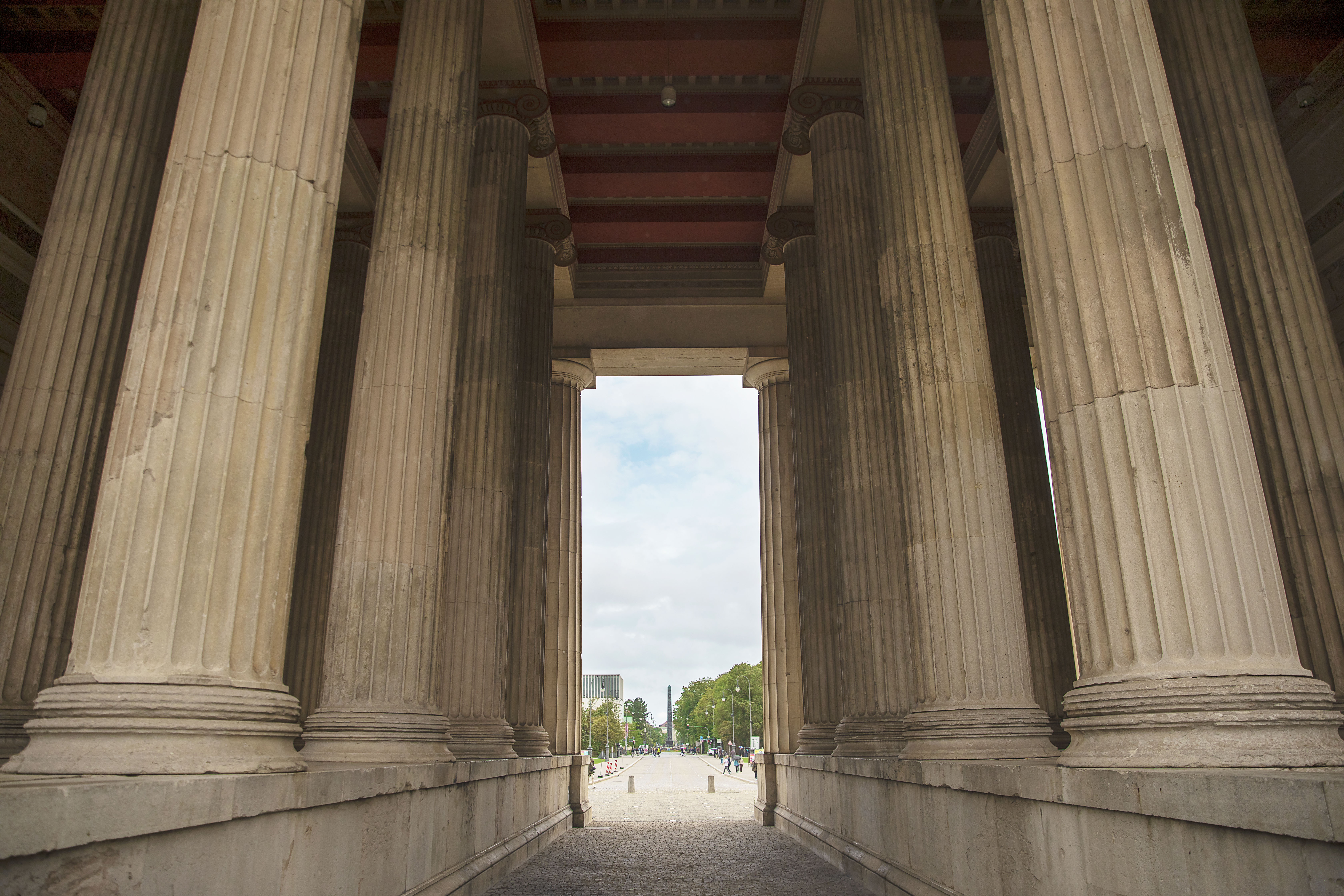
Propylaea – City Gate
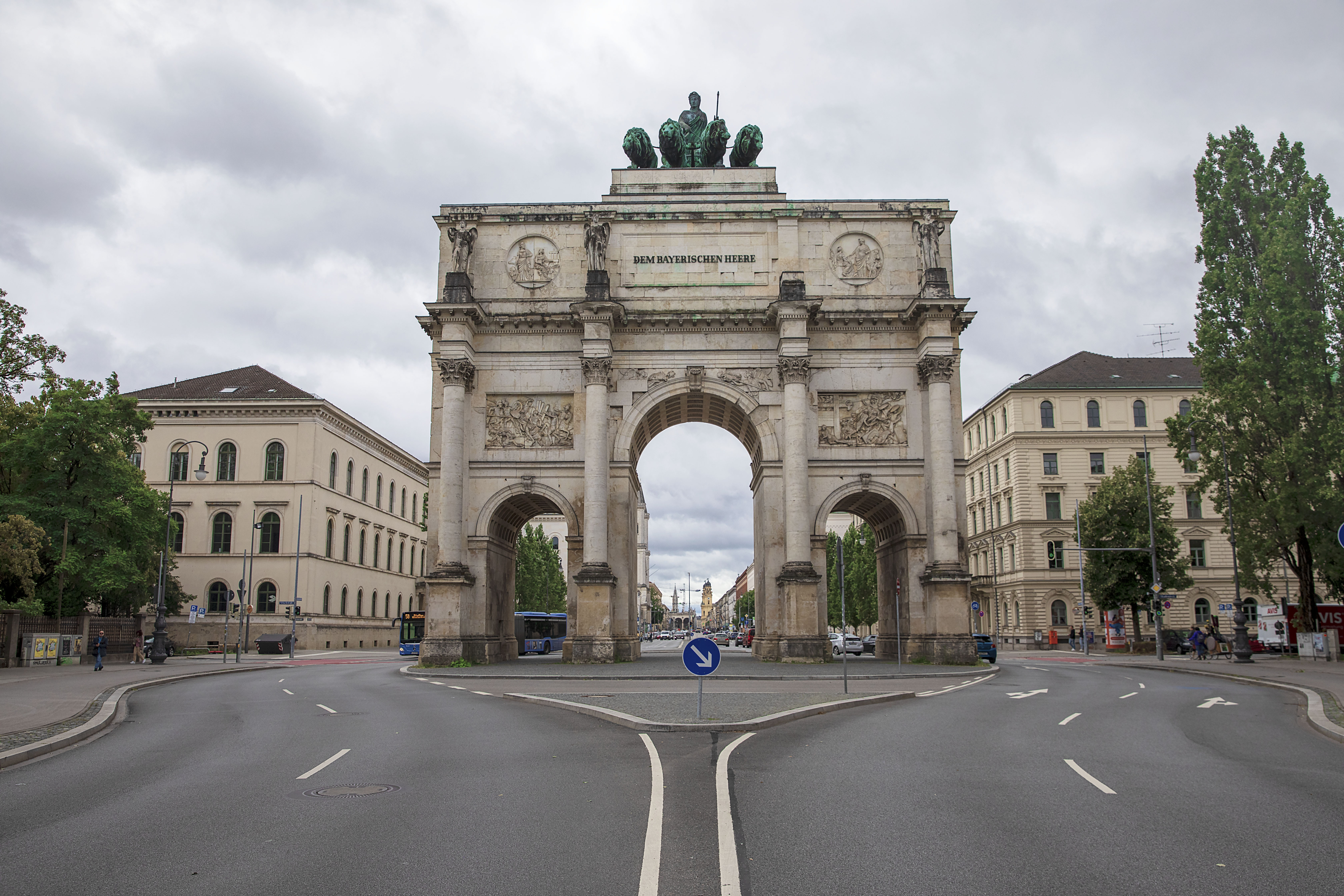
The Victory Gate, stands as a poignant symbol of triumph and resilience in the heart of Munich. This monumental arch, adorned with intricate reliefs and sculptures, commemorates Bavaria’s military victories and is a testament to the city’s storied past.
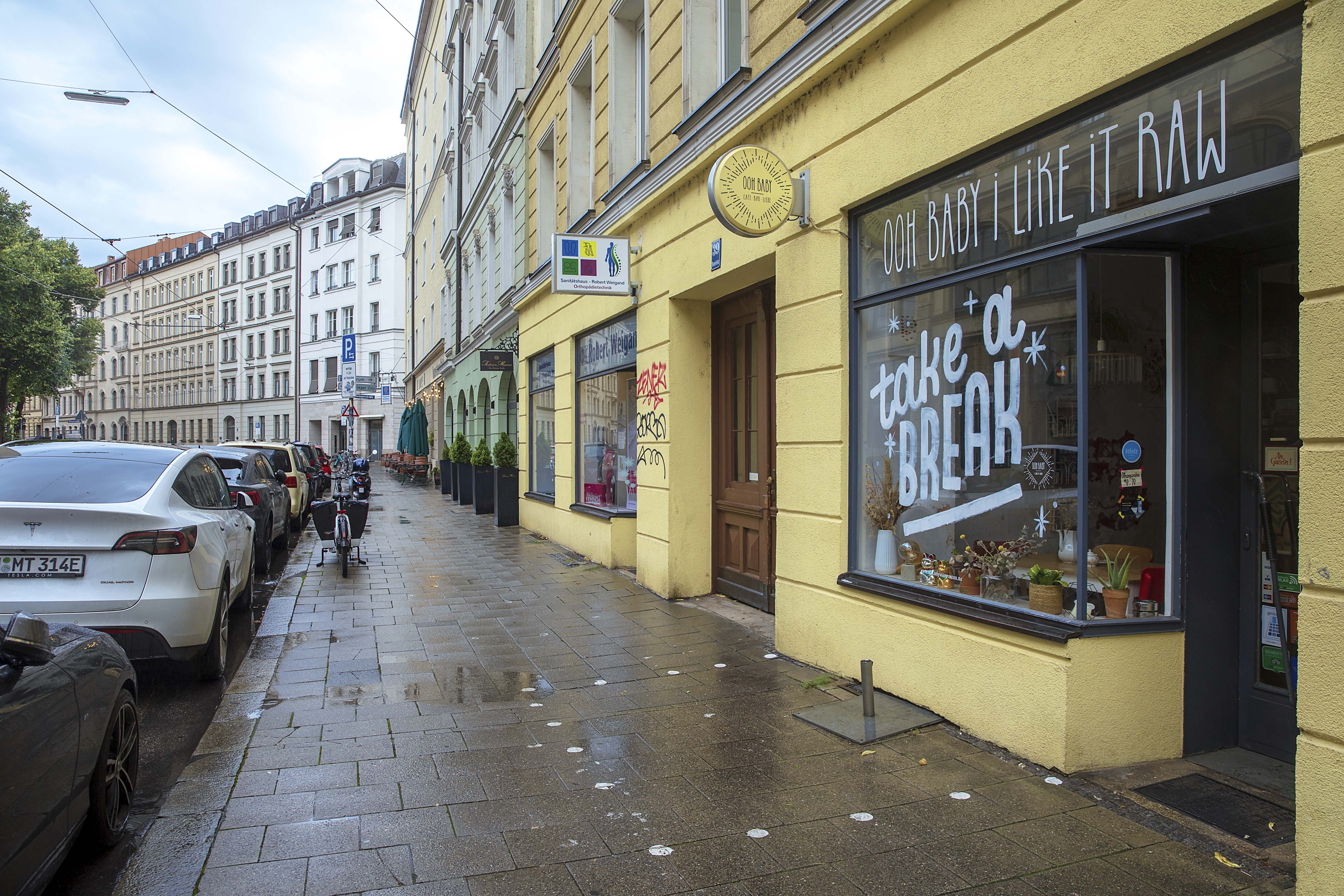
Munich streets on a rainy day… Looking for a coffee? A serene café, Ooh Baby I Like It Raw, serving a nutritious breakfast and lunch menu, along with a selection of pastries. And well done on the catchy name 🙂
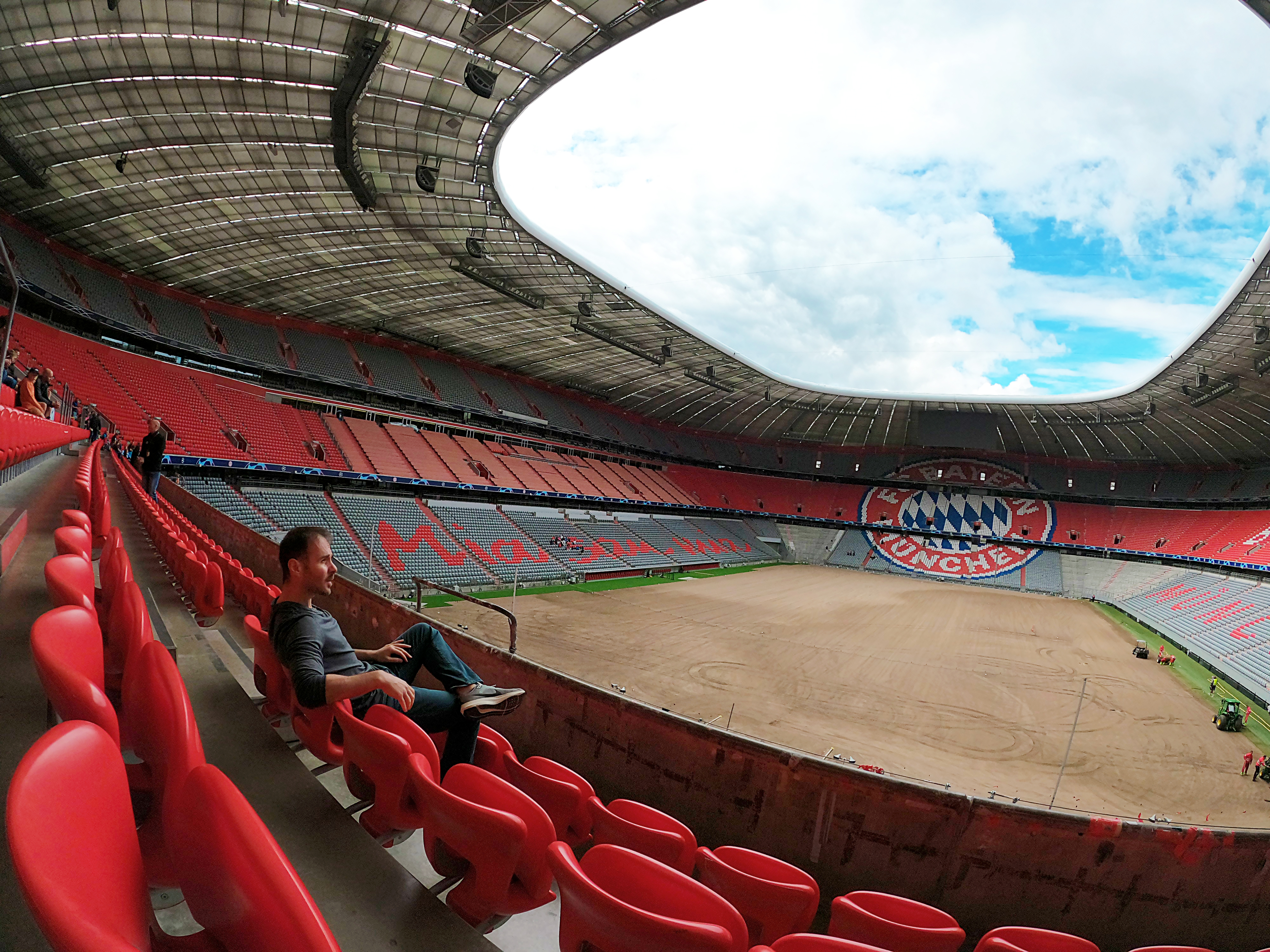
Is it game time yet? The Allianz Arena, state-of-the-art stadium, home to the renowned FC Bayern Munich, captivates with its innovative design and iconic façade. The stadium’s exterior, comprised of 2,874 shimmering ETFE-foil air panels that can be illuminated in 16 million different colors, transforms the arena into a breathtaking spectacle, visible from afar. As you step inside, the atmosphere comes alive on match days, with the roaring chants of passionate fans echoing through the stands. Guided tours offer a glimpse behind the scenes, allowing visitors to explore the inner workings of this sporting cathedral, from the players’ tunnel to the VIP lounges.
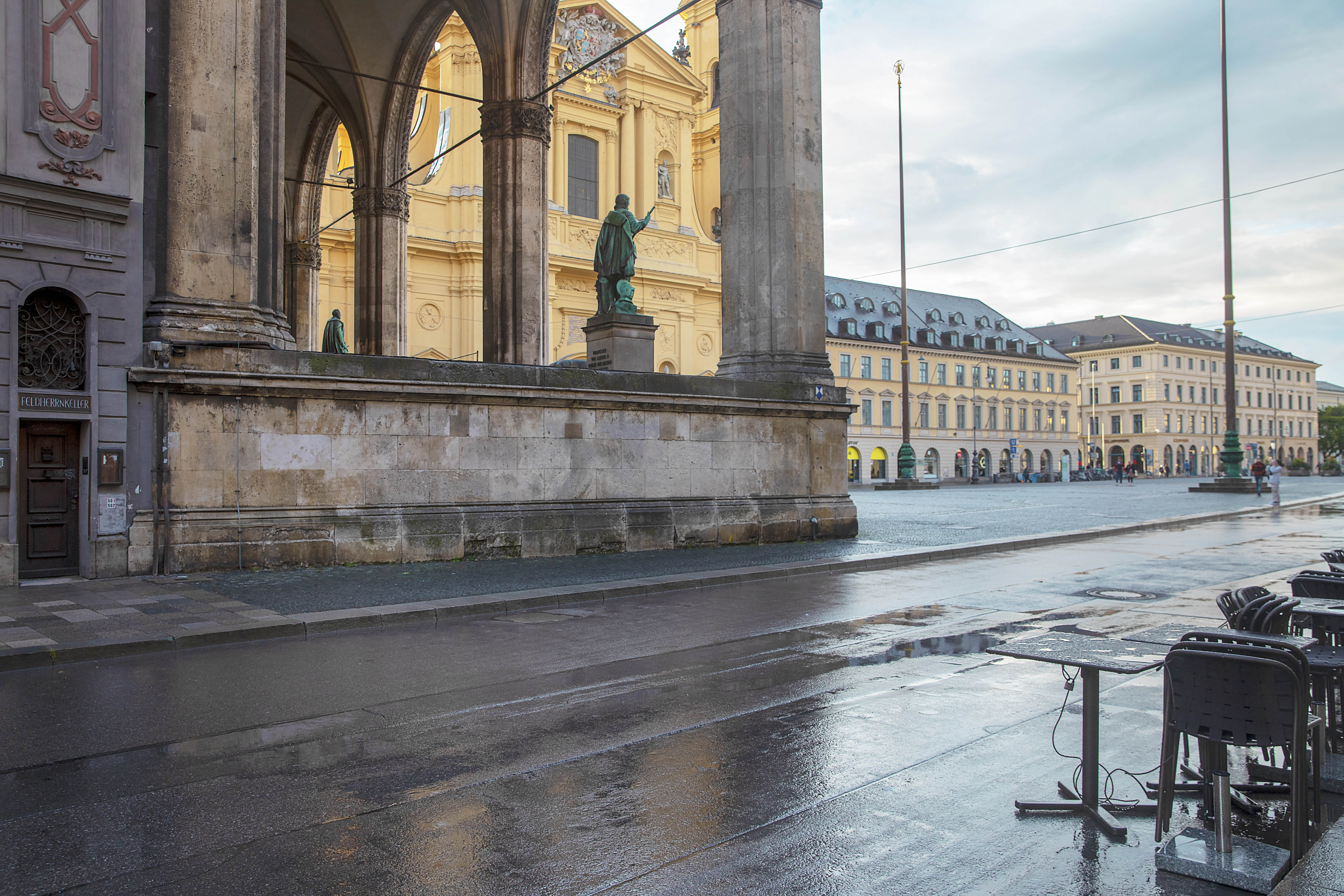
Although Munich is renowned for its vibrant culture and rich heritage, it bears the weight of a complex past marked by the rise of the Nazi regime. Though its cobblestone streets and stunning architecture captivate visitors, delving into Munich’s darker chapters reveals poignant reminders of a turbulent era and the unwavering spirit of resilience.
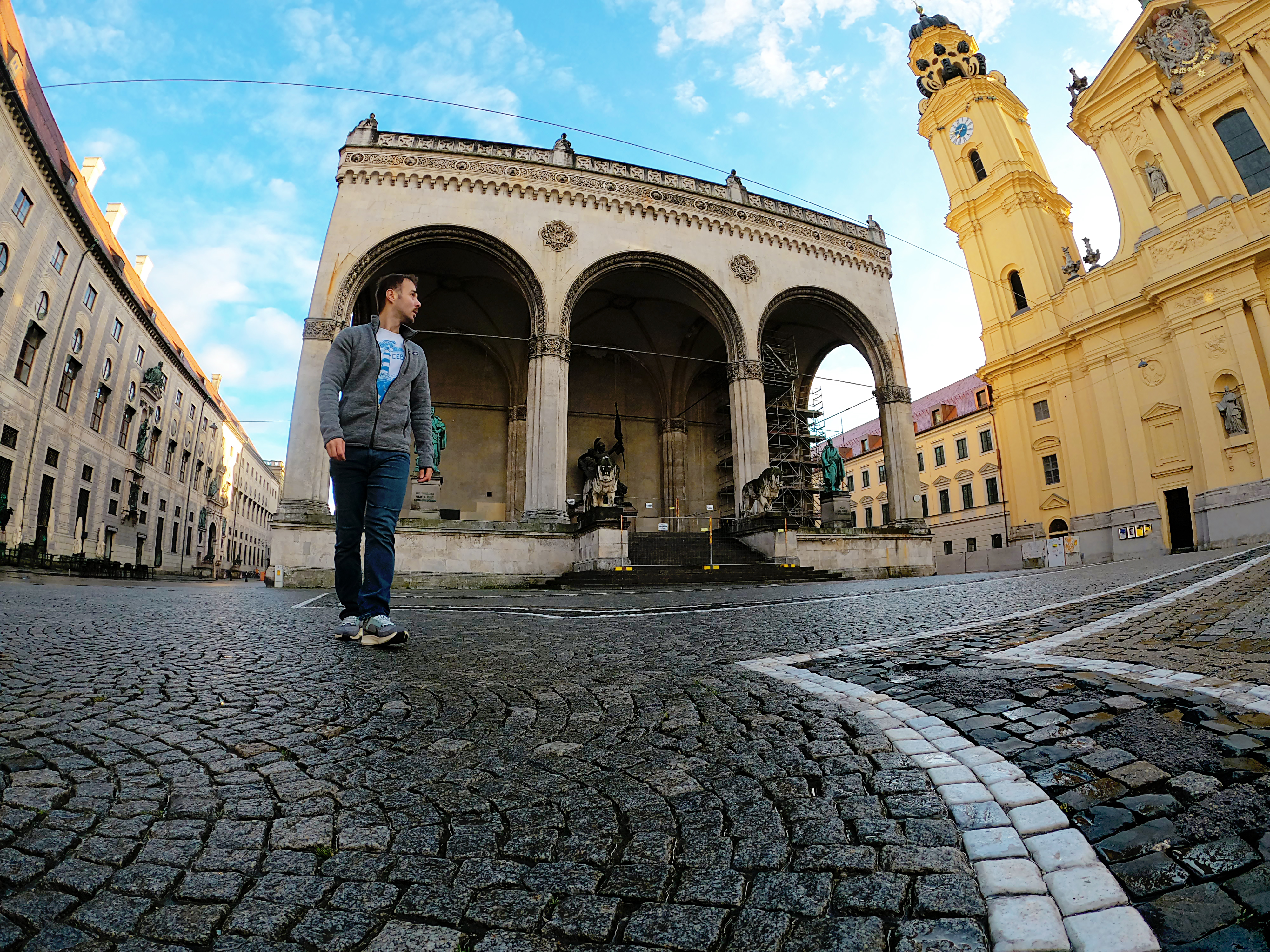
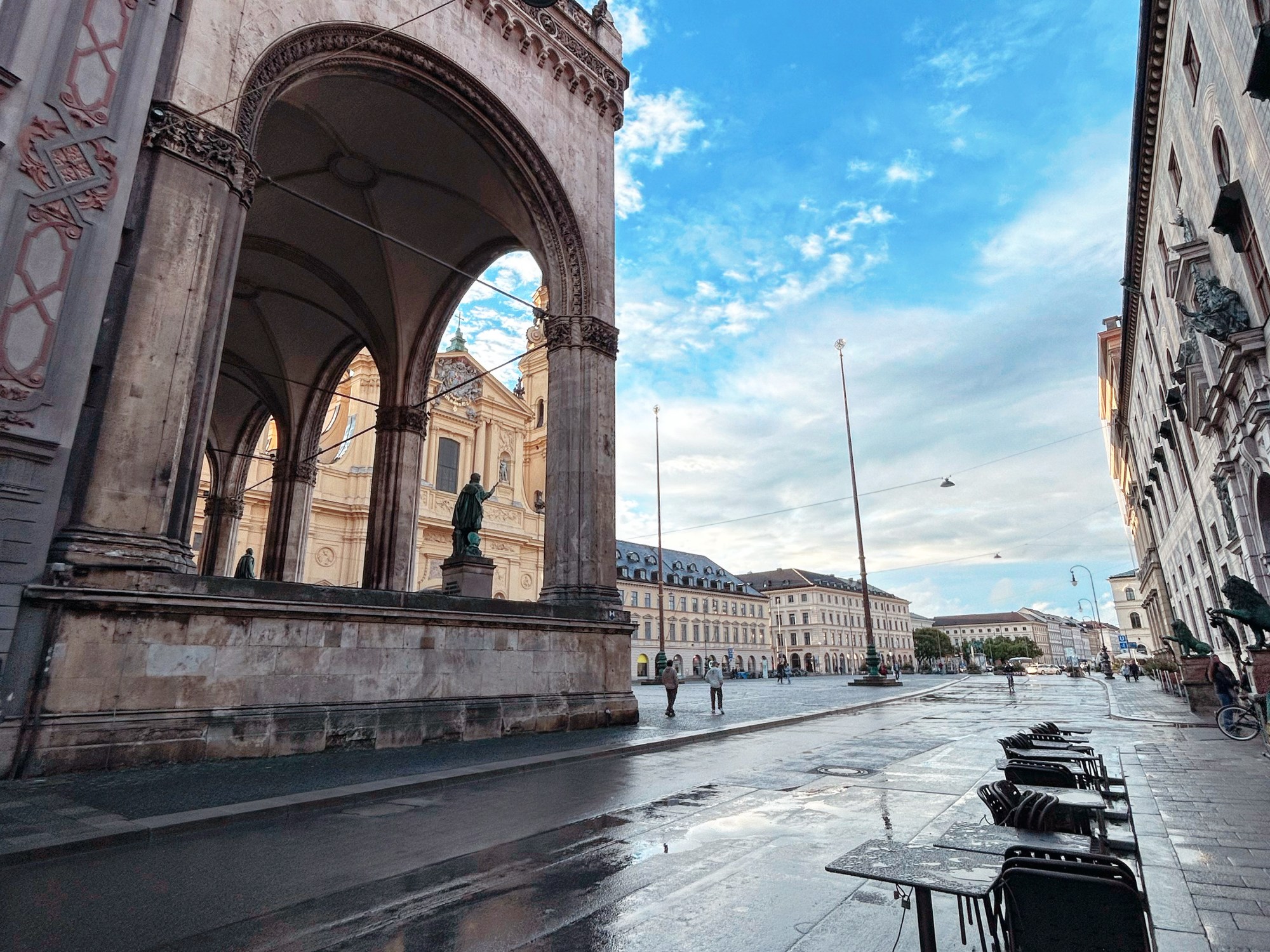
Munich’s historic squares bear echoes of pivotal moments in Nazi history. The Feldherrnhalle, a monumental structure, witnessed the failed Beer Hall Putsch of 1923, an event that propelled Adolf Hitler into the national spotlight. Nearby, Odeonsplatz served as the site for various Nazi rallies and ceremonies. Today, these locations stand as markers of history, urging visitors to reflect on the events that transpired there.
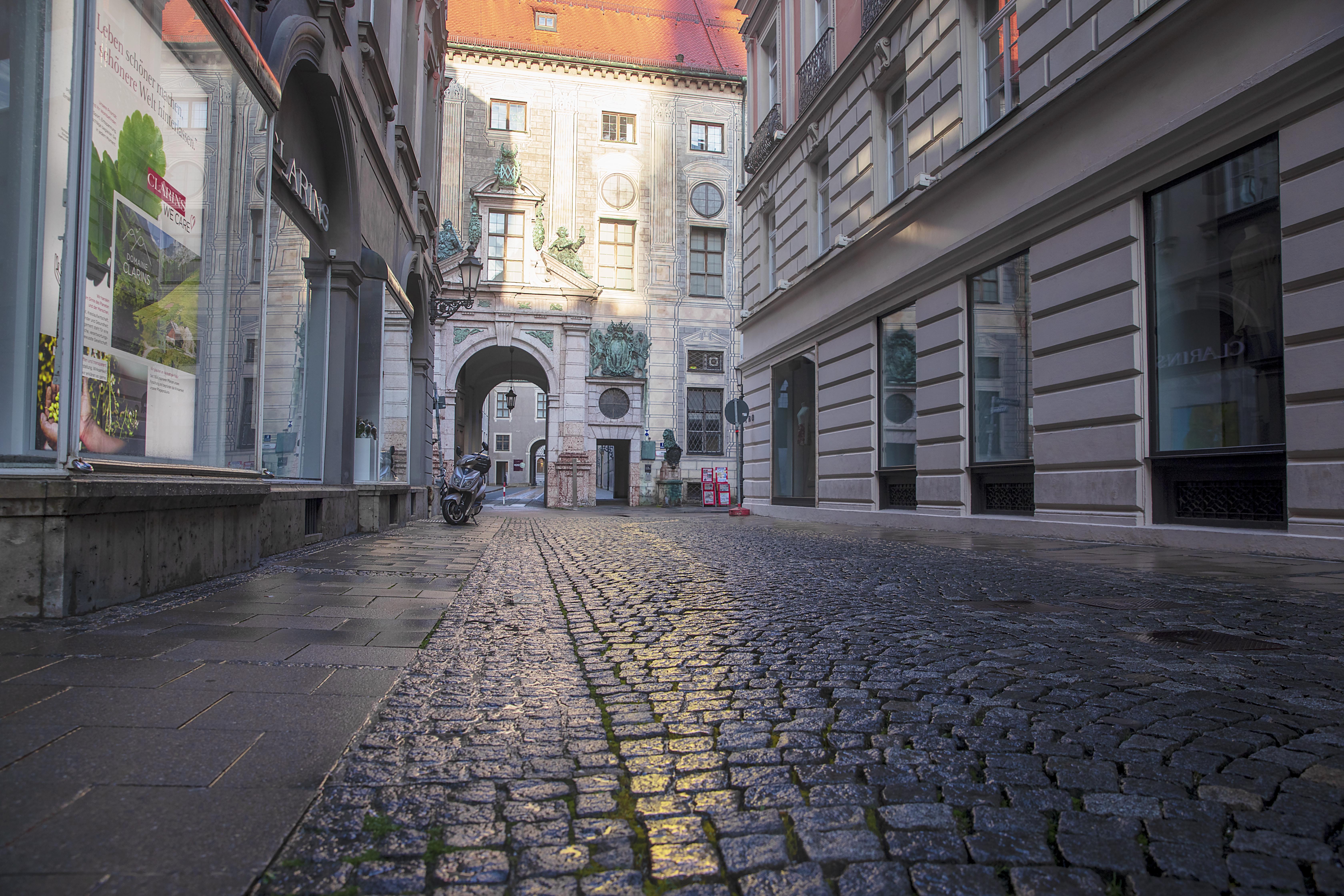
Viscardigasse – The golden cobblestones serve as a reminder of a time when this narrow alley was utilized to bypass the obligation of giving a Nazi salute to the Nazi monument right next to Odeonsplatz. Once Nazis found out about this alleyway, many who used it were prosecuted, and some had to pay the price with their lives.
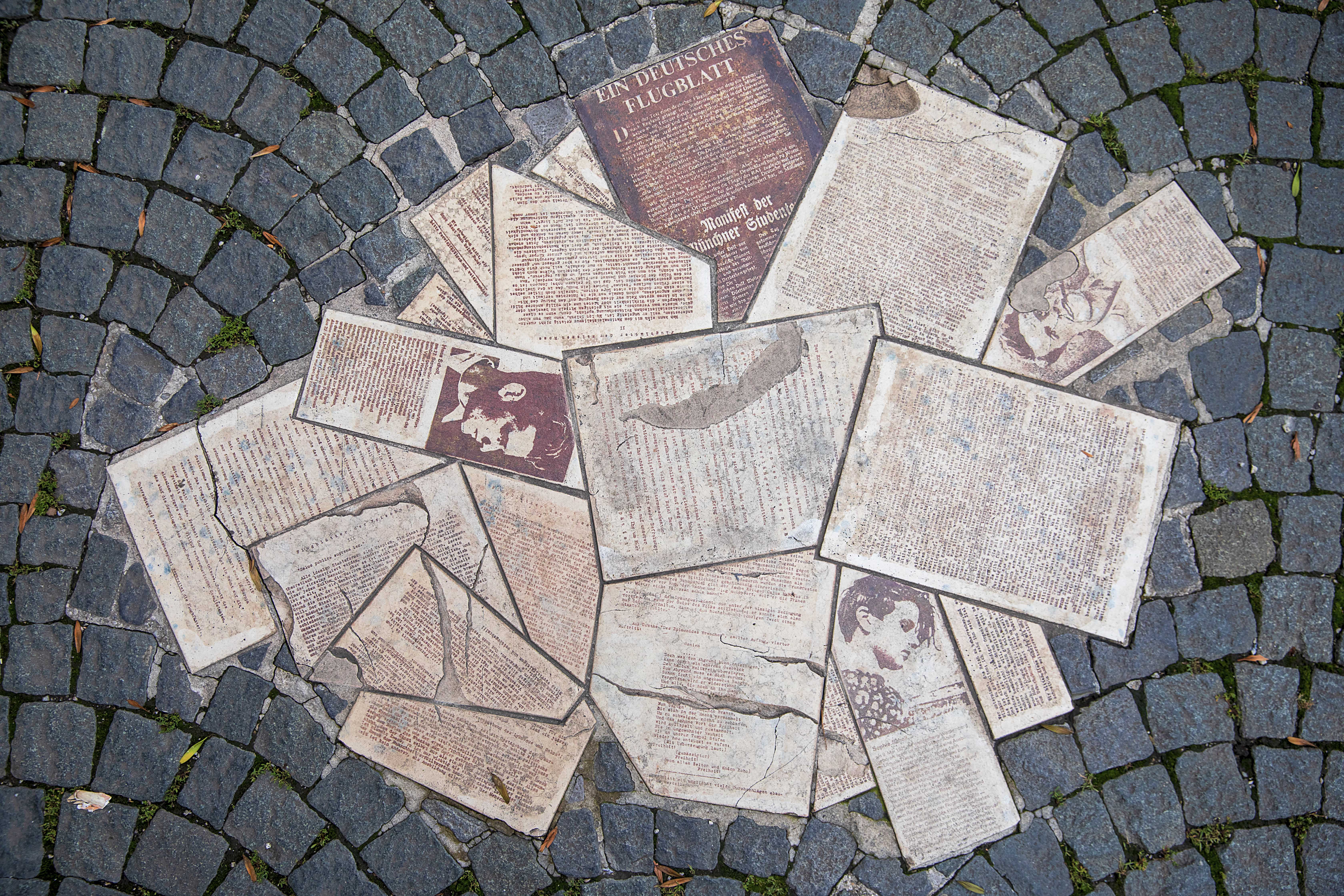
When history is the subject matter, we simply cannot paint the whole picture with on brush. Even in Nazi Germany. In the midst of wartime oppression, the University of Munich became the cradle of dissent, where a group of courageous students, including Sophie Scholl and her brother Hans, defied the tyranny of Hitler’s regime. Through clandestine leaflets, they spoke out against the atrocities, advocating for peaceful resistance and human dignity. The commemorative White Rose Memorial, situated within the university grounds, pays homage to their unwavering courage and moral conviction.
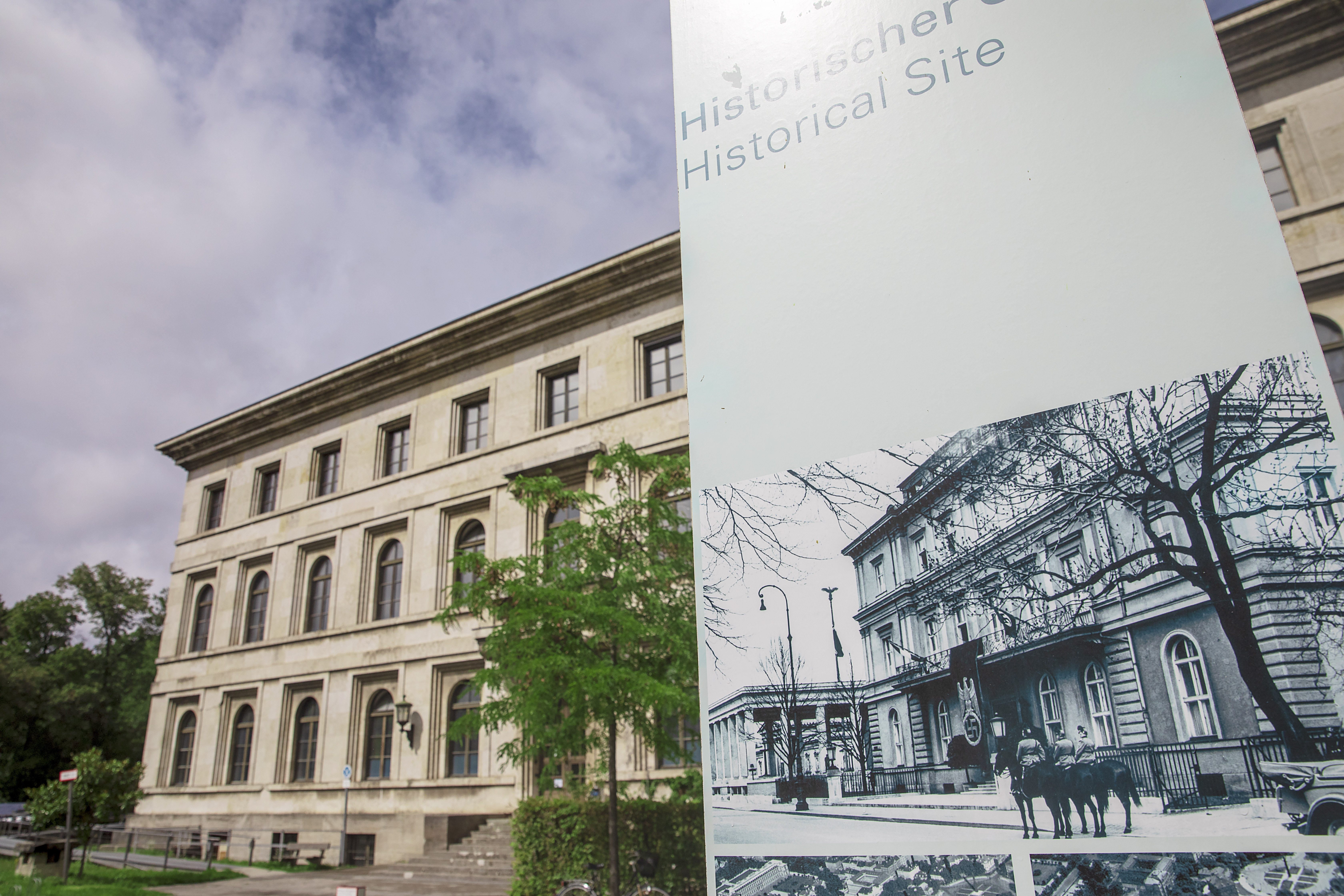
The Führerbau, is another building that carries a weighty history entwined with the darker chapters of the Nazi era. Once the palatial headquarters for Adolf Hitler’s administration, this grand building witnessed significant events, including the signing of the infamous Munich Agreement in 1938.
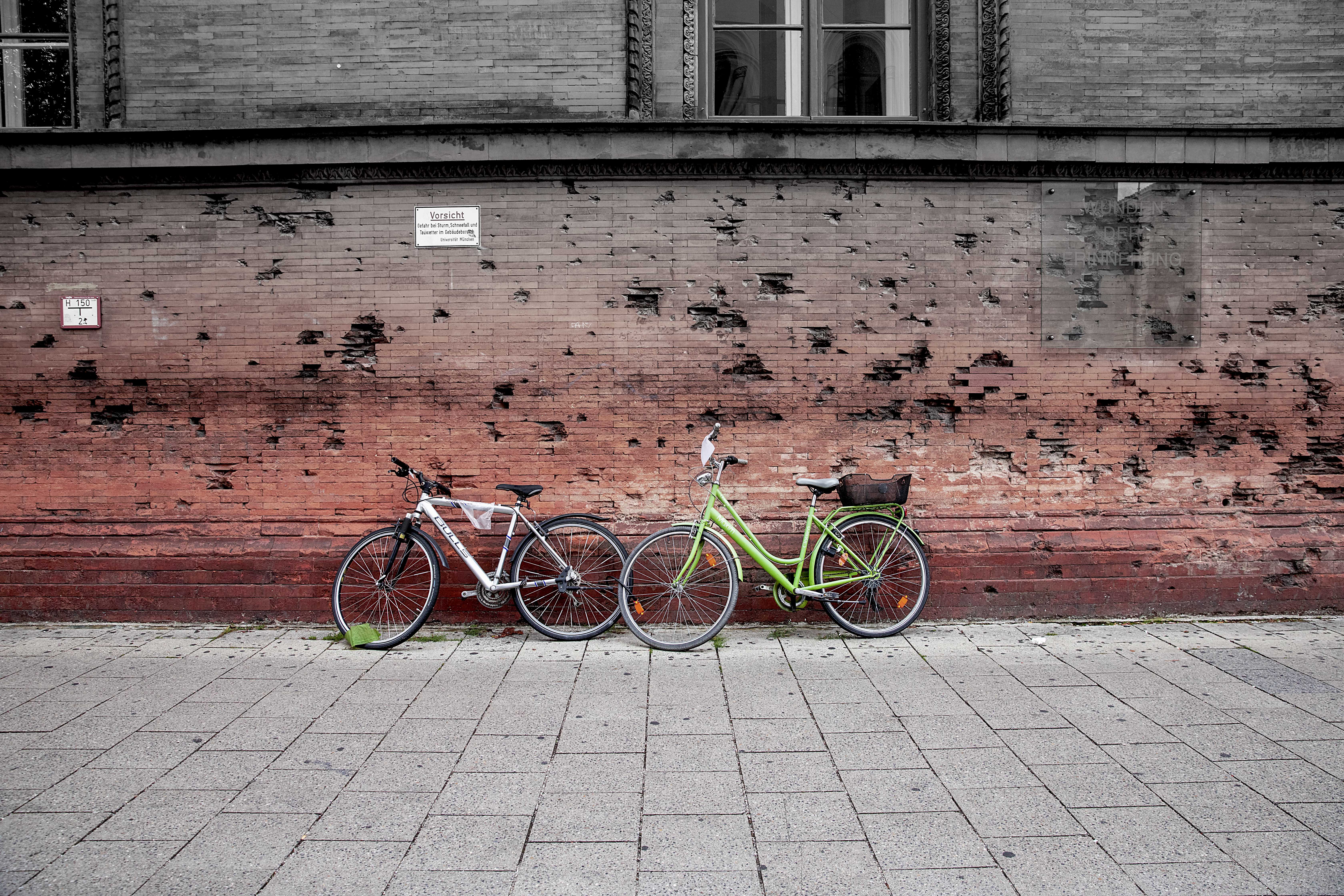
Scars of World War II on a brick building in Schellingstraße.
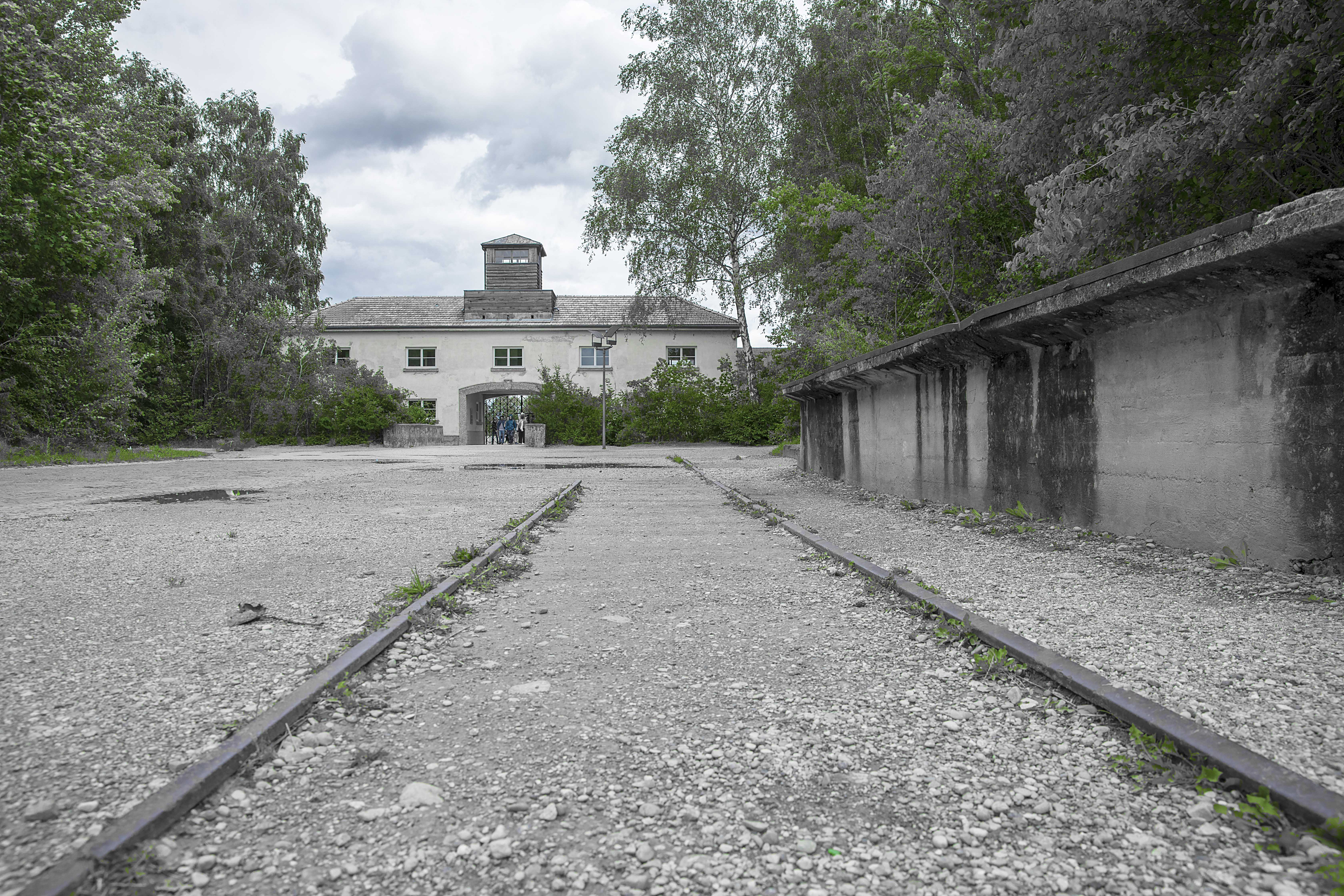
A somber testament to the horrors of the Holocaust lies just outside Munich – the Dachau Concentration Camp Memorial Site.
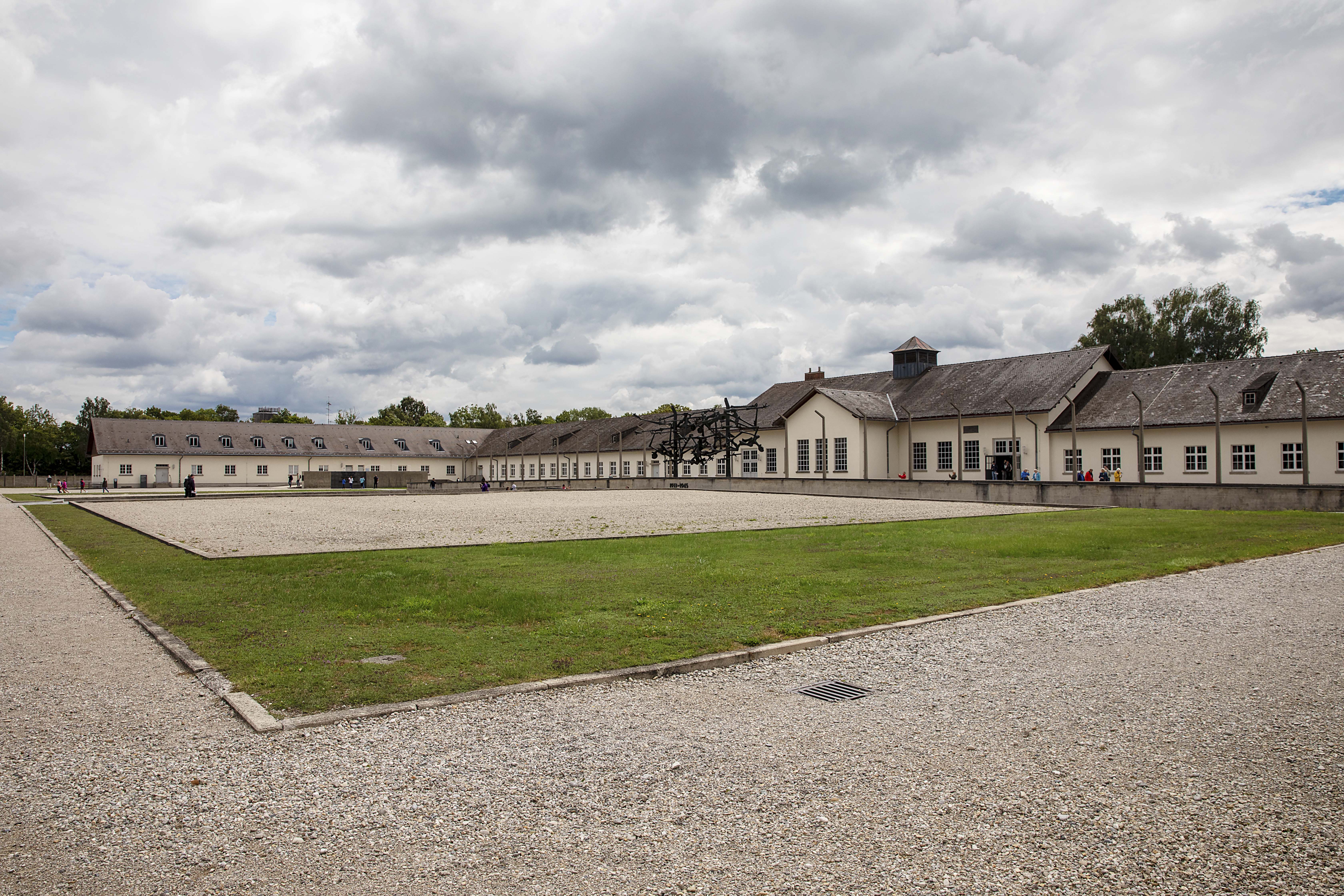
This solemn place bears witness to the suffering of countless victims, commemorating their lives and educating visitors about the camp’s history. The preserved barracks, chilling exhibits, and poignant memorials stand as a reminder of the immense human tragedy that unfolded within these walls.
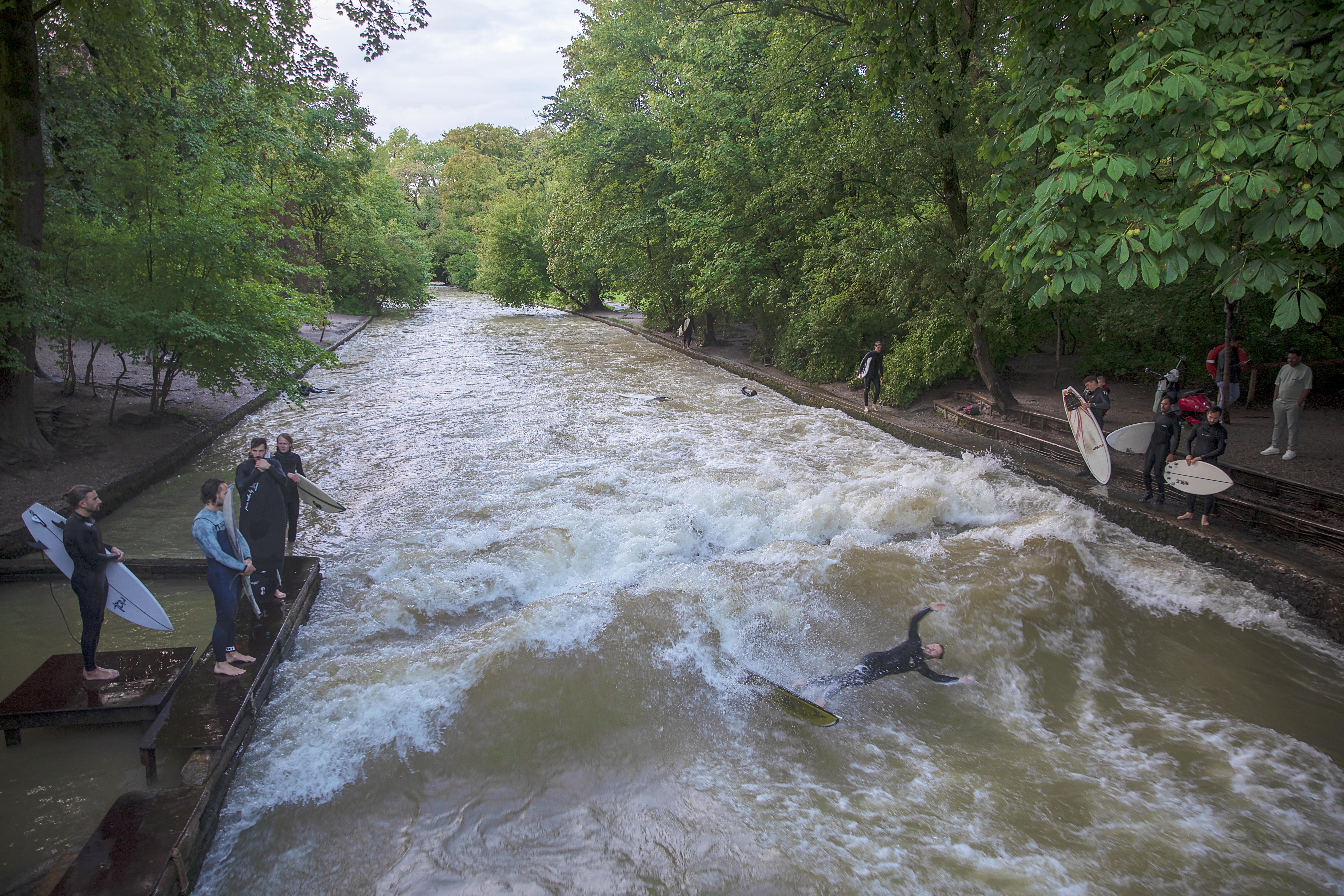
Munich’s allure lies not just in its landmarks but in the warmth of its people, the harmonious blend of tradition and innovation, and the palpable sense of celebration ingrained in its very essence. Whether you’re wandering through its historic avenues or indulging in its modern delights, Munich captivates with its timeless charm, leaving an indelible mark on every traveler’s heart.

