Snuggled beside the grandeur of the Danube River, Budapest beautifully showcases the fusion of historical magnificence and lively modern elements. This city, often dubbed the “Paris of the East,” is an enchanting blend of architectural marvels that captivates every visitor fortunate enough to roam its streets.
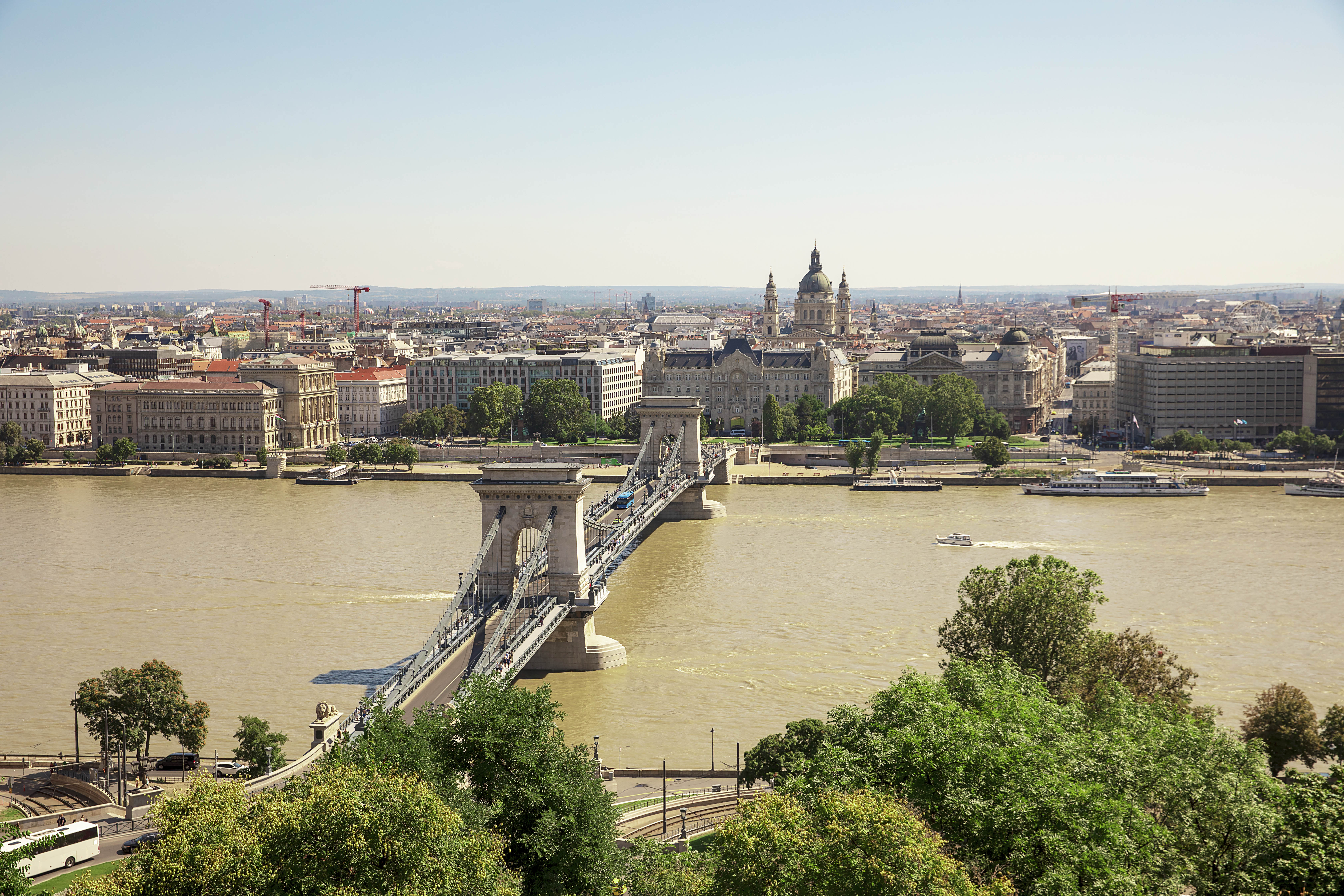
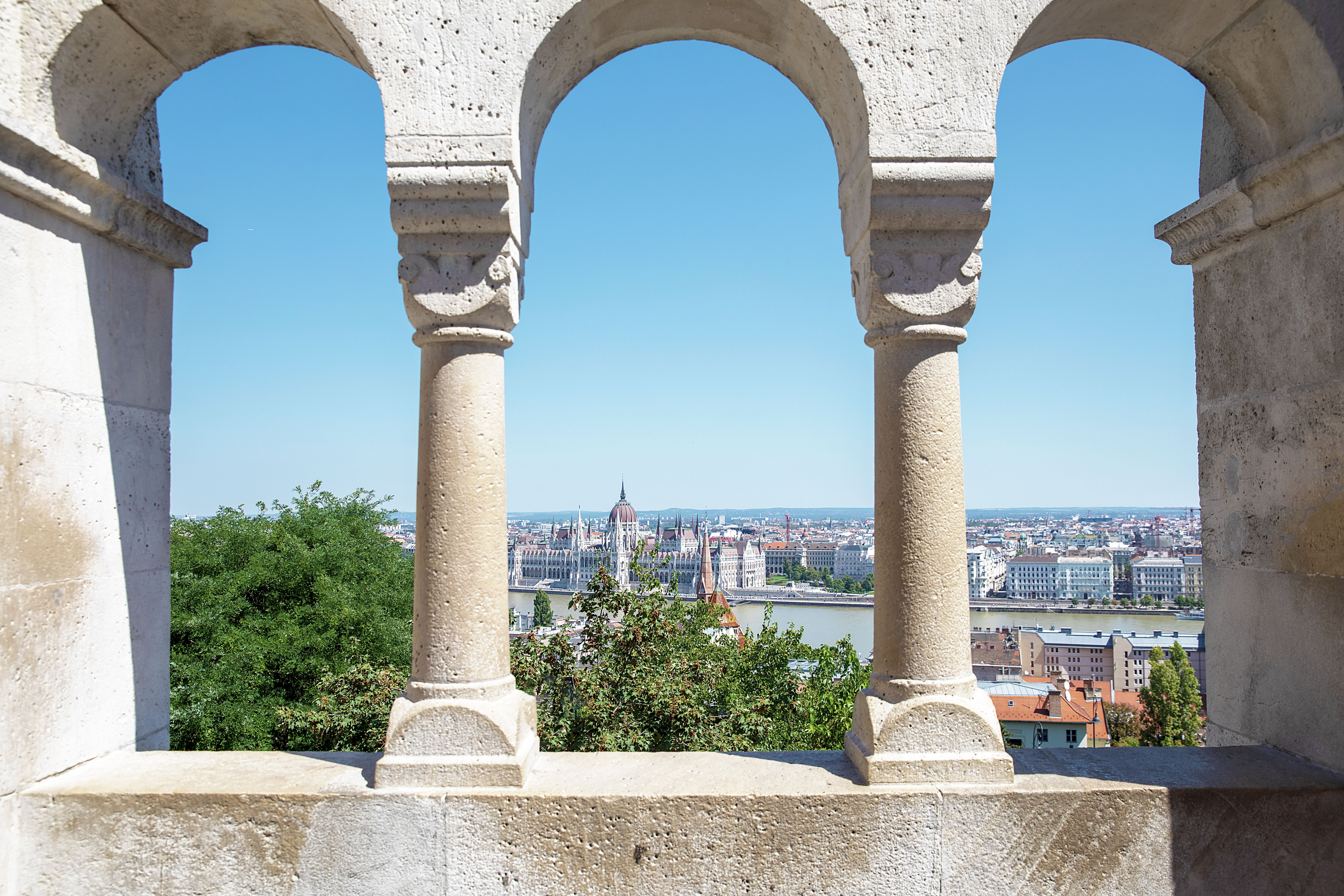
Divided by the Danube, Budapest was historically two cities: Buda and Pest, each with its own distinct character. Buda, crowned by the stunning Buda Castle, boasts a hillside panorama that offers unparalleled views of the city.
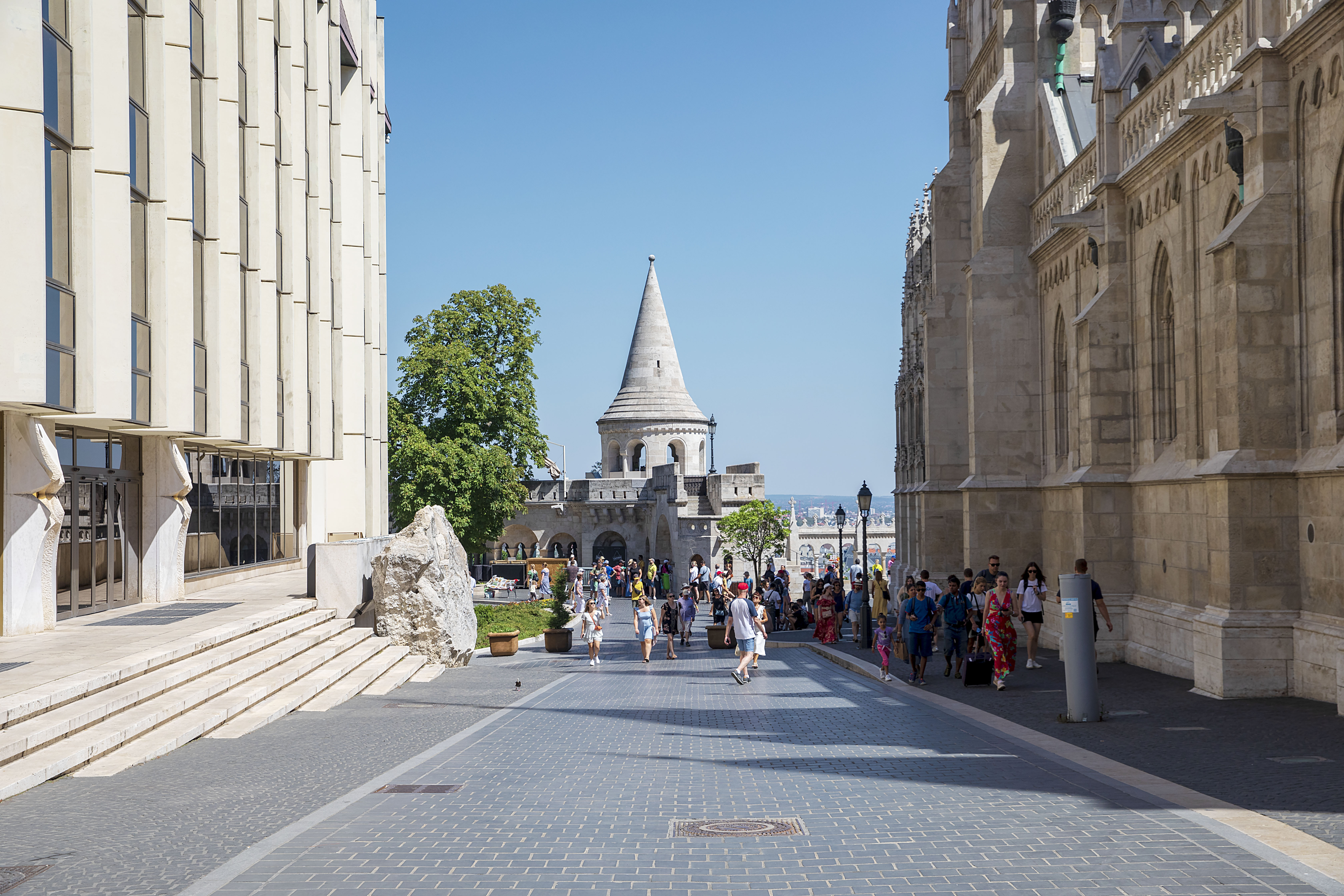
The Fisherman’s Bastion, a fairytale-like terrace, and Matthias Church with its intricate Gothic architecture are treasures that adorn the Buda skyline, reminiscent of a bygone era.
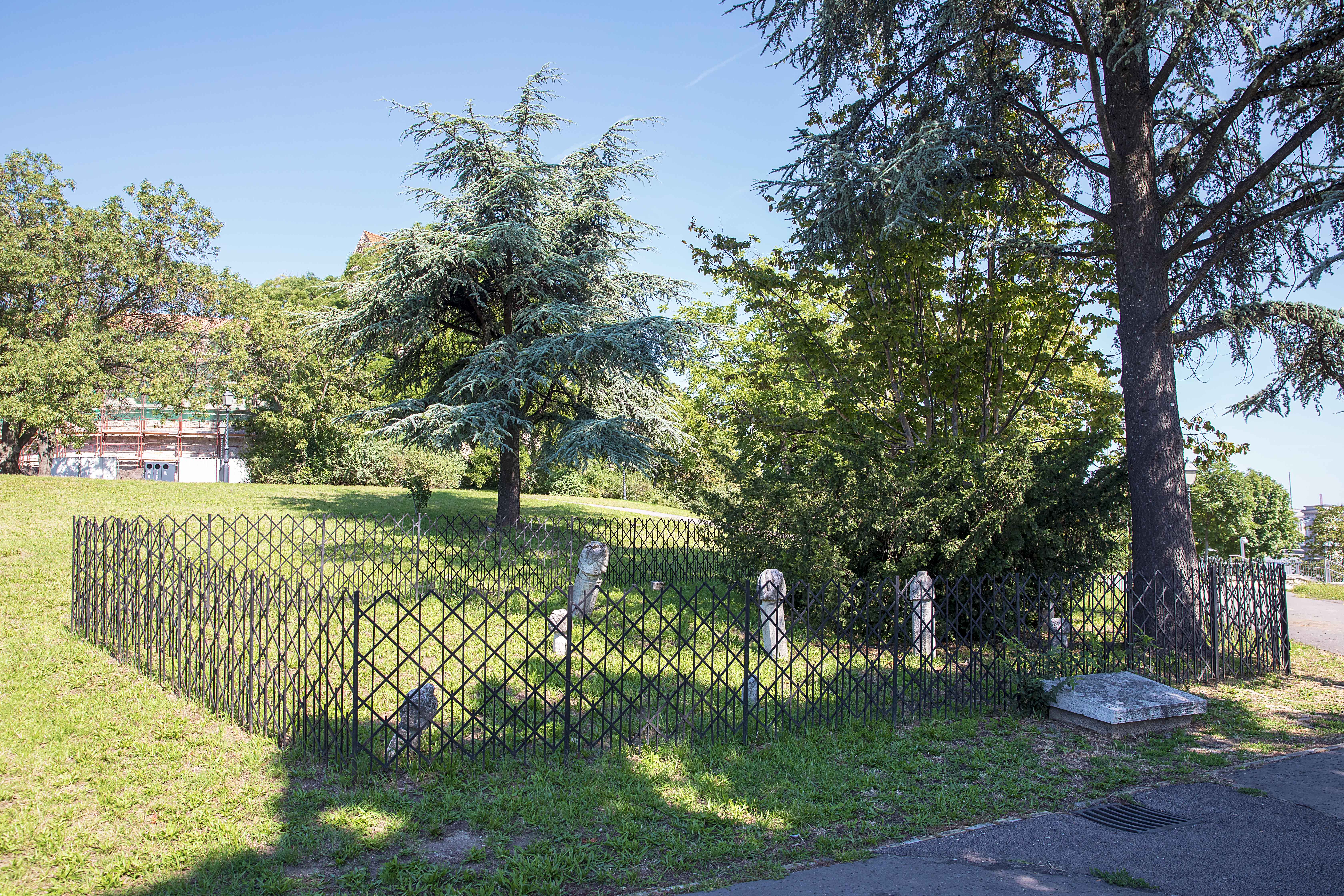
The history of Hungary invariably intertwines with the Ottoman Empire, which governed a significant portion of the country for nearly 150 years – an era impossible to overlook in Hungarian history. “Akıncılar Mezarlığı” in Budapest is one of the most substantial testaments of this era. This solemn resting place holds significance as the burial ground for Ottoman soldiers who fought during the sieges of Buda in the 16th and 17th centuries. The cemetery’s tranquil ambiance offers a moment for reflection, honoring the lives and sacrifices of those who played a pivotal role in the city’s history. It serves as a bridge between cultures, acknowledging a shared past and fostering cultural understanding between Hungary and Turkey.
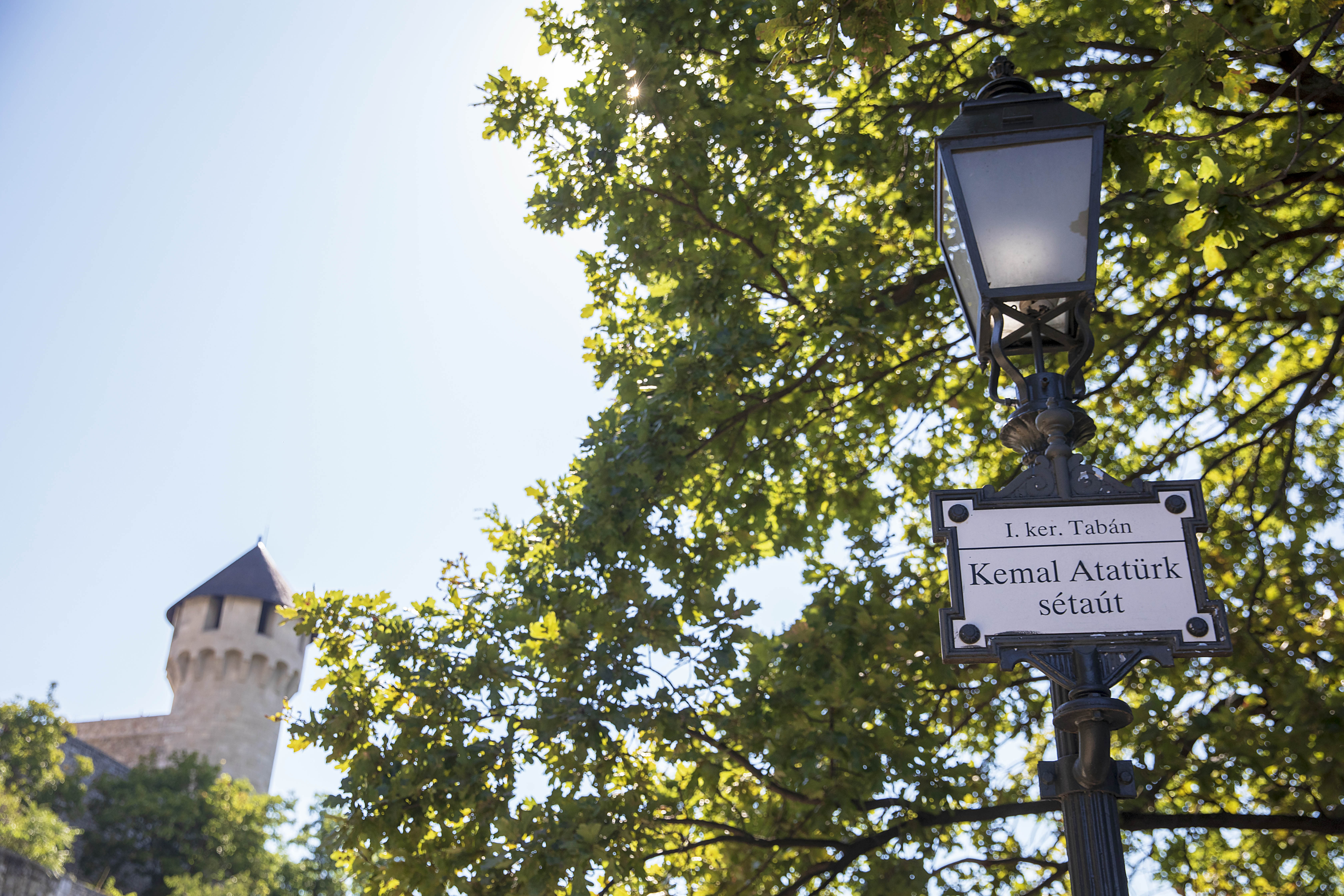
“Atatürk Street” in Budapest pays homage to the legacy of Mustafa Kemal Atatürk, the revered founder of modern Turkey. This street is another example and symbol of cultural exchange and friendship between Hungary and Turkey.
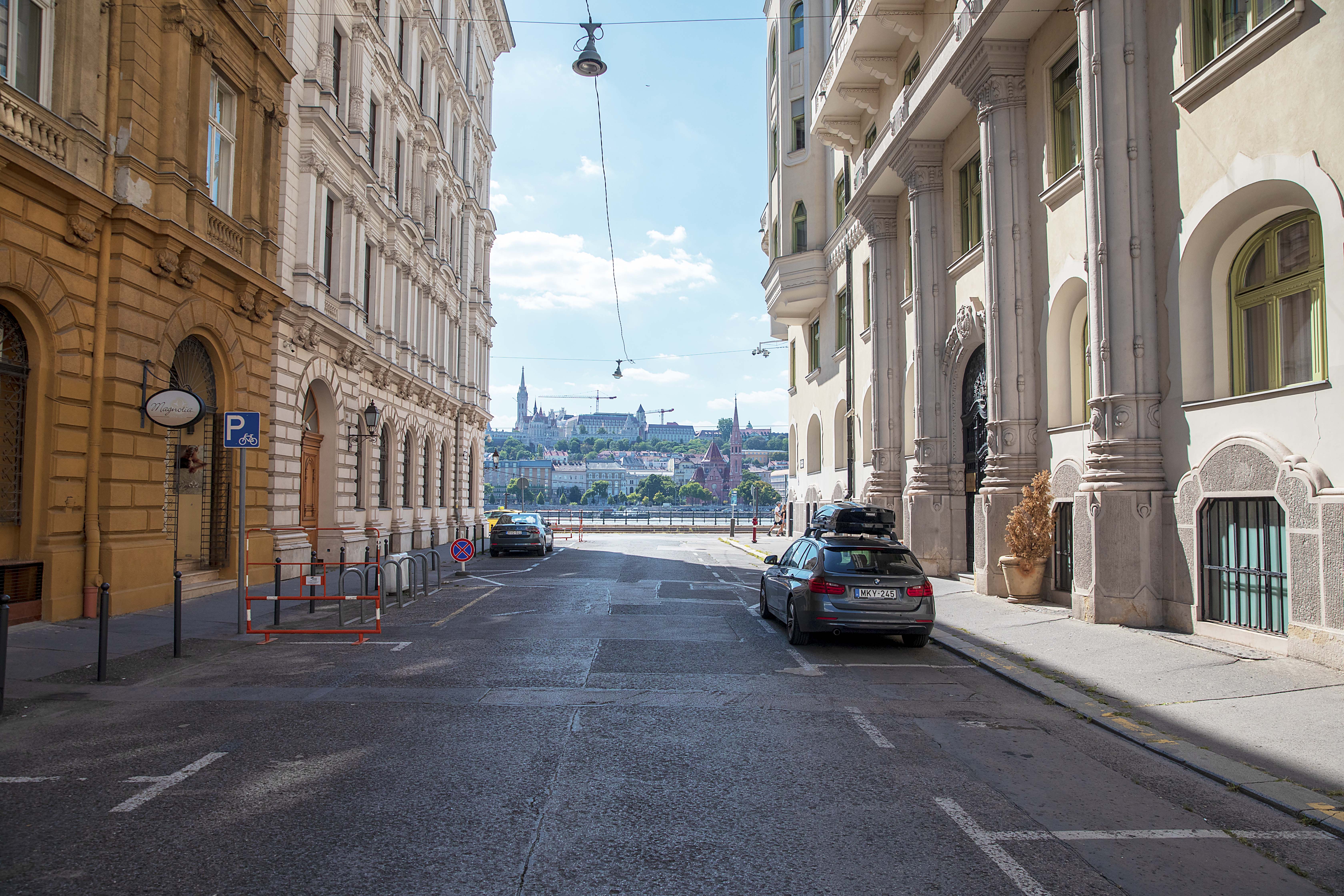
Budapest’s streets are an enchanting labyrinth of history and charm. Each thoroughfare tells a story, echoing with the footsteps of generations past.
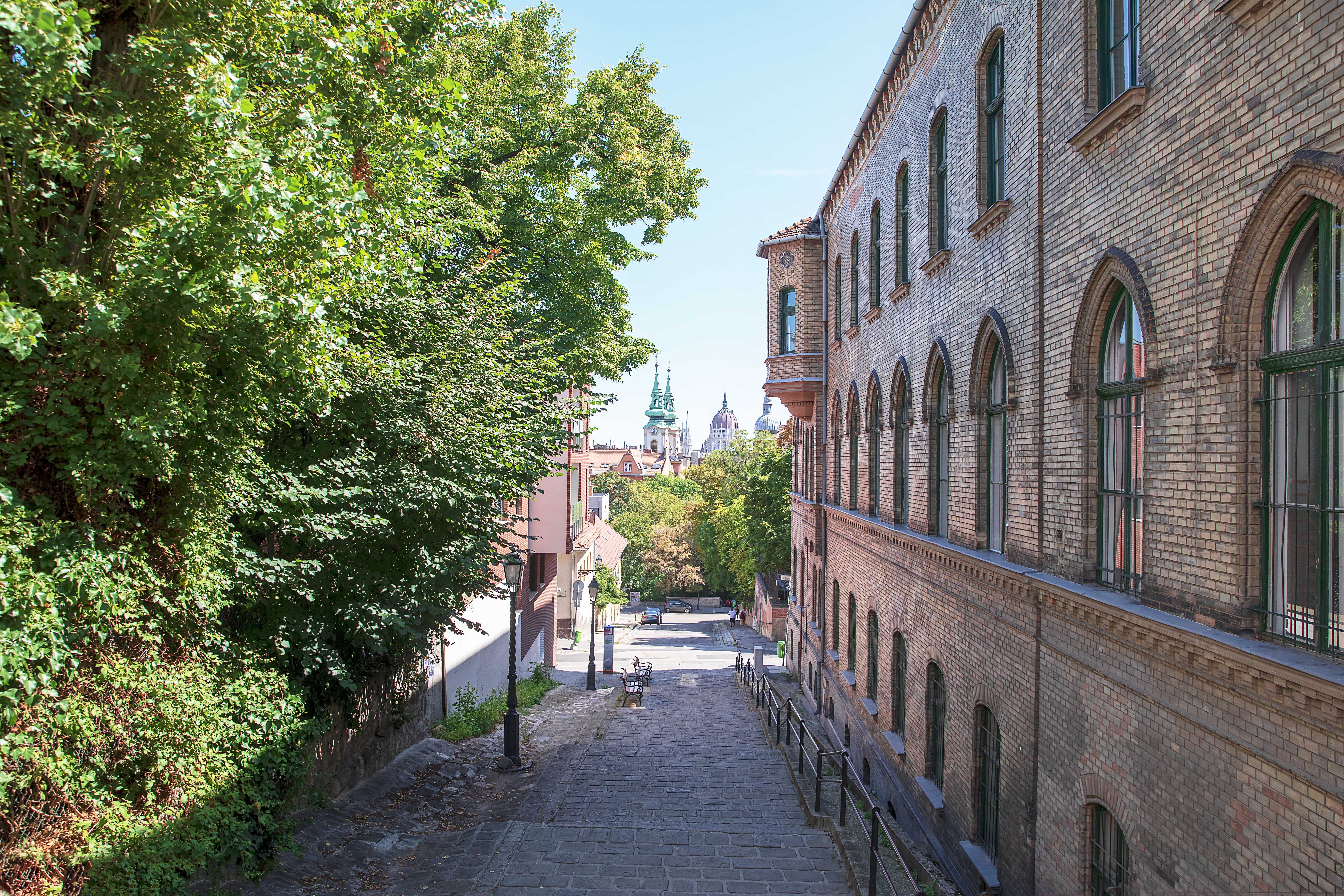
Cobblestone paths wind their way through the city, unveiling architectural treasures at every turn. Ornate facades adorned with intricate details line these streets, housing quaint cafes, vibrant markets, and hidden gems waiting to be discovered.
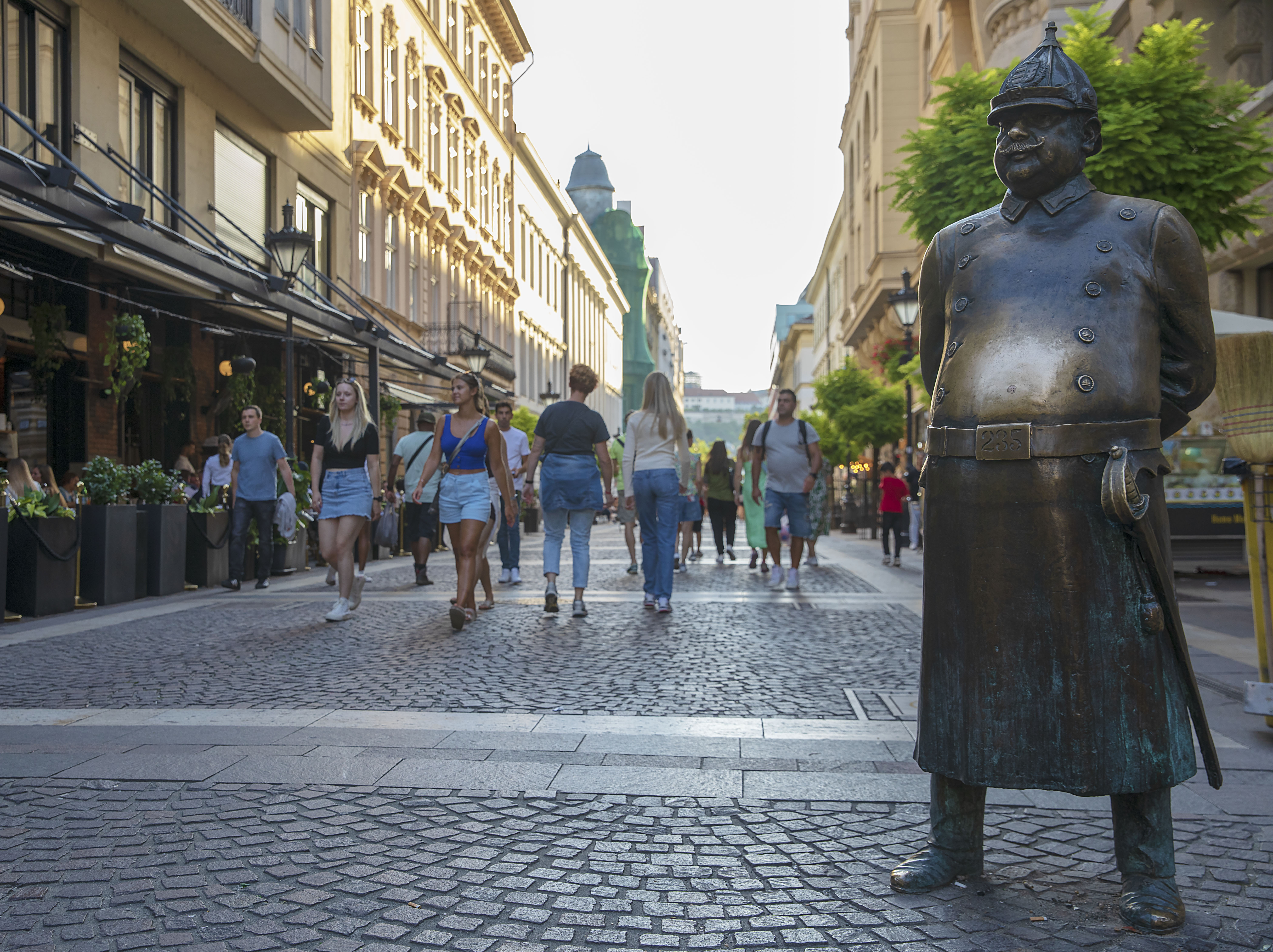
From the bustling boulevards of Pest, alive with the pulse of modern life, to the quaint alleys of Buda, steeped in ancient allure, the streets of Budapest are a captivating blend of old-world charm and contemporary vibrancy.
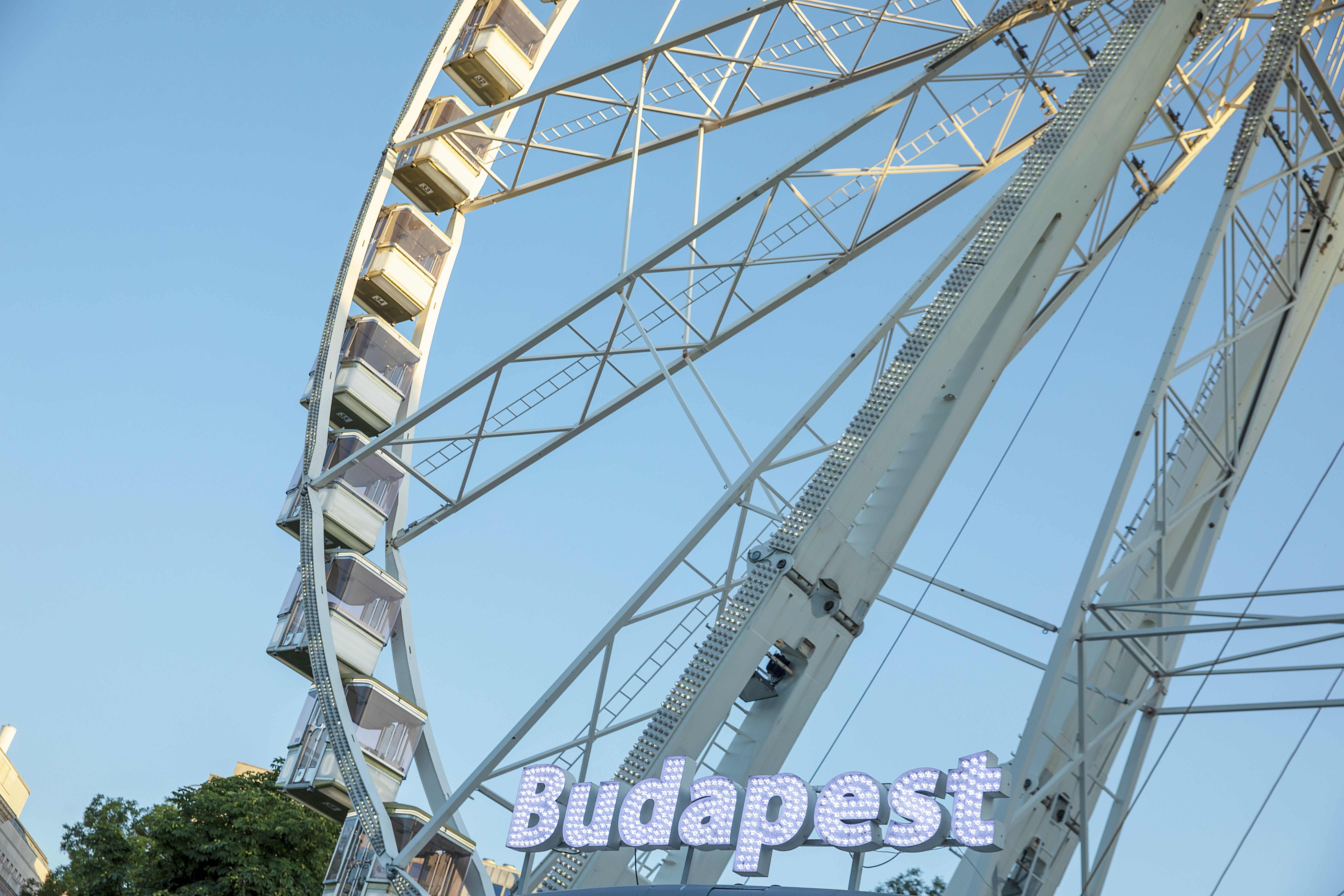
Located in the heart of the city, this towering Ferris wheel provides a mesmerizing vantage point, allowing visitors to marvel at Budapest’s iconic landmarks, including the Danube River, Buda Castle, and the majestic Parliament building.
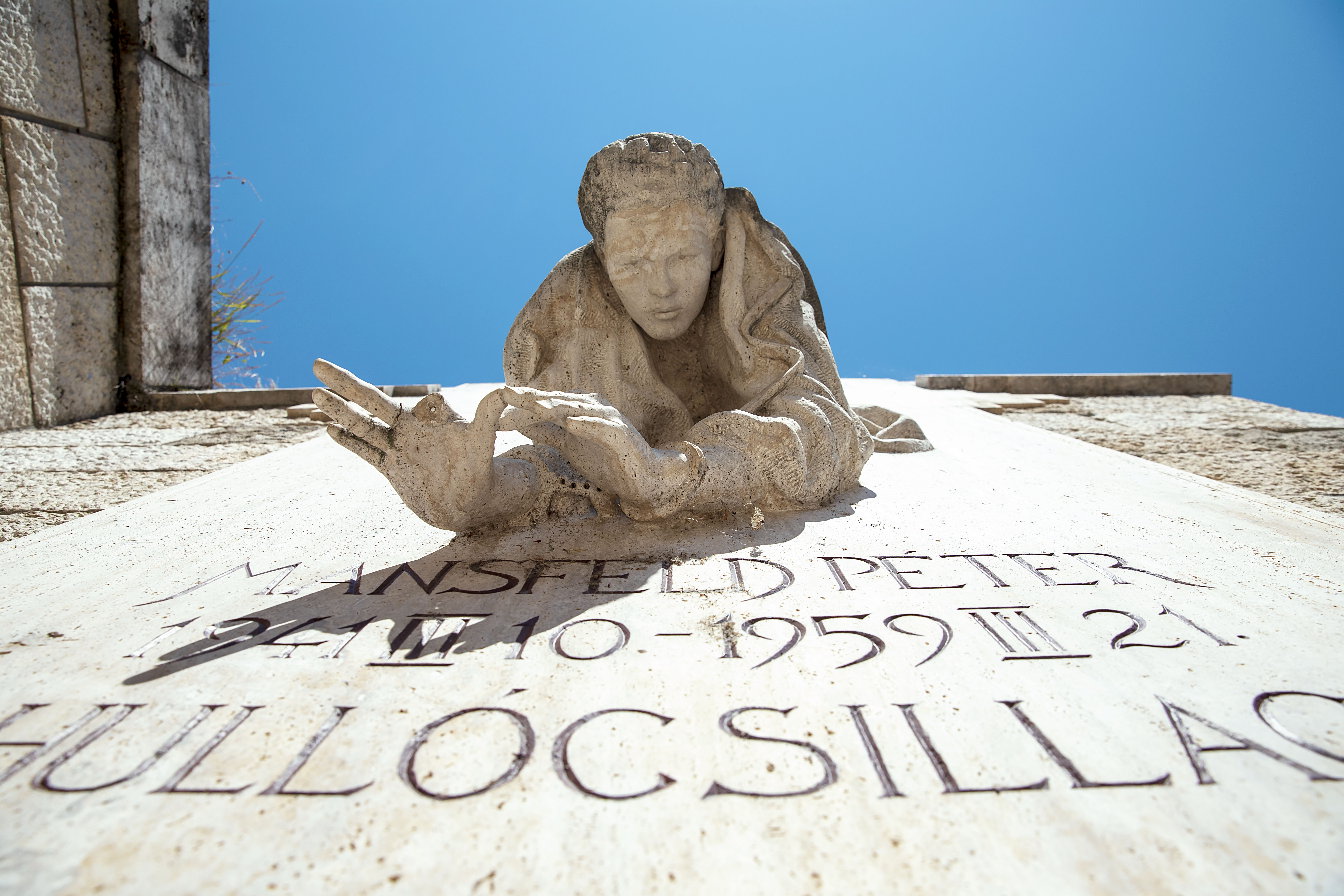
Mátyás Márfi, also known as Mátyás Mansfeld, was a Hungarian martyr and symbol of resistance against the oppressive communist regime in the 1950s. Born in a time of political turmoil, Mansfeld emerged as a determined figure in the Hungarian Revolution of 1956. Despite his youth, his commitment to the cause of freedom was unwavering. At the tender age of 18, he became an emblematic figure of the revolution, standing up against the Soviet-backed government. Mansfeld’s unwavering bravery and dedication to the ideals of liberty and democracy earned him a revered place in Hungarian history. His tragic execution at the age of 19 turned him into a symbol of sacrifice and courage, inspiring future generations in the fight for freedom and justice.
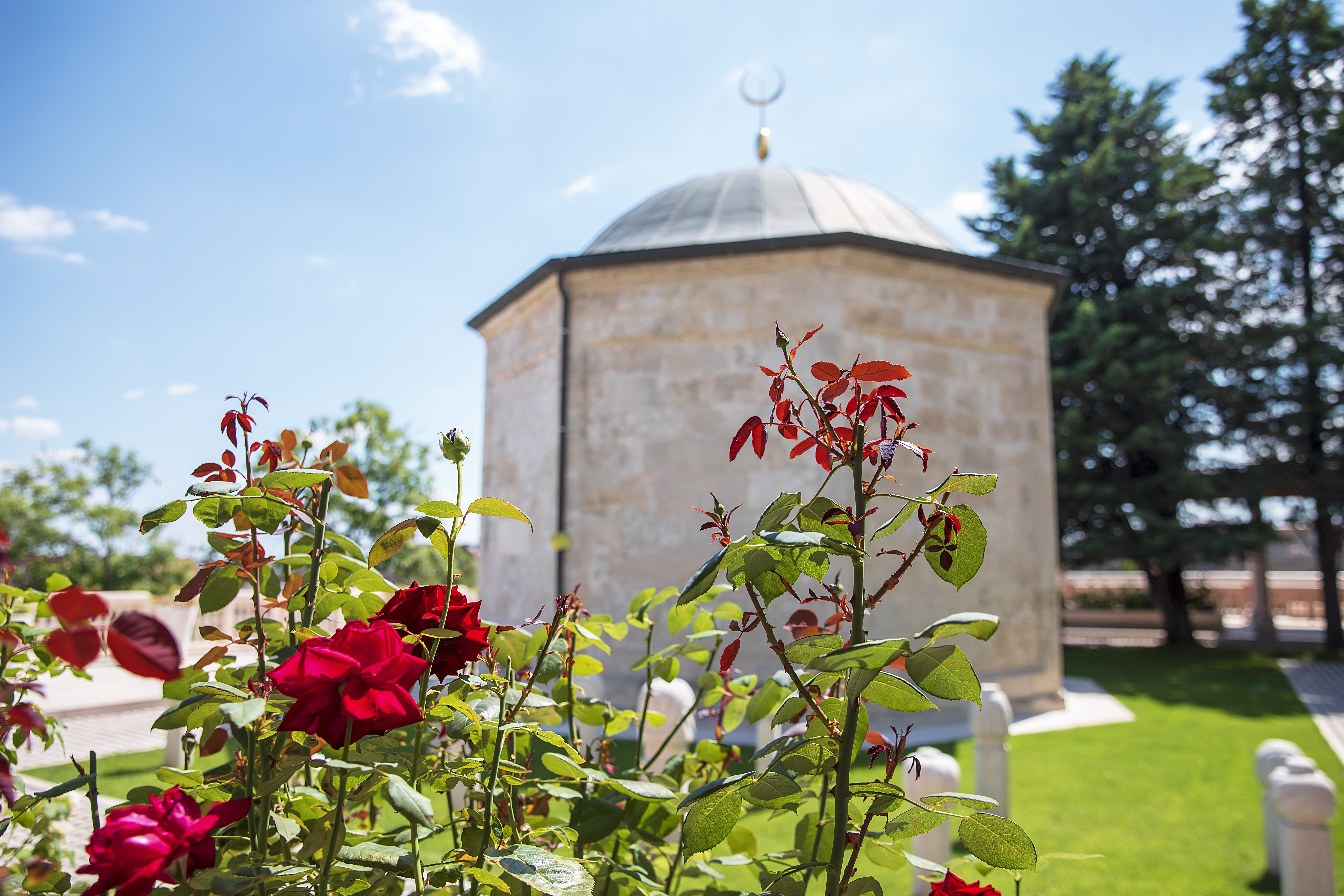
Gül Baba’s Rose Garden in Budapest stands as a serene oasis, steeped in history and tranquility. Named after the Ottoman poet and dervish Gül Baba, this enchanting site is a testament to Hungary’s Ottoman past. The garden, with its vibrant array of roses in bloom, offers a respite from the city’s bustling streets. Visitors can explore the elegant octagonal tomb and wander through the meticulously landscaped gardens, experiencing a harmonious blend of history, culture, and natural beauty in this hidden gem of Budapest.
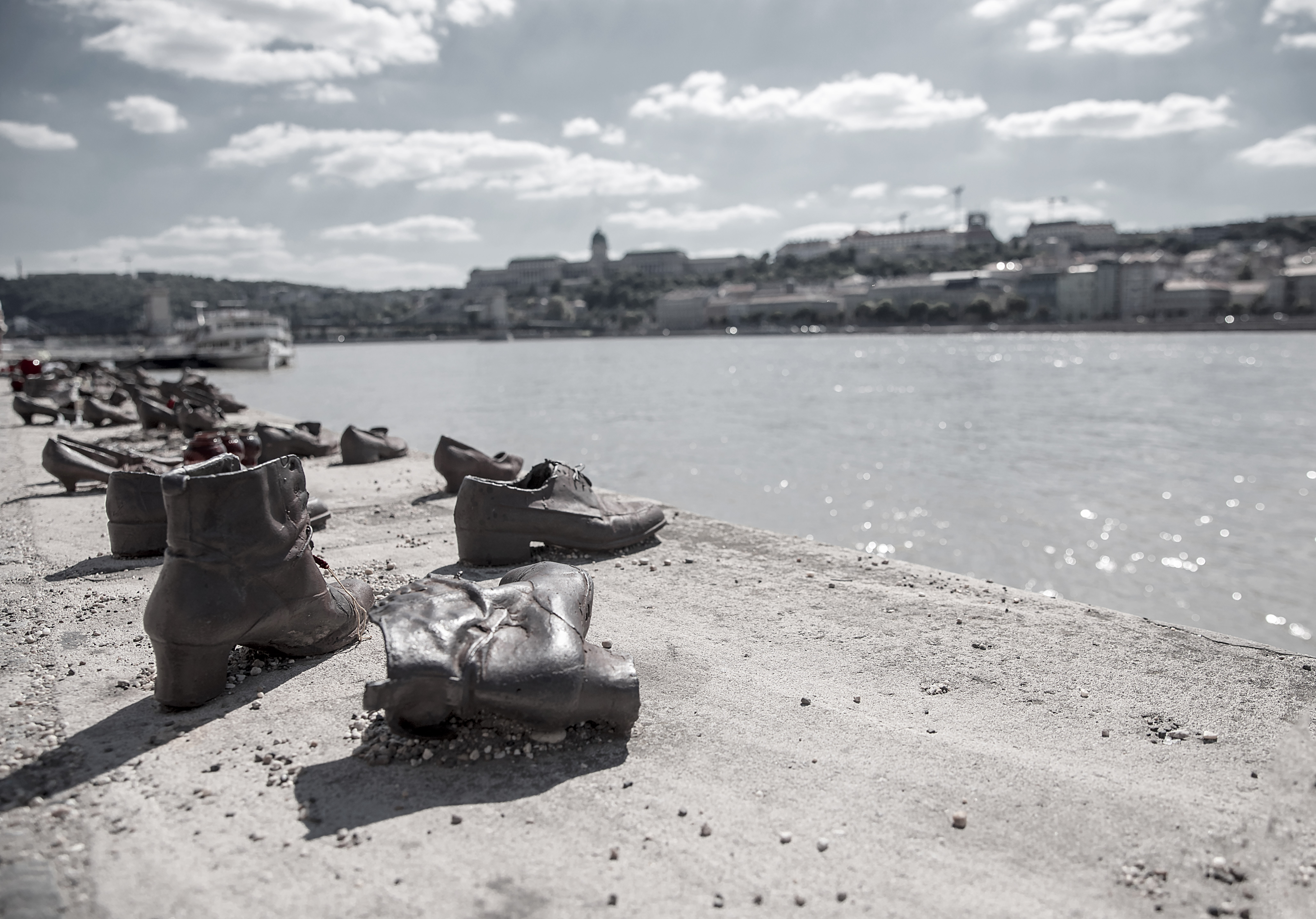
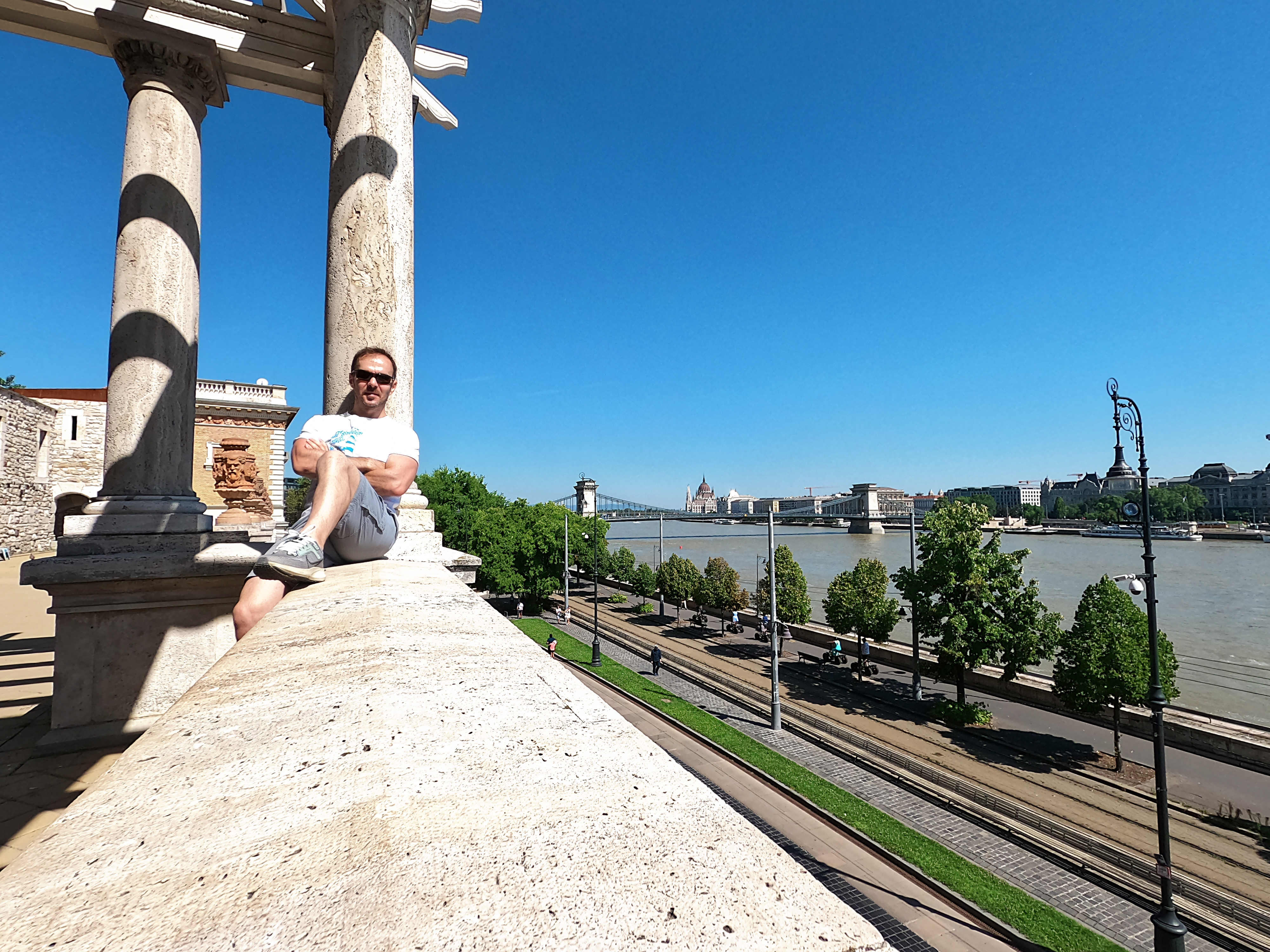
The Danube Promenade is a charming stretch offering an unobstructed view of both Buda and Pest. The iconic Shoes on the Danube Bank memorial pays homage to the tragic events of World War II, serving as a poignant reminder of Budapest’s tumultuous past.
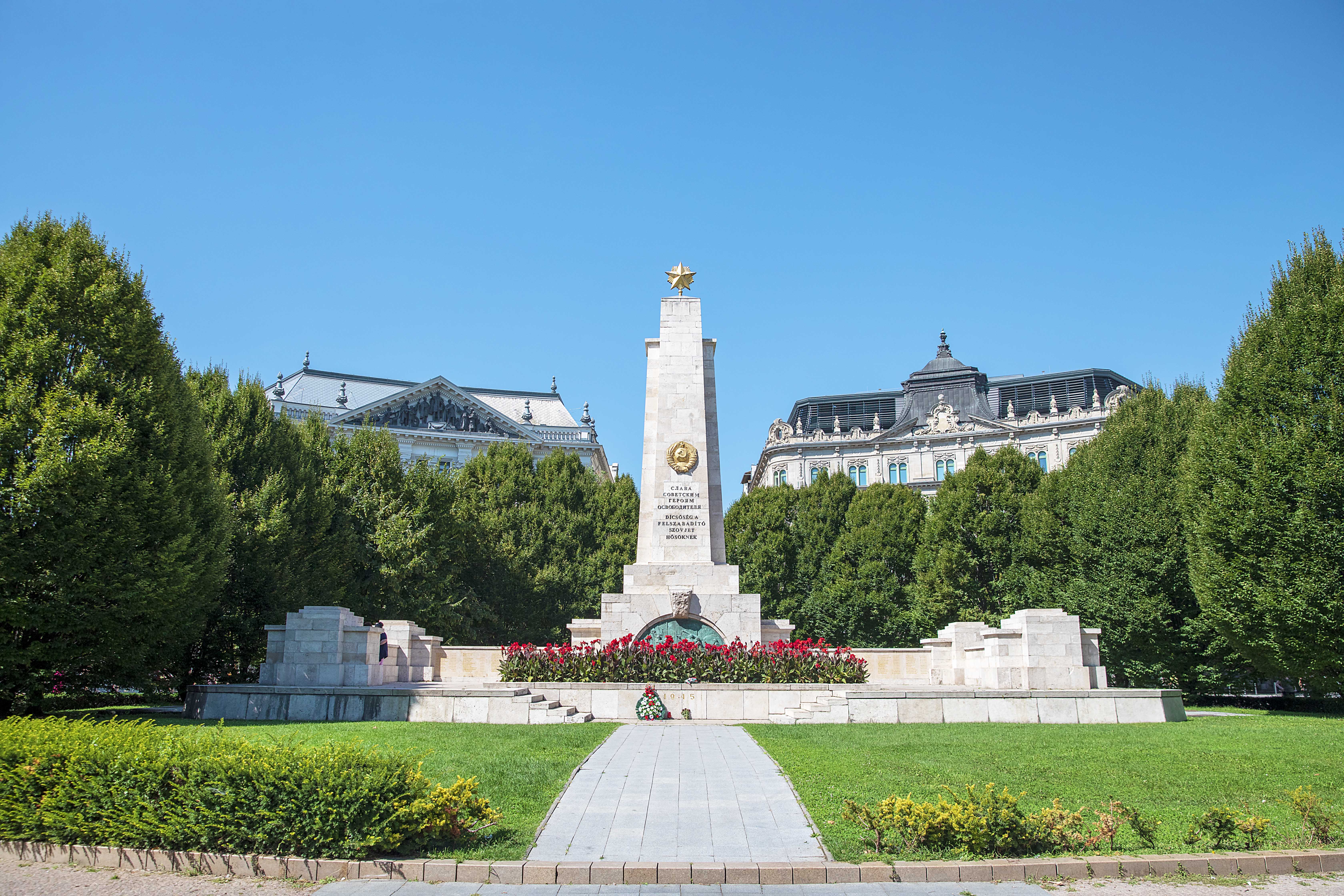
Soviet statues and monuments are a familiar sight across Central and Eastern Europe. Erected during the Soviet era, this monument was dedicated to the Red Army soldiers who lost their lives liberating Budapest during World War II. A towering statue of a Soviet soldier, representing the Soviet victory, once dominated the city skyline. However, as times changed and Hungary transitioned away from its communist past, the monument became a point of controversy and debate.
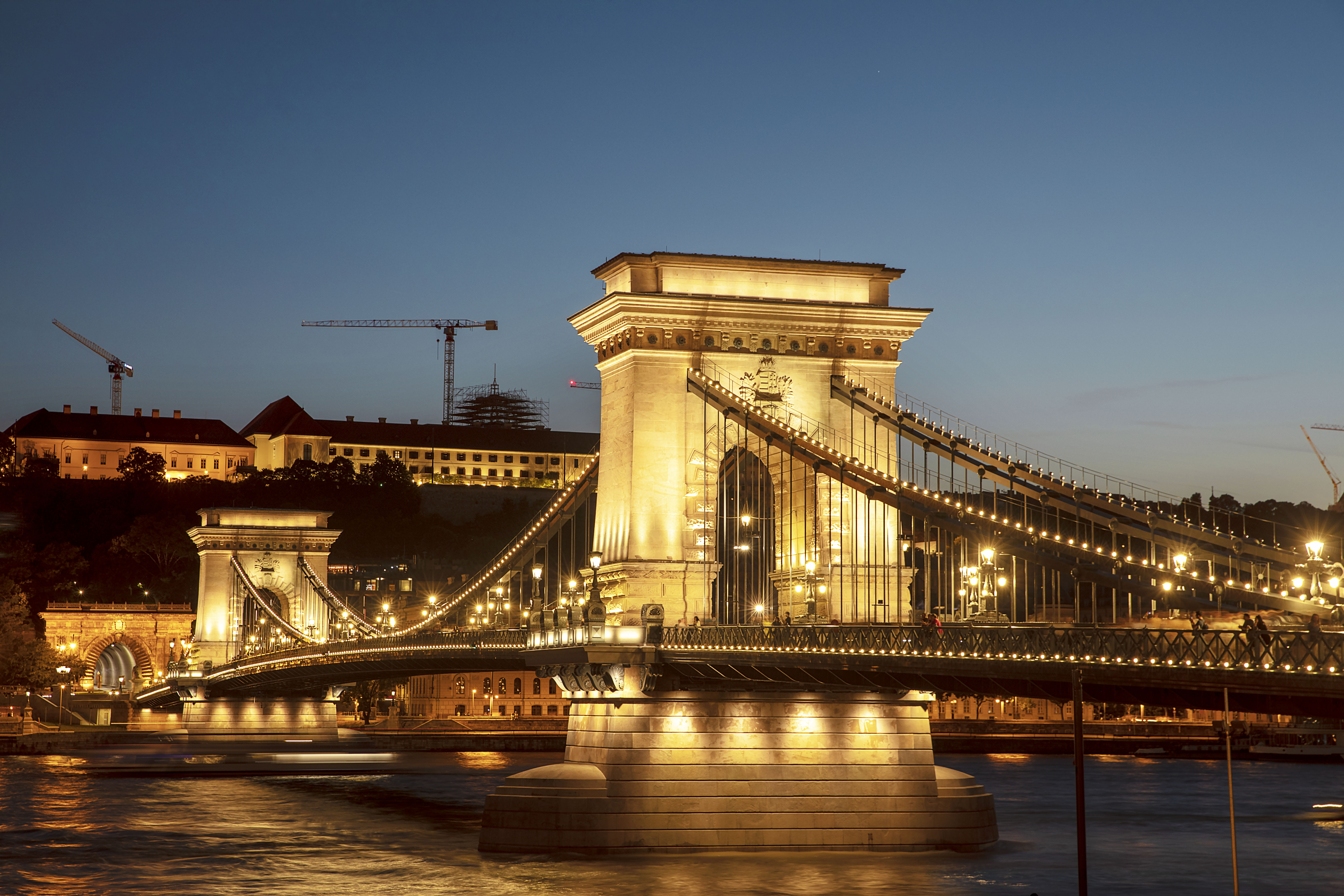
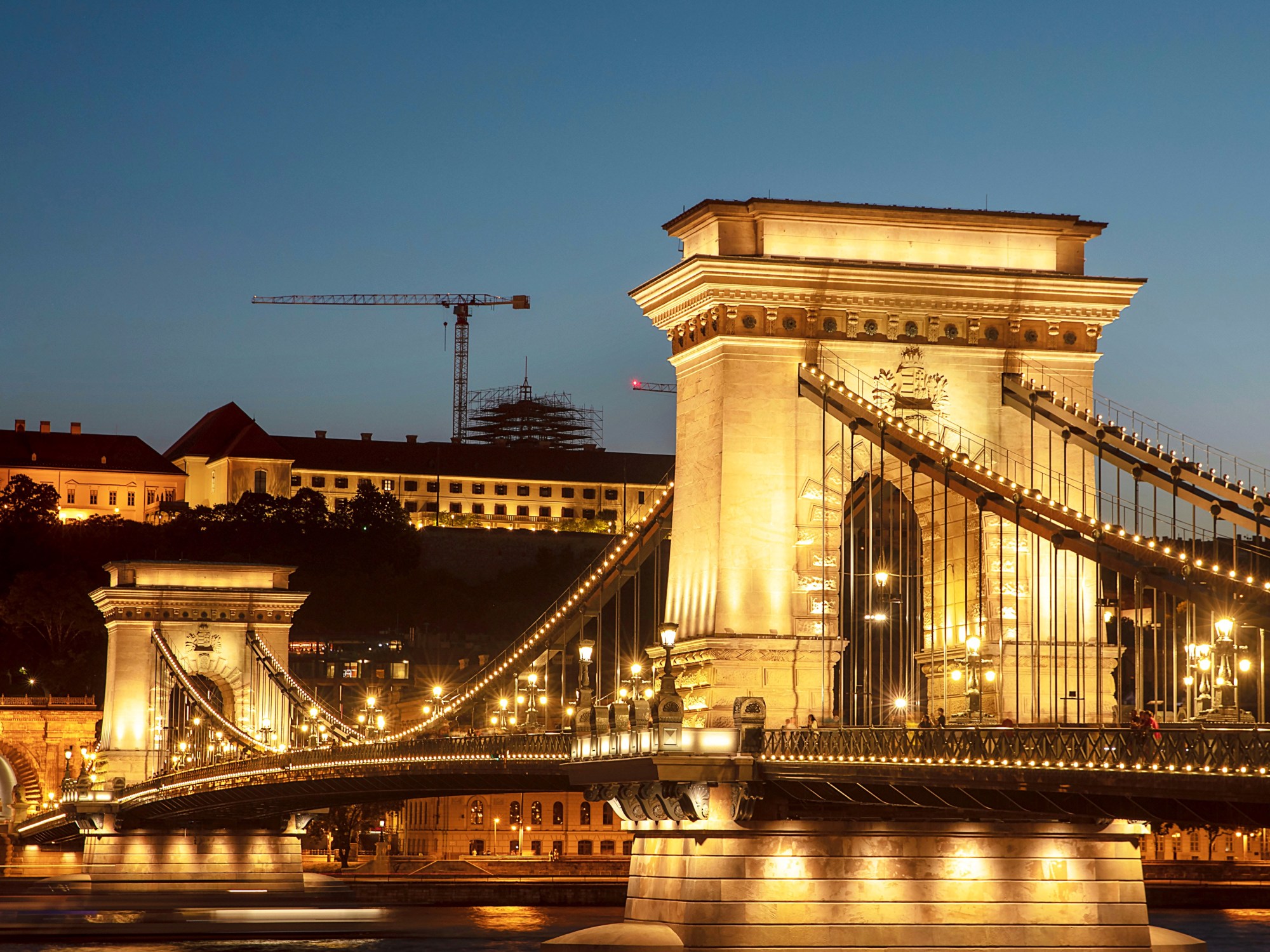
Budapest transforms into a mesmerizing spectacle as night falls, unveiling a city that shimmers with a magical allure. The illuminated bridges spanning the Danube River create a luminous path that connects the two sides of the city, casting reflections that dance upon the water’s surface.

Strolling along the Danube Promenade, with the Buda Castle and Parliament aglow on either side, offers a romantic ambiance that captures the essence of Budapest at night.
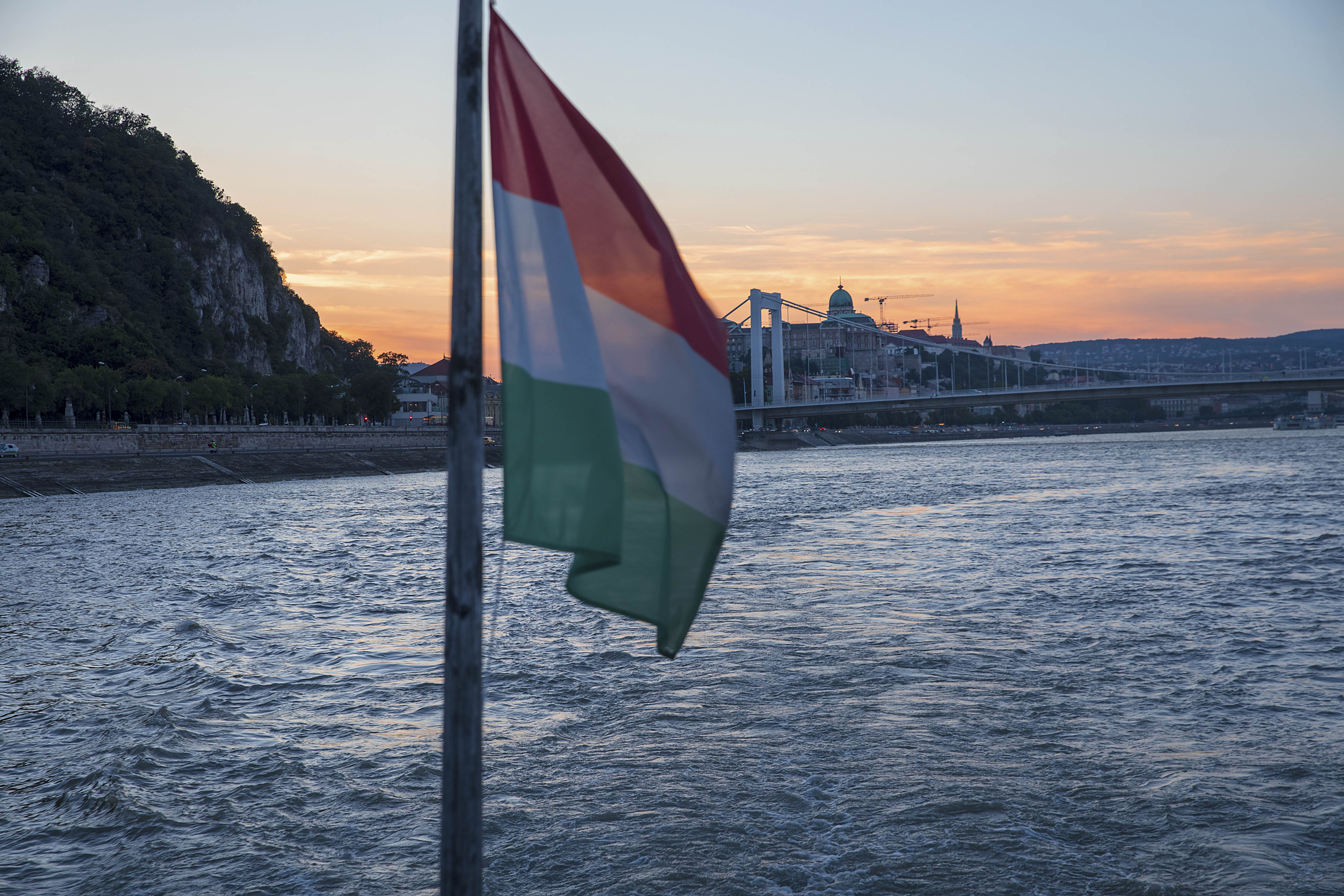
Beyond its scenic splendor, the Danube holds a significant place in history, witnessing the ebb and flow of cultures, commerce, and civilizations for centuries. Whether glistening under the daytime sun or reflecting the city’s lights at night, the Danube remains an emblem of both Budapest’s majestic charm and its deep-rooted connection to the pulse of Europe.
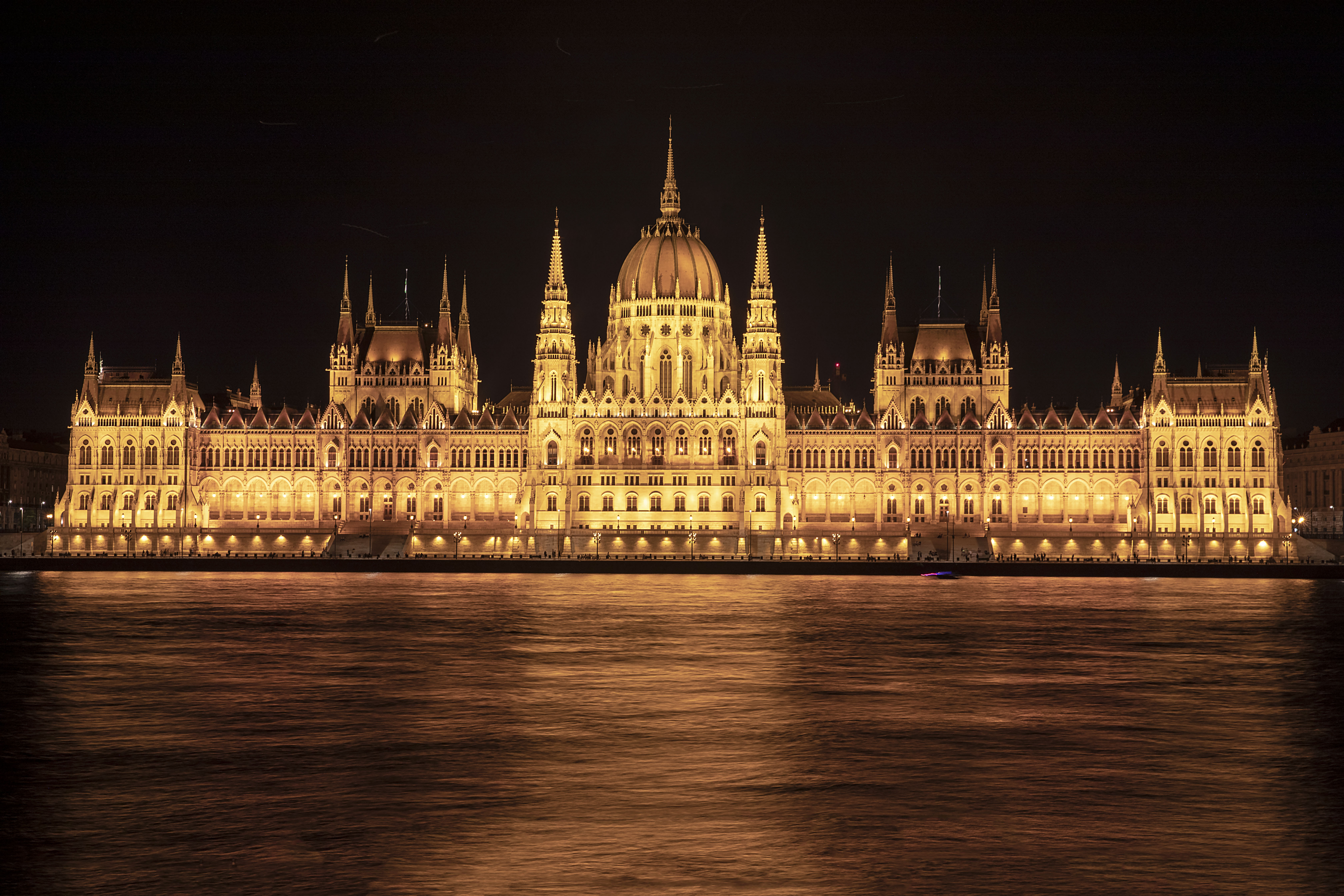
The majestic Hungarian Parliament bathed in golden light stands as a beacon of grandeur.
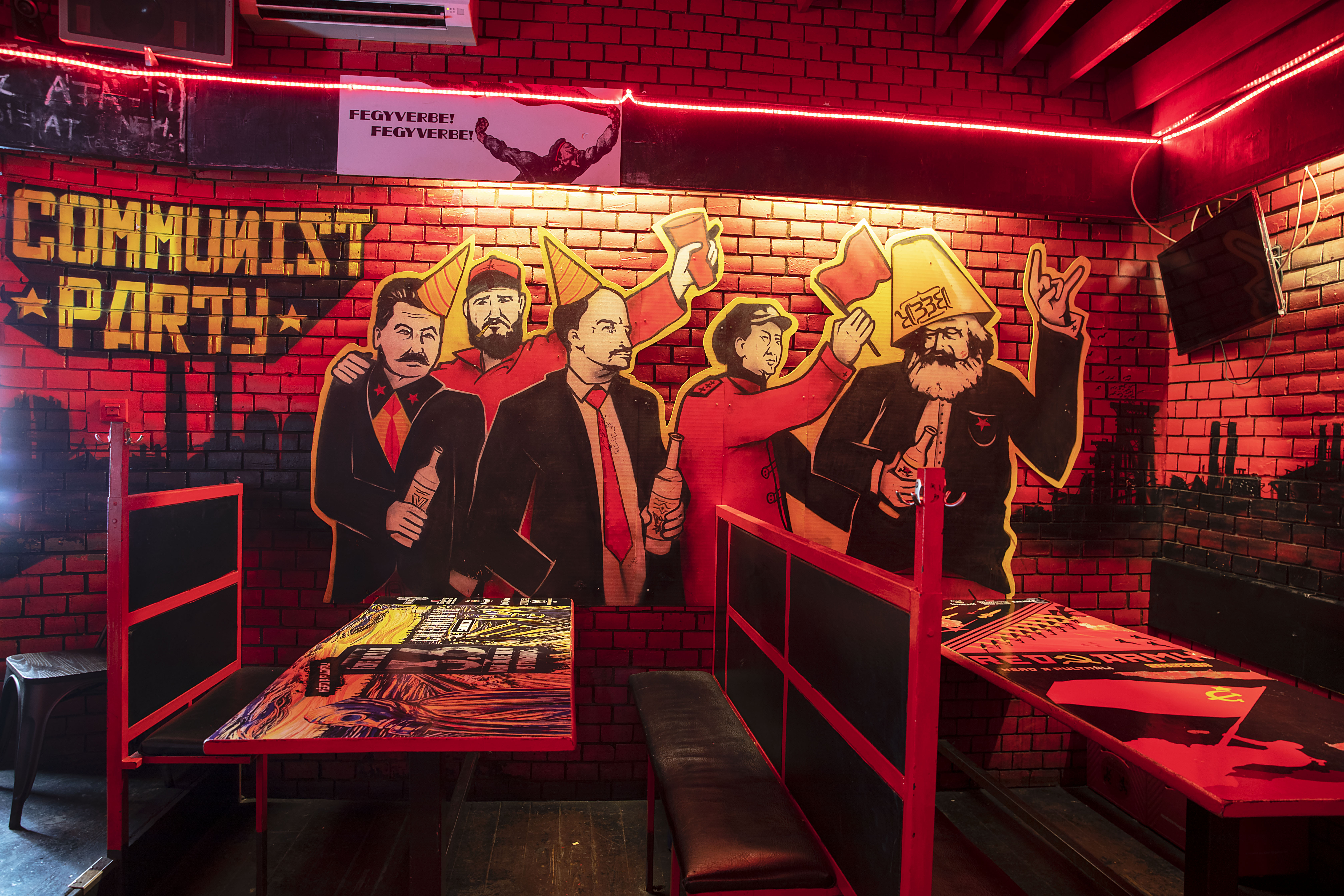
From the vibrant ruin pubs to the sophisticated ambiance of riverside restaurants, Budapest’s nocturnal charm is a captivating blend of history, modernity, and the enchantment that comes to life when the sun sets over this European gem.
Budapest invites exploration, offering a harmonious blend of history and contemporary allure. Its architectural wonders, cultural richness, and vibrant spirit beckon travelers to uncover its layers, inviting them to be a part of its captivating narrative that seamlessly weaves together the past and the present.
 Huseyin Karadeniz | Travel & Photography Journal