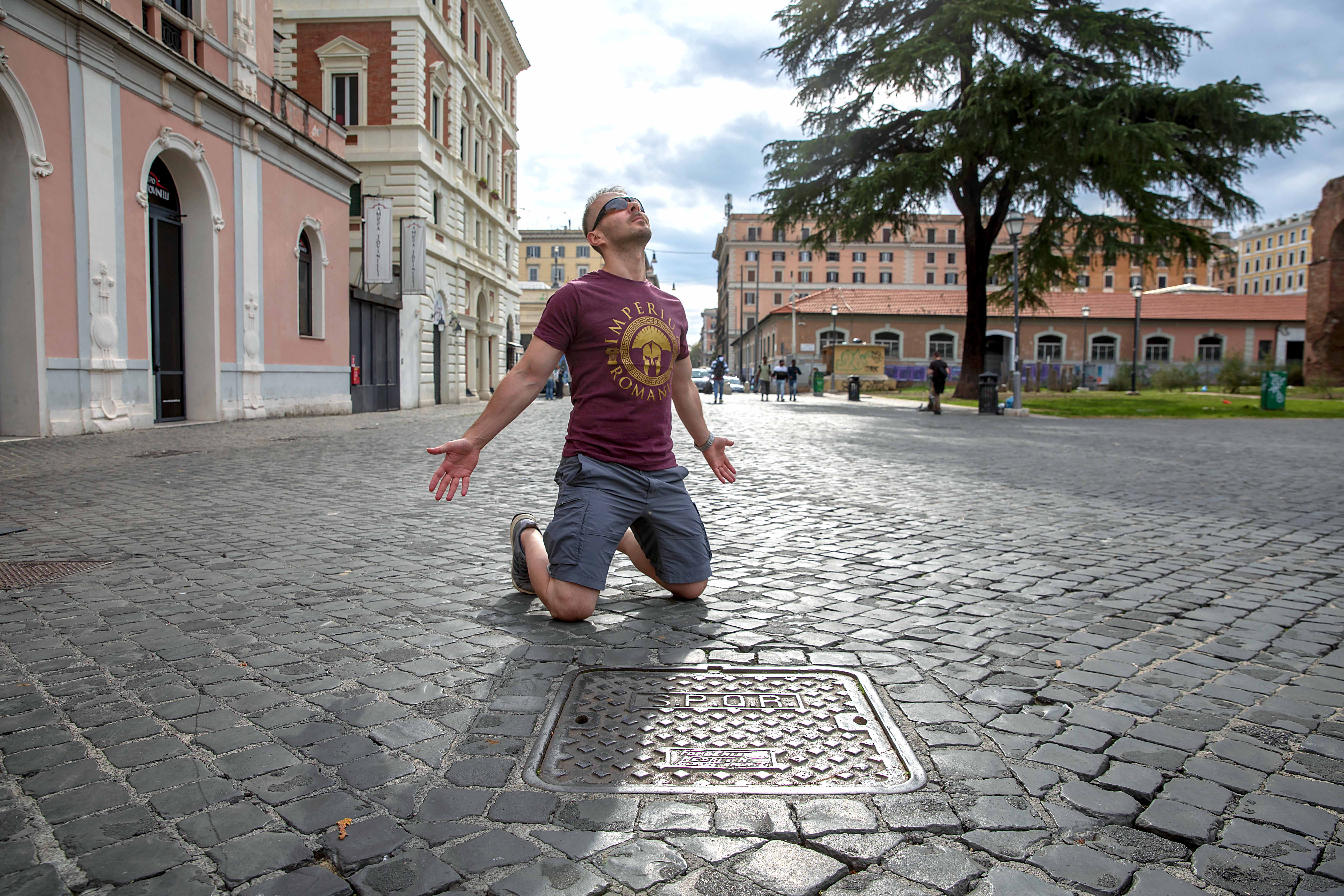
Omnēs viae Rōmam dūcunt, all roads lead to Rome, they say. But the roads we take in life are rarely straight, and some journeys take longer than others. Visiting Italy was one of those journeys for me. After years of traveling through many countries, hundreds of cities, towns, and villages, even as far as the North Pole, it was finally time. Better late than never.
Last October, after a long wait, I finally decided to visit Italy. I had assumed the crowds would be smaller, but I could not have been more wrong. By coincidence, our trip overlapped with the Wizz Air Rome Half Marathon as well as the Jubilee of the Roma, Sinti, and Travelling Peoples. Rome can feel overwhelming when the crowds swell, yet its history has a way of rising above the noise and never fails to captivate.
Without further ado, let’s get into it.
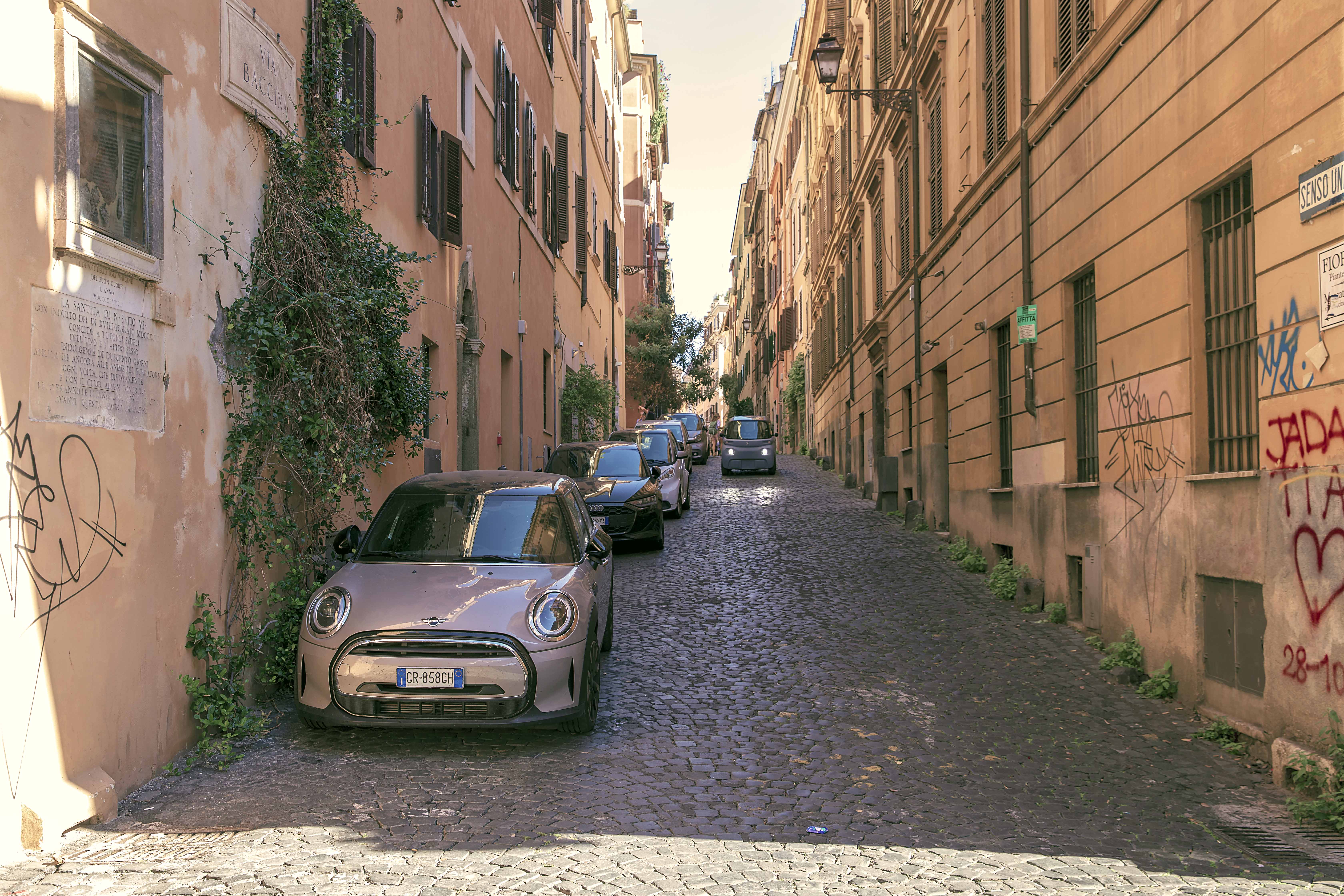
Some logistics. There are a few things worth keeping in mind before visiting Rome or any other major city in Italy. Unless you are aiming for a spontaneous trip, planning ahead is essential. Museums, historical sites, and even hotels often sell out well in advance, so it is best to organize your itinerary before you arrive.
I would recommend visiting during months with fewer tourists. January and February historically see lower foot traffic in Rome, which is also reflected in more affordable accommodation prices. Another thing that might surprise you is the hotel setup in cities like Rome and Florence. It is common for locals to convert an entire floor of a residential building into a hotel, so do not be alarmed if your room ends up on the fifth floor of an apartment building. As a matter of fact, there are bunch of hotels in this format in the city.
One additional suggestion is to avoid staying near major train stations. Due to irregular migration, areas around stations such as Roma Termini have sadly turned into large homeless encampments, which may not feel particularly safe, especially at night. On the other hand, the city itself is very walkable. You will find plenty of coffee shops and bakeries along the way, but make sure to check reviews before stopping, as there are quite a few tourist traps scattered throughout the city.
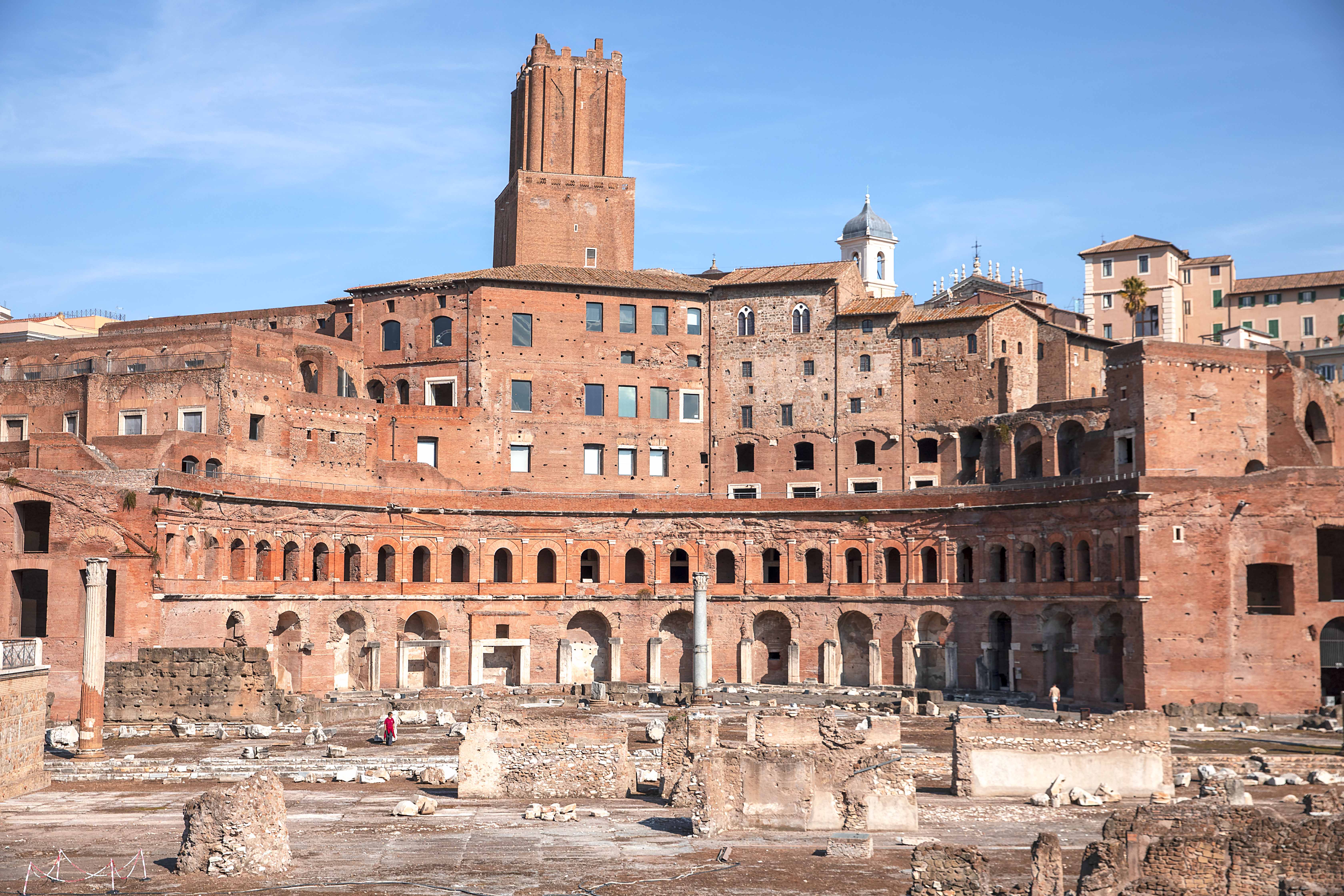
Rome is a city overflowing with history. Almost every turn reveals a fragment of the past, whether it is a column, a ruin, or a weathered stone embedded in daily life. The Roman Forum was the political, social, and economic heart of ancient Rome, a place where power, public life, and identity converged for over a thousand years. From Via dei Fori Imperiali, you can see much of both the Foro di Augusto and the Foro Romano. To explore the ruins up close and walk within the Forum itself, you will need to purchase a ticket.
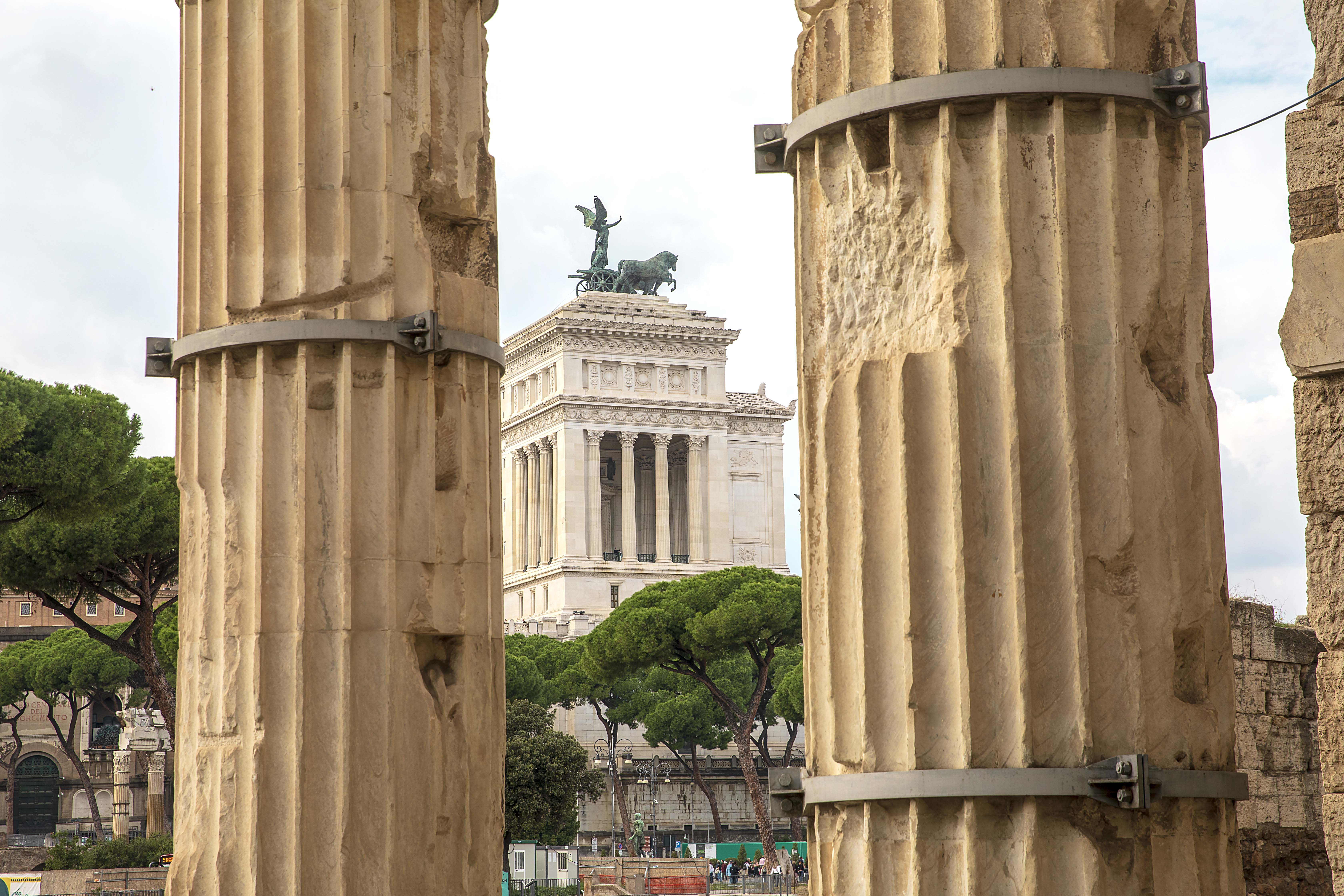
Adjacent to the Roman Forum stands a massive monument crowned by a giant chariot and flanked by two enormous Italian flags. Known as the Monument to Victor Emmanuel II, it honors Italy’s first king and commemorates the soldiers who fought in the First World War.
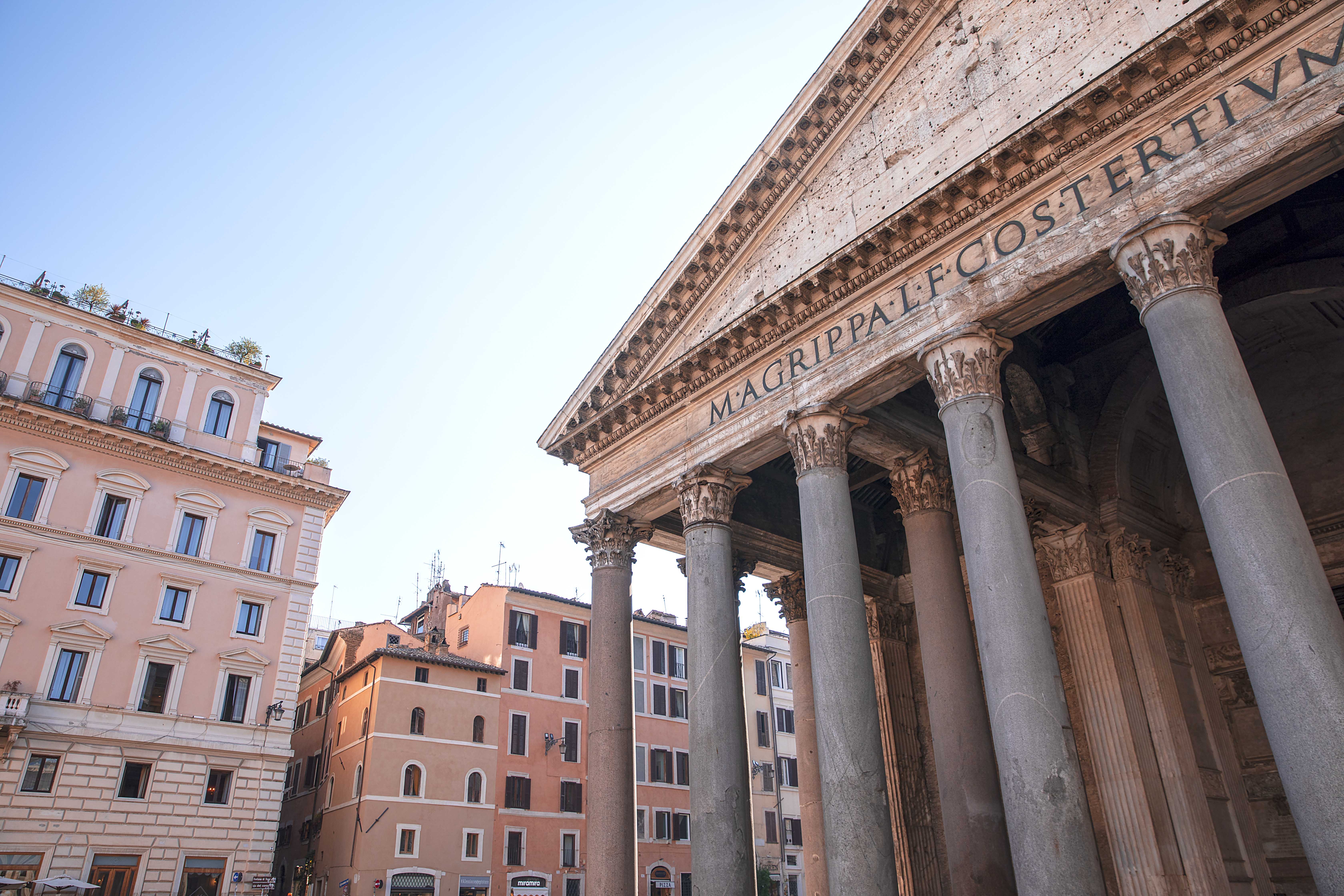
As mentioned earlier, Rome is a wonderfully charming city to explore on foot. Although there are subway lines, public transportation is often unnecessary. From the Monument to Victor Emmanuel II, you can walk for about fifteen minutes to reach one of the most significant and best preserved monuments of ancient Rome, the Pantheon. Built in the second century during the reign of Emperor Hadrian, it was originally a temple dedicated to all Roman gods and remains a must see landmark in the city.
Unfortunately, even early in the morning, you are likely to encounter a long line outside. Entry was once free, but as of October 2025, there is a five euro fee to visit the interior. One fascinating fact is that from the year 128 until 1436, when Florence Cathedral was completed, the Pantheon held the record for the largest brick and mortar dome in the world.
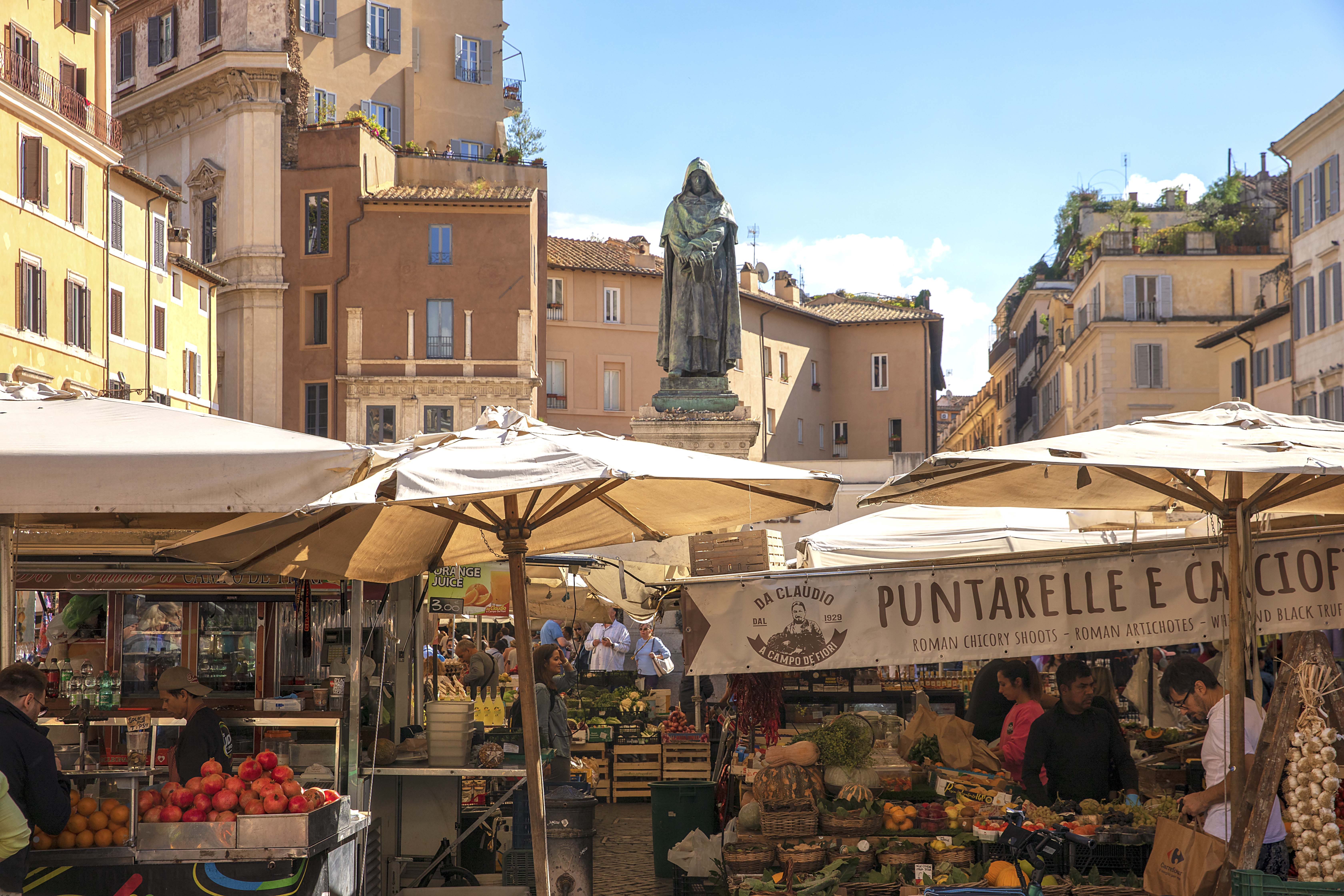
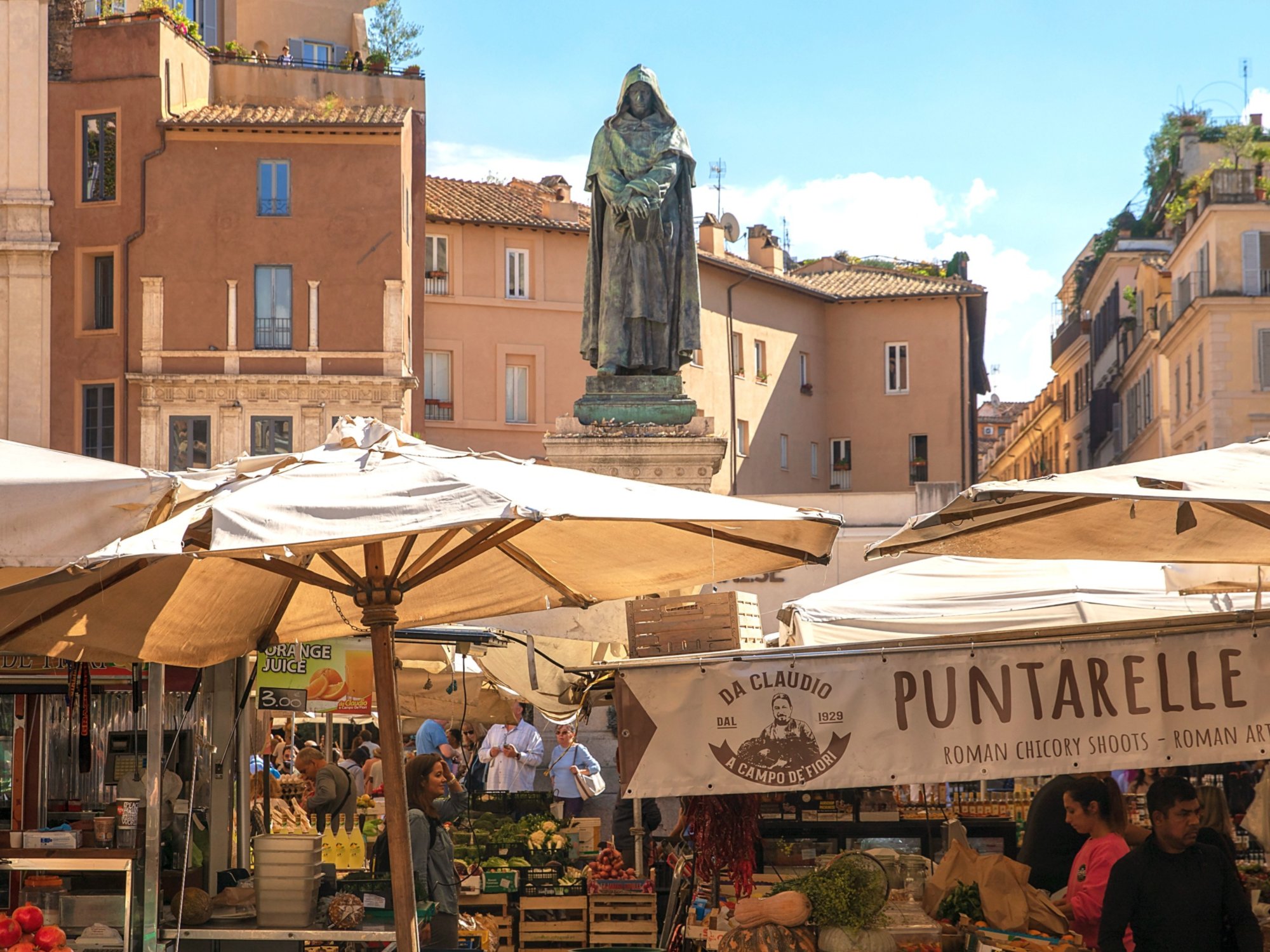
One historic square in Rome is known to locals for its lively daily market, where you can find flowers, fresh produce, souvenirs, and more. Yes, you could enjoy a freshly squeezed pomegranate juice while wandering the stalls, but my visit had a different purpose. Campo de’ Fiori, which means “Field of Flowers”, was once a green meadow in the Middle Ages. Its fame today, however, comes from a darker history. This is the very square where Giordano Bruno was executed by burning at the stake in 1600 after being condemned by the Roman Inquisition for heresy. Bruno believed that the universe is infinite, with countless worlds beyond Earth, that stars are distant suns possibly with their own planets, and, most importantly, that religious dogma should not limit philosophical inquiry. Although he was given a chance to renounce his beliefs, he refused. Today, his statue stands proudly in the center of the square, and I was there to honor his courage and unwavering pursuit of truth.
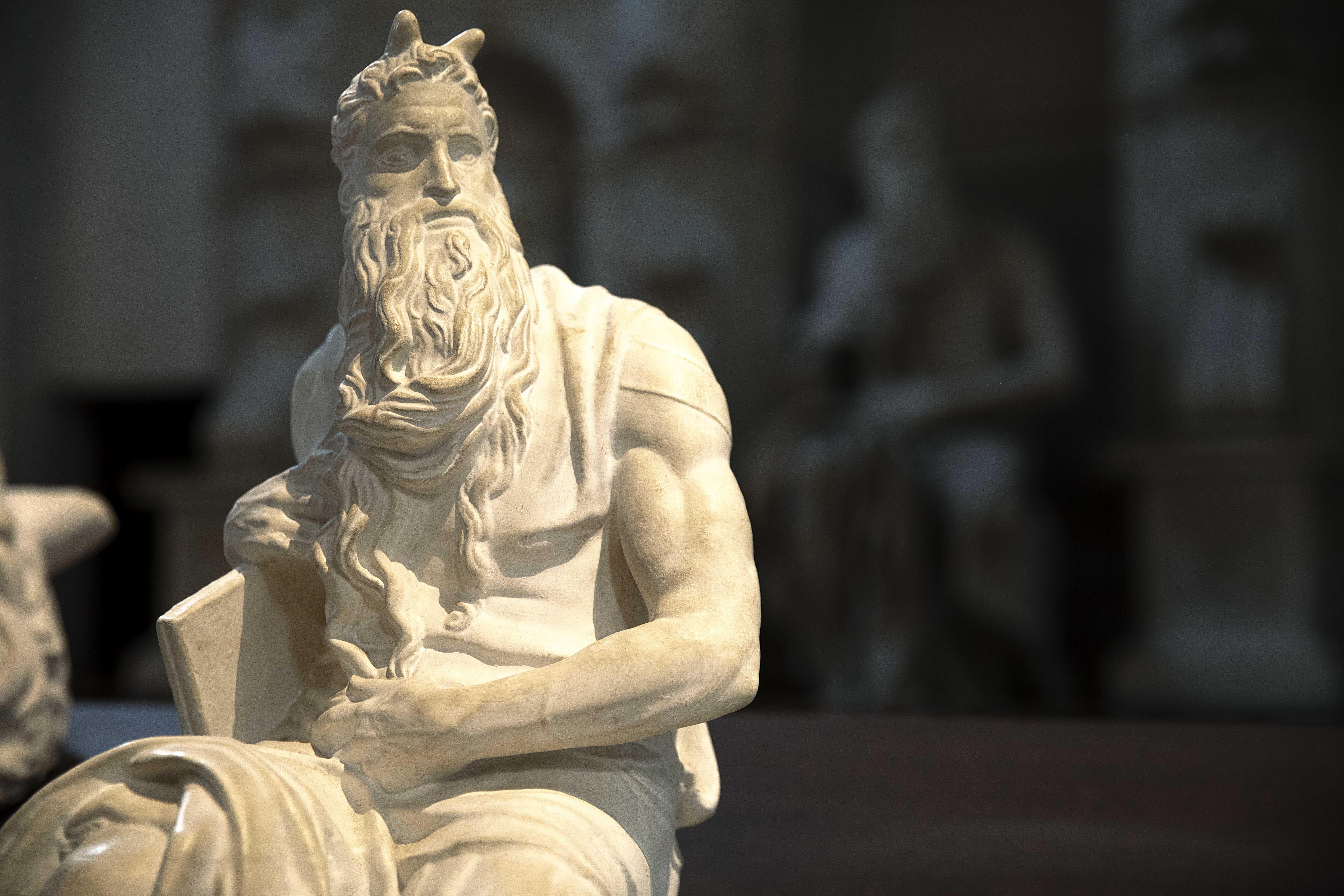
In Rome, it is common to stumble upon the work of some of the greatest artists around almost every corner. In the Basilica of San Pietro in Vincoli, visitors can admire Michelangelo’s stunning statue of Moses, as well as see the chains that were used to tie St. Peter. Best of all, there is no ticket required to enter. It is completely free.
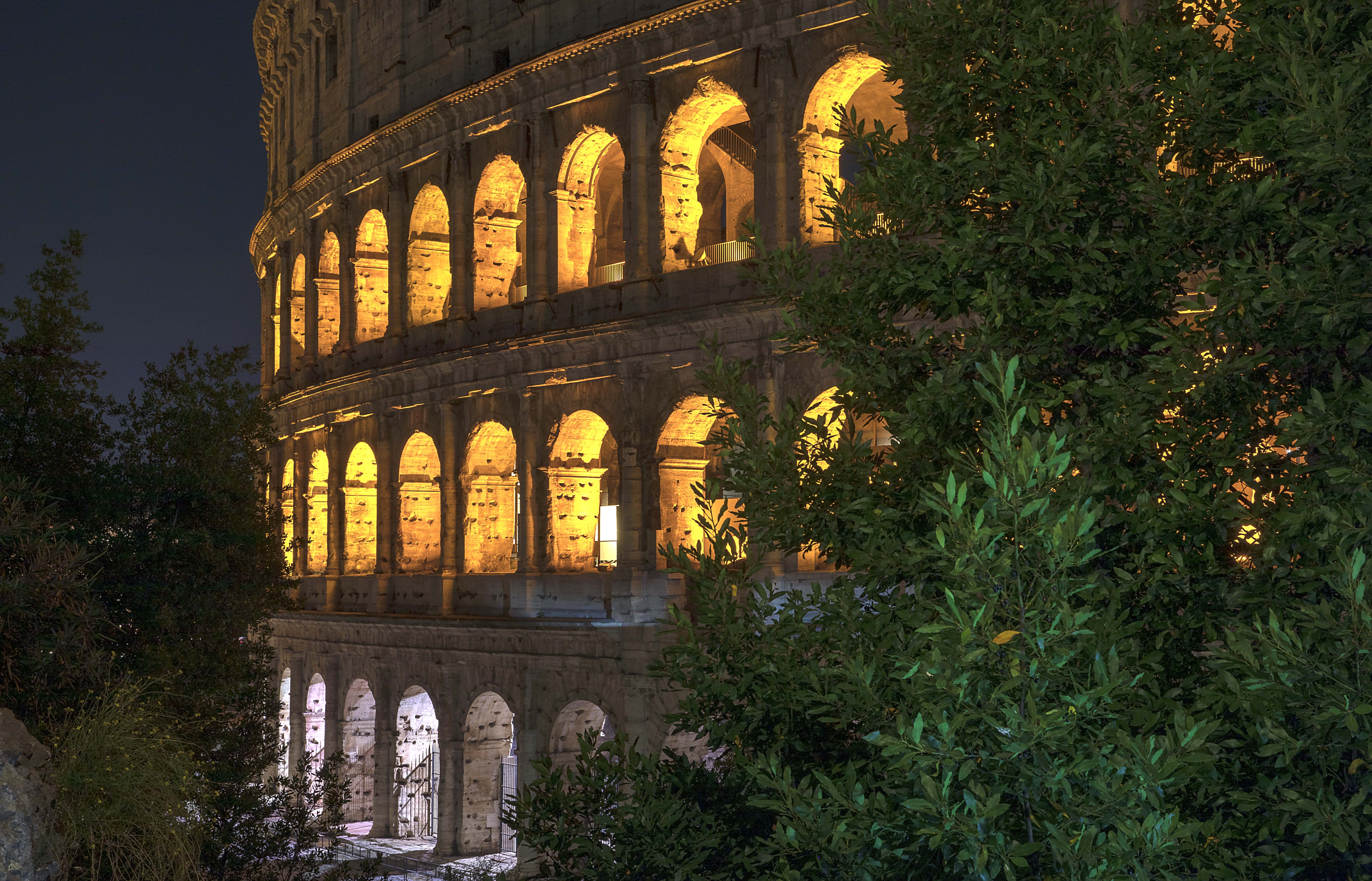
Of course, no visit to Rome is complete without seeing the Colosseum. This iconic landmark requires advance booking to go inside. We didn’t get a chance to enter, but for a great photo, I recommend Via Nicola Salvi near La Biga Wine Food. Another excellent viewpoint is from Ponte degli Annibaldi, which offers stunning night shots. Did you know that the Colosseum could hold up to 80,000 spectators, and the entire arena could be emptied in just 10 to 15 minutes? The games were free for Roman citizens, serving as the ultimate “bread and circuses” strategy for emperors to maintain popularity.
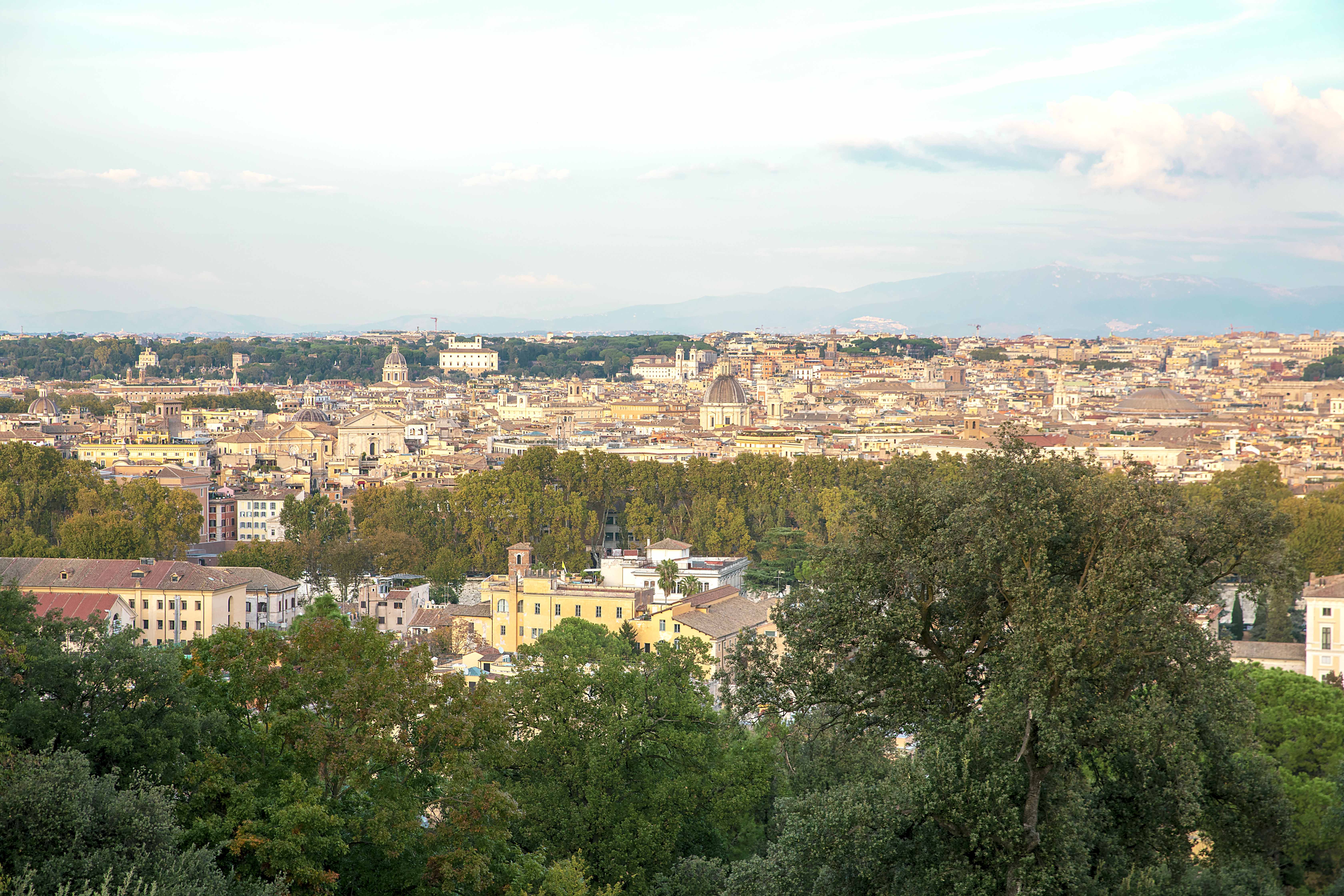
Trastevere is a neighborhood that might go unnoticed by some travelers, but it is well worth exploring. Quieter than the city center, it offers rich historical elements, charming medieval streets, and a very walkable atmosphere. In our case, after visiting the Embassy of the Sovereign Military Order of Malta to the Holy See (which I will mention later) and the Basilica di Santa Maria in Cosmedin, home to the famously popular Mouth of Truth, a “legendary” Roman lie detector, we crossed the Ponte Palatino into Trastevere. While the church itself is far more impressive than the Mouth of Truth, the line for photos at the mouth is usually long. From there, continue walking to the Passeggiata del Gianicolo, or Janiculum Hill, for breathtaking sunset views of Rome from above. It is a bit of a climb, but the panorama makes it completely worth the effort.
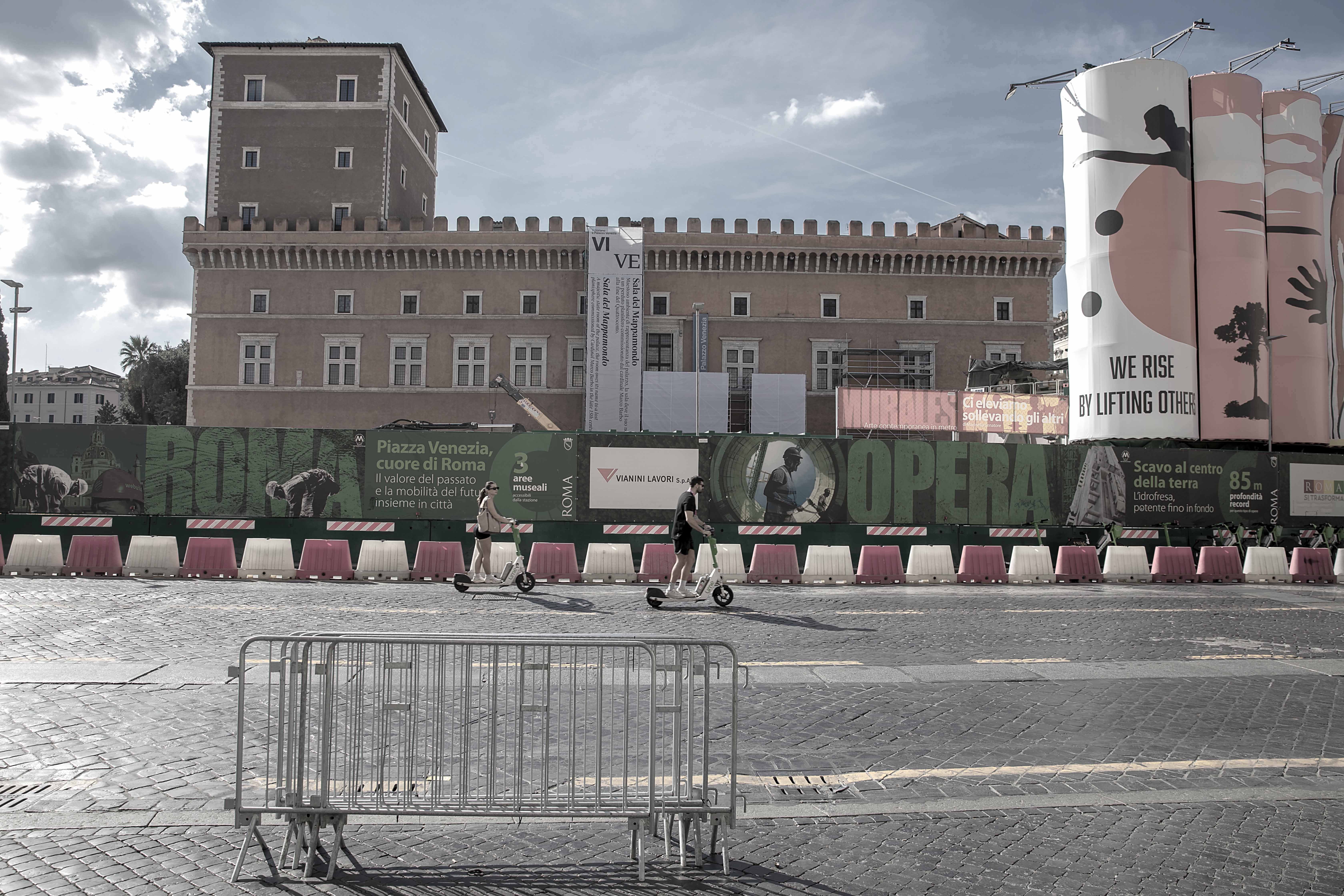
You may see a picture that seems ordinary at first, but it shows the famous National Museum of the Palazzo di Venezia. The window in the center is where Benito Mussolini once appeared on the balcony to address the crowd. This particular moment was during the celebration of the 13th anniversary of the founding of the Italian Fasci of Combat on March 23, 1932 in Rome.
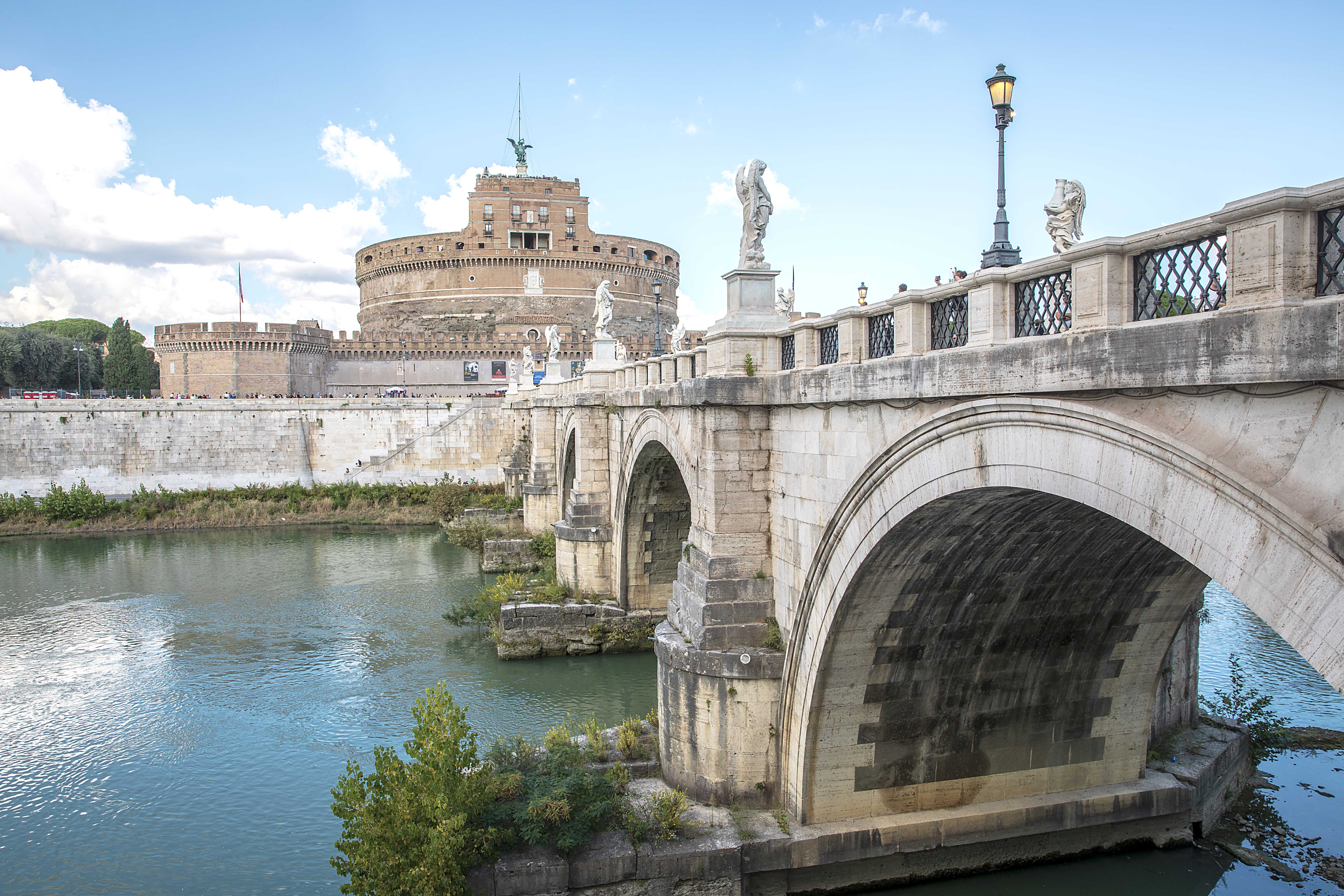
It is now time to visit a tiny city-state within Rome. Start by taking Corso Vittorio Emanuele II, and make a stop at the Ponte Sant’Angelo to capture some photos of Castel Sant’Angelo. From there, follow Via della Conciliazione, which will lead you directly to Saint Peter’s Square.
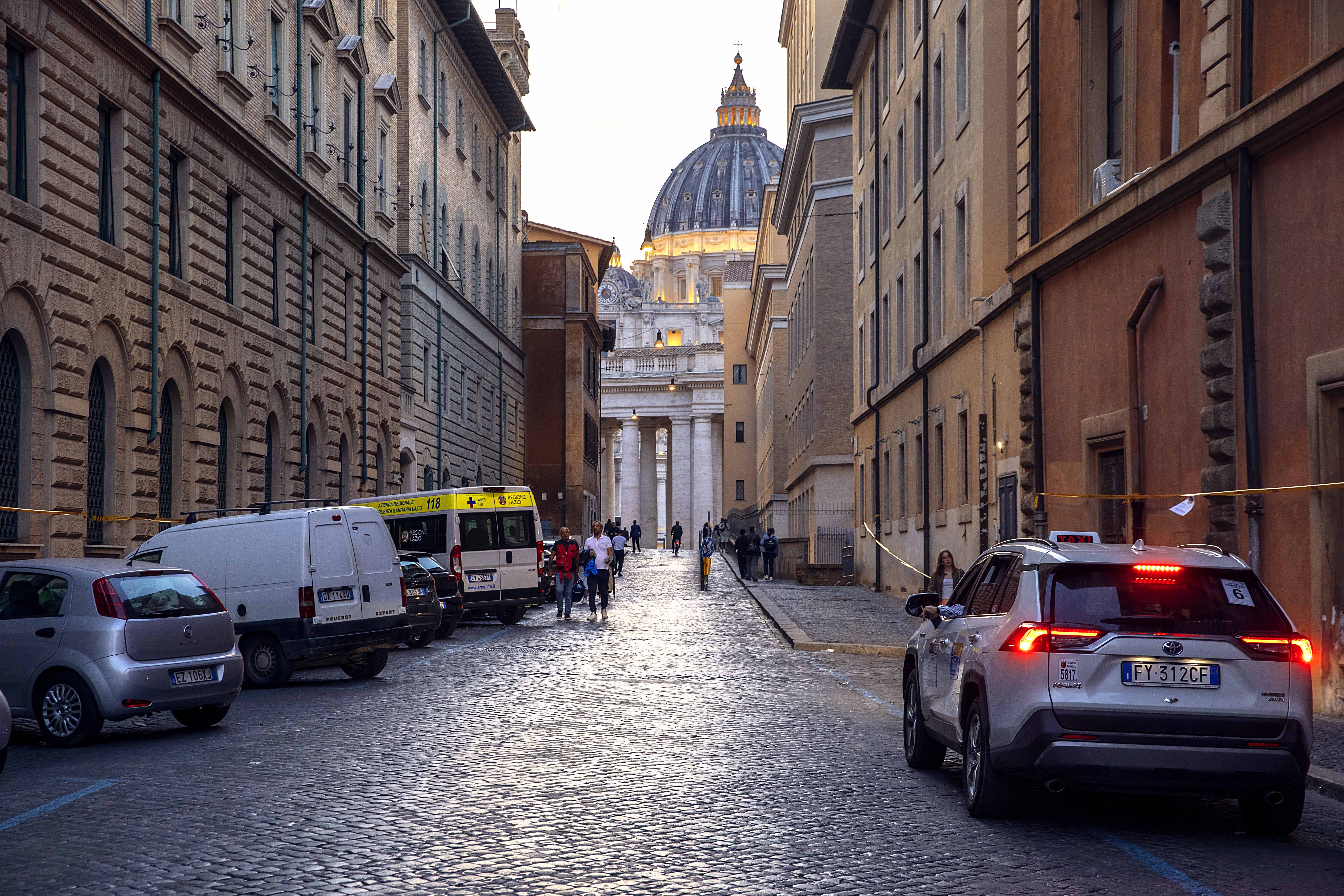
There are a few must-do experiences in Vatican City, and visiting the Vatican Museums and Saint Peter’s Basilica is certainly at the top of the list. Entry to the basilica is free, but you need to book in advance to visit the museums.
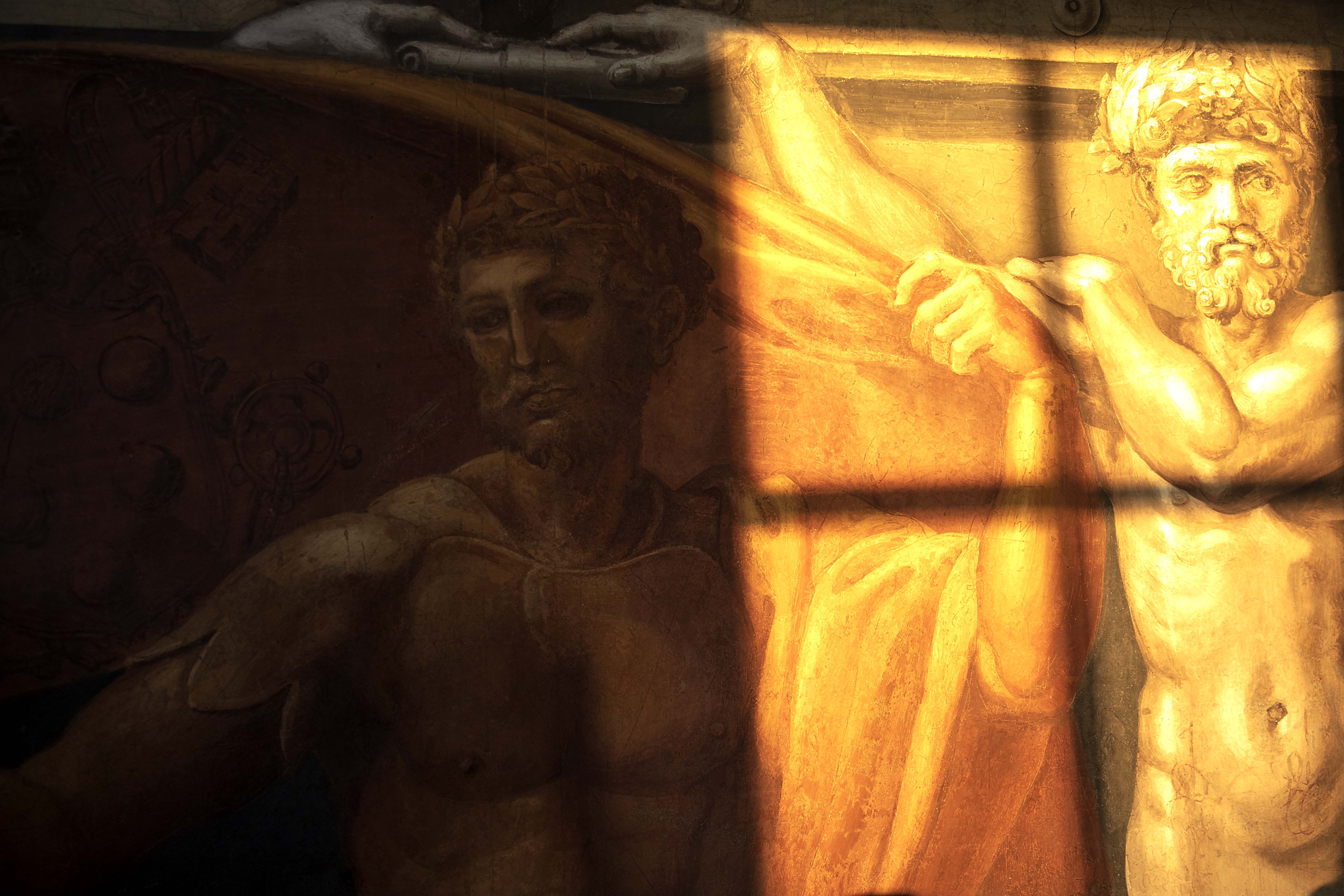
I recommend taking a guided tour of the Vatican Museums, as the collection is vast and a guide can provide valuable insights that make the experience far more memorable. If you follow the standard path from the museum entrance to the Sistine Chapel, you will walk through centuries of history, so extensive that it could wrap around the Vatican walls four and a half times.
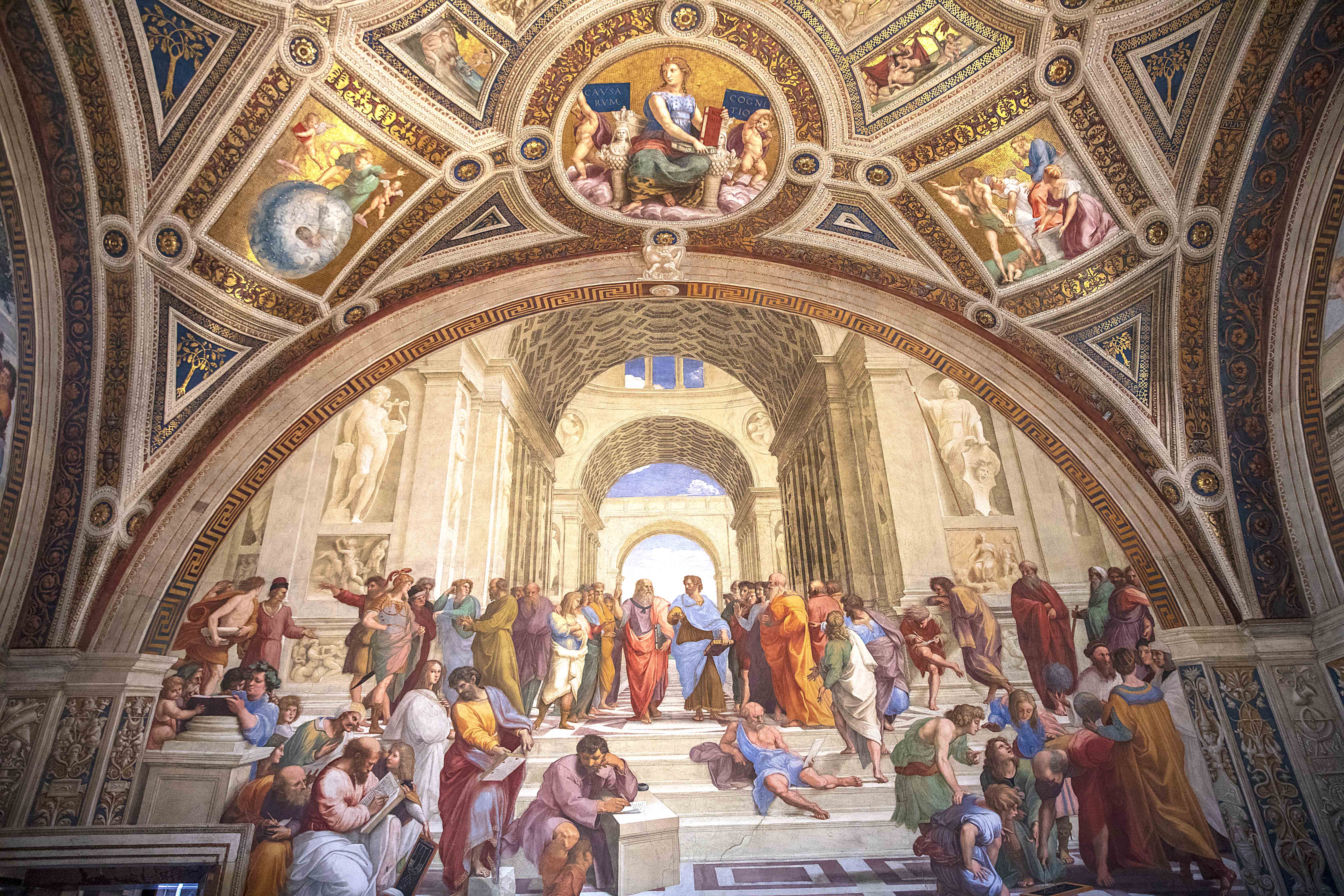
I am sure you have seen Raphael’s famous The School of Athens in many books. The actual fresco, arguably the second most famous in the Vatican, is displayed on the wall of one of the galleries in the Vatican Museums. One detail I had never noticed before is on the far right side, where a young man in a black beret looks directly at the viewer. That is Raphael himself, subtly “signing” his masterpiece. Here are the key figures in the painting:
The Center (The Titans)
- Plato (Left): The older man with the long grey beard pointing his finger to the sky. He holds his book Timaeus. Raphael used Leonardo da Vinci as the model for Plato.
- Aristotle (Right): The younger man in the blue and gold robes, gesturing toward the ground with his palm down. He holds his book Nicomachean Ethics
The Left Side (Lower & Middle)
- Socrates: Located in the middle-left, wearing olive-green robes. He is seen counting out arguments on his fingers to a small group of attentive students.
- Pythagoras: Sitting in the bottom-left foreground. He is the man vigorously writing in a large book, surrounded by students studying a slate that shows harmonic scales.
- Epicurus: To the left of Pythagoras, wearing a crown of vine leaves (representing pleasure) and leaning against a pedestal while reading.
- Averroes: The man in the white turban leaning over Pythagoras’ shoulder. He was a 12th-century Islamic philosopher who helped preserve Aristotle’s works.
- Hypatia: Standing just behind and to the left of the center-left group. She is the only woman in the painting and is famously looking directly at the viewer.
The Right Side (Lower & Middle)
- Euclid (or Archimedes): In the bottom-right foreground. He is bending over, using a compass to draw a geometric shape on a slate. Raphael used his friend, the architect Bramante, as the model.
- Ptolemy: Standing with his back to the viewer, wearing yellow robes and holding a terrestrial (Earth) globe.
- Zoroaster: Standing facing Ptolemy, holding a celestial (Star) globe.
- Raphael (Self-Portrait): To the far right, standing next to Zoroaster. He is the young man in a black beret looking directly at the viewer.
The museum tour concludes at the Sistine Chapel, where you can see one of the most breathtaking paintings ever created, Michelangelo’s Creation of Adam. I did not take any pictures inside, as photography is strictly forbidden, although, unfortunately, there are always some visitors who disrespect the rules and disturb the chapel’s serene atmosphere.
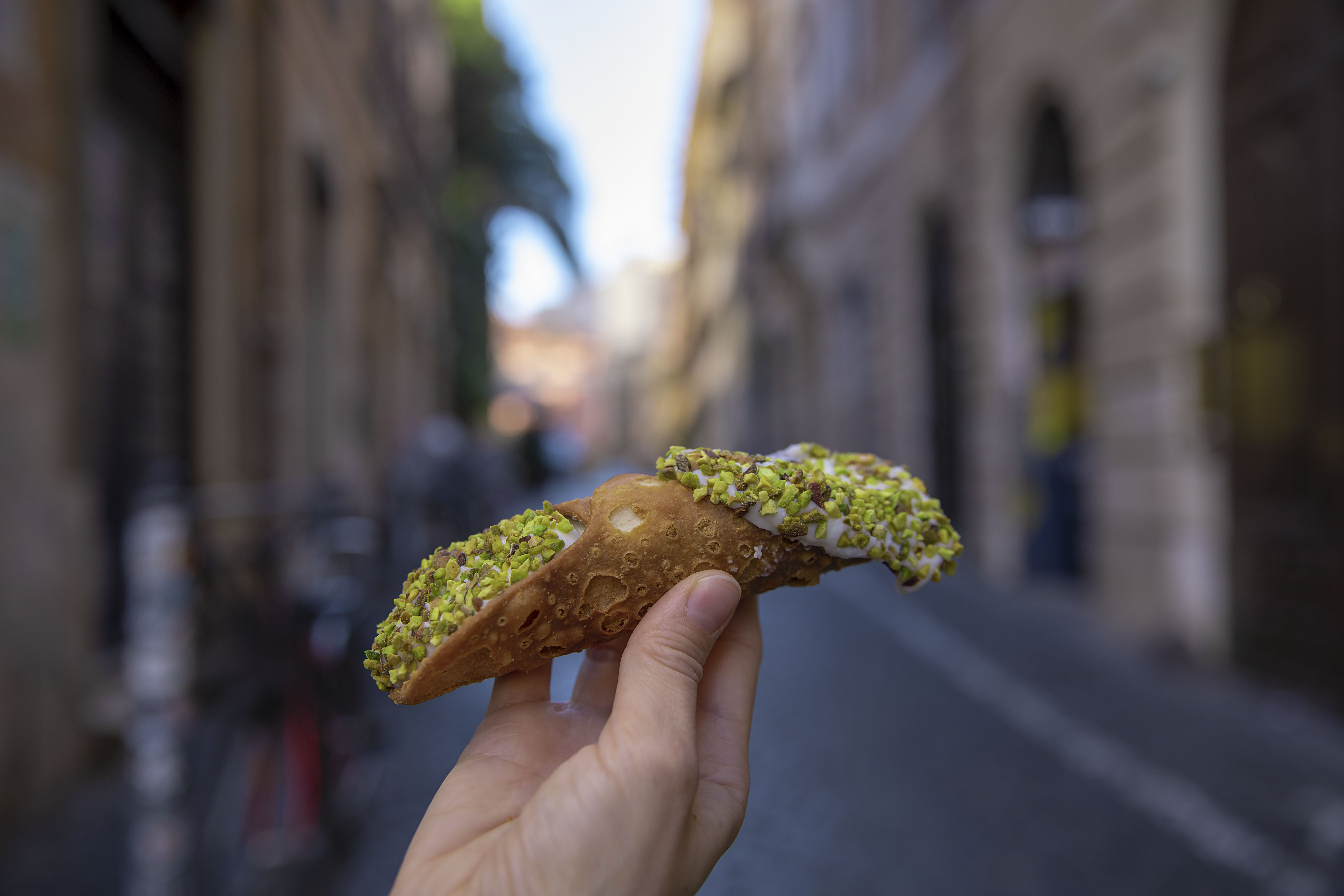
Let me share a few local spots where you can grab some delicious bites without falling into tourist traps:
Pain Sandwich Focaccia: Amazing sandwiches and incredibly delicious cannoli.
Supplizio: Famous for their fried rice balls.
Scialla The Original Street Food: Offers traditional pasta dishes and pizza pies.
Gelateria La Romana dal 1947: Serves some of the best Italian gelato in the city.
Two Sizes: Offers five flavors of tiramisu, perfect for a sweet treat.
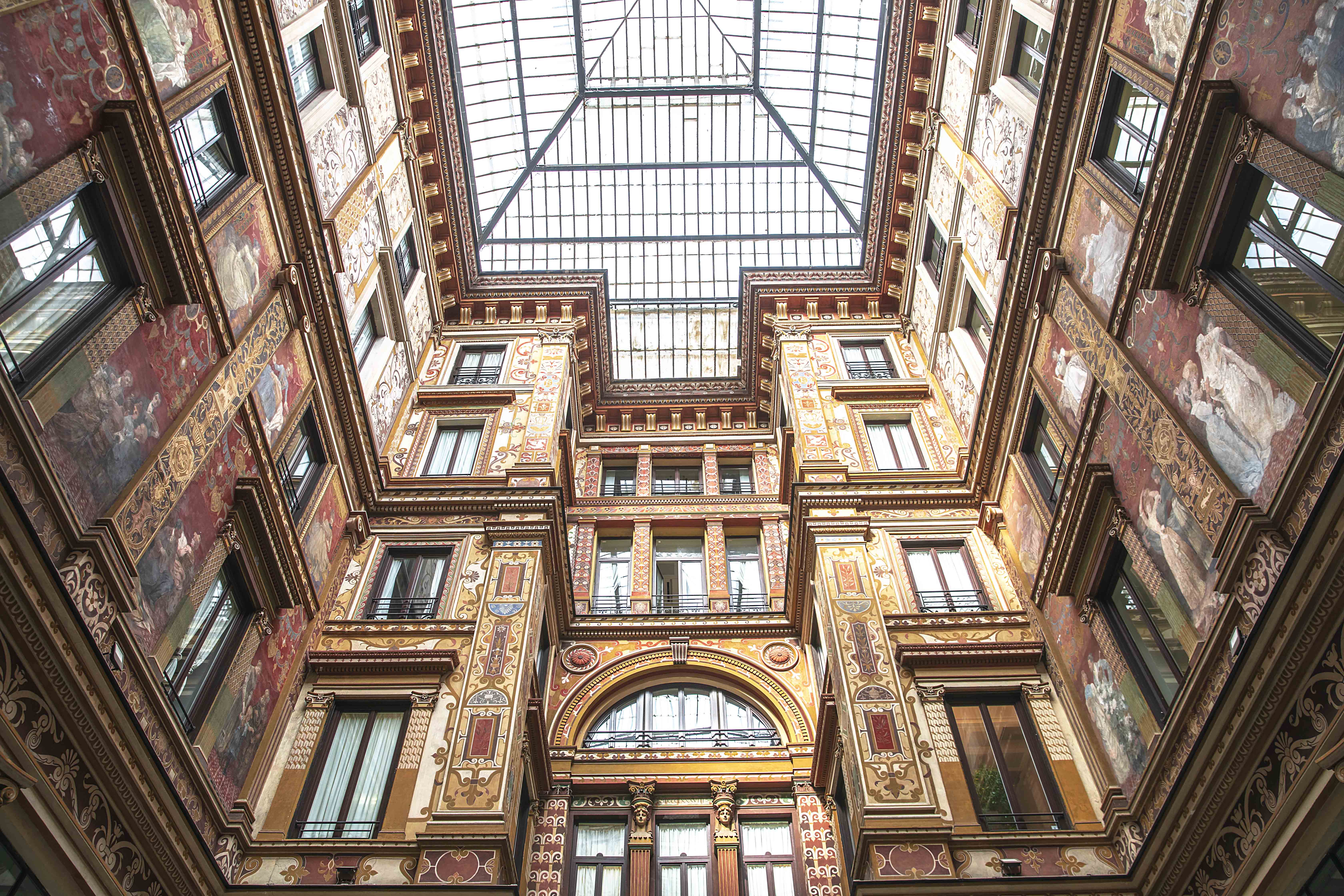
On the last day of our trip to Rome, before catching the train from Roma Termini to Florence, there was one more place we had to visit, and we had saved it for last.
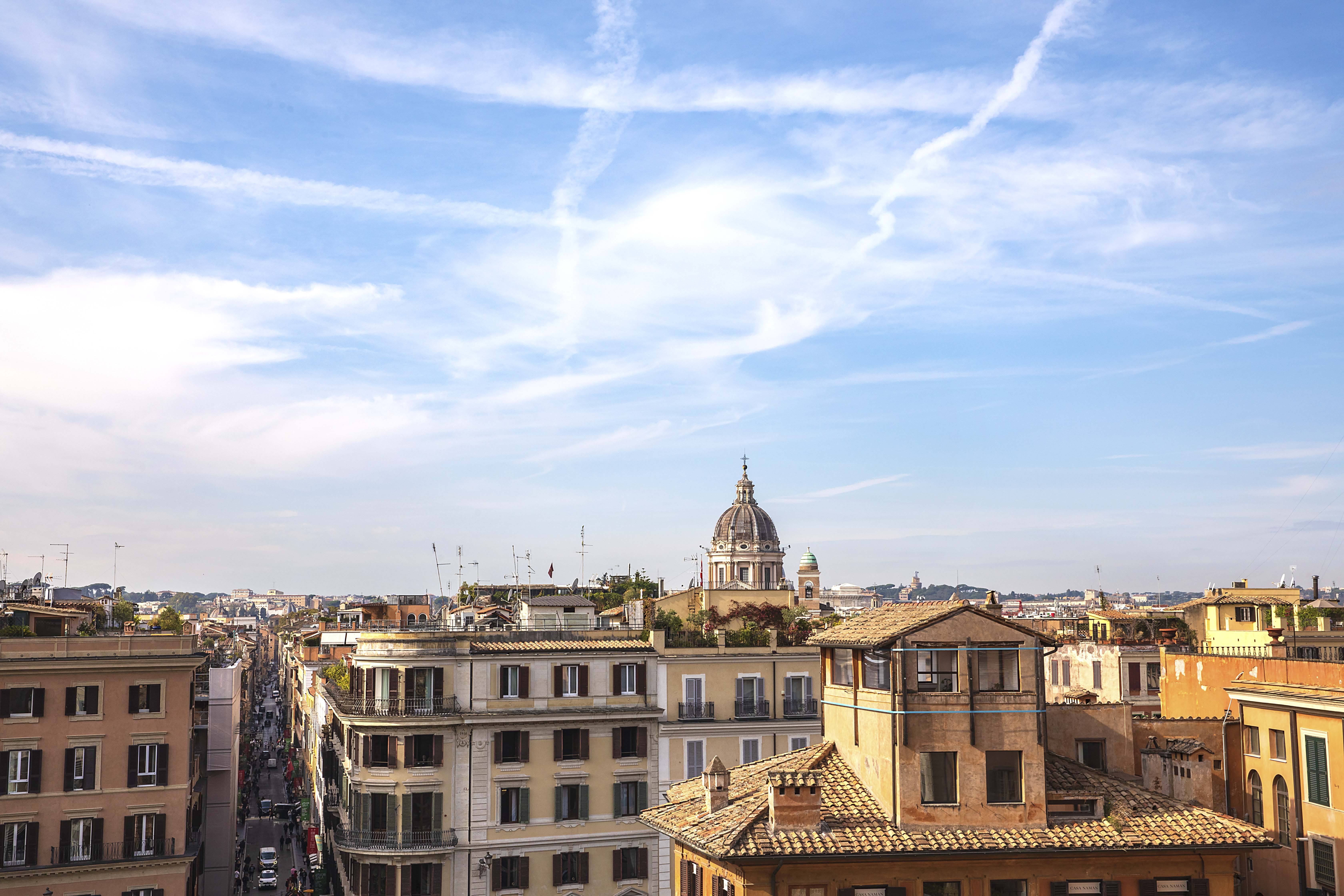
Let’s make our way there slowly, passing Galleria Sciarra, the Trevi Fountain (best admired from a distance due to the overwhelming crowds), and the Scalinata di Trinità dei Monti, better known as the Spanish Steps.
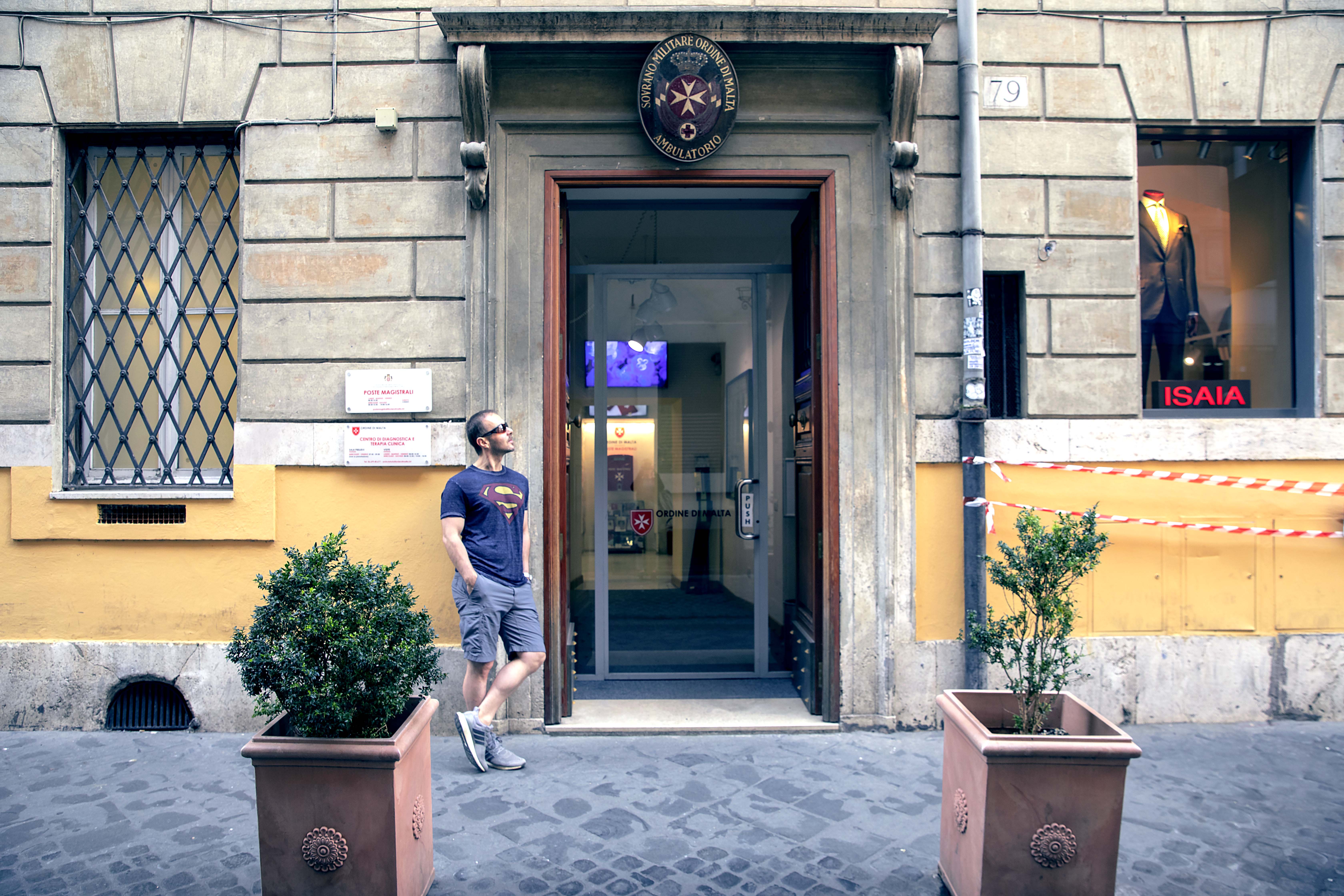
Now we are at the doorstep of one of the most unique entities in the world. Welcome to the Order of Malta (Ordine di Malta). The order was founded in 1048 in Jerusalem as a hospital to care for pilgrims of all faiths. It later became a military power and conquered the island of Rhodes in 1310. In 1530, Emperor Charles V of the Holy Roman Empire granted them Malta for the symbolic price of one falcon per year. After Napoleon Bonaparte expelled them from Malta in 1834, they settled permanently in Rome. Today, the order functions like a country without an actual territory. It has its own constitution, issues passports, prints stamps, and maintains diplomatic relations with over 110 countries.
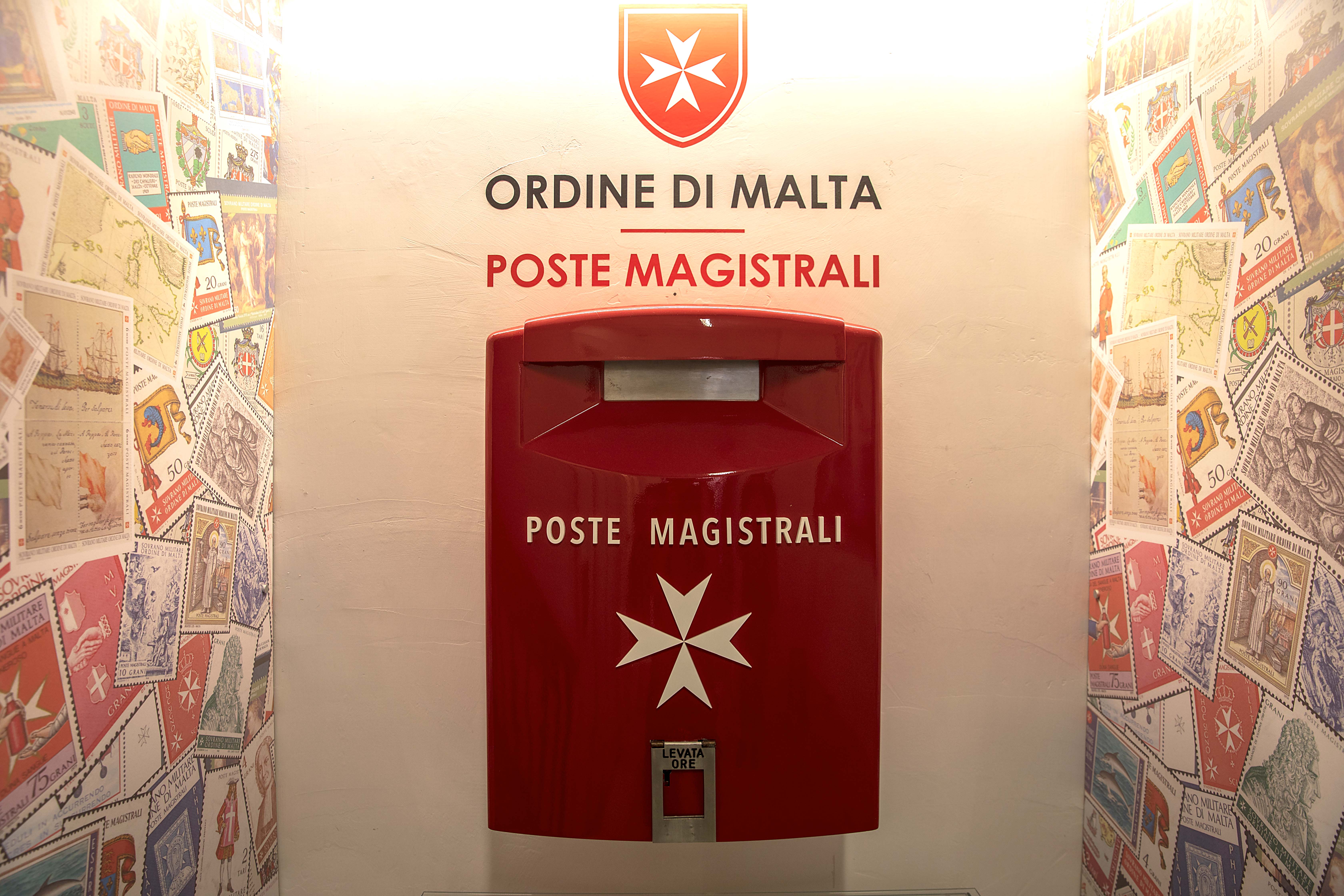
But the best part comes next. You can visit the post office of the Ordine di Malta at Via delle Carrozze 79, 00187 Rome, where you can buy postcards, elegant coins in beautiful presentation boxes, or simply send a postcard to yourself. Visitors enter the building in small groups, or one at a time, guided by security. The second floor, where the post office is located, is staffed by extremely friendly and helpful people who love to chat. We had a wonderful conversation with them. In the end, we did not purchase the expensive gold or silver coins, but we got some stamps and sent ourselves postcards. For more details, check out this video from Yes Theory.
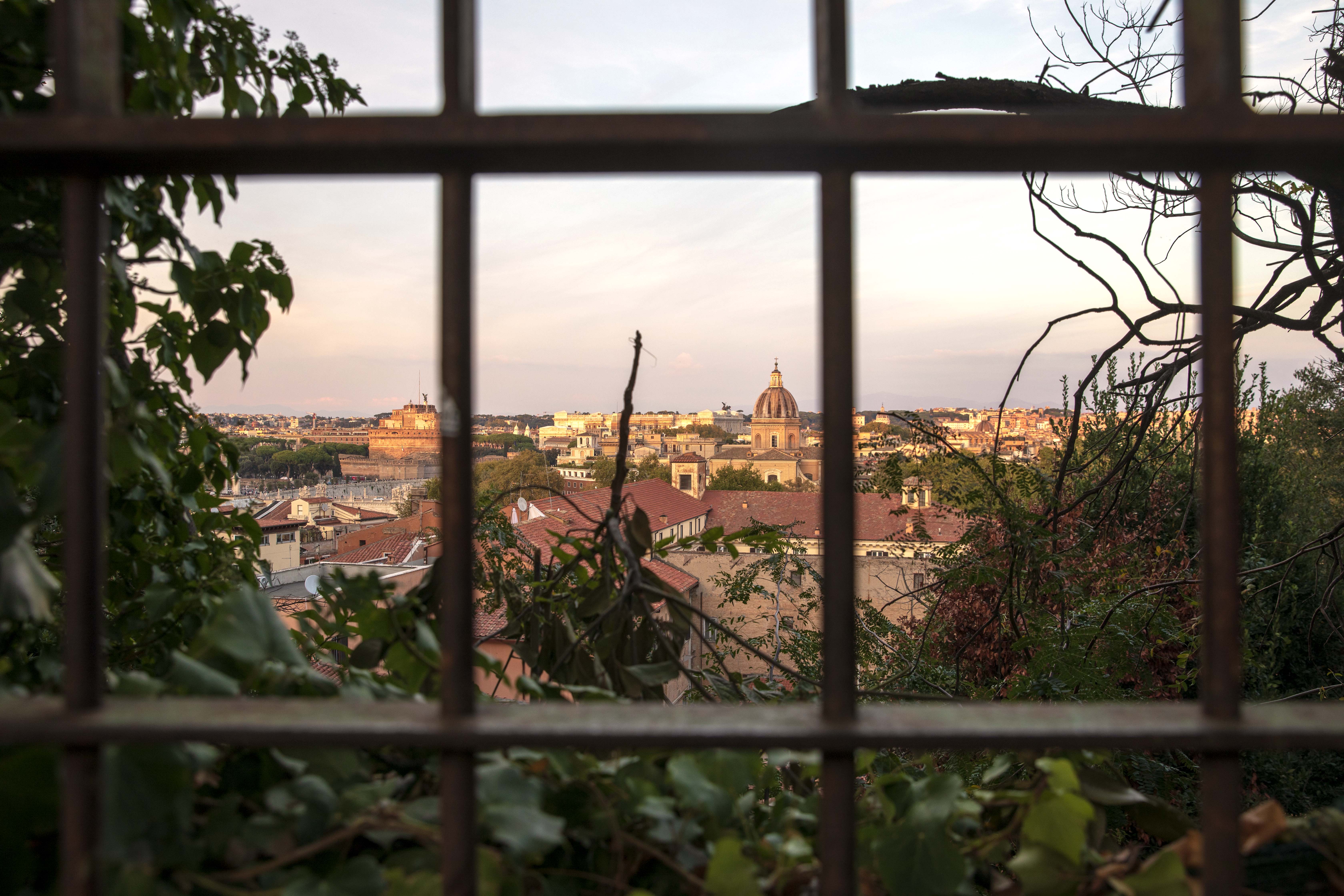
Here we are at the end of another journey. In my view, Rome is absolutely worth a visit, though I would recommend traveling during a quieter month to avoid the crowds. It is also a good idea to check that no major events coincide with your visit. Finally, one of the highlights of our trip was meeting my Italian friend from San Francisco in Rome, which added a truly personal and memorable touch to our experience. I guess that is all there is to it in the end. We forget the places we visit, the coffee shops where we sip our drinks, and the restaurants where we eat. What we carry with us are the memories, and that is what makes life something to truly appreciate.
 Huseyin Karadeniz | Travel & Photography Journal