
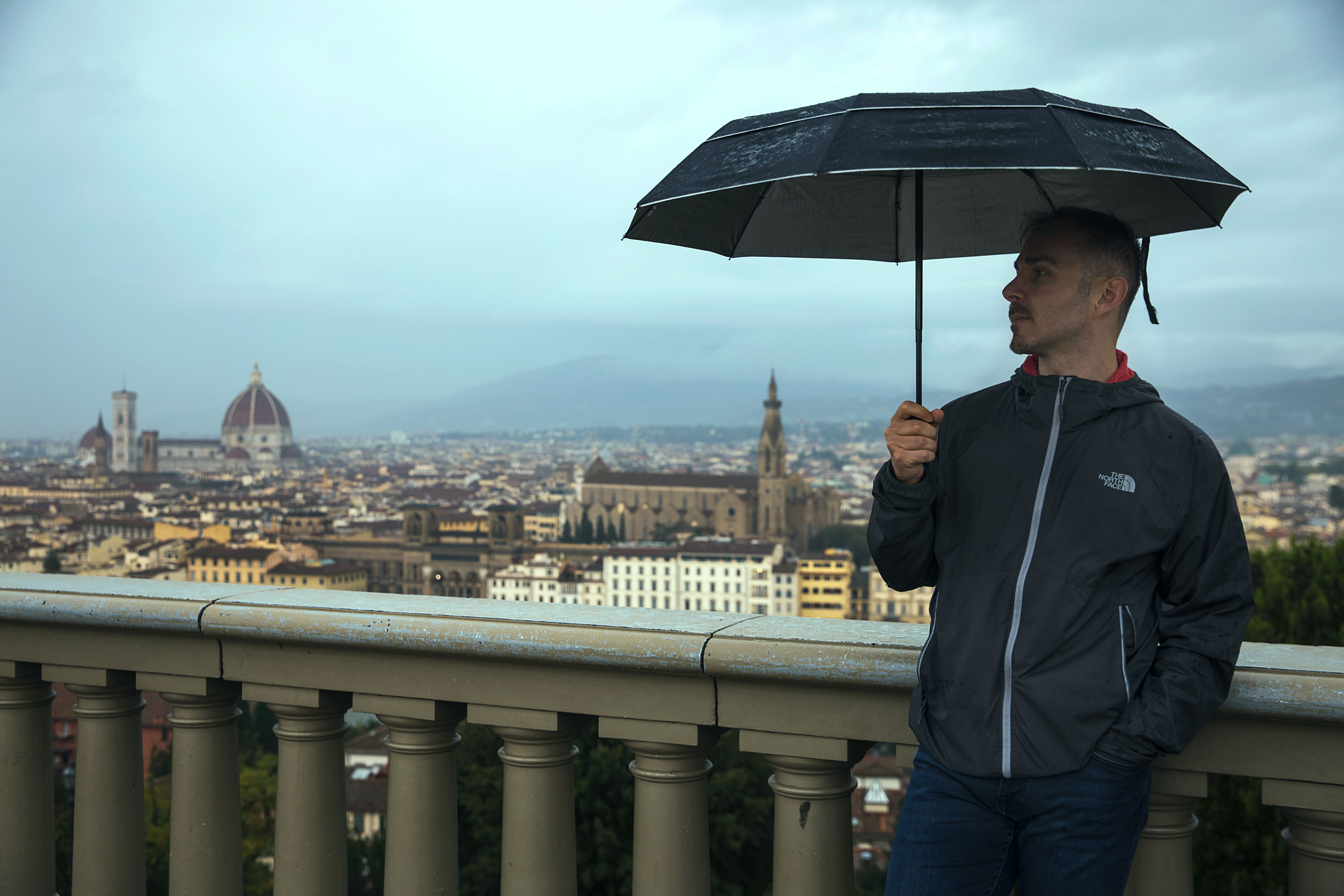
I have been criticized quite a lot in my life for many reasons, of course most of them nonsense, but there is one comment my Italian friends never stopped throwing at me: how have you been to that many places and never set foot in Italy?
I avoided visiting Italy for a long time, and it was intentional. I was saving it for last. Like a delicious cake, you enjoy every bite but always keep your eye on the cherry on top. For me, Italy was that cherry. After a while, though, I started to wonder why wait. What is the point of saving something special for the end? Why not savor it when the moment feels right? Apparently, I could 😊
So after waiting long enough, I packed my bags and headed to the heart of the Renaissance, the birthplace of the Roman Empire, one of the most historically rich countries on Earth. Let us get ready and jump into the journey.
Oh, and do not forget an umbrella. It is going to rain. And honestly, there is no better feeling than raindrops falling in the old town while you wander its streets and embrace every corner.

We decided to go to Italy in October, hoping it would not be too crowded, although the picture above might suggest otherwise. Despite the rain and slightly chilly weather, Florence was still packed with tourists from all over the world. Even so, none of this takes away from its charm.
Florence is a dream city for many people, so it is likely touristy year round. One suggestion though: if you are visiting during a busy season, make sure to plan and book everything in advance. Otherwise, it can be extremely challenging to find a hotel you like or tickets for museums. For example, we stayed not far from the main train station, Firenze Santa Maria Novella, at a place called 1 Suite Firenze. Even though we booked weeks ahead, availability was already very limited.
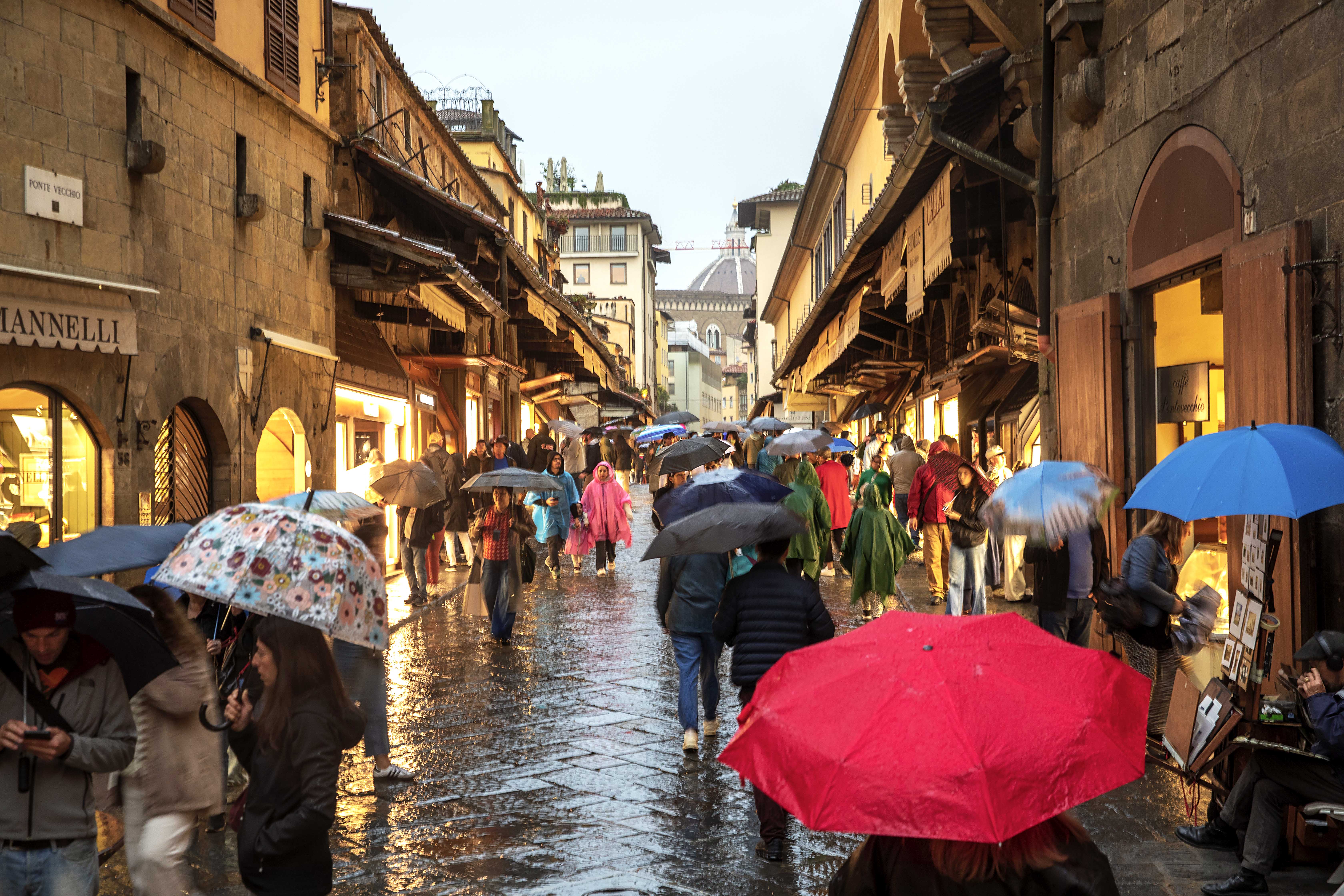
Florence is a small city, so two days should be enough unless you plan to spend a lot of time in museums. The city is overflowing with history, and you feel it at every corner. One example is the famous Ponte Vecchio, one of Florence’s main symbols. Built in 1345, it has stood for centuries, surviving floods, wars, and dramatic changes to the city. It was also the only bridge in Florence not destroyed during World War II.
Now imagine sunset in a medieval city in autumn, with rain in the air and warm yellow lights reflecting off stone streets. What more could you need for a heartwarming picture?
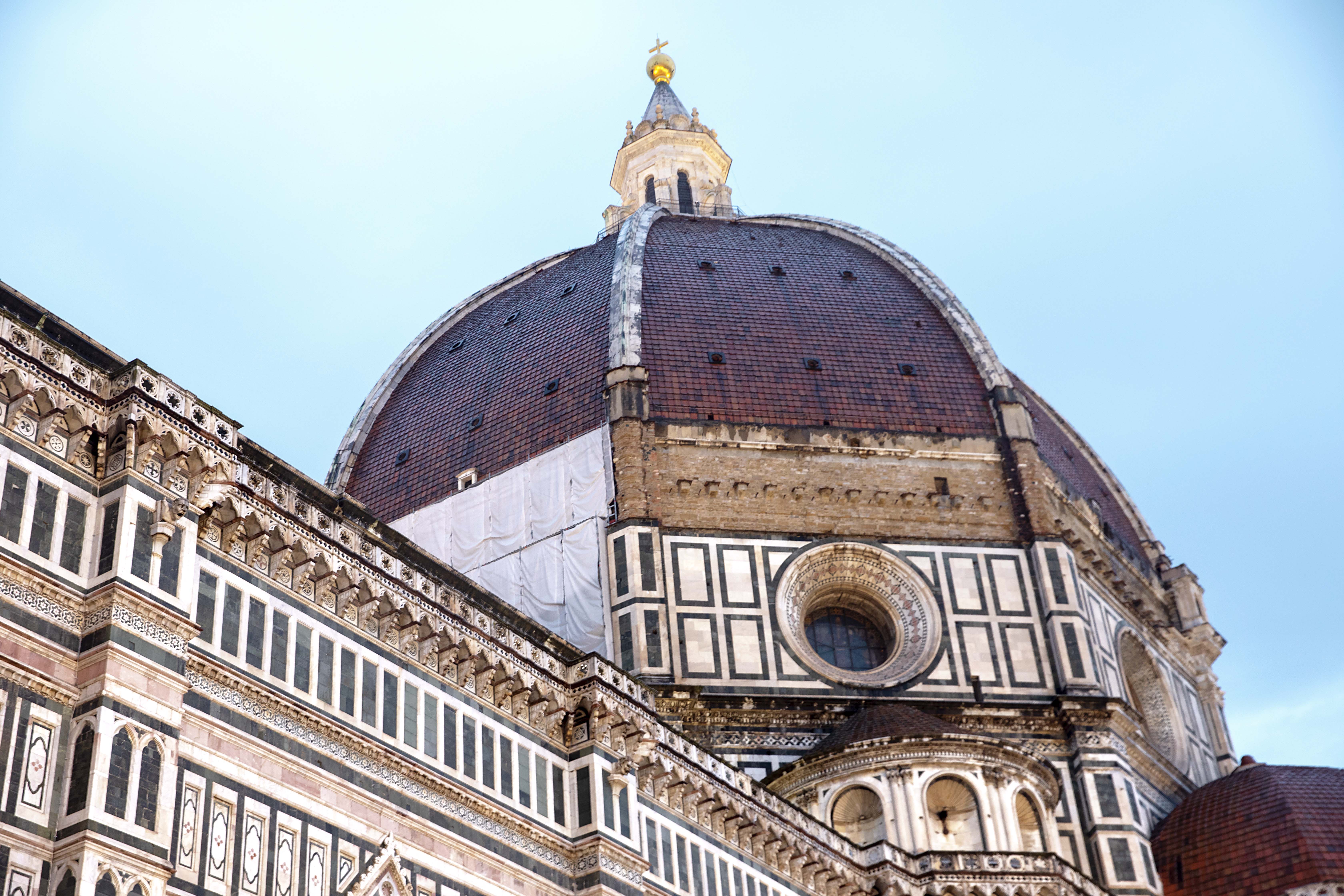
If you have seen pictures of Florence, you have probably seen the iconic Cathedral of Santa Maria del Fiore. This magnificent cathedral took about 140 years to build and truly represents the height of Renaissance ambition and ingenuity. Its dome, completed in 1436, was the largest in the world until 1871, when the Royal Albert Hall in London was built. We did not go inside, as the cathedral only allows a limited number of visitors at a time. That means you may have to wait in line for up to an hour to see the interior.

Now we sail a little south of the Florence Cathedral, passing under the watchful gaze of Neptune. Here we arrive at Piazza della Signoria.

Florence is a city of many great artists, and their mark can be seen everywhere, sometimes literally carved into its walls. For example, at the corner of the Palazzo Vecchio, right next to the sculpture of Hercules and Cacus, you might notice a small face etched into the wall. Most people miss it, but this was actually carved by Michelangelo. The reason is unknown, though there are some theories. One says that Michelangelo was often caught in conversation with a notoriously talkative man, and one day he carved the man’s portrait into the wall simply to pass the time.
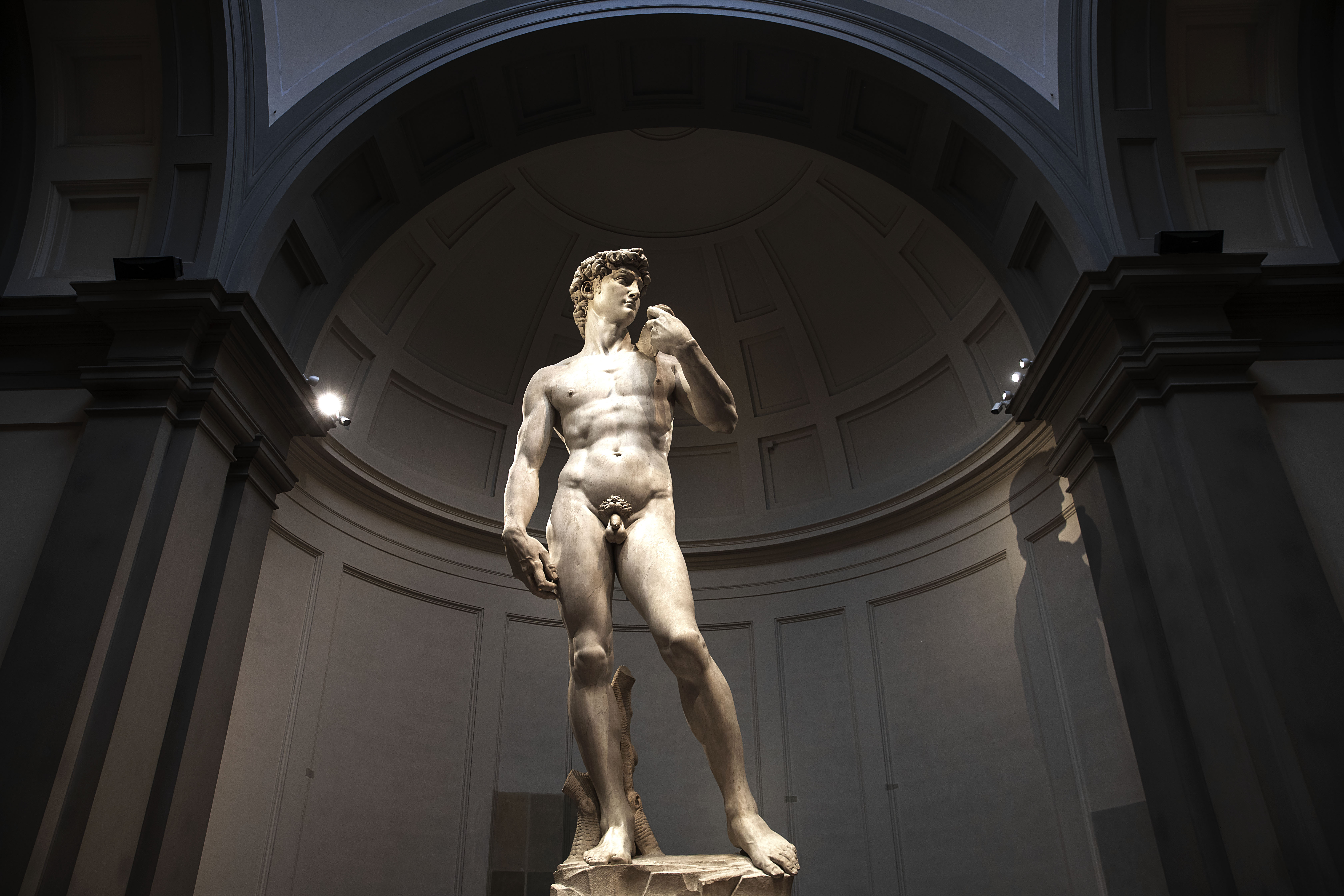
Speaking of Michelangelo, you know where we are headed next: David. A perfect combination of beauty, tension, symbolism, and humanity, every muscle, vein, and proportion feels alive, as if the marble itself is breathing.
If you want to visit David, you need to go to the Galleria dell’Accademia in Florence. It is one of the city’s most popular attractions. Although there is a separate line for walk-ins, I highly recommend purchasing your tickets days in advance to avoid disappointment.
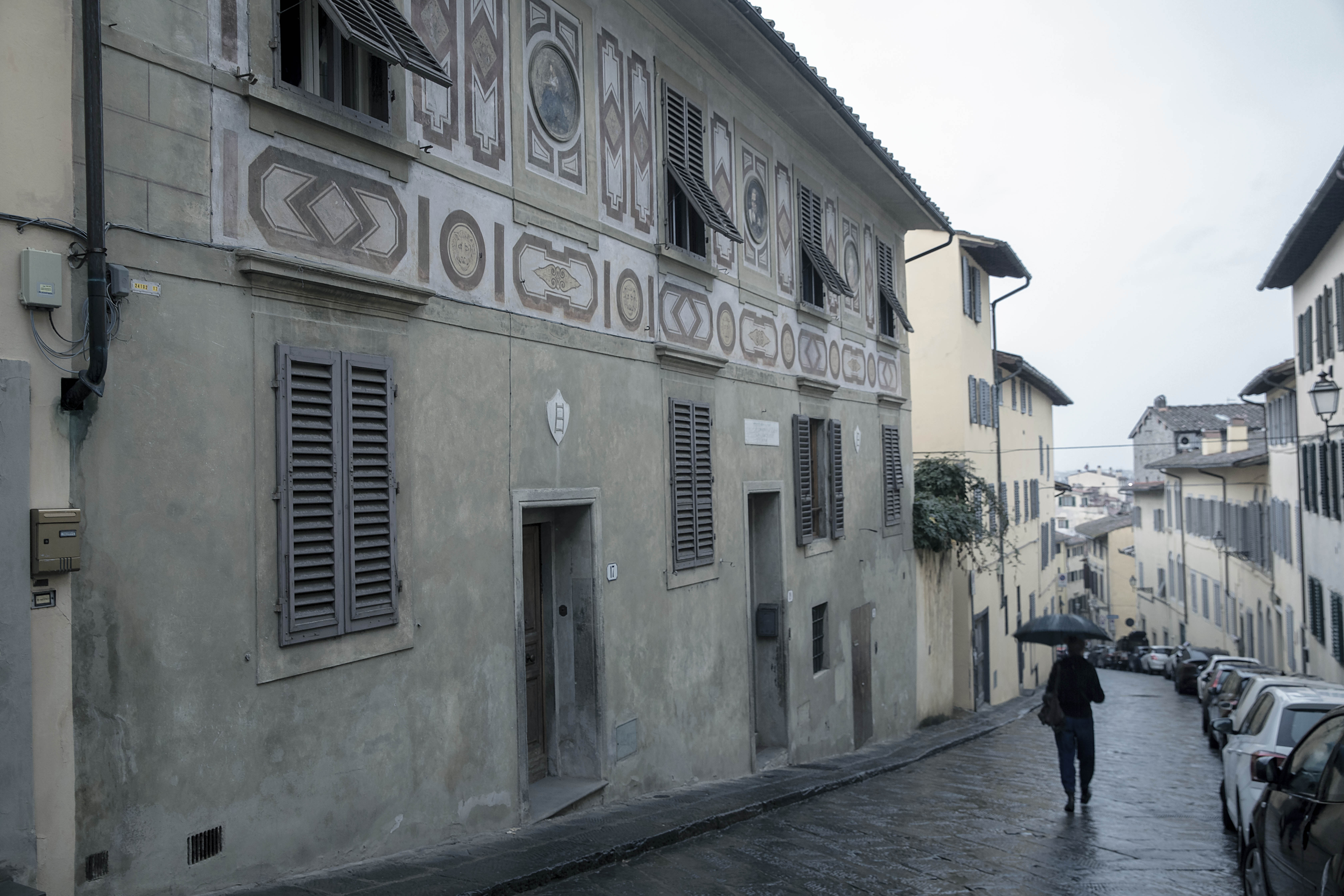
In Florence, you can hardly turn a corner without encountering the footprint of a genius. Among them was Galileo Galilei, one of history’s greatest minds, whose breakthroughs in astronomy and physics continue to shape our world. Standing before his former residence at Costa San Giorgio is a profound experience; there is an overwhelming sense of privilege in walking the same streets and looking up at the very walls where he lived. While this home marks his time in the city center, his final days were spent at Villa Galileo on Via del Pian dei Giullari, both serving as quiet monuments to a man who changed how we see the universe.

Although the rain was falling harder and harder, it didn’t stop us from exploring. Every corner of Firenze seemed to tell a story, and seeing famous figures everywhere made us even more eager to discover its treasures. Here is another remarkable site: the house of Dante Alighieri, the Father of the Italian language and author of The Divine Comedy. In his poem, Dante describes the soul’s journey through Hell (Inferno), Purgatory (Purgatorio), and Heaven (Paradiso). Standing here, surrounded by the beauty of Florence, it almost feels like a step into Paradiso, a glimpse of the light and wonder Dante envisioned.
I always remember Cahit Sıtkı Tarancı’s poem, which begins with “Thirty-five! That’s half the road. Like Dante, we are in the middle of life.” Unfortunately, Dante died at the age of 56, living in exile from Florence due to political conflicts. Like Galileo, Bruno, and many others, he shows how societies can so easily push aside great minds when genius challenges the system.
The house where he once lived is now a museum. You can visit it, though reviews suggest it may not be the most impressive experience.

One of the joys of traveling is discovering new things, or noticing little details you may have overlooked in life. For example, did you know that Geppetto, the elderly, impoverished woodcarver who creates Pinocchio and becomes his “father,” is actually from Tuscany? The original book, The Adventures of Pinocchio by Carlo Collodi, is set in the Tuscan countryside. In the very first chapter, Geppetto is shown living in a small, unnamed Tuscan village, giving the story its distinct regional charm.

So, what do you say, is it time for some food? In Florence, there is one dish you absolutely should not miss, Fiorentina, a thick T-bone steak from a traditional Italian breed of large white cattle. The steak is served rare so the meat stays tender and flavorful. Asking for it well done might not win you any friends with the restaurant staff 😀
Florence has plenty of great Italian restaurants, but one of the most popular is Trattoria Sabatino. It serves authentic Tuscan dishes, from Florentine steaks to pasta, all paired with excellent Tuscan wines. Be prepared, you might have to wait in line because it is very popular.
For a more casual experience, check out Il Mercato Centrale Firenze, a large food hall offering a wide variety of Tuscan specialties. It is a great place to sample local flavors and enjoy the vibrant food scene of the city.

Well, you surely would not want to miss the chance to try some Tuscan wines, would you? While walking around the city, you may notice small windows or little doors built into the walls of old buildings. These were originally used in the 16th and 17th centuries to sell wine directly to people on the street. Customers could receive their wine without entering the building, much like a drive-through (so American), which was especially convenient during times of plague or for quick transactions.
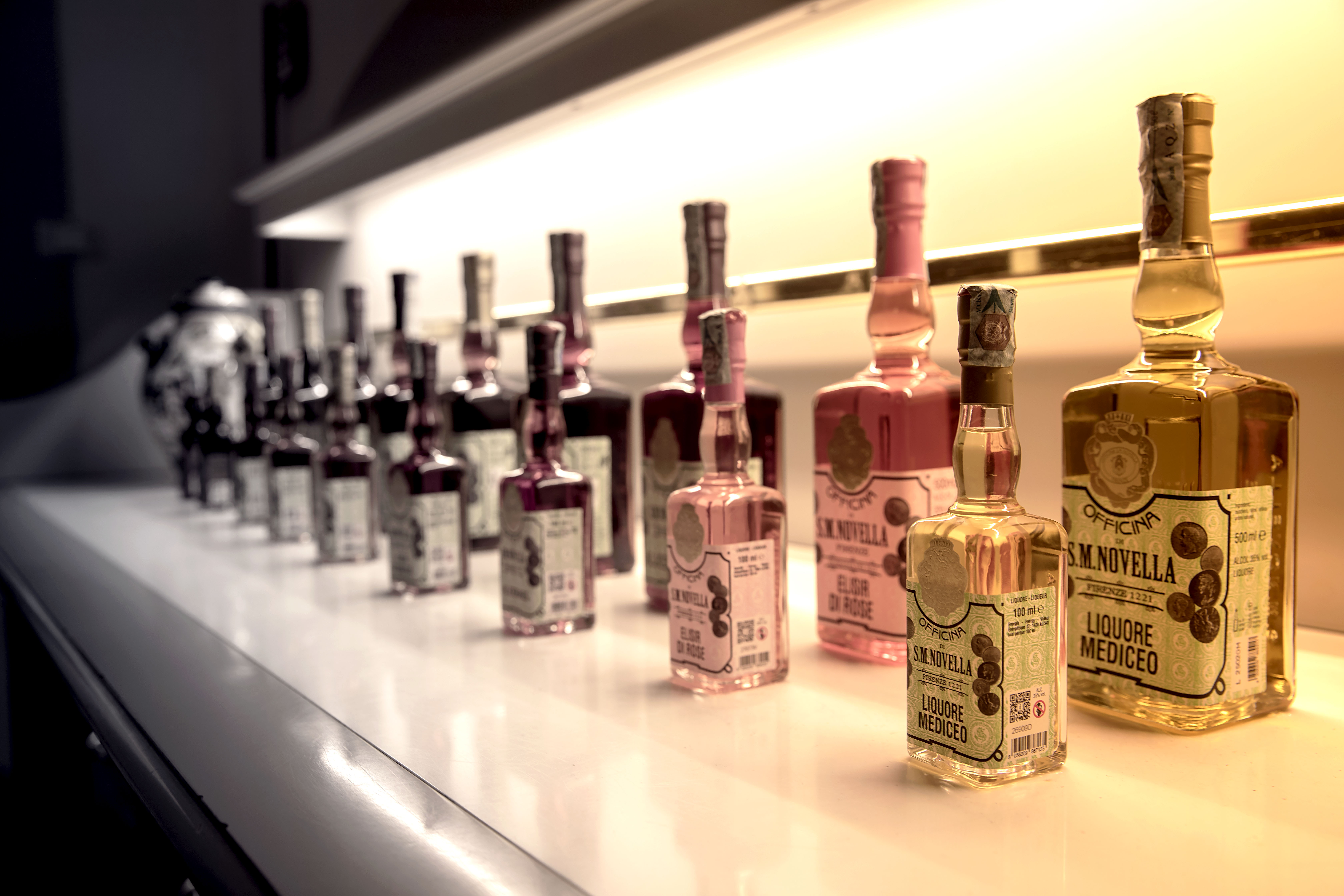
I traveled through many states in the US during the restrictions and through many countries after they were lifted, and I never caught Covid until I visited Rome. After arriving in Florence, it hit me hard, and we had to cancel our trip to Venice, although we still managed to visit Siena and San Marino.
That said, there is no pill for Covid other than rest, but that should not stop you from visiting Santa Maria Novella Pharmacy in Florence. It is considered the oldest operating pharmacy in the world and features recipes that are over 800 years old. Even today, the pharmacy continues to use traditional preparation methods and still offers products based on the original formulas created by the monks.

There is one last place we need to visit before wrapping up our journey in Florence. By the way, public transportation is quite reliable based on my experience, and contactless payments are accepted.

There is no better place to say farewell to Florence than Vista Panoramica di Firenze, watching the city glow one last time before letting it go.
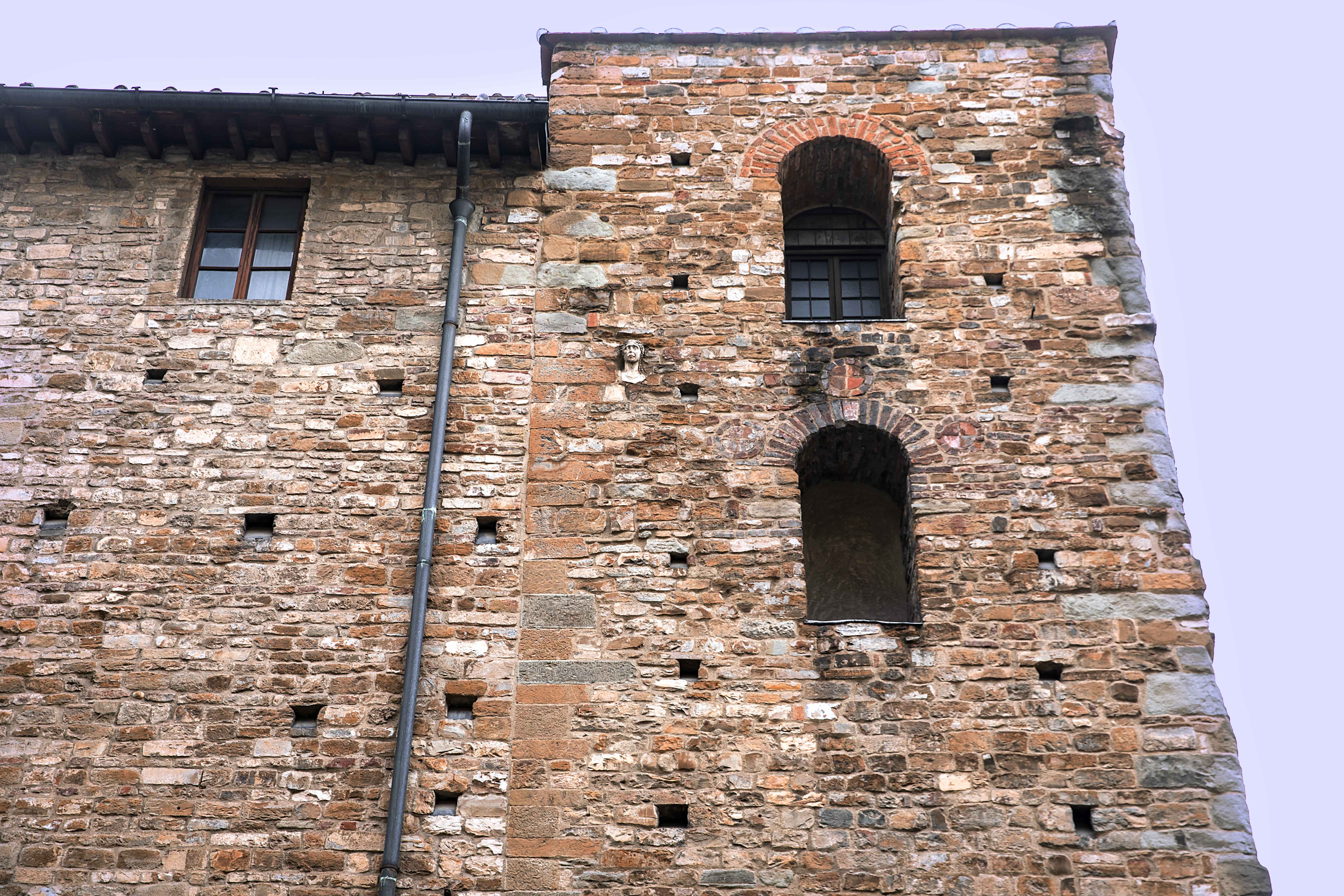
On the walk back to the hotel, I noticed a face carved into the wall of Chiesa di Santa Maria Maggiore. Legend says it belongs to a woman named Berta, turned to stone by an alchemist and left there to watch the centuries pass. There is a beautiful story about her, told on Atlas Obscura, if you care to look it up.
As for me, it was time to return home, yet I feel I left a piece of myself behind, resting somewhere within the medieval walls of Florence. I hope that one day, when I come back, that fragment will awaken once more. Perhaps, like Michelangelo said of David, it has always been there, waiting patiently in the stone, waiting to be set free…
 Huseyin Karadeniz | Travel & Photography Journal