
We live in a world where conflicts, wars, and hostilities seem to have become an inseparable part of human nature. While many of us long for a peaceful, joyful life, far removed from tragedy and suffering, the reality is often very different.
When life feels overwhelming, most of us retreat in our minds to a happy place: sipping our favorite drink, surrounded by loved ones, smiling under the golden sun on a stunning beach, with crystal-clear Mediterranean waters gently lapping at the shore.
When we think of glamorous, sun-soaked Mediterranean escapes, places like the Amalfi Coast, the Côte d’Azur, or the Dalmatian Coast often come to mind. But there was once another destination, unique and unforgettable, that captured the hearts of all who visited. Here, people of different ethnicities, celebrities, couples, friends, and travelers laughed, danced, raised their glasses, and celebrated life together by the warm embrace of the Mediterranean Sea.
Until… conflict transformed this paradise into a ghost town.
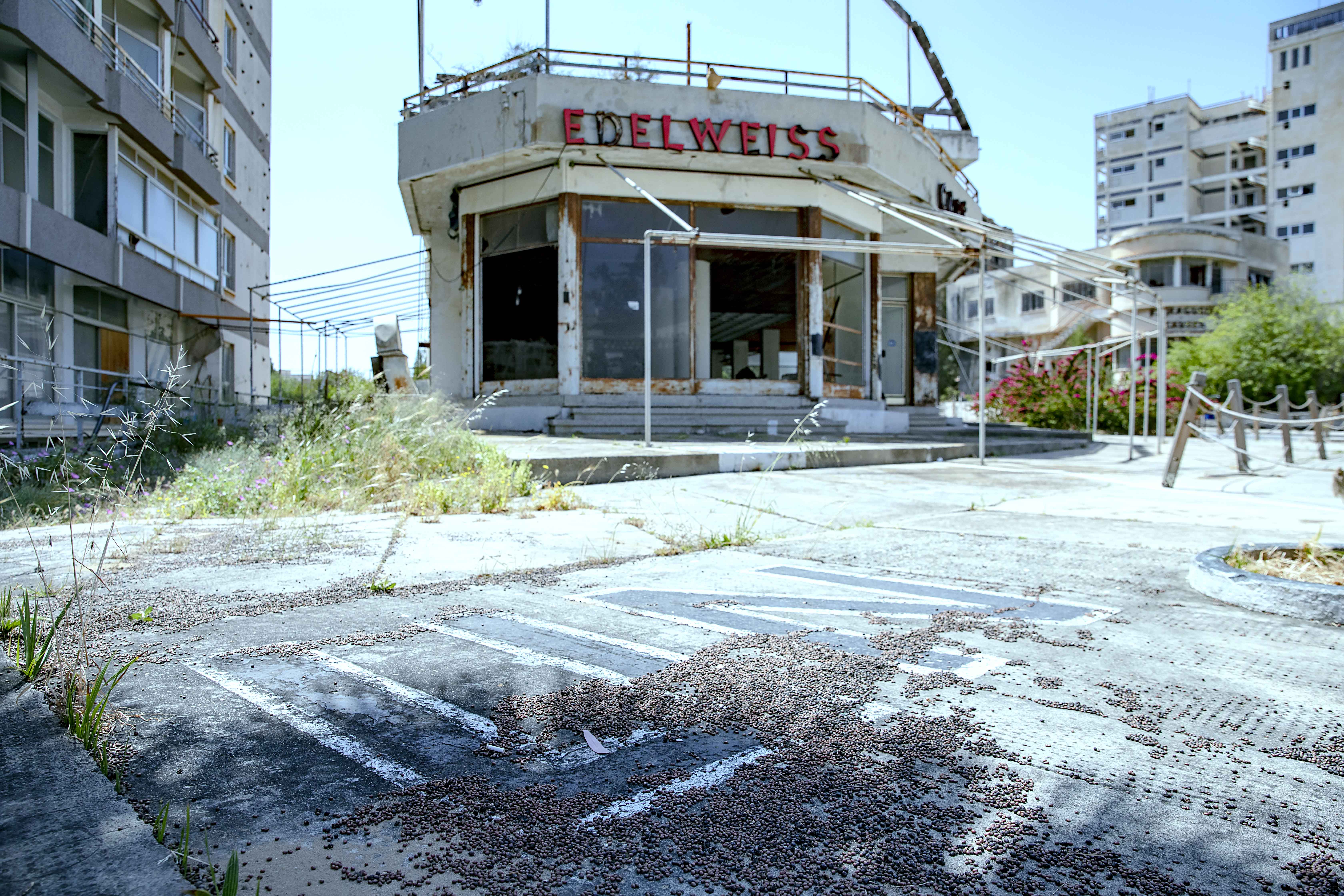
From a quiet, remote corner of Europe, warmed by the same sun and sea, I welcome you to Cyprus. Before arriving in Nicosia, the divided capital, we’ll make a stop in Famagusta and the hauntingly silent streets of Varosha, once a thriving jewel of the Mediterranean.
This summer, while I was in Istanbul, I was searching for a quick getaway. Although Cyprus is frequently discussed in Türkiye and lies quite close to the mainland, I had never felt drawn to visit, mainly because it’s often seen simply as the region’s gambling and entertainment hub. But when I came across round-trip tickets to Nicosia for just $70, I decided to dig into its history, current situation, and must-see spots. It didn’t take long before I booked my flight. I realized I had been overlooking this stunning cultural and historical gem of the eastern Mediterranean for far too long.
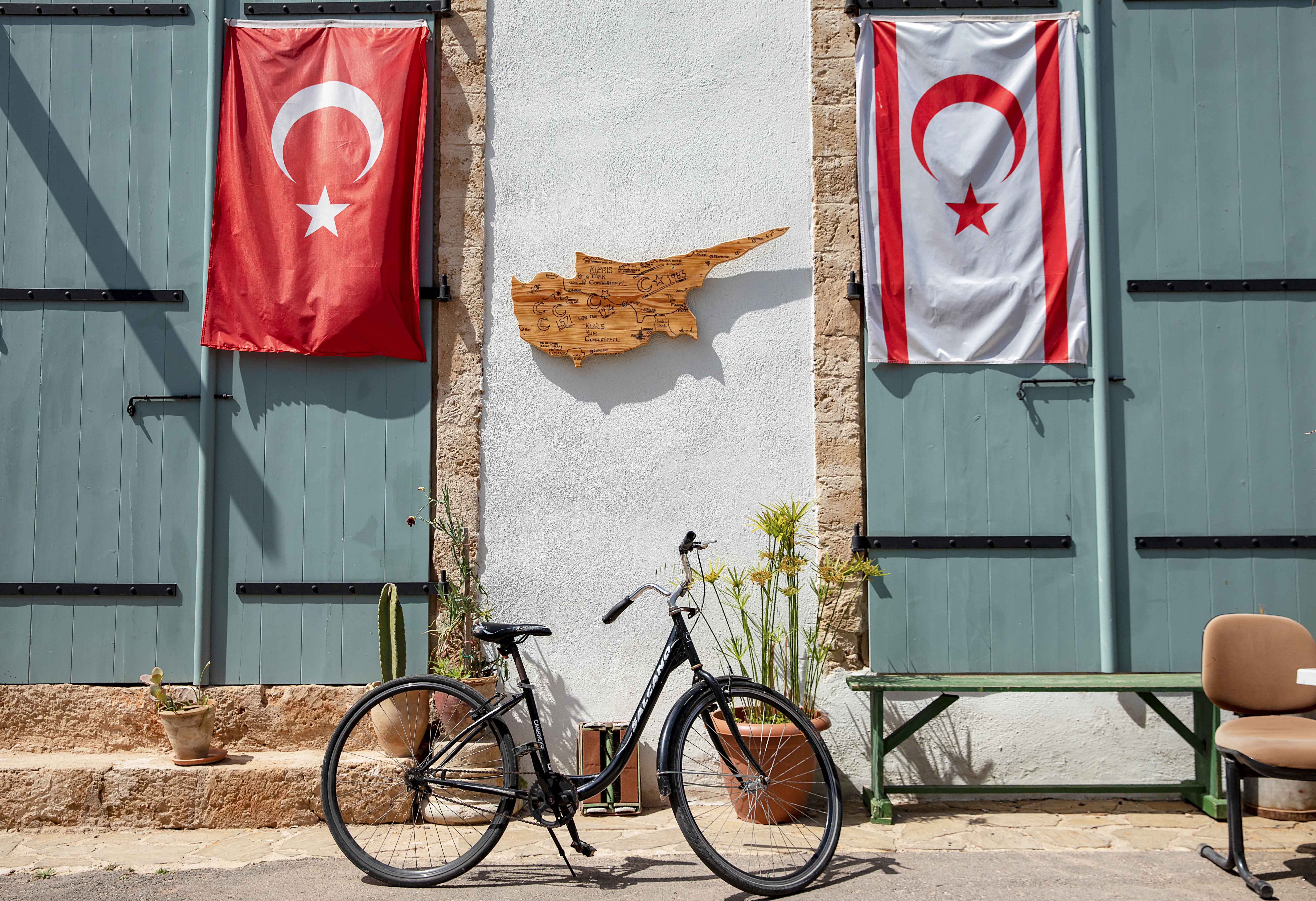
Many people assume that Cyprus is a single country, but in reality, the island is divided and home to three distinct entities. The Republic of Cyprus is the internationally recognized nation, acknowledged by the United Nations. Additionally, the United Kingdom controls two British Overseas Territories on the island: Akrotiri and Dhekelia. The Turkish Republic of Northern Cyprus (TRNC) exists in the north but is recognized only by Türkiye. Between Northern Cyprus and the rest of the island lies a United Nations-controlled buffer zone.
We will delve deeper into the conflict and war between the Turkish and Greek communities in the Nicosia chapter. However, to provide some context, following a military coup in 1974-backed by Greece with the aim of uniting the island with Greece against (Enosis) the Cypriot government, Türkiye intervened militarily to protect the Turkish community in Cyprus. After four weeks of fighting, the island was effectively divided into two separate entities along a border known as the Green Line.
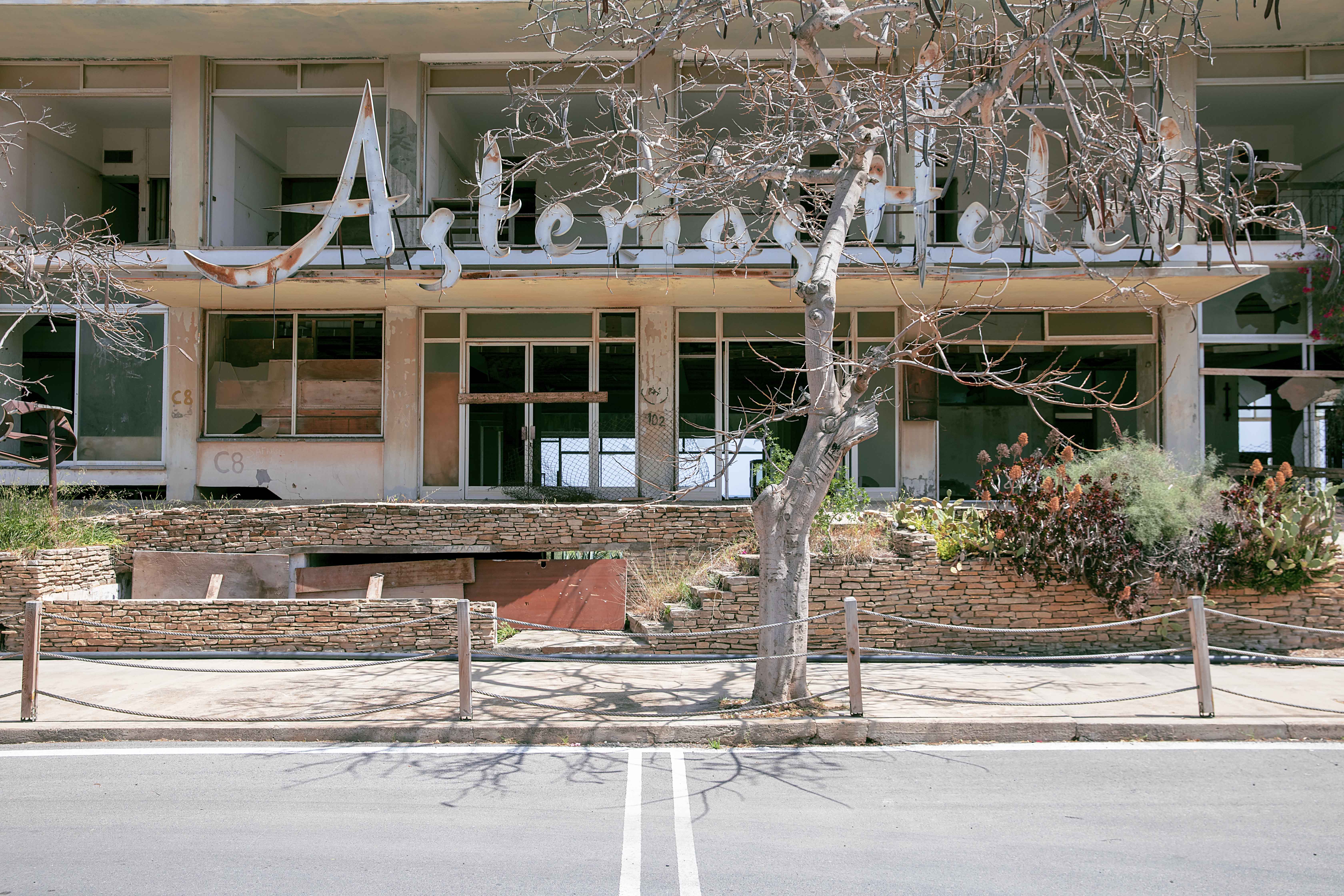
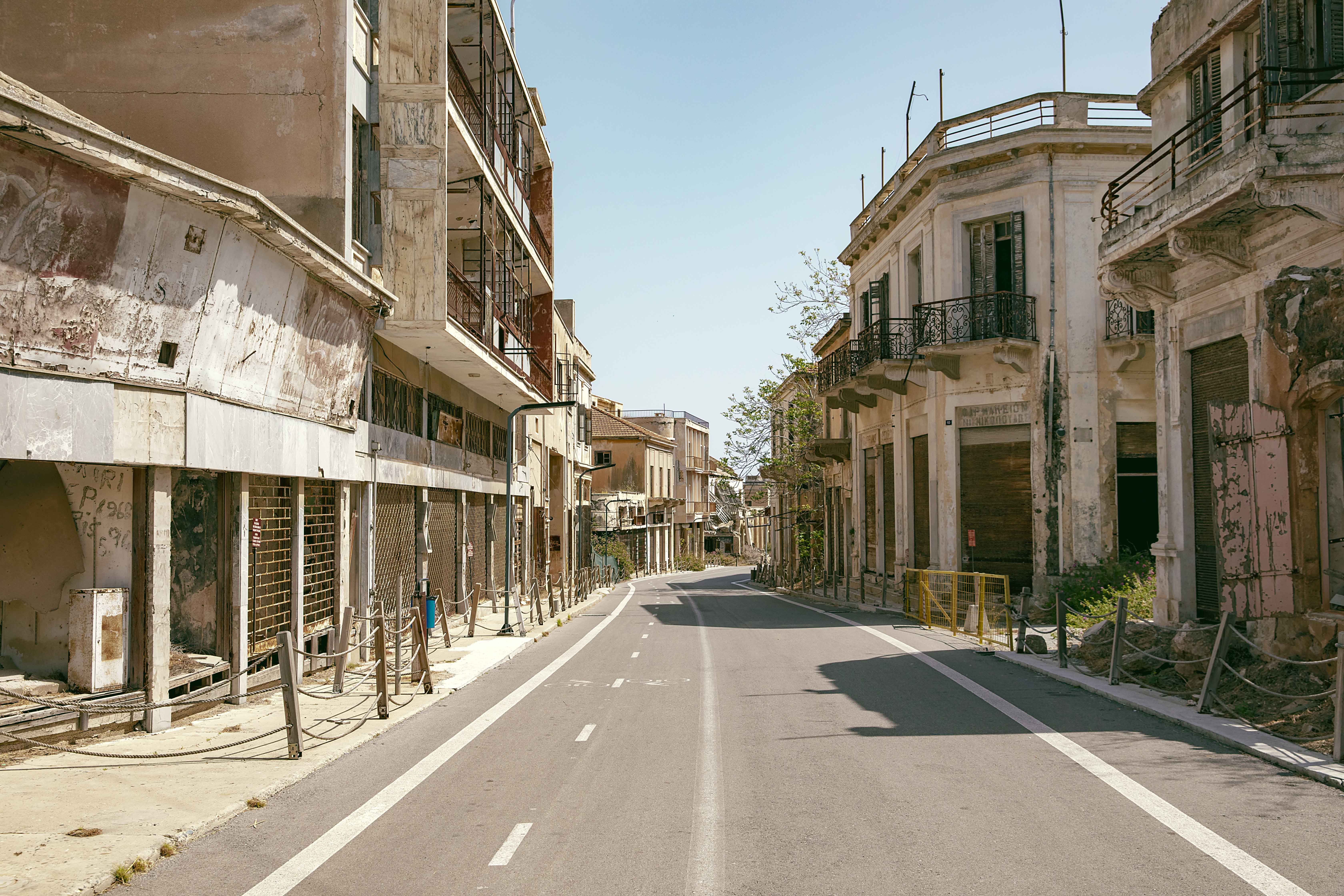
Originally, Famagusta was a Greek Cypriot city. In August 1974, the Turkish Army advanced up to the Green Line, a UN-monitored demilitarized zone separating Greek Cypriots and Turkish Cypriots, and took control of Varosha. Just hours before the Greek Cypriot and Turkish forces clashed in the streets of Famagusta, the entire Greek Cypriot population fled to Larnaca, fearing a massacre. Since then, the area has remained uninhabited, lying within the United Nations-controlled buffer zone and under Turkish military control since 1974.
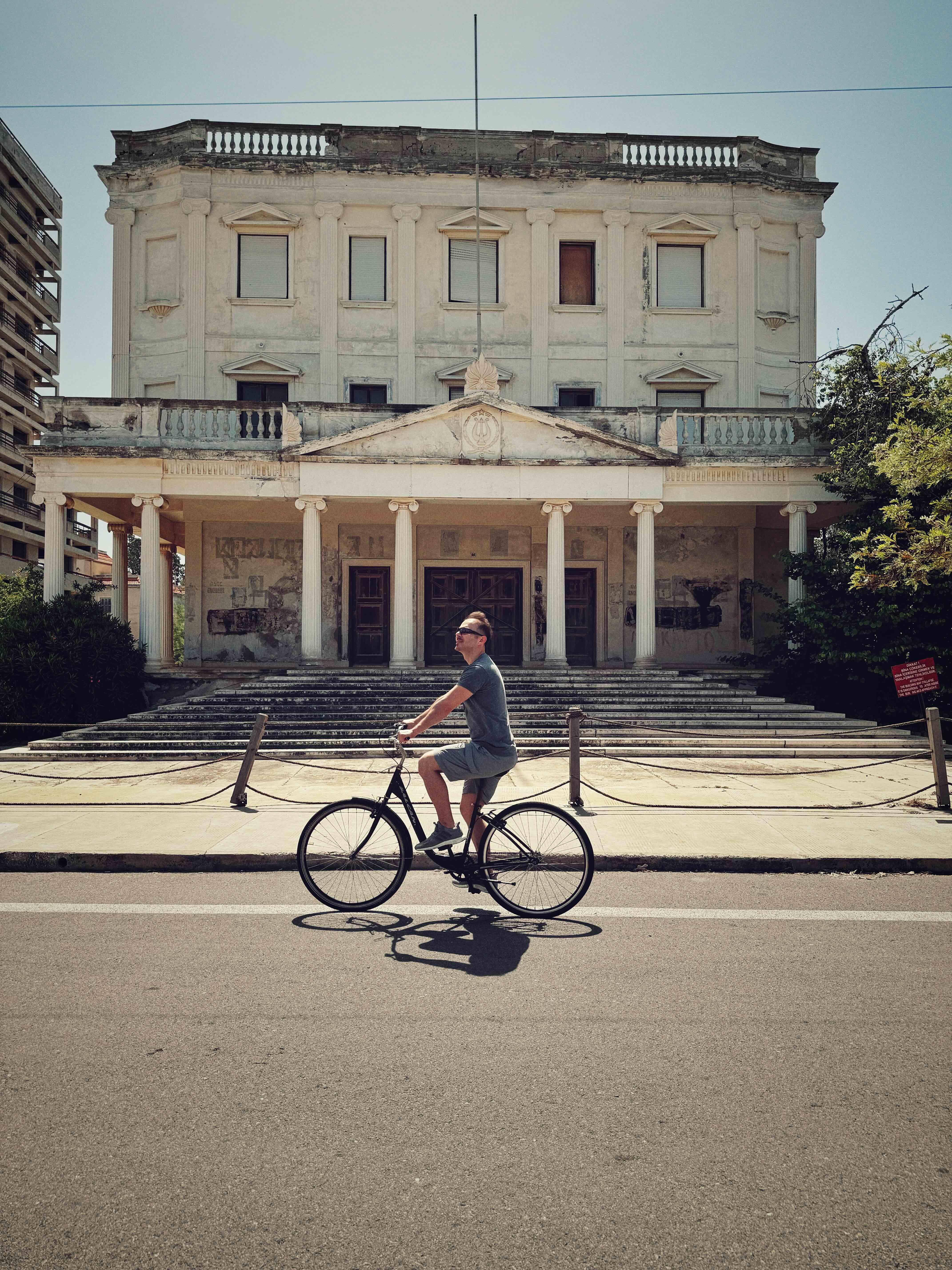
Although the district was off-limits to civilians for many years, in 2019, the Government of Northern Cyprus announced plans to reopen Varosha for civilian visits. Visiting Varosha was actually one of the main things I wanted to do in Cyprus. The ghost town is open to visitors daily from 8 a.m. to 8 p.m (as of August 2025) free of charge. At the entrance, there’s a spot where you can rent a bike or scooter. We chose bikes to explore more of the streets. While the bikes are old, not very well maintained, and not the most comfortable, they get the job done and are very affordable to rent.
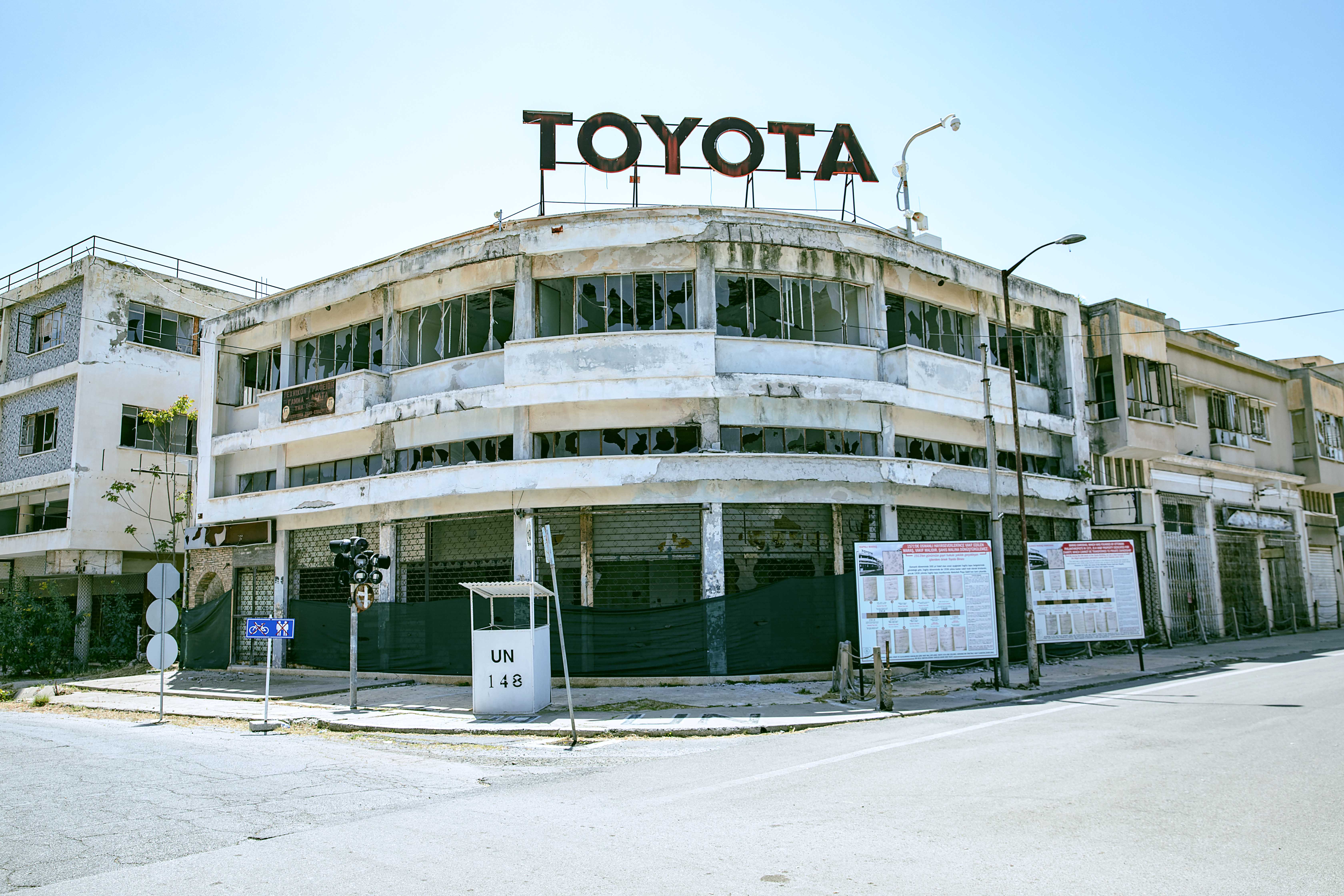
This well-known abandoned building, topped with a prominent Toyota sign, is a must-see spot in Varosha. It’s hard to miss, but if you’re curious about its exact location, here are the Google Maps coordinates.
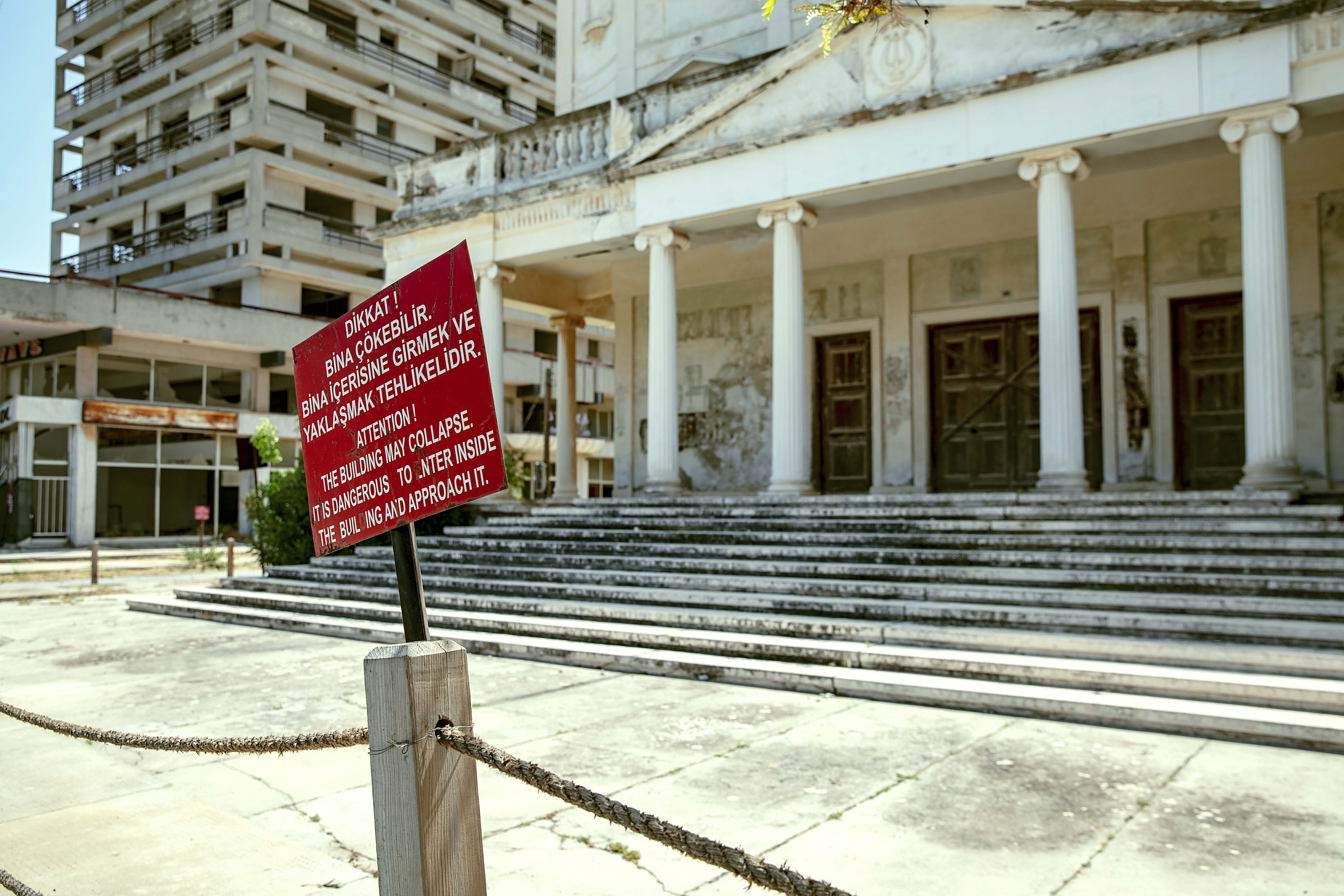
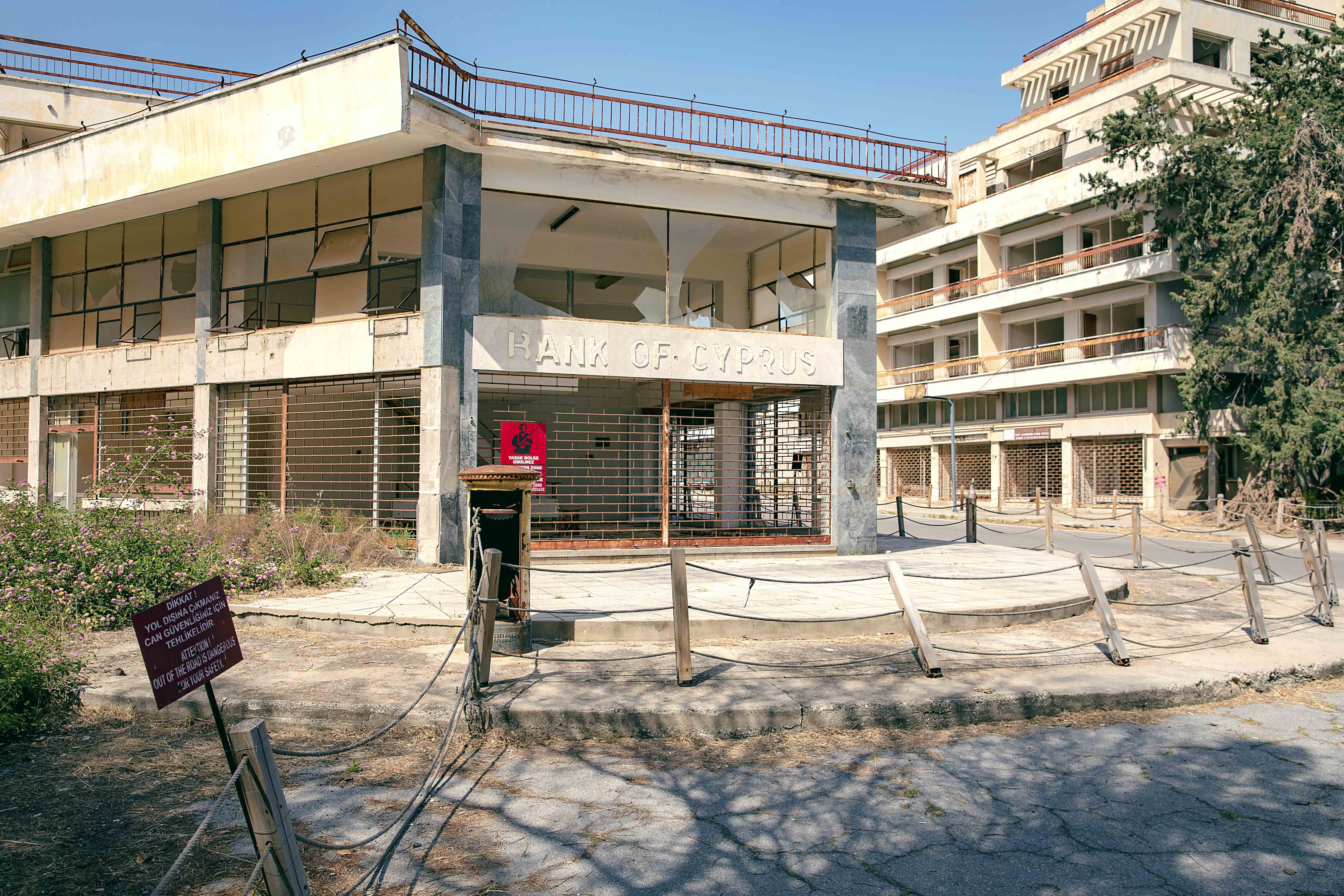
Just a heads-up: entering any buildings is strictly prohibited. You can only stay on the designated paths. Photography is allowed, but some areas and streets are off-limits to civilians due to safety and political reasons. Also, flying drones is not permitted.
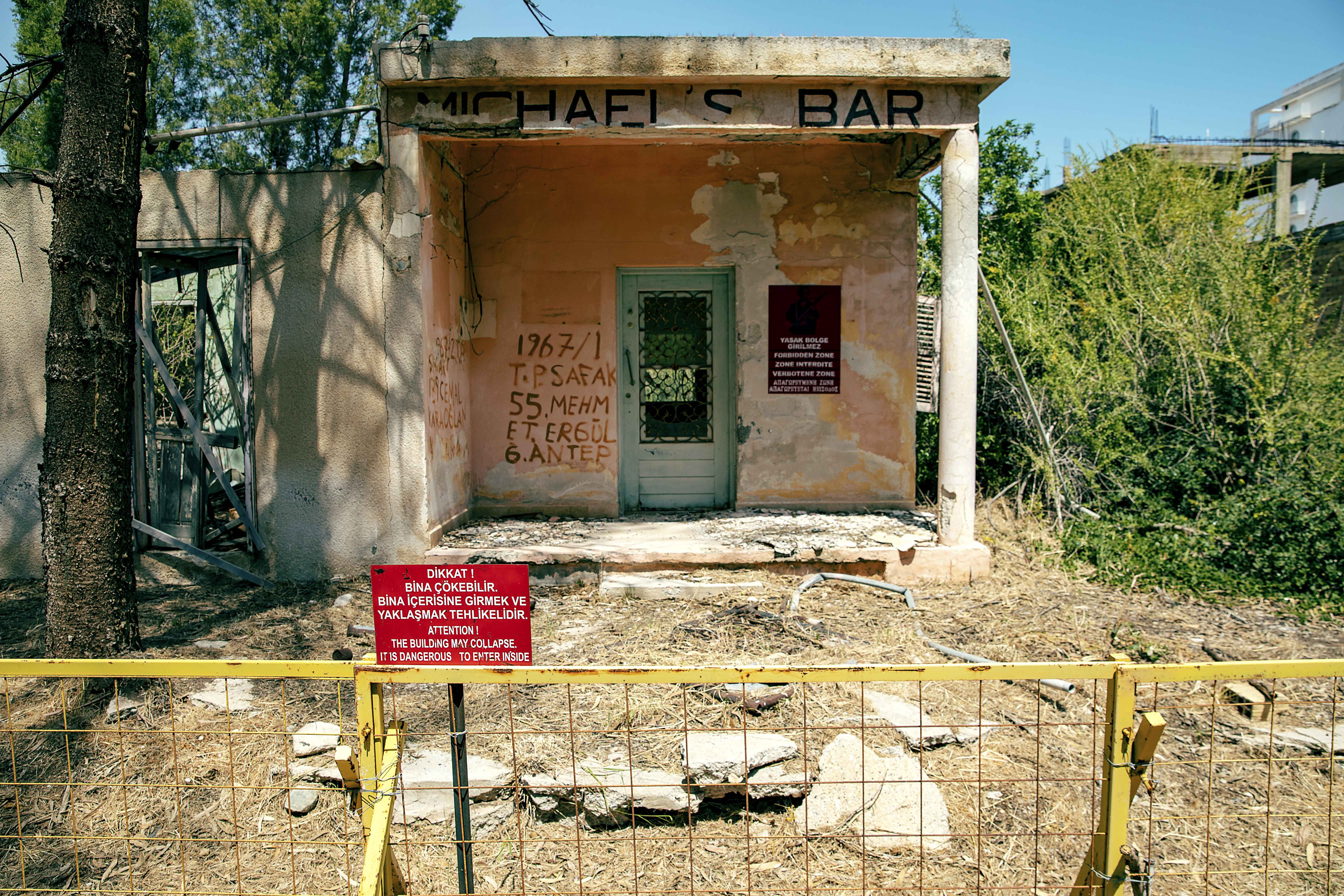
Varosha has remained largely untouched, frozen in time as its buildings and streets slowly left to natural decay. As you wander through the empty avenues, the weight of the island’s shared tragedies between the Turkish and Greek communities becomes palpable. You pass by abandoned movie theaters where audiences once gathered, hotels that once welcomed visitors, cafes where people savored coffee and dreamed about the future, and bars where stories were exchanged… all silent echoes of a vibrant past now lost.
Michael’s Bar was marked by a Turkish soldier in 1967 with the inscription: “1967/1 T.P. Şafak 55, Mehmet Ergül G.Antep.” Mehmet Ergül, whose name appears here, was from Gaziantep, Turkey. The “1967/1” indicates his conscription date (the first military call-up of that year) while “Şafak 55” signifies that he had 55 days remaining to complete his service.
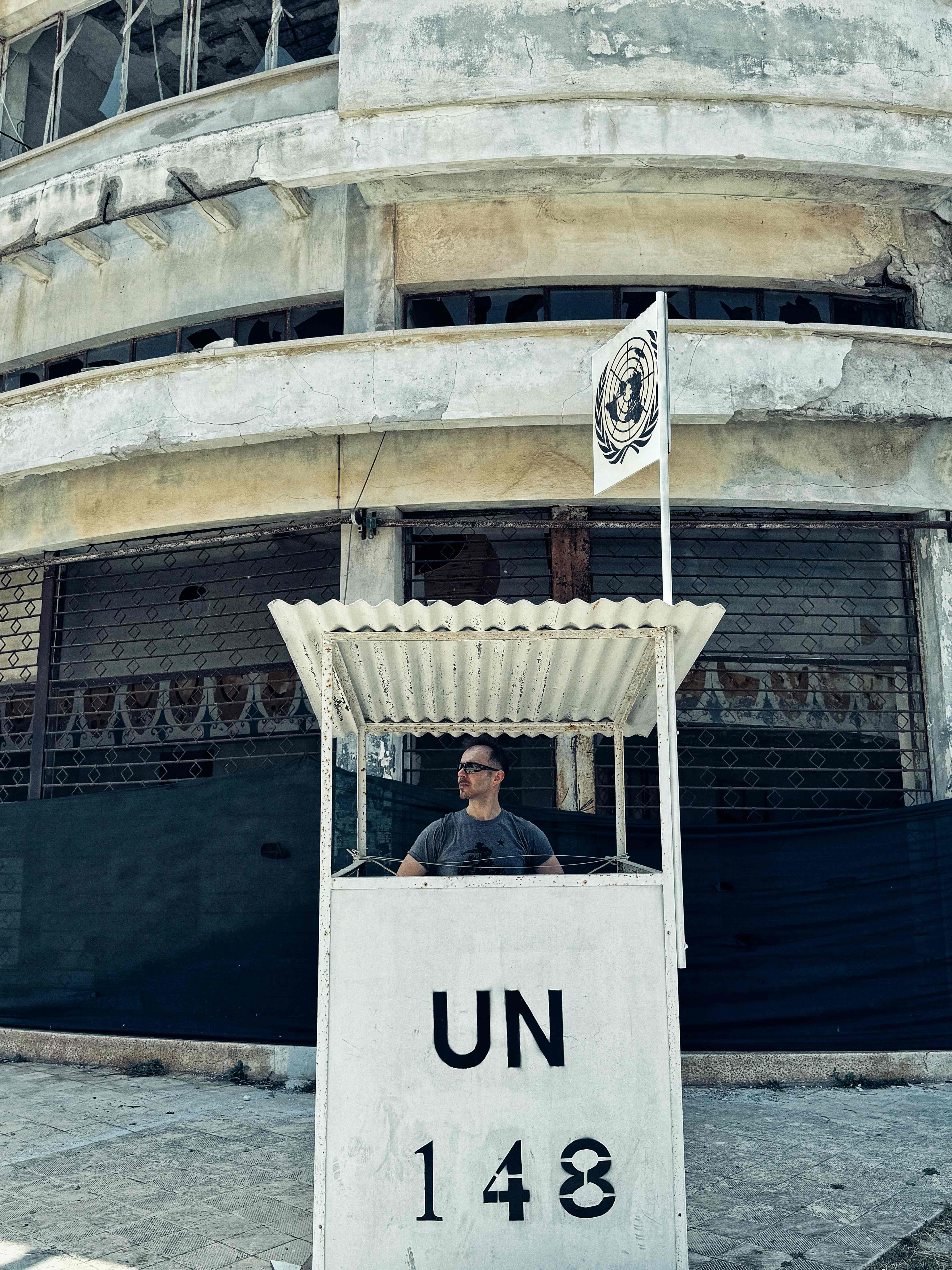
United Nations Peacekeeping Force in Cyprus (UNFICYP) Observation Post 148, located in front of the abandoned Toyota Dealership.
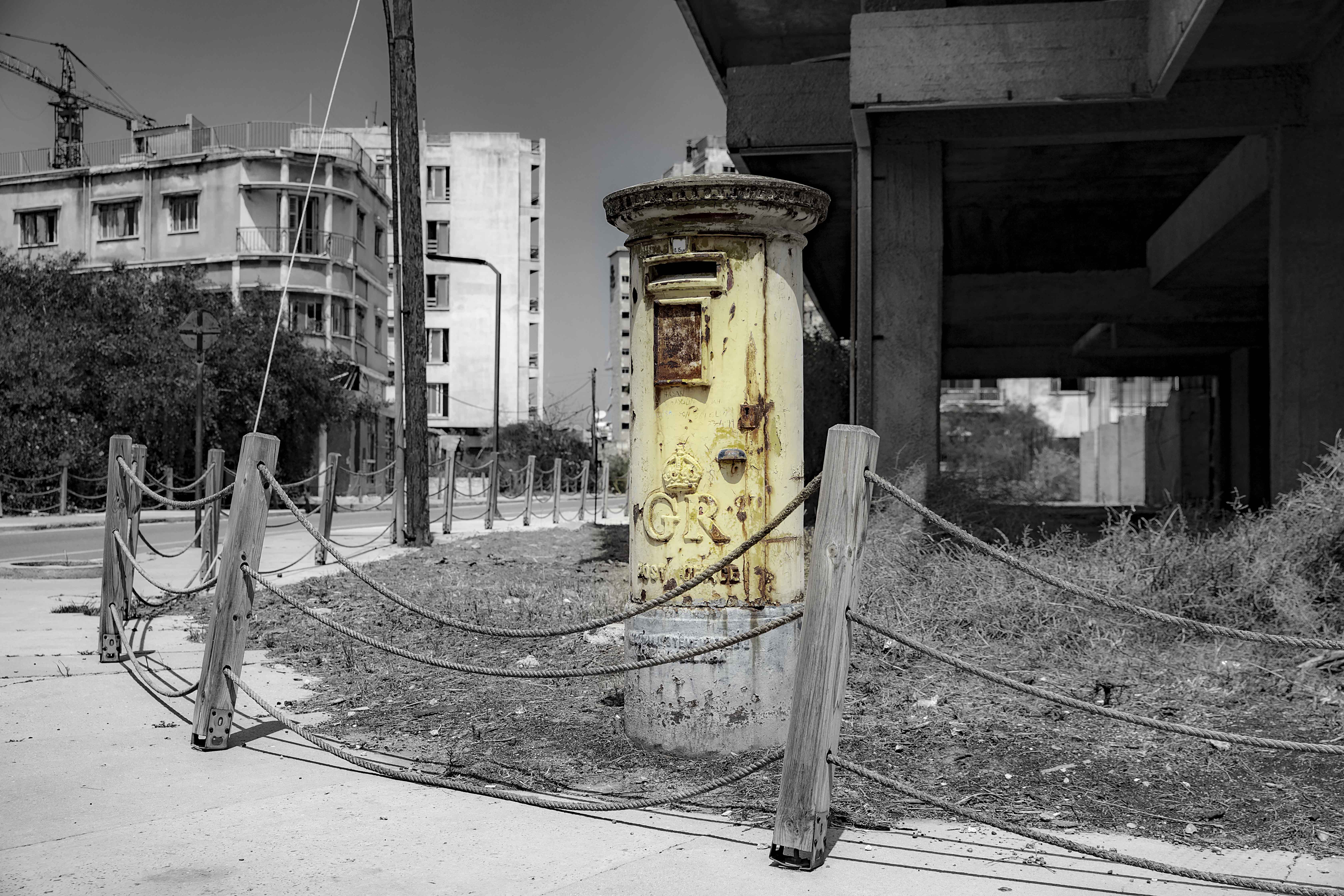
As I mentioned earlier, there is a third country present in Cyprus. In 1878, the island came under British administration as a protectorate through a lease agreement with the Ottoman Empire. When the Ottomans joined the Central Powers in 1914 during World War I, Britain formally annexed Cyprus and placed it under military rule. This arrangement remained in place until Cyprus gained independence in 1960. As a result, it’s not unusual to find British mailboxes scattered around the island. In Cyprus, these boxes bear the engraving “GR,” short for “Georgius Rex”, Latin for “King George.” I came across a few of them… one in front of Bank of Cyprus and another at this location (the picture above).
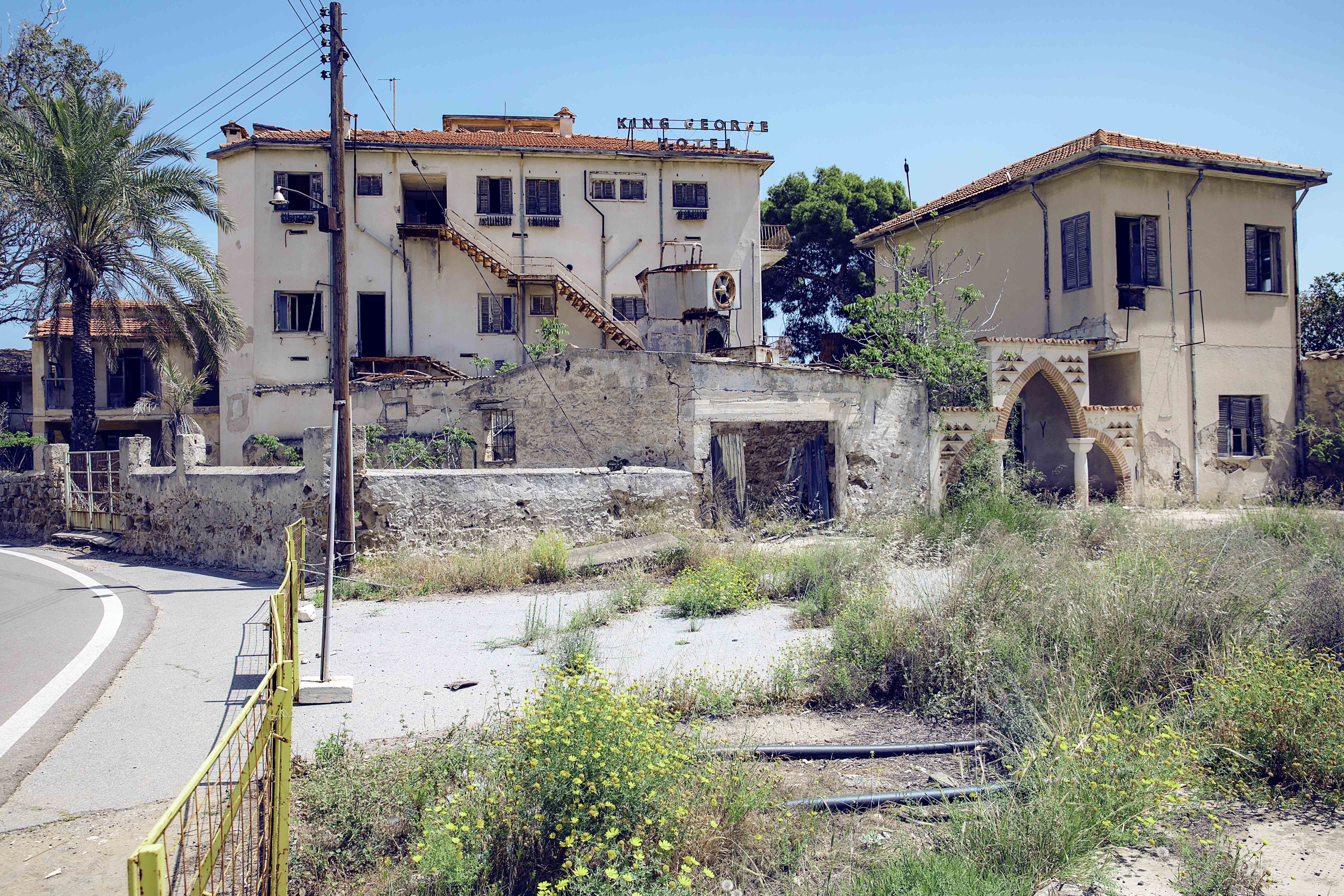
The King George Hotel was one of the most prominent and luxurious hotels in Varosha before it became a ghost town in 1974.
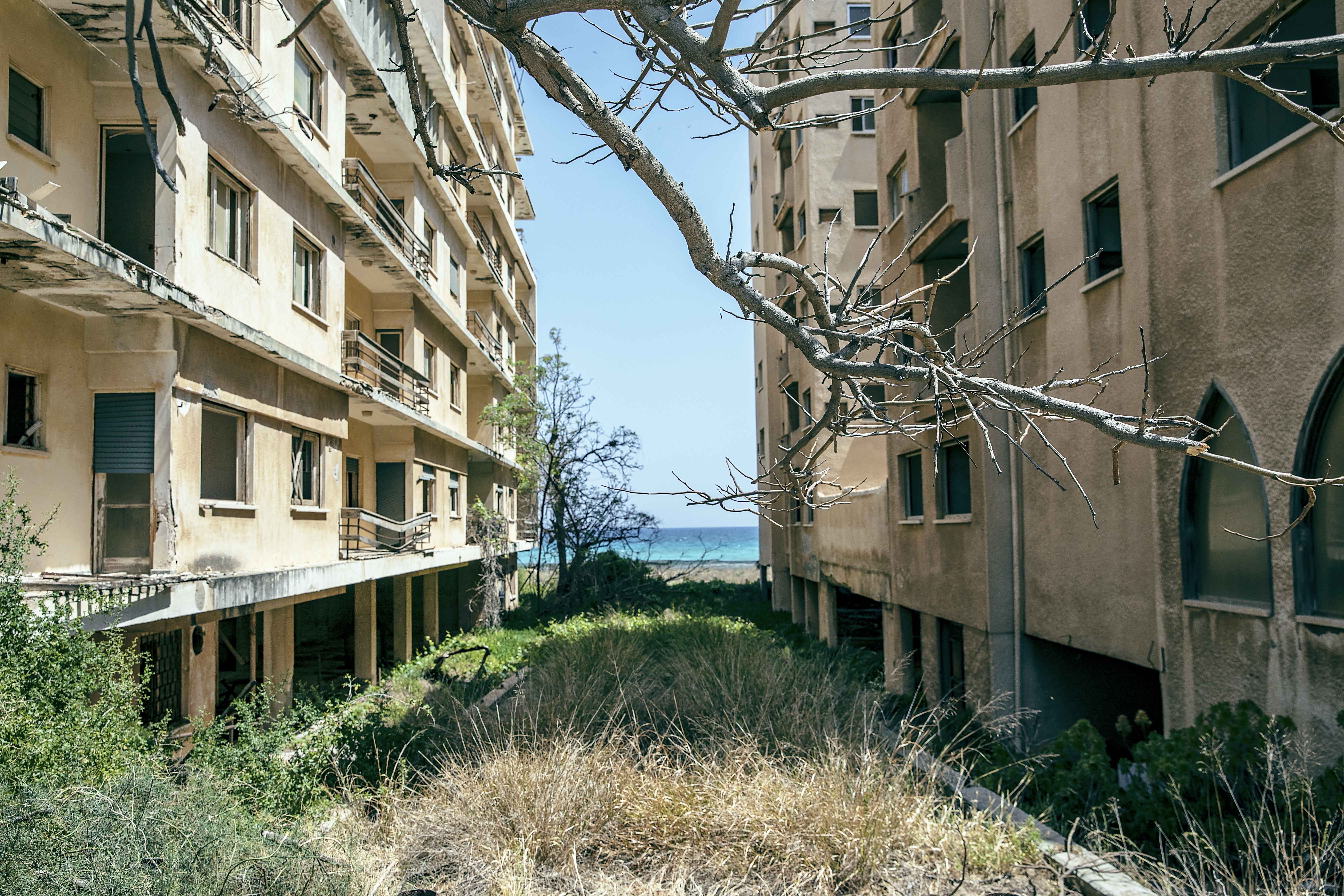
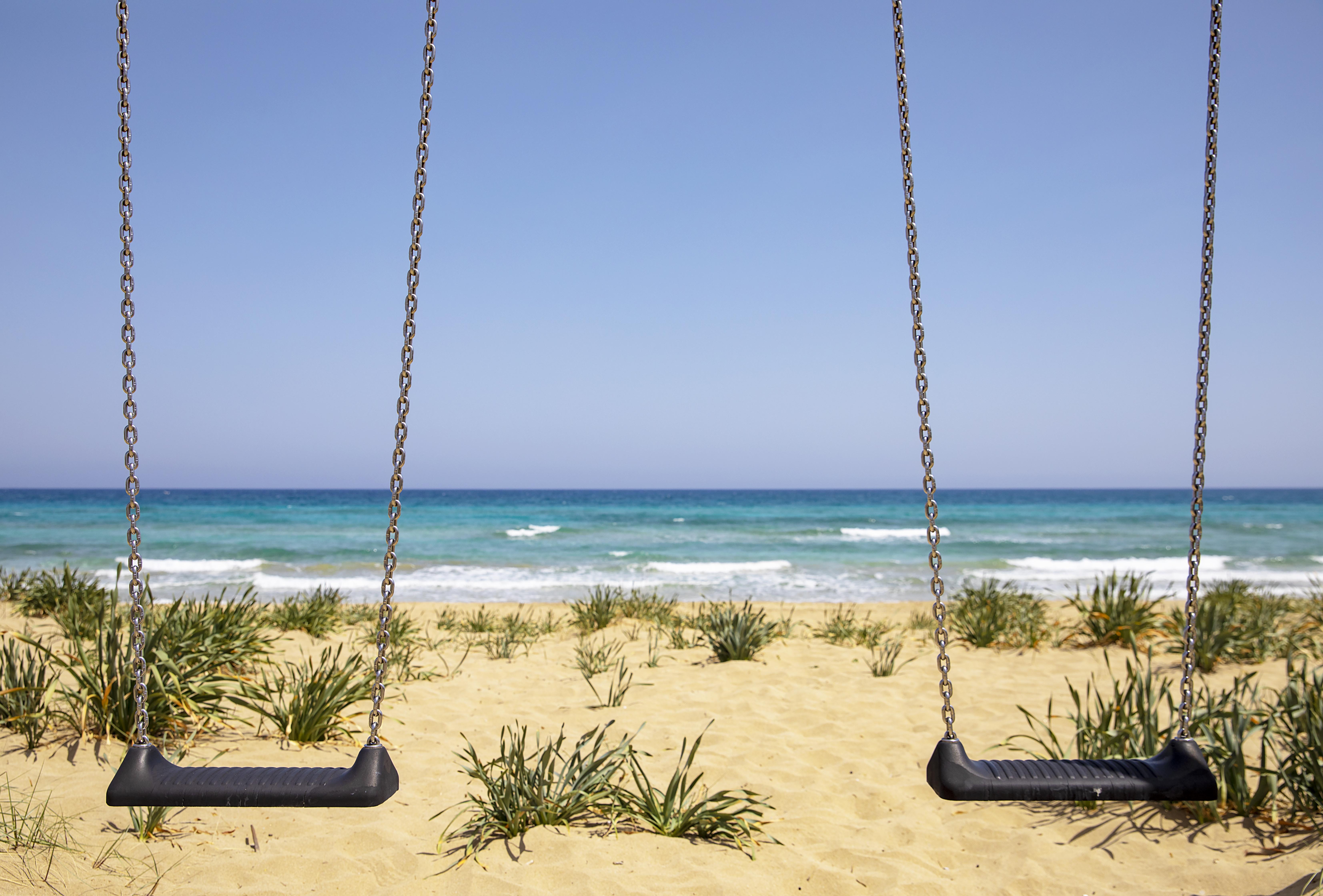
While cycling through Varosha, I couldn’t help but notice the beauty of its beaches. Though they now lie before a town scarred by tragedy and stained with sorrow, their allure remains intact.
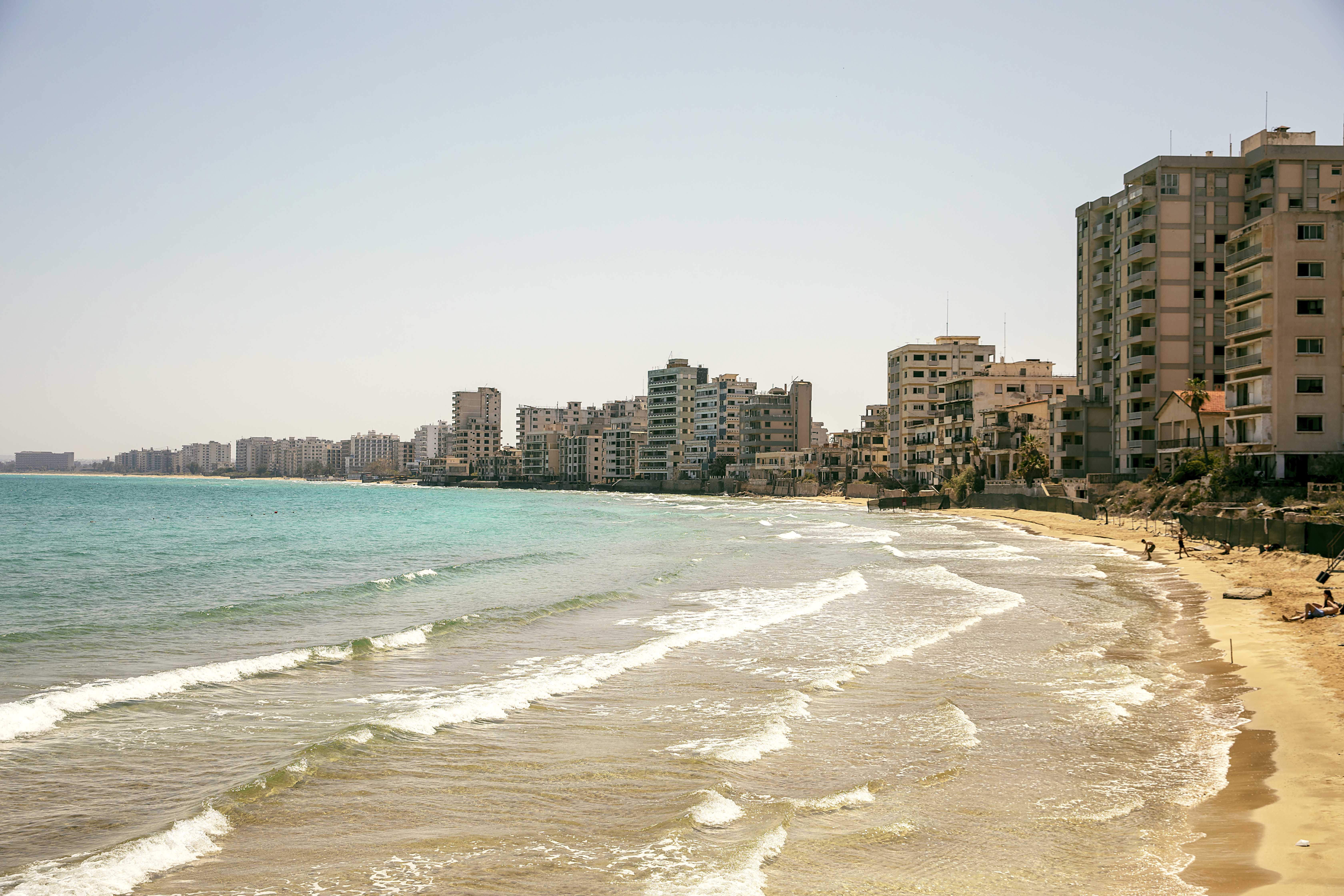
We stopped at a café beside Maraş Plajı (Maraş Public Beach), and the sense of tranquility was indescribable, the gentle rhythm of the Mediterranean waves, the soft sea breeze, and the vast blue horizon created an overwhelming feeling of peace. In that moment, it became clear why this once-vibrant town was among the most sought-after travel destinations in its prime.
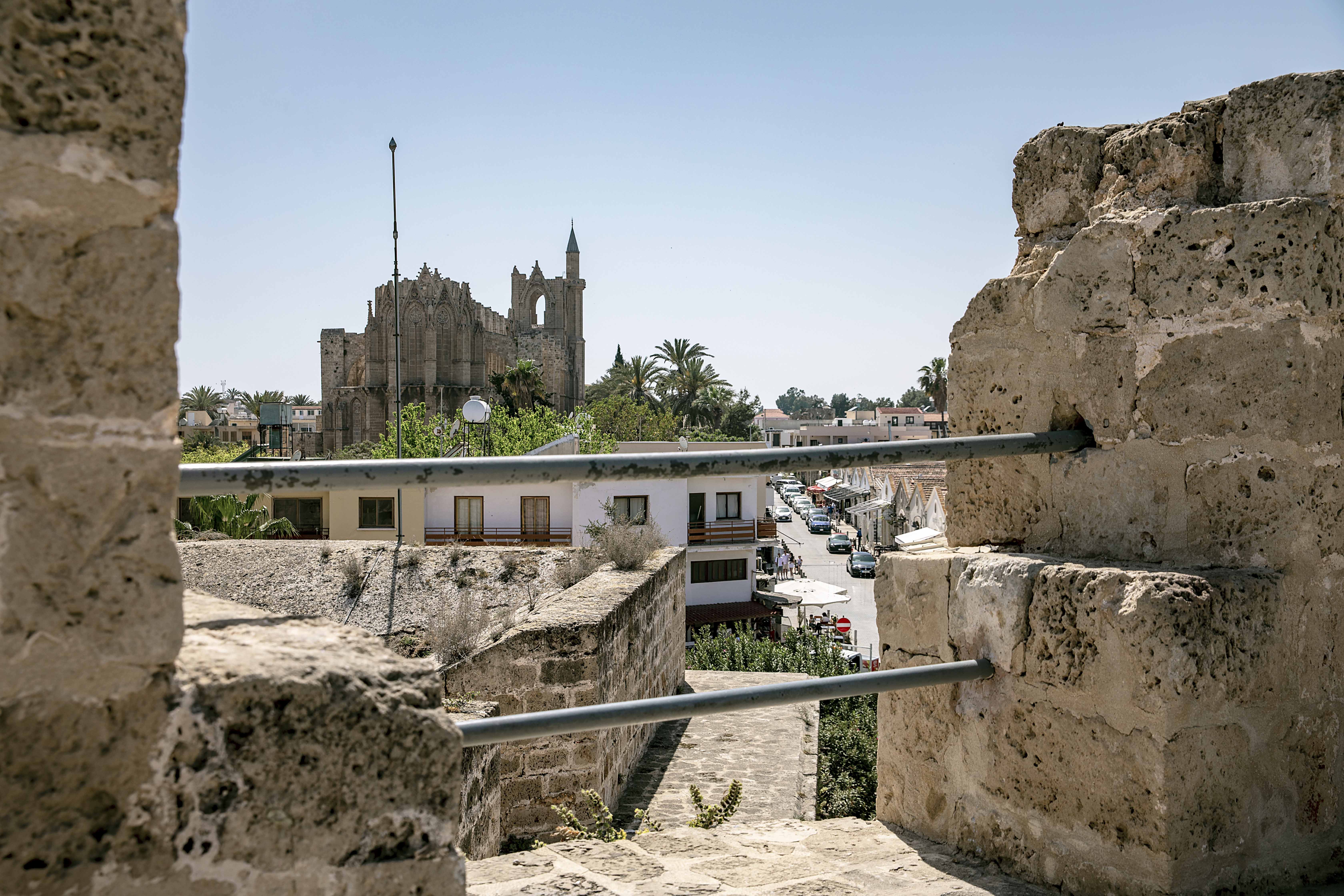
If you find yourself in Varosha, be sure to also explore downtown Famagusta. Before the Ottoman era, the city was under Venetian rule and held great strategic importance as a major port and a key gateway for trade with the Levant (the Near East). To defend it against the advancing Ottoman Empire, the Venetians constructed massive fortifications, imposing walls and bastions that still stand today. In the city center, the remnants of the Venetian Palace are still visible. When the Ottomans captured the city, they converted several churches into mosques. One of the most notable is Lala Mustafa Paşa Mosque, named after the commander of the Ottoman forces during the conquest, a must-see landmark in the heart of downtown.
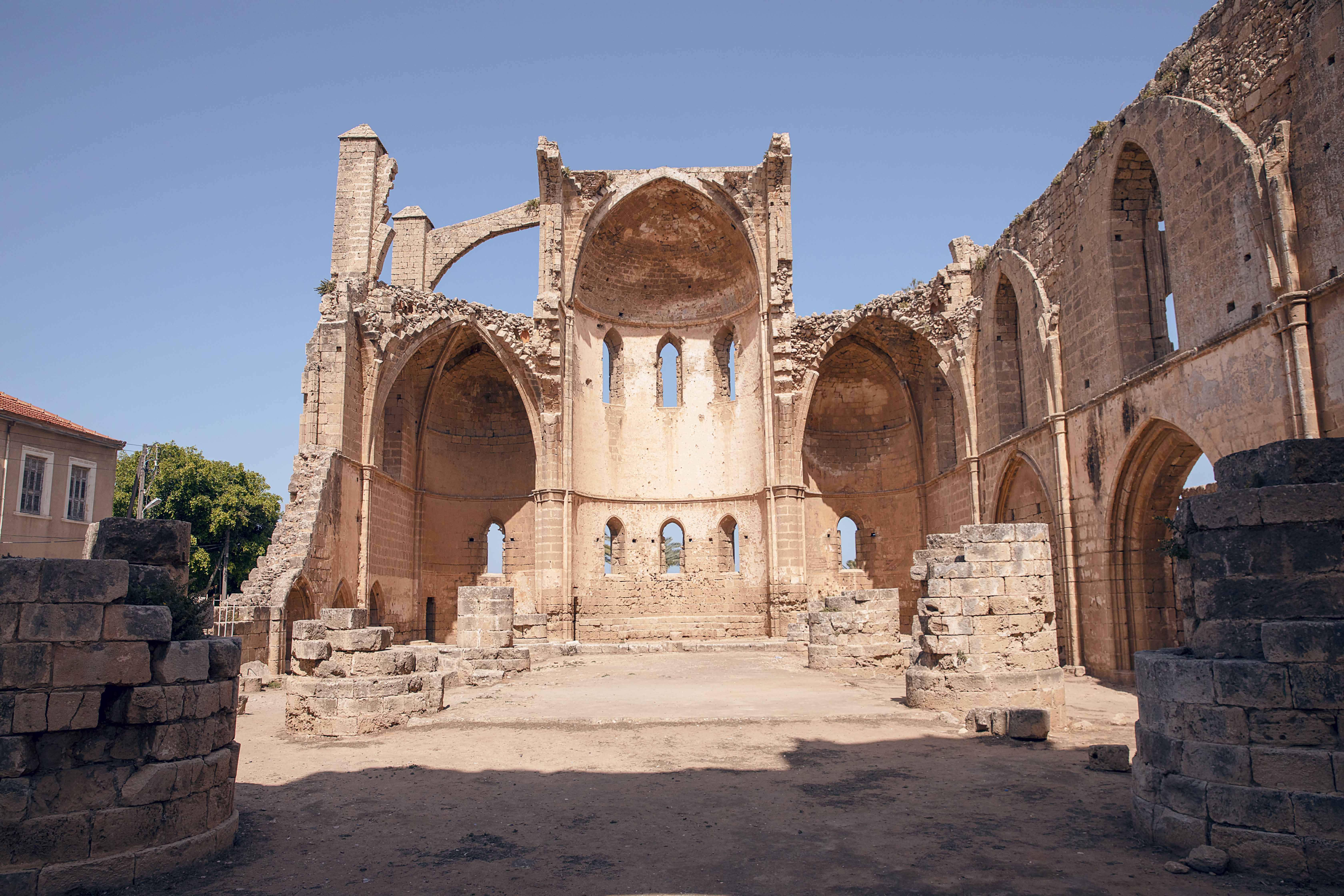
Another landmark you shouldn’t miss in downtown Famagusta is the Church of St. George of the Greeks, which once served as the main cathedral for the city’s Greek Orthodox community during the Lusignan (before Venetian) and Venetian periods. Unlike many other churches that were converted into mosques after the Ottoman conquest, this one remained untouched and unused for centuries, slowly falling into decay.
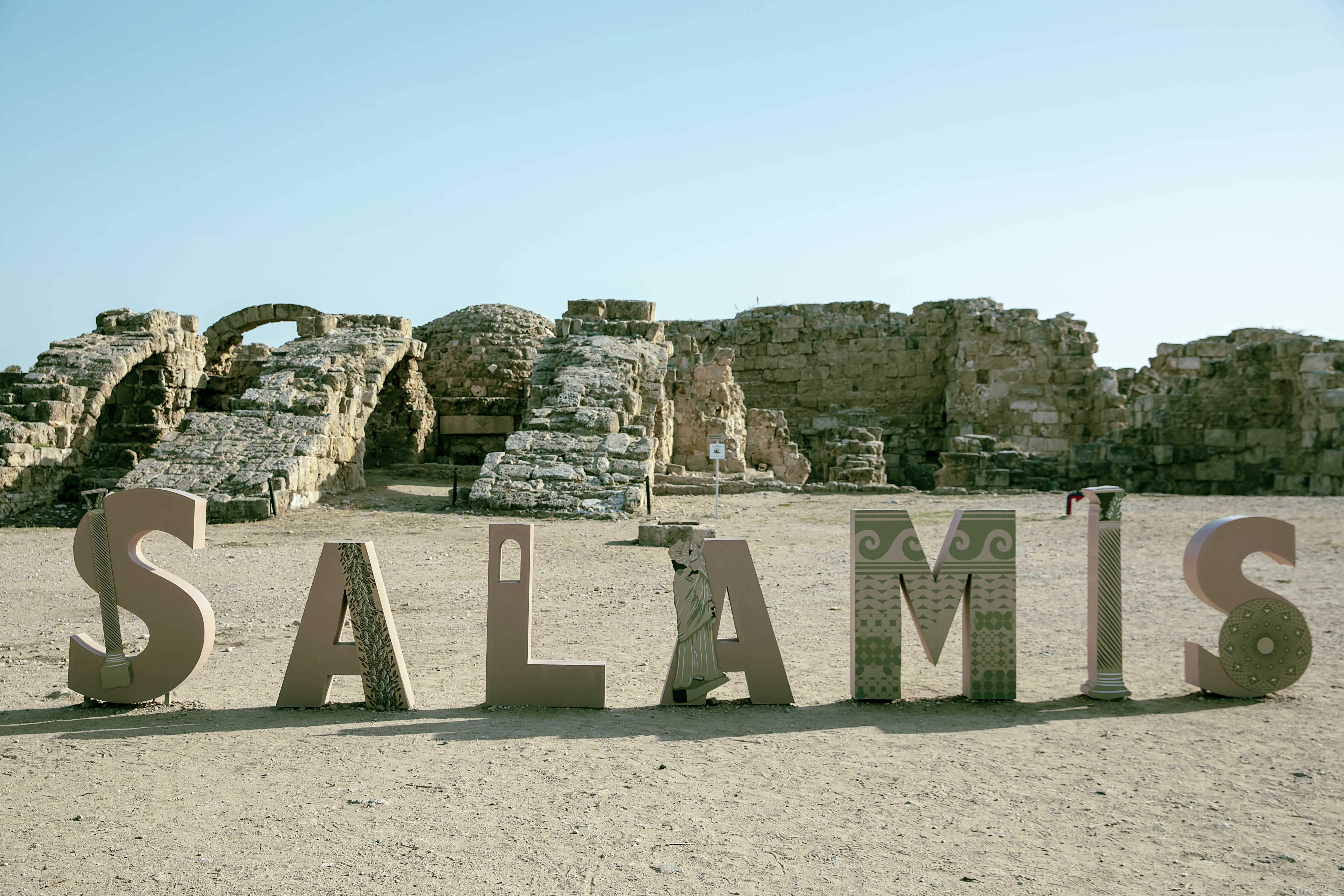
If you still have some time to spare, there’s one more place I highly recommend and you won’t regret visiting it. Just a 15-minute drive from downtown Famagusta lies Salamis, an ancient city and one of the most significant archaeological sites in Cyprus.
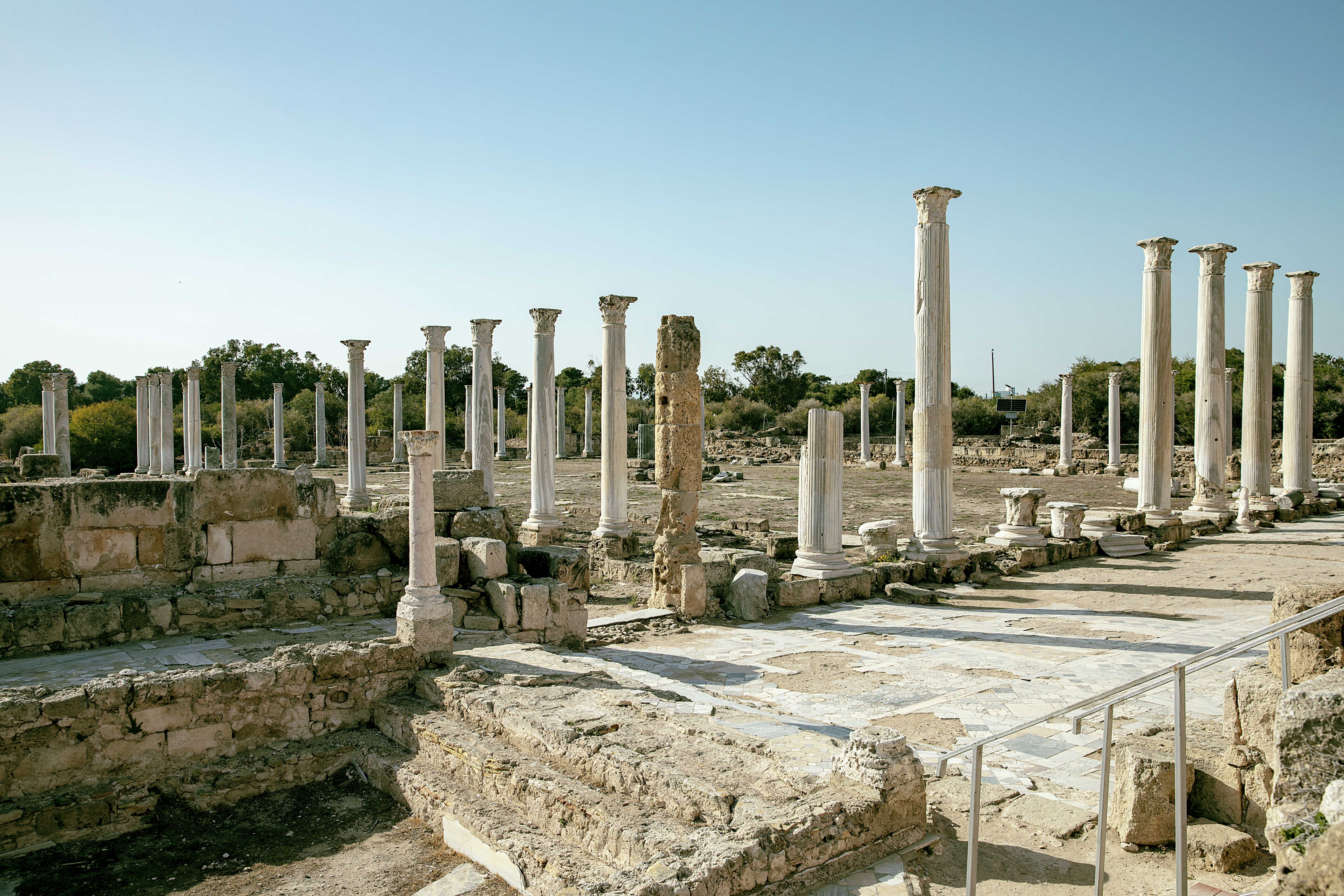
According to legend, Salamis was founded around the 11th century BCE, possibly by Greek settlers from the island of Salamis in Greece or by refugees of the Trojan War. The site is home to an impressive array of ruins, including an agora (marketplace), a gymnasium and baths, a Roman theatre, royal tombs, aqueducts, storage rooms, cisterns, and much more to explore.
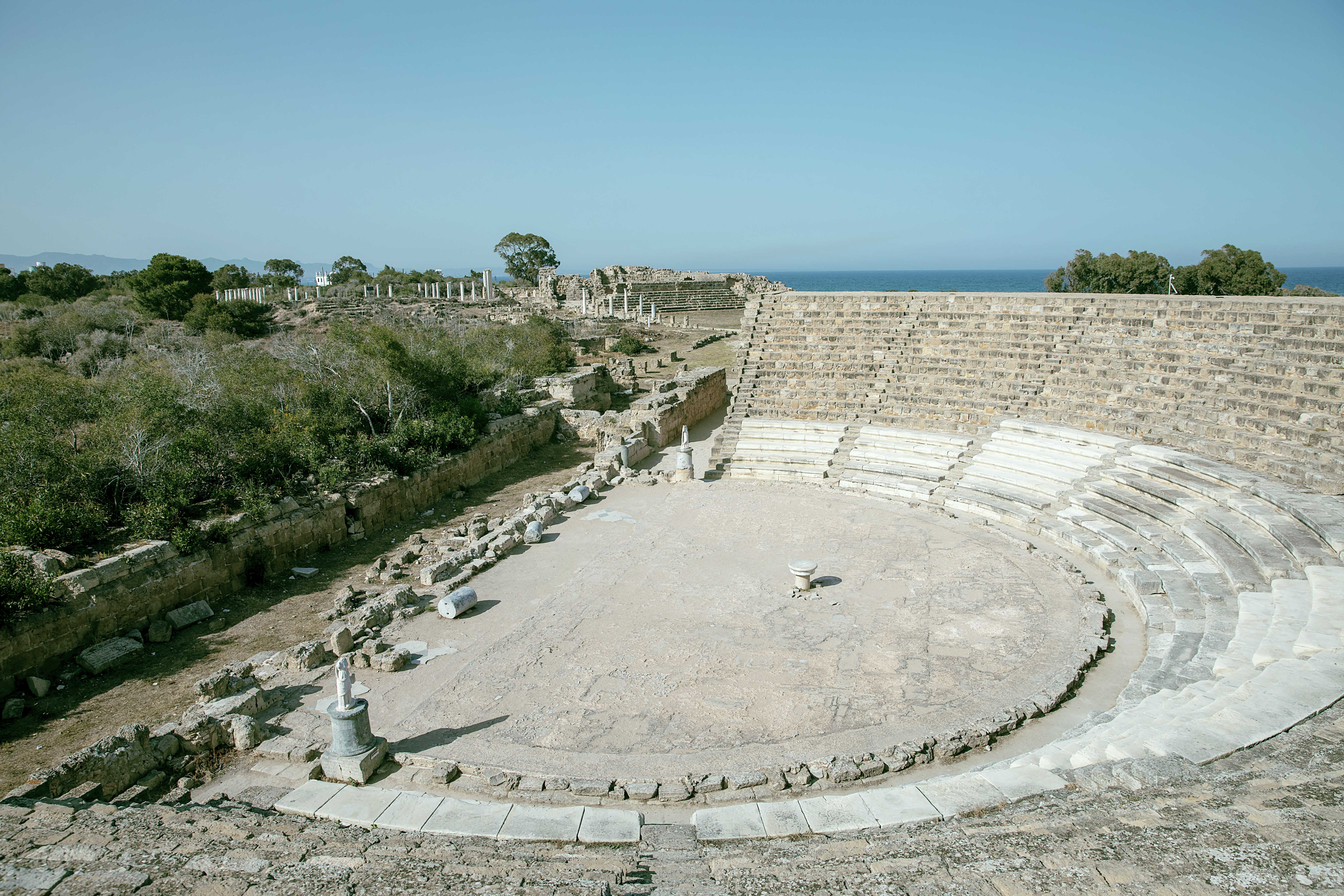
The outdoor Roman theatre could seat up to 15,000 spectators and has been partially restored. It’s still occasionally used for performances today.
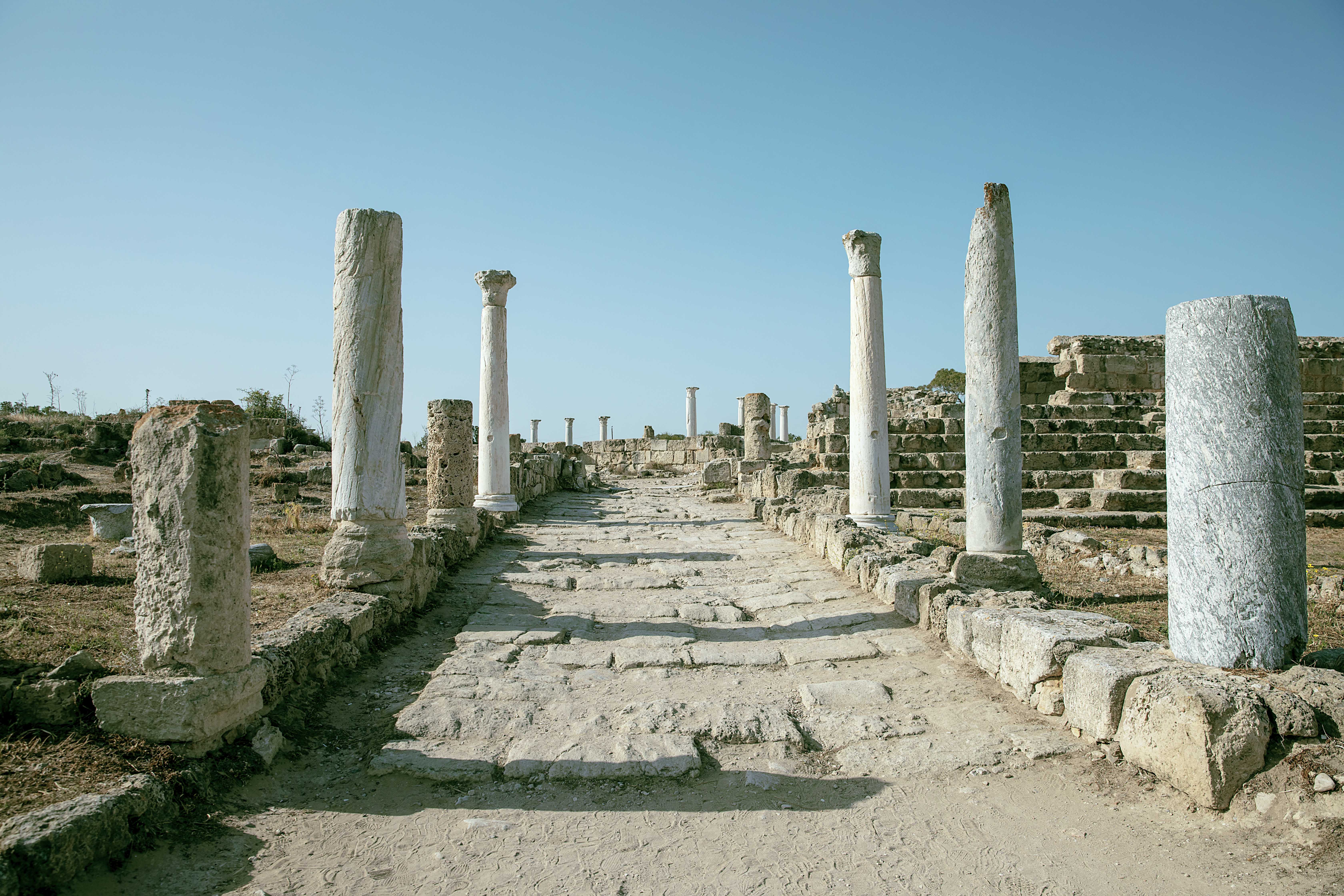
In its prime, the city was a thriving center of commerce, culture, and politics, and served as the seat of the Cypriot kings.
While we were at Ghost Town Palm Beach, I asked someone to take our picture so we could capture both the beauty around us and ourselves in it. He took a few shots and then asked where we were from. I told him I was visiting from the United States. It turned out he was from the Greek side of Cyprus, visiting Varosha with his family. In fact, he was there to see the house his father had been forced to leave behind as a child during the conflict.
For me, it’s hard to truly grasp what it means to live through war, to abandon everything you know and start life again from scratch. His stories were deeply moving. At one point, he said: “We, as Greeks Cypriots, made mistakes; but the Turkish intervention made everything worse. Both nations on the island, Turk and Greek Cypriots, want to live side by side under the same flag. But greater powers won’t allow it.”
Visiting a place with such a heavy past leaves you with complicated feelings. It’s easy to point fingers and blame one side for the mistakes of history, but you soon realize life is rarely black and white. We cannot live forever with the pain or resentment the past has given us. We must learn from it, find solutions, make amends, and ensure history never repeats itself.
Cyprus is a beautiful island with wonderful people, people who deserve to live in harmony, to visit one another without borders or obstacles, and to decide their own future free from outside interference. I hope to return one day when old wounds have healed, and this place is once again called the “French Riviera of Cyprus.” Until then, peace to all who call this island home.
 Huseyin Karadeniz | Travel & Photography Journal