¡Buenos días, gente! Este mes vamos a subirle el picante con un viaje al ardiente corazón de Centroamérica. ¿Tienen listos sus pasaportes y papilas gustativas… o al menos uno de los dos? Oh, hold up! Did my Spanish Duolingo grind just pay off for once? Yeah, it totally did, because we’re flying somewhere English won’t get you far. Time to put those Spanish skills to the test!
As Memorial Day got closer, I found myself itching for a quick escape… somewhere not too far, yet exotic enough to feel like an adventure. I wasn’t looking for the usual spots, just something a little off the radar. Then I stumbled on a 5.5-hour direct flight from San Francisco to San Salvador that allowed me to carry only a backpack. Tempting, right? But then I paused! Wait, isn’t that the country once torn by civil war and plagued by gangs like MS-13 and Barrio 18? Turns out… not quite anymore. And you will see why!
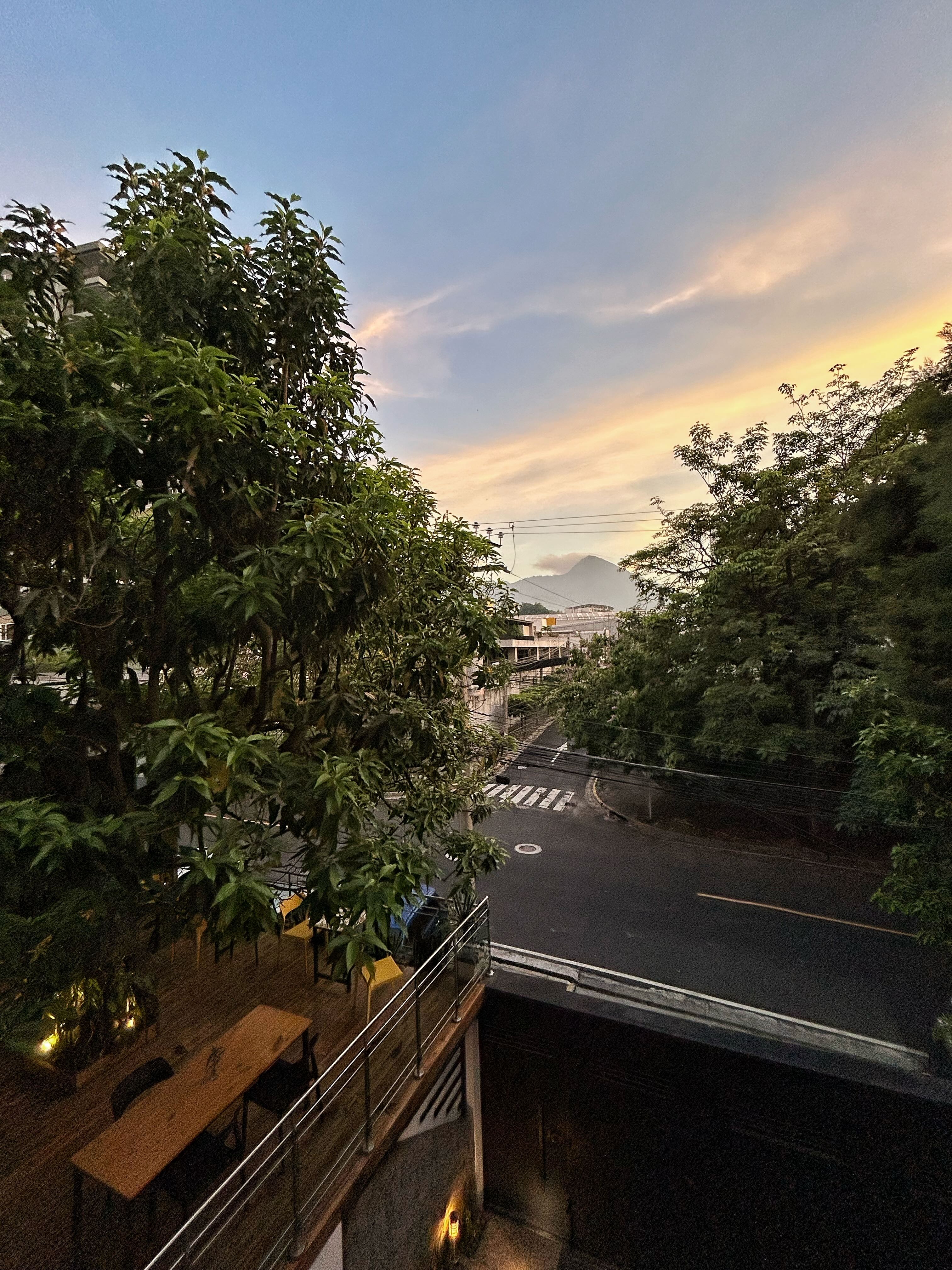
Is there anything better than waking up in a hidden corner of the world, cracking open the window to birdsong on a warm summer morning, and seeing a majestic volcano rising right outside your room? Pure magic. But no time to daydream. We’ve got an adventure waiting! Grab your backpack, water, protein bars, camera, and put those hiking shoes on! Let’s hit the trail to Volcán de Santa Ana!
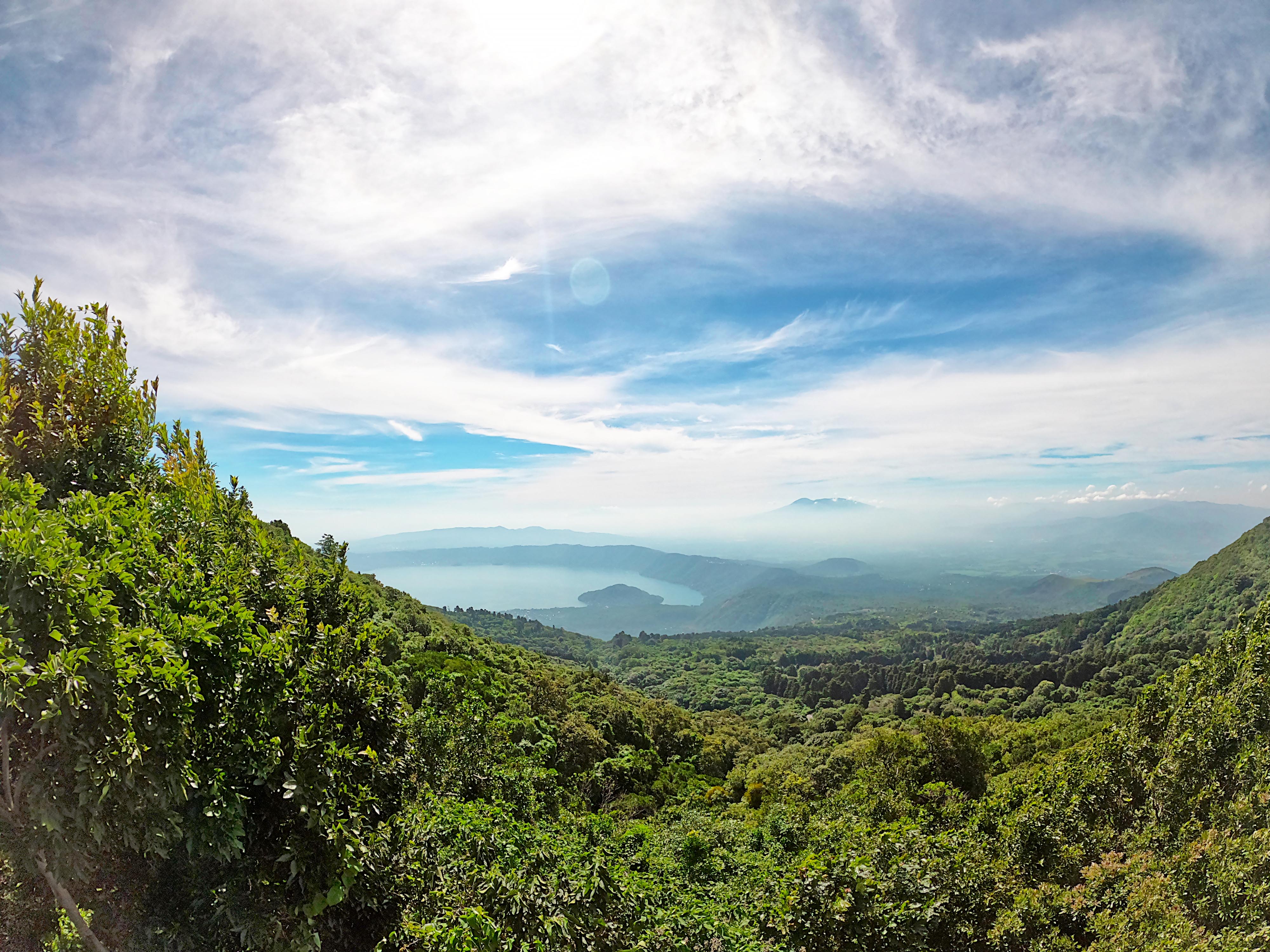
Before arriving in San Salvador, I had booked a hiking tour to the summit of Santa Ana Volcano, one of the country’s active giants, with its last eruption back in 2005. After a scenic two-hour drive, part of it along the legendary Pan-American Highway, we reached the trailhead. The base area felt a tad chaotic, but once we began the ascent, the stunning views quickly stole the spotlight.
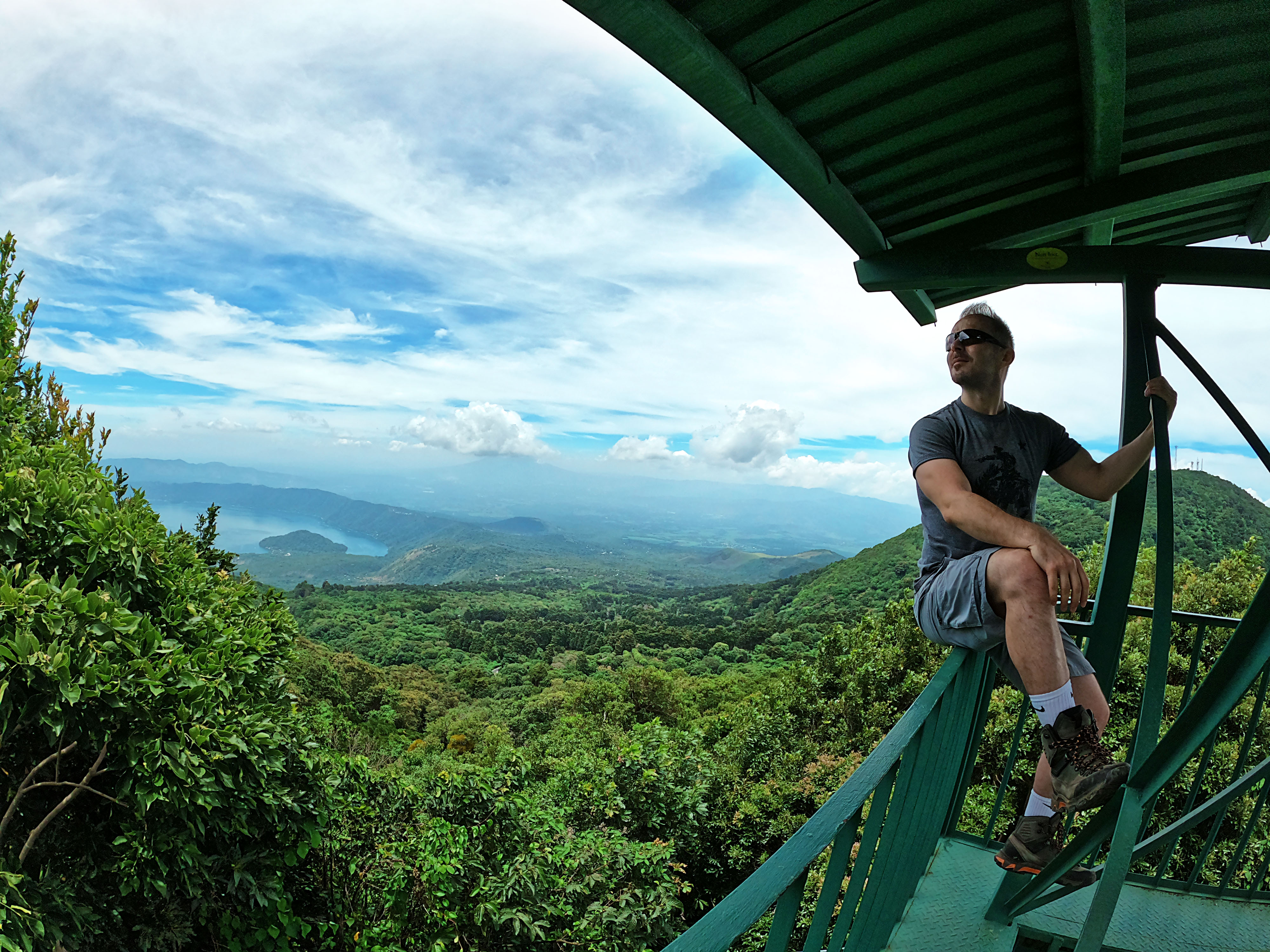
The hike itself isn’t too demanding, about an hour and a half to the top, but I definitely recommend wearing proper hiking shoes. Sneakers just won’t cut it on the rocky terrain. If you make the trip, don’t miss Mirador Panorámico 1. Climb the iron tower there and greet the 57,000-year-old crater lake shimmering below, an ancient beauty putting on a quiet show for all who visit.
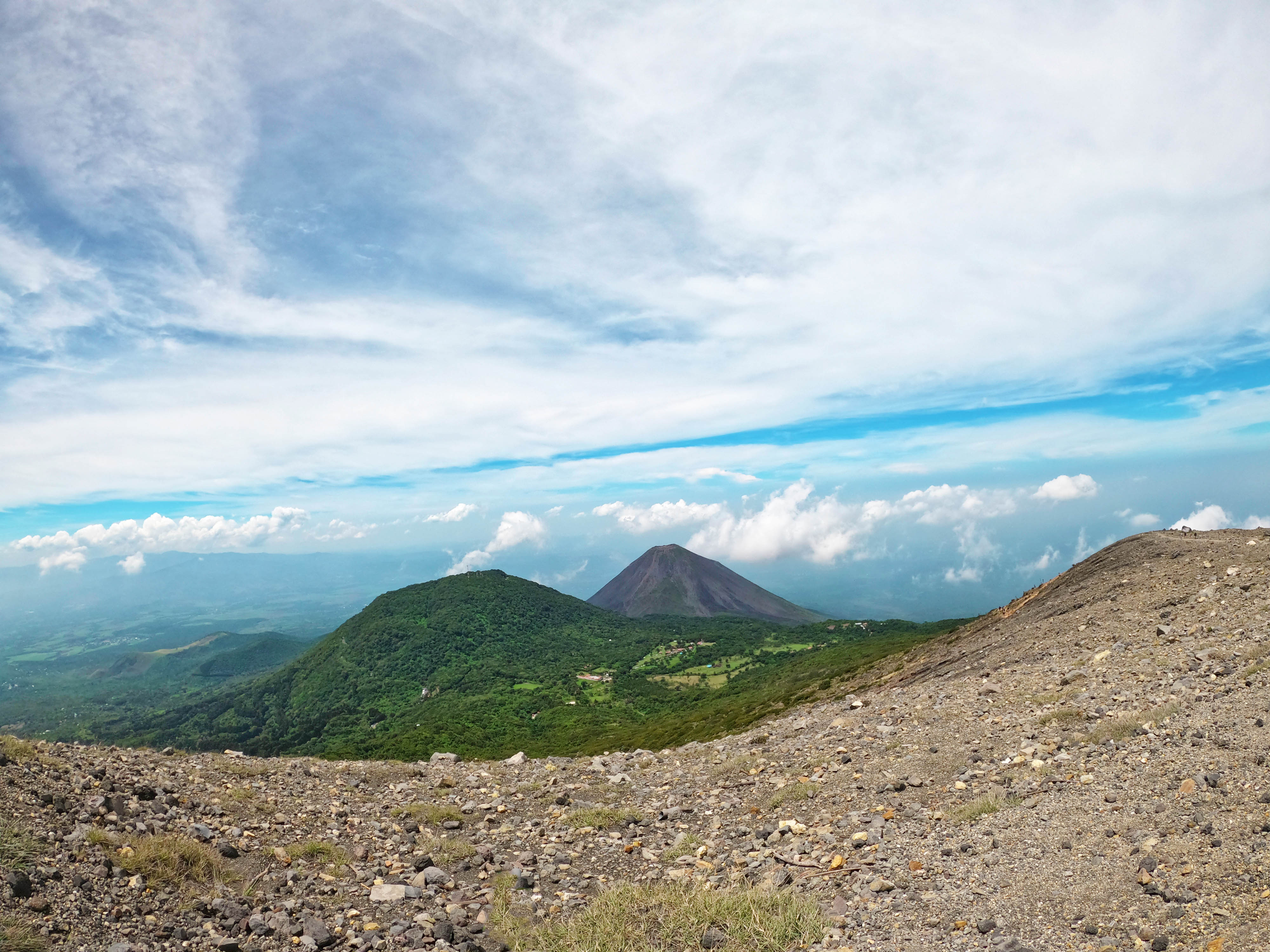
El Salvador lies along the Pacific Ring of Fire, home to two-thirds of the world’s volcanoes. With more than 240 volcanic formations, over 30 of them active, it feels like you’re wandering through a living museum of geological marvels.
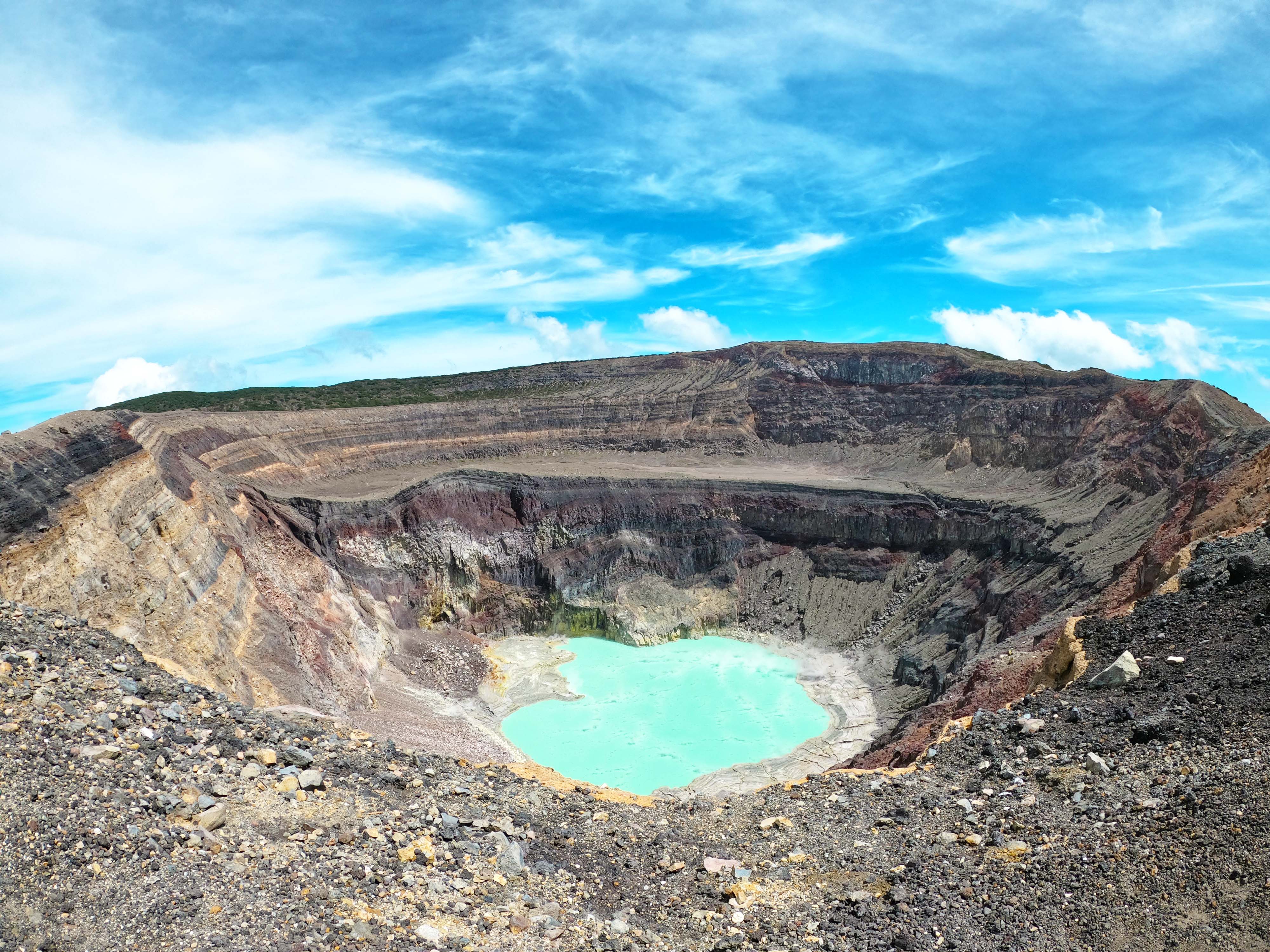
If I’m remembering right, the first time I saw an active volcano up close was in Costa Rica, Volcán Poás, just about an hour north of San José. This one marks the second time I’ve been face-to-face with such raw natural power from this close. Standing at the edge of a massive crater is a humbling reminder of the tremendous power of the nature.
You’re technically not allowed to walk around the crater, however, there are no signs stating that. How do I know? Well, I tested my ‘refined’ Spanish on a Salvadorian security guard with a confident ‘¿Puedo ir?’ and pointing out where I intended to go with my finger. He said something very long but the answer was surely not “Yes” – lol. Let’s just say I’m at the stage where I can express what I want… understanding what others exactly want from me? Still a work in progress. I’ll get there!
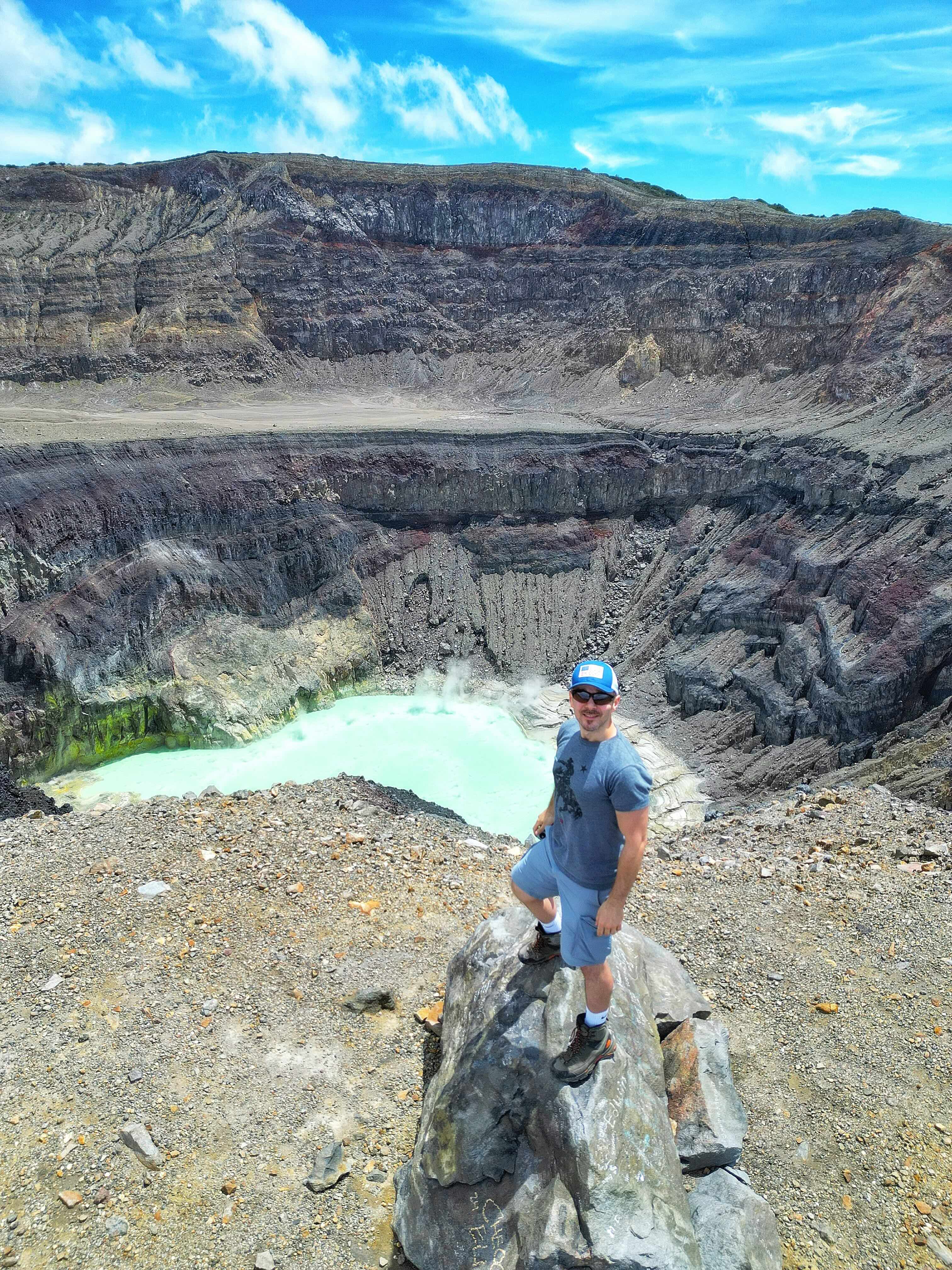
On a serious note, I highly recommend being cautious around the crater. There are no safety rails, and one misstep could lead to a dangerous fall. Considering the steep drop and the boiling water inside the crater, it could be fatal.
That said, it’s an amazing spot to put my “E.T.”, I mean, my drone, into action. You can catch the footage on my Instagram, @huseyinkaradeniz.
After the hike, I was completely wiped out. I’d landed late the night before, only managed to have about five hours of sleep, skipped breakfast, and then hiked for four hours under the blazing sun. Honestly, all I wanted at that point was some good food and a cold drink. Luckily, there’s no better place to unwind than somewhere with great views, surrounded by forest, and overlooking a lake with a story to tell.
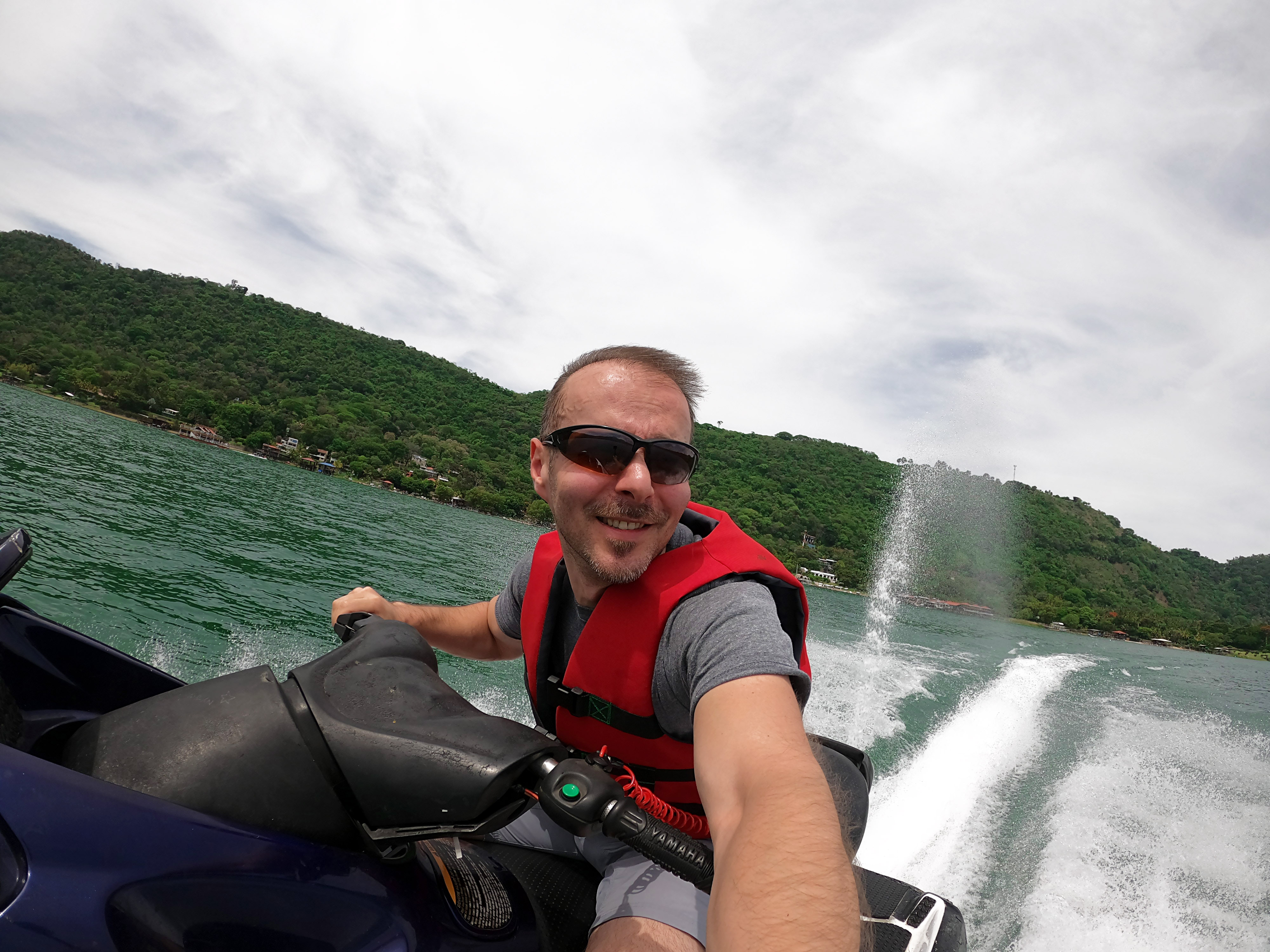
Remember that 57,000-year-old crater lake we glimpsed from the Santa Ana Volcano trail? That’s Lago de Coatepeque. We headed to a lakeside restaurant to relax and enjoy some local cuisine, and that’s when I noticed jet skis lined up by the shore. As hungry as I was and no spare clothes in my bag, I thought, well, how often do you get the chance to ride across a stunning volcanic caldera lake with a jet ski?
So I hit pause on my hunger and exhaustion, dusted off my “refined” Spanish skills again to rent a jet ski, and dove into what turned out to be a thrilling and unforgettable ride. After 30 minutes of cruising on the lake, I felt like I’d truly earned that long-awaited meal.
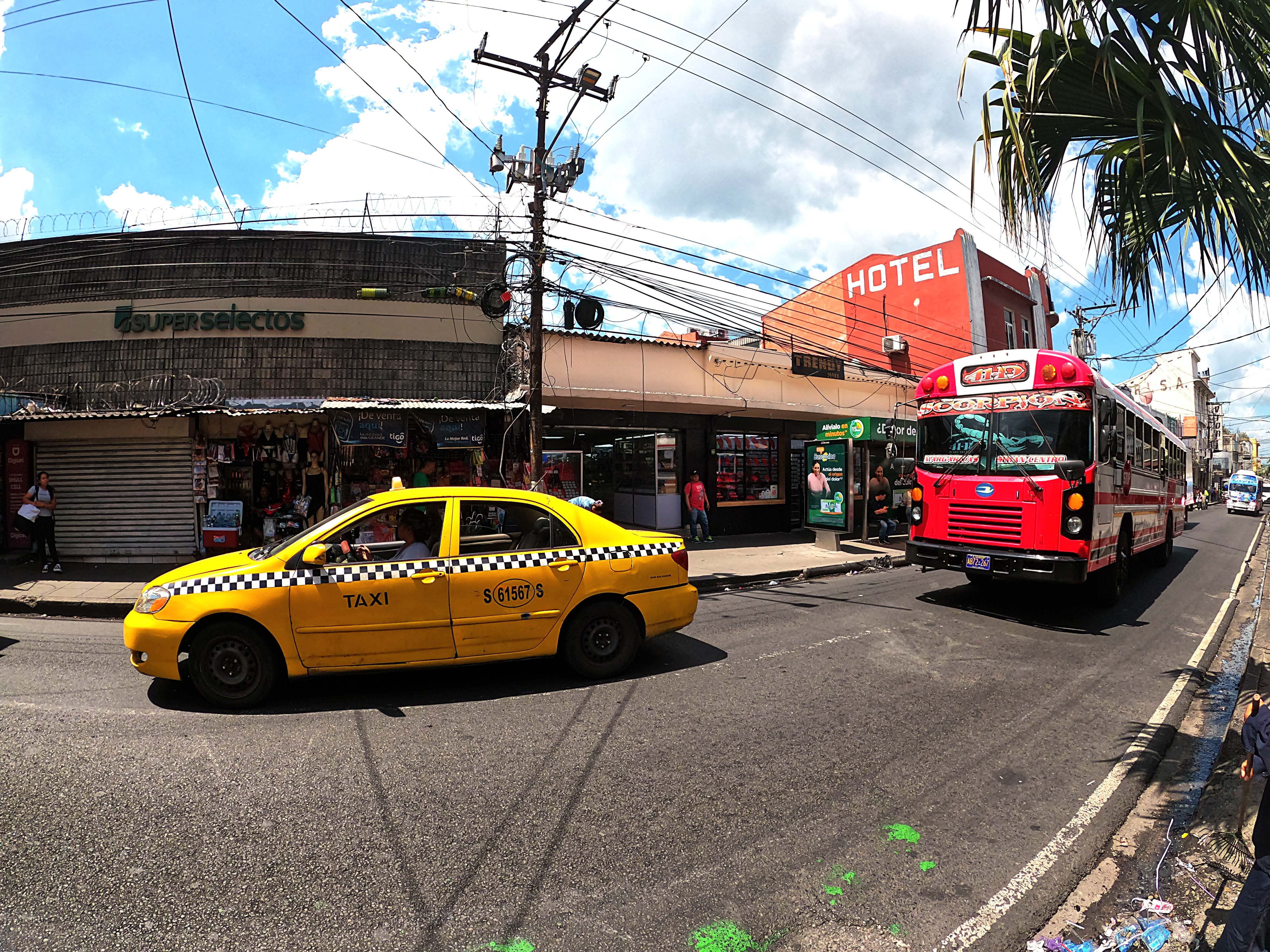
Central America has been on my travel list for quite some time. I’ve already explored the Yucatán Peninsula, Guatemala, Belize, and Costa Rica, but I had long avoided El Salvador, Nicaragua, and Honduras mostly due to concerns around safety.
It’s no secret that for years, El Salvador struggled with extreme gang violence, driven largely by MS-13 (Mara Salvatrucha) and Barrio 18, two of the most notorious transnational criminal organizations in the Western Hemisphere. I’ve even heard firsthand accounts, like from my airport shuttle driver, who told me he had been kidnapped by the Maras for ransom. Things began to change after Nayib Bukele took office in 2019. Following a particularly violent weekend in late March 2022 when gang-related killings spiked to 87 murders, Bukele launched an aggressive nationwide crackdown on gangs. In July 2022, he announced plans for the Terrorism Confinement Center (CECOT) in Tecoluca, a 40,000-inmate facility set to become one of the world’s largest prisons. By December 2024, more than 85,000 individuals with suspected gang ties had been arrested. The results were striking: after a series of high-profile trials, El Salvador’s homicide rate dropped to just 1.9 per 100,000 people in 2024, making it one of the lowest in the Americas.
Everyone I spoke with in El Salvador strongly supported the president’s anti-gang initiatives. What truly struck me was the pervasive sense of safety; I never felt unsafe, whether in San Salvador or elsewhere (it’s always wise to exercise caution, regardless of your destination). Despite its past reputation, El Salvador seems to be experiencing a slow but steady rise in tourism, a positive sign for the local economy. It was evident, when I ran into many Americans during my trip taking advantage of the long weekend and visiting El Salvador.
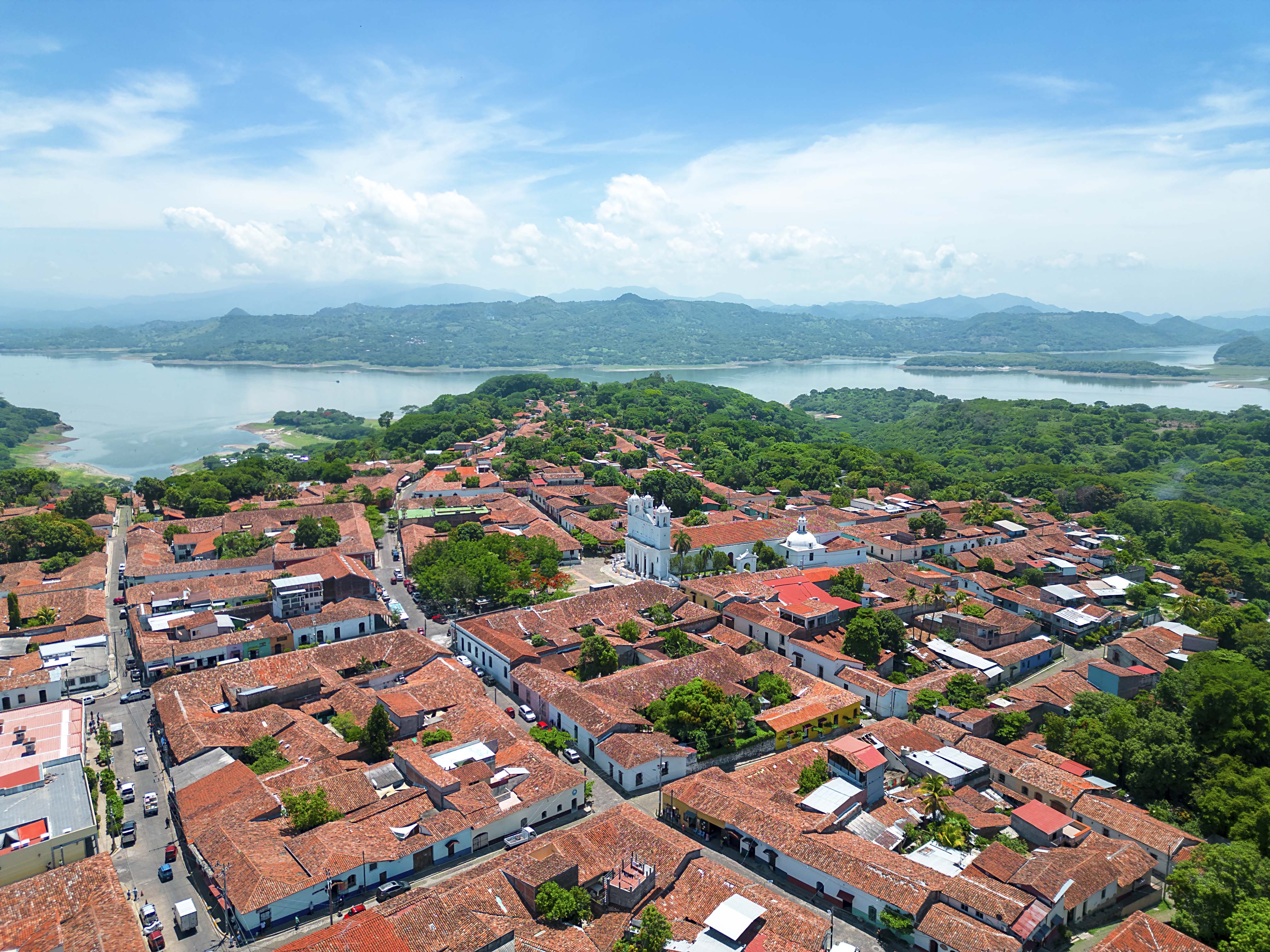
Alright, welcome to Day 2 of Huseyin’s Travel Journal in El Salvador. 2nd day adventure? A journey back in time to the charming Spanish colonial town of Suchitoto. Cobblestone streets, colorful facades, and timeless vibes? Yes, please… let’s hit the road.
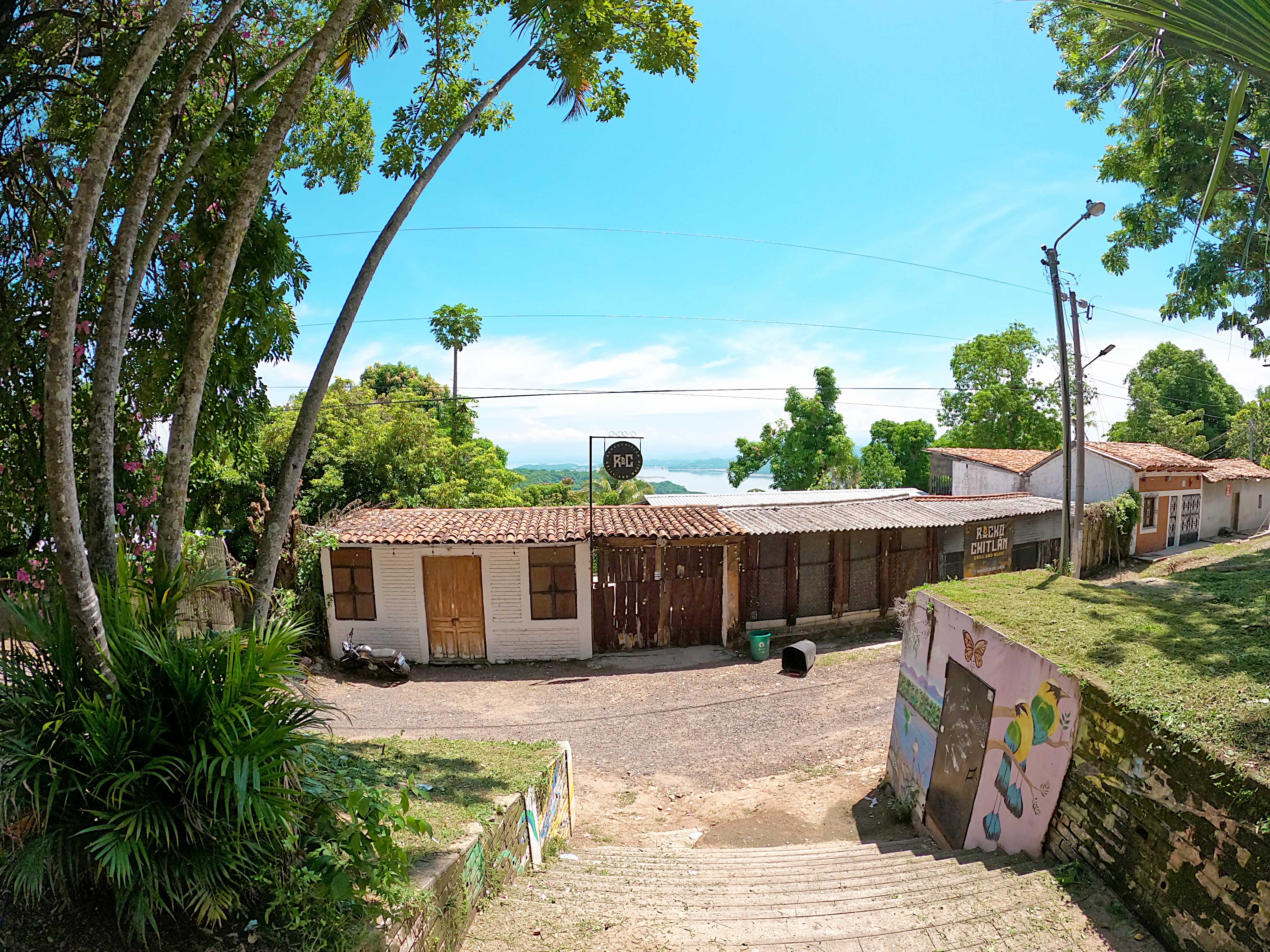
For my visit to Suchitoto and central San Salvador, I booked another guided tour. Essentially, I wanted to keep things simple and avoid over-planning this trip. After an early breakfast at my hotel, I met my driver around 8 a.m. and set off for Suchitoto. I had expected a small group, but to my surprise, the other two guests had canceled last minute, so I ended up with a private tour all to myself.
The drive from Zona Rosa in San Salvador to Suchitoto takes about an hour and a half to two hours, depending on traffic and how many spontaneous stops you make along the way. My guide was incredibly talkative, and we spent most of the drive discussing the country’s current political and social landscape. Unsurprisingly, he spoke positively about the recent crackdown on gang activity.
As we passed through different neighborhoods, he narrated the country’s past, especially the civil war and the grip of gang violence. “This used to be a no-go zone,” he’d say, or, “That corner was where gang members used to gather.” It quickly became clear just how deeply the trauma of those years is etched into the memory of everyday people.
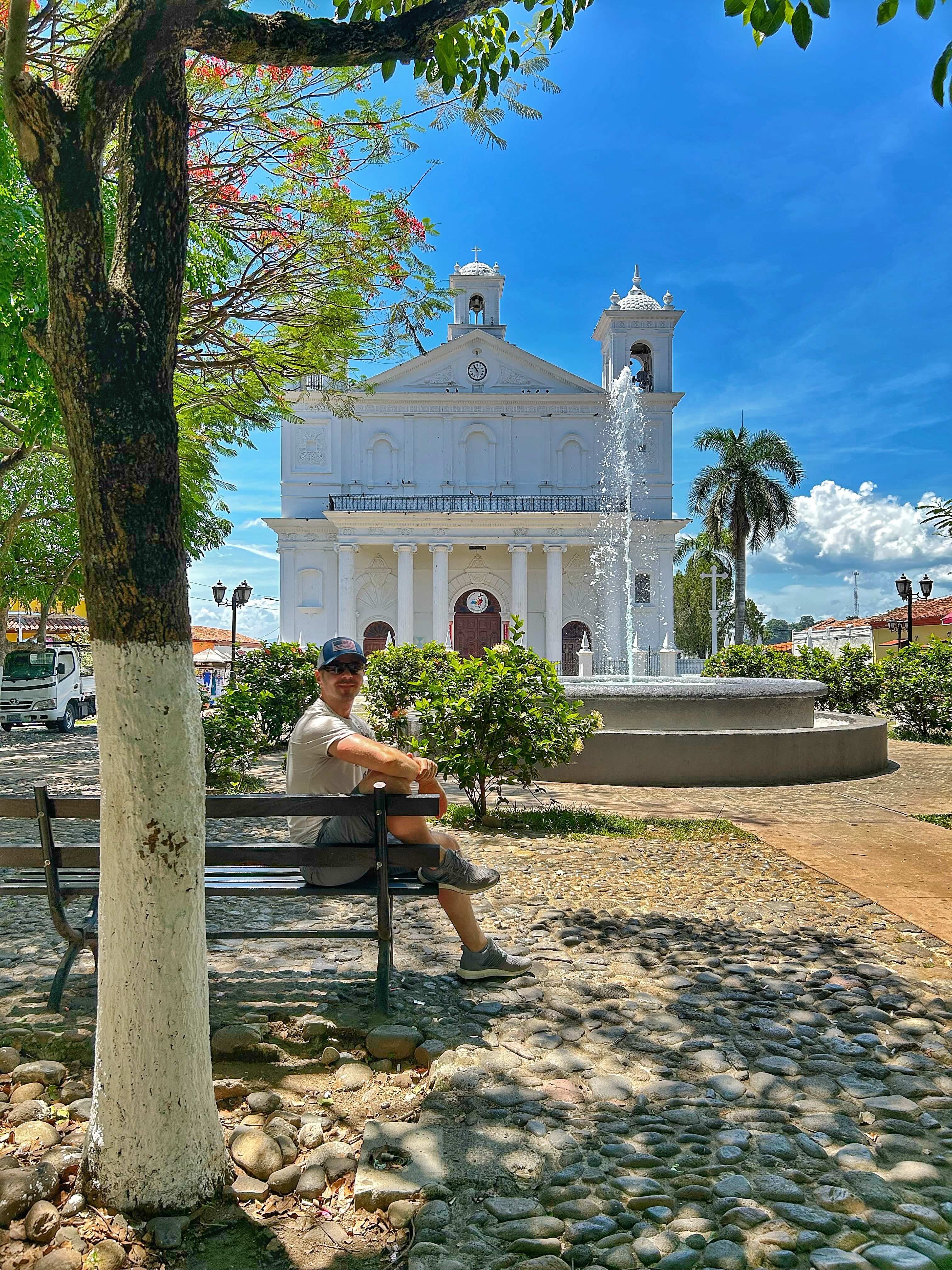
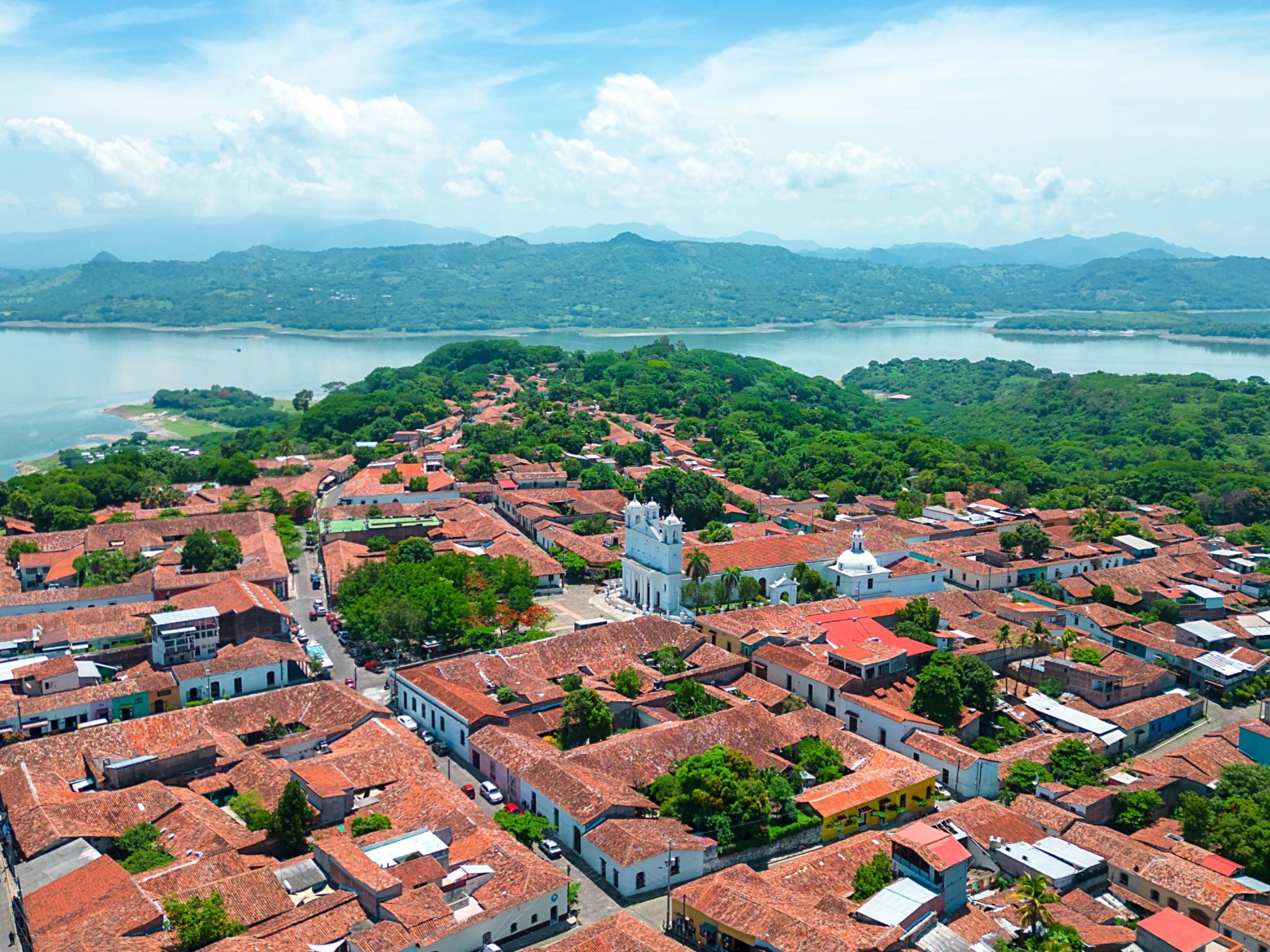
Suchitoto, often referred as El Salvador’s cultural capital, takes its name from the Nahuatl language, meaning “Place of Flowers and Birds”. You can easily spend hours strolling its streets, immersing yourself in the atmosphere, and appreciating the well-preserved architecture, most notably the striking white facade of the Santa Lucia Church in the main plaza.
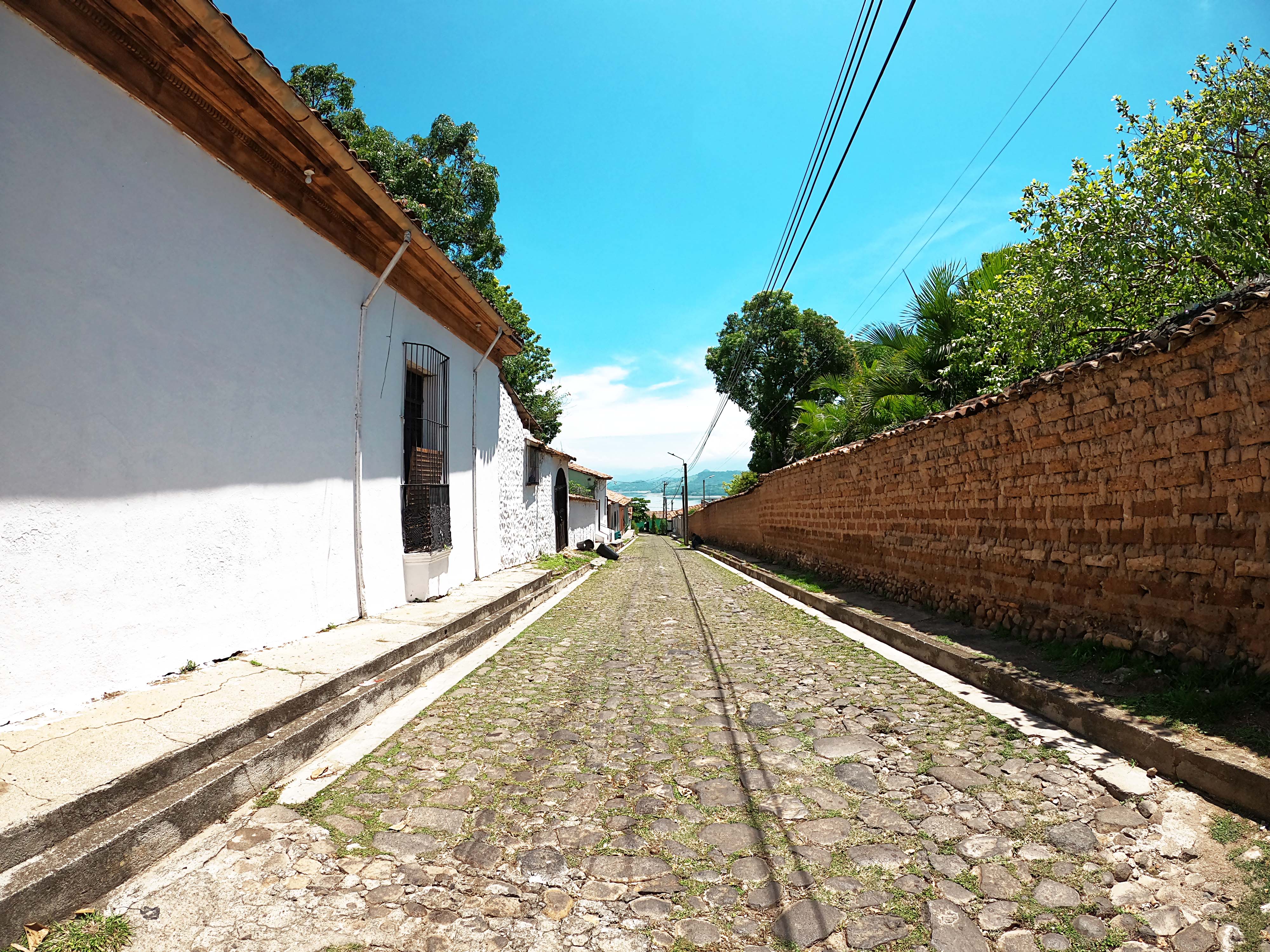
A full day is recommended to truly experience Suchitoto. Just remember to pack plenty of sunscreen, as it can get quite hot in the summer. Although the month of May usually brings a lot of rain, 2025 was an exception, being quite dry. I was told they’re expecting more rain in June and July, so a disposable poncho would be super handy to have if you are visiting on a wet season!
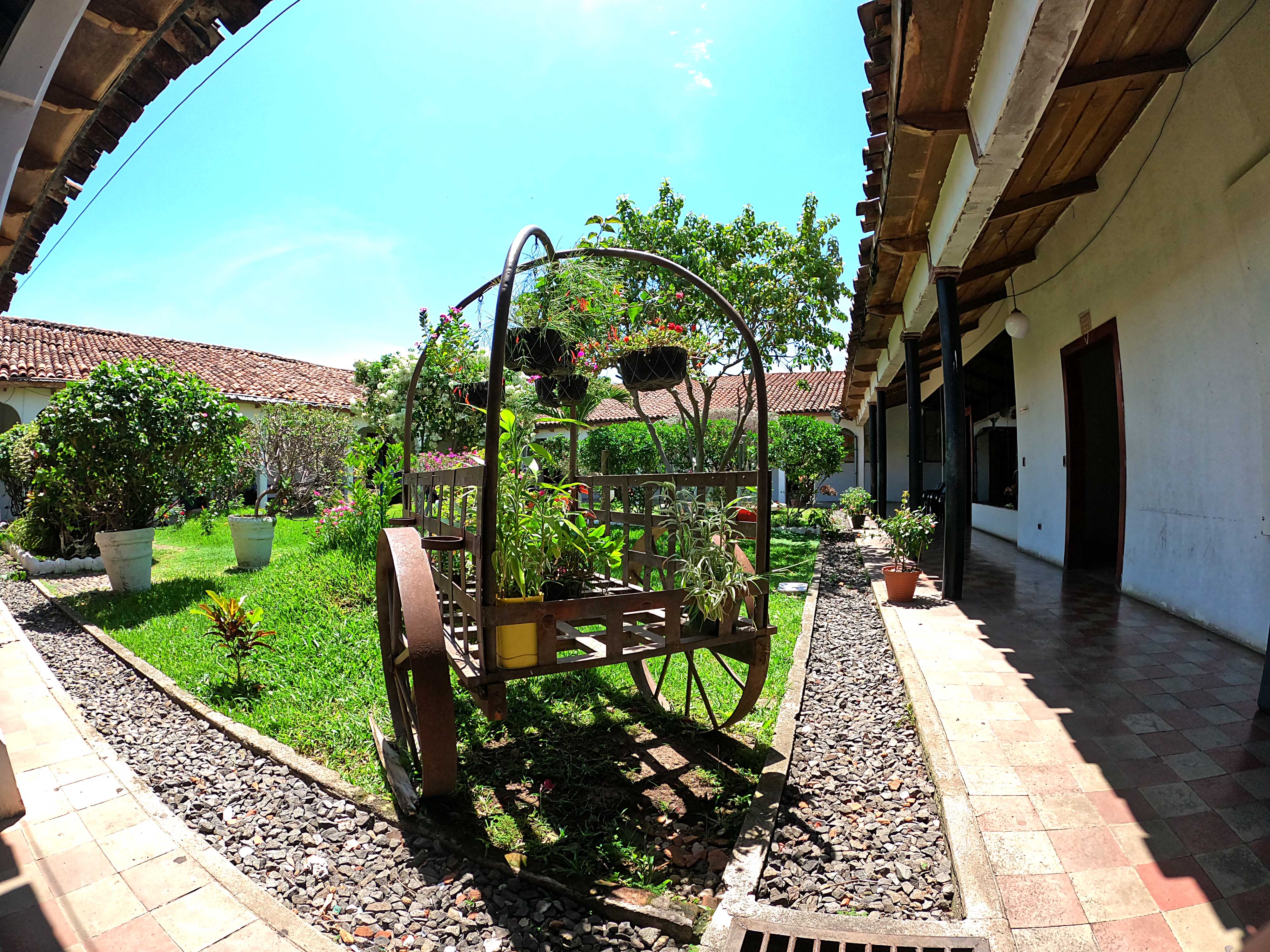
If you’re looking for transportation, public buses run frequently between San Salvador and Suchitoto. While I’ve heard they’re not always the most reliable, it’s an option to consider. Just know they don’t have AC. Fun fact: they actually did have AC initially, but the higher fares made them unaffordable for locals. So, people asked for the AC to be removed, which lowered the fares, and that’s how it is now.
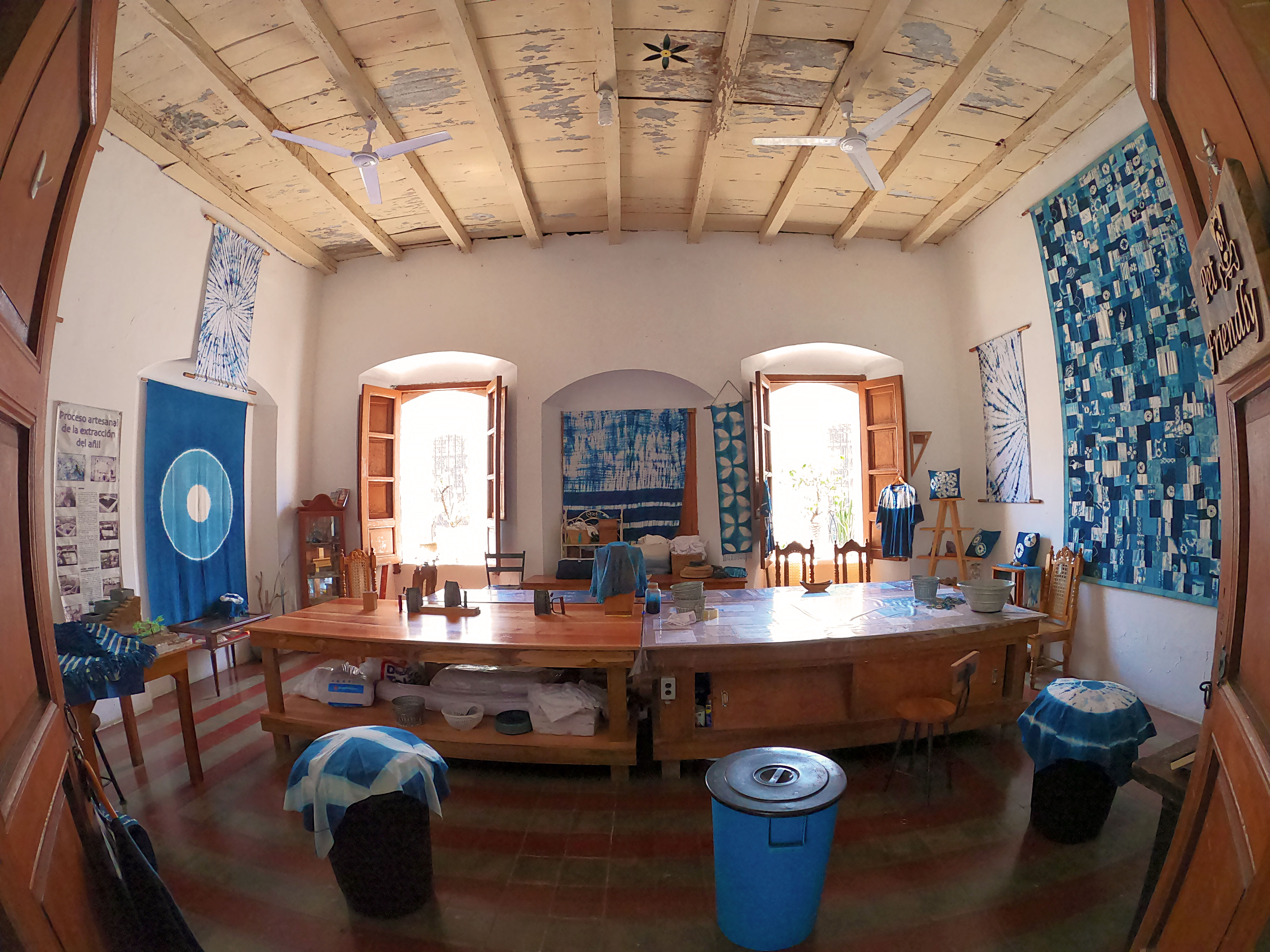
Suchitoto is one of the rare places in Central America where the art of traditional indigo dyeing is still alive. This ancient textile technique uses indigo, a rich, deep-blue dye originally extracted from the leaves of the Indigofera plant, and is considered one of the oldest methods of dyeing fabric in the world. I had the chance to visit Arte Añil, a well-known studio located near Parroquia de Santa Lucía in the heart of town, where I learned firsthand about the fascinating process behind this timeless craft.
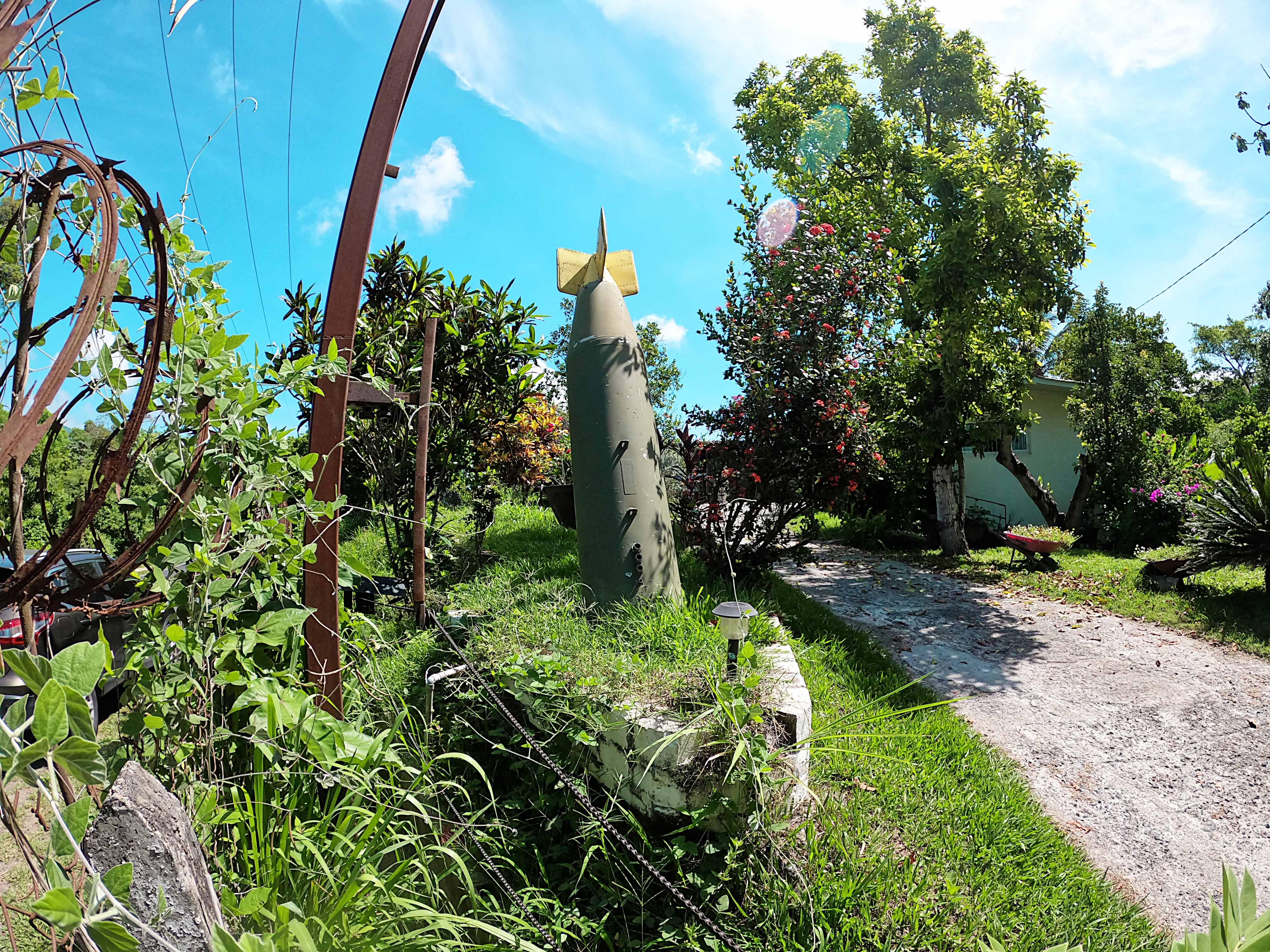
When talking about Central America, civil wars are an unavoidable part of the conversation and El Salvador is no exception. From 1979 to 1992, the country was engulfed in a brutal conflict between the U.S.-backed Salvadoran government and leftist guerrilla forces, claiming an estimated 75,000 lives. The town of Suchitoto played a strategic role during the war and still carries quiet reminders of that turbulent era. In the photo above, you can see an unexploded missile, a chilling relic left behind by government forces.
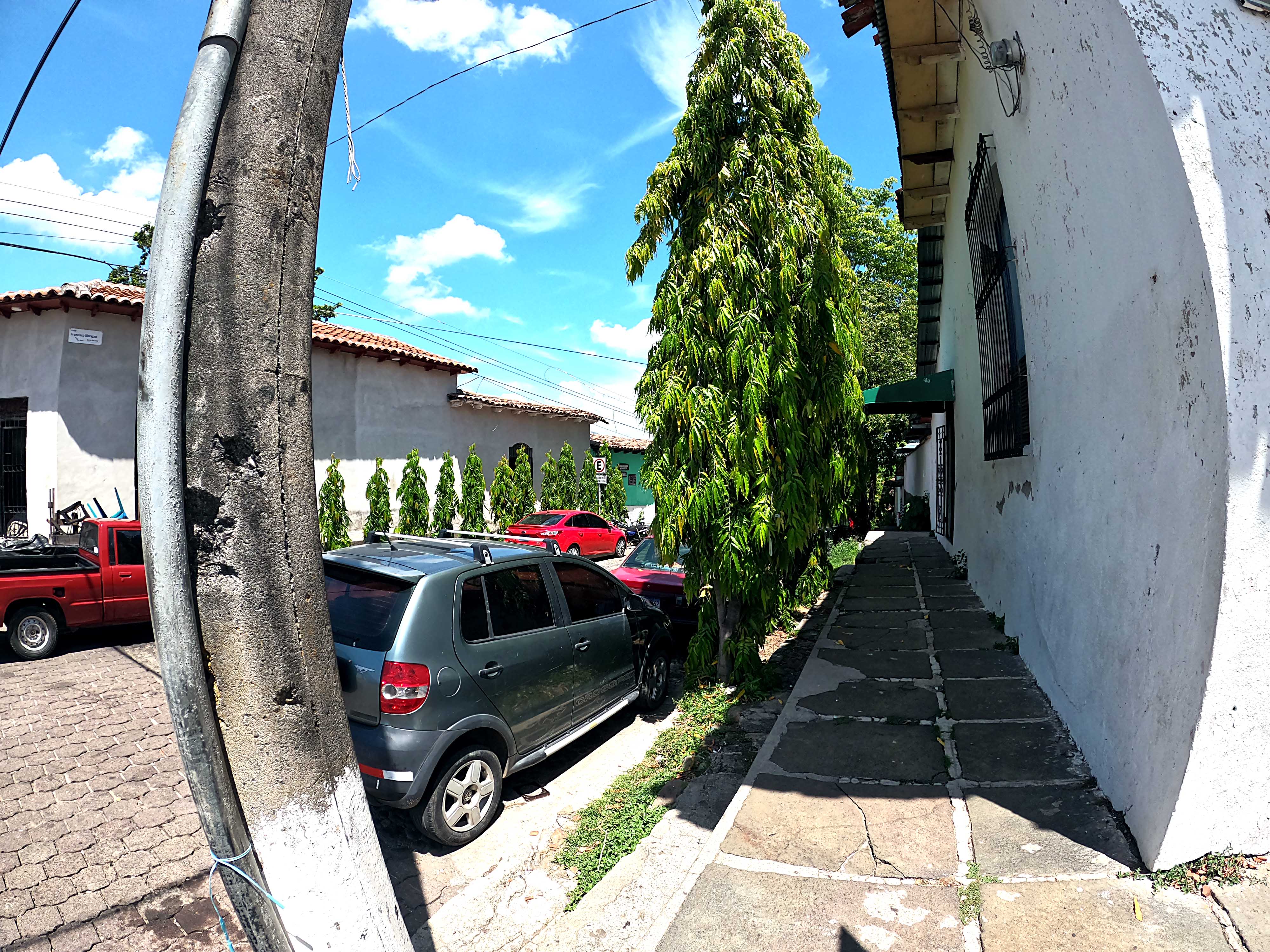
The scars of war are still visible around every corner. This telephone pole, for example, still bears the bullet holes from the days of conflict, a silent witness to a violent past.
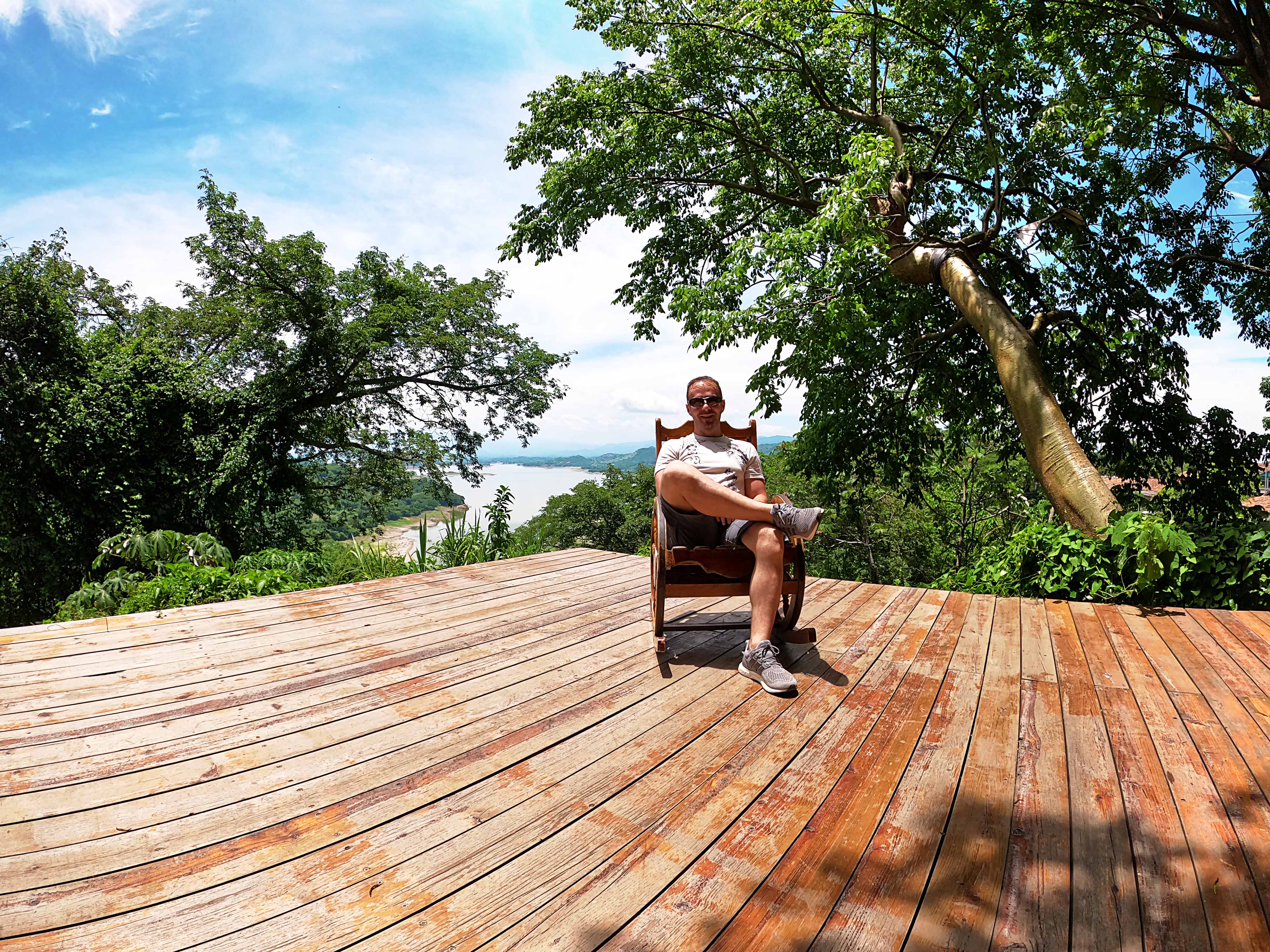
To peace, to the sweet joy of living, and to the fleeting seconds that slipped away, yet left behind unforgettable memories.
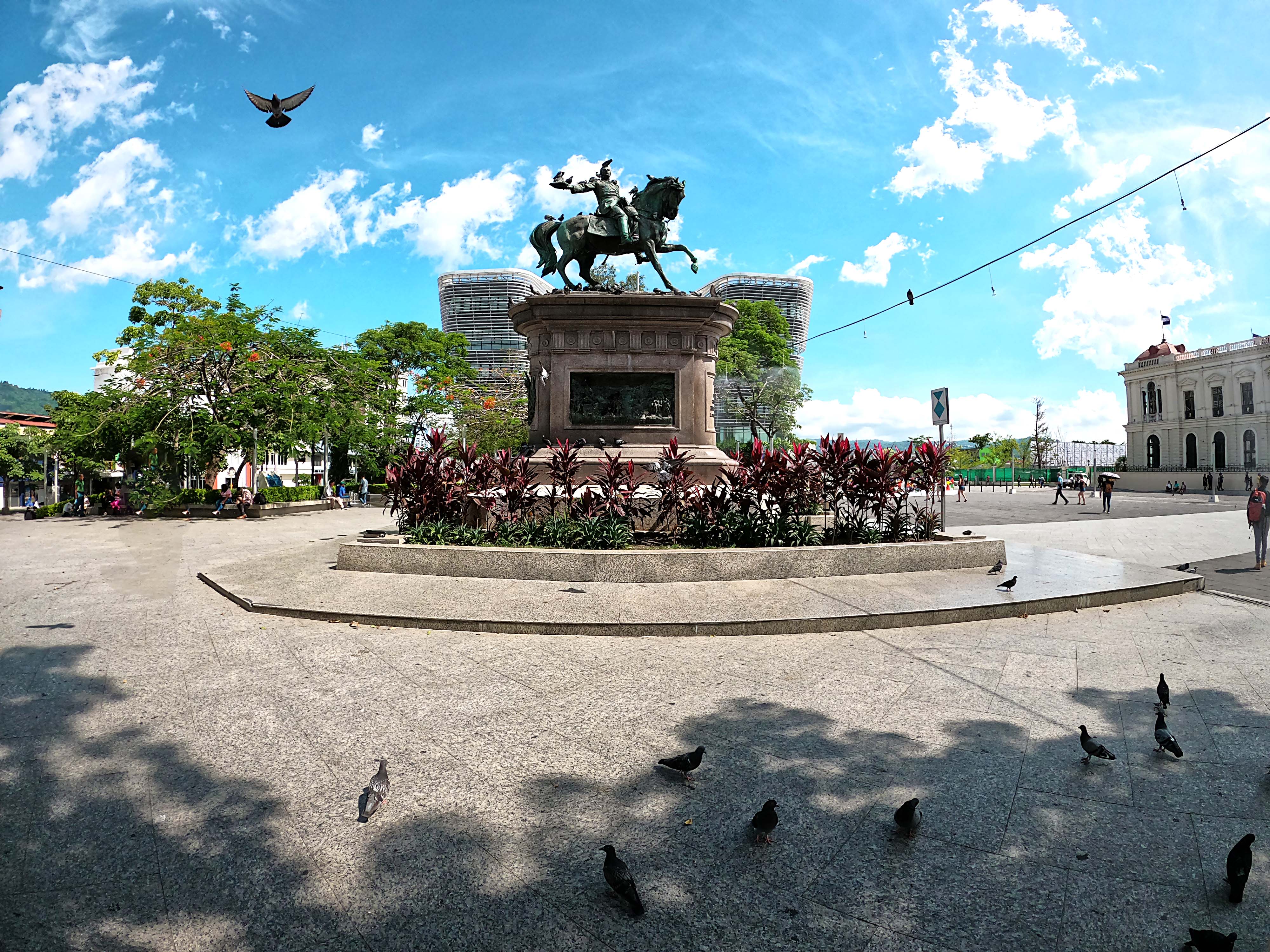
Now, let’s make our way back to San Salvador’s Centro Histórico to wrap up the trip. The city center is surprisingly clean and feels safe. You’ll notice police officers stationed throughout the area, helping maintain security and offering a reassuring presence for visitors.
If you’re planning to get around by car, Uber is a reliable option in San Salvador. Before my trip, I’d heard rumors that drivers might refuse credit card payments and only accept cash, but that wasn’t my experience at all. I used Uber several times without any issues, and all my payments were processed through the app.
Want a little insider tip? There’s another app called inDrive, which often offers rides at half (or even a third) the cost of Uber. For example, while a typical ride from the airport to the city center might cost $30–$40 with Uber, the same trip with inDrive can be as low as $11–$15. Based on my experience, both apps felt safe and convenient to use.
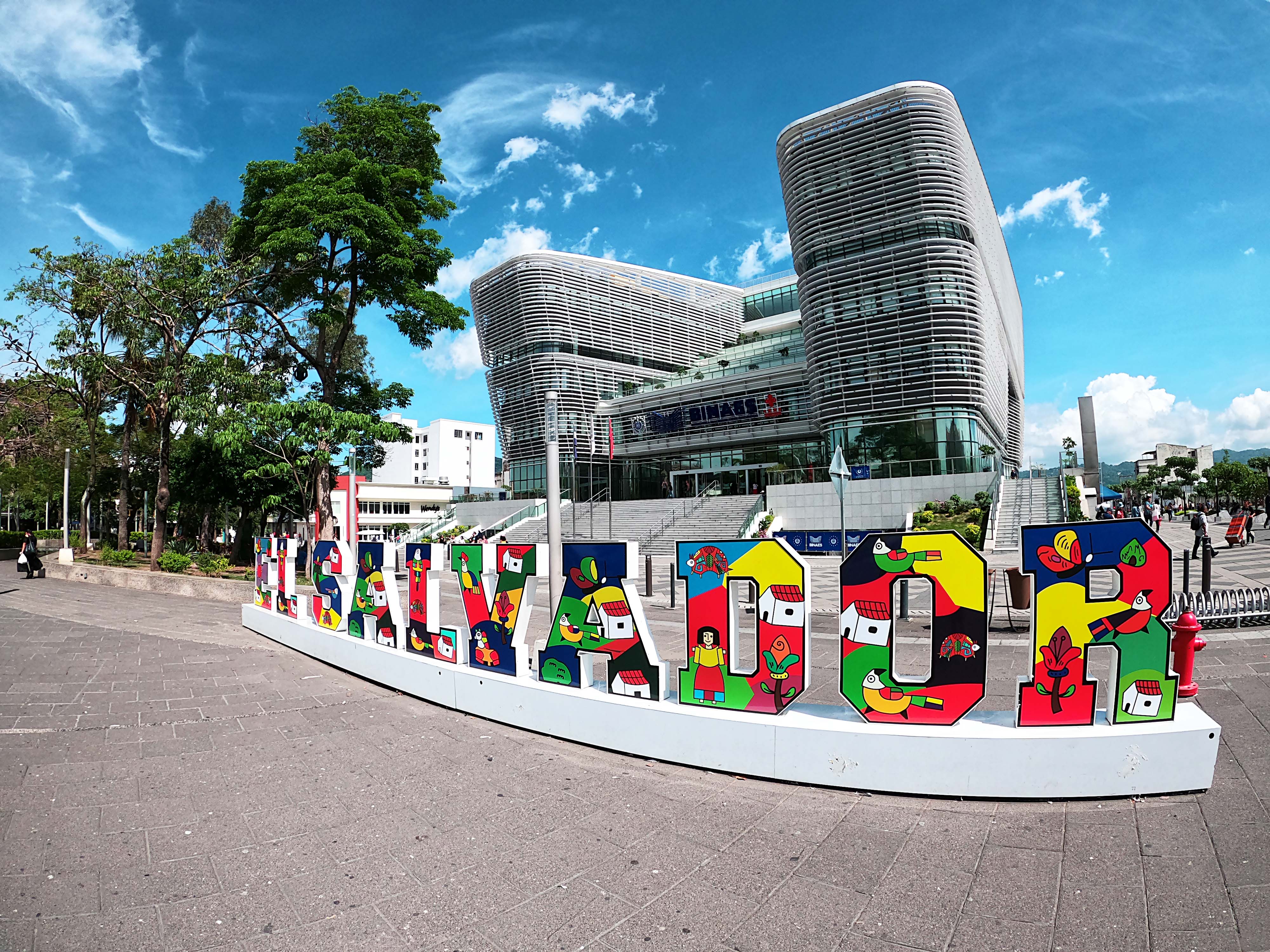
One of the most fascinating highlights of my time in San Salvador was the National Library of El Salvador. Built in collaboration with China and opened in 2023, the library is a stunning, modern space that’s open 24/7, offering free Wi-Fi and an impressive range of amenities. From tech zones and gaming areas to themed rooms inspired by Game of Thrones, Star Wars, and The Lord of the Rings, the library is as imaginative as it is functional. You’ll also find curated book collections, study and meeting rooms, art galleries, open-air terraces, restaurants, and more.
It’s truly a haven for people of all ages and a powerful symbol of El Salvador’s investment in education and its vision for a brighter future. On the last day of my trip, I even spent a few hours there working remotely and taking meetings in one of the study rooms before heading to the airport.
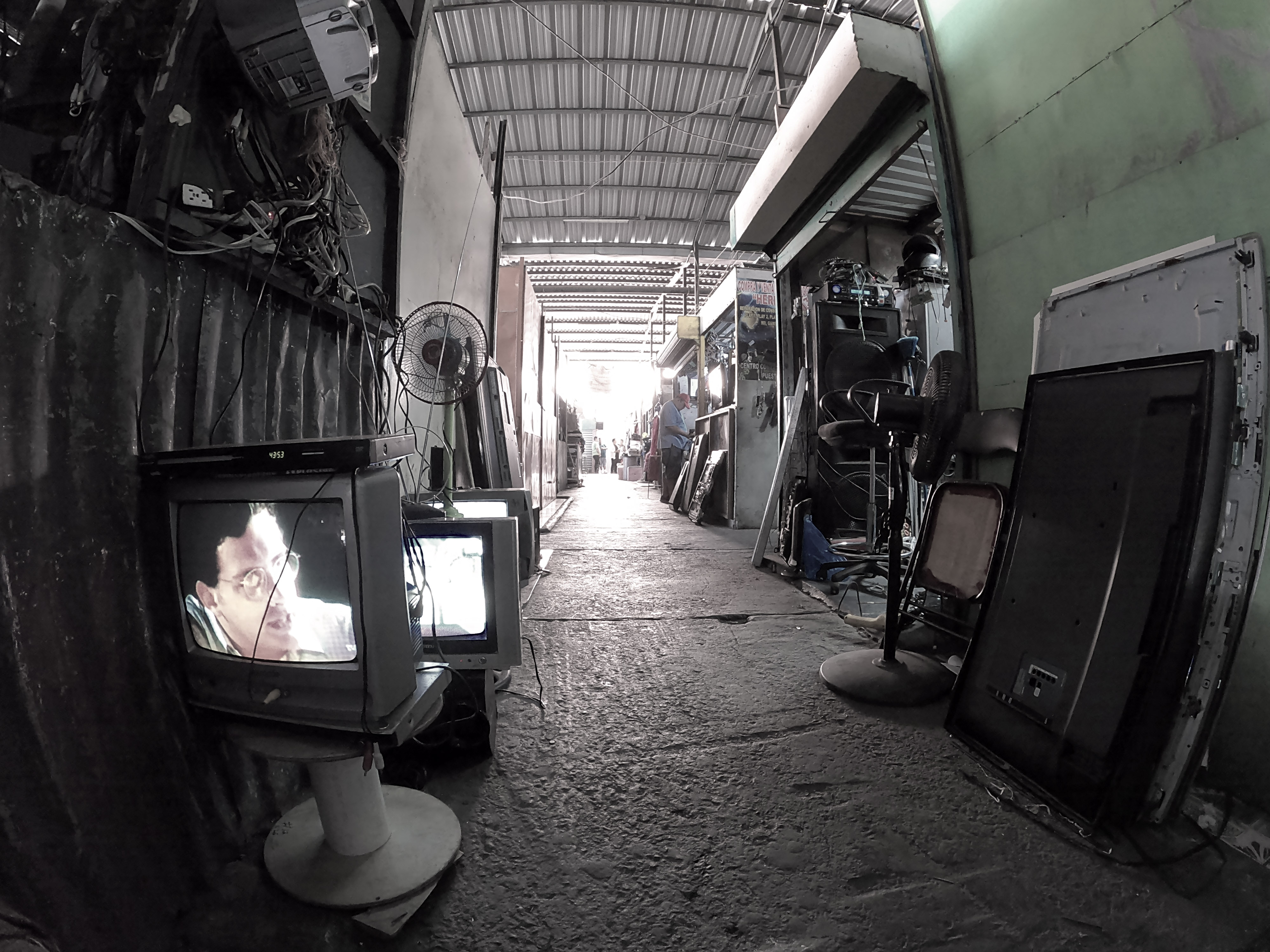
If you get the chance, be sure to explore some of the indoor markets in the city center, such as Sacred Heart of Jesus Market, Hula Hula Market, or Mercado Ex-Cuartel. These bustling spots are perfect for discovering local flavor and picking up unique gifts or souvenirs.
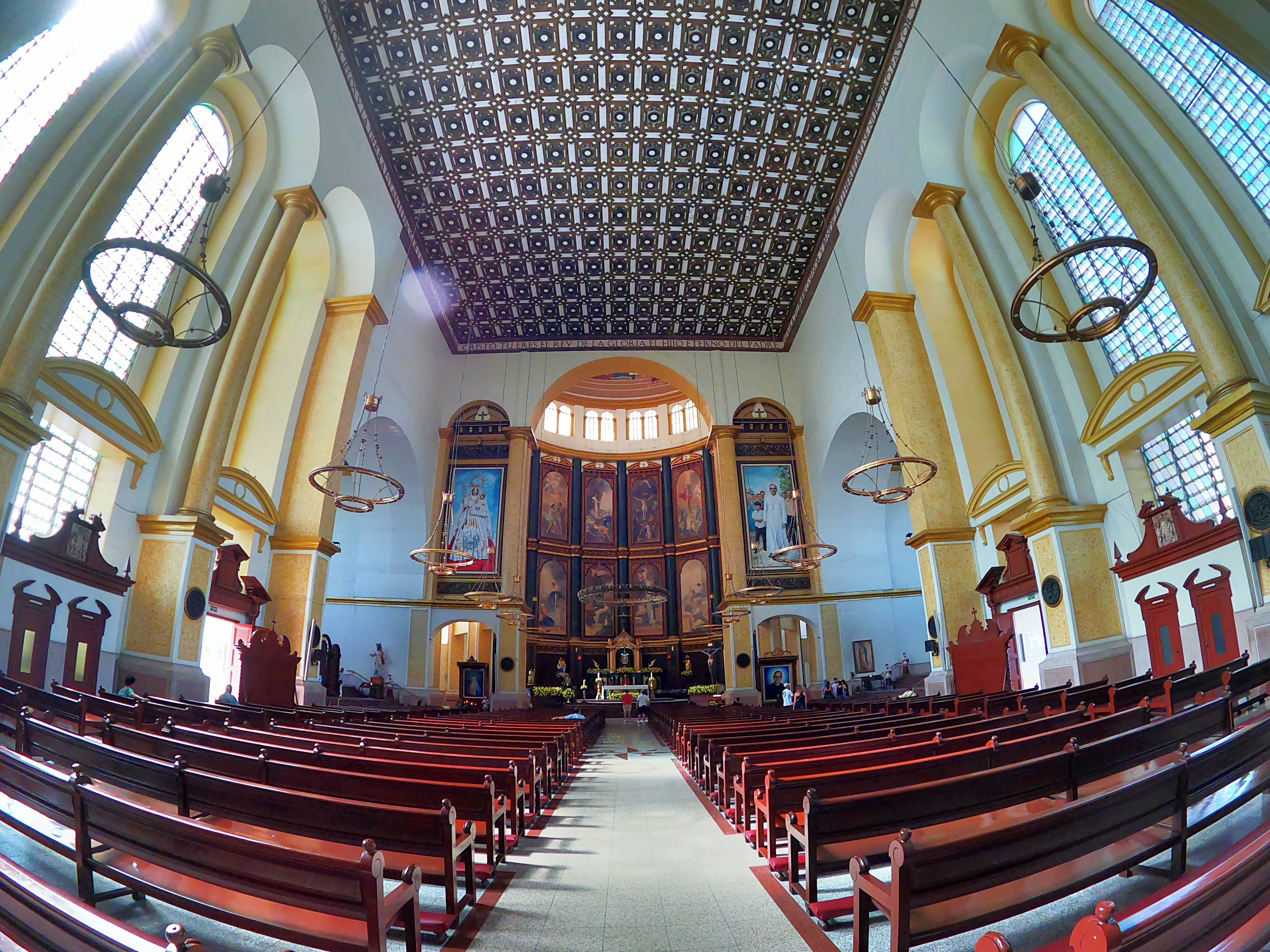
If you’ve traveled through Latin America, you’ve likely noticed how closely religion and the state are intertwined, and El Salvador is no exception. The historic center of San Salvador is home to some of the country’s most significant churches, including the Catedral Metropolitana, which holds the final resting place of Saint Óscar Romero. A pivotal figure in El Salvador’s history, Romero was known as “the voice of the voiceless.” He used his weekly radio sermons to speak out boldly against state-sponsored violence, shedding light on the massacres, disappearances, and repression that marked the country’s civil war. Archbishop Óscar Romero was assassinated on March 24, 1980, while leading Mass at a small chapel in the Hospital of Divine Providence in San Salvador.
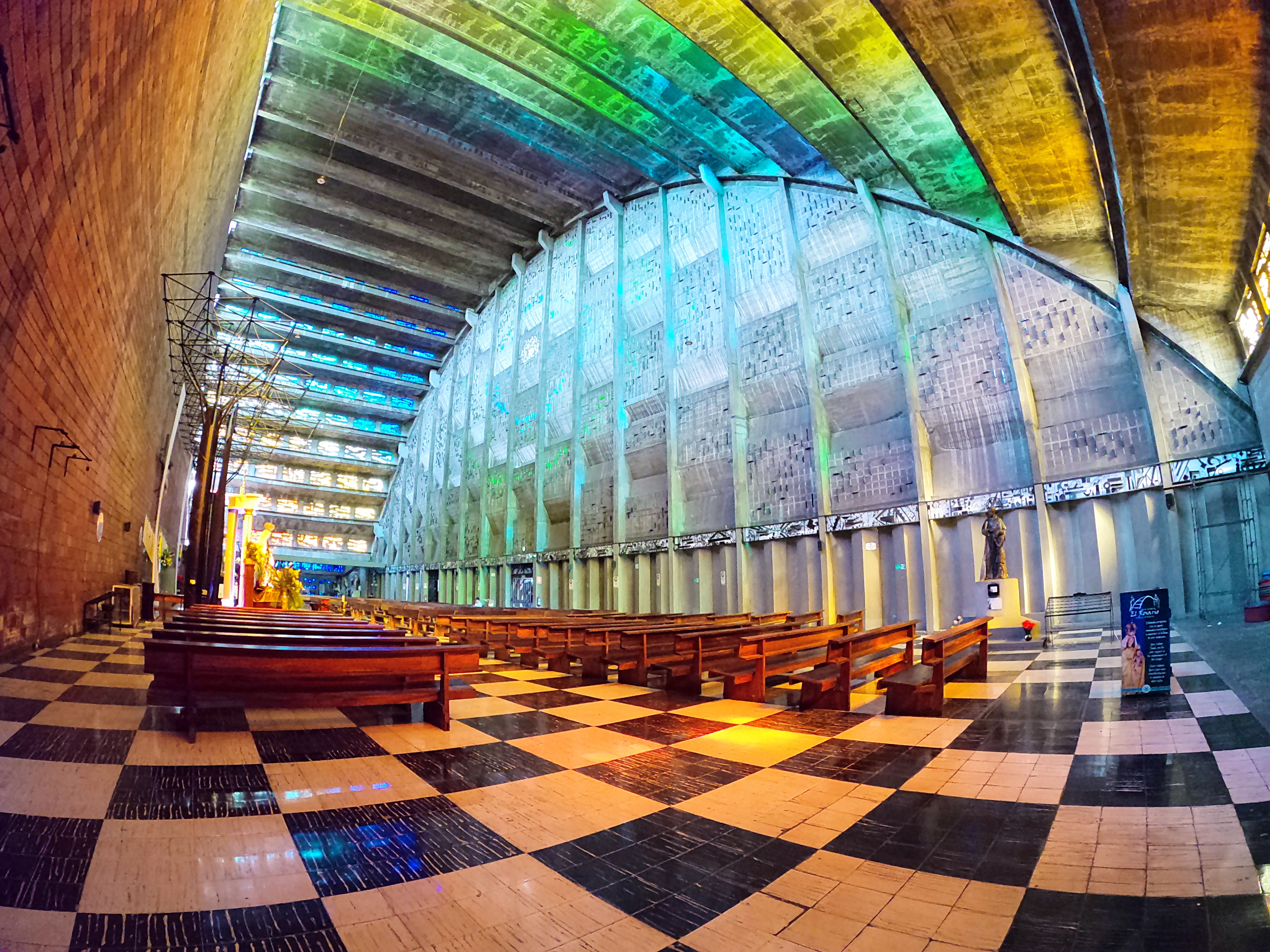
Just a short walk from the Catedral Metropolitana, you’ll find one of the most striking churches in the city, Iglesia El Rosario. From the outside, it resembles a plain warehouse, but step inside and you’re transported to a space that feels almost otherworldly.
I suppose it’s time for pupusas but before we reach our final stop, let me share a small story.
I was sitting in a quiet café in the city center of San Salvador, thinking about whether I should make the journey to Planes de Renderos Lookout, a spot known for its breathtaking views of the city. I had heard it was a perfect place to end the day with a warm plate of pupusas and the sunset as your backdrop but the ride would take nearly 50 minutes by Uber, and since I didn’t have mobile data, I worried it might be tough to find a ride back to the hotel afterward.
I sat there, wrestling with the thought. Then, I told myself, “Don’t overthink it. Say yes. Don’t run from the unknown, run toward it. Life begins where the plan ends.” So I called the Uber and stepped out to meet the adventure halfway.
My driver turned out to be one of the most spirited people I met during the trip. Young, full of energy, and bursting with stories. As we drove, he shared how he was teaching himself English not just by listening to music on Spotify, but by reading the lyrics, too. He had even signed up to an academy for private English courses with his credit after being robbed by a customer, hoping that better language skills might land him a job at a call center. He worked long hours, from 4 a.m. to 6 p.m. daily, yet his enthusiasm never wavered.
He told me he was actually heading home when my ride request came through, but something nudged him to accept. We connected instantly. After complimenting his English, he excitedly called his girlfriend on a video chat to introduce me beaming with pride.
Moved by his kindness and resilience, I invited him to join me for dinner. “Let me treat you,” I said. “Be my guest tonight, and afterward, you can take me back to the hotel. That way you won’t be driving back without a fare and I don’t have to look for a ride.”
So we shared an unforgettable evening at Boomwalos, tucked into the hills of Los Planes de Renderos. Over cold drinks and fresh pupusas, we watched the lights of San Salvador flicker below us like fireflies. Before we left, he insisted on taking me to Puerta del Diablo, a dramatic cliffside view nearby, as a thank you gesture.
None of this was planned. It all happened because I said yes to the unknown. And honestly, that night became one of the most meaningful memories of my trip. Because sometimes, all it takes is a simple choice, not to overthink, and to say yes to the adventure. Life has a way of surprising us when we let it.
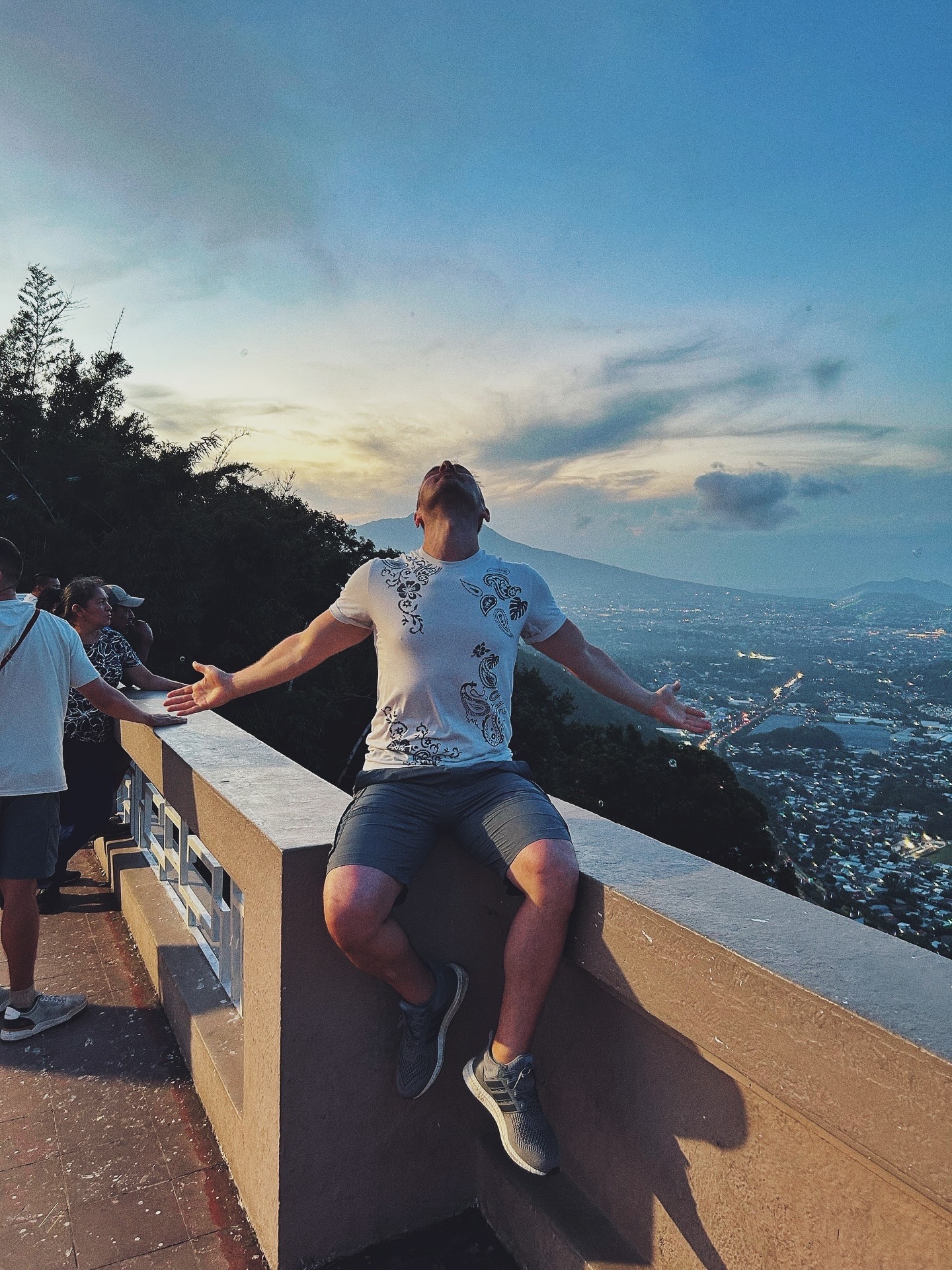
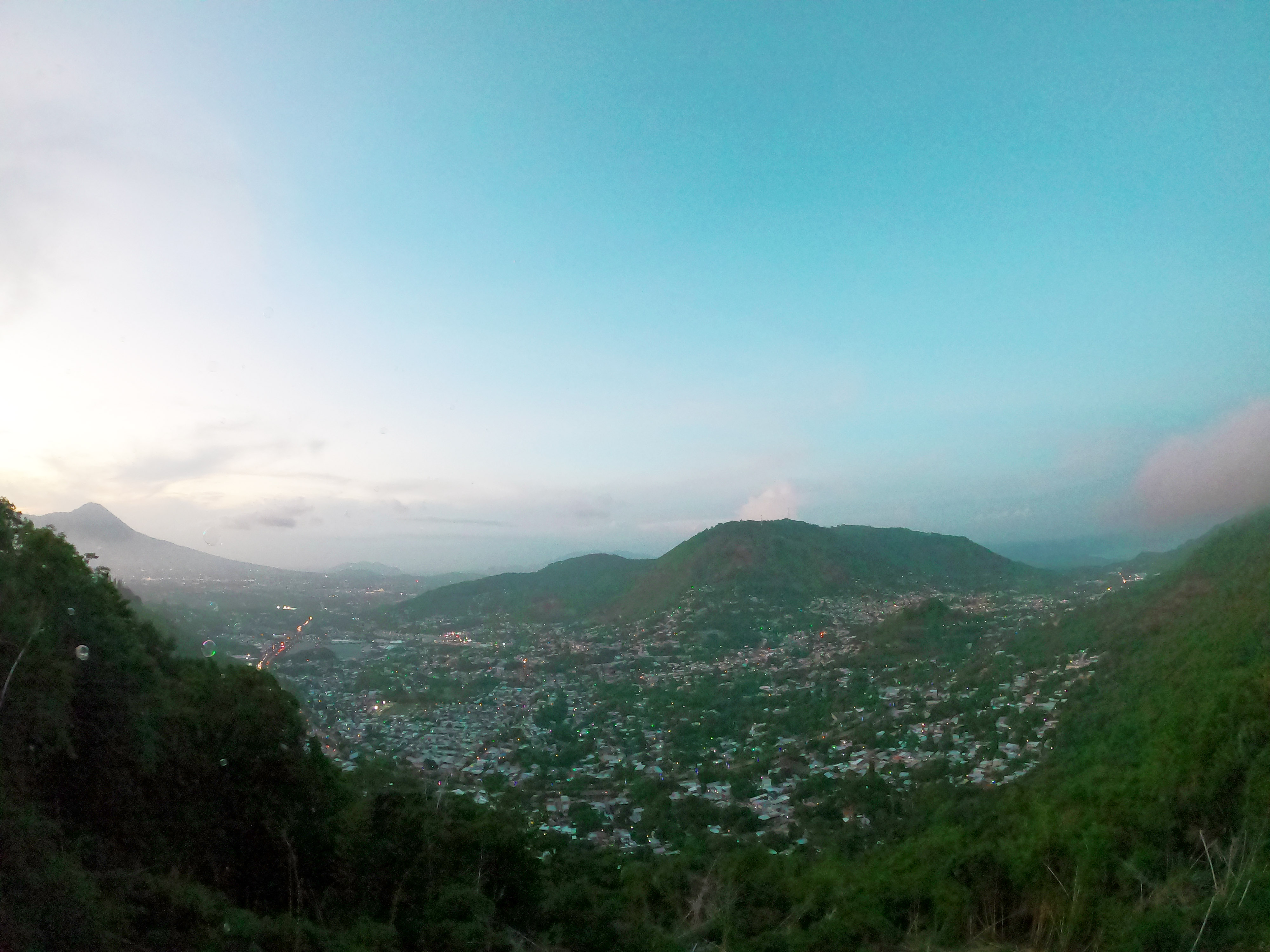
This is Hüseyin, signing off from Mirador de Los Planes de Renderos, as the final light of day melts into the horizon. The volcanoes stand watch like ancient guardians, and the city below glows softly, wrapped in a blanket of golden lights.
Thank you, El Salvador, for the memories engraved deep in my heart. Consider this a warm embrace a quiet thank you for every sunset, every smile, and every story that will forever stay with me.
 Huseyin Karadeniz | Travel & Photography Journal