
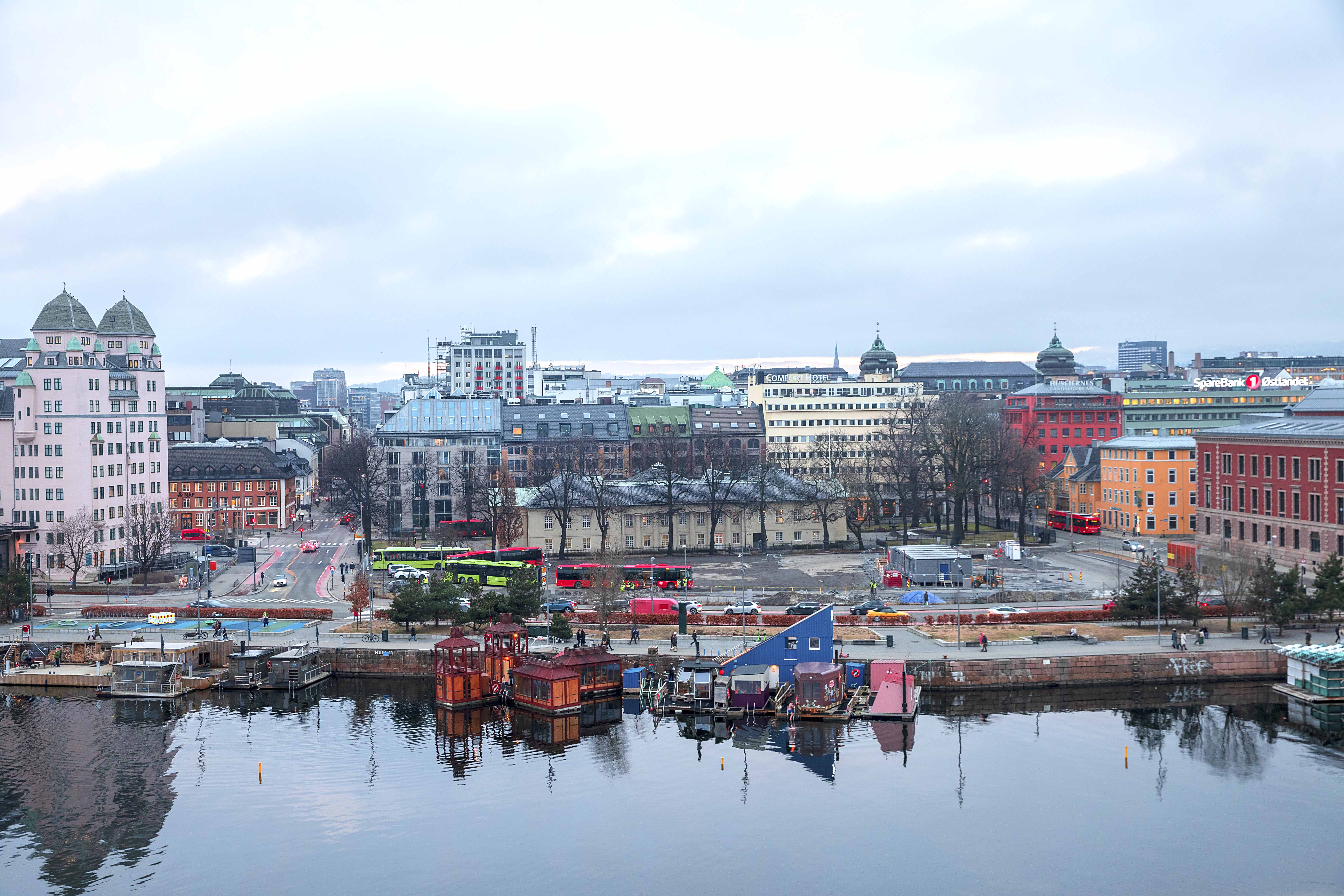
Did I hear you say, ‘Hüseyin, it’s nearly summer, why are we still heading to the chilly Nordic lands?’ Fair enough! But the truth is, our northern adventure isn’t quite over yet. 😊 After an awe-inspiring journey to the North Pole, we decided to spend a few days exploring Oslo, Norway’s picturesque capital. I’ll admit, it felt a bit subdued after the Arctic thrill, but if you’ve got a couple of days to spare, Oslo is still well worth a visit. So without further ado, let’s dive in!
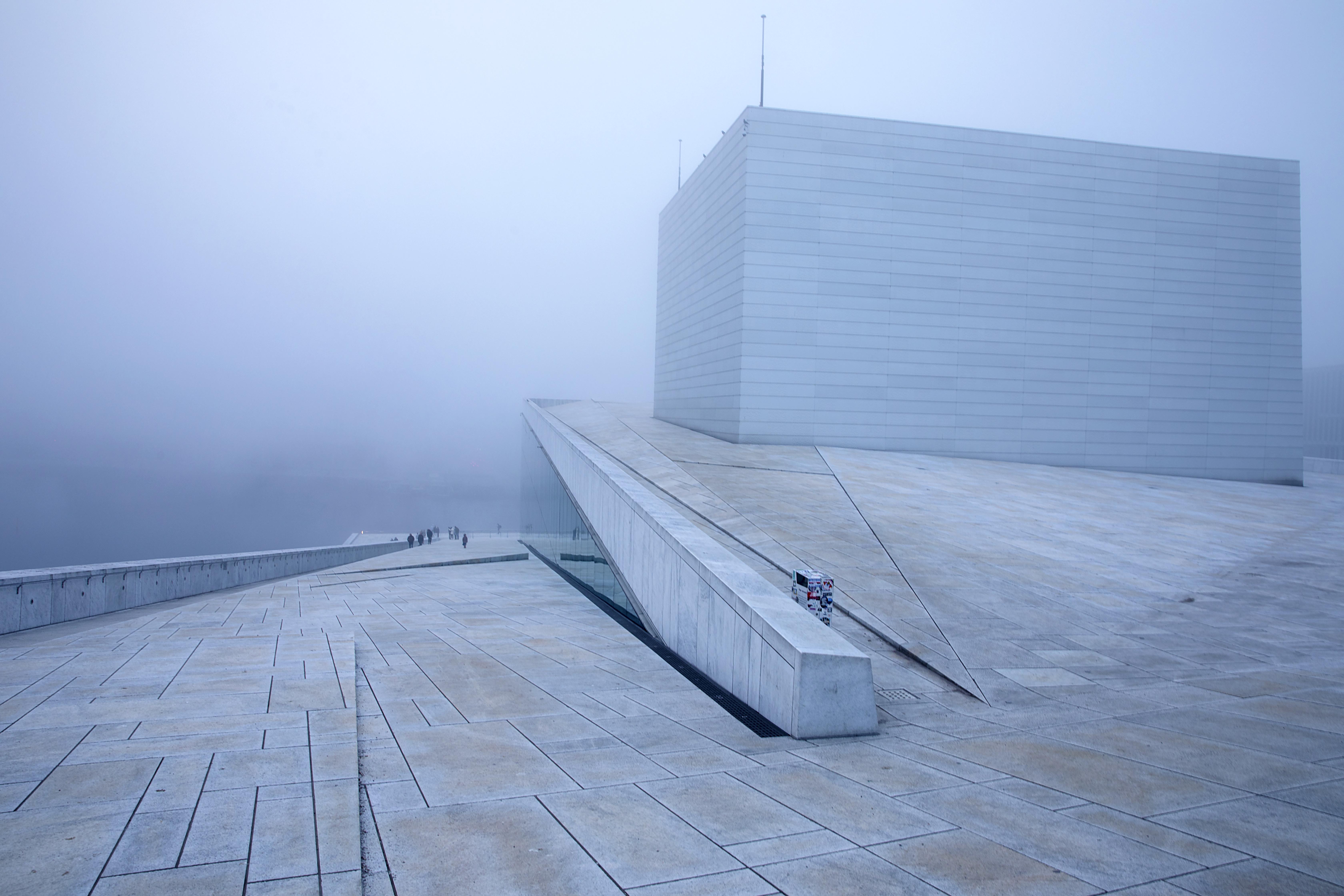
On our first day in Oslo, despite the chilly weather, nature gave us a gift; a soft, beautiful fog that draped the city in a dreamlike atmosphere and made the scenery feel truly magical. Oslo has no shortage of must-see spots, and one that stands out without question is the Oslo Opera House. A stunning fusion of modern design and Nordic character, it rises from the Bjørvika waterfront like a glacier carved into the city. One of the best parts? You can actually walk up its sloping roof and take in sweeping views of the skyline… an unforgettable way to see Oslo from above.
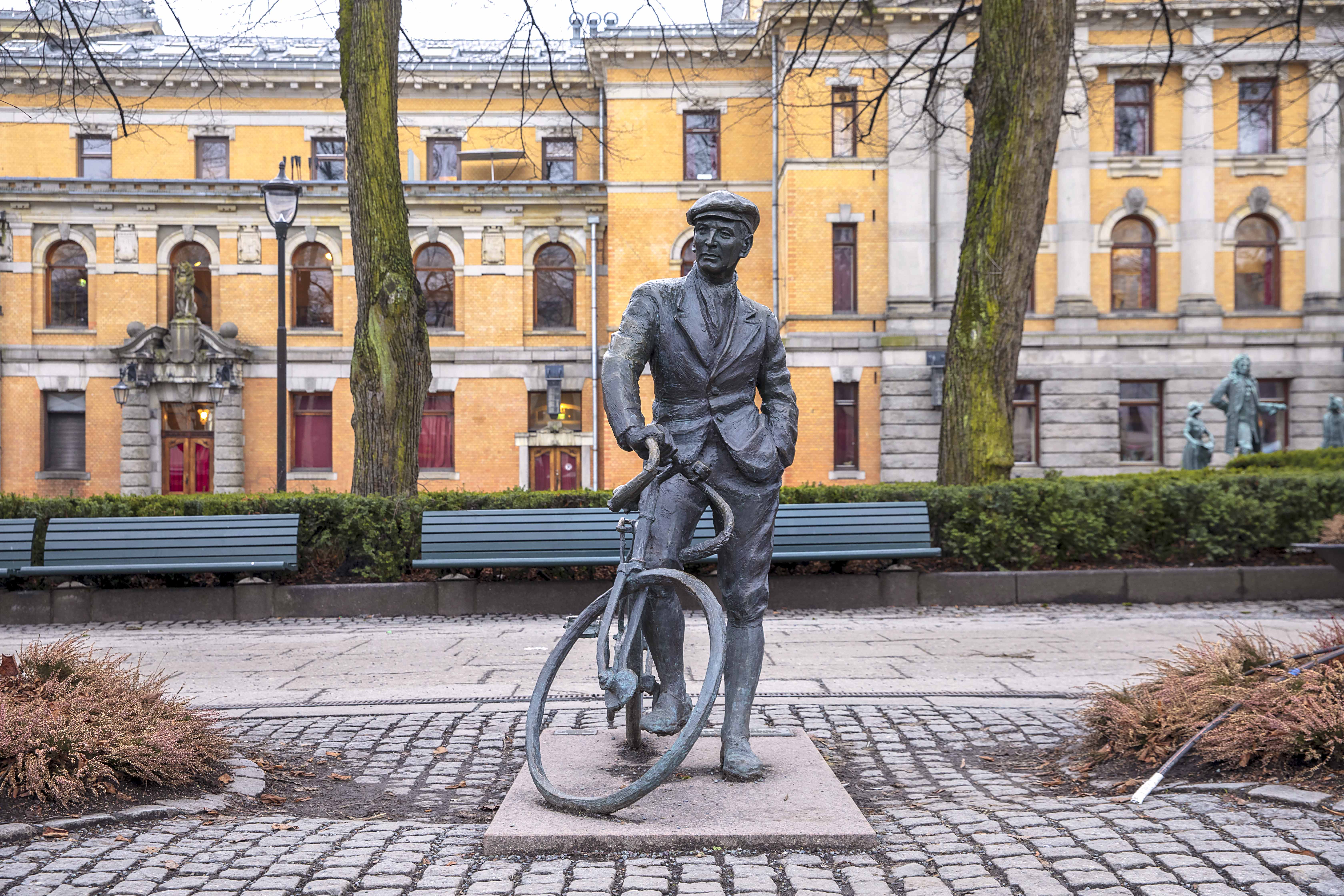
Oslo’s main thoroughfare, Karl Johans gate, is a lively street lined with shops, cozy cafés, and inviting restaurants. As you stroll along, you’ll notice that the city pays tribute to its rich cultural and historical heritage through numerous statues honoring notable figures from Norwegian history. One such figure is Gunnar Sønsteby, a legendary World War II resistance hero, whose statue proudly stands along Karl Johans gate, reminding passersby of Norway’s enduring spirit and resilience.
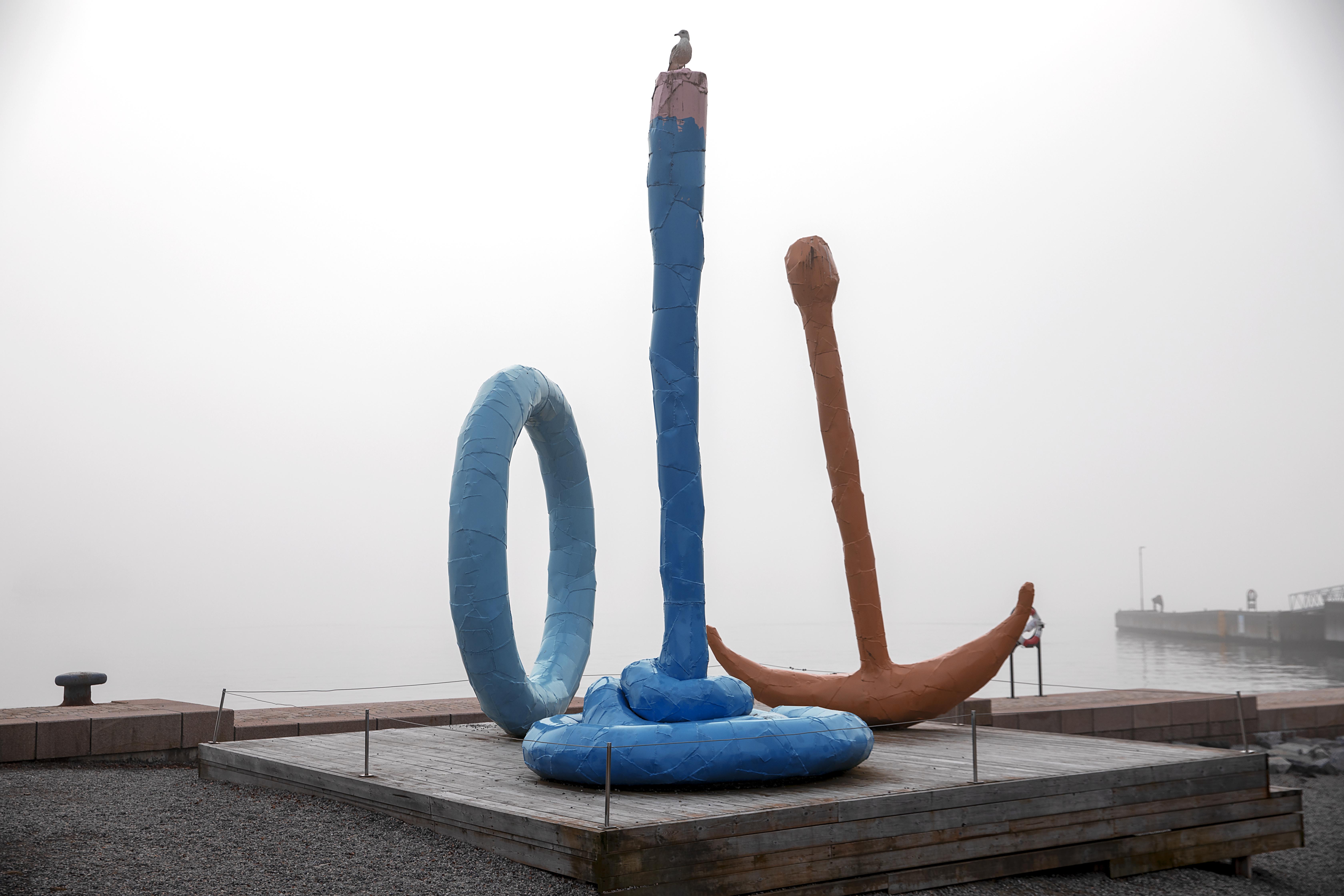
Oslo’s waterfront is absolutely worth exploring, yes, even on a chilly winter day, you’ll spot locals out and about, chatting, lingering, and soaking in the view. Once home to an old shipyard, the area began its transformation in the 1980s and has since evolved into a lively, welcoming public space. Stretching roughly 12 kilometers along the fjord, the waterfront promenade is a must-see when visiting Oslo.
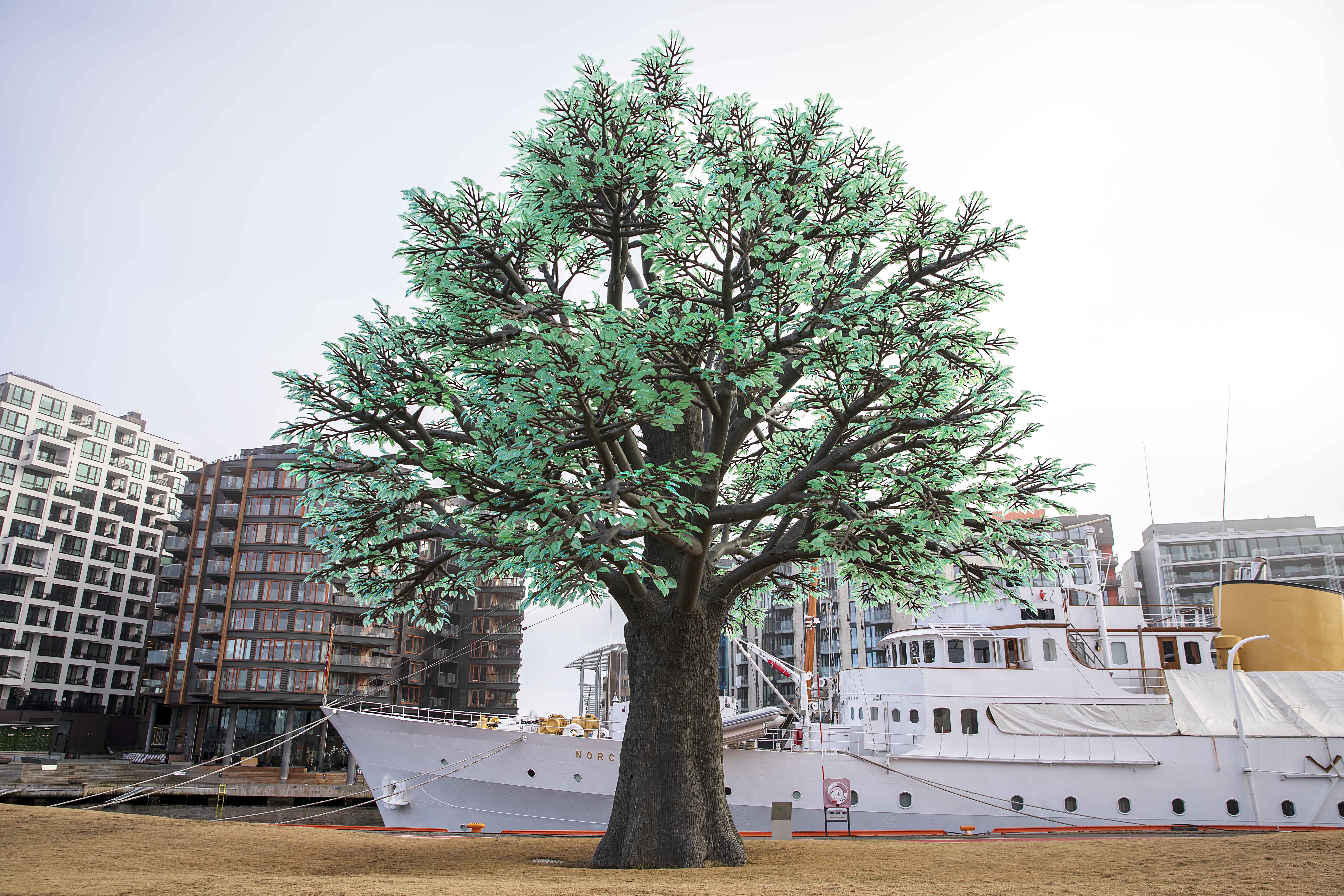
Oslo is full of installations that beautifully blend art, nature, and technology and one standout example is the Oslo Treet (The Oslo Tree). This striking artificial tree is made up of 150,000 computer-controlled LED lights and is designed to represent all four seasons. Its colors shift depending on the time of year or special occasions, making it a dynamic and ever-changing piece of urban art.
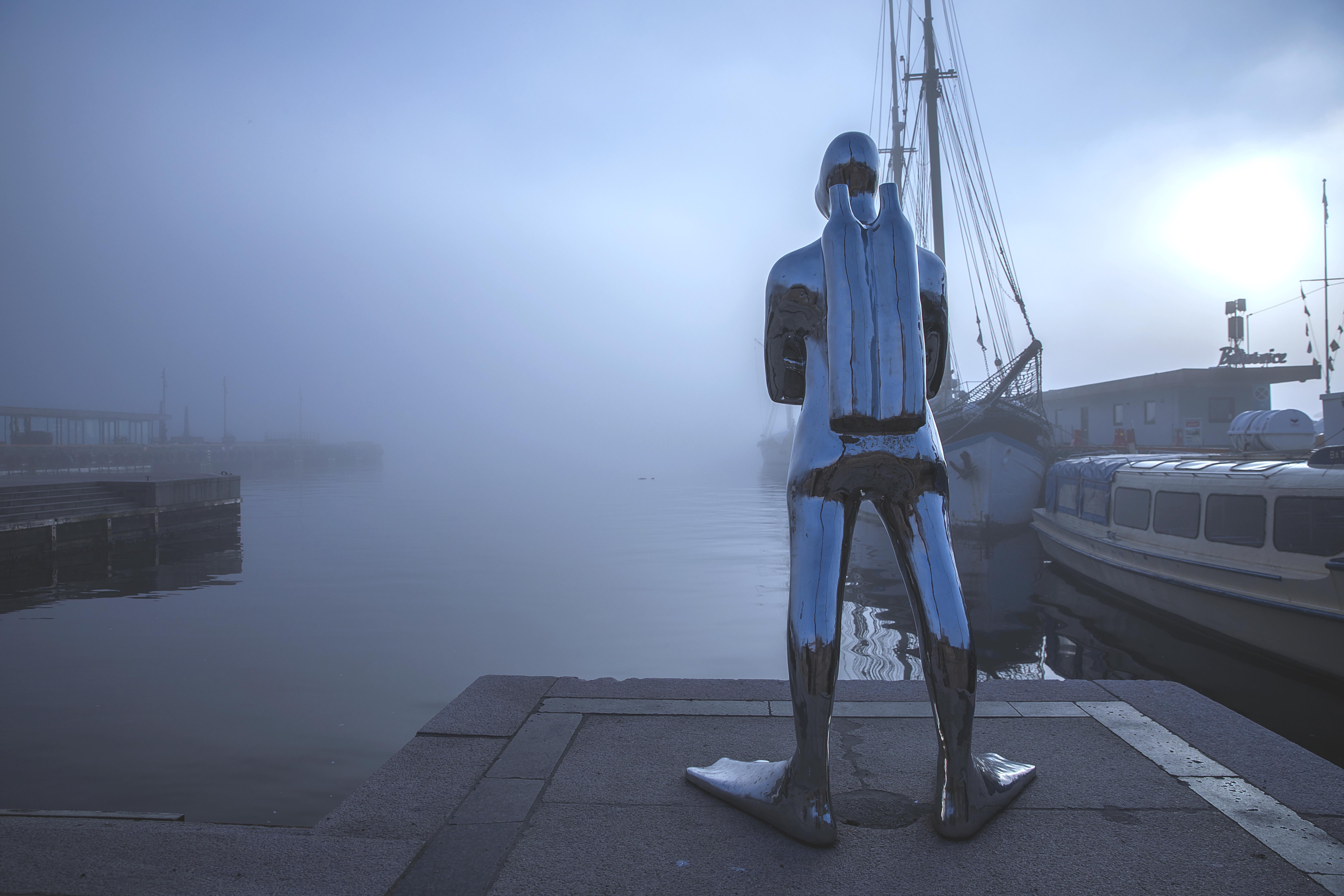
Why not adding another statue to honor all scuba divers? Because they can 🙂 The foggy weather gives the scene a mysterious, atmospheric vibe.
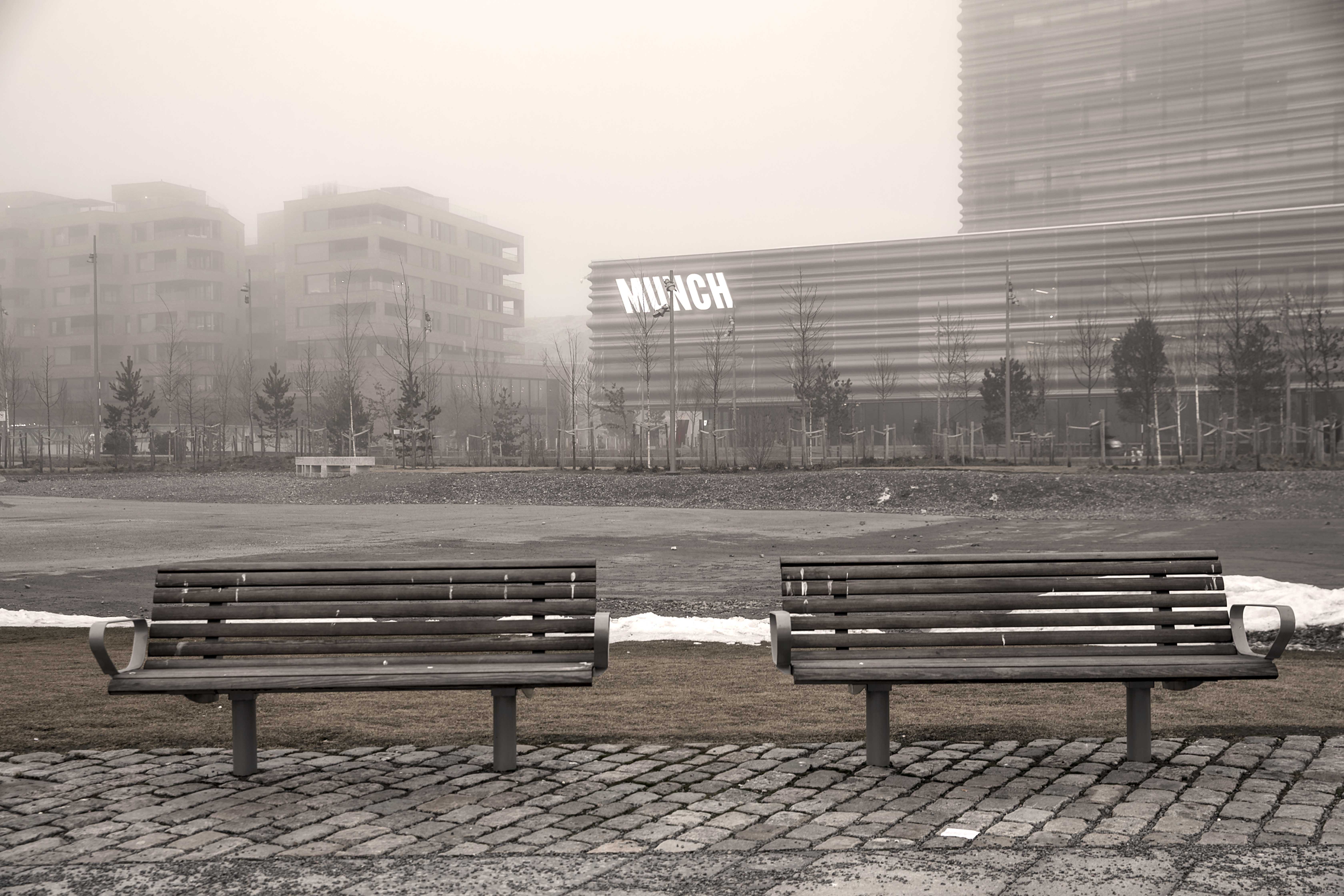
Norway’s long, dark winters are often linked to depression, a perception that’s widely discussed; though I’m not sure how strongly it’s backed by data. Interestingly, the renowned MUNCH Museum in Oslo houses iconic works by Norwegian artist Edvard Munch, including The Scream and Anxiety, powerful pieces that seem to visually capture the essence of emotional struggle and psychological tension. Whether coincidental or not, they offer a striking reflection of the mood often associated with the Nordic winter.
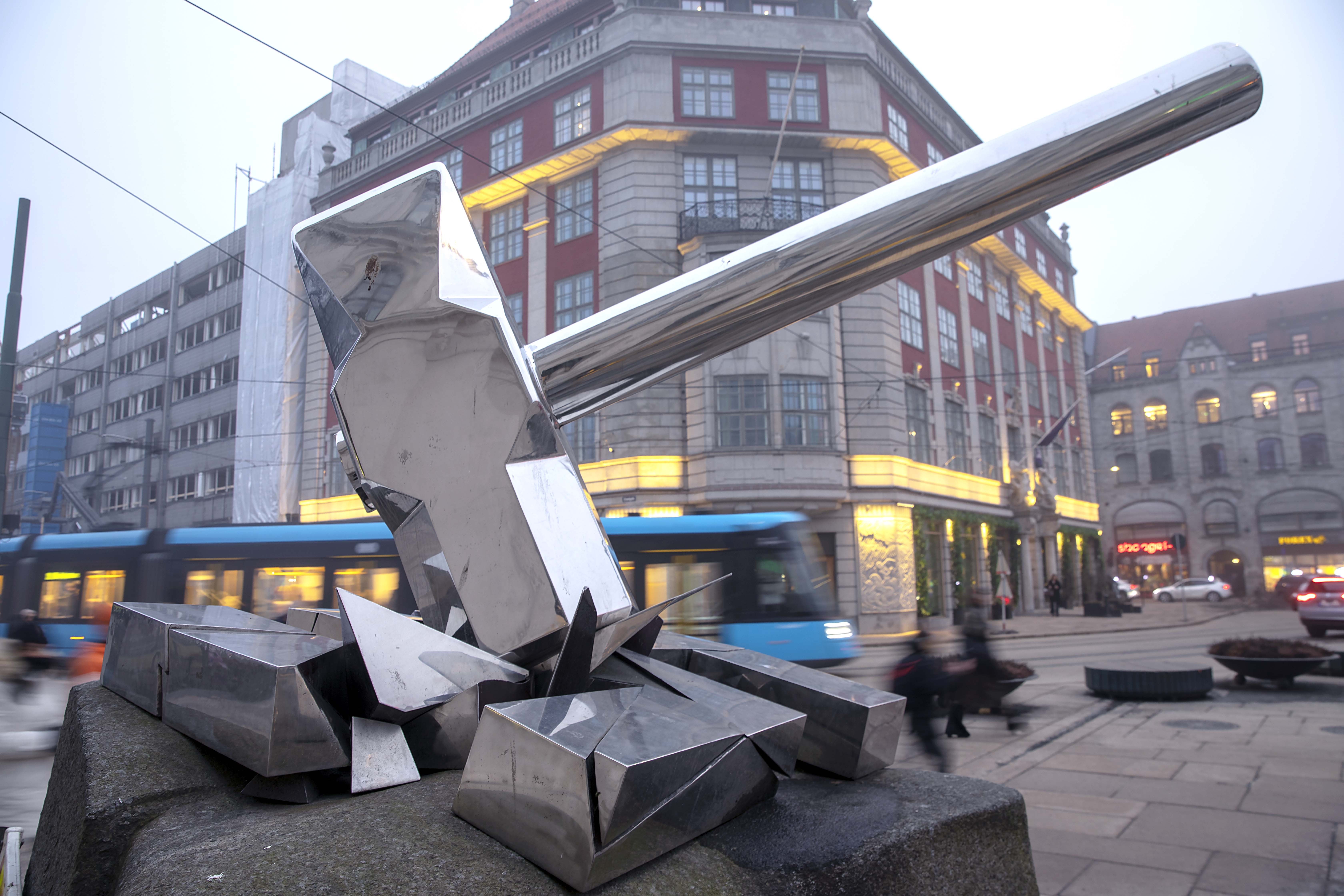
Another powerful art installation in Oslo serves as a stark reminder of the country’s dark wartime past. On April 9, 1940, Nazi Germany invaded Norway. Despite being caught off guard, thousands of Norwegians joined the underground resistance, carrying out acts of sabotage, gathering intelligence, and assisting Allied forces. Just outside Oslo Central Station, the striking Knus nazismen (“Crush Nazism”) monument captures this defiance. It features a polished steel hammer slamming down on a swastika embedded in stone; an unflinching symbol of resistance against hatred.
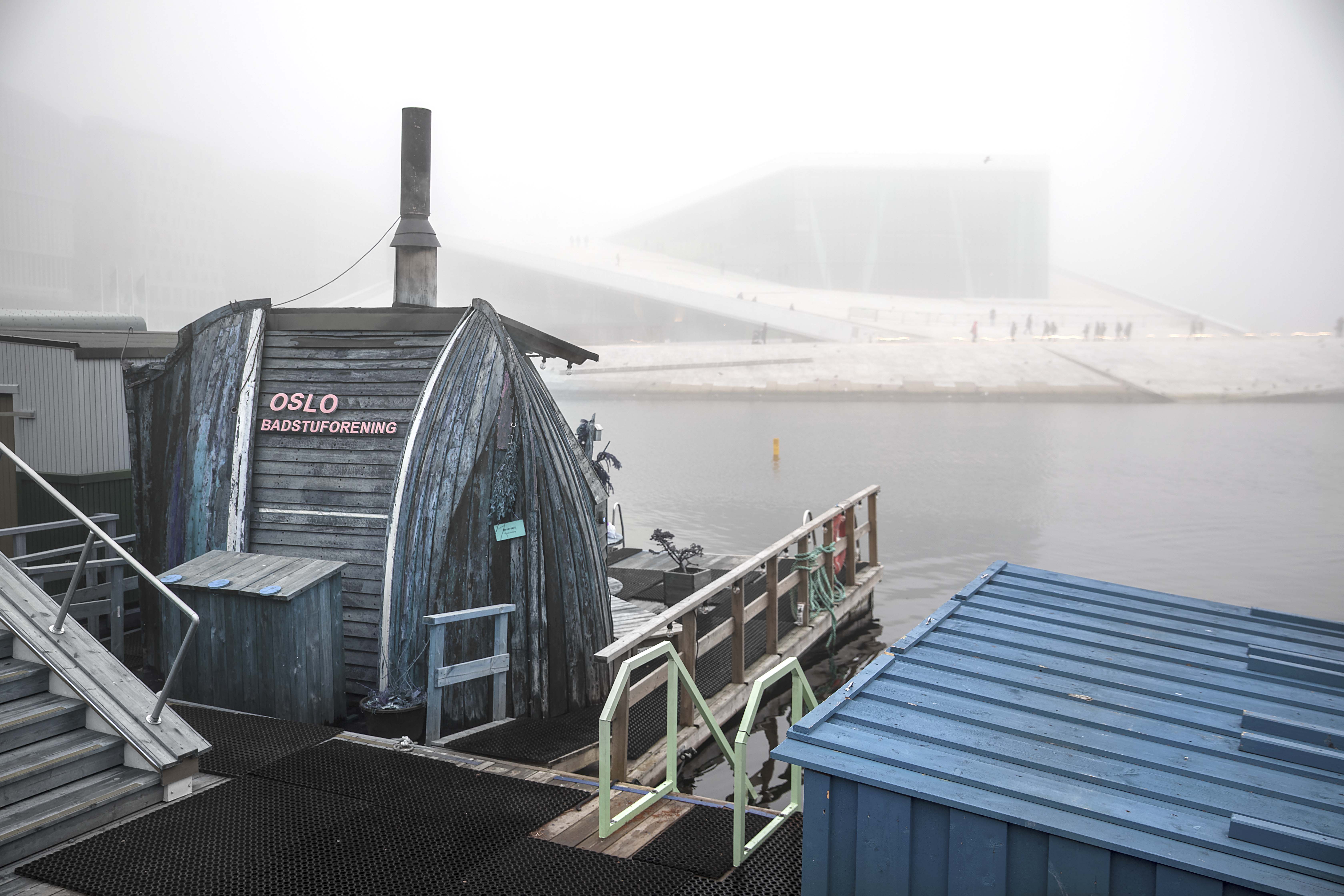
If there’s one thing the Nordic people truly cherish, it’s their saunas. I fell in love with the tradition, sweating it out in a steamy sauna while icy winds blow outside, then taking the plunge into freezing cold water to cool down. And the best part? In Oslo, you don’t have to venture far to try it. Just steps from the Opera House, you’ll find Oslo Badstuforening, a popular gathering spot for sauna lovers. If you’ve never experienced a cold plunge before, this is the perfect place to dive in. Literally.
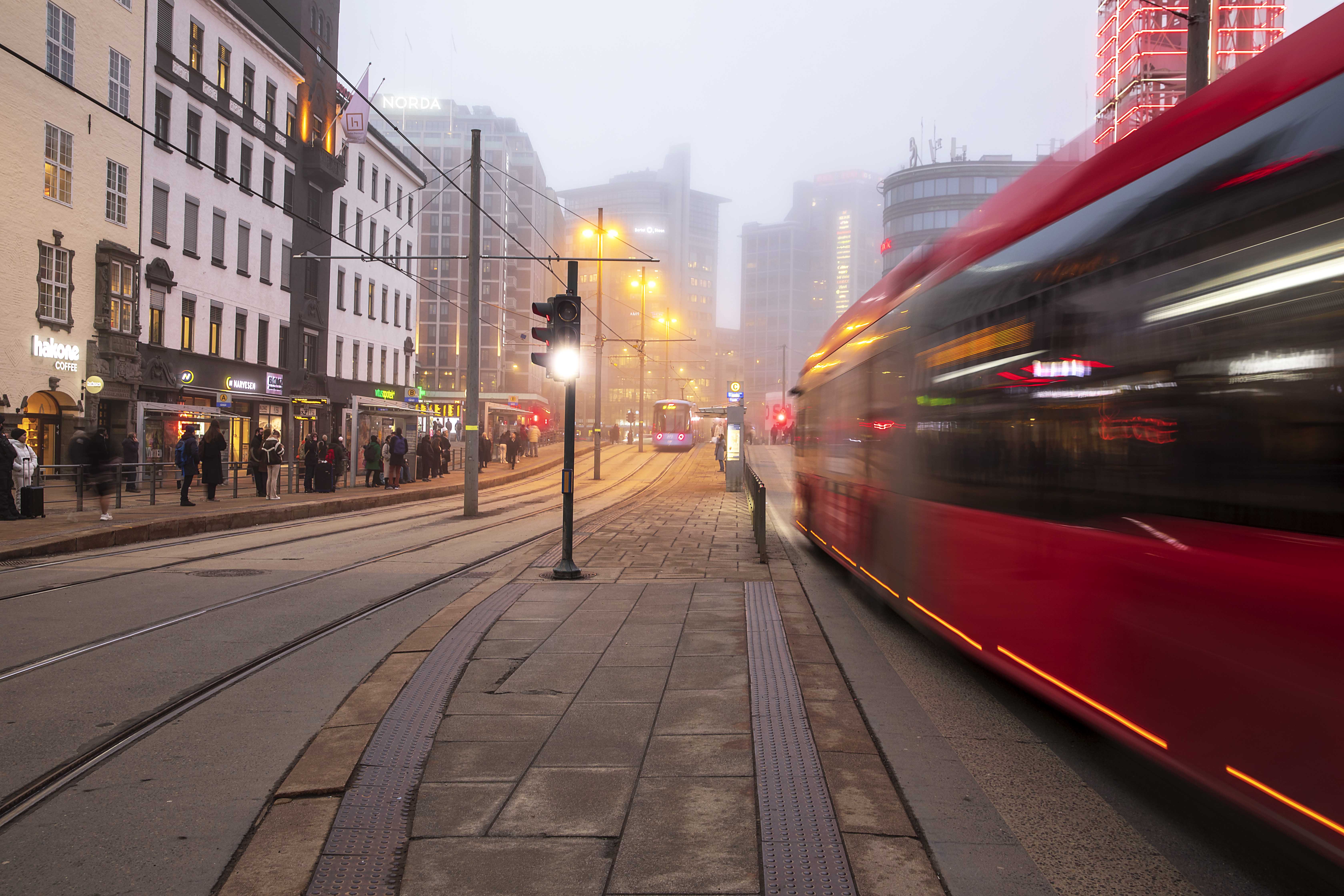
Oslo is a remarkably modern city that consistently ranks among the world’s best for quality of life, safety, and cleanliness.
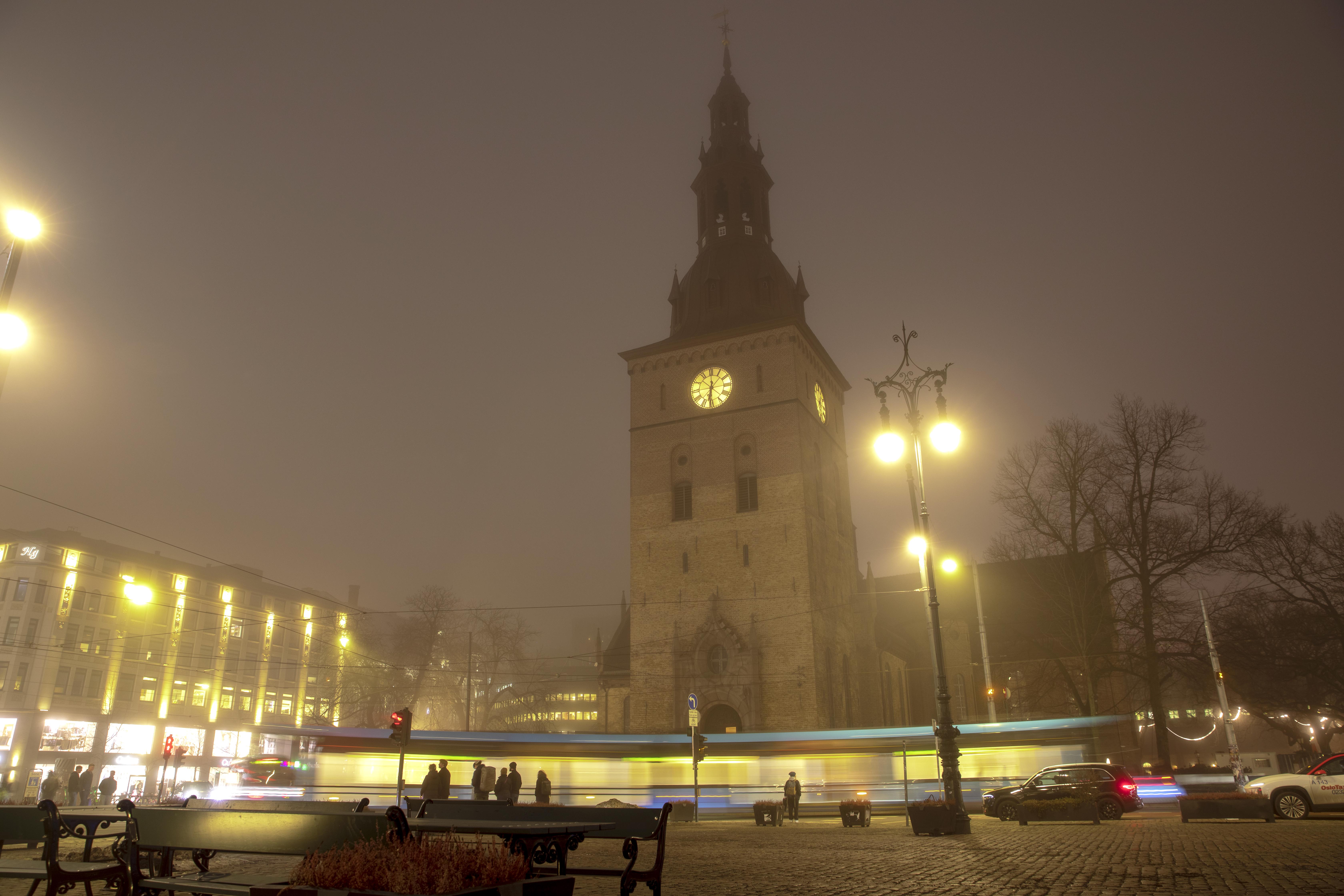
While Norway has grown increasingly secular, baptism, confirmation, and church weddings still hold important cultural sway, even for individuals who aren’t devout. This is despite the Church of Norway (Den norske kirke), an Evangelical Lutheran church, no longer being the official state church since 2017. Yet, a visit to Oslo Cathedral on a chilly winter day provides more than just warmth; it offers a serene and inviting ambiance, reflecting a profound sense of tradition and community.
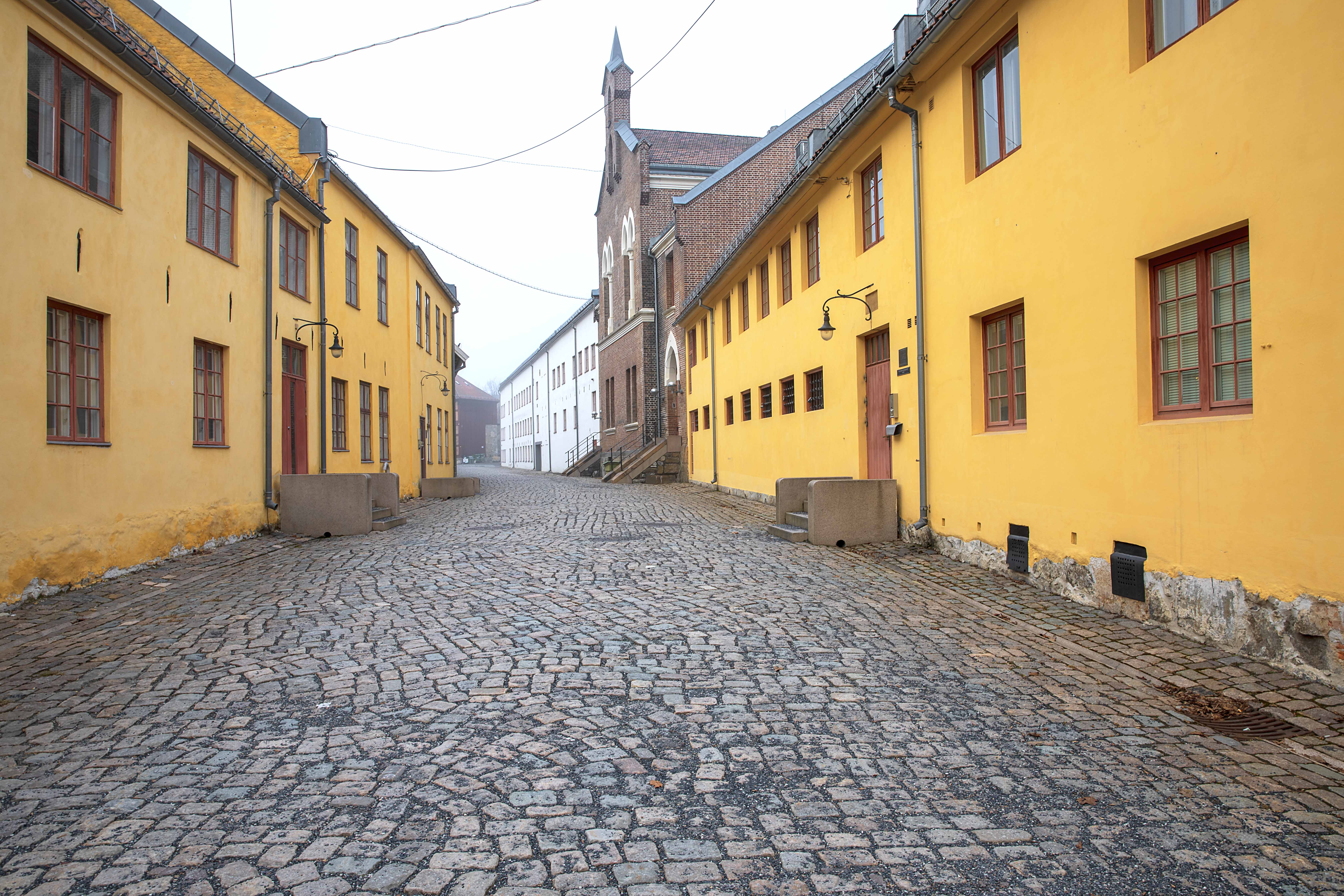
If you’re curious to dive deeper into Norway’s history, a visit to Akershus Fortress is a must. Located right in the heart of Oslo, this medieval castle, dating back to the late 1200s, has worn many hats over the centuries: a royal residence, a stronghold of defense, and even a prison.

It’s also a great spot for capturing eerie pictures under the mysterious Norwegian fog. Today, the castle remains an active military site, but much of it is open to the public and offers a fascinating glimpse into the country’s past.
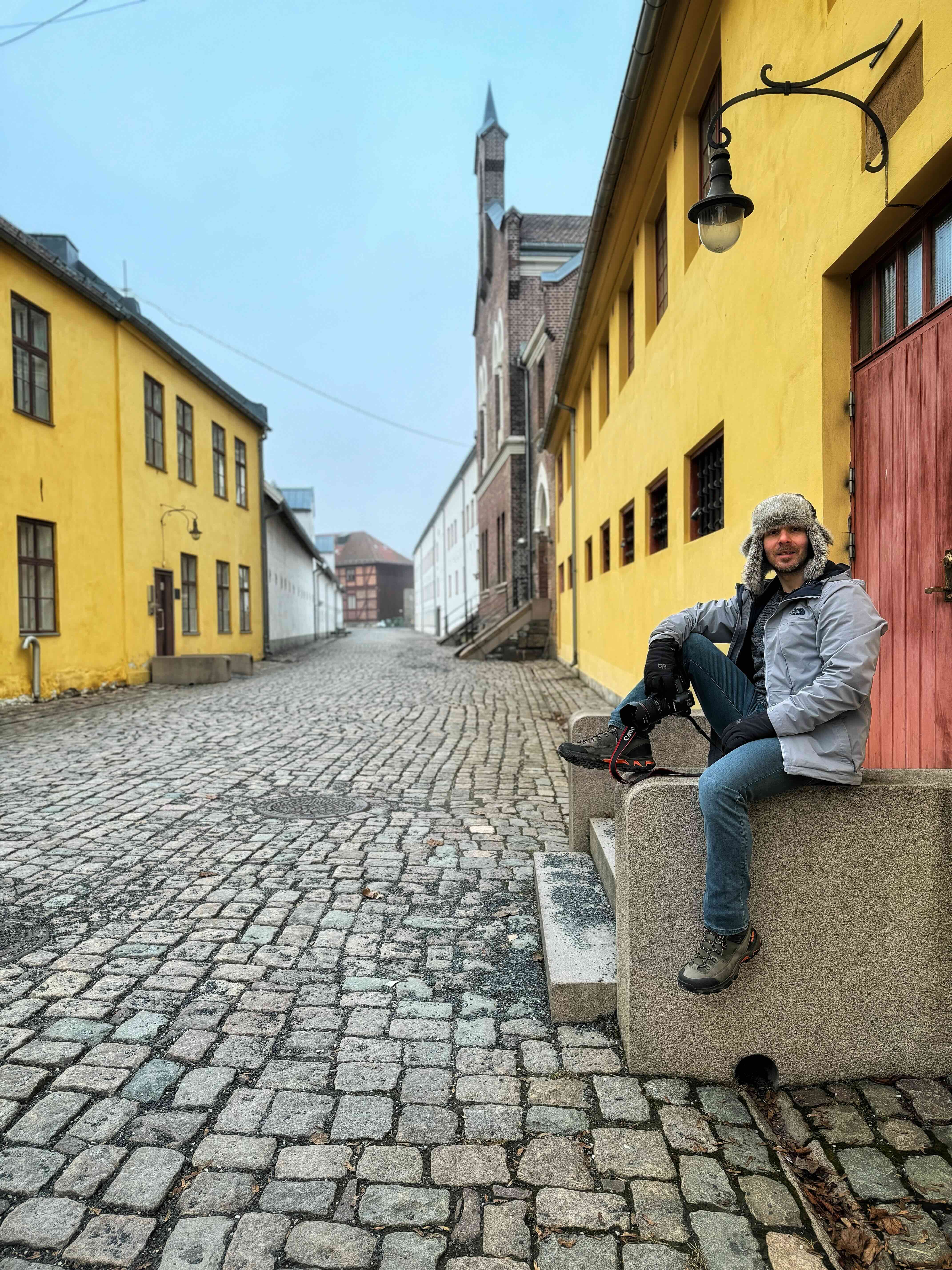
Icy mornings, silent streets…

We all know how courageous the Vikings were, boldly venturing into unknown lands and expanding the boundaries of the world as they knew it. In many ways, modern Norwegians carry that same spirit of exploration. And now, we get to witness it firsthand with a visit to one of Oslo’s most fascinating museums: the Fram Museum.

Fram, built in the late 19th century, was specially designed to withstand the crushing pressure of Arctic ice and played a key role in some of history’s boldest expeditions. It carried legendary Norwegian explorer Roald Amundsen to the uncharted Arctic and Antarctic regions.

Inside the museum, you can actually board the Fram itself, wander its wooden decks, and imagine life on board during those harsh, frozen journeys. It’s an immersive experience that brings the drama and determination of polar exploration vividly to life.
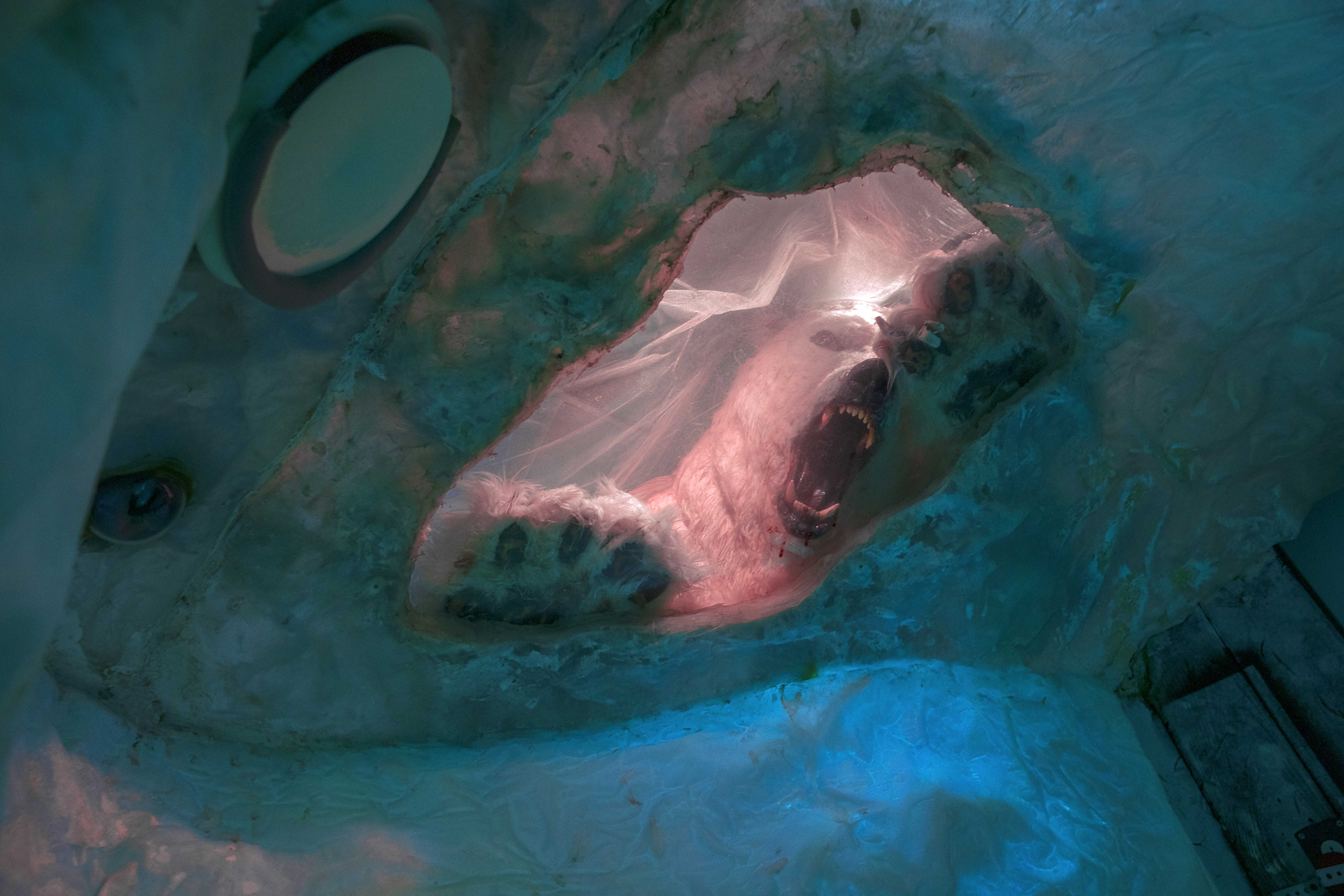
Want to truly grasp the brutal conditions of an Arctic voyage? Step into the ice-cold room in the museum. This multi-room exhibition plunges you into the extreme environment explorers faced, making you feel the biting chill of the journey.
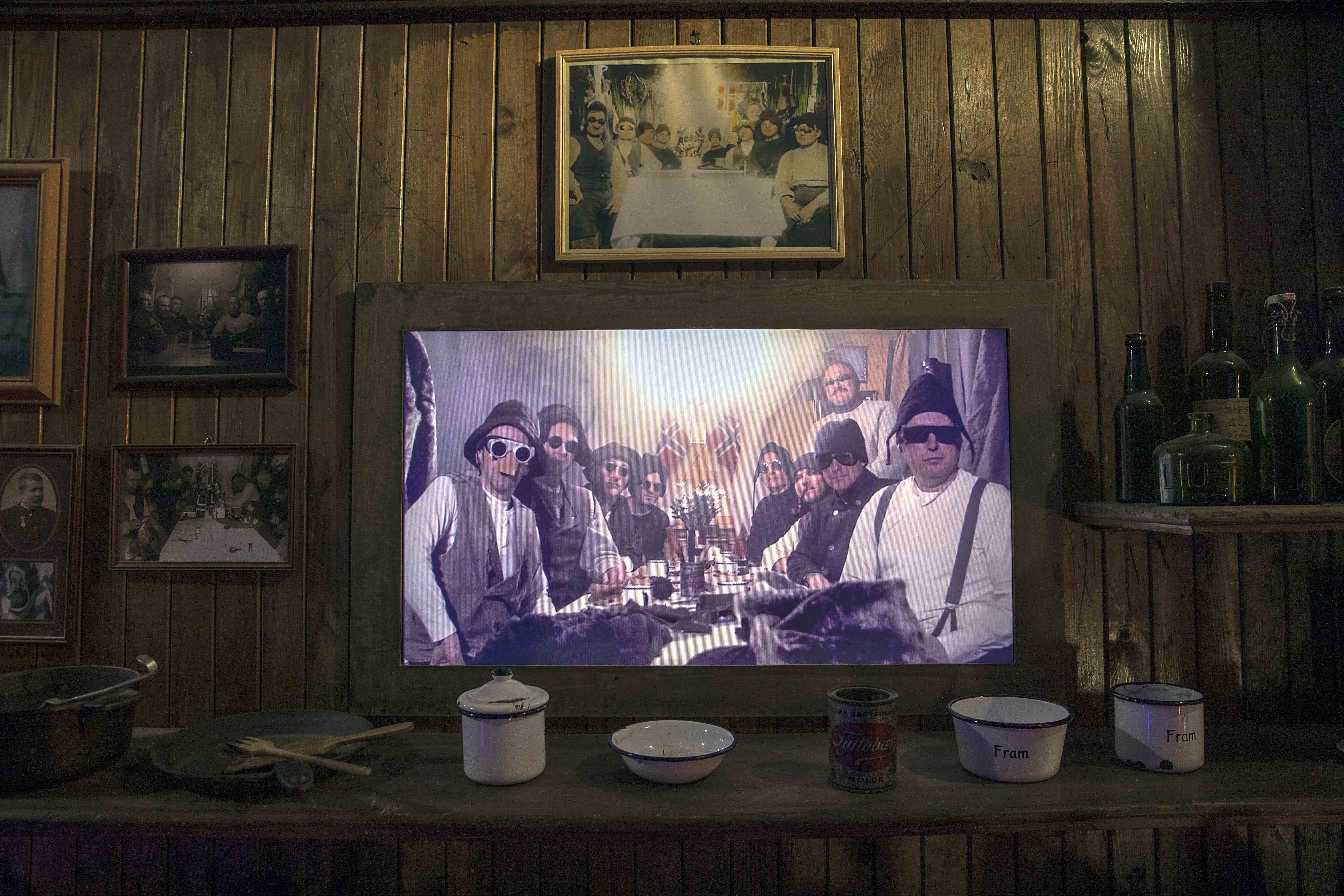
A toast to the fearless pioneers, driven by an unrelenting hunger for the unknown and the courage to chase new horizons where no path existed before.
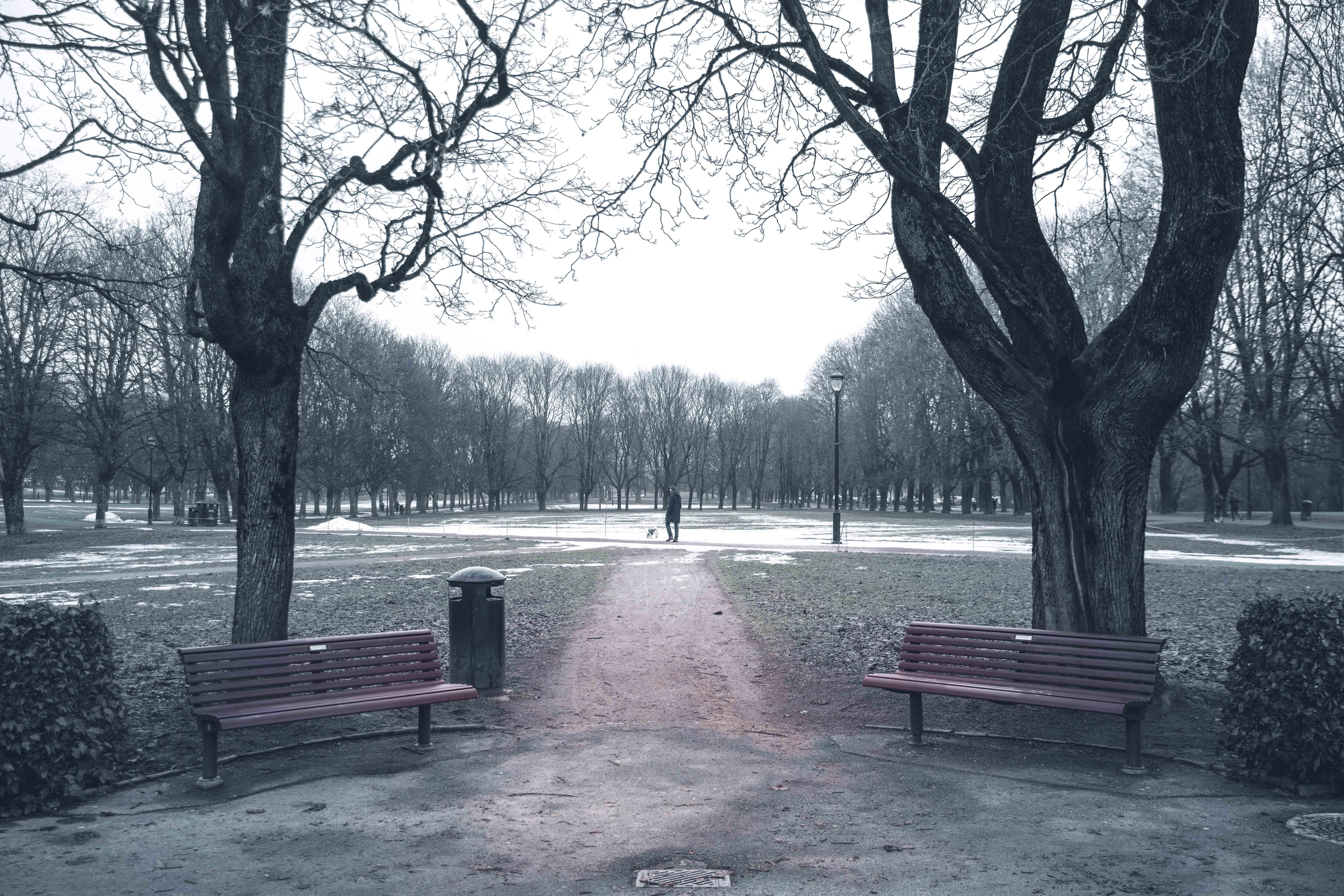
Before we conclude, let’s take a quick 30-minute trip from Oslo Central Station to Vigeland Park, an extraordinary open-air gallery.
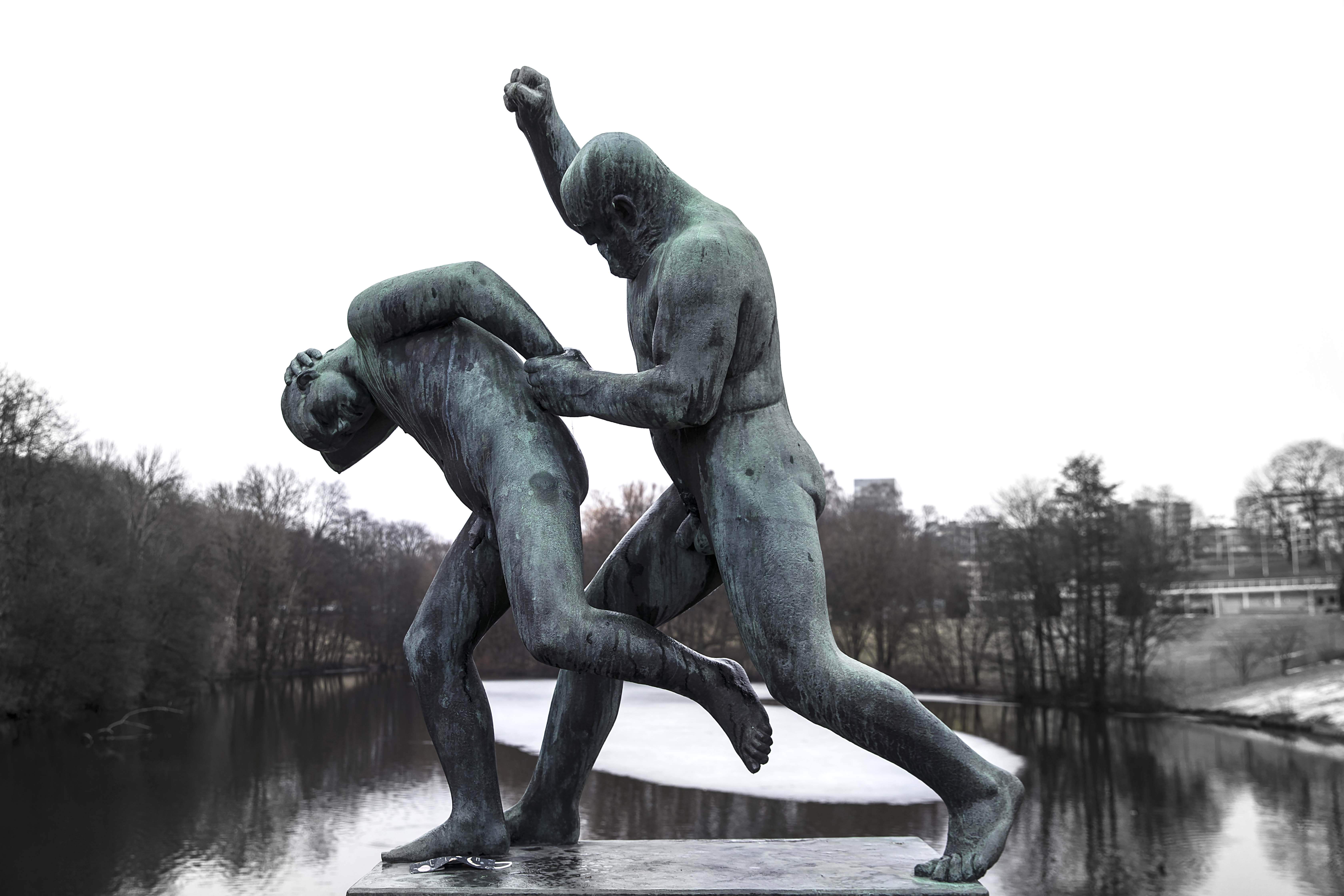
This remarkable space is home to over 200 striking sculptures by Gustav Vigeland, each crafted from bronze and granite to powerfully convey the entire spectrum of human emotion, from elation to despair, love to conflict. What’s truly fascinating is that every sculpture is nude, with no plaques, no signs. It is just pure, unspoken expression beneath the open Norwegian sky. It’s art in its rawest form, inviting you to bring your own meaning to every curve and gesture.
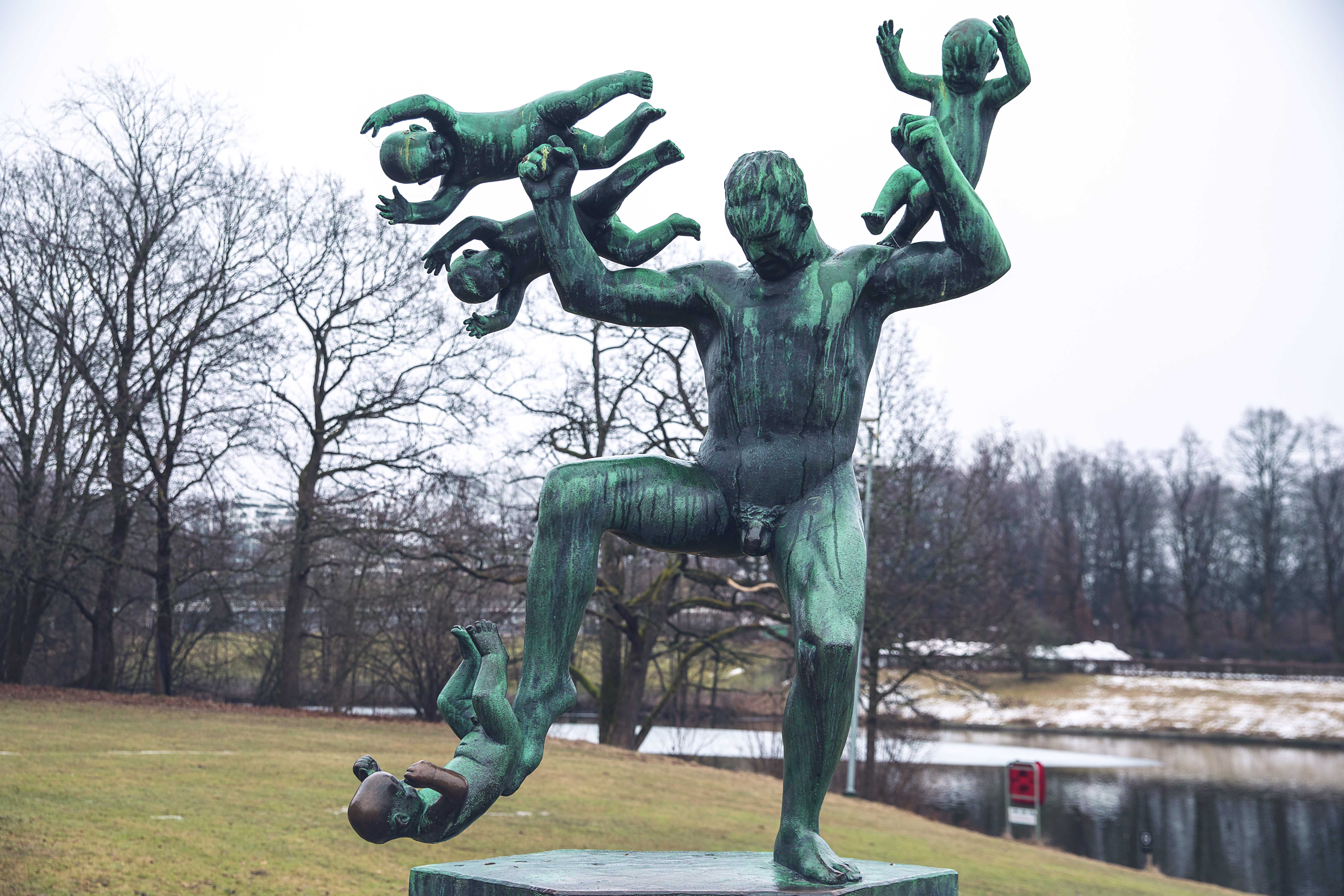
Bonus: it’s totally free and perfect for a stroll, picnic, or pondering life’s mysteries with a freshly brewed cup of coffee in hand which you will definitely need on a winter morning.

Overall, we had a wonderful two days in Oslo. The city feels modern, walkable, and incredibly welcoming. A quick note on logistics, if you’re planning to use public transport, be sure to download the Ruter app. It gives you full access to Oslo’s buses, trams, and trains, making it easy to get around.
When it comes to food, definitely check out Oslo Street Food in the city center. It’s a vibrant food hall with both indoor and outdoor seating, offering a wide range of international cuisines at reasonable prices. And if you’re craving something hearty, I highly recommend Spektrum Bar & Restaurant on Stenersgata. Their cevapi is absolutely worth it.

And so, it’s time to wrap up our journey through the North… for now. Norway has left its mark on me, with its raw beauty and almost otherworldly charm. There’s something about these Nordic lands that lingers long after you’ve left. One day, we’ll return. Maybe to Bergen’s misty fjords or Tromsø’s Arctic skies. But until then, we carry a little piece of Norway with us, tucked away like a quiet promise of adventures still to come.
 Huseyin Karadeniz | Travel & Photography Journal