As my fingers began to dance across the keyboard, I found myself struggling to find the right beginning, even though my mind was a swarming with thoughts. It’s strange how a single moment, an old National Geographic video I watched eight years ago, could stir something so profound in me. A spark that had long waited in silence suddenly flared into a quiet but certain flame.
Before then, I hadn’t even heard of Svalbard. It felt like a name whispered from another world… remote, unreachable, like a dream too far from reality. However maybe that’s the thing about dreams. We never truly understand our limits until we dare to chase them. I remember the feeling vividly, telling myself with absolute clarity: “This is it. This is where I want to go. This is where I want to be”. A place where solitude isn’t loneliness, but freedom. It is where mountains sleep under a soft white blanket, and time slows down just enough to let your soul breathe.
They say people come to Svalbard for two reasons… but I was already enchanted, already captured by the haunting beauty of the Arctic. Especially after another video in Veritasium channel made my heart ache with longing. And yet, life did what life always does… Work, priorities, excuses, and that quiet voice of self-doubt whispering, “not yet”.
We often question our limits, but more often than not, it’s our own hands building the walls around us. Sometimes, all it really takes is entering a destination, picking a date, and pressing that quiet little button on the screen that says, “Hey, we’ll meet soon, my love.” That’s how it happened. That’s how it should always happen. Not with hesitation or overthinking, but with a whisper to yourself: “Let’s go”.
And now, here we are. A dream born eight years ago has finally stepped out of the shadows and into the light. It’s real. It’s happening. I can hardly put my emotions into words. But still, I’ll try… This is Hüseyin, reporting in from 78 degrees North, the northernmost outpost of Earth.
It took nearly 32 hours to reach Longyearbyen, the capital of the Norwegian archipelago and the northernmost town on Earth. It may sound like a land far, far away, but in truth, it’s quite reachable from Oslo or Tromsø.
In my case, the journey began with an evening flight from San Francisco to Copenhagen. I arrived early in the morning and spent about eight chilly hours wandering through one of my favorite cities in Europe, bundled up against the biting cold. Later that evening, I boarded a short flight to Oslo, but that was followed by another long layover, from 11 p.m. to 7 a.m. Not exactly the most restful stretch, especially for someone who can’t sleep while traveling.
Finally, I boarded the last leg of the journey: a 2.5-hour flight to Longyearbyen from Oslo. I was definitely exhausted, running on empty, but everything changed when I looked out the window. The Arctic revealed itself in soft blues and stark whites, vast and wild and heart-stirring. That view alone could flood your body with dopamine and endorphins. You forget the fatigue. You just want to land and explore.
I hadn’t slept in nearly 48 hours, but the moment I dropped my bags at the hotel and stepped under a hot shower, it felt like I’d washed off the long haul. Then, without wasting a second, I walked out to meet the dream I’d been chasing for eight years.
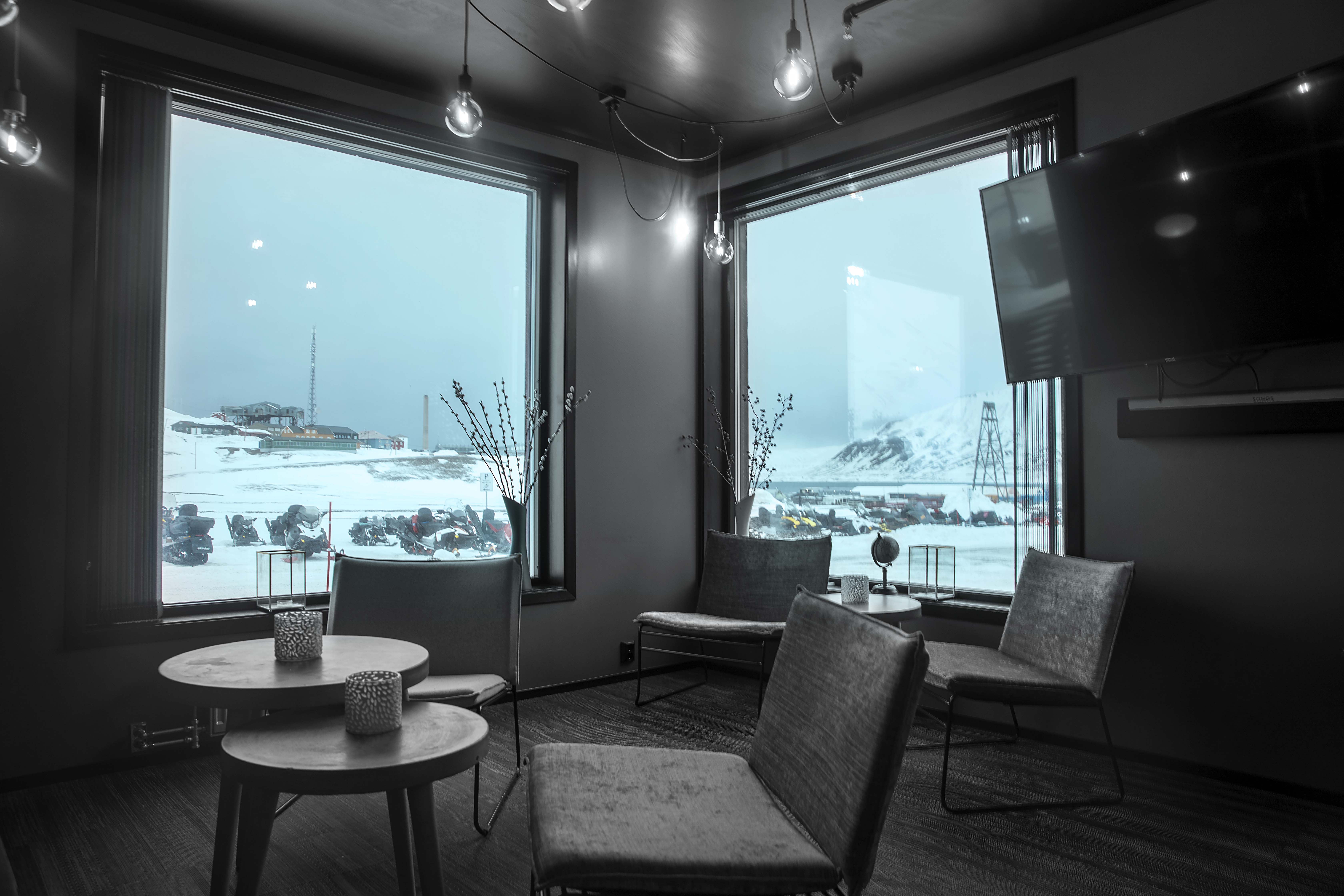
Before we go any further, let me share a few details about staying in Longyearbyen. We chose Svalbard Hotell | The Vault, conveniently located just steps away from The Svalbard Store, the town’s only supermarket. While there are a handful of other hotels and guesthouses scattered around, options are limited, and accommodations can be quite expensive. This is due to a mix of factors: the small number of places to stay, high utility and labor costs, and the overall cost of living in the Arctic.
If you’re planning to visit during peak season, booking a few weeks in advance is essential, not only for peace of mind but also to avoid soaring prices driven by limited availability. For travelers looking for more budget-friendly options, places like Coal Miners’ Cabin or Gjestehuset 102 on the southern edge of Longyearbyen (in Nybyen) can offer better rates. However, keep in mind that it’s about a 45-minute walk to the town center, which may not be the most practical in freezing, windy polar nights. That said, most excursions include hotel pick-up and drop-off, so if you’re primarily joining tours, it’s still a manageable choice.
As for Svalbard Hotell | The Vault, I genuinely recommend it. It’s well-located, cozy, spotlessly clean, and the breakfast is absolutely delicious. The staff is incredibly kind and helpful. And if you’re lucky you might even catch a glimpse of the Northern Lights right from your big window on a clear polar night.
Longyearbyen does have a taxi service, but it’s best to book in advance, as availability can be limited. Renting a car isn’t really necessary or practical since the town only has about 25 to 30 miles (40 to 50 kilometers) of roads in total.
The easiest and most affordable way to get to your accommodation after landing is by taking the airport shuttle. It conveniently stops at every hotel and guesthouse in town. The shuttle schedule is aligned with flight arrivals and departures, so if there are two incoming flights on a given day, there will be two shuttle runs from the airport. The same goes for departures: one outbound flight means one shuttle that day. As of February 2025, a one-way ticket costs 110 NOK (a little over 10 USD), making it a cost-effective and hassle-free option for getting around.
As I mentioned earlier, the town has just one supermarket, The Svalbard Store, and surprisingly, it’s very well stocked. You’ll likely find all essentials you need there. But being in the Arctic has a way of putting things into perspective. It gently reminds you that you don’t need much to live well or to feel content, just the basics, a sense of wonder, and a heart open to the moment.
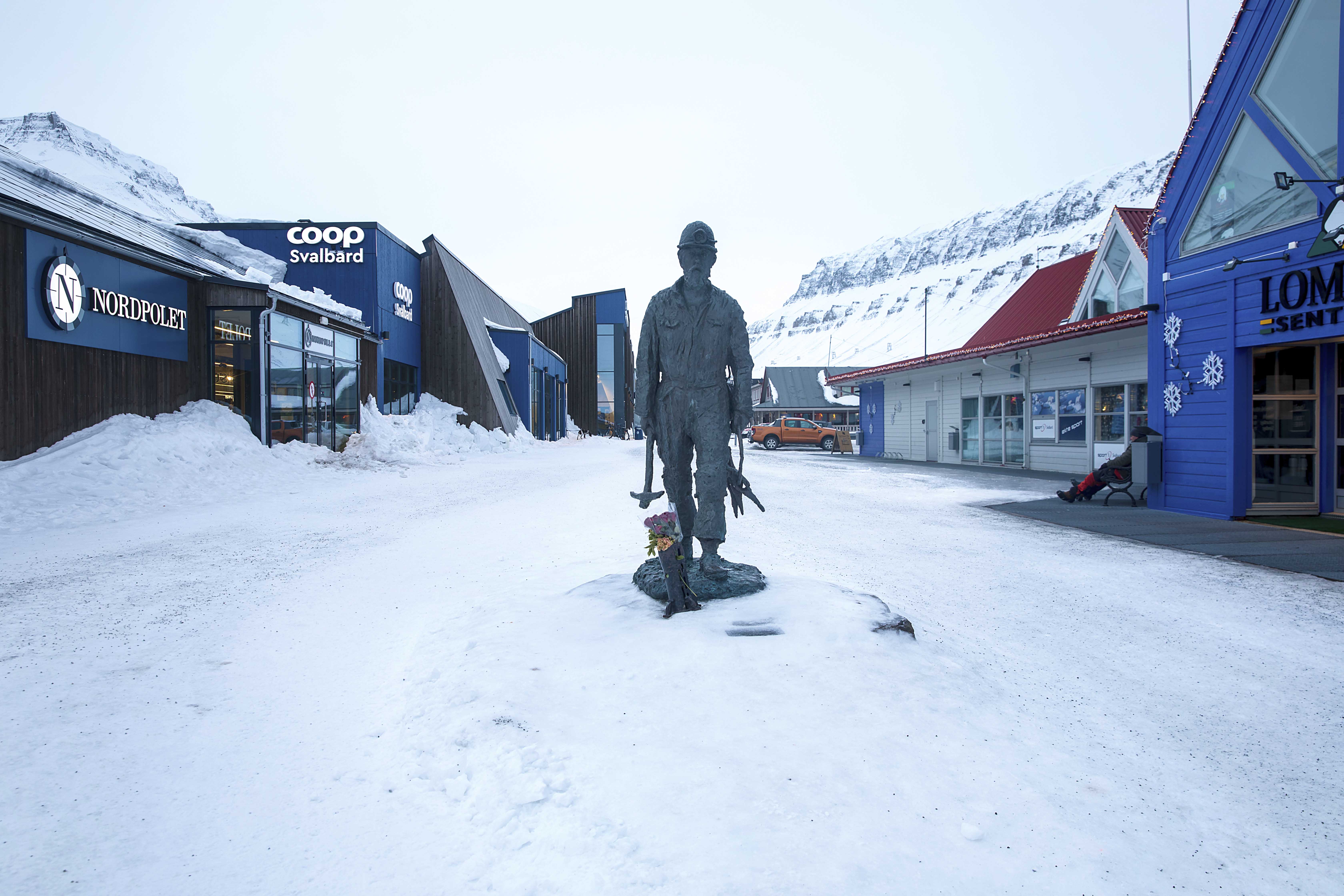
Oh, wondering about the statue in the photo? That’s Gruvearbeideren, a tribute to the coal miners who were instrumental in shaping the story of this Arctic town.
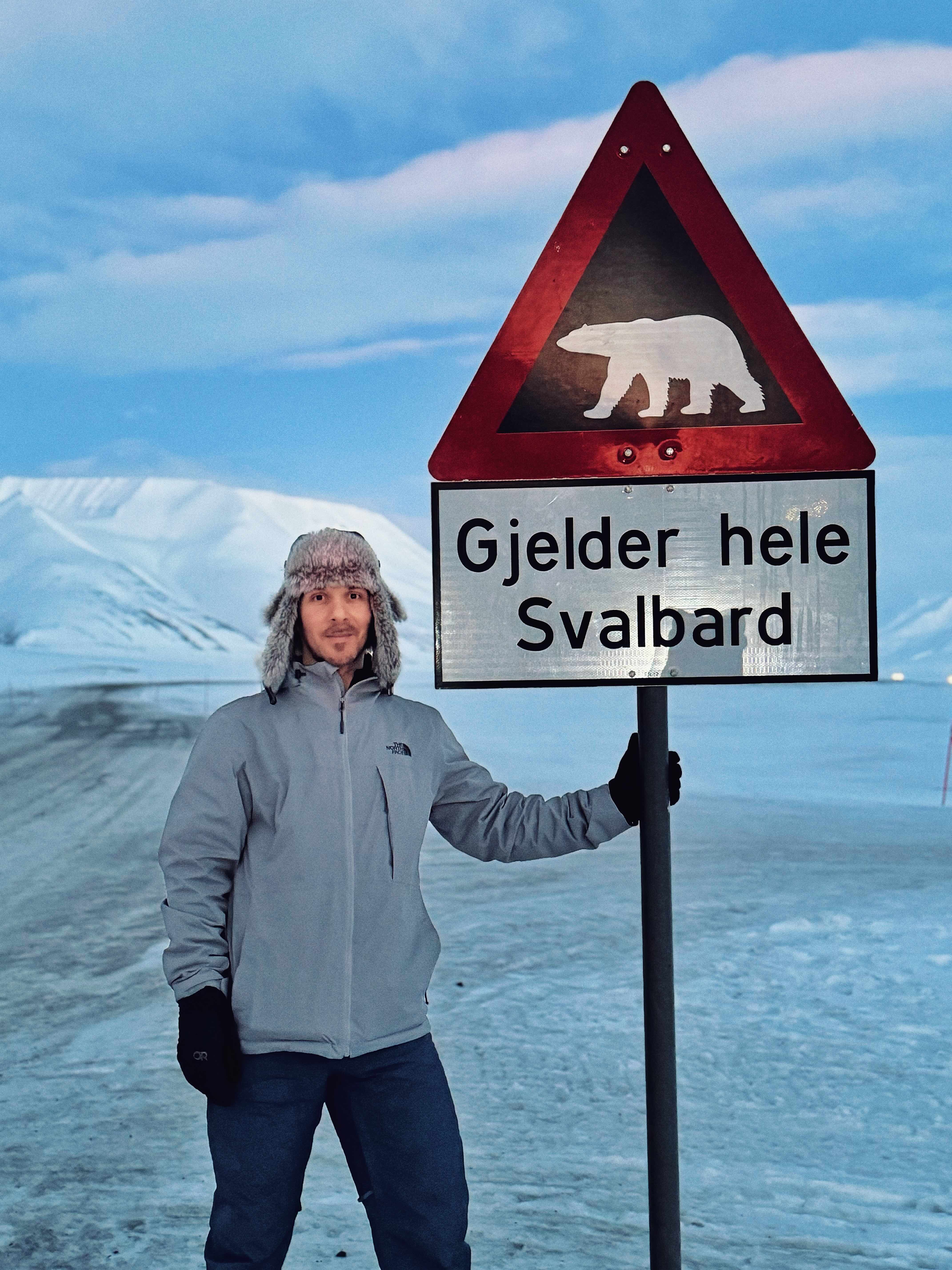
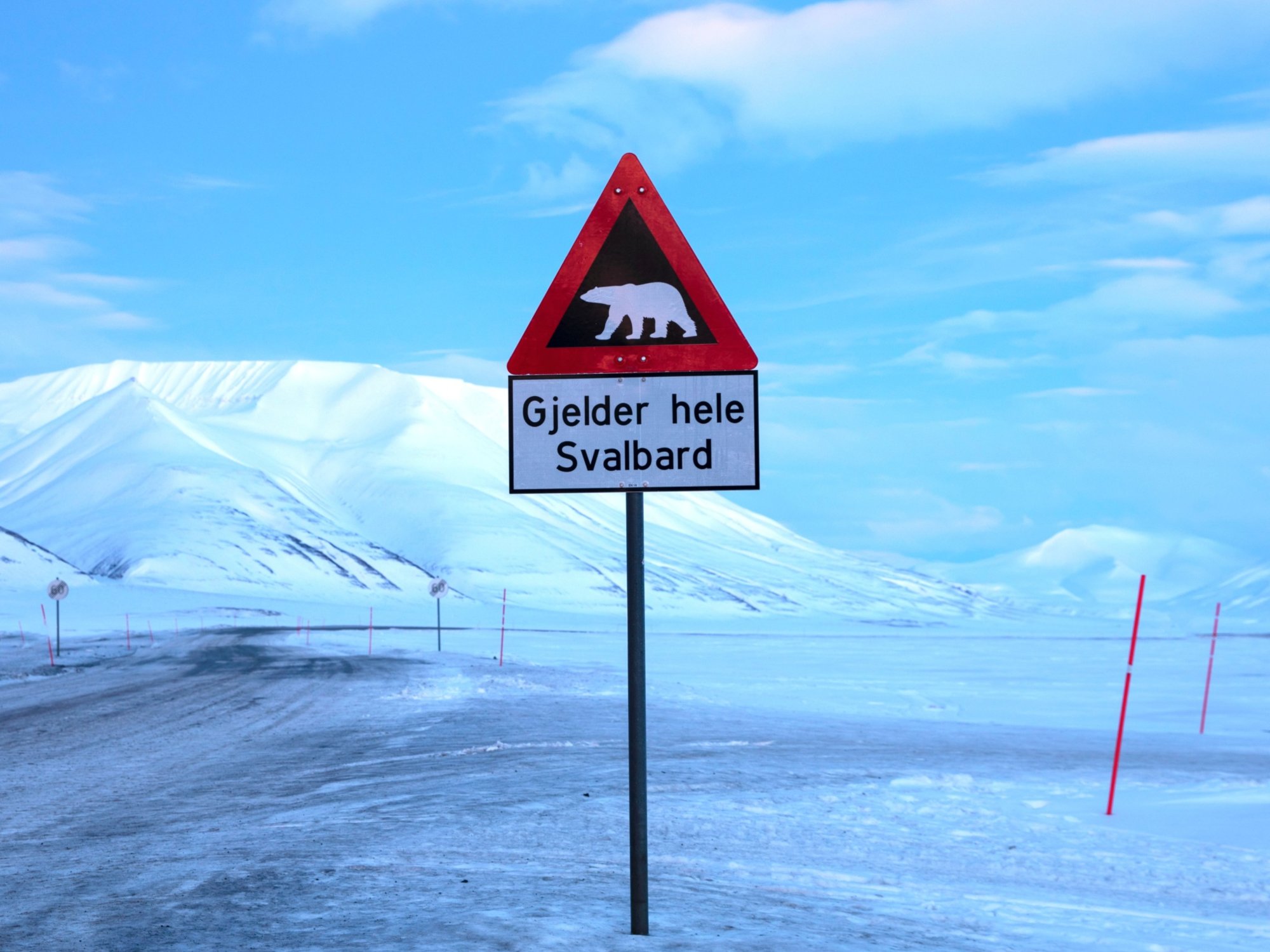
Here I am, standing beside one of the most iconic signs in the world: “Gjelder Hele Svalbard”, which translates to “Applies to All of Svalbard”. It’s more than just a quirky photo-op. It marks the boundary between town and true wilderness.
In Svalbard, polar bears actually outnumber people, and that fact isn’t just trivia, it’s a serious reality. Beyond this point, the risk of encountering a polar bear is very real and potentially fatal. For that reason, no one is permitted to leave the settlement without carrying a rifle. And only locals are allowed to carry weapons.
Still, thanks to its stark warning and striking design, this sign has earned its place as a must-capture moment for anyone visiting the Arctic.
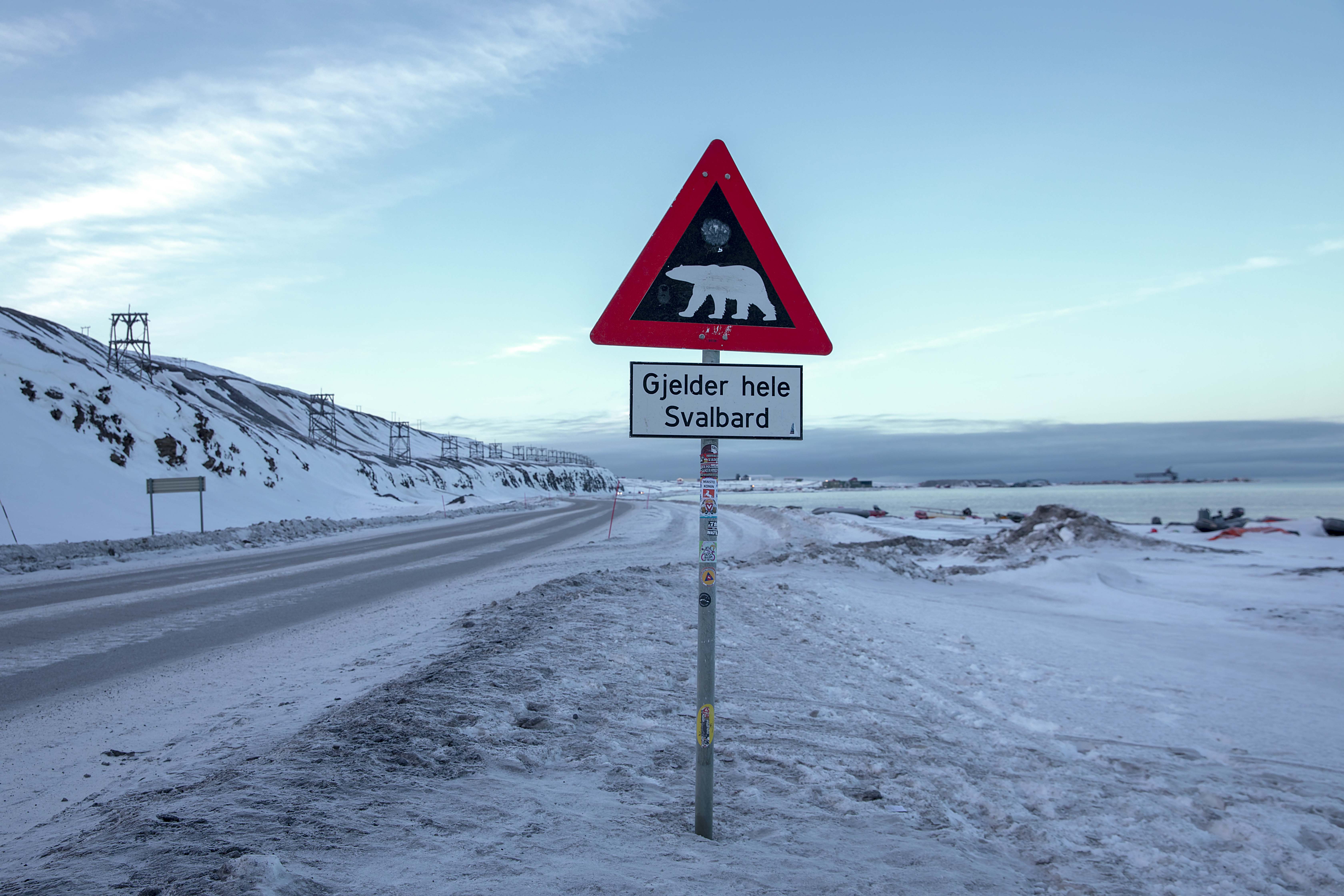
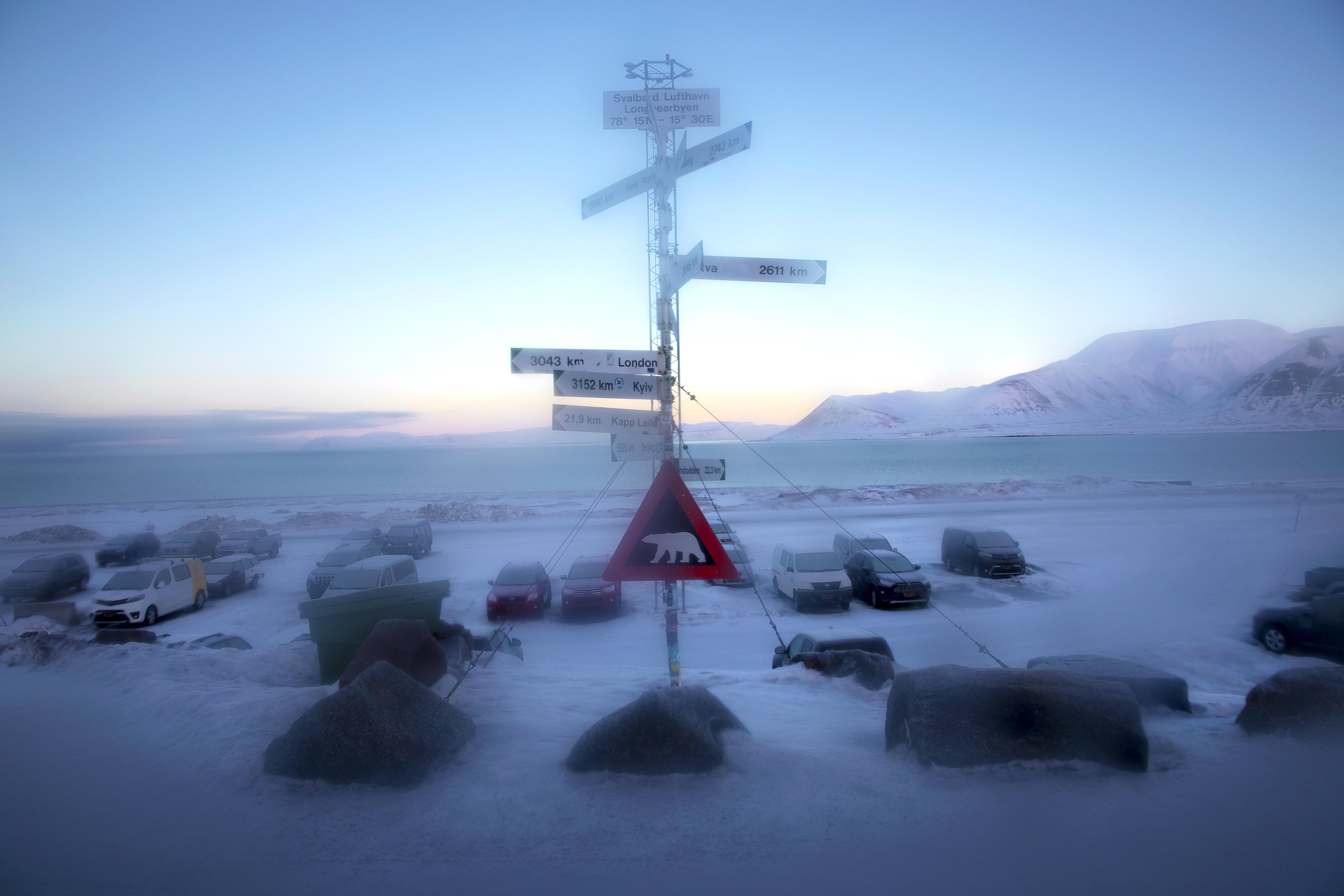
I believe there are four signs marking the boundaries of Longyearbyen. The most well-known one is near Tommy’s Lodge, where you might catch a glimpse of some adorable huskies while passing by. The sign in the photo above is located closer to Longyearbyen Harbour toward the airport. In my experience, both are safe to walk to. The remaining two are found further south, in the Nybyen area, at the edge of town.
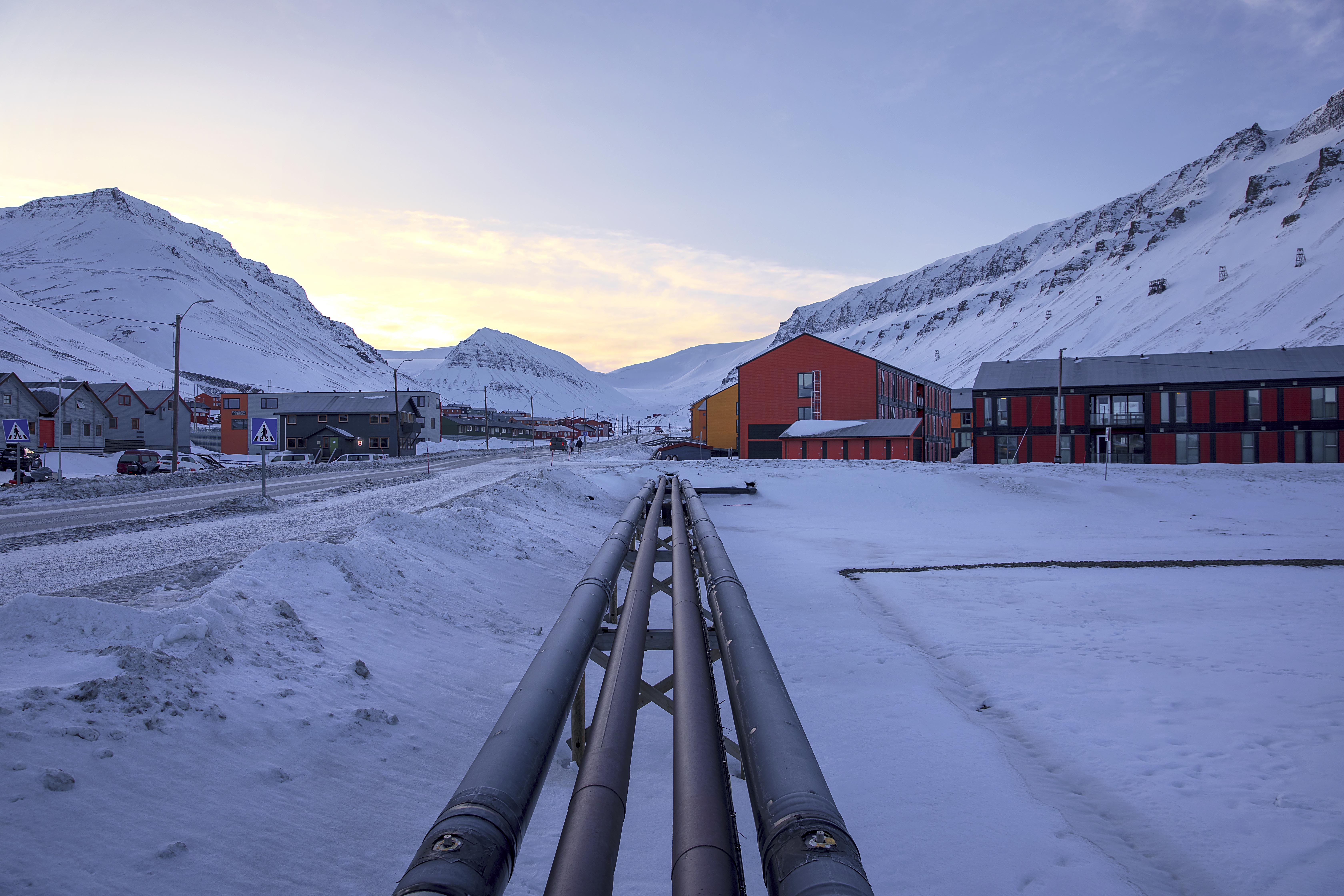
As you stroll through the town, you’ll notice that the pipes aren’t buried underground. The reason for this is simple: permafrost. Burying pipes in the soil could lead to constant freezing of water and significantly higher maintenance costs. So, the practical solution is to run the pipes above ground.
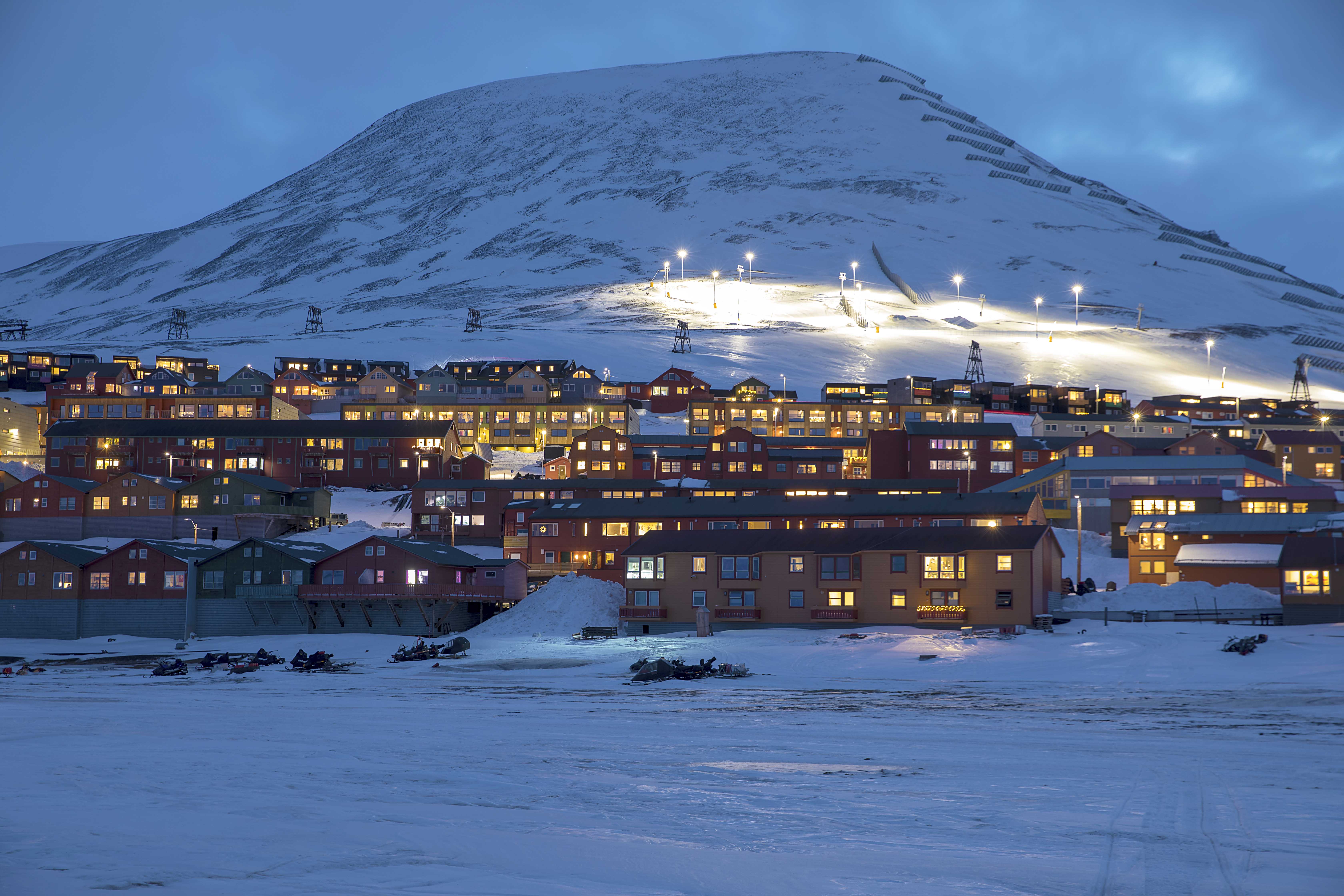
Longyearbyen is very walkable, and we made our way to both the eastern and western edges of town to see the iconic Polar Bear warning signs. If you’re visiting in winter, you may consider bringing micro-spikes, the roads and walkways can get incredibly icy and slippery. That said, make sure to pack ski pants and a warm wool base layer, they’re essential for staying warm and dry. Temperatures can drop sharply at night, and proper gear makes all the difference.
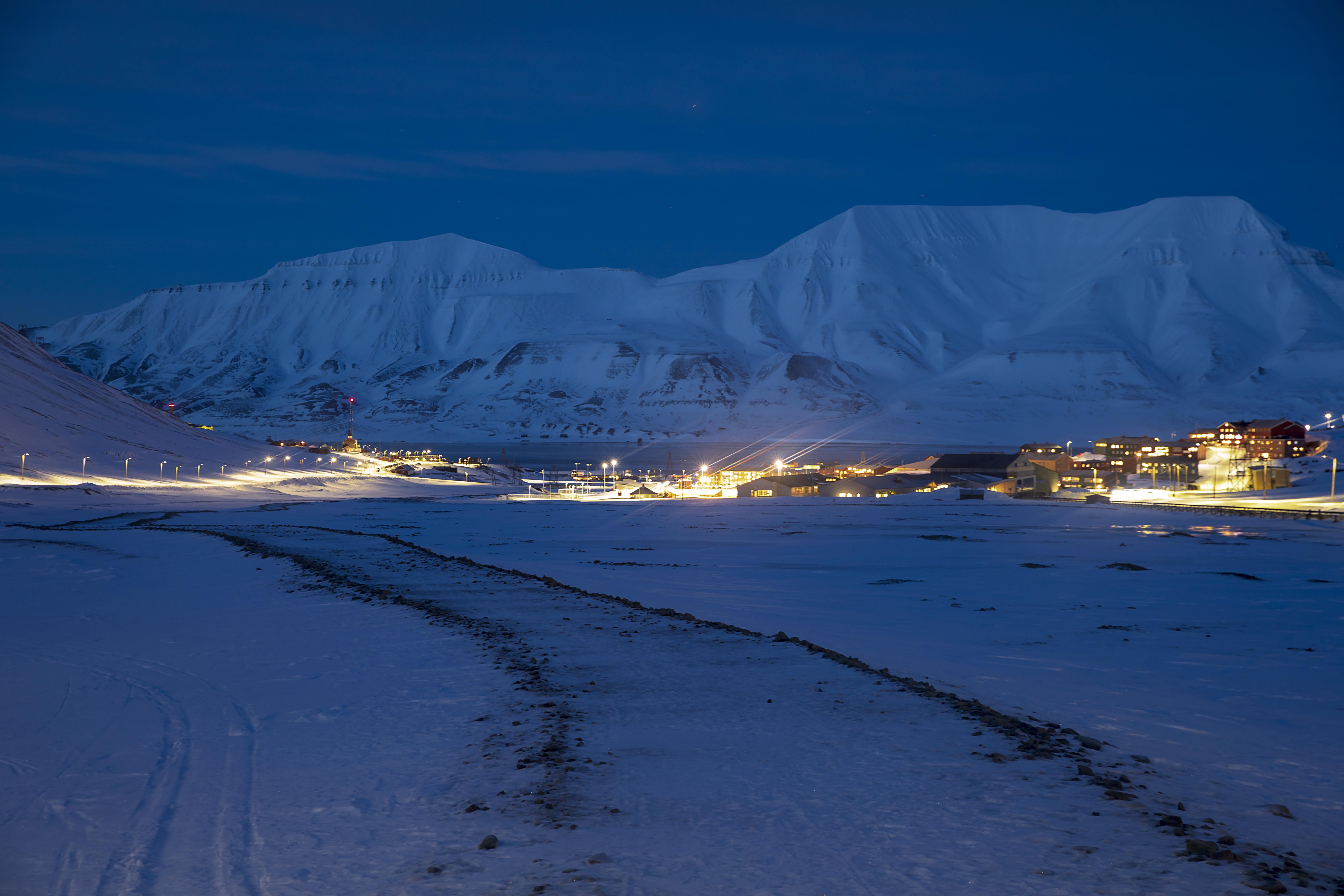
I still remember the night I captured the photo above. We ventured out on an incredibly windy evening, barely able to keep our eyes open, walking all the way to the southern edge of town near Coal Miners’ Cabin, just to take in this view. It was freezing and wild but knowing we were just 650 miles from the North Pole, and sharing that moment with the right person, was more than enough to keep our hearts warm.
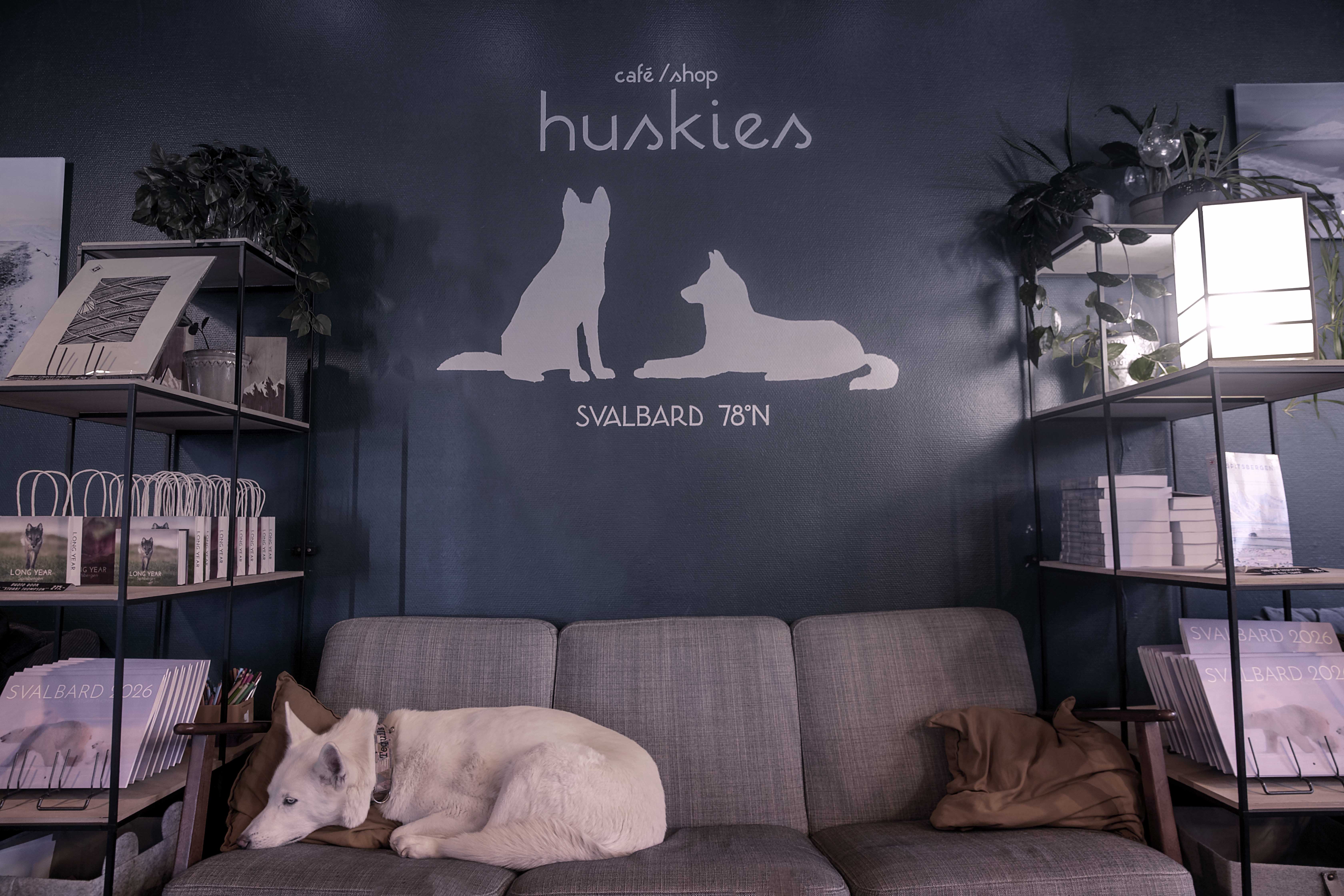
Alright, after all that exploring, it feels like the perfect time to warm up with a cup of tea. And what better way to enjoy the moment than sharing it with some locals?
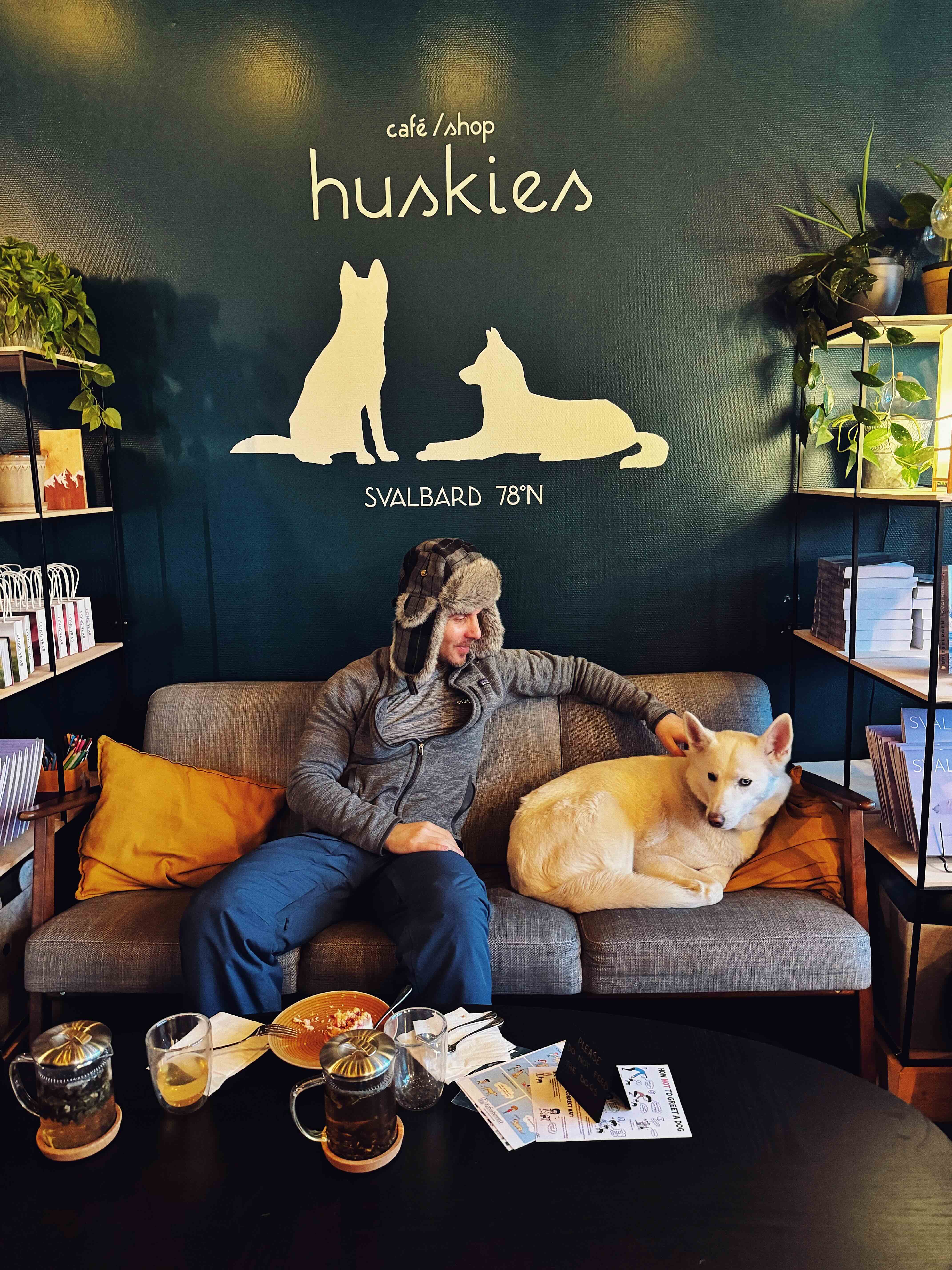
I know just the spot, Café Huskies. It’s a wonderfully inviting place to escape the Arctic chill and sip something warm in cozy surroundings.
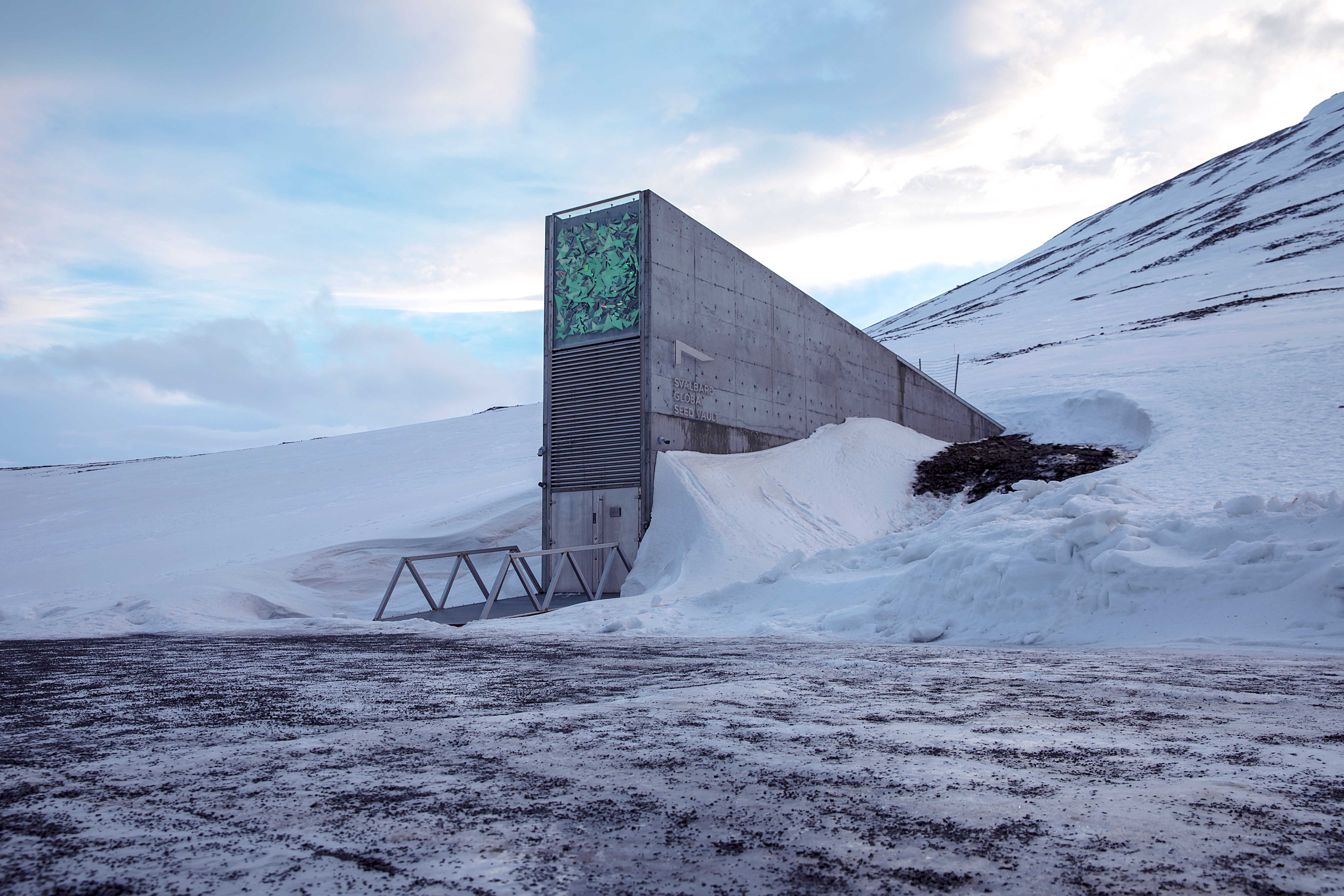
As the Arctic ice continues to retreat due to global warming, Svalbard’s strategic importance on the world stage has only grown. With the North Pole’s icy shield thinning year by year, more nations are turning their eyes to this remote archipelago, located high in the Arctic. In a world increasingly shaped by political uncertainty, natural disasters, and the ticking clock of climate change, the Svalbard Global Seed Vault stands as a silent sentinel of hope. Hidden in the frozen mountains just outside Longyearbyen, this vault safeguards millions of seeds from every corner of the globe, preserving the foundation of our agricultural future in case of global catastrophe.
Access to the vault is strictly limited to researchers and facility staff, making it off-limits to the general public. But on our way to the airport, we had a rare stroke of luck… We saw the vault’s door open. It’s a surreal and uncommon sight, one that few travelers get to witness.
Since it’s located outside the town center, walking isn’t an option, but you’ve got a few ways to reach it. You can take a taxi, join a guided tour, or opt for the most budget-friendly route: the Svalbard sightseeing bus tour. It runs twice daily and stops at several of Longyearbyen’s iconic landmarks, including this extraordinary vault built to outlast civilization itself.
Oh, speaking of which, have you looked up the Svalbard Global Seed Vault on Google Maps lately? As of April 2025, the photo I took (yes, the one above!) is now the featured image for the Vault.
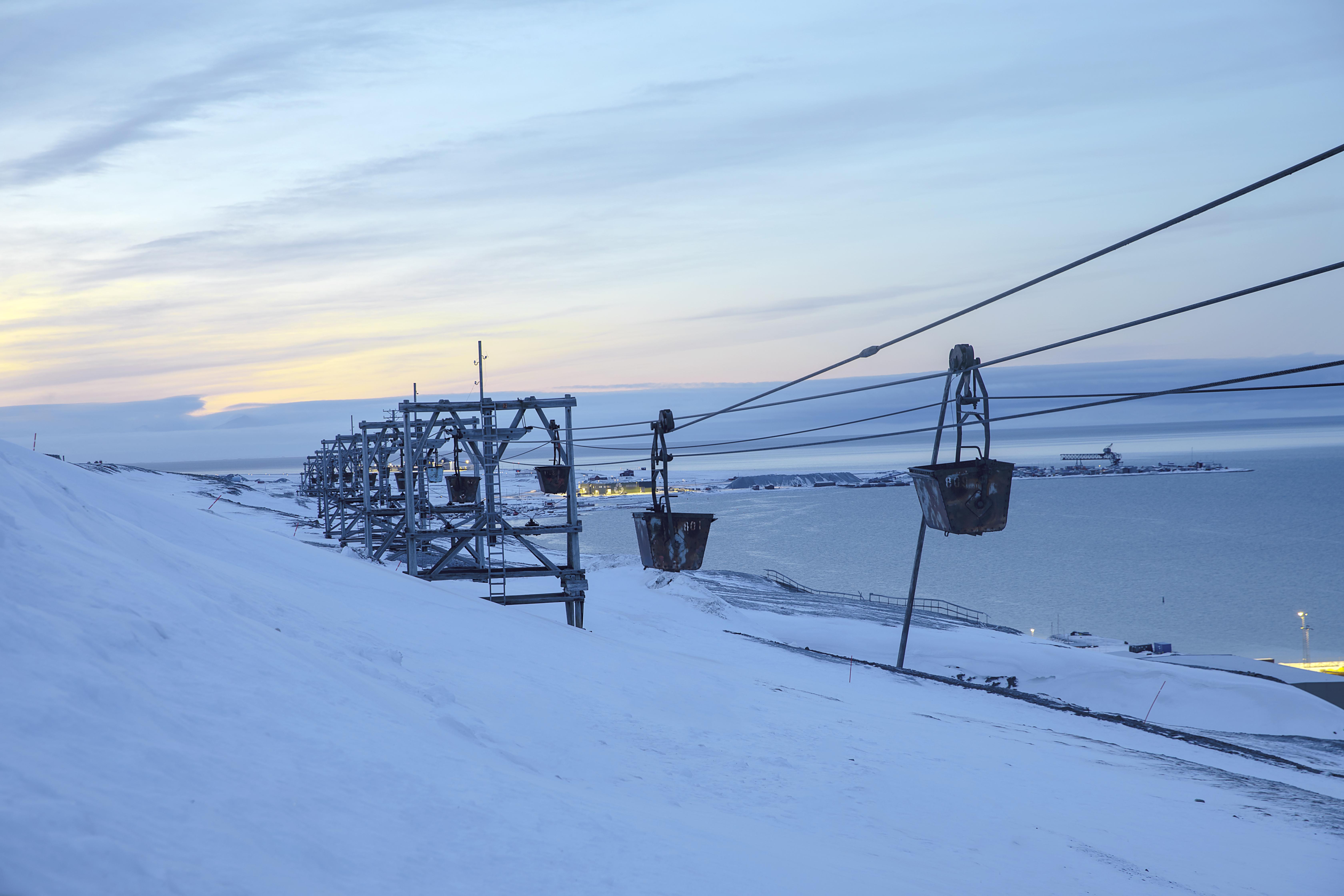
One of the big advantages of being in Svalbard in end of February is, anywhere you look at any time of the day might turn into an iconic shot. Polar night ends around mid February. Although the sun doesn’t come up until mid March, the colors in the sky in the mornings and evenings create such otherworldly experience. This spot is just a short walk from the city center, head toward Taubanelageret, and you’ll be rewarded with this stunning view. Want a pro tip? There’s camera mounted on top of the fuel tanks at Longyearbyen Port that captures a 360° photo every 15 minutes. If you hang around long enough, you’ll become a tiny part of Svalbard’s visual history. Here’s how you can find your snapshot. And yes, you’re welcome!
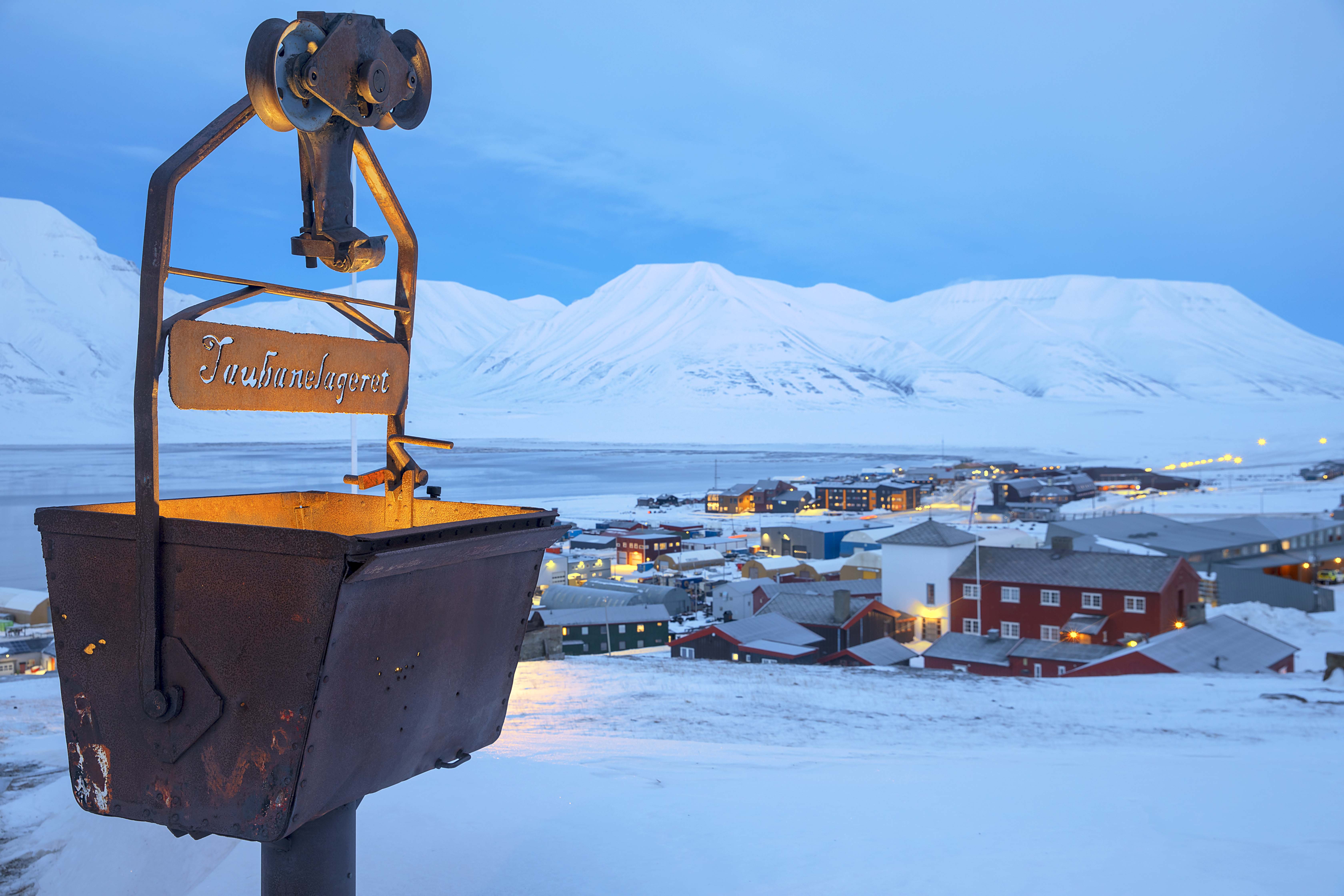
Longyearbyen was founded in the early 1900s by American entrepreneur John Munro Longyear and began as a coal mining settlement. For many decades, coal mining was the town’s lifeblood, shaping both its physical development and social fabric. Mining camps like Nybyen (which translates to “New Town”) were built to house workers, and the remnants of the aerial tramway system still stand today as striking reminders of that industrial past.
While most of the mines have since closed, only Gruve 7 (Mine 7), remains in limited operation, with plans to shut it down by the end of 2025 summer. As a result, Longyearbyen’s economy is shifting focus toward tourism, education, and research. A key player in this transition is the University Centre in Svalbard (UNIS), which offers courses and research opportunities in biology, physics, and geology, attracting students and scientists from around the world.
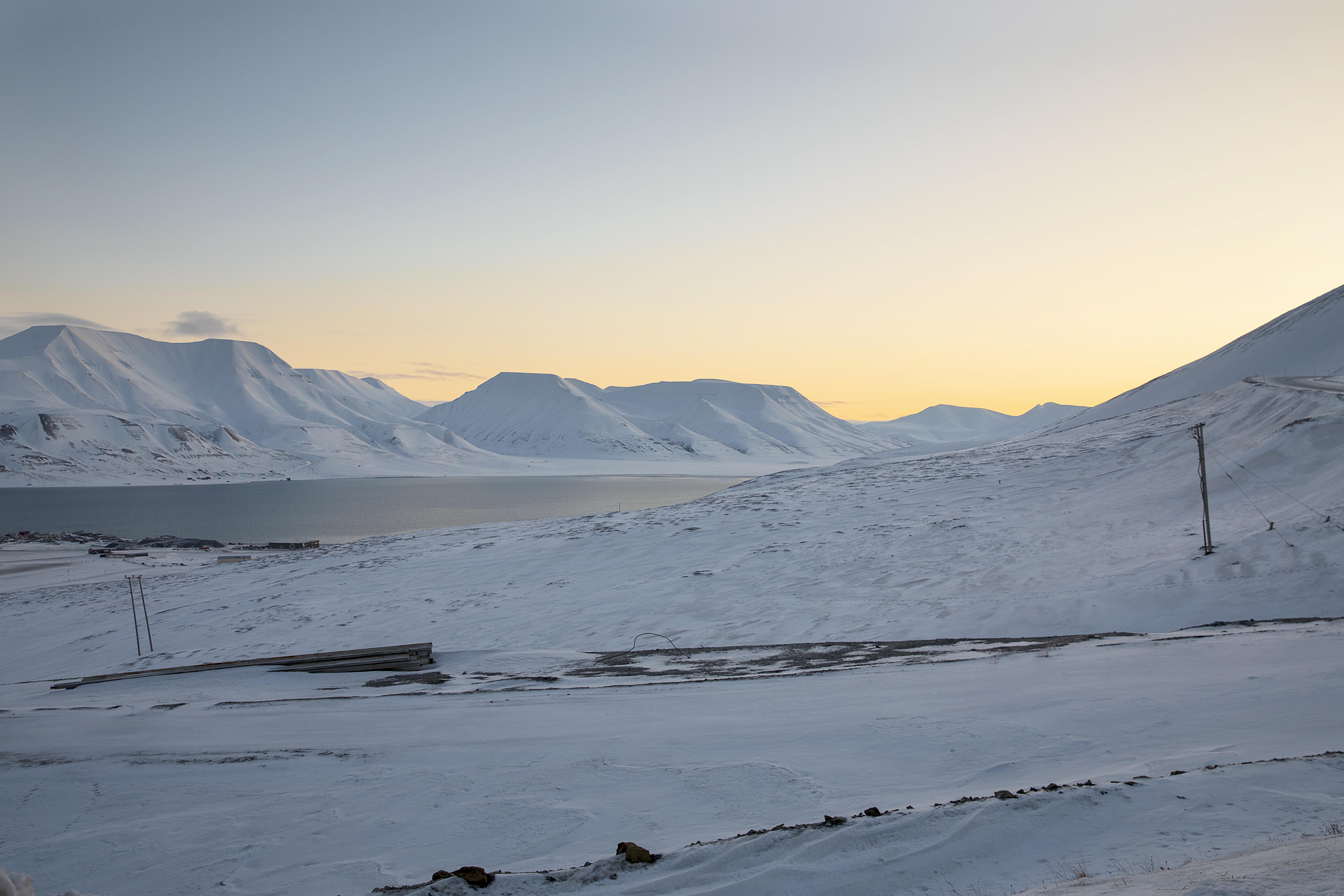
To get a deeper sense of Svalbard’s history, consider visiting one of its inactive coal mines. We joined an early morning tour of Gruve 3, a former mine now open to visitors. After it was decommissioned, the Store Norske Spitsbergen Coal Company transformed it into a fascinating historical site.
No need to worry about getting there. Tour companies provide hotel pick-up and drop-off, making it super convenient. I highly recommend booking a morning tour. Watching the first light of day slowly paint the sky as you head toward the mine is a breathtaking experience, a peaceful prelude before descending into the tunnels of this once-bustling workplace.
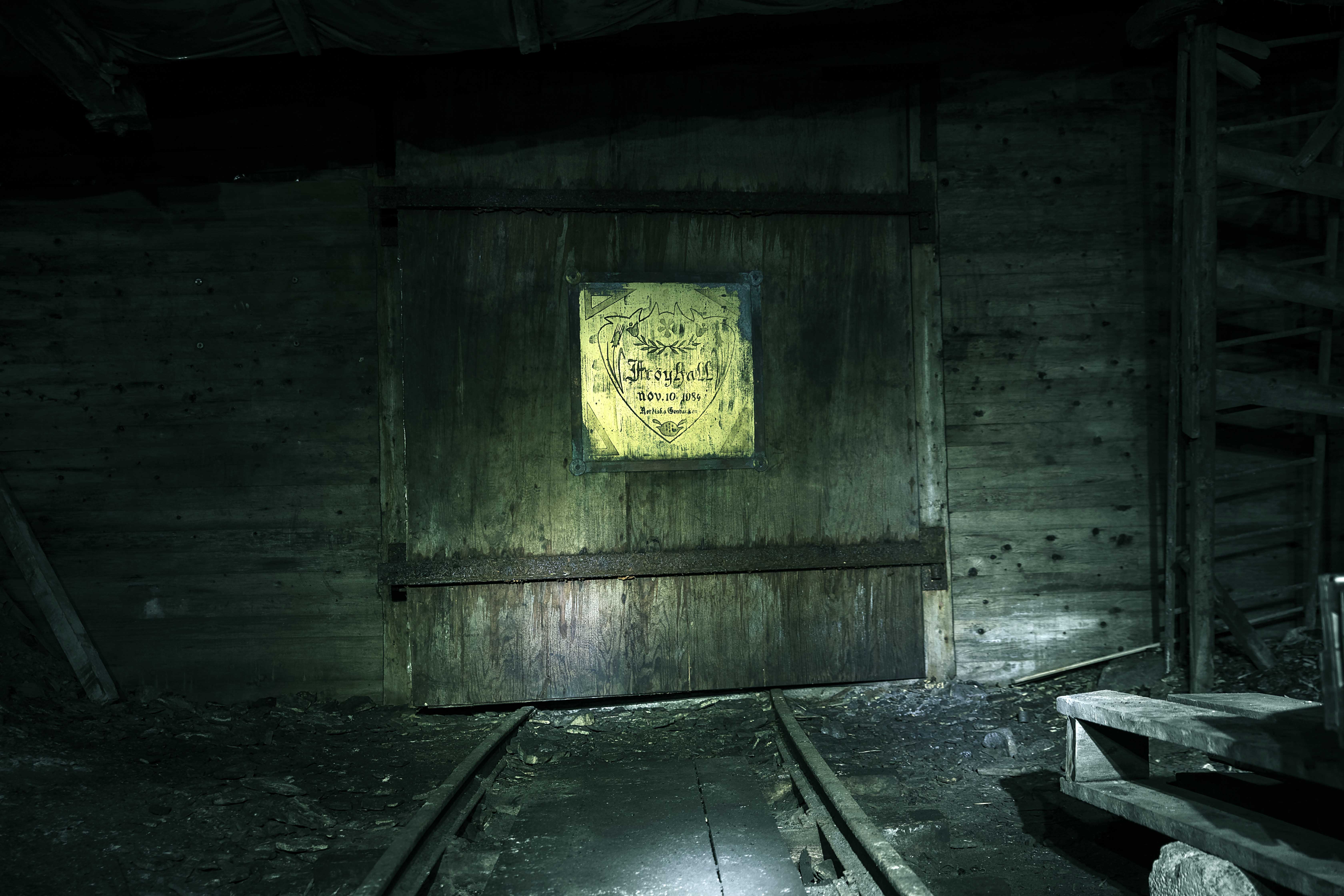
I’ve mentioned the Svalbard Global Seed Vault, but did you know that before it was built and opened in 2008, the original seed vault was actually tucked away deep inside the tunnels of Gruve 3? The concept was the same, to preserve seeds in the cold, stable permafrost. And Gruve 3, with its naturally secure and climate-controlled conditions, offered the perfect environment hidden within the mountain. While strolling through the tunnels, you’ll even come across a sealed door that once led to the original vault. Standing there, it’s hard not to feel the weight of what was once stored just beyond it: a quiet safeguard for the future of humanity.
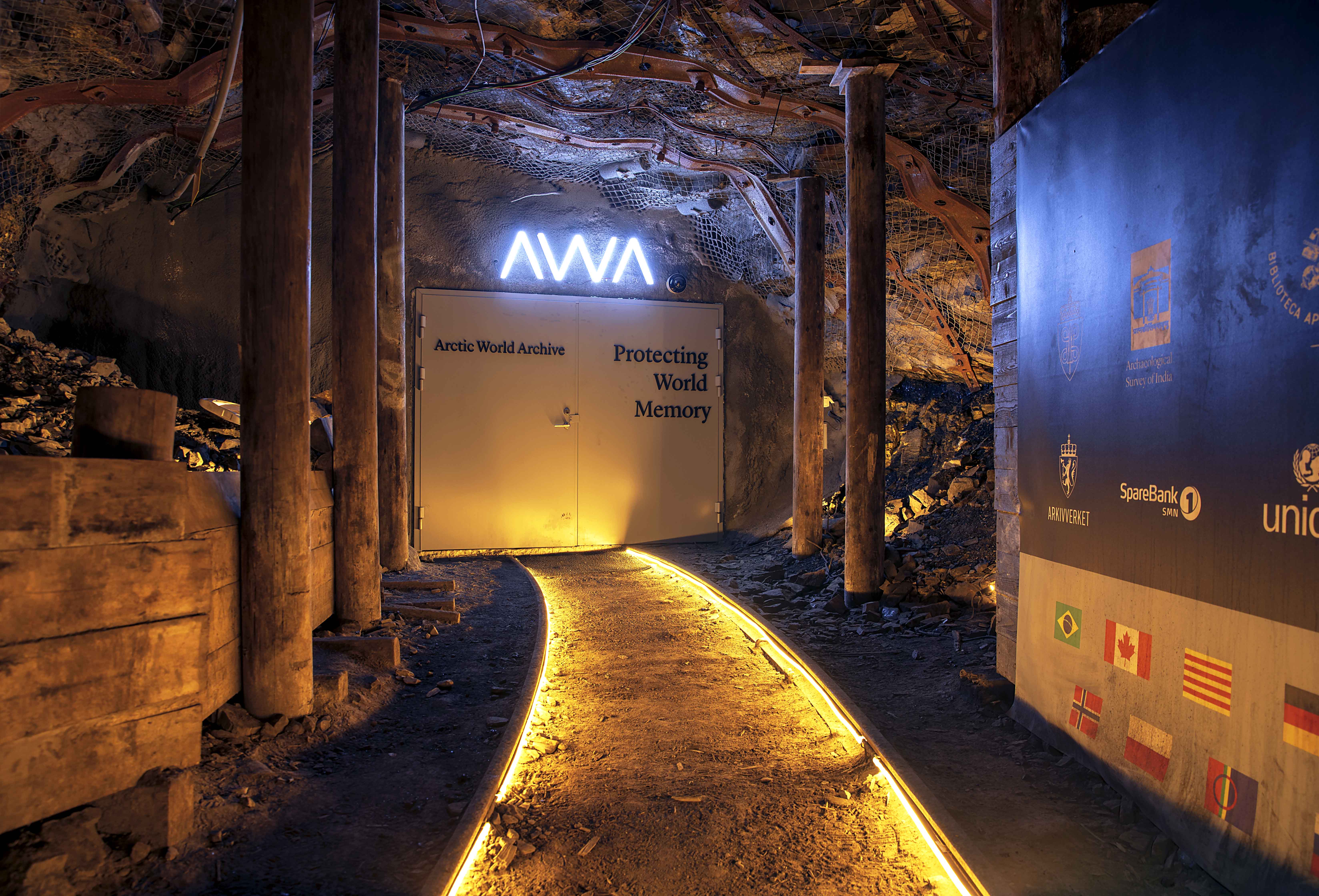
The treasures of the mine don’t end with coal. Have one-of-a-kind photos, important documents, or secrets worth preserving? You’re in luck. Deep inside the tunnels of Gruve 3 lies the Arctic World Archive, a secure vault created by Norwegian tech company Piql in partnership with the mine’s operators. This sealed room is designed to safeguard humanity’s most valuable digital and cultural assets, ranging from national archives of countries like Brazil, Mexico, and Norway, to GitHub’s entire public open-source codebase, as well as digitized masterpieces like Edvard Munch’s The Scream, The Divine Comedy, and parts of the Vatican Library. The archive is designed to ensure that future generations can access and decode its contents, even in the face of natural disasters or technological obsolescence. And here’s the exciting part: for a modest fee, you can store your own digital legacy there too.
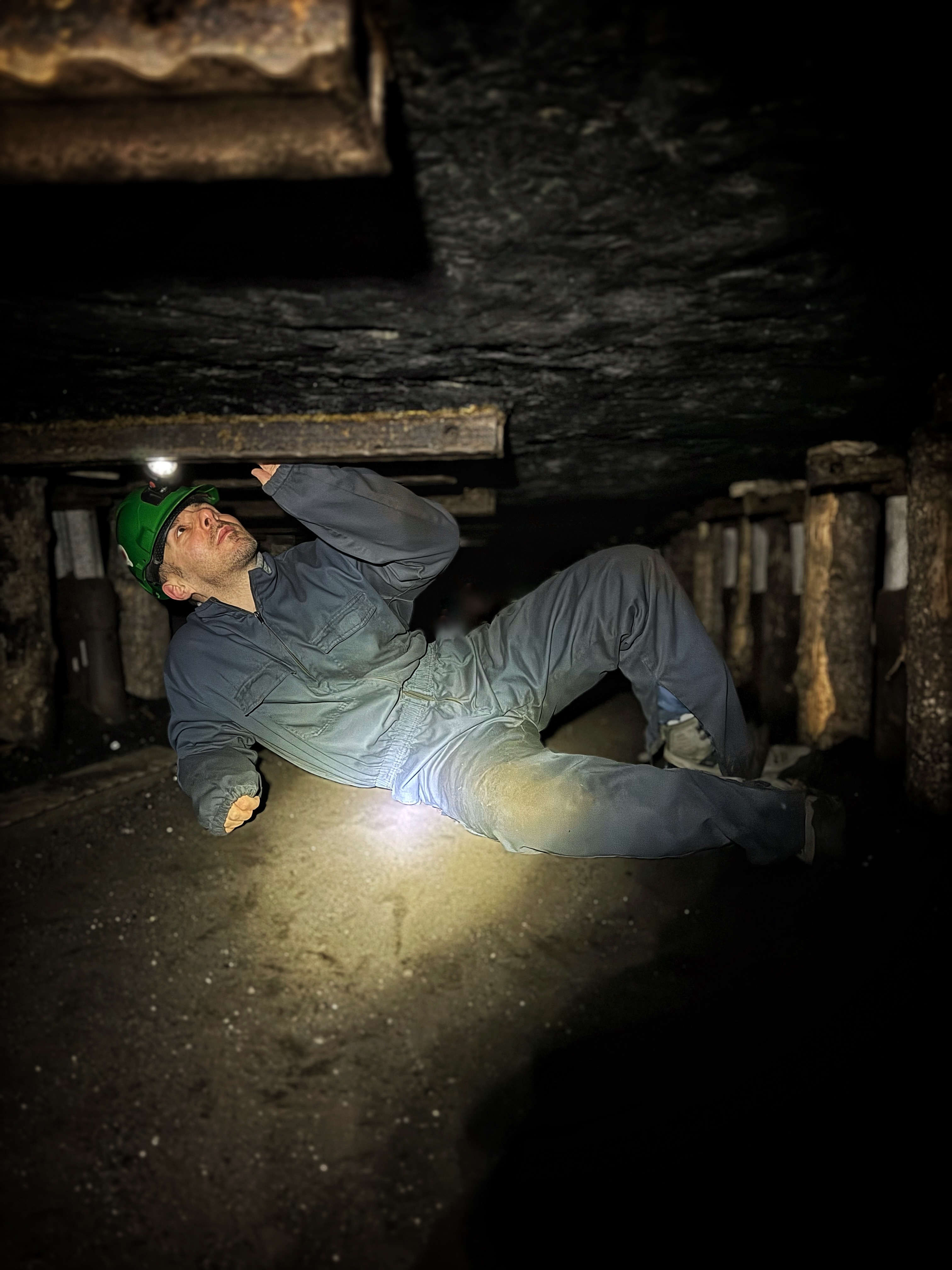
It gets a little chilly inside the tunnels, so I’d recommend keeping your jacket on unless you’re feeling adventurous enough to crawl through one of the narrow passages that miners once worked in. At the start of the tour, you’ll be given a helmet with a flashlight and optionally an overall to protect your clothes. Crawling into the low-ceilinged coal face tunnel is completely optional, but if you’re up for it, I’d definitely encourage you to give it a try. It’s a powerful glimpse into what the miners experienced. And hey, how often do you get the chance to crawl through a narrow tunnel inside a real coal mine in life?
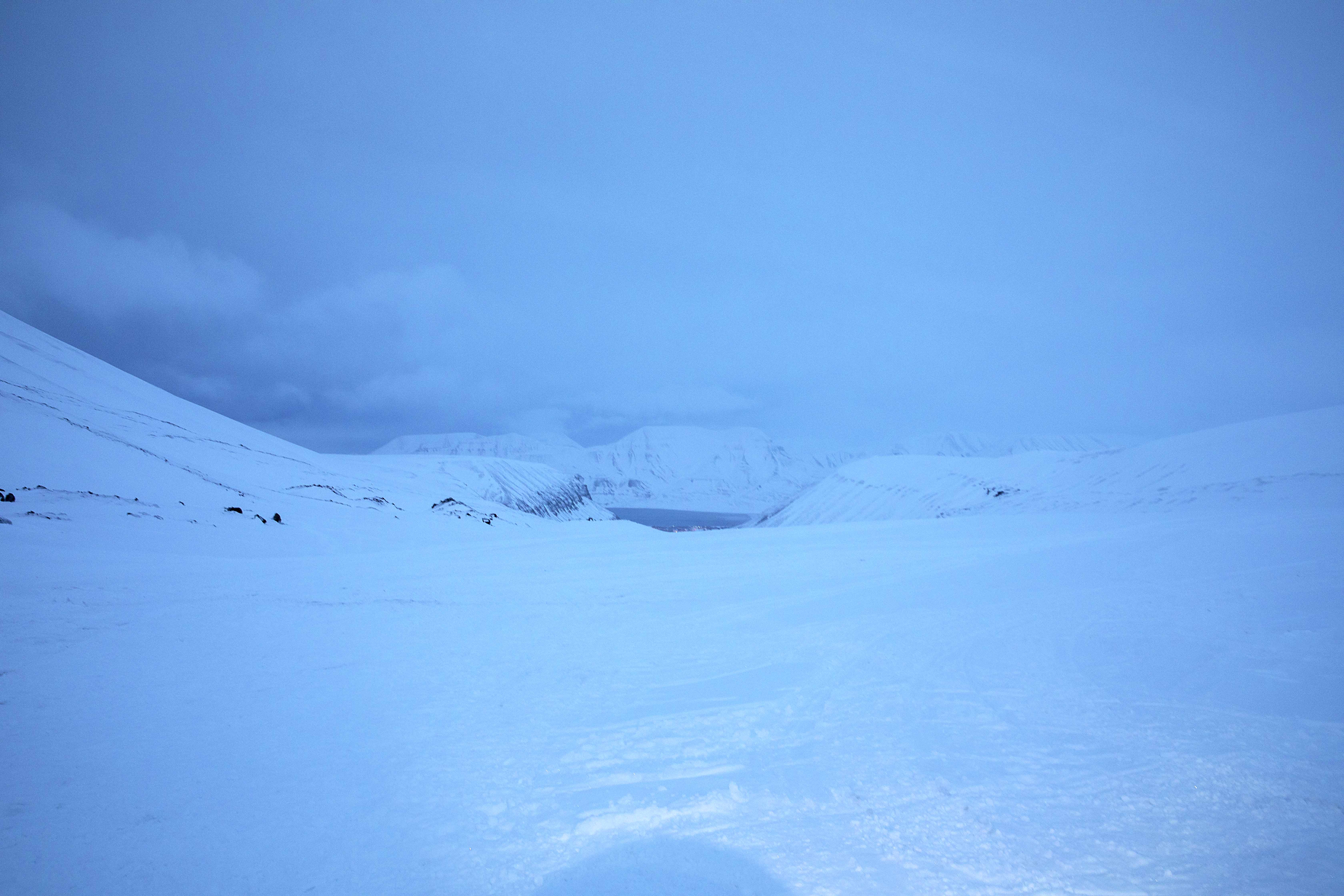
There are moments in life so breathtaking that reaching for a camera feels almost wrong… you either forget to capture them or simply want to be fully present with all your cells. I had a few of those in Svalbard. One evening in particular stays with me: the last light of day softly fading as snowflakes danced against our faces, and we made our way across a frozen river toward an ice cave. The atmosphere was nothing short of magical. I had my GoPro ready to film the ride, but the sheer beauty of it all completely swept me away. I didn’t end up recording a thing, except for this single photo, taken from atop a glacier before entering the cave, with Longyearbyen glowing in the distance.
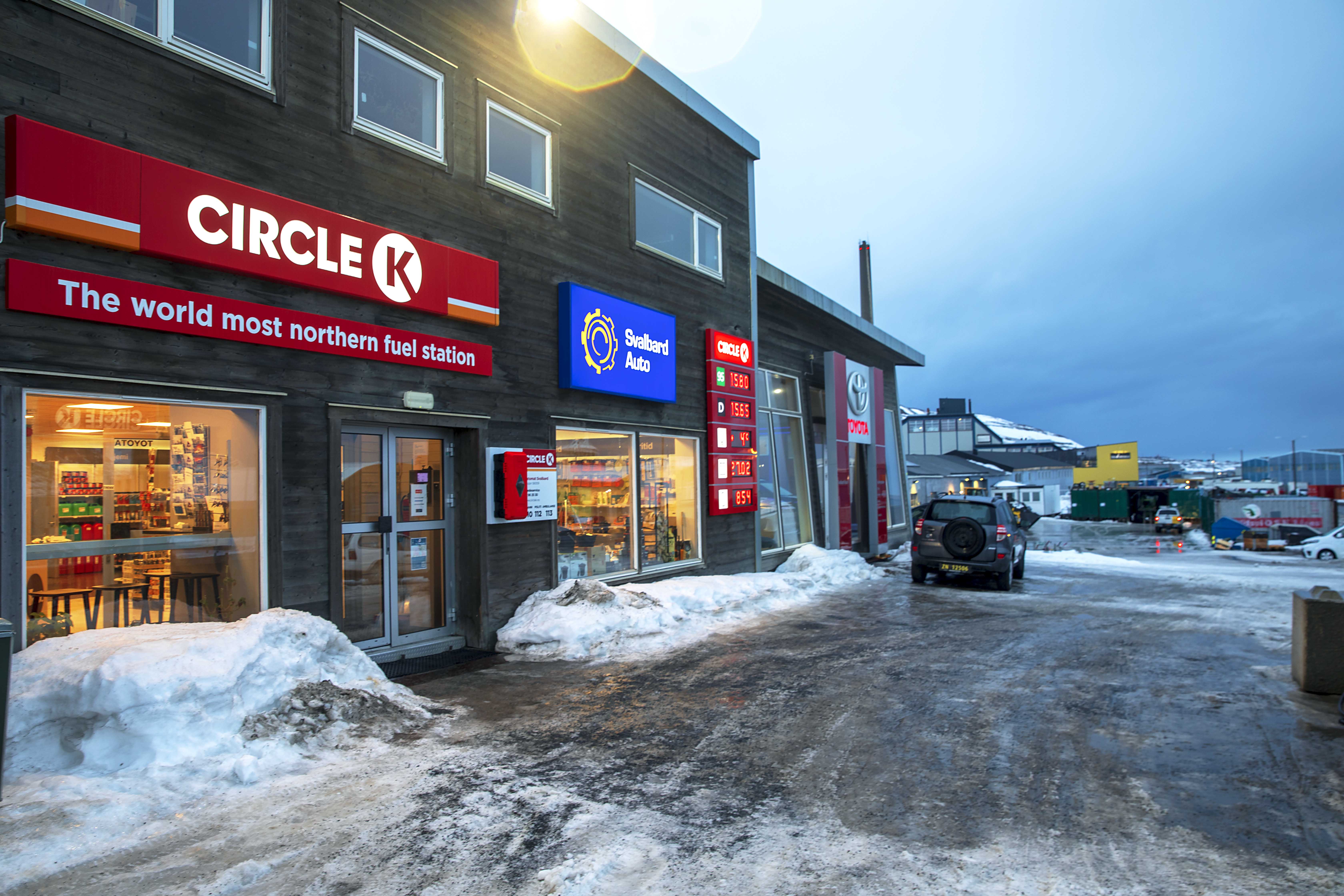
When you’re in Svalbard, everything seems to come with the title “the northernmost in the world,” and the gas station is no exception. This is the one and only gas station in the Arctic, and surprisingly, the price isn’t as steep as you might expect. It was 15.80 NOK per liter, which works out to about $5.60 per gallon. You’d think gas in such a remote place would cost a fortune, but honestly, it’s cheaper than some parts of California, where you’d expect to pay a lot more for a gallon even without the Arctic logistics!
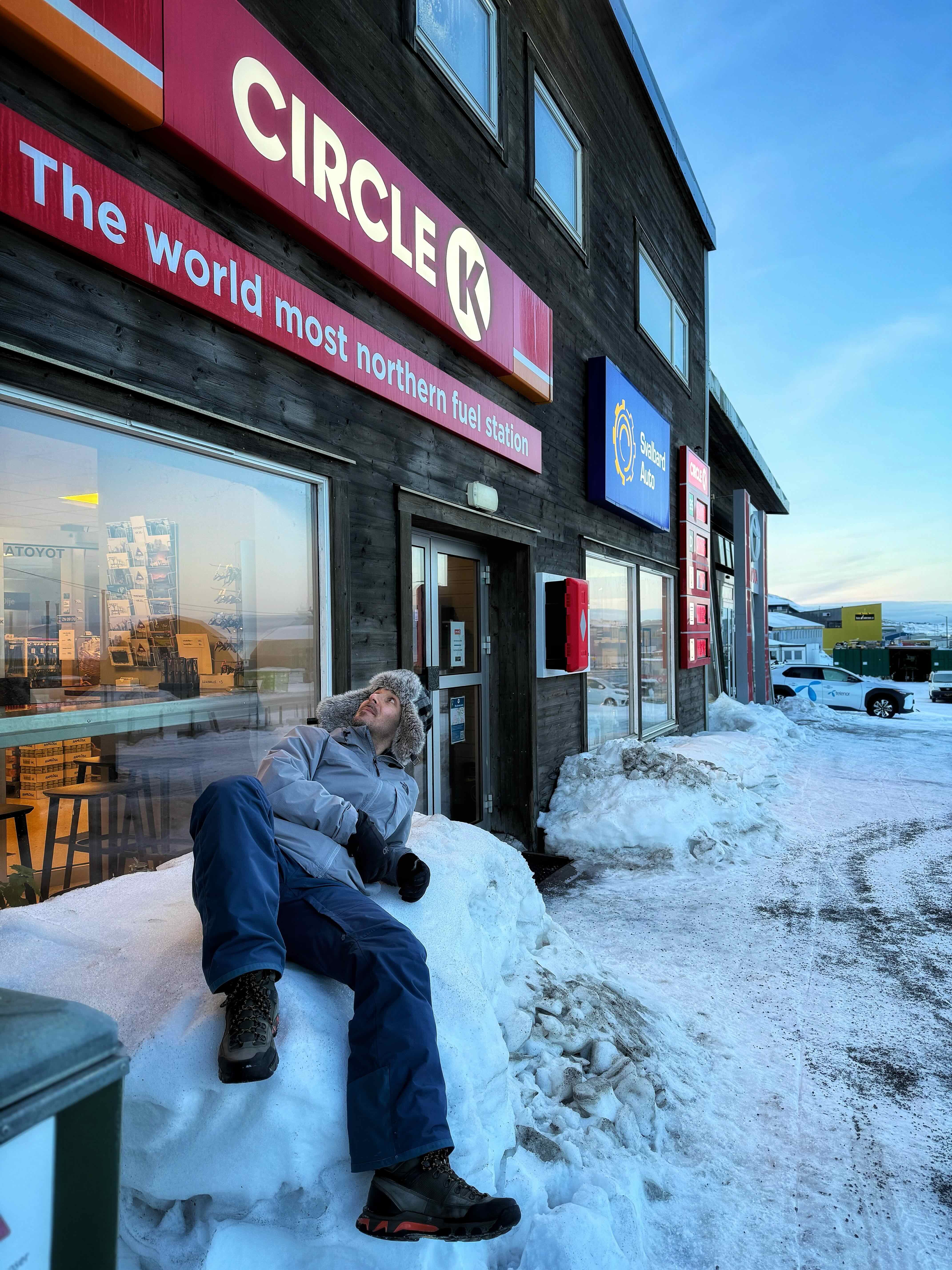
I will absolutely take a picture at the world’s northernmost gas station since I’m traveling with a skillful photographer.
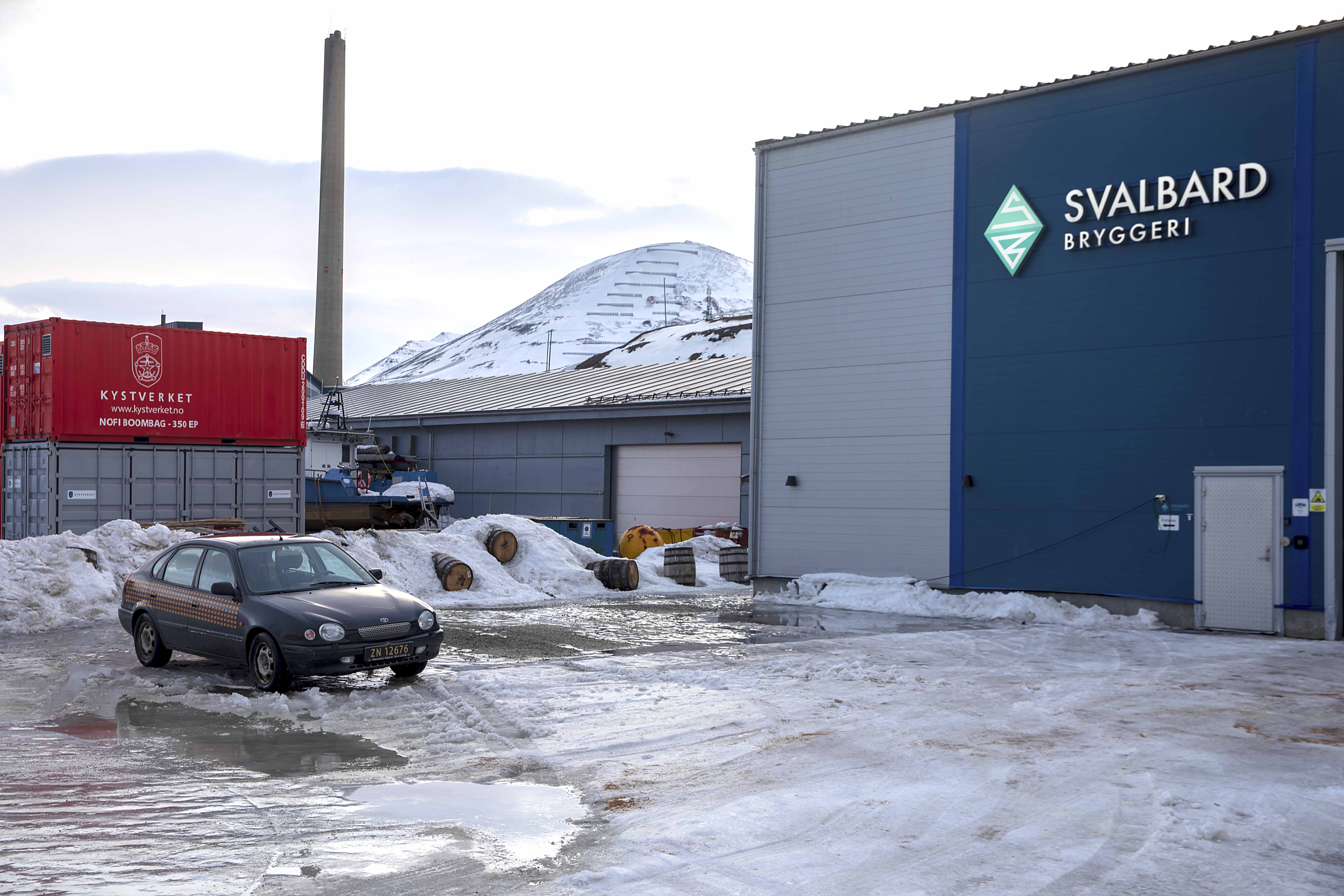
Since we’re on the topic of the world’s northernmost everything, how about enjoying a cold beer in the northernmost town on Earth? You’re in luck. Longyearbyen is home to its very own brewery! Svalbard Brewery offers guided evening tours, but here’s the catch: it’s not a drop-in spot. You’ll need to book tickets online in advance.
We didn’t get a chance to explore the inside, but here’s a fun tip, if you’re short on time, you can still grab a can of Svalbard Brewery’s sparkling water from The Svalbard Store and keep the can as a unique Arctic souvenir. And if you’re after something stronger, make your way to Nordpolet, the state-run liquor store located inside the same shop. As a visitor, you can buy alcohol there by showing a valid return flight ticket, which grants you a one-time purchase quota.
Locals follow a separate quota system too which is a tradition rooted in Svalbard’s coal mining days, designed to encourage mindful drinking in this remote and wild corner of the world.
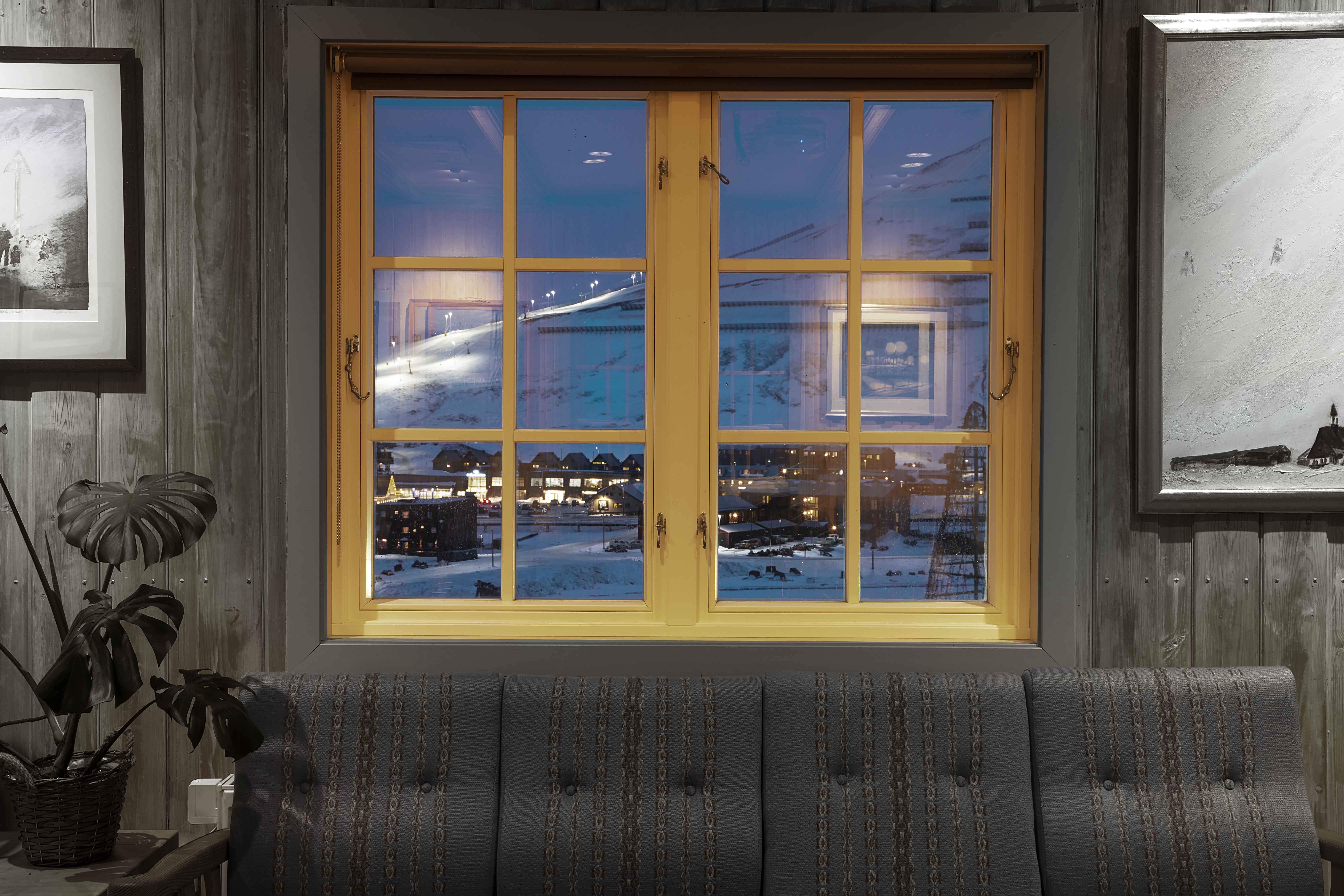
There’s also a lovely Lutheran church just a short walk from the town center. It’s open 24 hours a day and occasionally hosts free community events, well worth checking out if you have the time.
And a quick heads-up: in most places around Svalbard, it’s customary to remove your shoes before entering buildings, and the church is no exception. So be prepared to slip those boots off at the door!
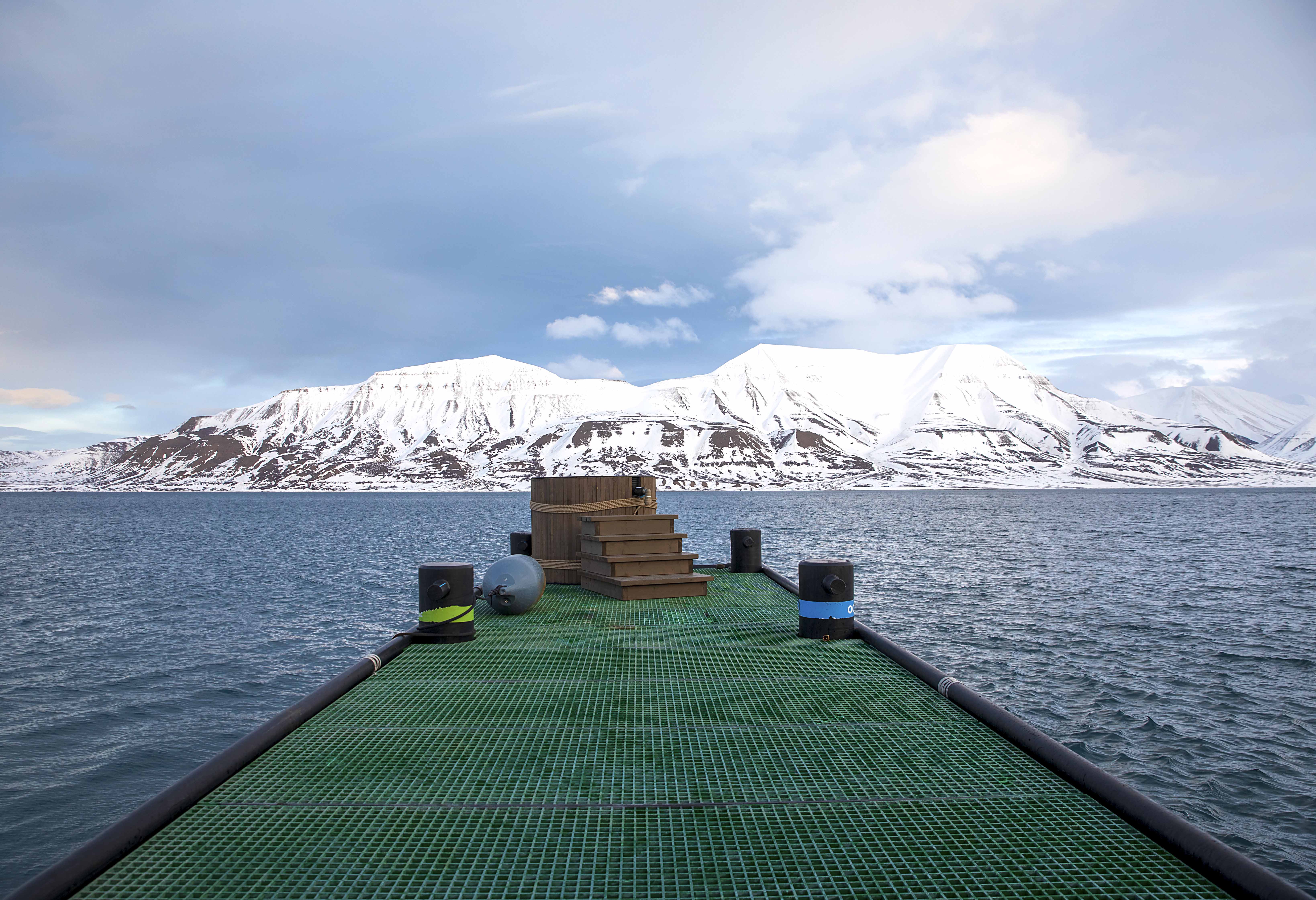
Before my trip, I made a bold promise to myself “I’m going to swim in the North Pole”. Not maybe. Not if I feel like it. I will. But once I actually arrived and felt how brutally cold it was, I started thinking… maybe that wasn’t such a brilliant idea after all. On our last day, our flight wasn’t until 3 PM, so we planned to head out and squeeze in some more exploring. Still, on a whim, I tossed a towel into my bag, you know, just in case.
After we wrapped up our walk, I had this moment of reckoning: Wait, really? You’re going to leave the North Pole without doing the polar plunge? I imagined years of teasing, the inner regret, the “you had one job!” kind of shame, and just like that, the decision was made. It was 11 AM. No more backing out.
Originally, I thought about finding a random spot and just jumping in. But let me tell you, this isn’t something you mess around with. The coastline in winter is covered with ice and unforgiving. Go in at the wrong place, and you might not get out safely. So we made the smart call and headed to SvalBad, Longyearbyen’s floating Arctic sauna anchored right on the fjord. Safe and still terrifyingly cold, it was the perfect place to turn my crazy idea into a memory I’ll never forget.
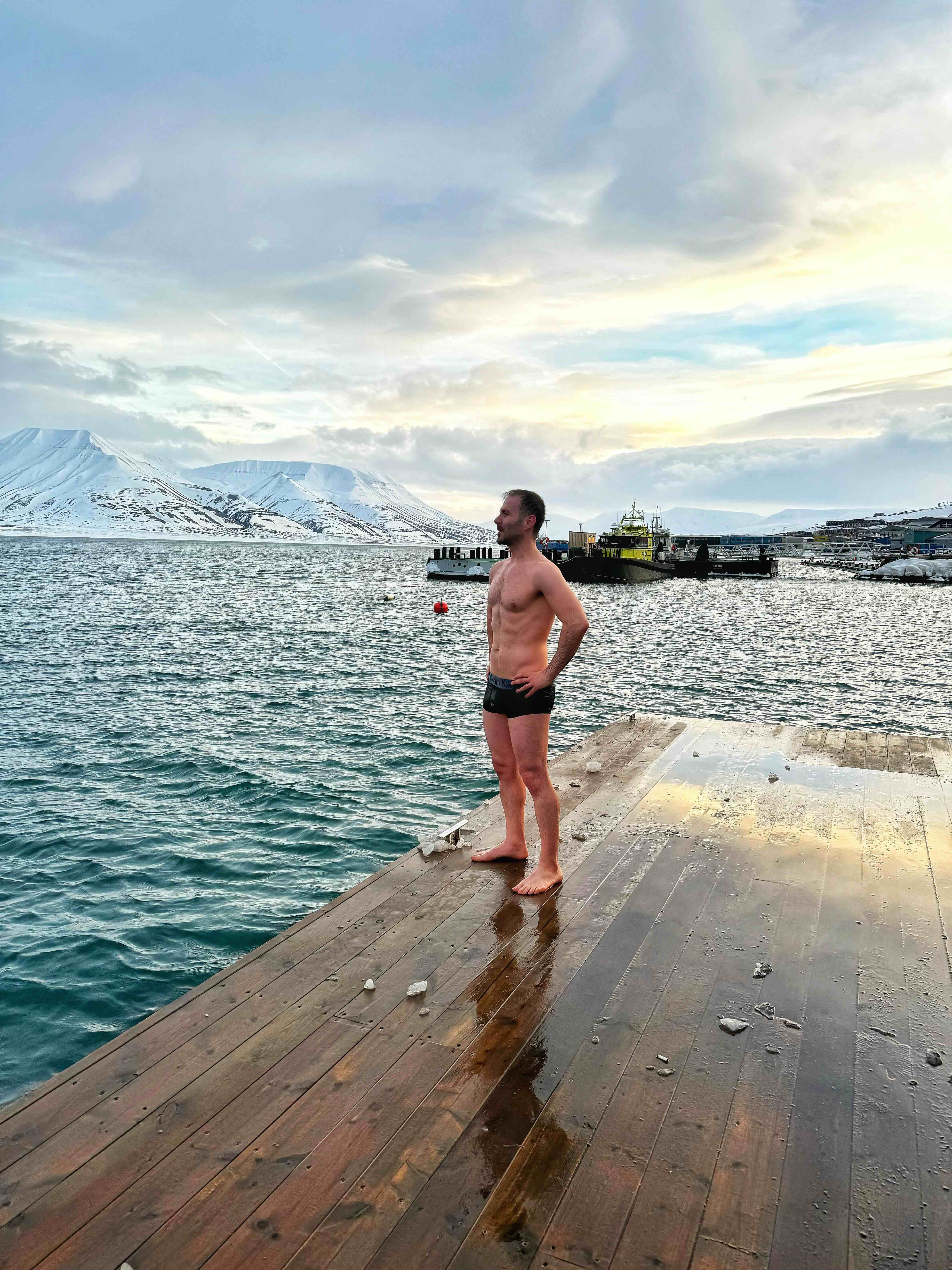
After 20 minutes of charging up in the heat of the sauna, I took the leap… straight into the frozen waters of the Arctic Ocean. Not once. Not twice. Three times. Each plunge stole my breath, lit every nerve on fire, and made me feel more alive than I ever thought possible. It’s one of the boldest, most unforgettable things I’ve ever done… and words barely do it justice.
Well then… the North Pole? Checked. Now, should we talk about the South?
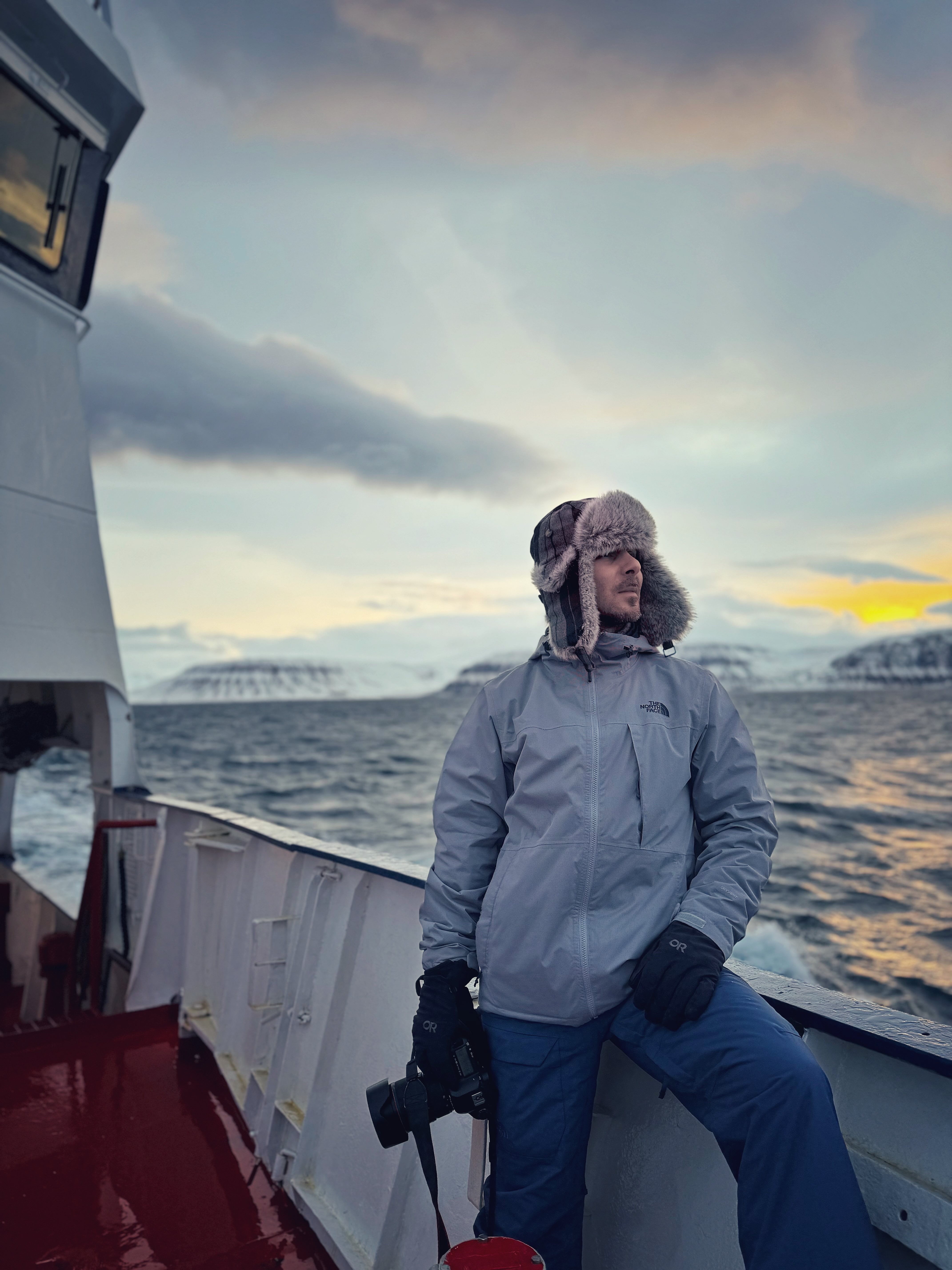
Let this photo be your clue, our next stop is brewing. A journey to an abandoned Soviet coal mine awaits… Stay tuned.
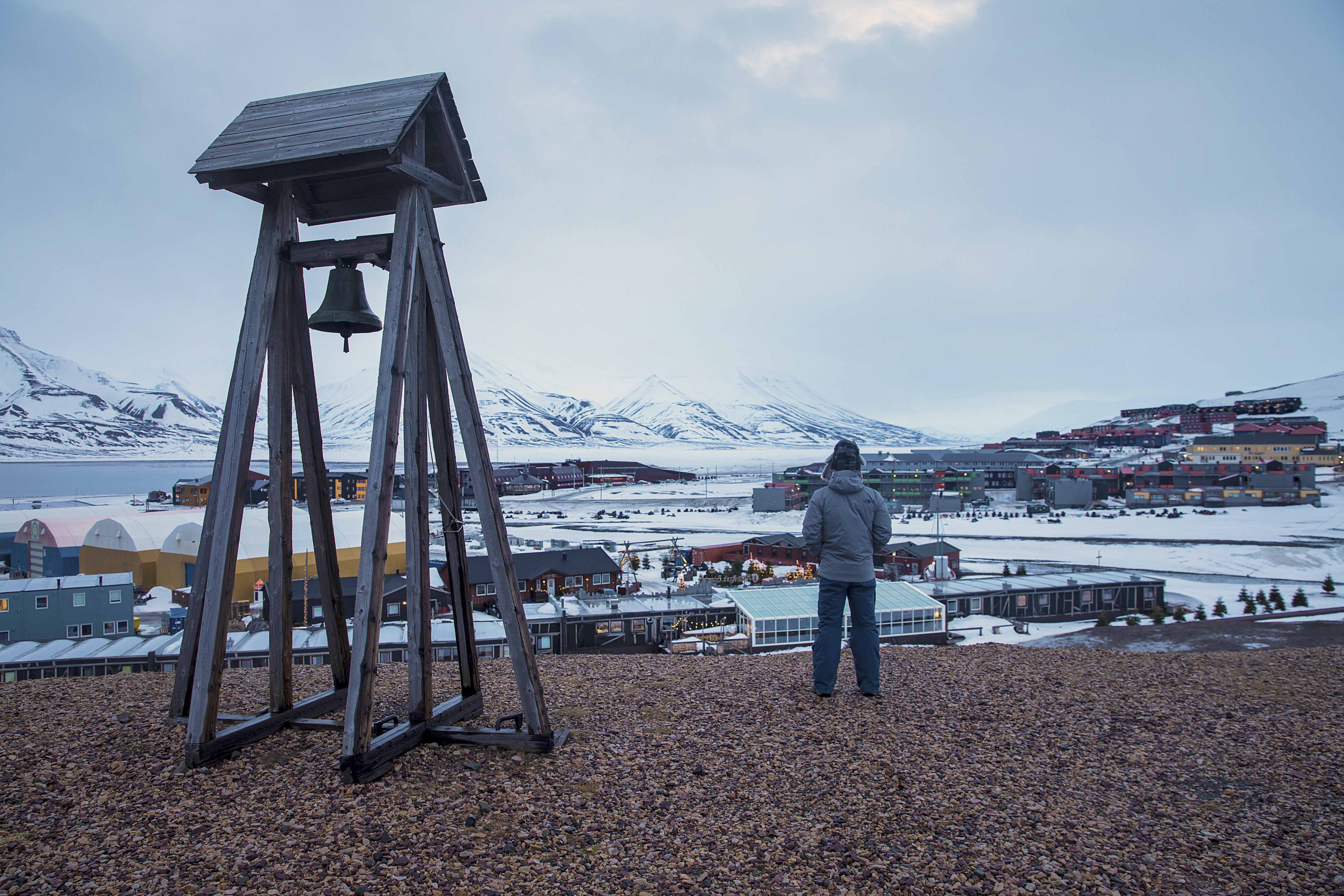
This has been a long post, perhaps the longest I’ve ever written… but there’s still so much left unsaid. On our final day, just before heading to the airport, I looked back at the town one last time and felt like I finally understood something. People come to Svalbard for two reasons: either they’re running from something, or they’re searching for something. For us, it was a bit of both.
Now I understand why some say that visiting a remote place can change your life, because when the noise of the world falls away, you meet your truest self at the end of the road. Svalbard earned that title in my heart. Leaving was incredibly hard. But perhaps that’s the only way to truly appreciate the beauty of a moment… by being pulled away from it.
Every story must end for a new one to begin. So long, Svalbard. We will meet again, my love…
 Huseyin Karadeniz | Travel & Photography Journal