I know what you’re thinking after reading the Hong Kong post: “Wait, where’s Macau?” Or maybe you called it “Macao” instead. No worries, both spellings are correct! “Macau” is the more common English version, while “Macao” reflects its Portuguese heritage.
If you’ve already traveled over 15 hours from San Francisco to Hong Kong, adding this former Portuguese colony to your itinerary is a no-brainer. While many picture Macau as the “Vegas of China,” you don’t need to be a high roller to appreciate its charm. So, without further ado, let’s hop on a ferry from Hong Kong Island and discover Macau!
There are three ways to travel from Hong Kong to Macau, ranging from budget-friendly to ultra-luxurious. The most affordable option is taking a bus from the Kowloon Peninsula, which crosses the world’s longest oversea bridge, the Qingzhou Channel Bridge. Alternatively, you can hop on a TurboJet ferry, as I did, for a smooth and scenic ride. And for those who prefer a touch of extravagance, there’s always the option of a helicopter.
Both the bus and ferry take around 55 minutes and run frequently, making them convenient choices. Just a heads-up, Macau is a Special Administrative Region, meaning you’ll need your passport to clear immigration when leaving Hong Kong and entering Macau.
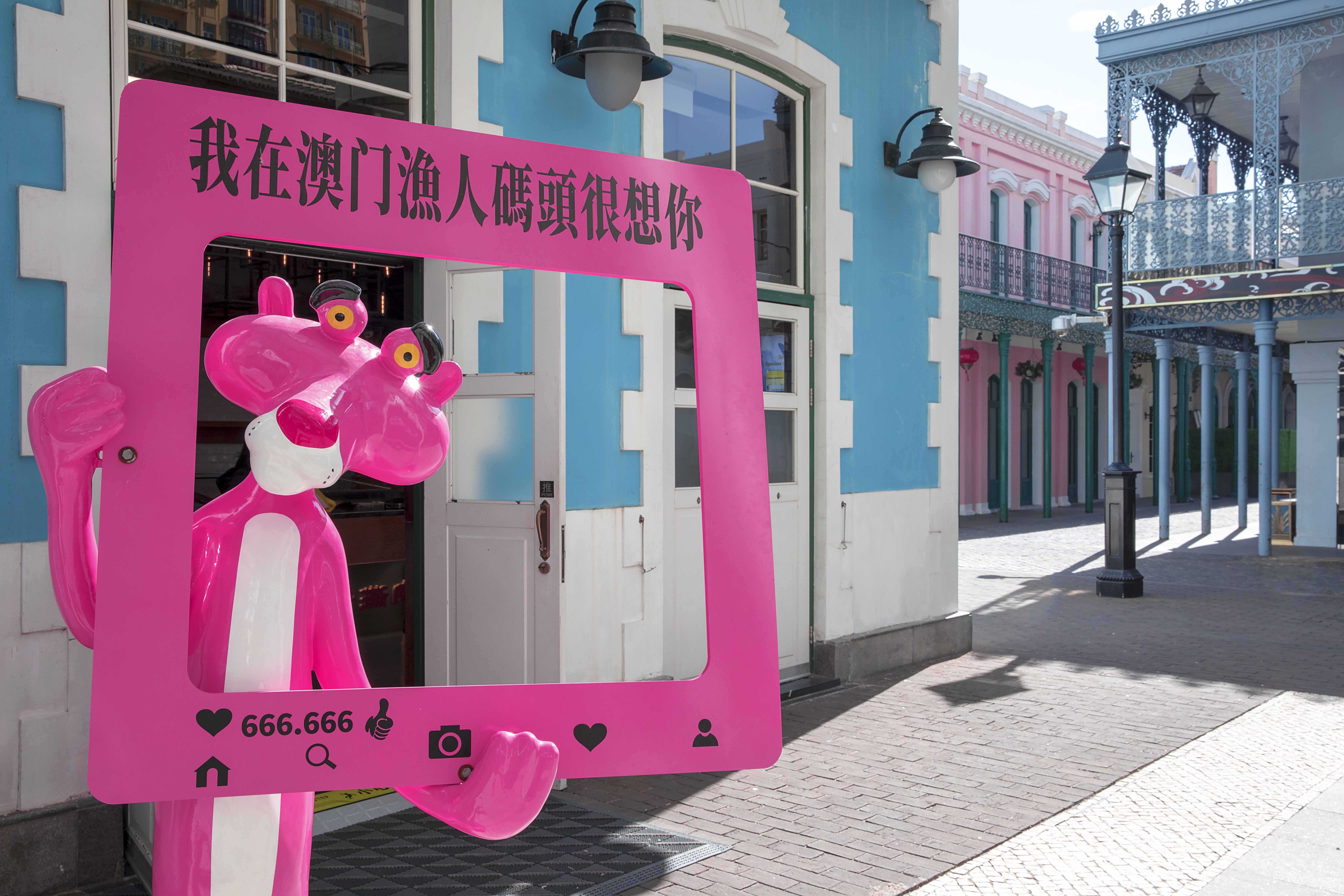
If you take the ferry, you’ll arrive close to Macau Fisherman’s Wharf, a great starting point for your exploration. This iconic waterfront area is highly walkable, lined with charming cafés and restaurants, and even features a striking replica of a Roman amphitheater.
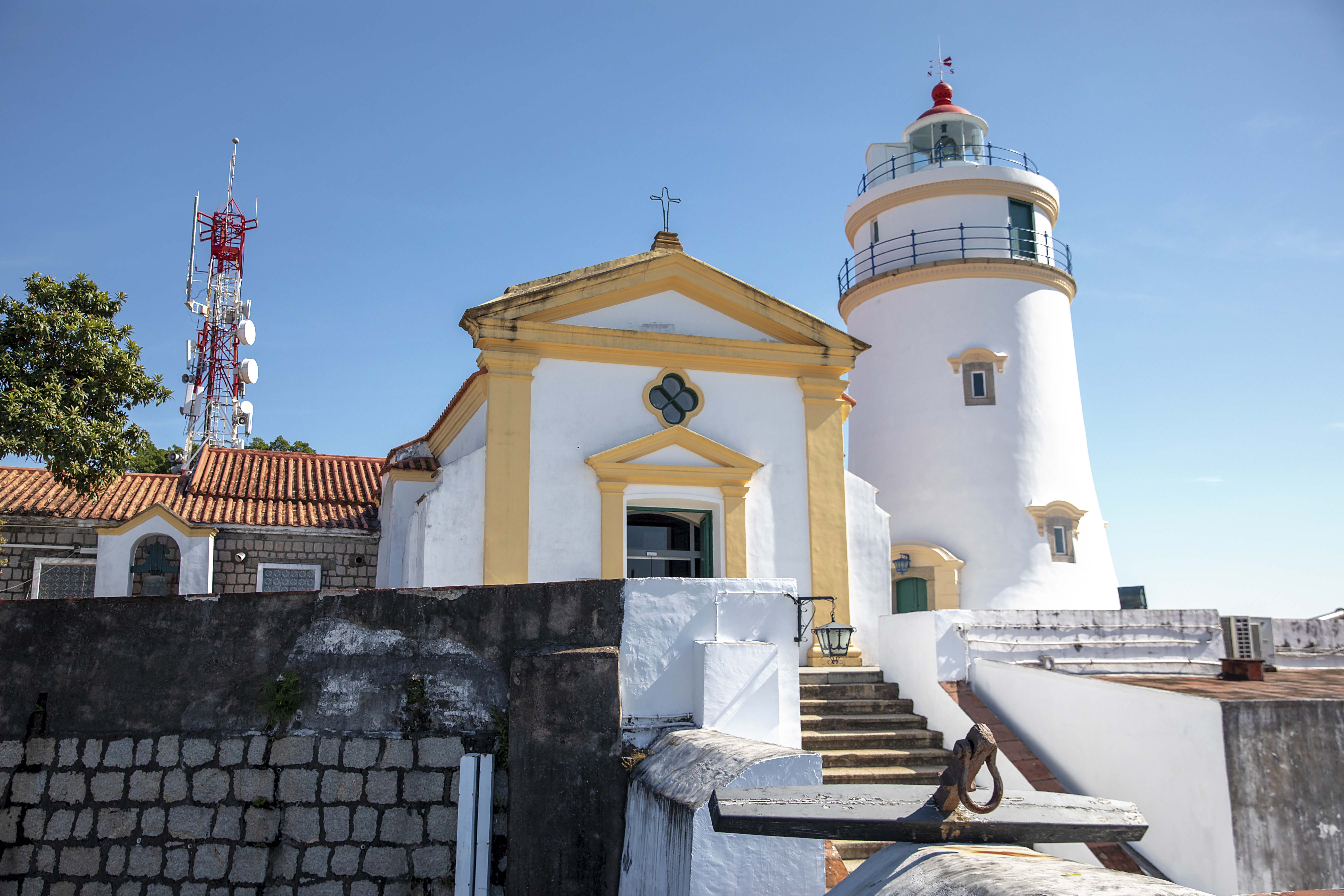
Portuguese history is woven into every corner of Macau, and nowhere is this more evident than at Guia Fortress and Lighthouse, perched atop the city’s highest hill. Built in the 17th century to guard against naval invasions, this historic site is home to a charming chapel adorned with unique artwork and China’s first modern lighthouse. Though reaching the top requires a bit of a climb, the breathtaking city views and tranquil atmosphere make it well worth the effort. Whether you’re a history enthusiast or simply seeking a peaceful panoramic views, this hidden gem is a must-visit.
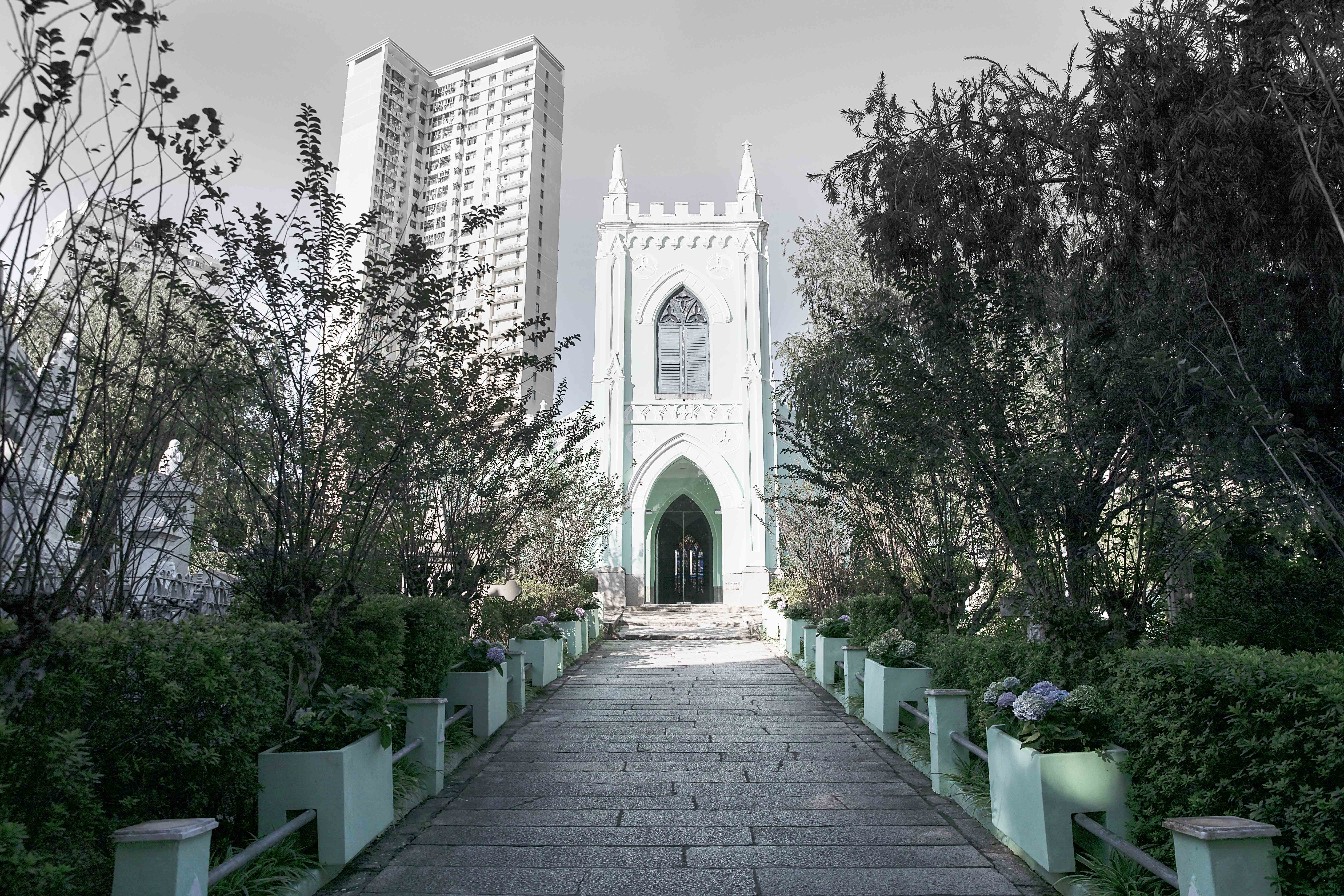
The city is home to a rich collection of historic churches, with notable ones including St. Lawrence’s Church (São Lourenço), dating back to the 1560s, St. Dominic’s Church (São Domingos, built in 1587), and the Chapel of St. Michael, constructed in 1875. The Chapel of St. Michael is regarded as one of the best-preserved structures in Macau, offering visitors a glimpse into the city’s colonial past. Stepping inside feels like a journey back in time, immersing you in the architectural and cultural legacy of Portuguese influence.
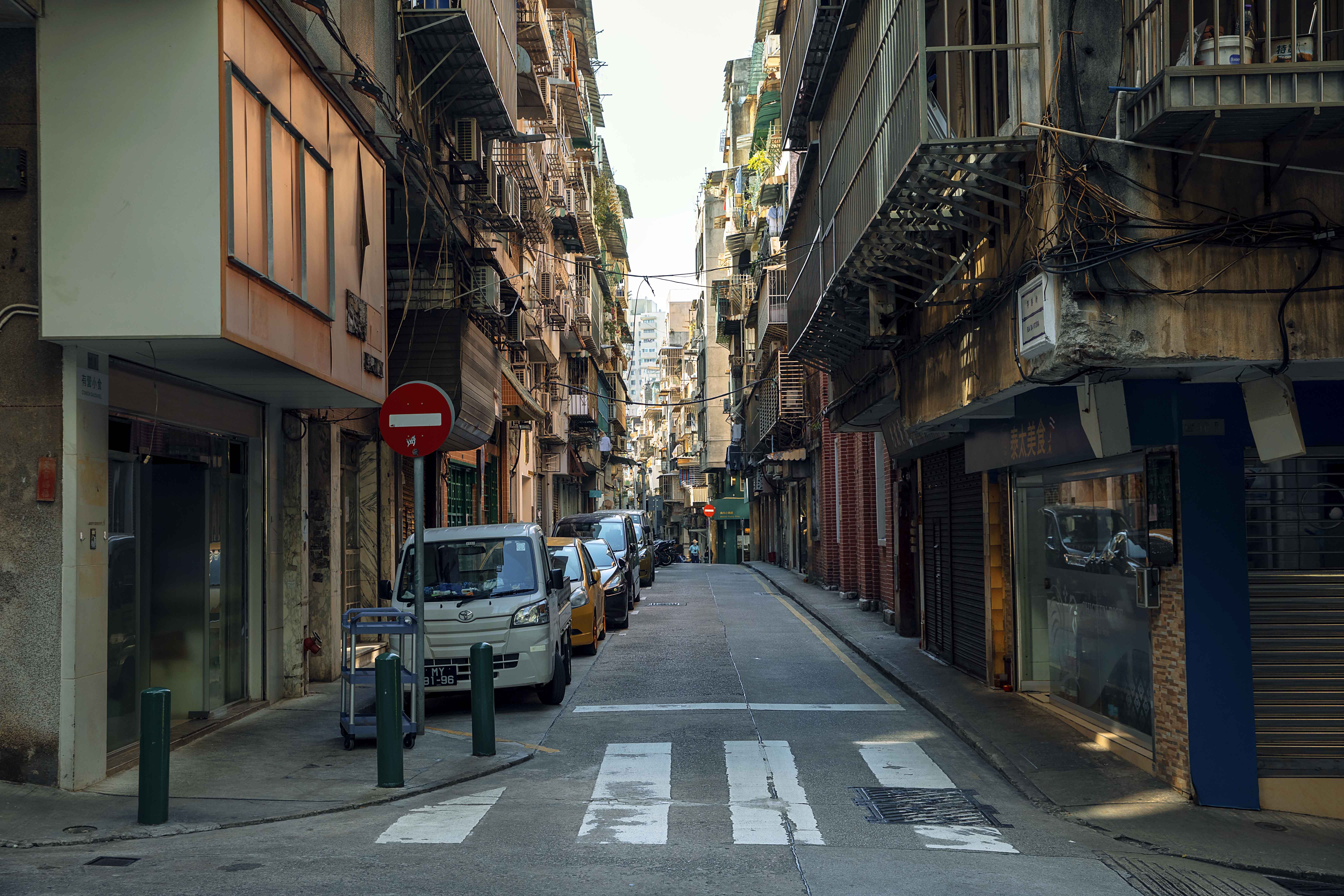
Strolling through the old streets of Macau offers a fantastic opportunity for capturing stunning photos. It’s a place where Portuguese elegance intertwines with an unmistakable Asian ambiance, creating a captivating cultural fusion at every turn. Oh, and before I forget, treat yourself to a warm, flaky Portuguese egg tart from a local bakery as you explore the city.
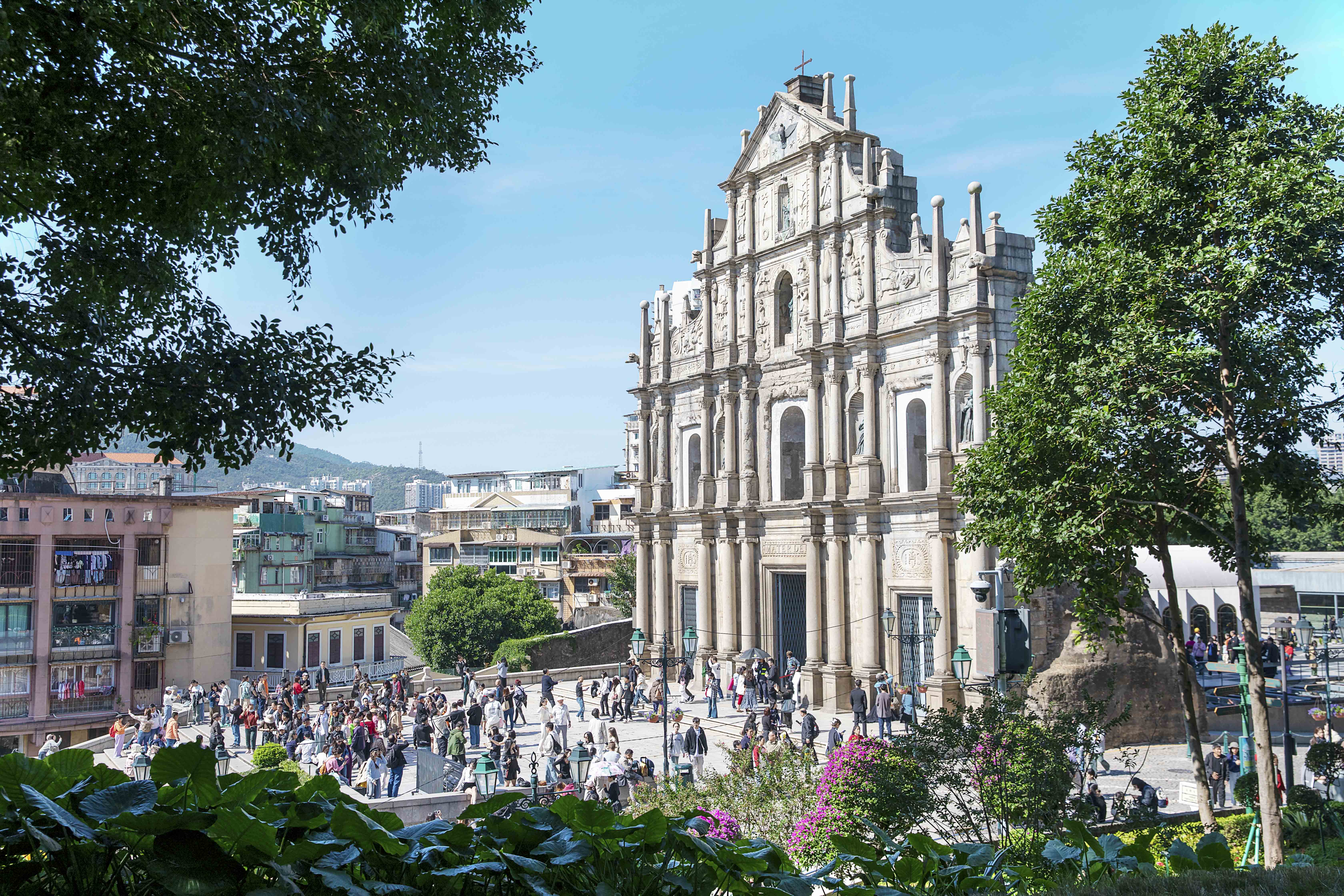
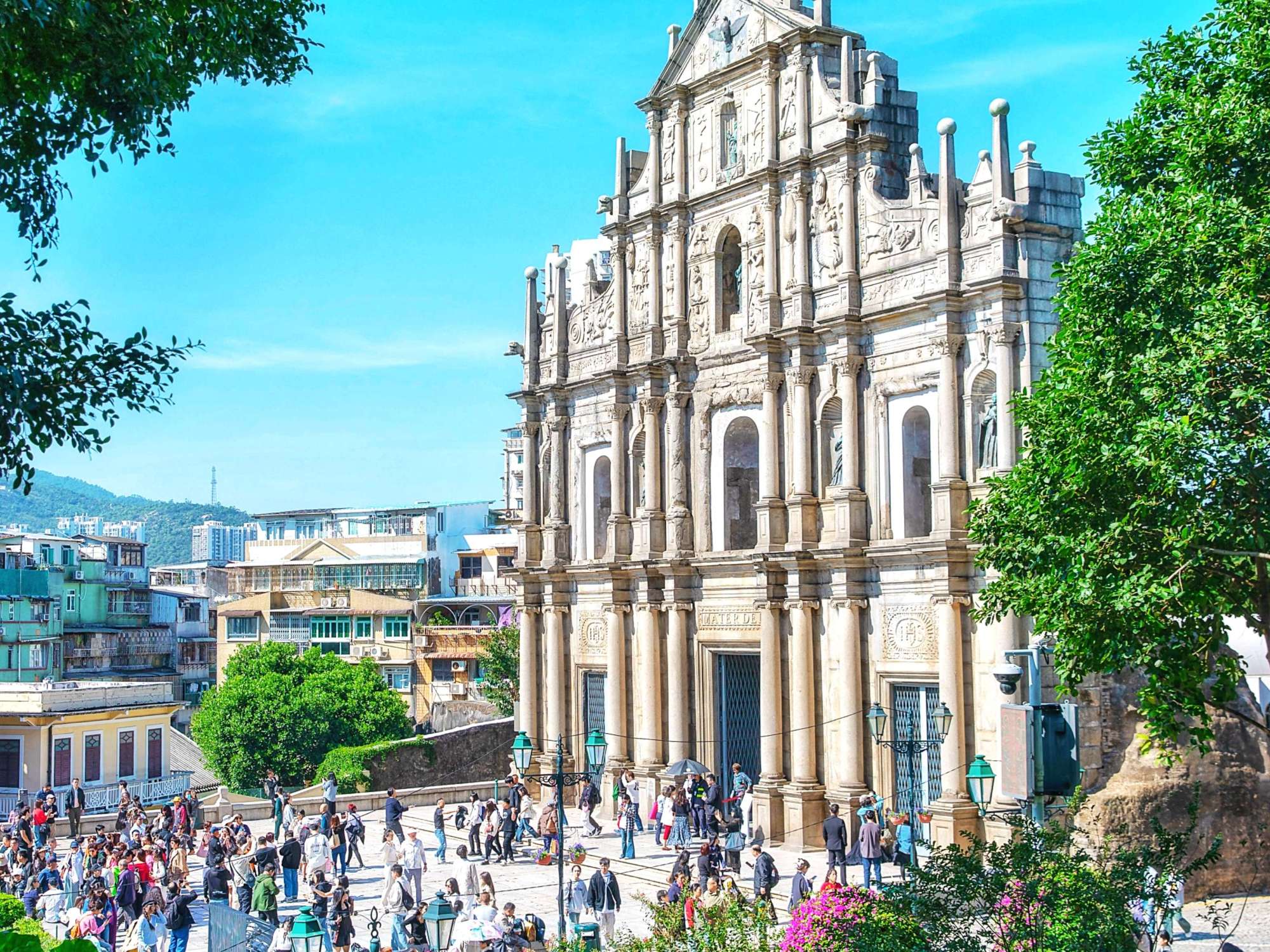
And just like that, we arrive at one of Macau’s most legendary landmarks, the Ruins of St. Paul’s. Standing tall against the sky, its ornate stone façade, adorned with intricate carvings of saints, biblical motifs, and Chinese inscriptions, tells a story of cultural fusion unlike any other. Once part of a grand 17th-century Jesuit church, this breathtaking remnant is all that remains after a tragic fire in 1835, yet it continues to embody the soul of Macau.
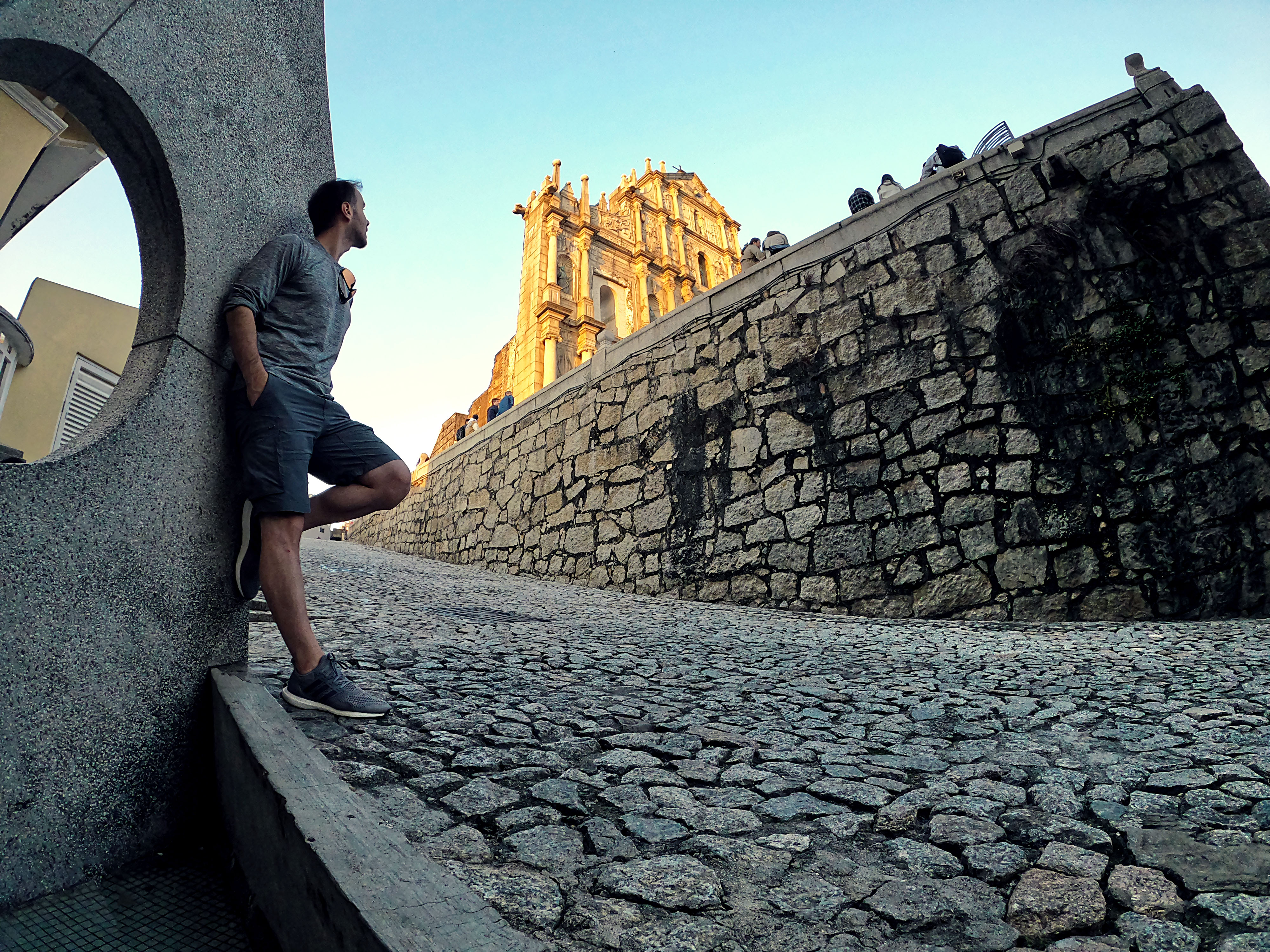
Capturing the Ruins of St. Paul’s without a crowd might be a challenge, almost impossible, in fact. However just below the grand façade, you’ll find Tv. da Paixão, a charming little cobblestoned street that offers a quieter, more secluded spot for the perfect photo. With its colorful buildings and serene ambiance, it’s a hidden gem where you can soak in the beauty of Macau away from the bustle.

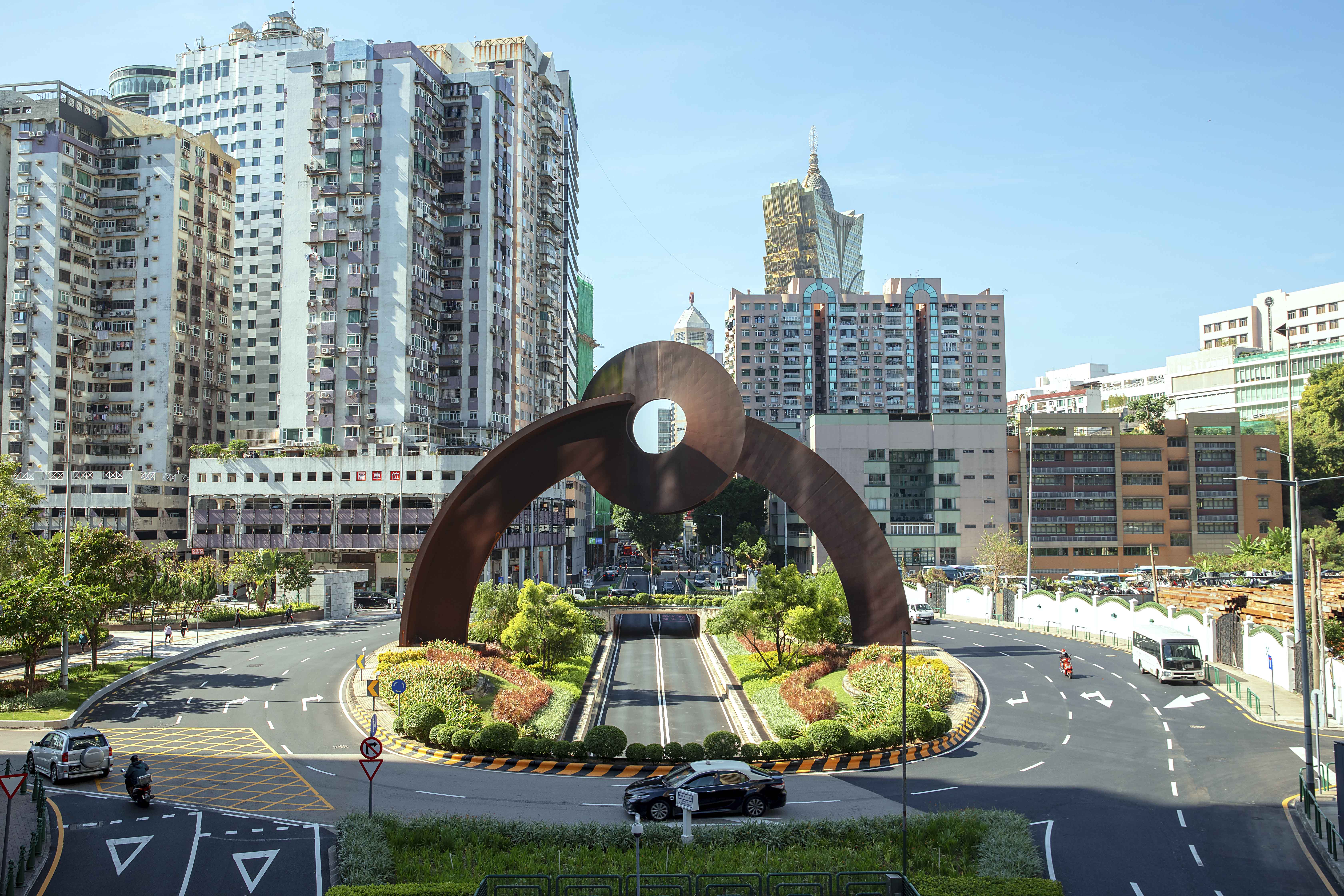
A single photo capturing the essence of Macau where the old and new coexist in harmony. It’s a glimpse of how the past lingers gracefully in the present, striving to endure amidst modernity.
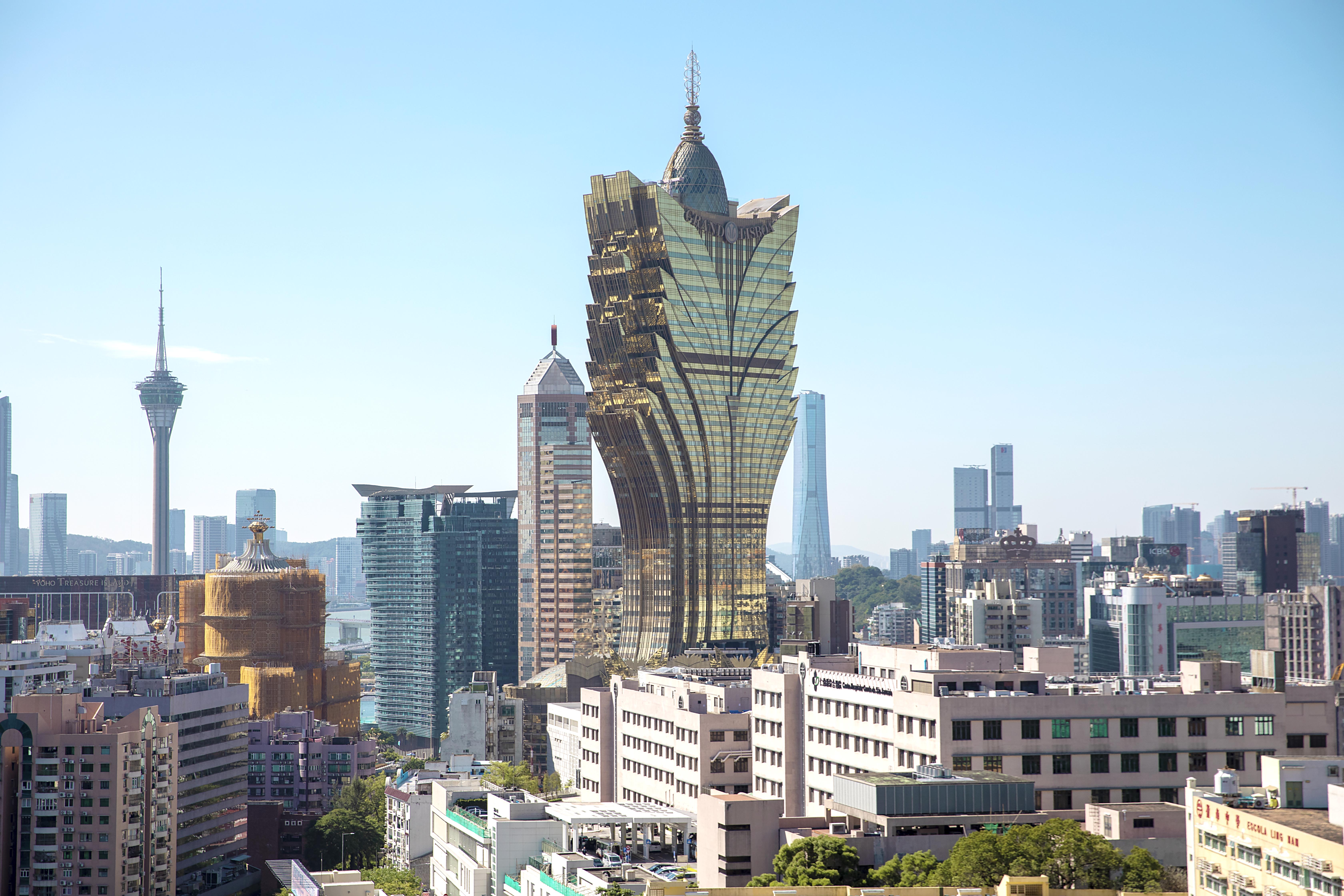
As I mentioned earlier, Macau didn’t earn the title “Las Vegas of Asia” without reason. With over 30 casinos, the city is a premier gambling hub, drawing Chinese billionaires and high-rollers from the mainland, where gambling remains illegal. For years, Macau has been the go-to destination for VIP players, offering world-class gaming and exclusive high-stakes experiences.
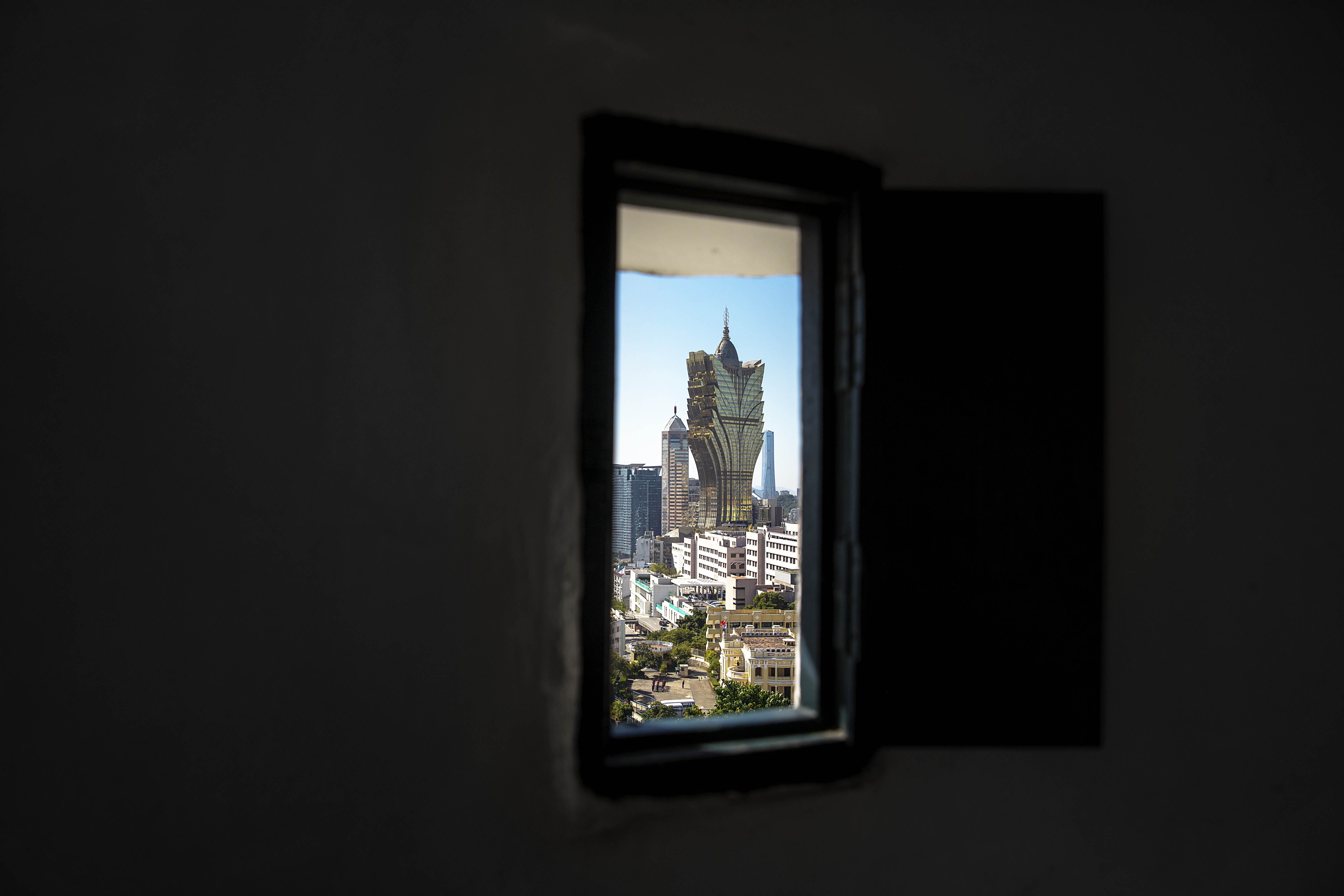
As for me, since I don’t gamble, this has been the perfect chance to delve into Macau’s Portuguese heritage, indulge in more delicious egg tarts, and capture stunning photos along the way.
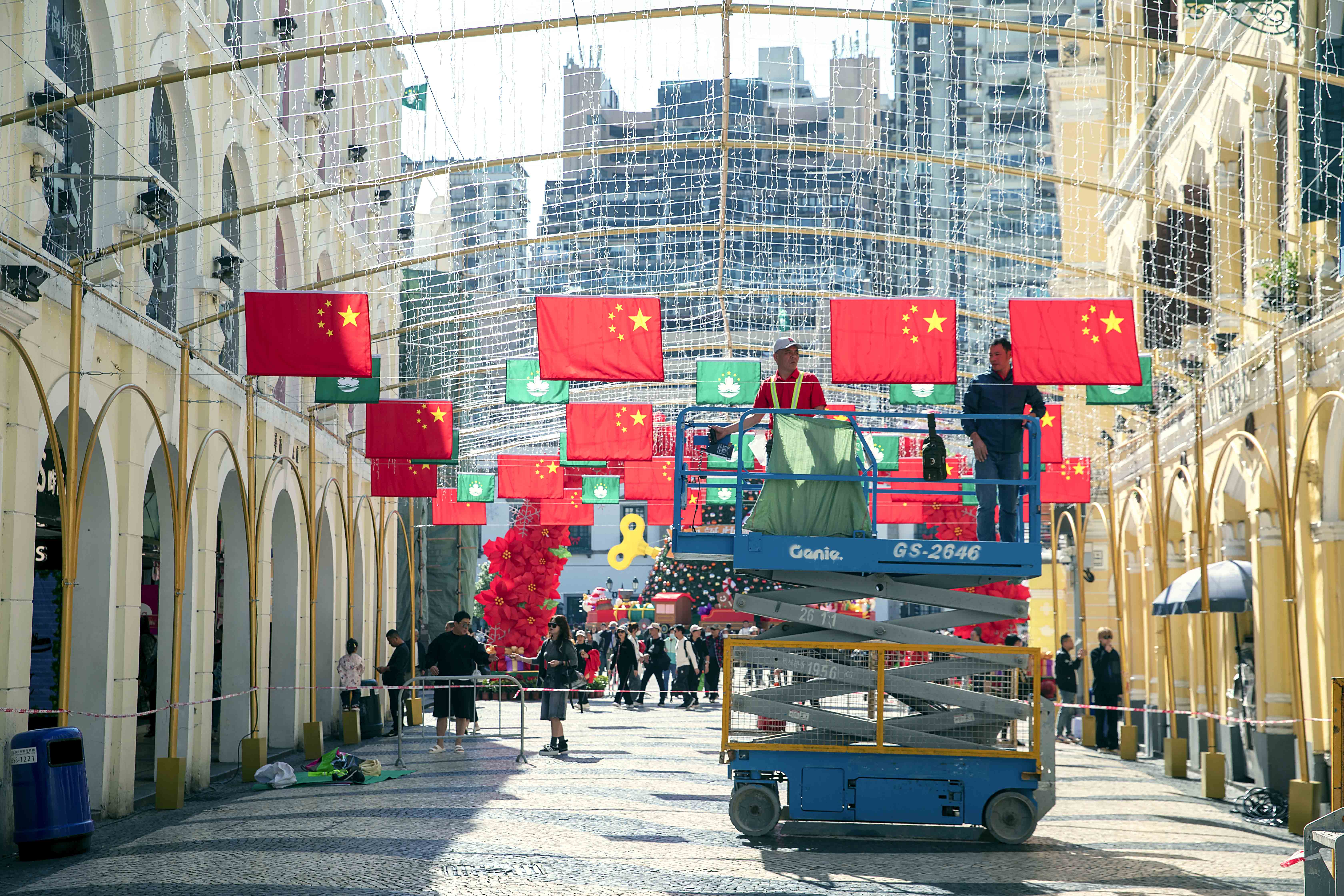
Currently Macau operates as a Special Administrative Region of China under the “One Country, Two Systems” framework; allowing it to maintain a high degree of autonomy, including its own legal and economic systems. However, I couldn’t help but notice how closely integrated it already is with the mainland, even more so than Hong Kong. While Macau is officially set to retain its separate system until at least 2049, I have a feeling that full integration could happen much sooner.
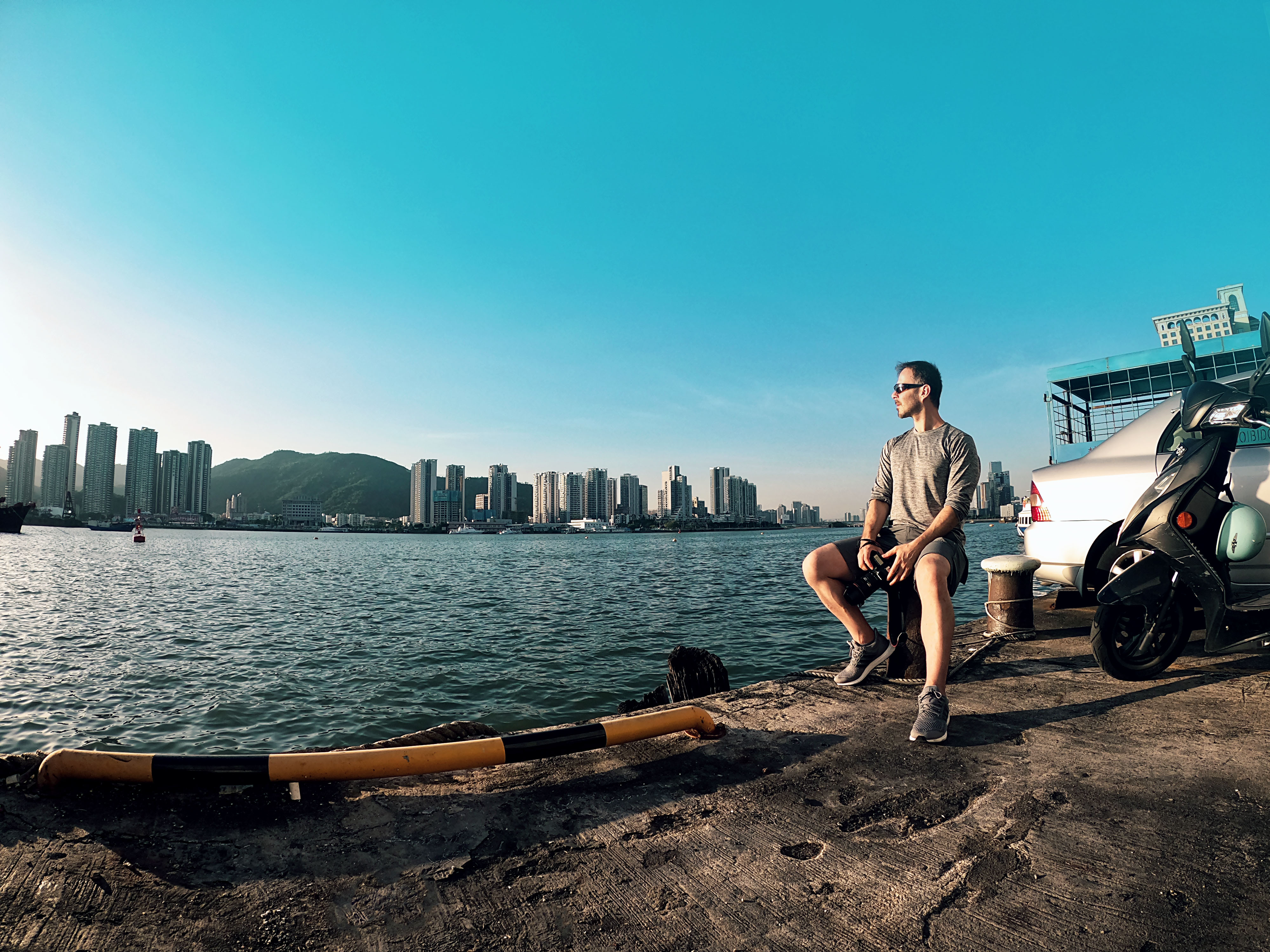
And just like that, we’ve reached the end of this journey… Standing at the border where Macau meets Mainland China. If you ever find yourself in Hong Kong with a day to spare, I wholeheartedly recommend making the trip to Macau. Whether it’s for the rich colonial history, the glitzy casinos, or the irresistible egg tarts, this city is a cultural gem worth experiencing. Though there were places I couldn’t visit this time, here’s a little tip: if you love pandas, don’t miss the chance to see them up close at the Macao Giant Panda Pavilion. Until next time, Macau… a place where East and West beautifully collide.
 Huseyin Karadeniz | Travel & Photography Journal