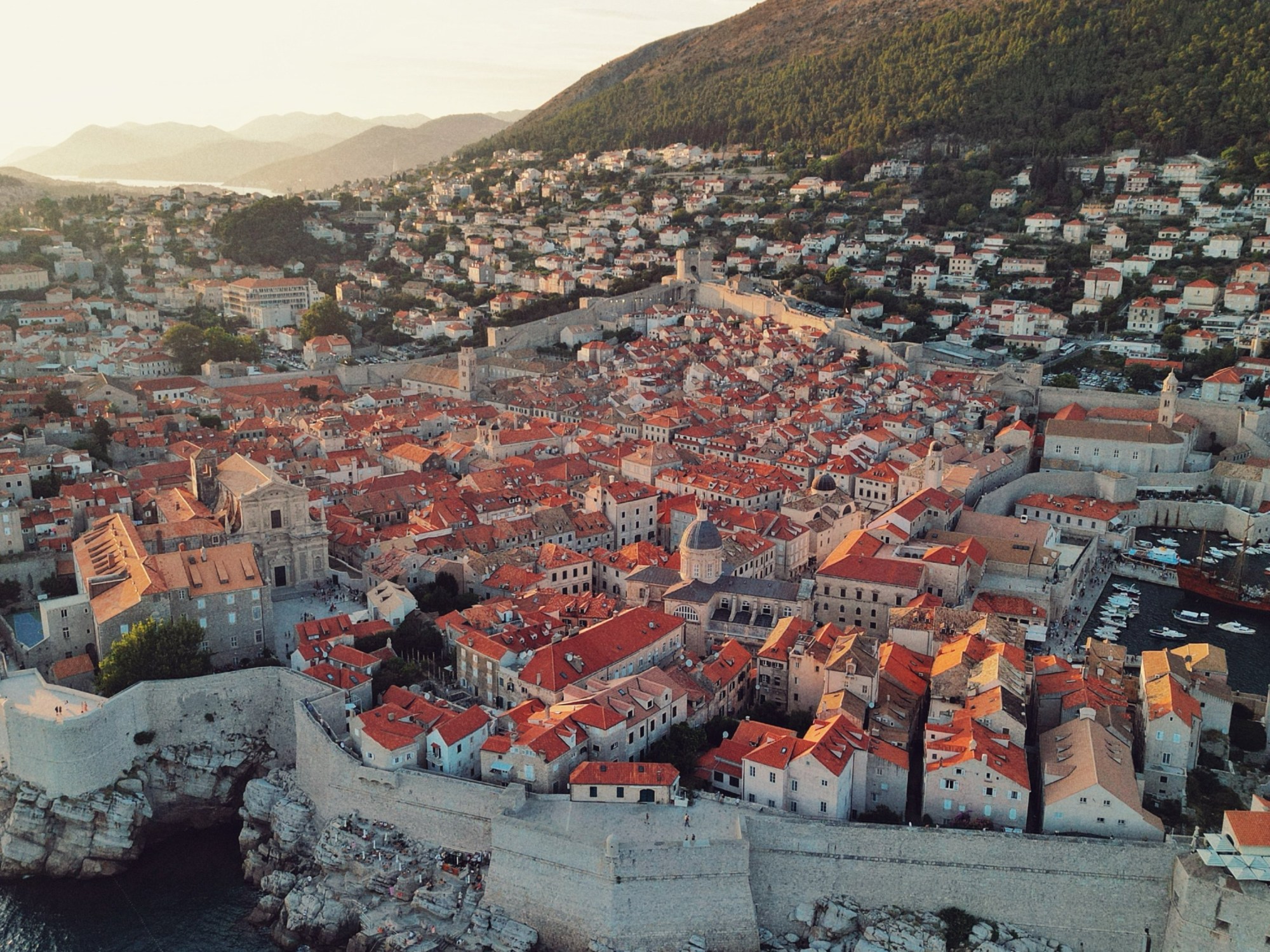
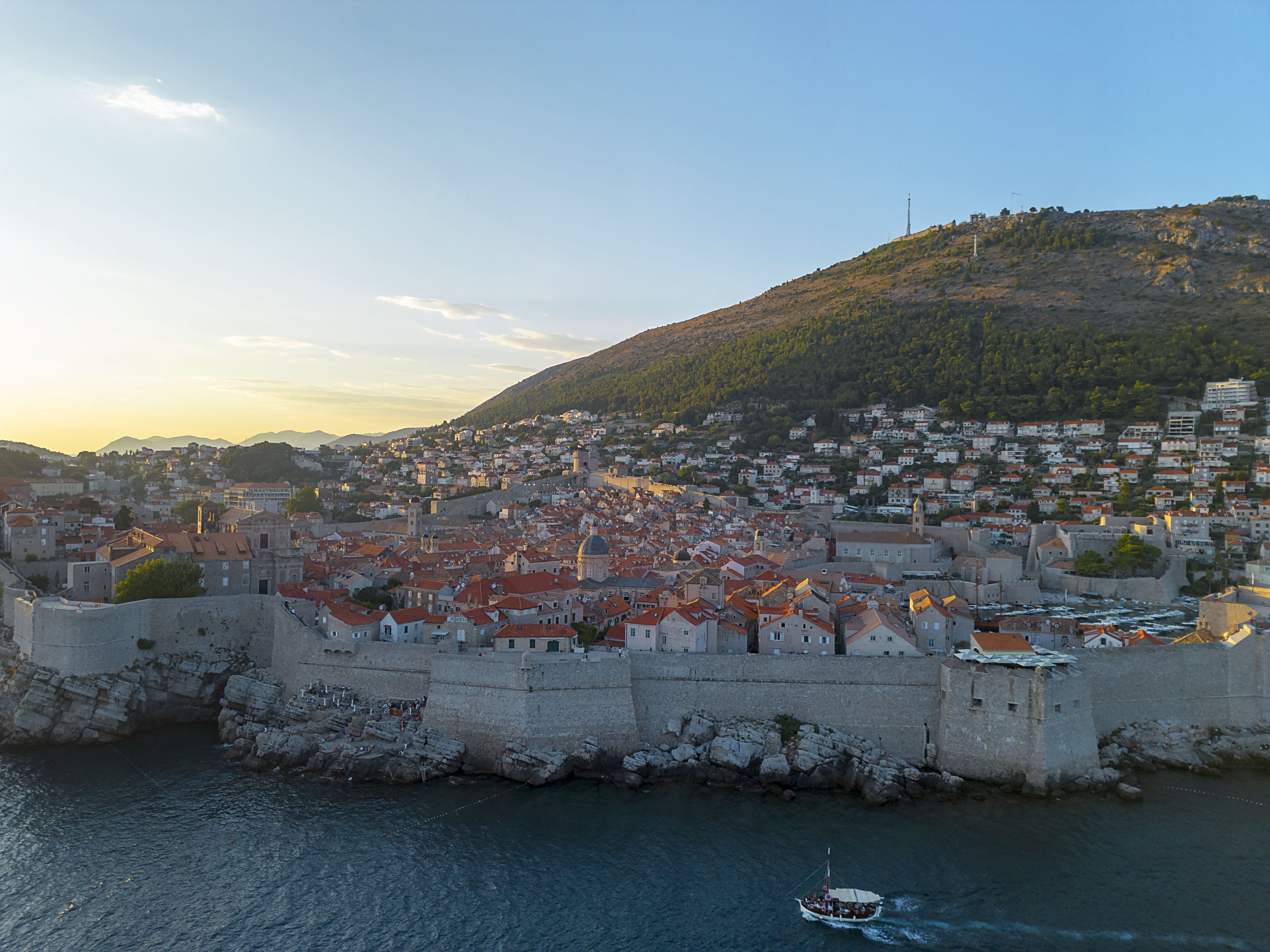
On a quiet night in my San Francisco apartment, as I was pondering where to craft a December adventure post, the phrase “Winter is Coming” suddenly came to mind. Naturally, the phrase makes you think of power struggles, family feuds, love and loyalty, sacrifice, revenge, magic and mysticism, intricate schemes, prophecies, and the struggle for survival. And then it strikes you what better place to set the scene than beyond the walls of King’s Landing? So, buckle up, because we’re heading to Croatia’s sun-soaked Dalmatian coast, affectionately known as the Pearl of the Adriatic, where medieval fairy tales come alive.
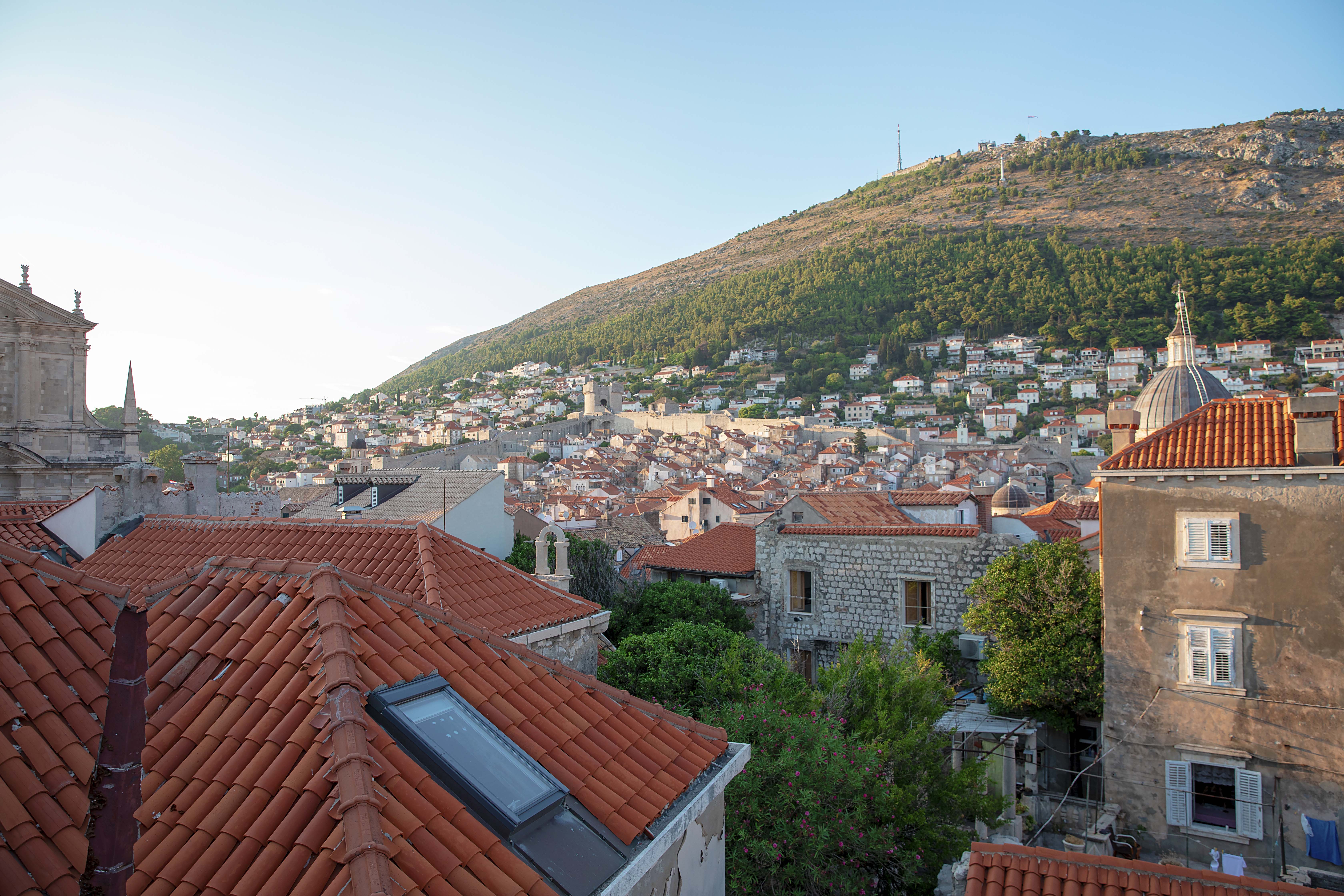
Though the Old City of Dubrovnik may appear modest in size, its walls enclose a remarkable trove of historical treasures. Landmarks like Pile Gate, the Church of St. Sebastian, Rectors’ Palace, Saint Blaise’s Church, Orlando’s Column, the Cathedral of the Assumption of the Virgin Mary, and the Franciscan Church and Monastery are just a glimpse of its rich heritage. Strolling through the narrow, medieval streets of this UNESCO World Heritage Site is endlessly captivating.
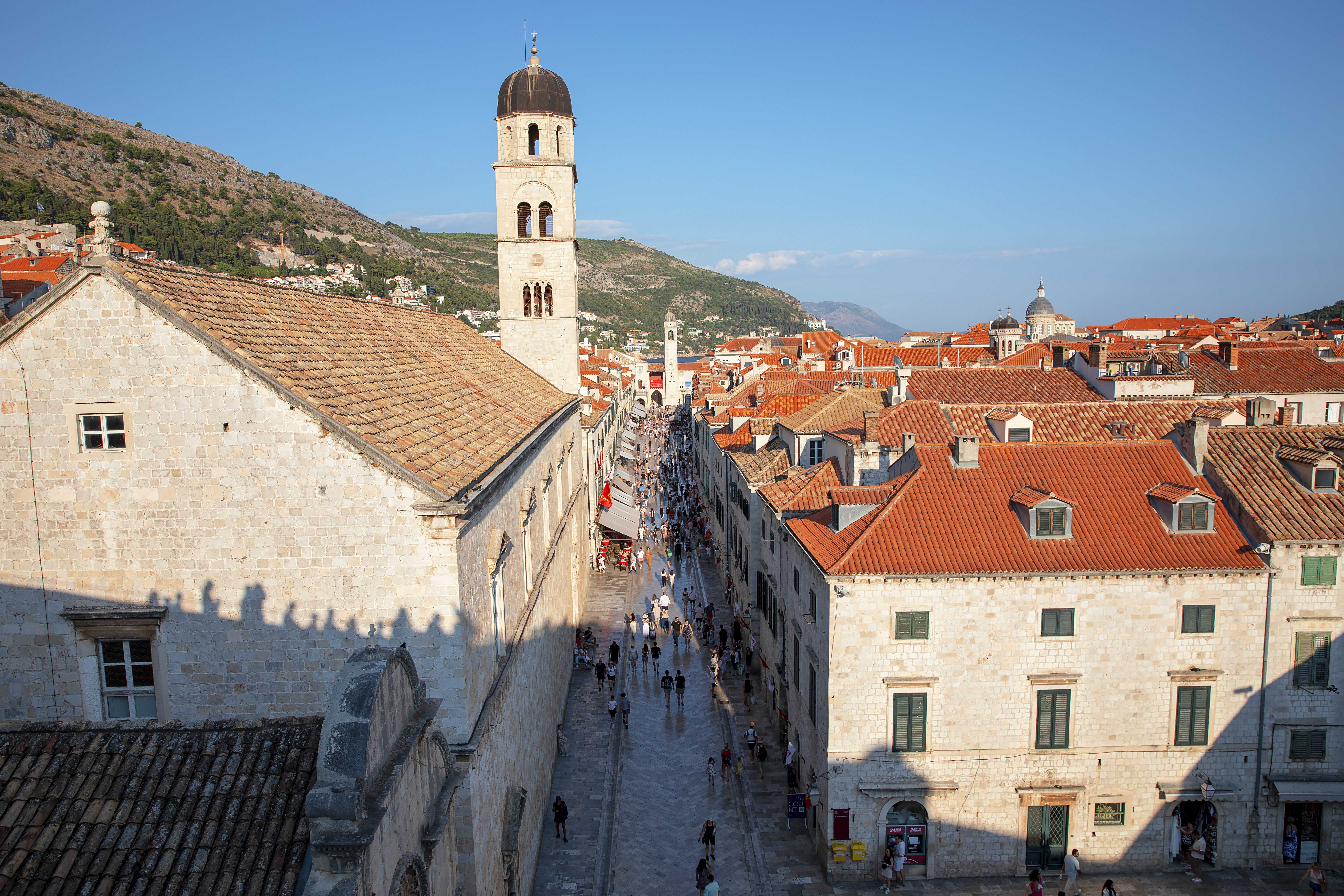
It’s no wonder Dubrovnik stood as a center of diplomacy, trade, and resilience for centuries, easily enchanting travelers for generations. As you pass through Pile Gate and step onto the historic esplanade of Stradun, you’ll instantly feel as though you’ve entered the vibrant heart of a medieval town in full bloom.
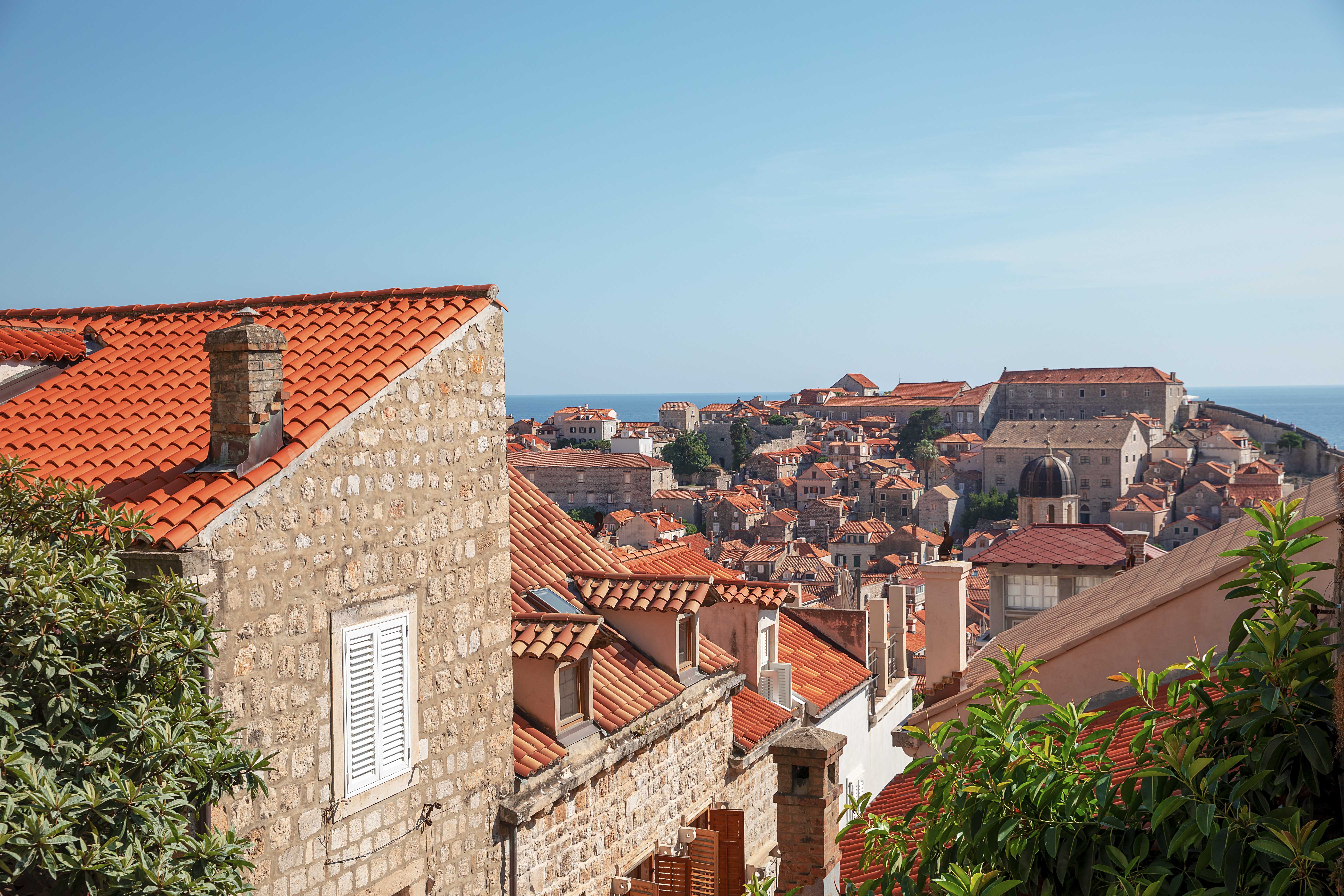
For the most breathtaking views of the city, walk along its medieval walls. You’ll be rewarded with panoramic vistas of the sparkling Adriatic, the charming red-tiled roofs of the Old Town, and the rugged beauty of the surrounding countryside.
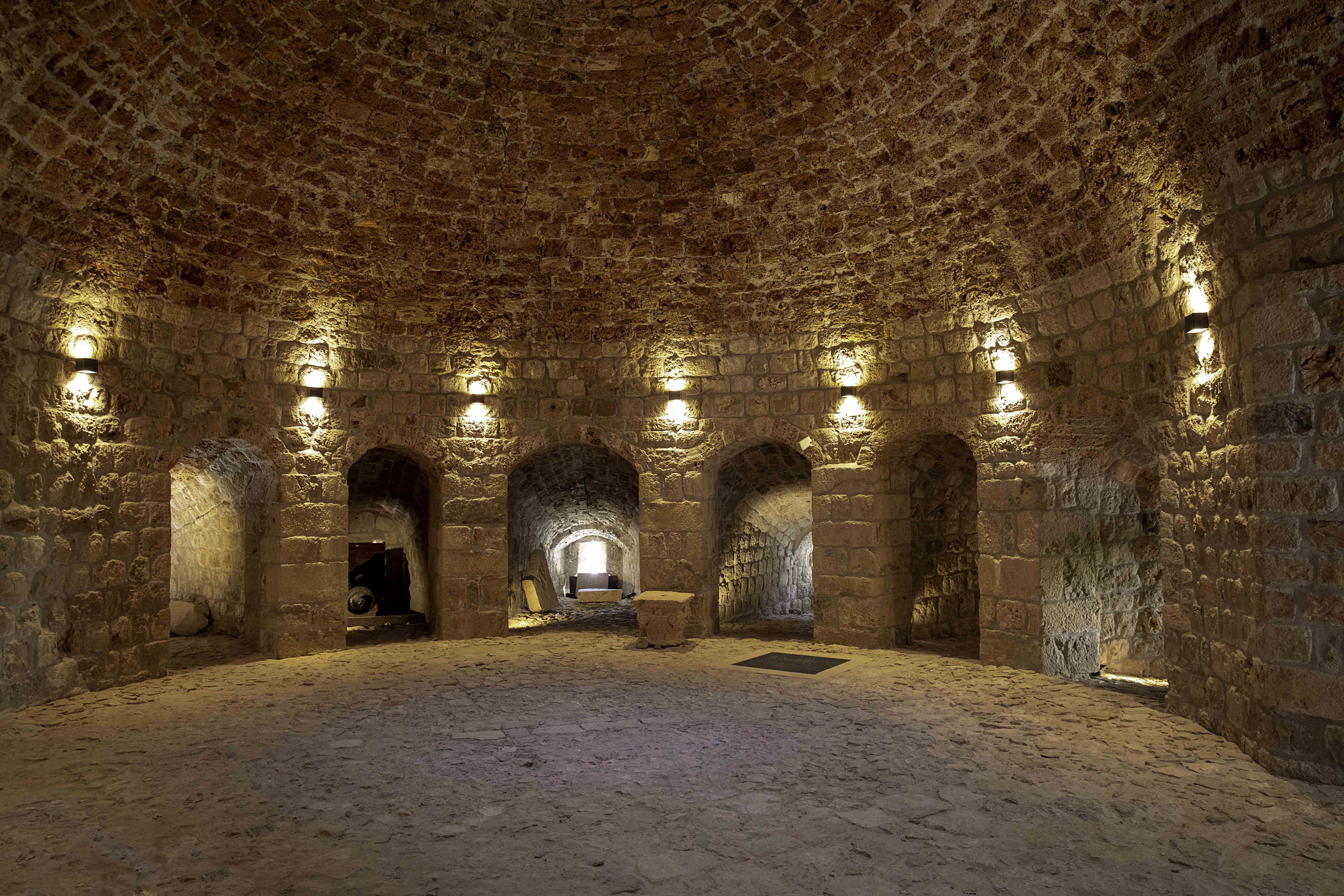
Hidden within the forts located at various points along the ancient walls are secret gems waiting to be discovered. These spots offer fantastic opportunities for photography, as well as a chance to fully immerse yourself in the rich history of this remarkable city.
Here’s an interesting tidbit: While exploring Fort Bokar, the impressive oceanside fortress located at the western corner of the city walls, we happened to witness a wedding in progress. Curiosity got the best of us, so we asked about the cost of a wedding in King’s Landing. As of 2024, it’s priced at around 4,000 Euros and up. So, if you’re planning a glamorous wedding under banner of House Baratheon, this is definitely something to consider.
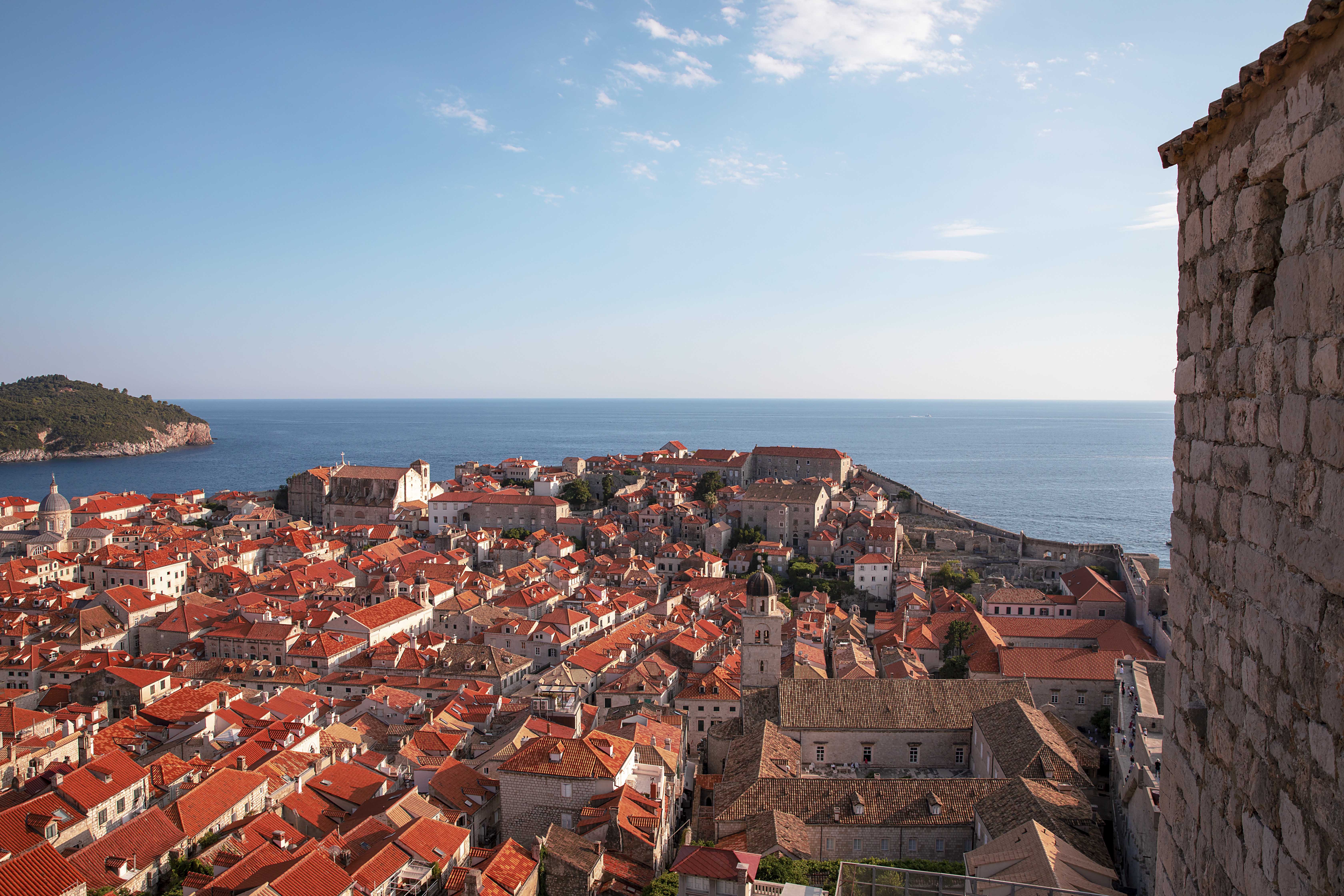
Founded in the 7th century as Rausa (also known as Ragusium), Dubrovnik was established by Roman refugees fleeing the invasions of the Slavs and Avars (mostly Turkic and Mongolic groups). By the 14th century, the city declared its independence from Venice and became the Republic of Ragusa. Thanks to its strategic location, Dubrovnik blossomed into a major center of trade and culture. The Republic of Ragusa wittily avoided conflict with neighboring powers, even going so far as to pay tribute to the Ottomans in order to maintain peace and safeguard its prosperity.
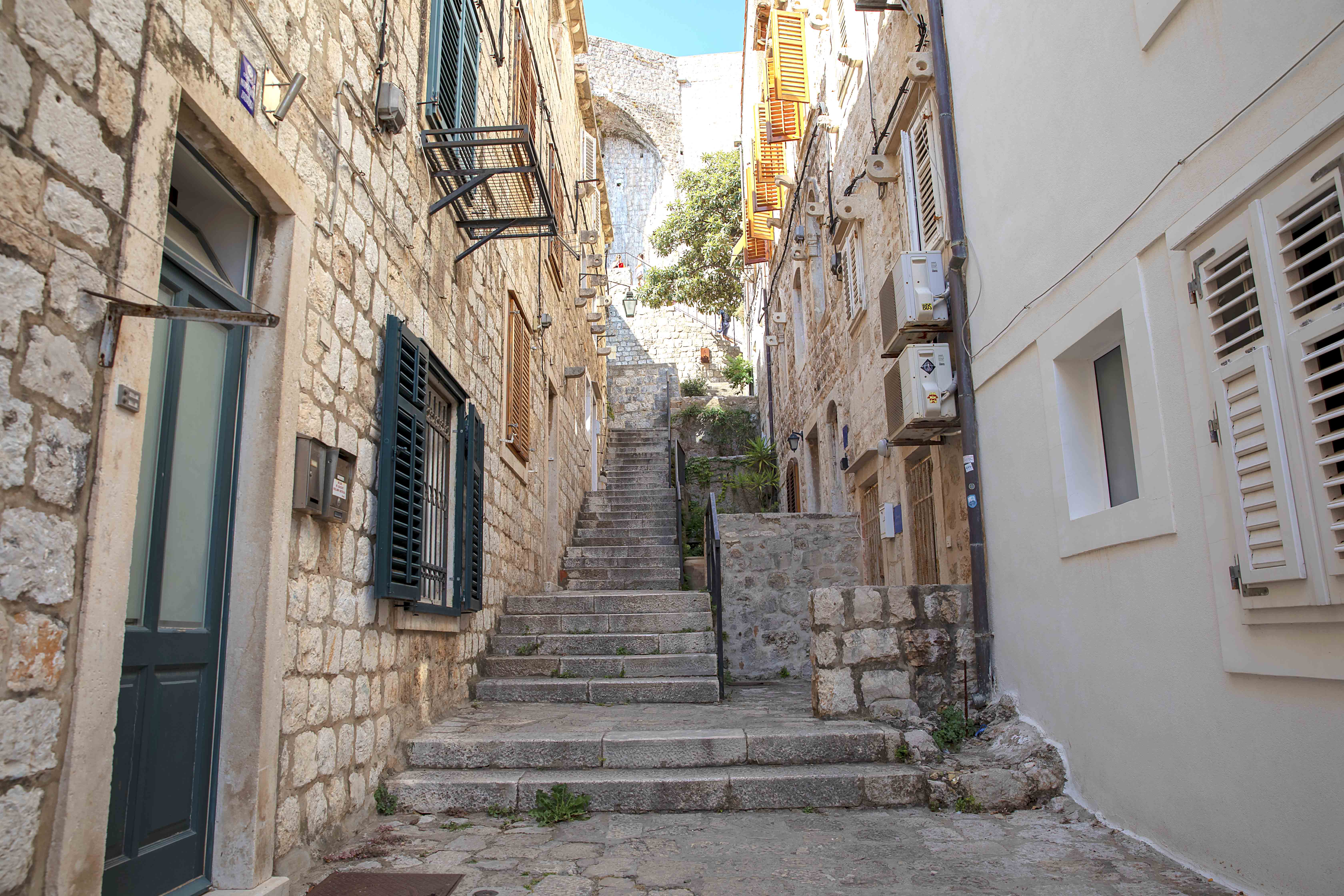
Let me share a few practical details to help you plan. The drive from Split to Dubrovnik takes around three hours, offering plenty of time to enjoy the stunning coastal scenery. Keep in mind, though, that Dubrovnik’s summer temperatures especially in July and August can climb quite high. Its irresistible charm draws visitors not just from Europe but from across the globe, so expect bustling crowds during the peak season.
Finding last-minute accommodations can be tricky, but there’s a delightful alternative. Just an hour away in the village of Ravno, Bosnia and Herzegovina, we discovered Hotel Stanica, a beautifully restored train station turned into a charming retreat. Our stay there was truly unforgettable. As a bonus, the journey offers a glimpse of the picturesque countryside of both BiH and Croatia, adding an extra layer of magic to the experience.
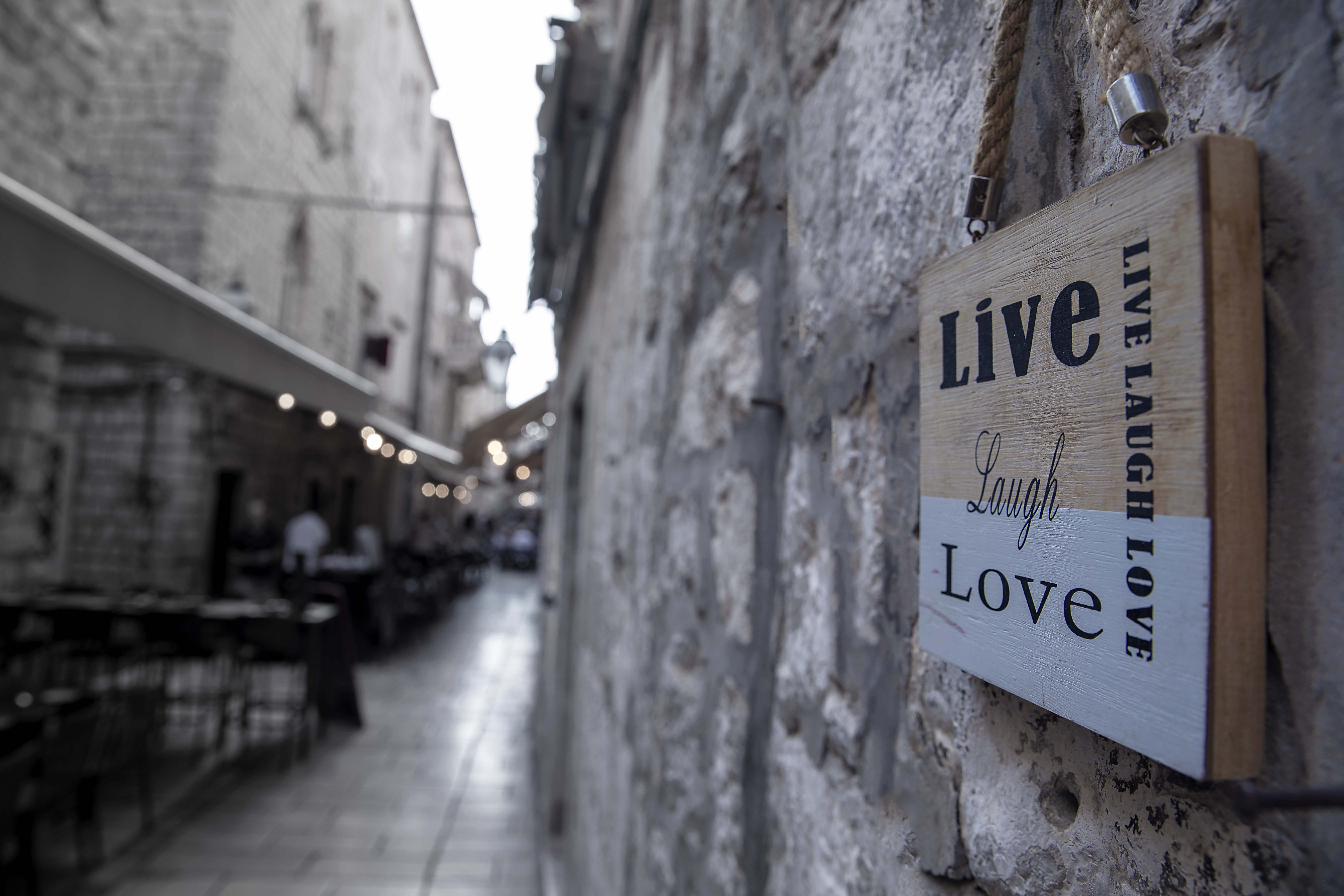
When visiting the lands of the former Yugoslavia, there’s one more essential activity to add to living, laughing, and loving… Eating! At the heart of the region’s culinary traditions lies a beloved dish: Ćevapčići (or Ćevapi). These tender, flavorful kebabs, made from a mix of minced meats (often beef or lamb) and aromatic spices, and typically served with ajvar are an absolute must-try.
If you’re already on the hunt for a place to indulge, let me recommend Preša in the old city. Known for its delicious ćevapčići at a reasonable price, it’s the perfect spot to savor this iconic dish.
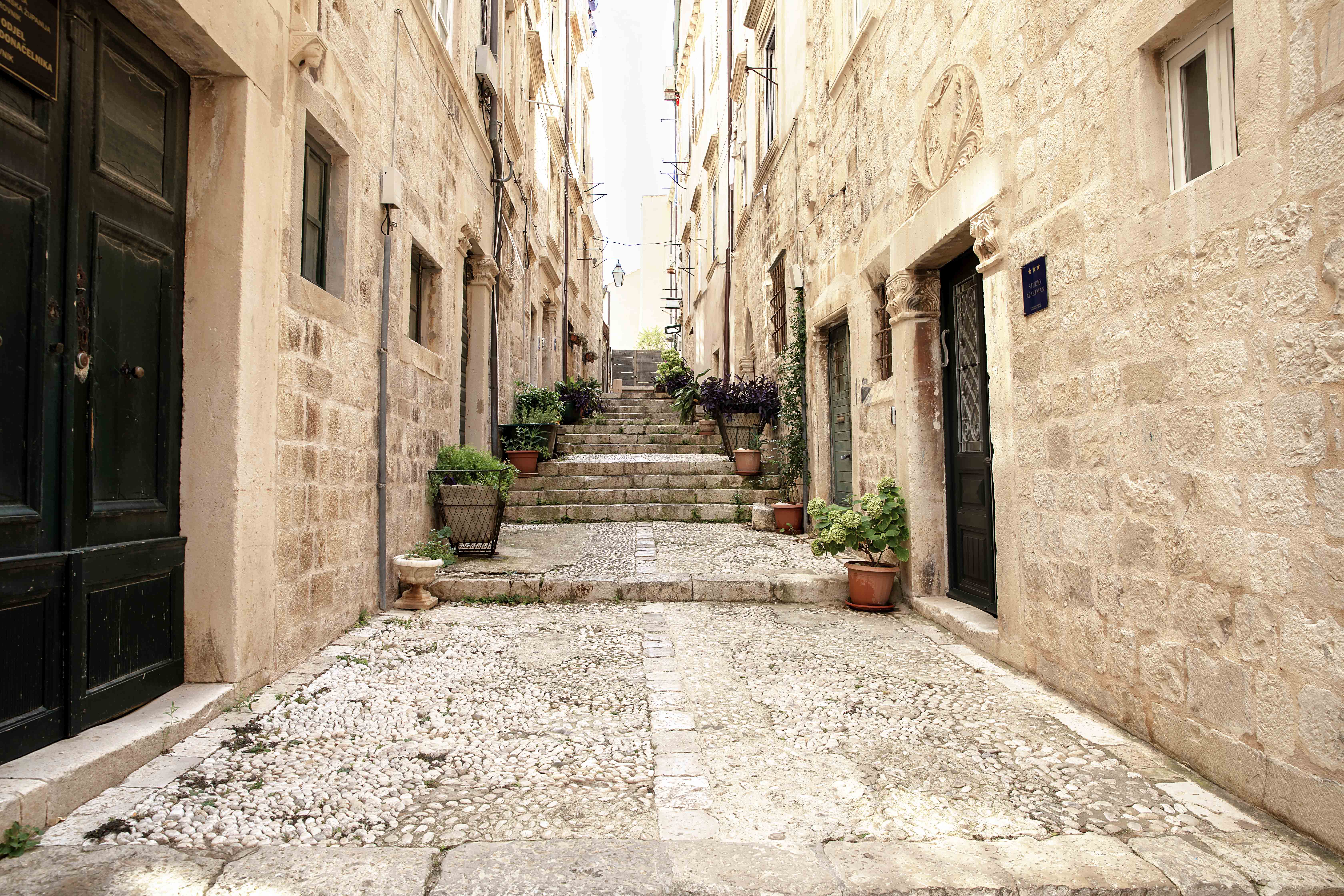
Strolling through Dubrovnik’s labyrinthine alleys, you can almost hear the whispers of merchants bargaining, noblemen plotting their strategies, and sailors sharing stories of faraway lands.

A devout Catholic girl patiently awaits her turn to confess her sins at Church of St. Salvation.
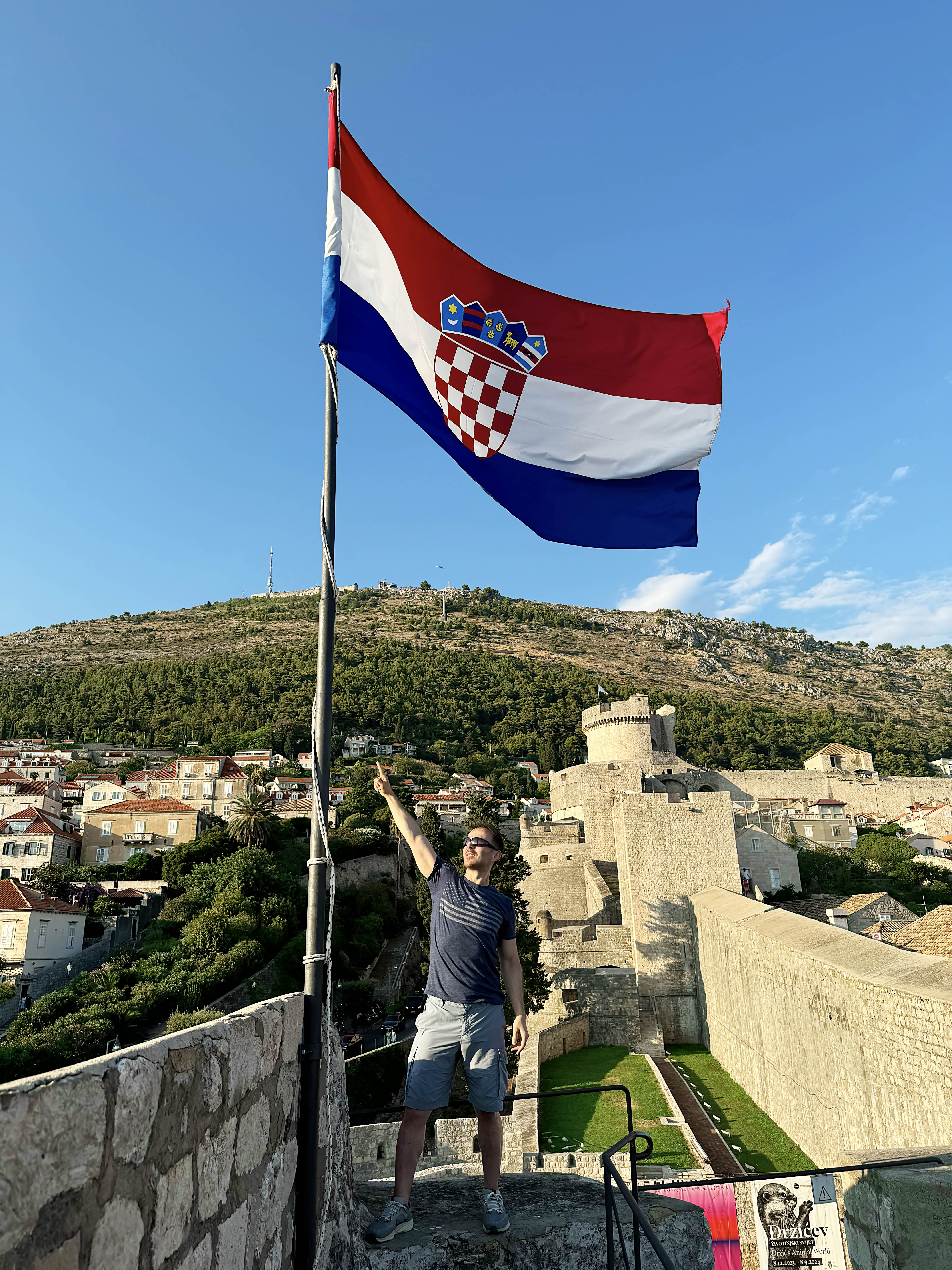
The Guardian of King’s Landing : )
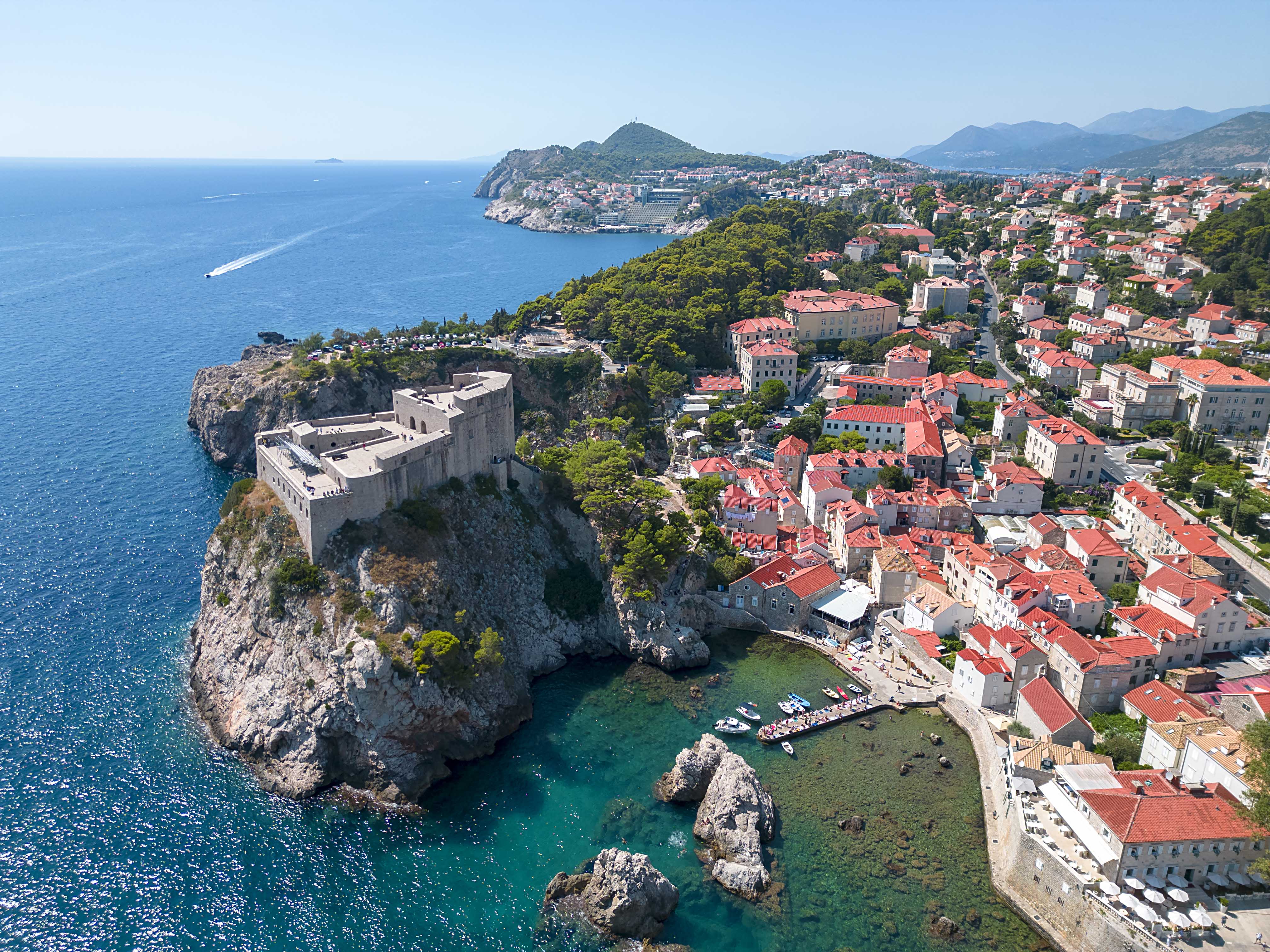
It’s undeniable that Dubrovnik is widely associated with Game of Thrones. The city’s stunning medieval architecture played a crucial role in convincing HBO’s producers to select it as the setting for King’s Landing, the capital of the Seven Kingdoms. Fort Lovrijenac (see pictures), in particular, served as the iconic King’s Landing Castle in the series. And here’s a bonus: you won’t need an extra ticket to visit this impressive fortress admission is included with your Dubrovnik Walls ticket!
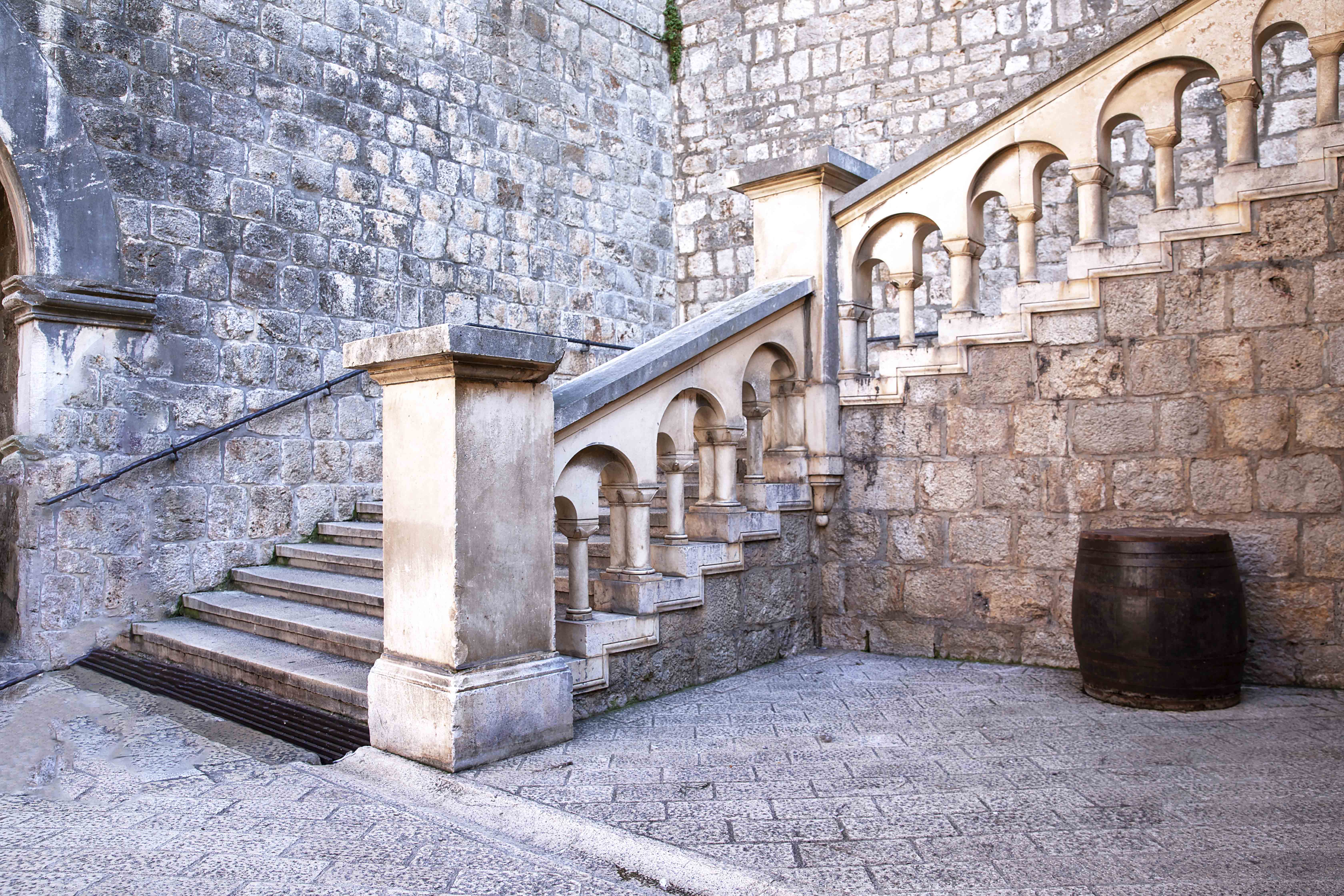
The riot scene from Episode 2, Season 6, and the entrance to Dubrovnik’s Old Town below (see pictures). Frankly, capturing the stairs without any people was a real challenge. Pile Gate, as one of the main entrances to the city, this gate sees a constant flow of visitors. Its popularity has undoubtedly been boosted by its prominent role in the show as well.
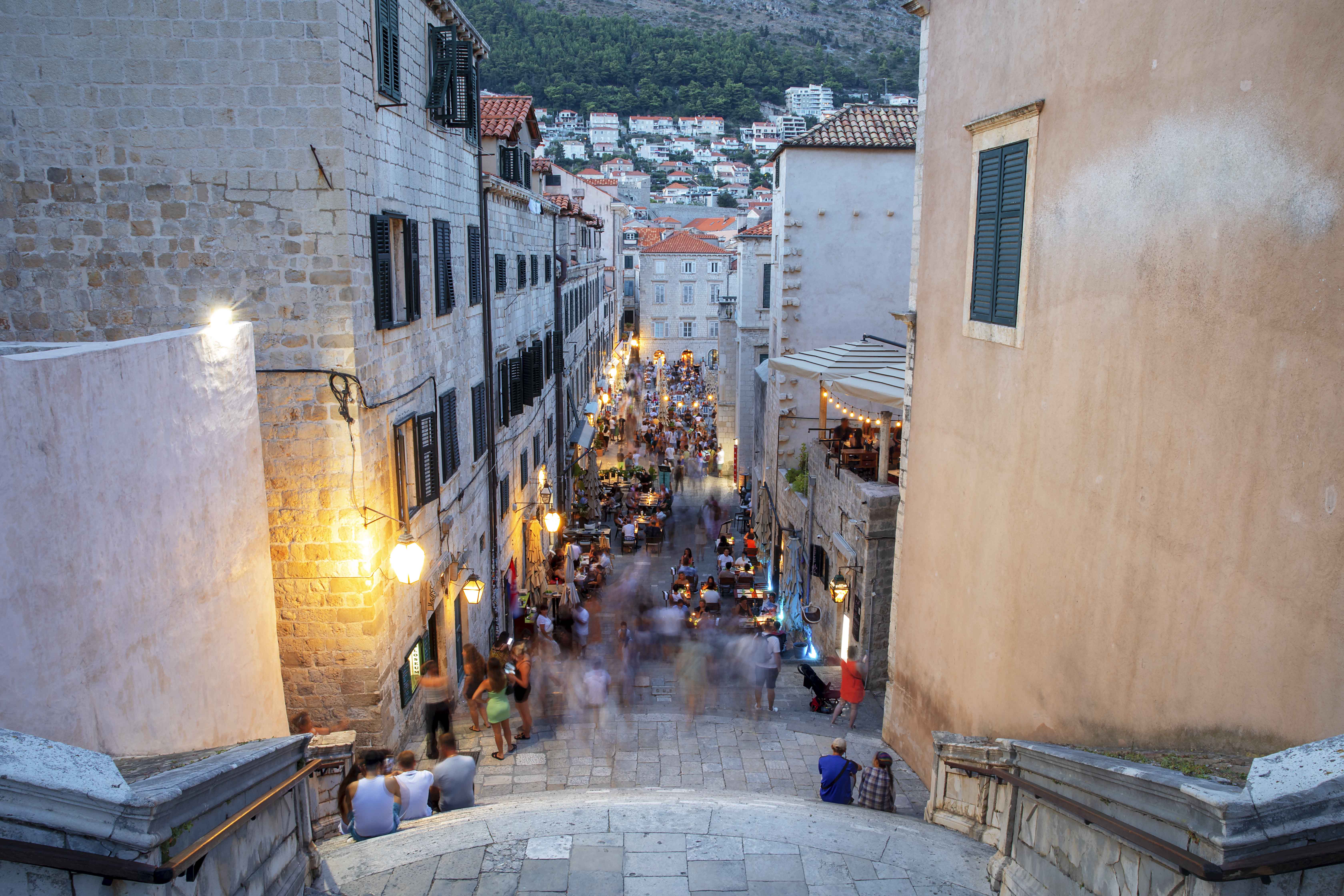
Can you hear the ringing of the hand bell? Ding… Shame! Ding… Shame! These are the infamous Jesuit Stairs where Cersei’s unforgettable Walk of Atonement (see pictures) took place. This spot is one of the most popular attractions in the entire Old Town.
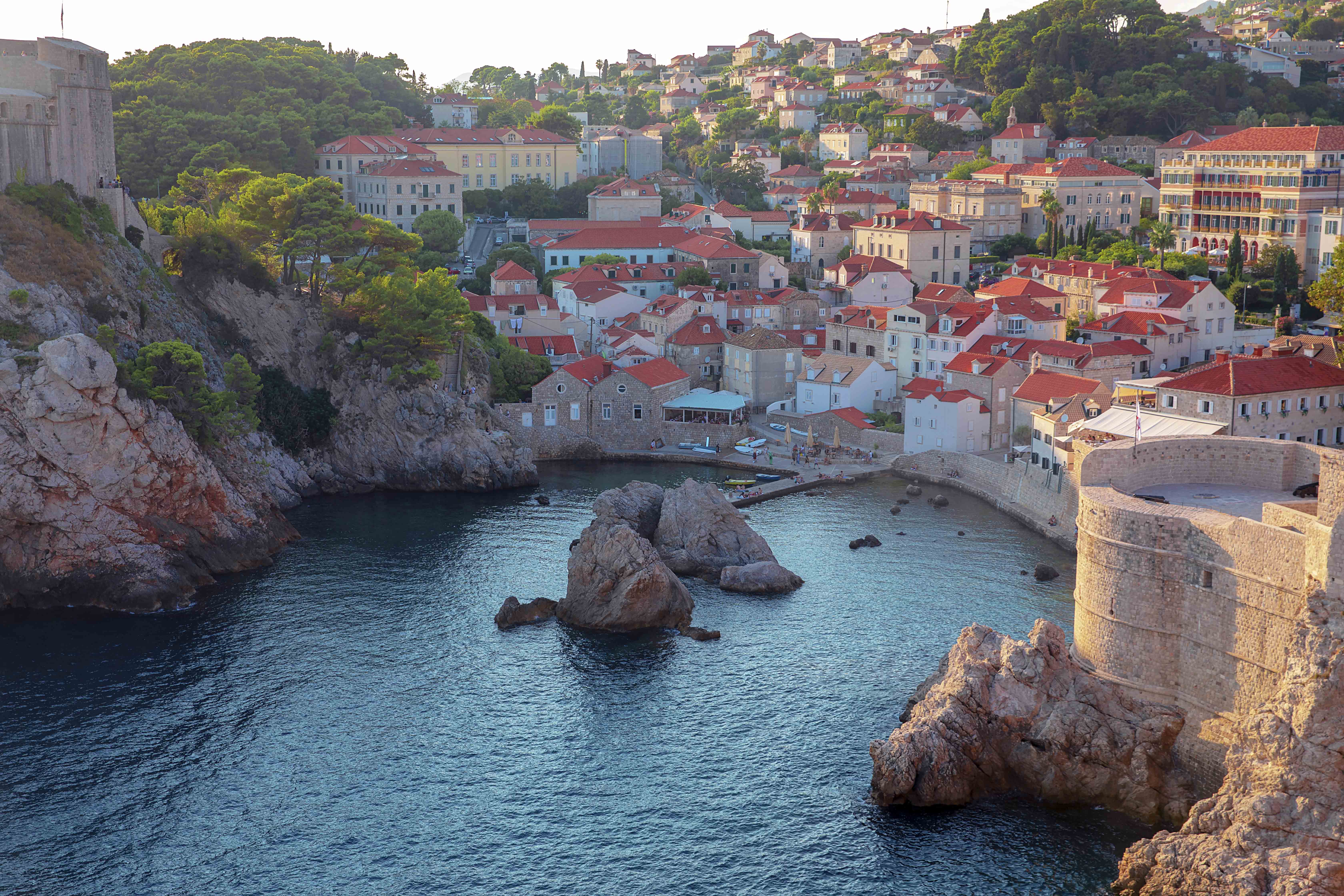
Another famous spot in King’s Landing… Blackwater Bay (see pictures). The renowned Battle of Blackwater Bay took place here. The bay has also served as the backdrop for many other memorable moments in Game of Thrones as well.
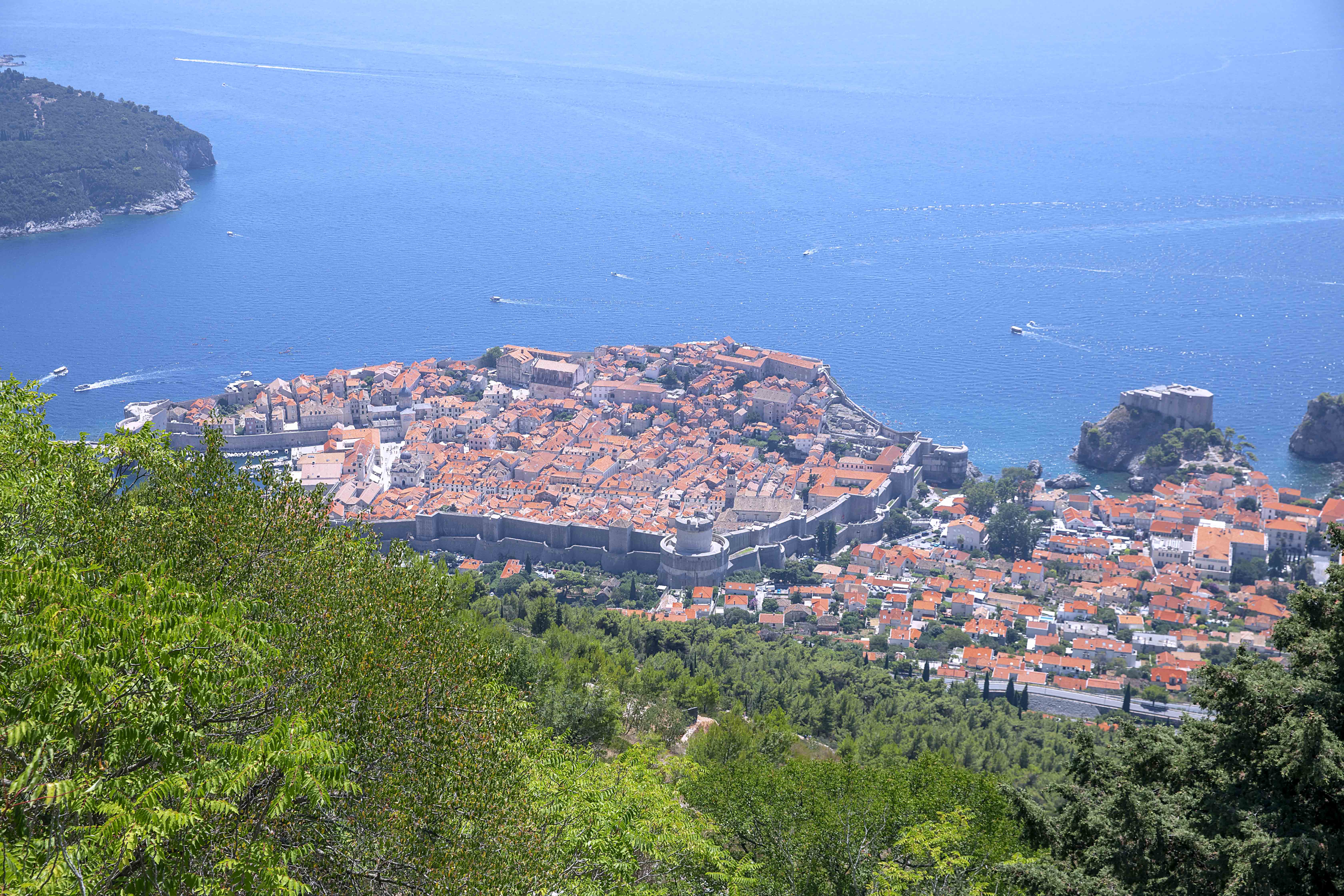
One more spot you definitely can’t miss in the city is the Dubrovnik Observation Point. This vantage point offers a stunning bird’s-eye view of Dubrovnik. I highly recommend visiting closer to sunset for the best experience, though keep in mind that the cable car line can be quite long. If you’re traveling in a group of four (or more), you might consider taking a cab to the top instead of waiting for the cable car which even could be cheaper. Alternatively, you can drive up yourself, though the quality of the road does deteriorate a bit as you ascend. There’s also a hiking trail that leads to the top, which takes just over an hour to hike, though it can be a bit strenuous under the August sun.
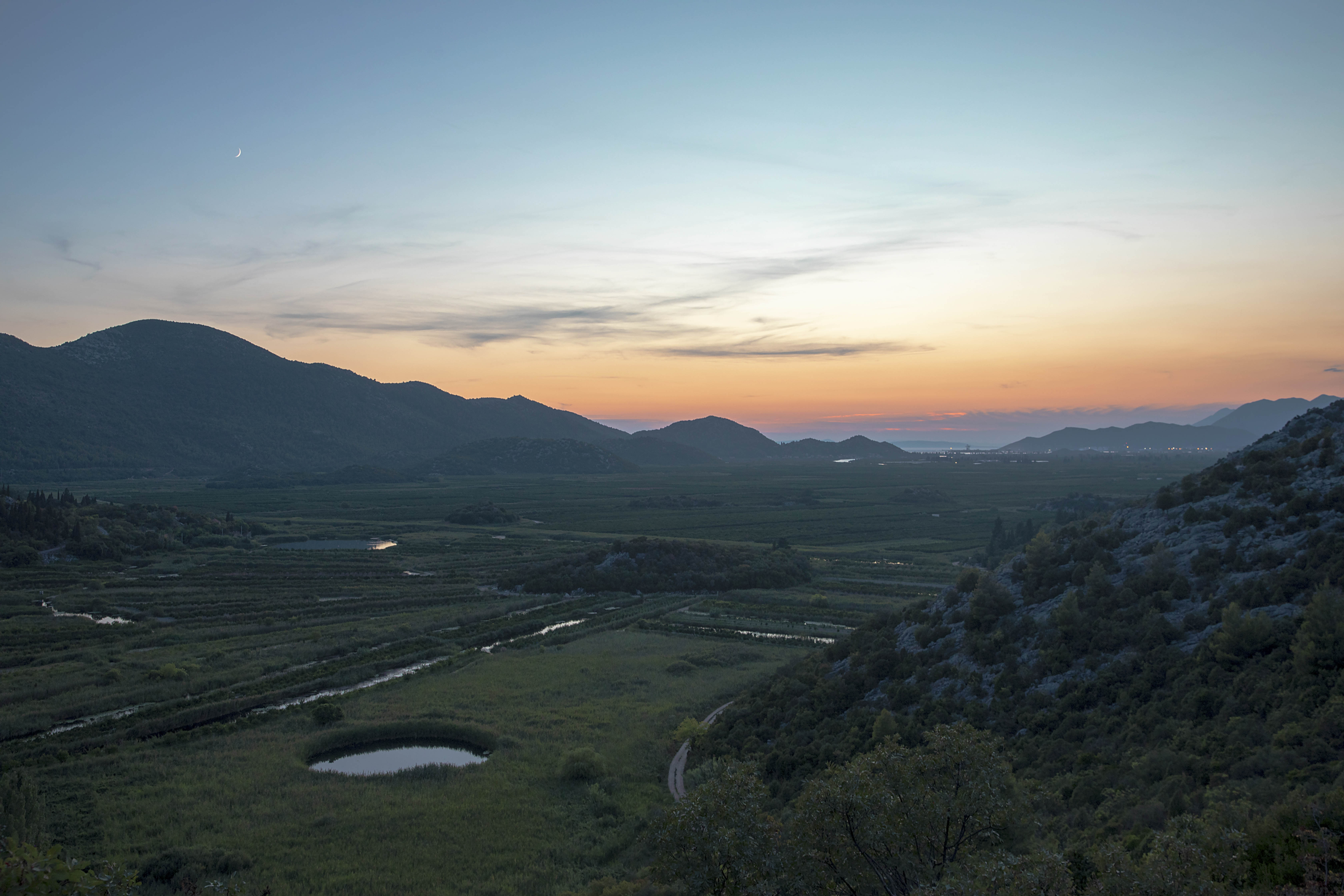
As I pen my final words about Dubrovnik, I wish to leave you with the image above; a moment of pure magic as the sun bids its farewell for the day, casting its last golden rays over the breathtaking Dalmatian coast on the way to newly built Pelješac Bridge. A scene of serene beauty, where the day’s end feels like a gentle promise of more wonders to come.
We came to Dubrovnik drawn by its mesmerizing views, eager to hear the old stories it whispers, to connect with its history by walking along its ancient walls, to savor its delectable cuisine, and to breathe in the revitalizing Adriatic air. We found all of this, and more, leaving with a profound admiration for this remarkable city.
 Huseyin Karadeniz | Travel & Photography Journal