
What comes to mind when you think of Vienna? Is it the enchanting melodies of its music? The grandeur of its imperial history? Perhaps the opulent architecture or the tantalizing desserts? Do you picture dazzling ballrooms where royals gracefully waltz? One thing is certain: the list of Vienna’s charms is endless. Welcome to the true capital of Europe, a symbol of timeless elegance.
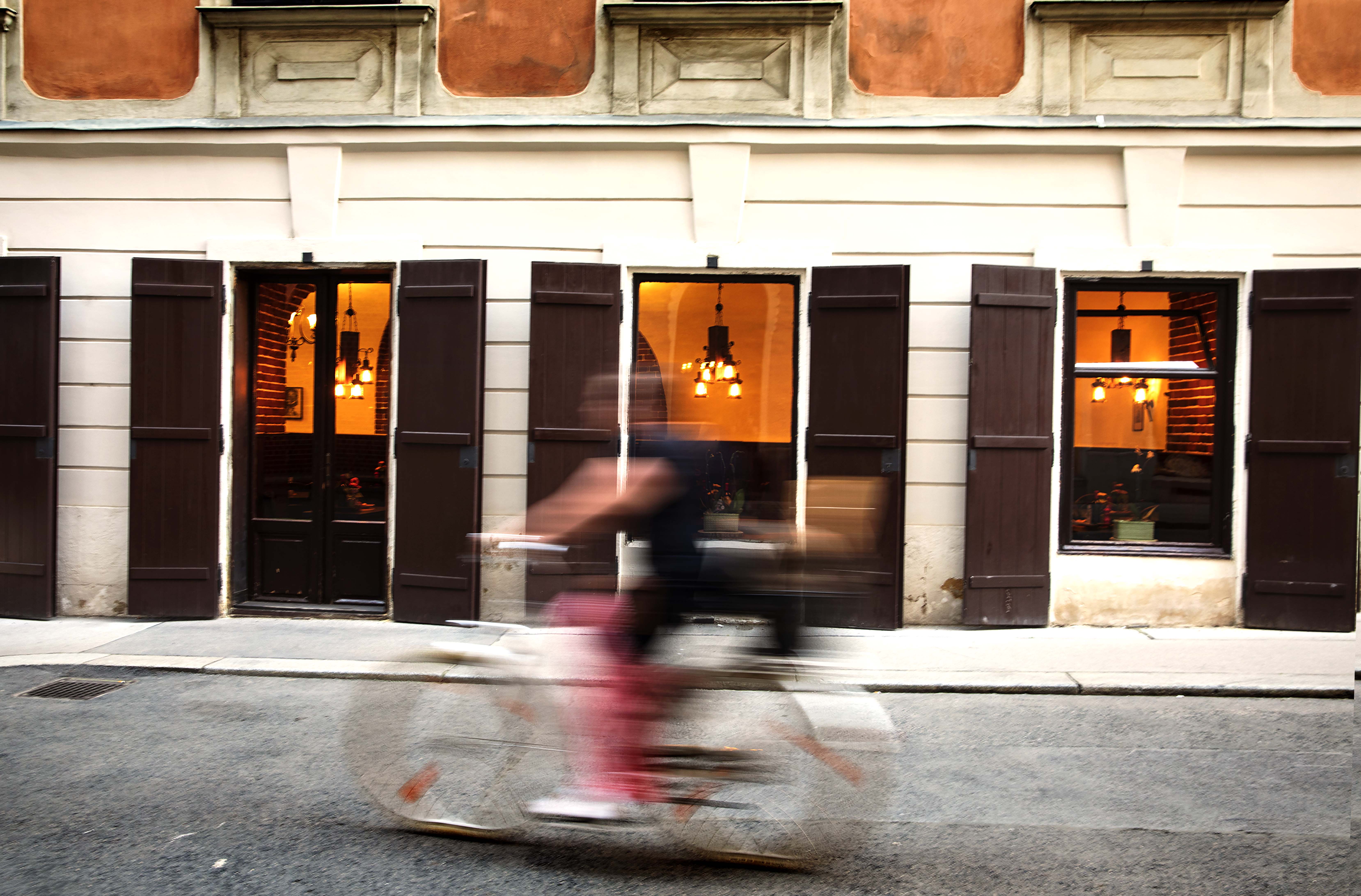
Before we begin, I’d like to mention that Vienna is often regarded as one of the top contenders for the title of the world’s most livable city, thanks to its political stability, excellent healthcare, quality education, low crime rates, abundant recreational options, and efficient public transportation. It’s undoubtedly one of the cities I found hard to leave. Despite wandering its streets day and night, I never felt fatigue, boredom, or a sense of having seen enough. Let’s begin our exploration of this gorgeous city by visiting its fascinating religious sanctuaries.
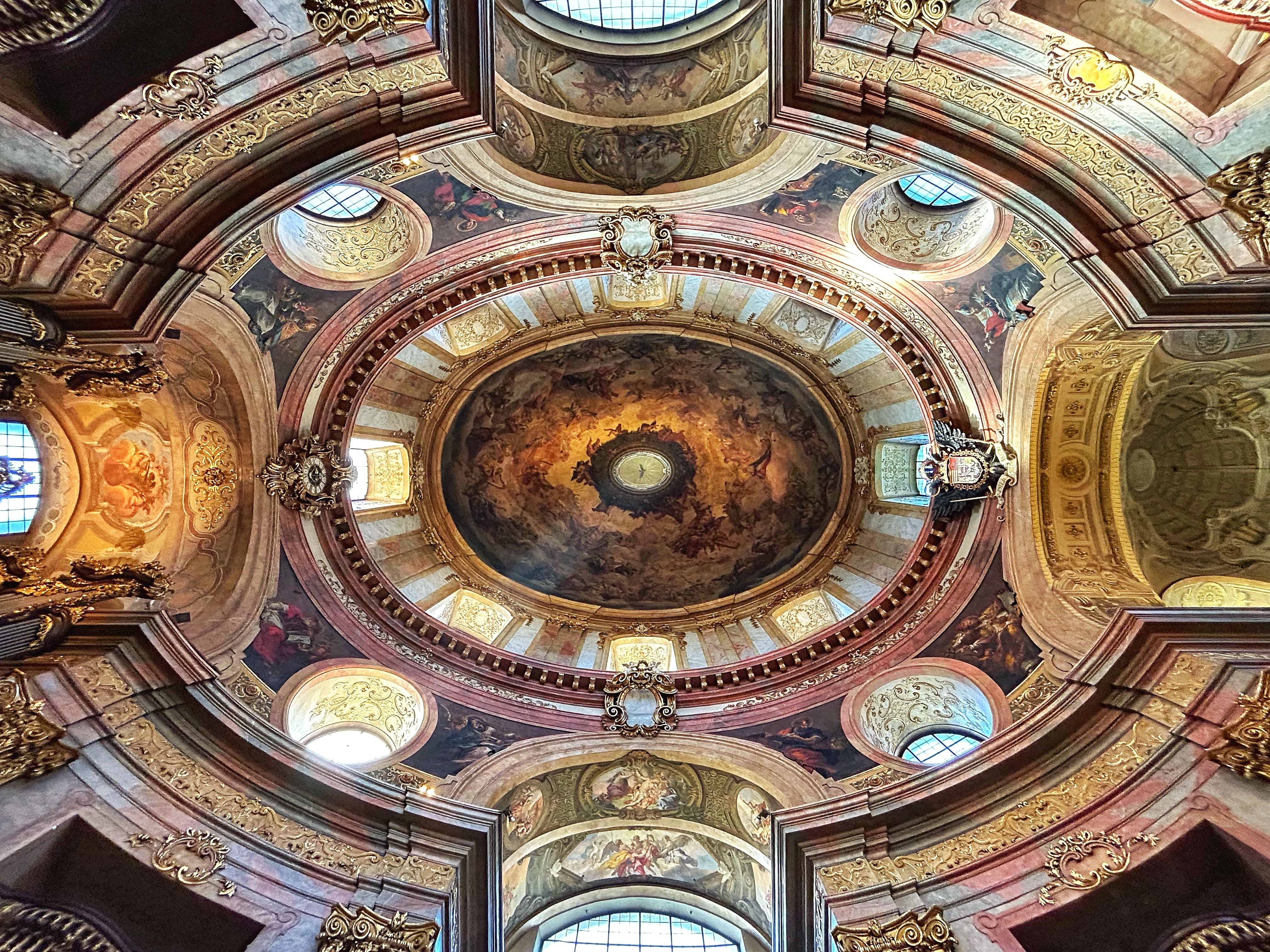
A masterpiece of Baroque artistry, St. Peter’s Church (Peterskirche) stands proudly in the city center of Vienna. Completed in 1733, this church serves not only as a place of worship but also as a visual delight. Stepping through its doors, you are transported to a realm of splendor. The central dome, adorned with frescoes, creates a heavenly atmosphere for its guests. In the summertime, the church typically hosts evening concerts. If you have the chance, stop by and treat yourself to this delightful experience.
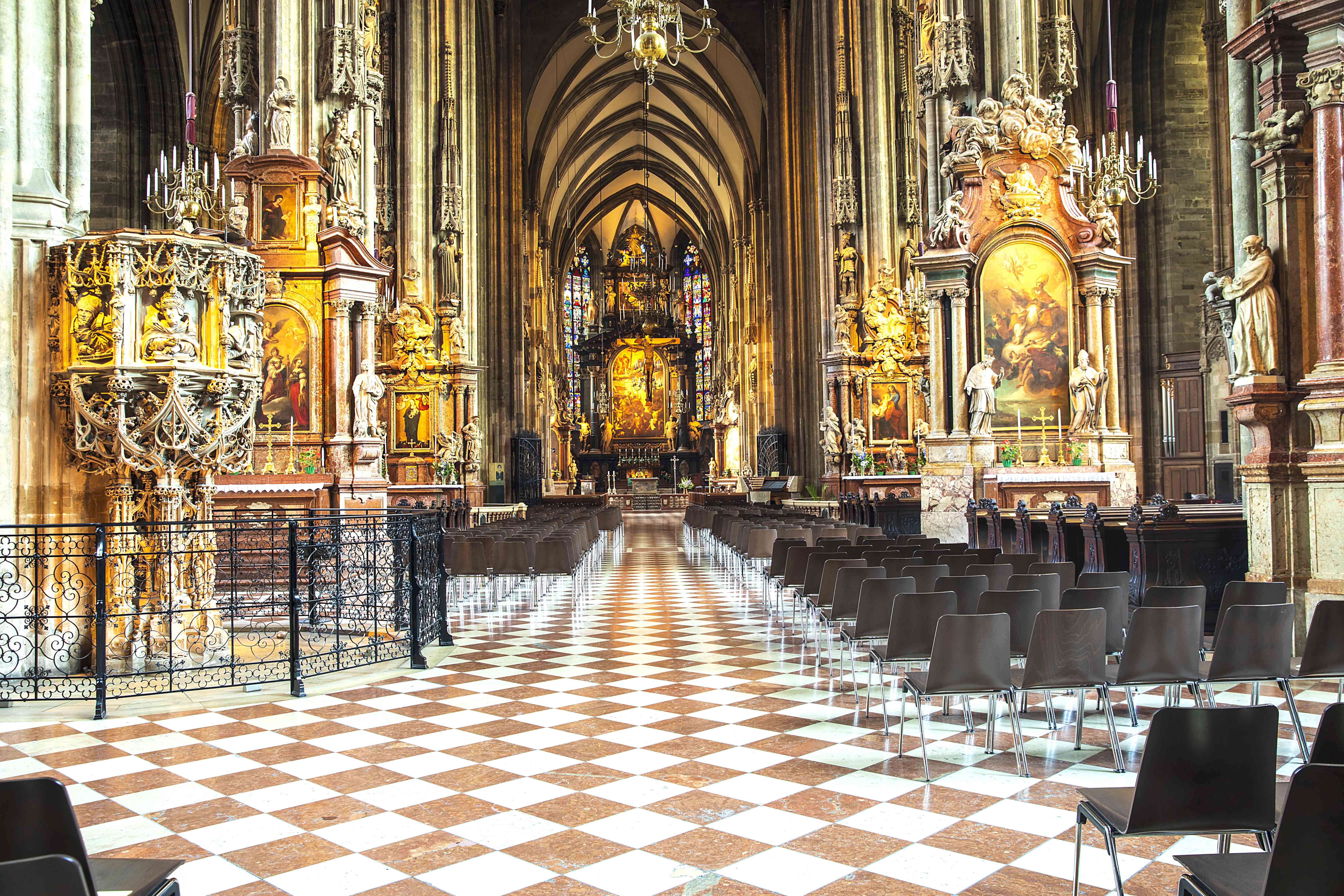
Not far from Peterskirche stands another spiritual haven, St. Stephen’s Cathedral. This medieval Catholic cathedral, with its breathtaking Gothic architecture, is a living testament to Vienna’s rich spiritual and cultural heritage. A tip: The South Tower of the cathedral provides magnificent panoramic views of the city.
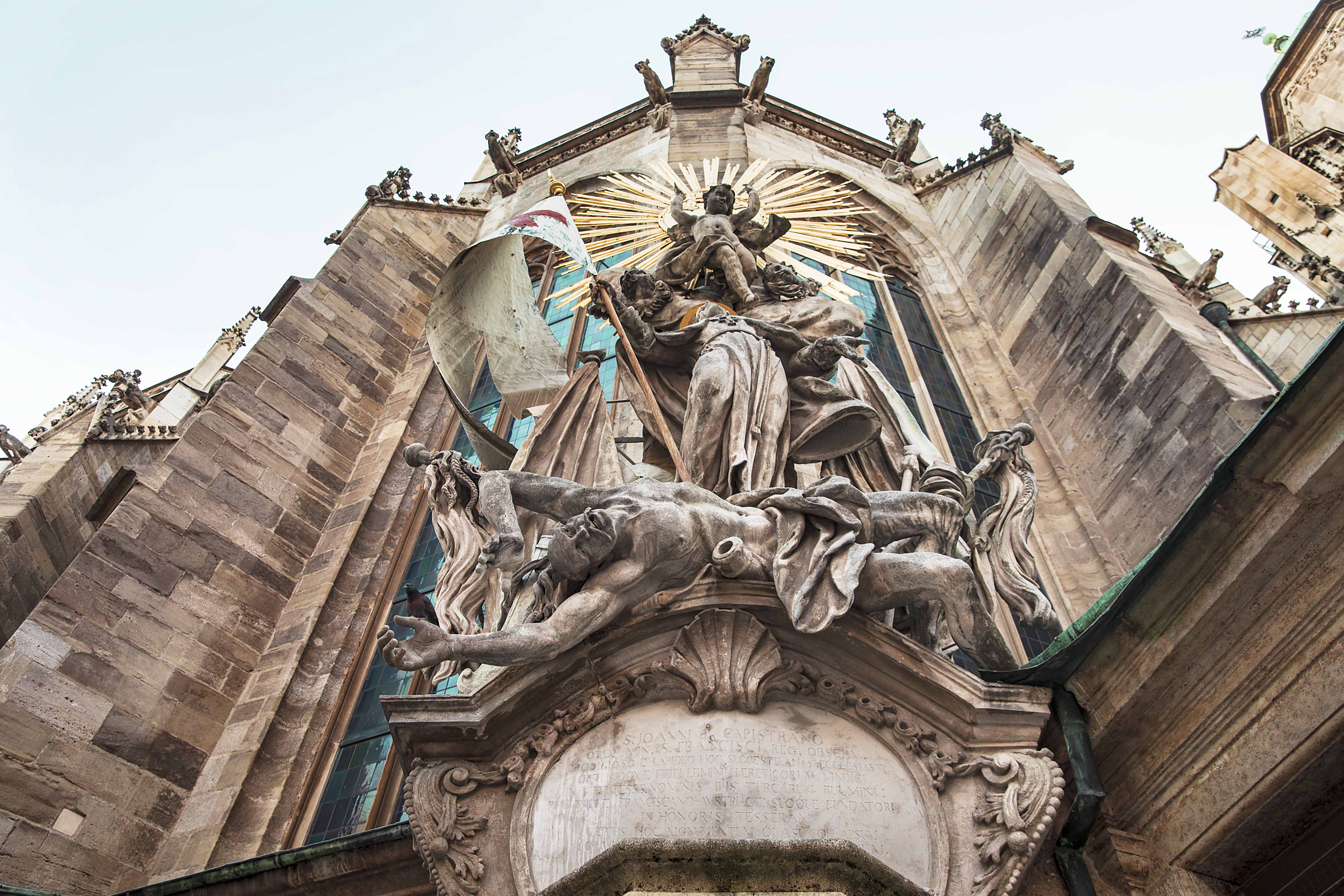
You know how much I enjoy discovering hidden details in the places I visit… Almost like Easter egg hunt. On the rear facade of St. Stephen’s Cathedral, there’s a statue that many people might miss as they pass by. Given Vienna’s strategic importance in Central Europe, which made it a key target for the Ottoman Empire. Ultimately, two failed sieges here contributed to the Ottomans’ eventual decline. The statue depicts a Turkish soldier being defeated by the forces of the Holy League, a vivid reminder of this historical conflict.
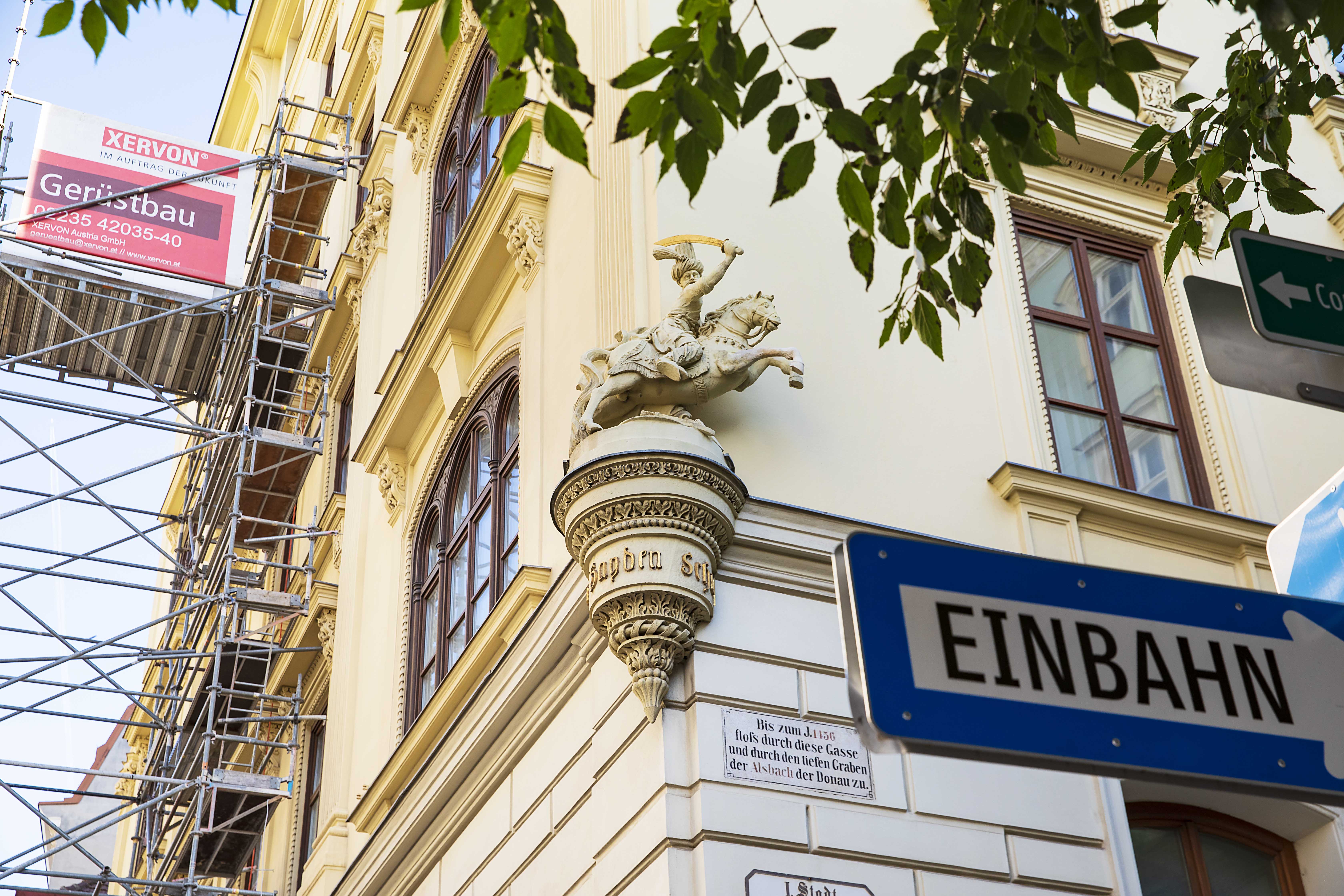
Here’s another lesser-known gem from the Ottoman era: the Circassian-Turkish Uncle Monument. Erected by the Austrians, the monument honors the Turkish soldier who displayed remarkable bravery by entering Vienna through a breach in the walls during the 1683 siege. Despite the breach being sealed behind him, he resolutely continued to fight alone, embodying extraordinary courage and determination.
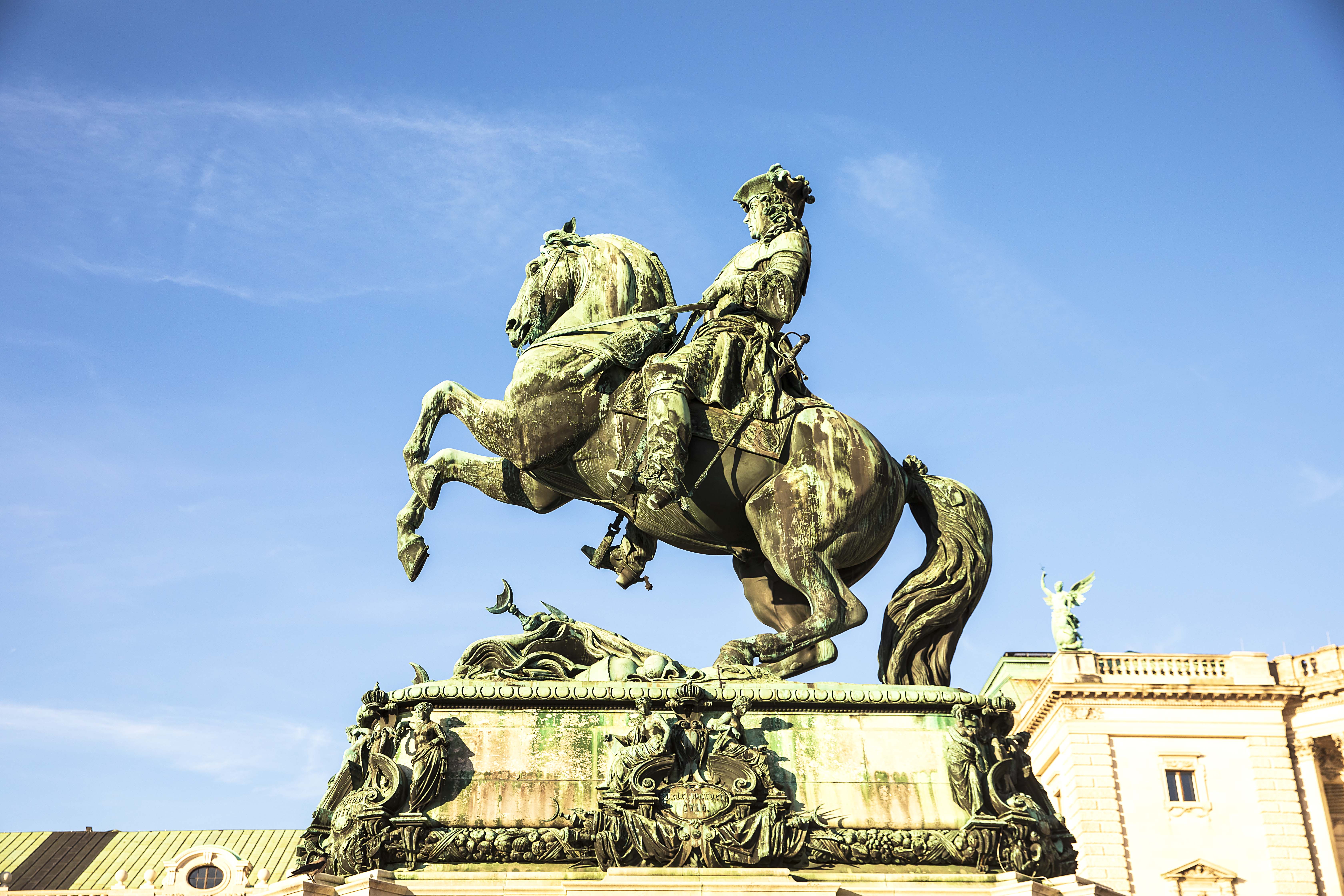
The Hofburg Palace, the home of the Habsburgs, the imperial family ruled over the Austro-Hungarian Empire for over 600 years, is a grand symbol of imperial history, showcasing Austria’s regal past. As you tour its lavish rooms and spacious courtyards, be sure to see the impressive Equestrian Statue of Prince Eugene of Savoy in Heldenplatz. This statue honors the general who was key in defending Europe against the Ottoman Empire.
Did you know that the Hofburg Palace once had a royal menagerie with exotic animals like lions and elephants?

Vienna is brimming with stunning palaces. Just outside the city center, Schönbrunn Palace stands out as a Baroque masterpiece. With over 1,400 rooms, exquisitely landscaped gardens, and the impressive Gloriette offering panoramic city views, it’s a true gem. The palace offers a window into the luxurious lifestyle of Austria’s former royal family.
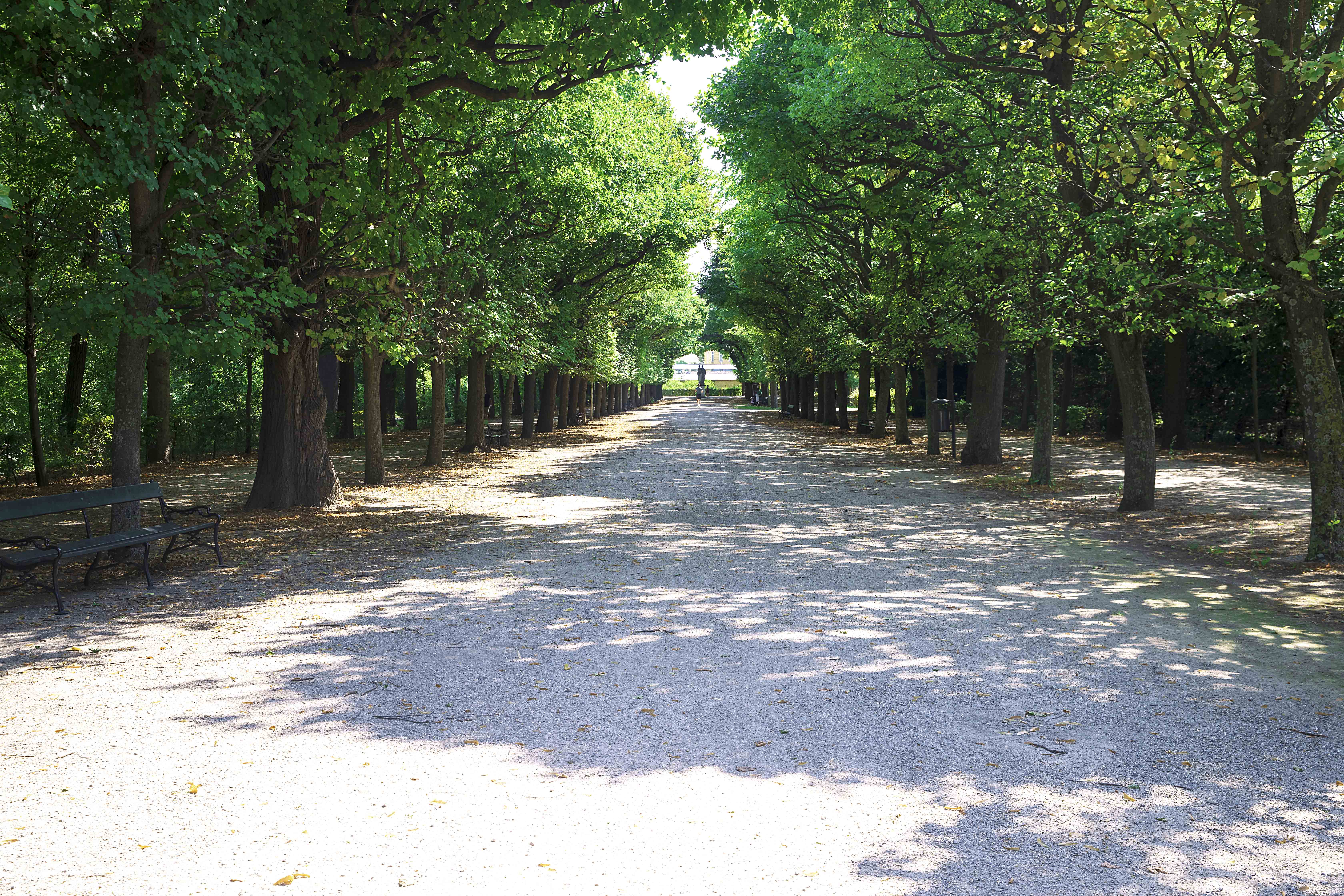
The gardens of Schönbrunn Palace showcase the Habsburgs’ gardening skills. The gardens also home to a labyrinth and the world’s oldest zoo.
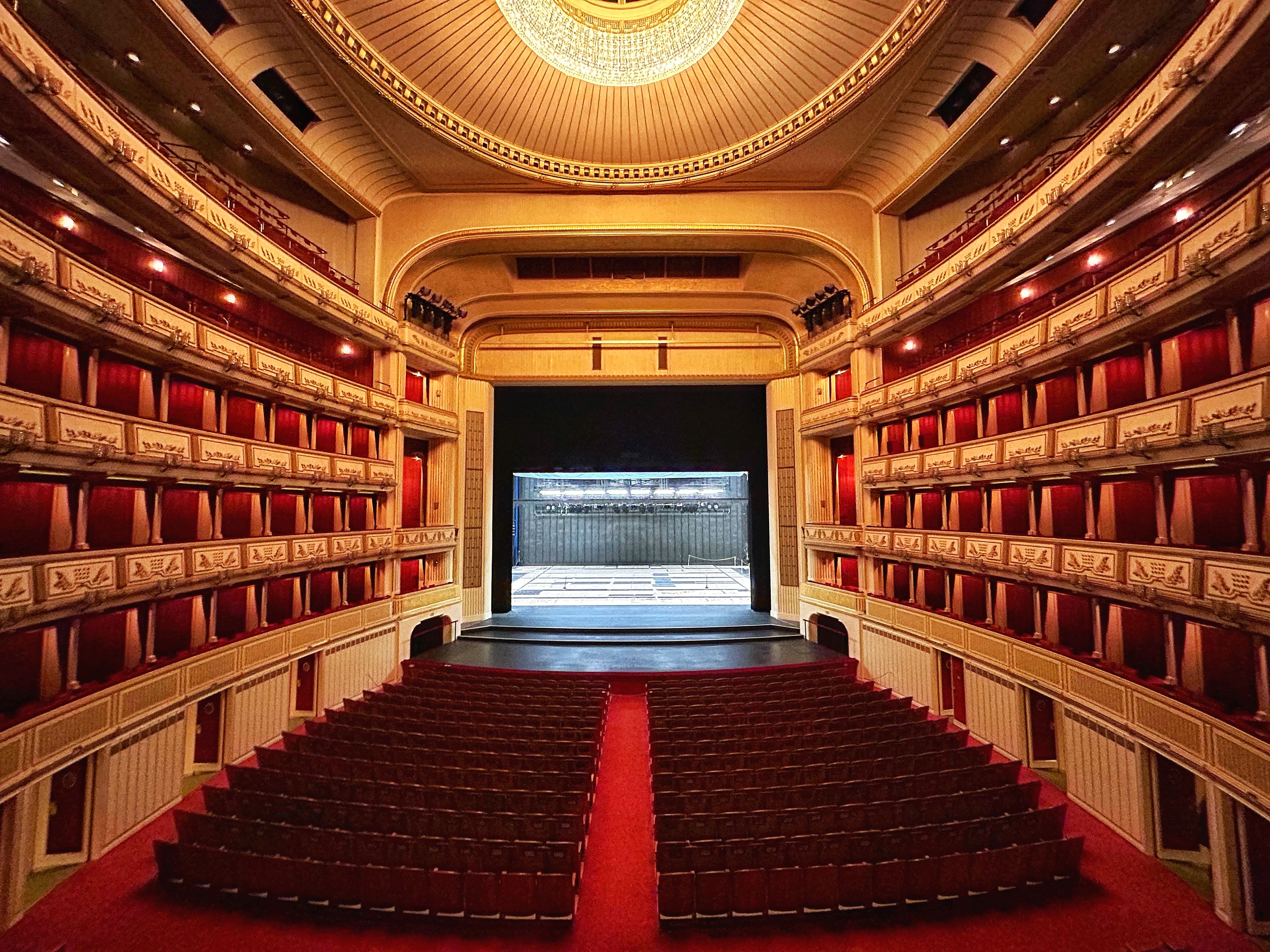
If you love music, Vienna is a paradise. The city has inspired great composers like Wolfgang Amadeus Mozart, Ludwig van Beethoven, and Joseph Haydn. You can enjoy top music festivals such as the Vienna Music Festival and the Vienna Jazz Festival… And, of course, Vienna’s renowned operatic tradition is represented by the Vienna State Opera which has been a highlight since it opened its doors in 1869.

Every corner of Vienna reveals a unique wonder. At the end of the street in the picture above, you’ll find the very building where Wolfgang Amadeus Mozart lived from 1784 to 1787. Today, this apartment serves as a museum, making it a must-visit for music lovers and history enthusiasts.
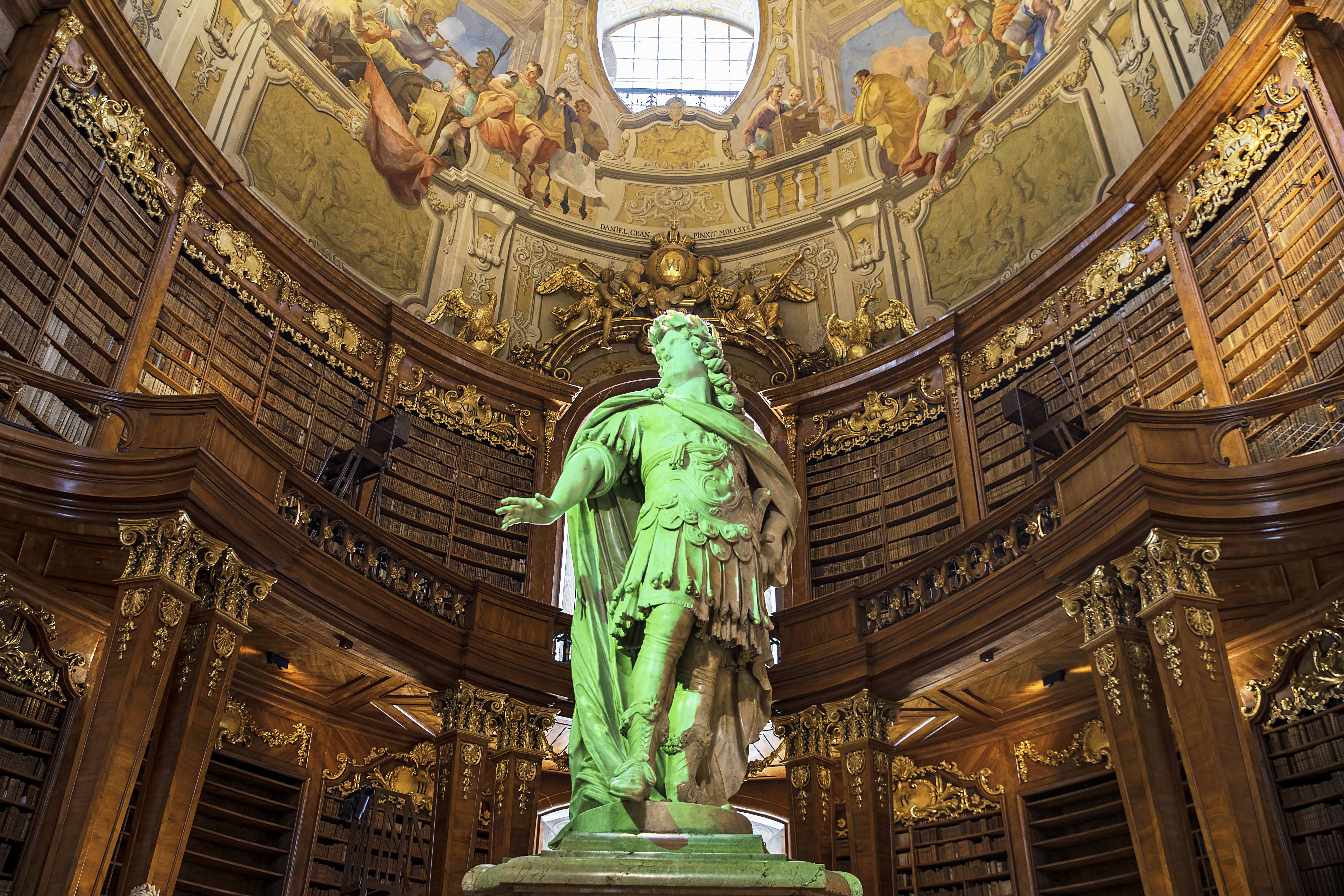
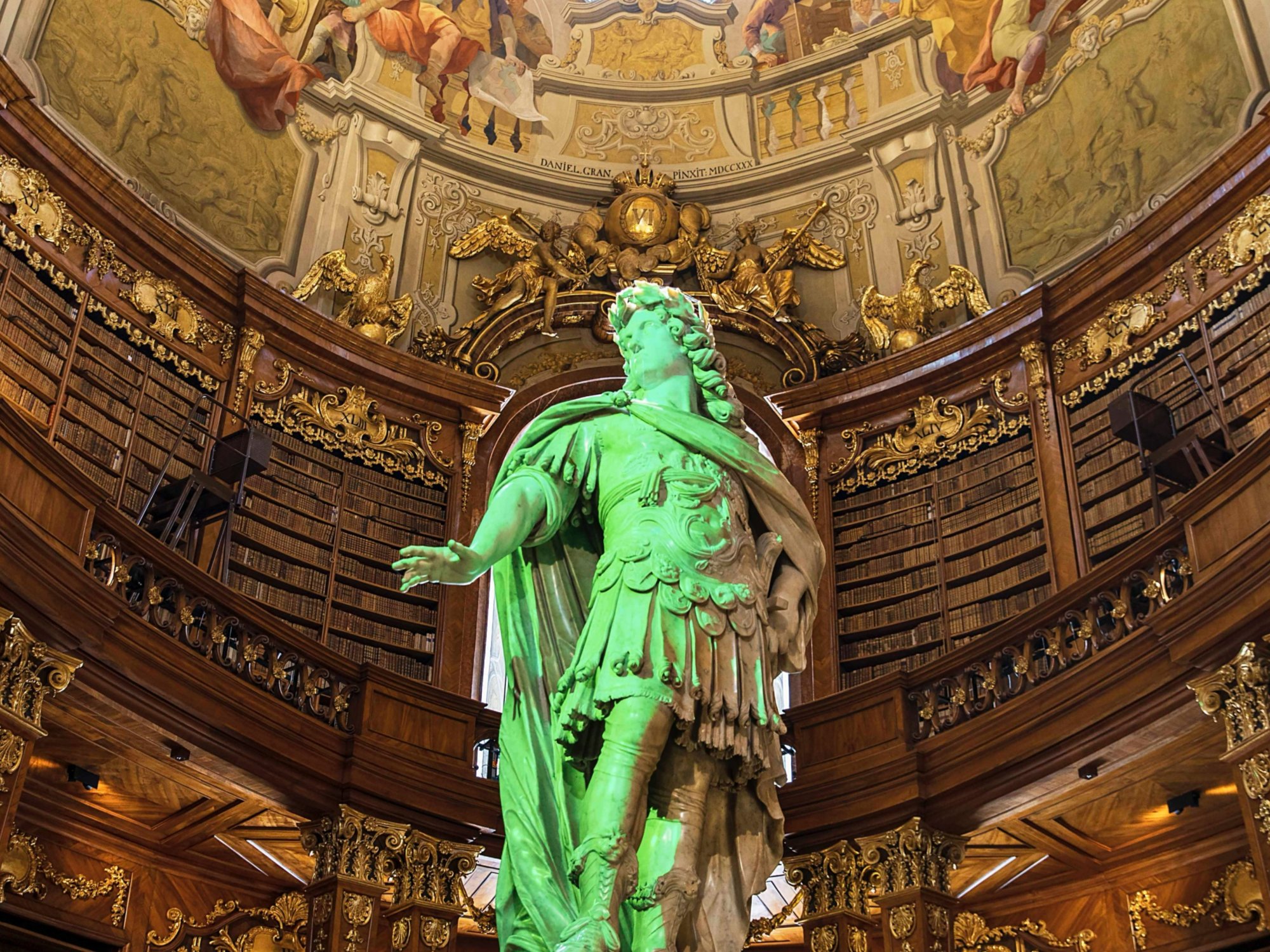
Here is a visual feast for bibliophiles… Another must-see spot full of knowledge and beauty… The Austrian National Library is Europe’s largest Baroque library, with over 12 million items, including historical books, rare manuscripts, historical maps, and ancient texts on its ornate wooden shelves. The Grand Hall is one of the most stunning library rooms I have seen in the world.
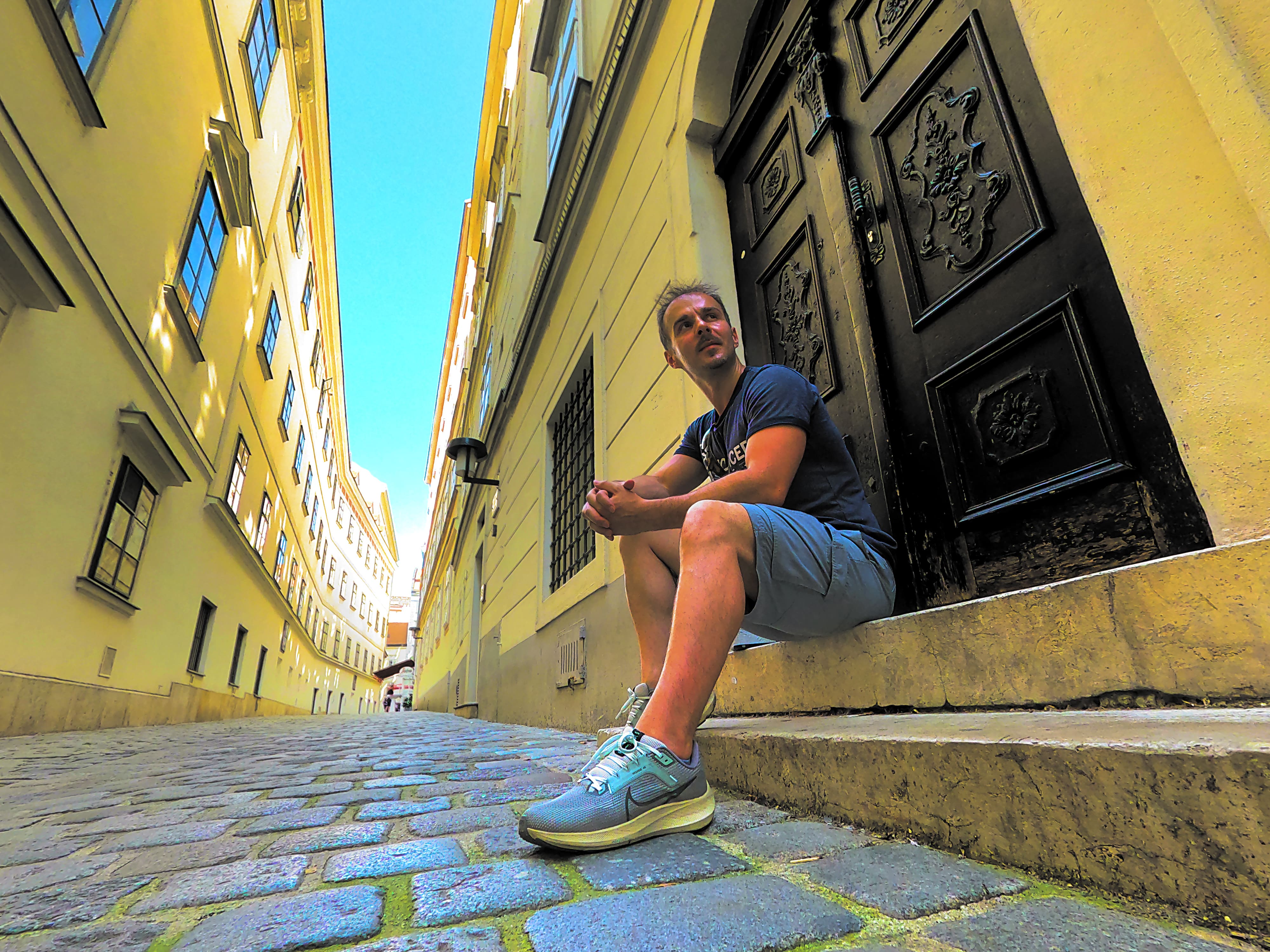
Let me sneak in a photo of myself before concluding the post : )
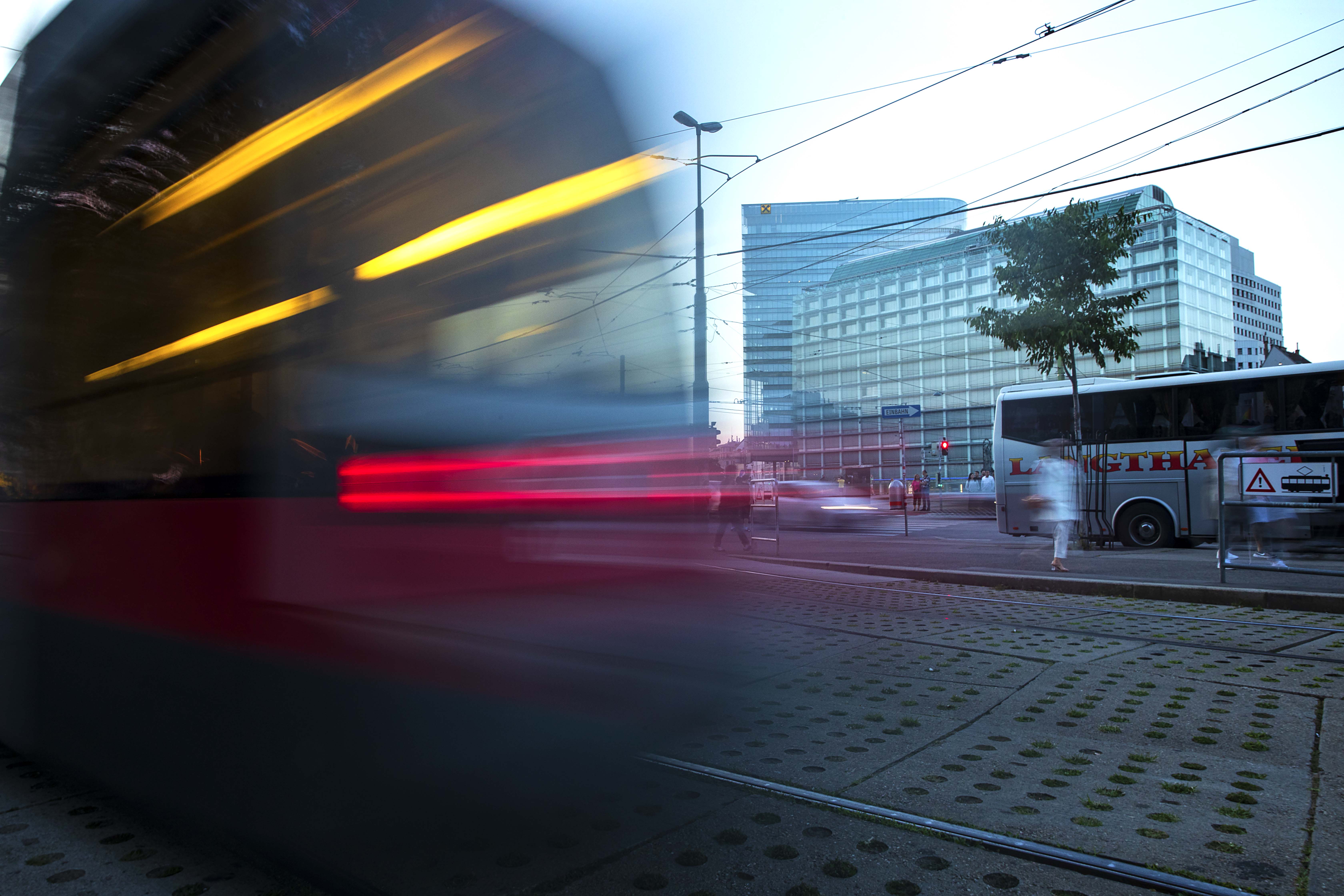
For many, Vienna might seem like just a brief stop on a tour of Central Europe. Yet, to me, it is the very heart of Europe, a place that must be experienced and deeply felt. Despite my initial doubts about big cities, Vienna surpassed all my expectations in the most delightful way. As I say goodbye to this enchanting city, I hold onto the hope of returning someday in the near future, to once again be swept away by its timeless charm and romance.
 Huseyin Karadeniz | Travel & Photography Journal