Did you know that the Baltic states were among the first to declare independence from the Soviet Union in the early 1990s, starting with Lithuania on March 11, 1990, followed by Estonia on August 20, 1991, and lastly Latvia on August 21, 1991. In this chapter, we’ll explore Riga, the second most populous capital in the Baltic states. Then, we’ll take a brief detour to visit the Soviet Army Missile Base, hidden within the forested area of Zeltini. Are you ready?
After a drive of just under 4 hours on a frosty winter day, we arrived in Riga from Kaunas, Lithuania. The Baltic roads are generally well maintained, though you need to be careful due to the numerous speed cameras on the highway.
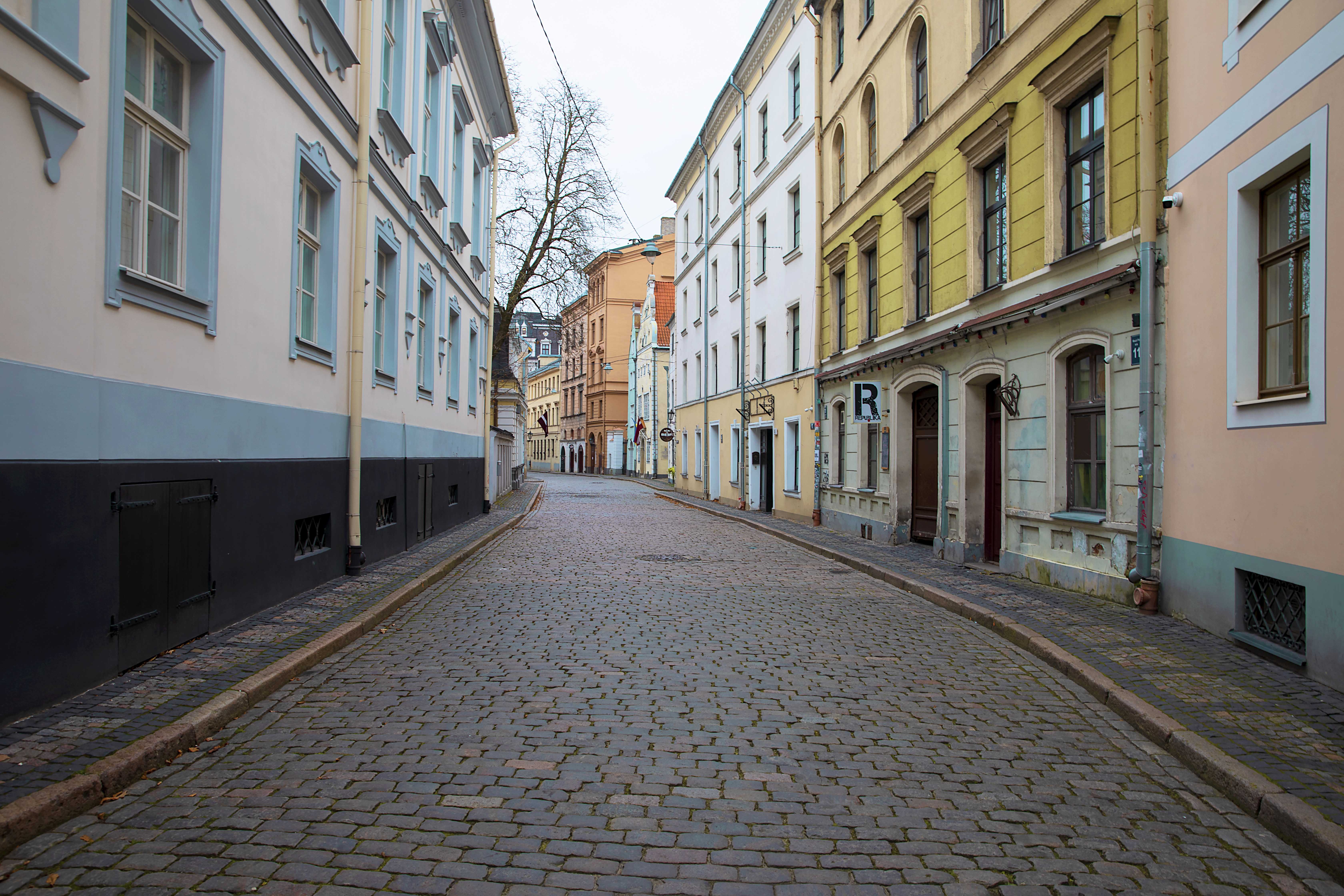
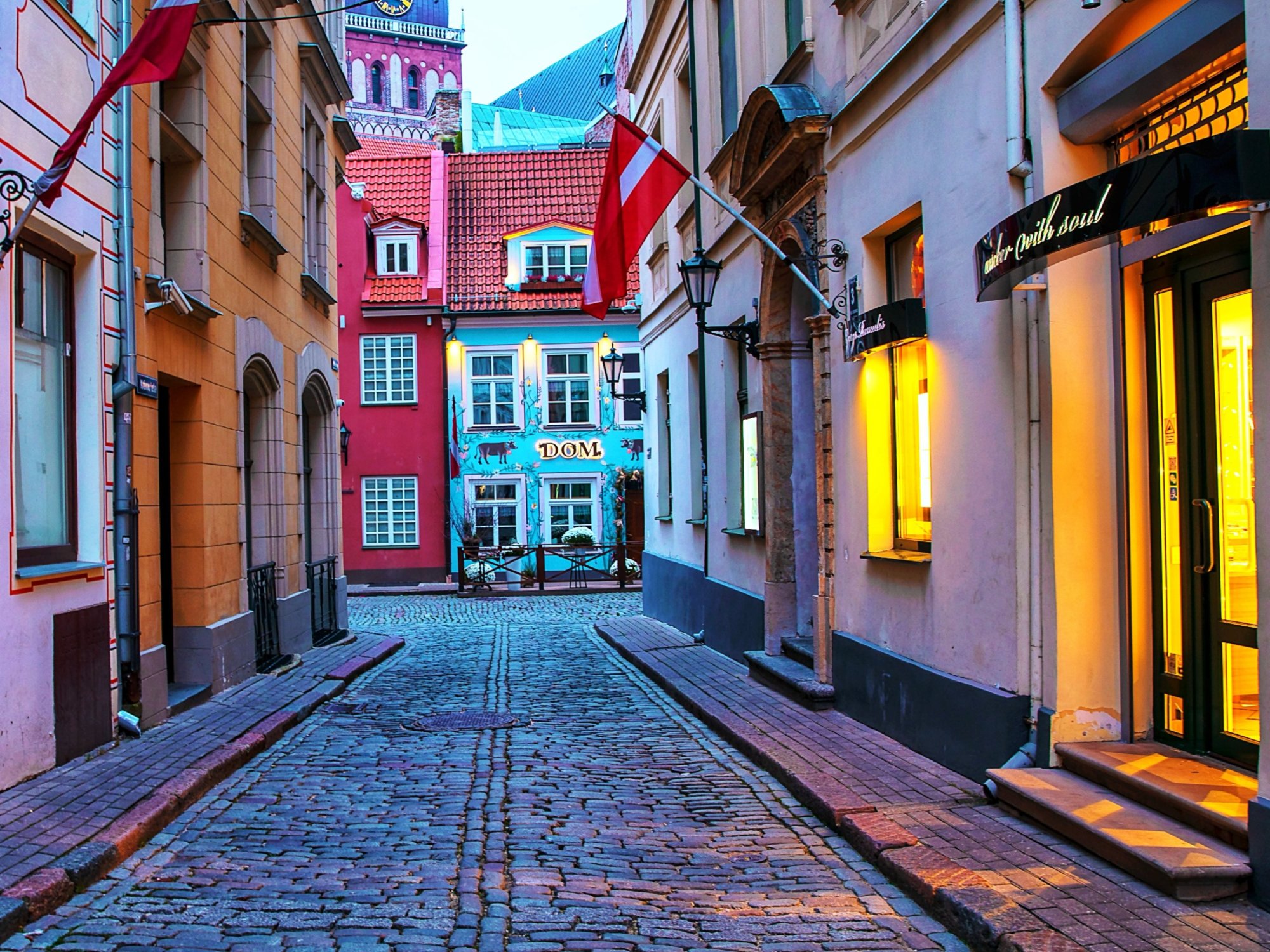
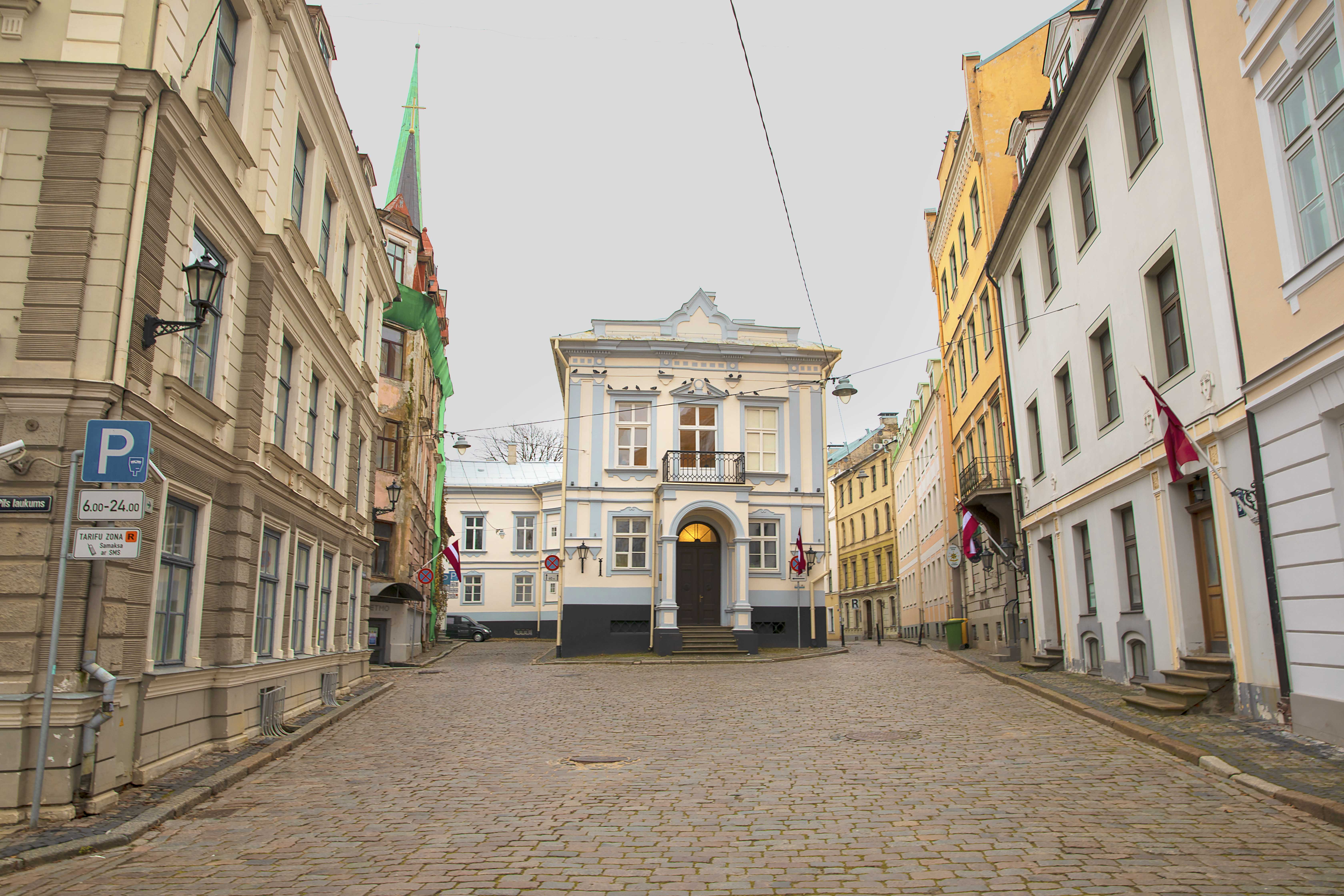
Upon arriving in Riga, I was genuinely impressed by its historic old town. Founded around 1201, Riga stands as one of the oldest cities in the Baltic region, and it remarkably well-preserved. Due to this fact, Riga’s Old Town and the central district are designated UNESCO World Heritage Sites.
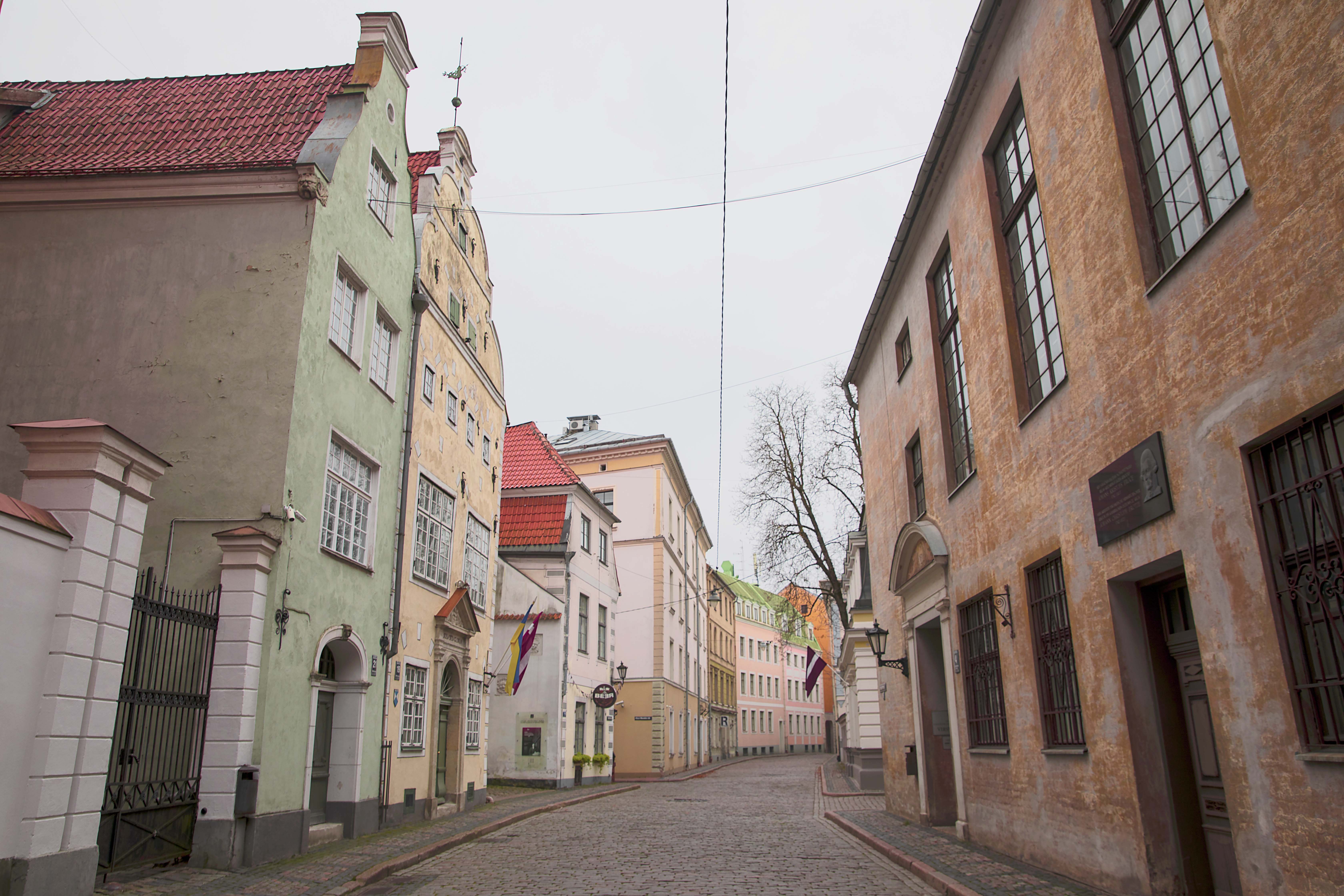
Situated in the heart of the old town, the Three Brothers – adjoining medieval buildings on the left – stand as Riga’s oldest structures, with origins tracing back to the late 15th century. Although the third building is invisible from this angle, each house showcases a unique era and architectural style, ranging from Gothic to Baroque.
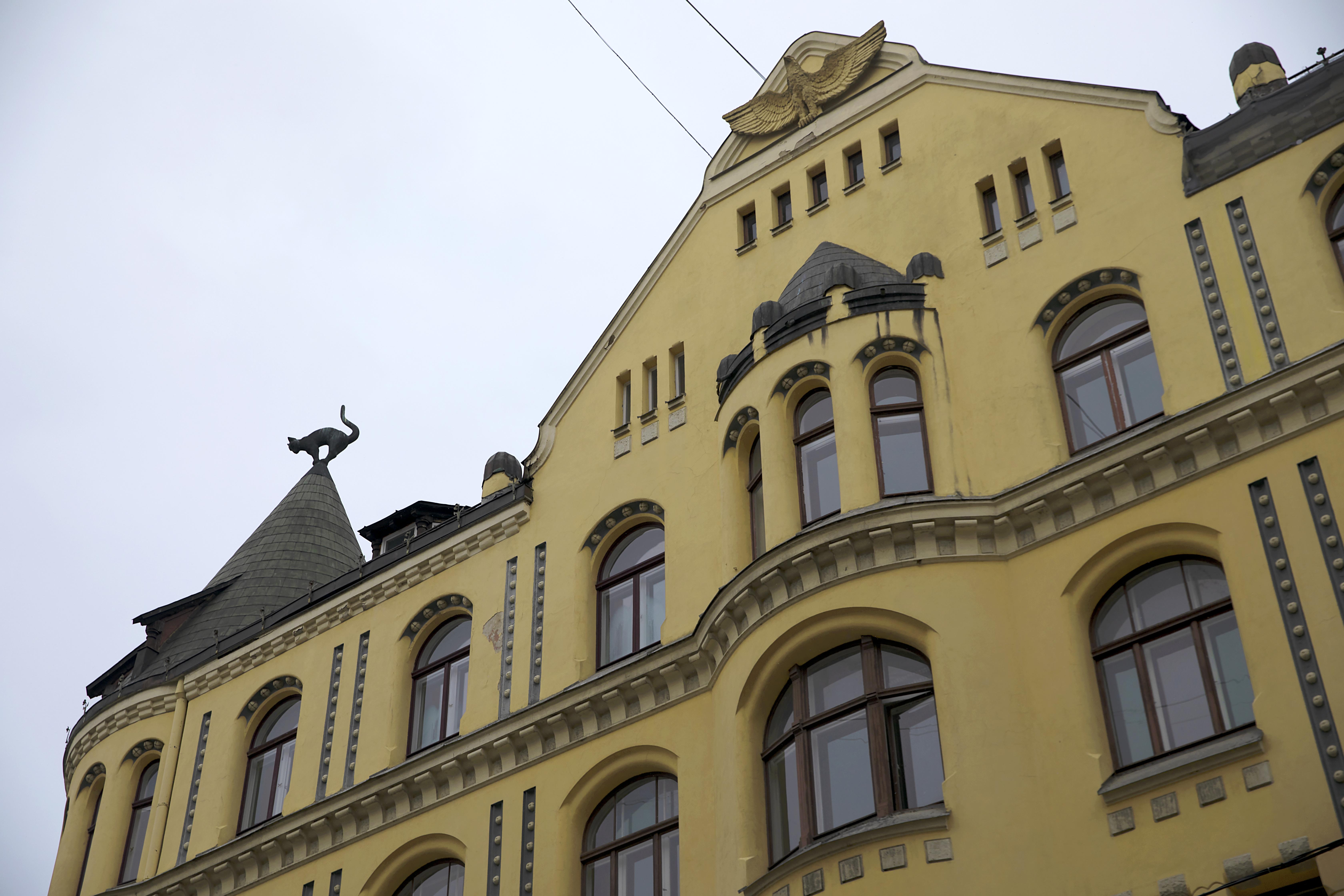
Riga’s rich architectural tapestry never fails to leave you in awe. Constructed in 1909, this Art Nouveau building is renowned for its whimsical black cat sculptures on the turrets. According to legend, the frustrated owner positioned the cat sculptures with their tails defiantly facing the Great Guild – medieval guild for the city’s wealthy merchants – protesting his rejection for membership.
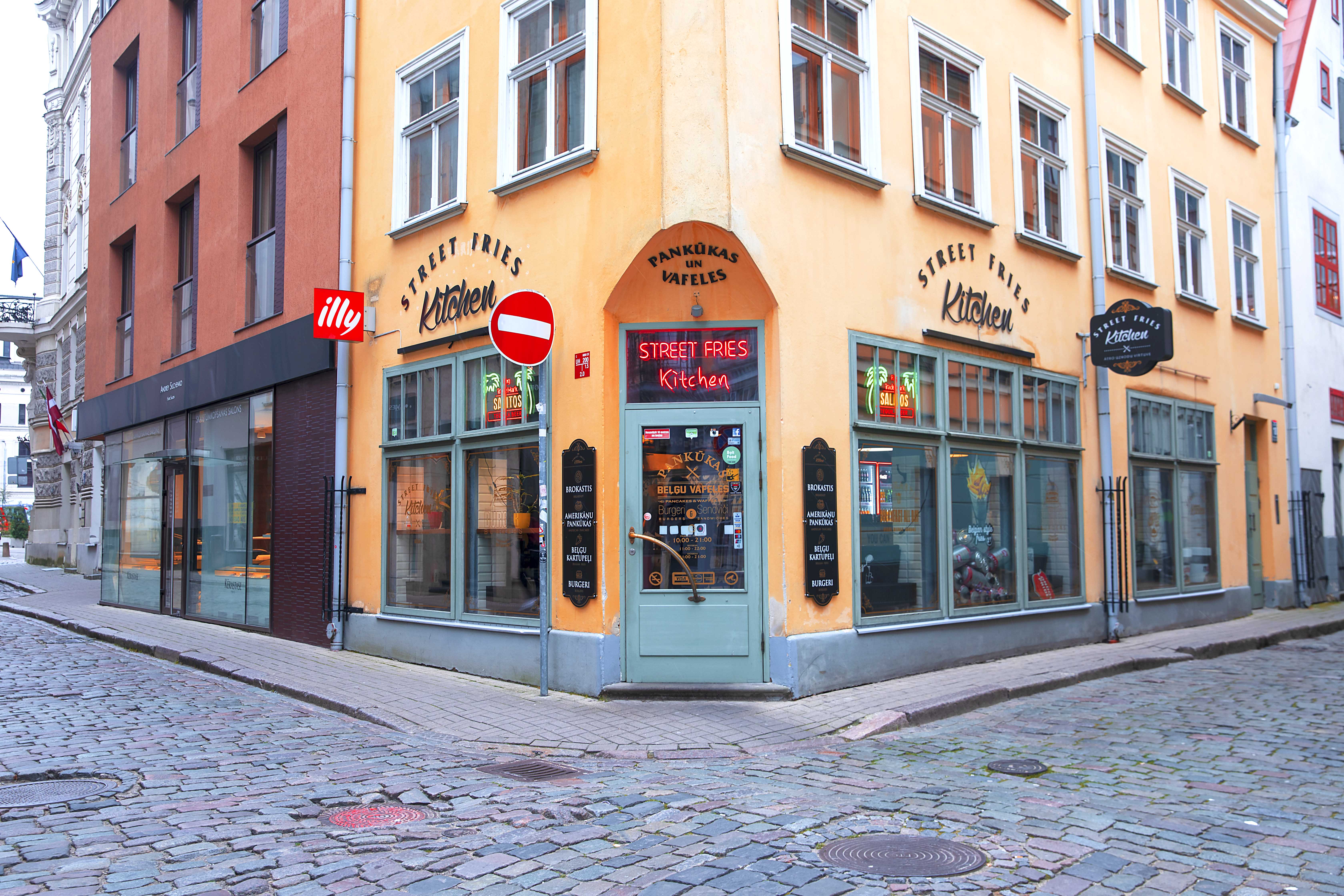
The Old Town features numerous bars, coffee shops, and eateries where you can enjoy a cozy atmosphere while sipping your drink and admiring the illuminated city spires. Visit Street Fries Kitchen for a delicious breakfast or lunch.
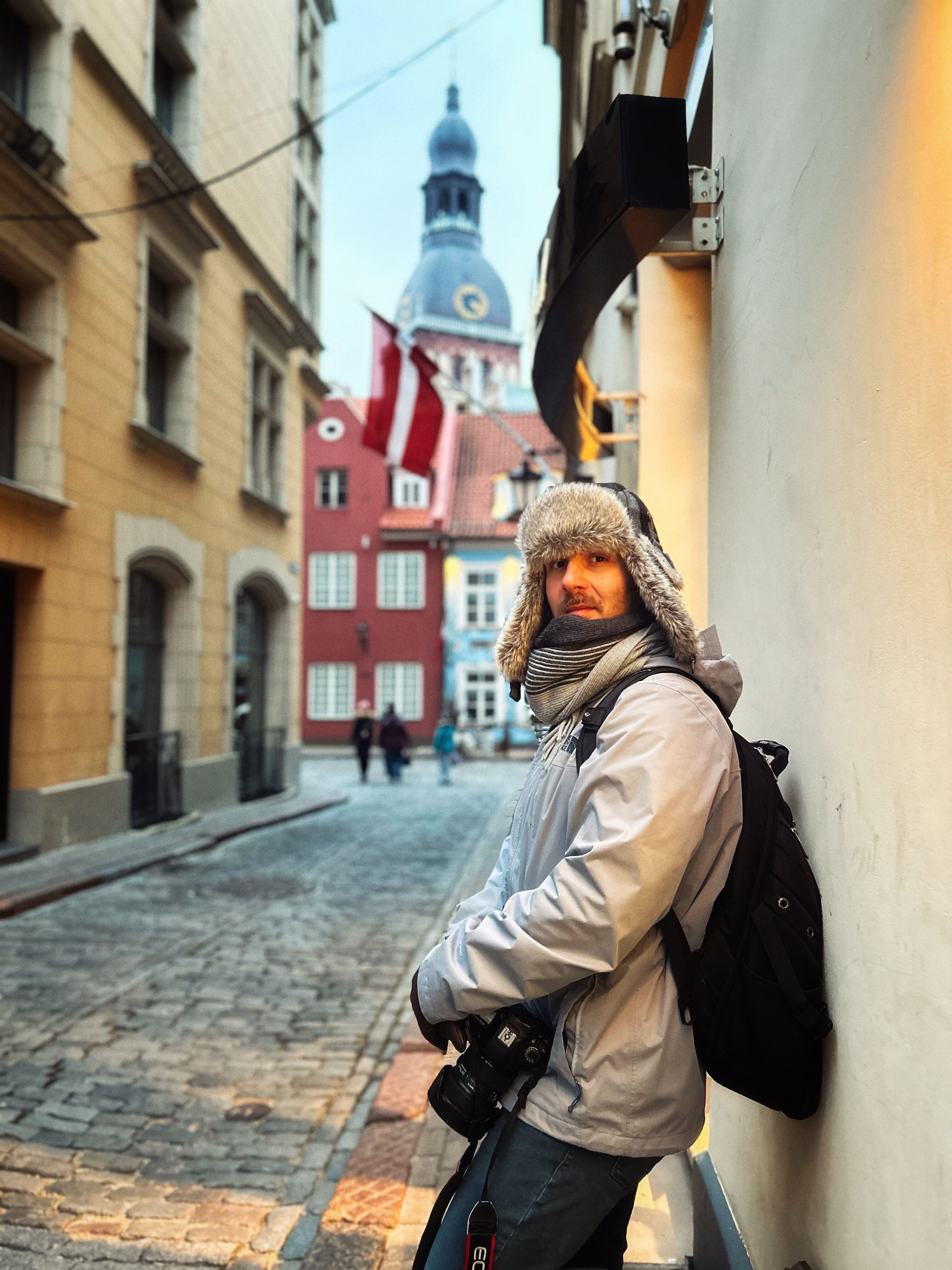
I think this is the person who captures all these photographs : )
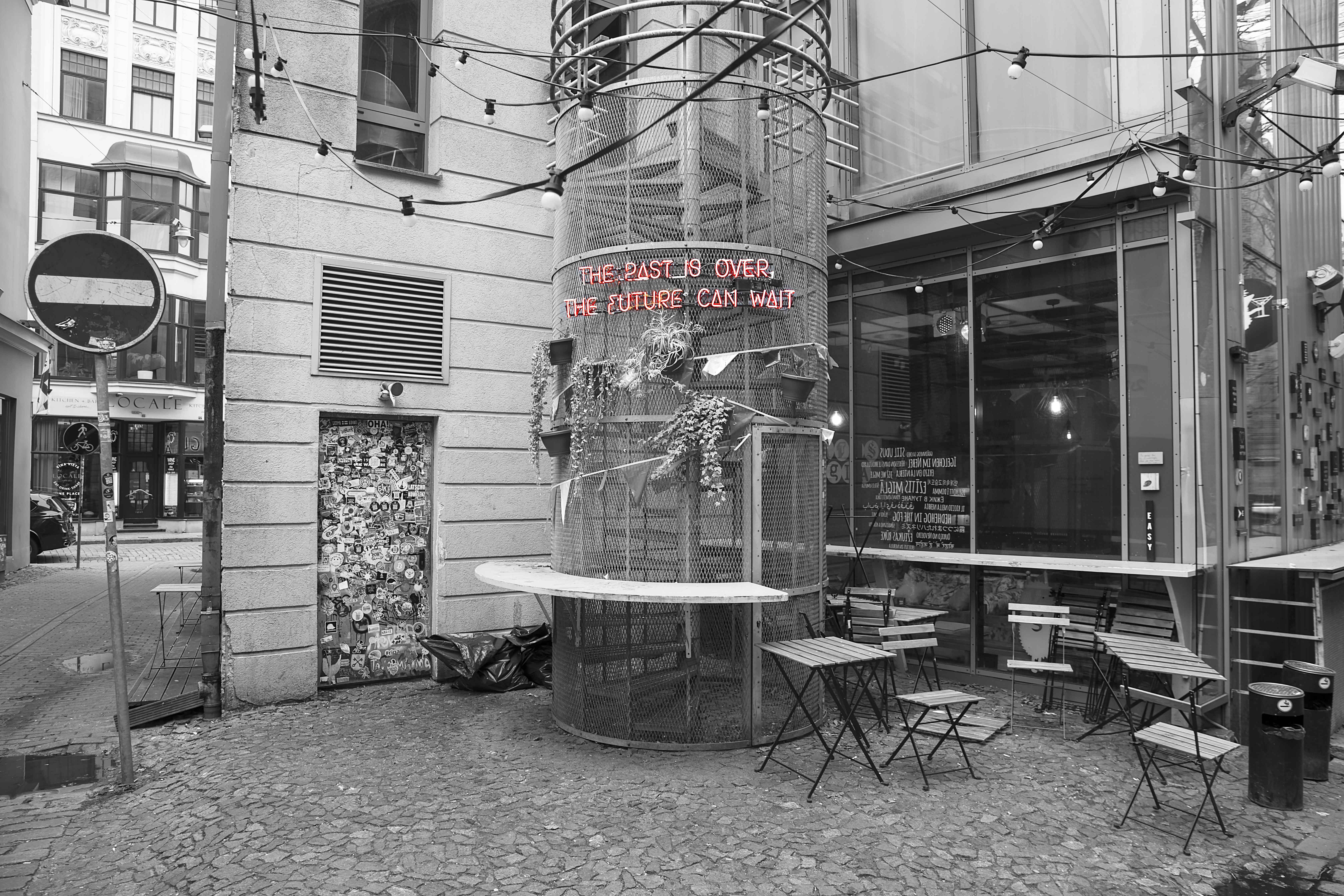
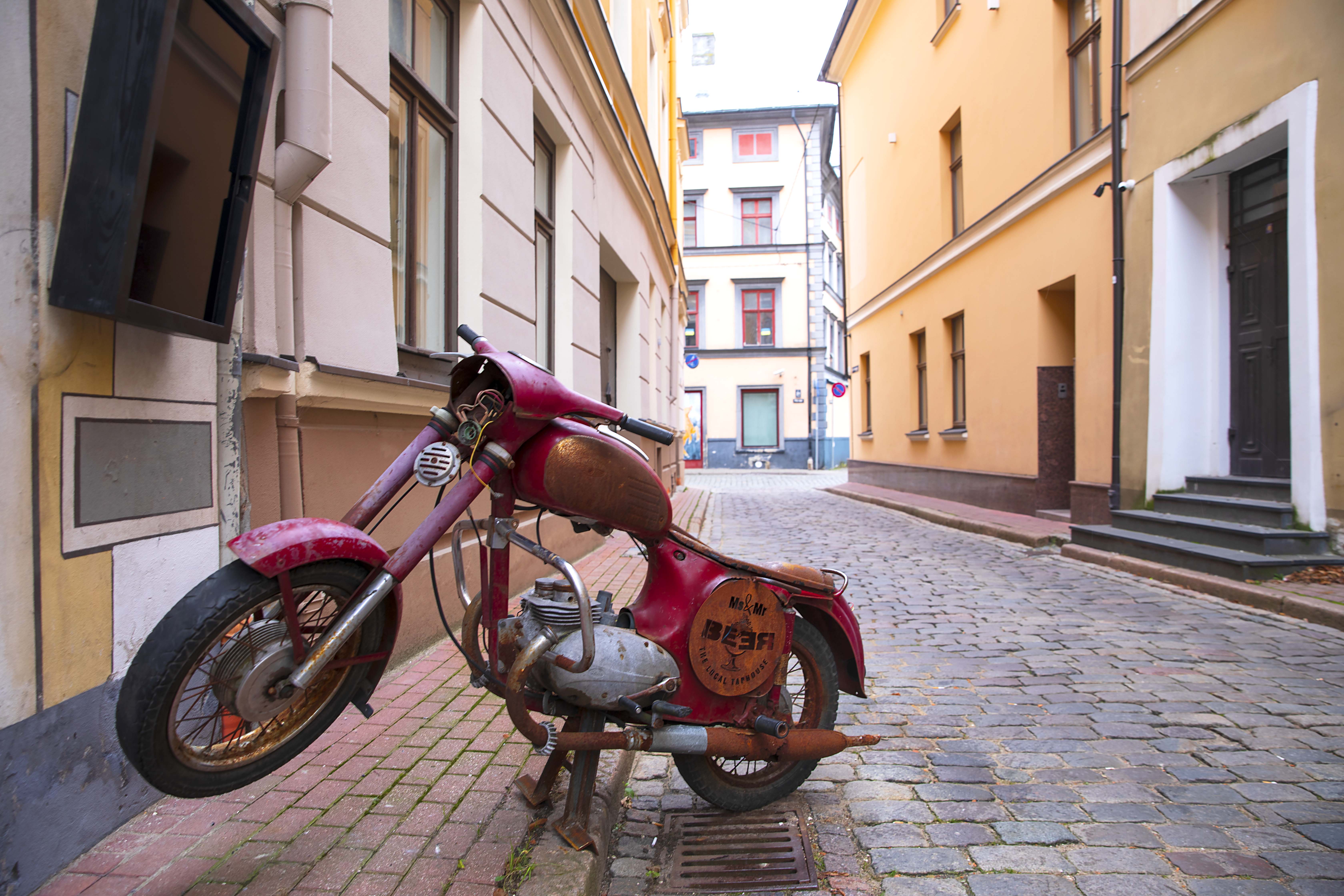
Riga’s historic streets whisper stories of the past as you wander by. Tranquility washes over you, pushing aside the anxieties of tomorrow. This hidden gem, whether you seek quiet self-discovery or simply appreciate the enduring beauty of the architecture, beckons you to slow down, breathe deep, and immerse yourself in the present.
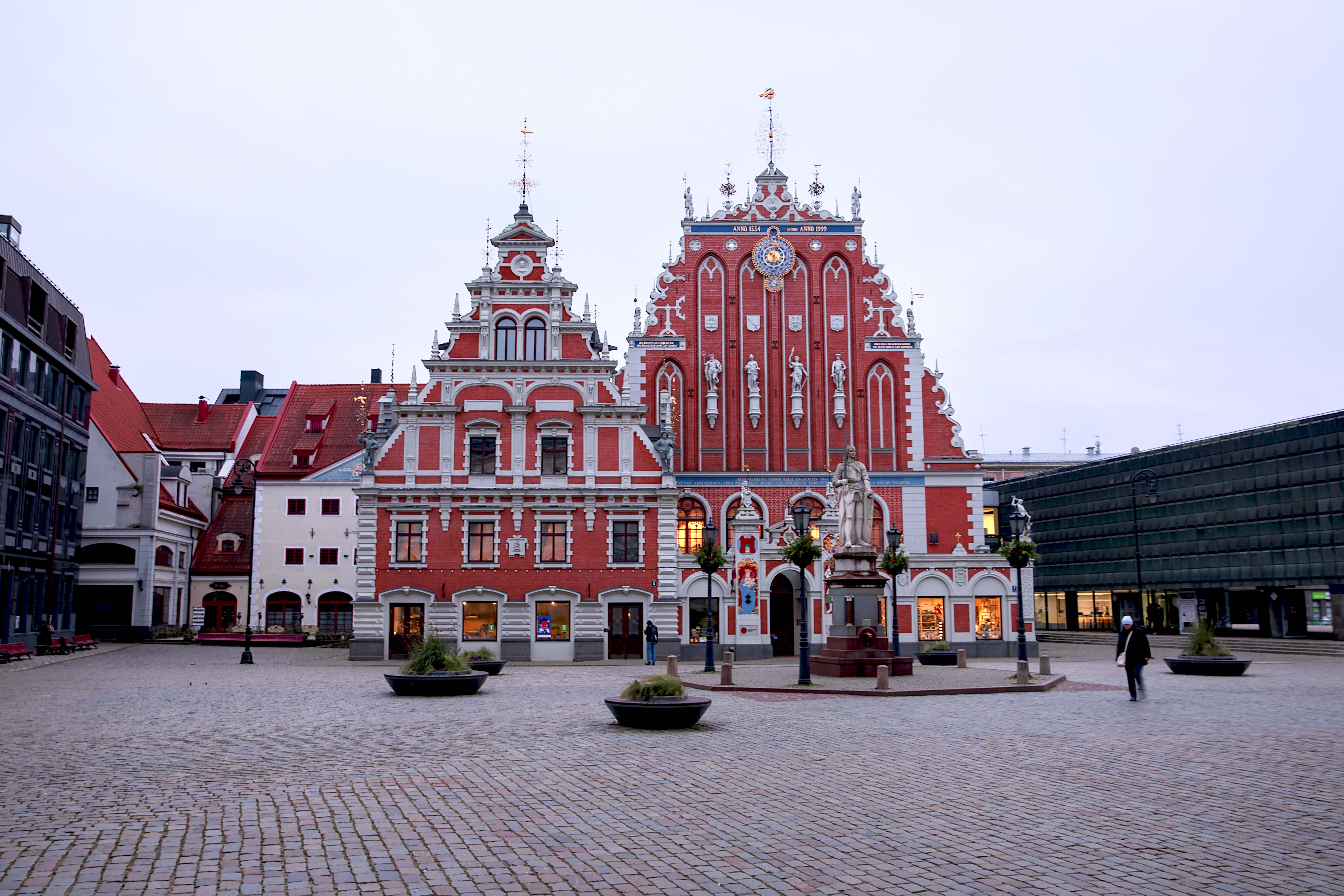
The House of the Black Heads, eye-catching building, dating back to the 14th century, began life as a hall for a guild of bachelor merchants. Over the years, it’s witnessed several makeovers and restorations. More than just a gorgeous facade, it is now serving as a prestigious venue for prominent events.
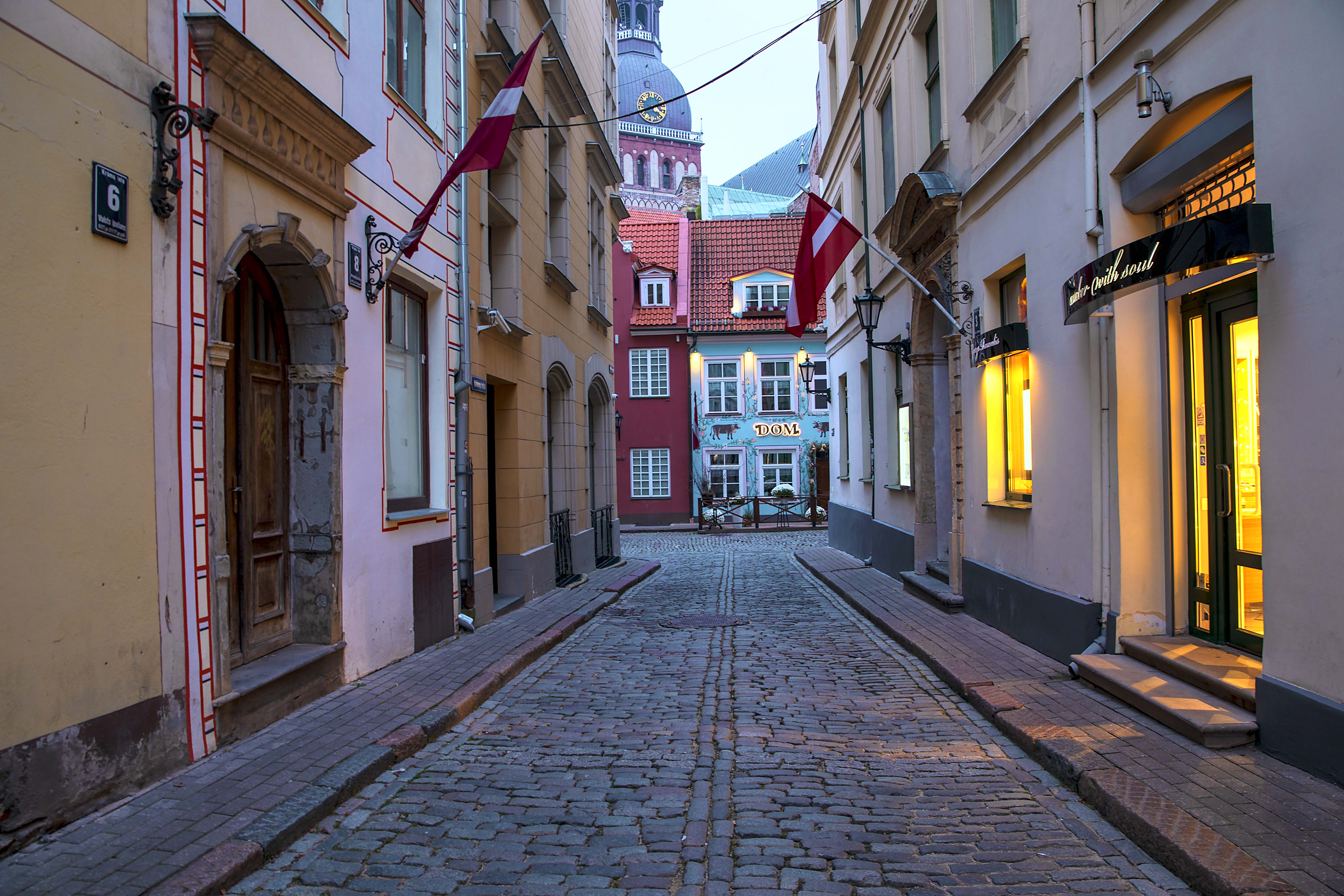
Riga features the most remarkable collection of Art Nouveau buildings. One-third of its city center showcases a wonderland of charming facades and intricate details.
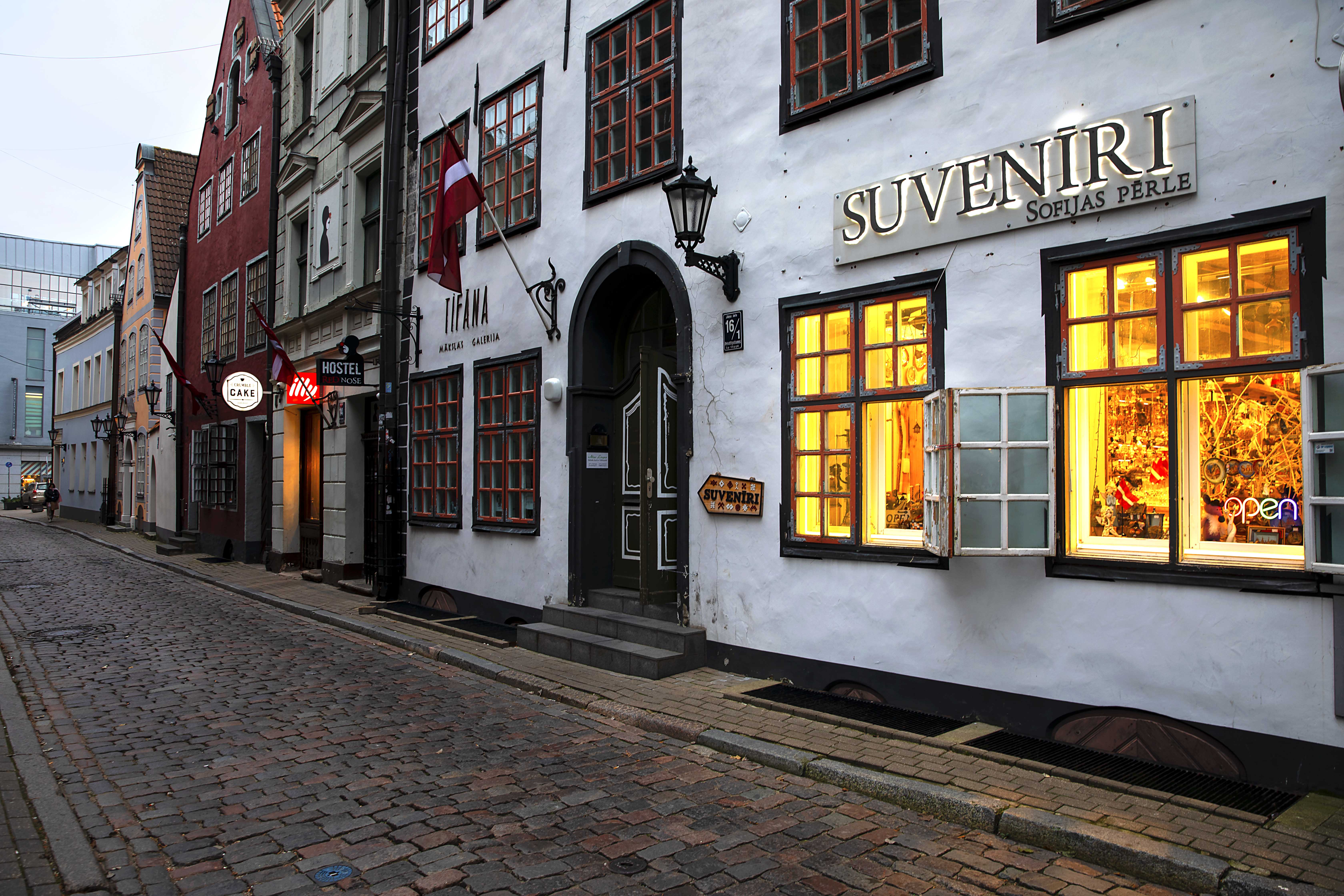
Streets of Old Town Riga on a winter evening…
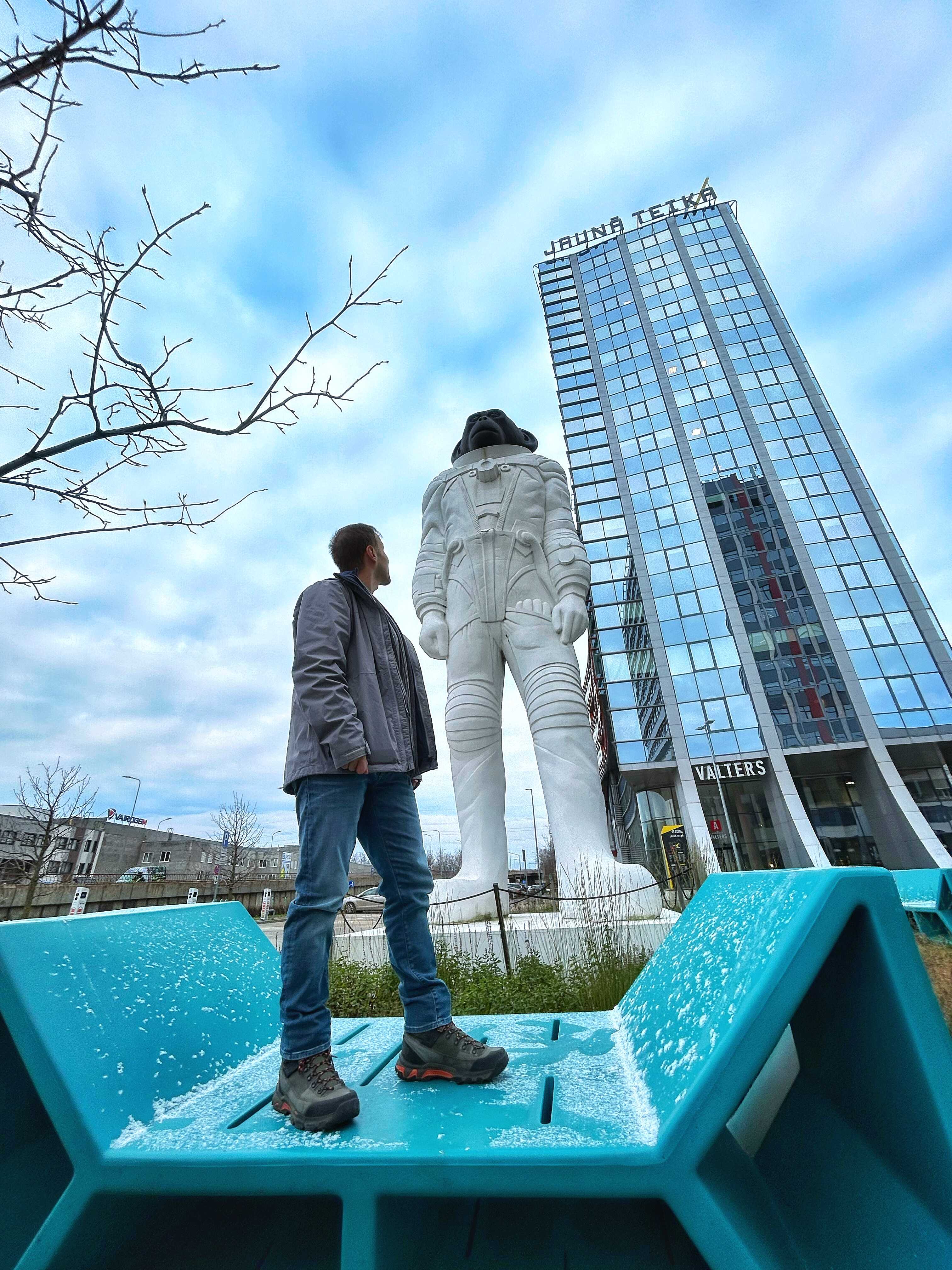
In the 1950s and 1960s, the Soviet space program used various animals for space missions. An estimated 42 animals were launched, paving the way for human spaceflight. Unfortunately, most of them couldn’t make it back to earth. This memorial pays tribute to the furry cosmonauts that lost their lives in the advancement of spaceflight.
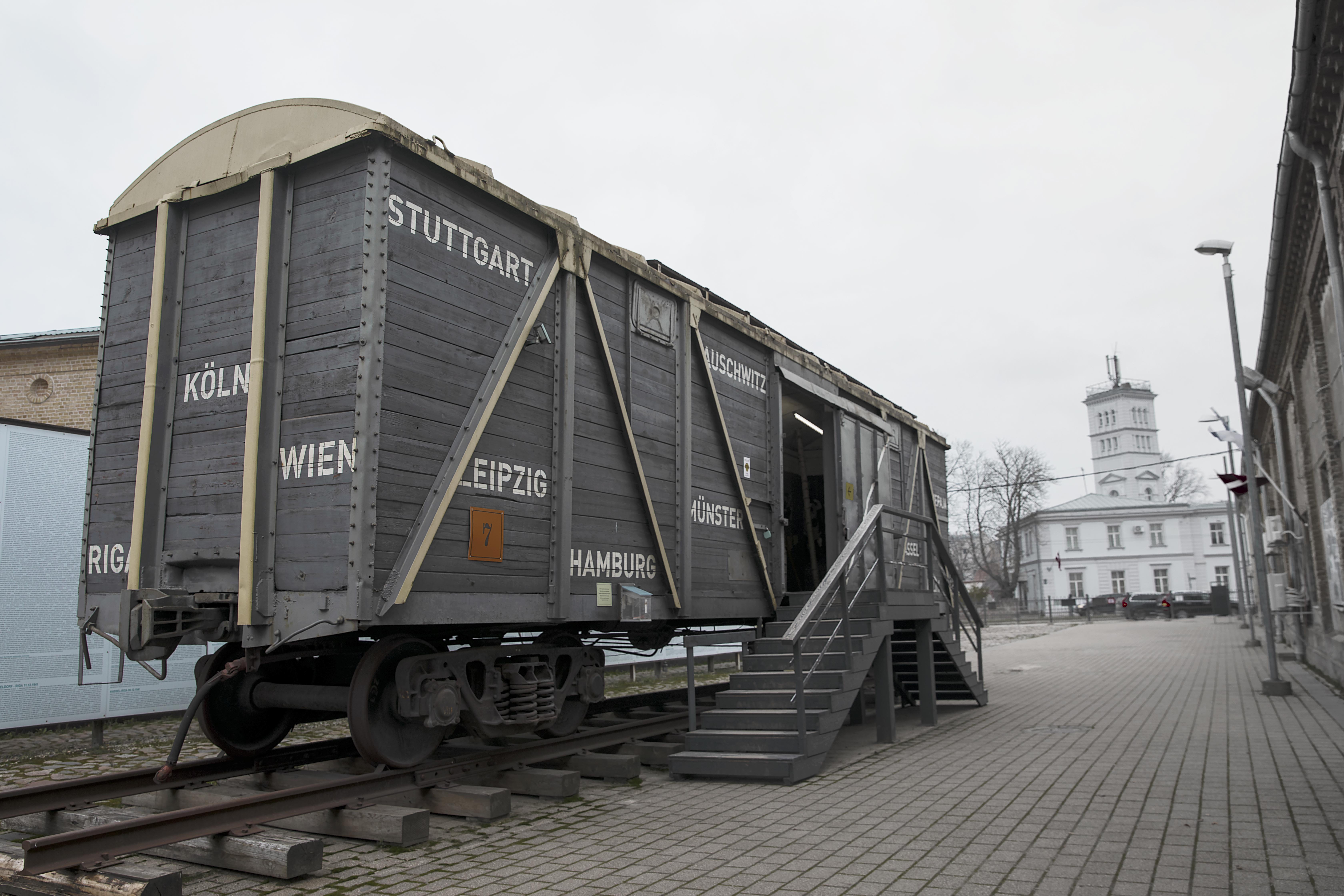
Just a short walk from “Riga Central Market”, where you must visit and try handmade Russian Pelmeni from one of the food vendors, you’ll find a museum that provides a emotional exploration of Latvia’s tragic history during World War II. The Riga Ghetto and Latvian Holocaust Museum stands as a testament to the resilience of Latvian Jews in the face of Nazi brutality, honoring those who perished, preserving the memory of their suffering, and fostering awareness of this grim chapter in human history.
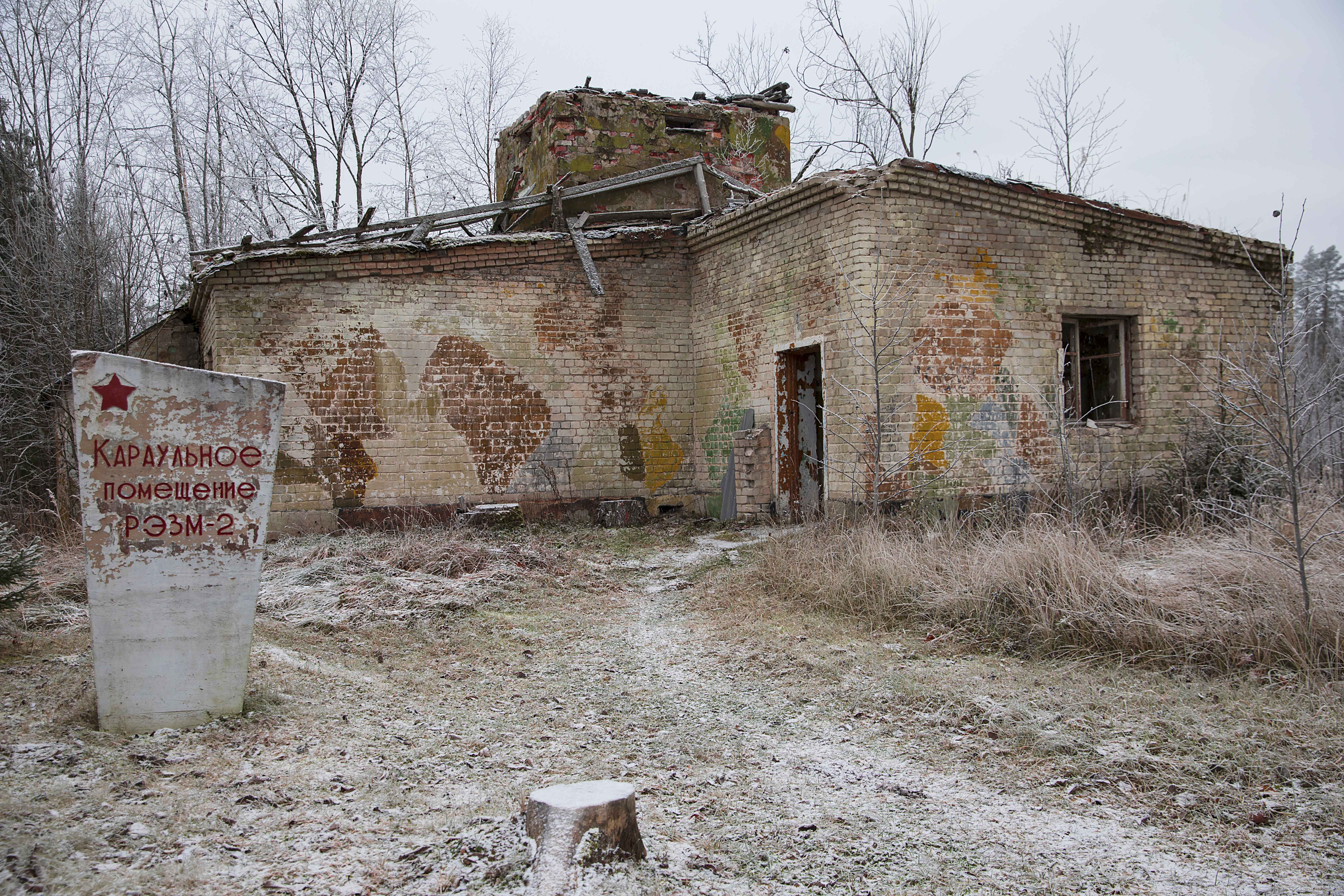
If you’re considering a drive from Riga to Estonia, whether to Tartu or Tallinn, here’s an interesting suggestion for you. If you’re up for a detour and don’t mind adding some extra miles, nestled deep within the dense forests of Zeltini is a haunting relic of Latvia’s Cold War history – the Soviet Army Nuclear Missile Base. The missile base operated under a veil of secrecy, hidden from public view and guarded like a fortress.
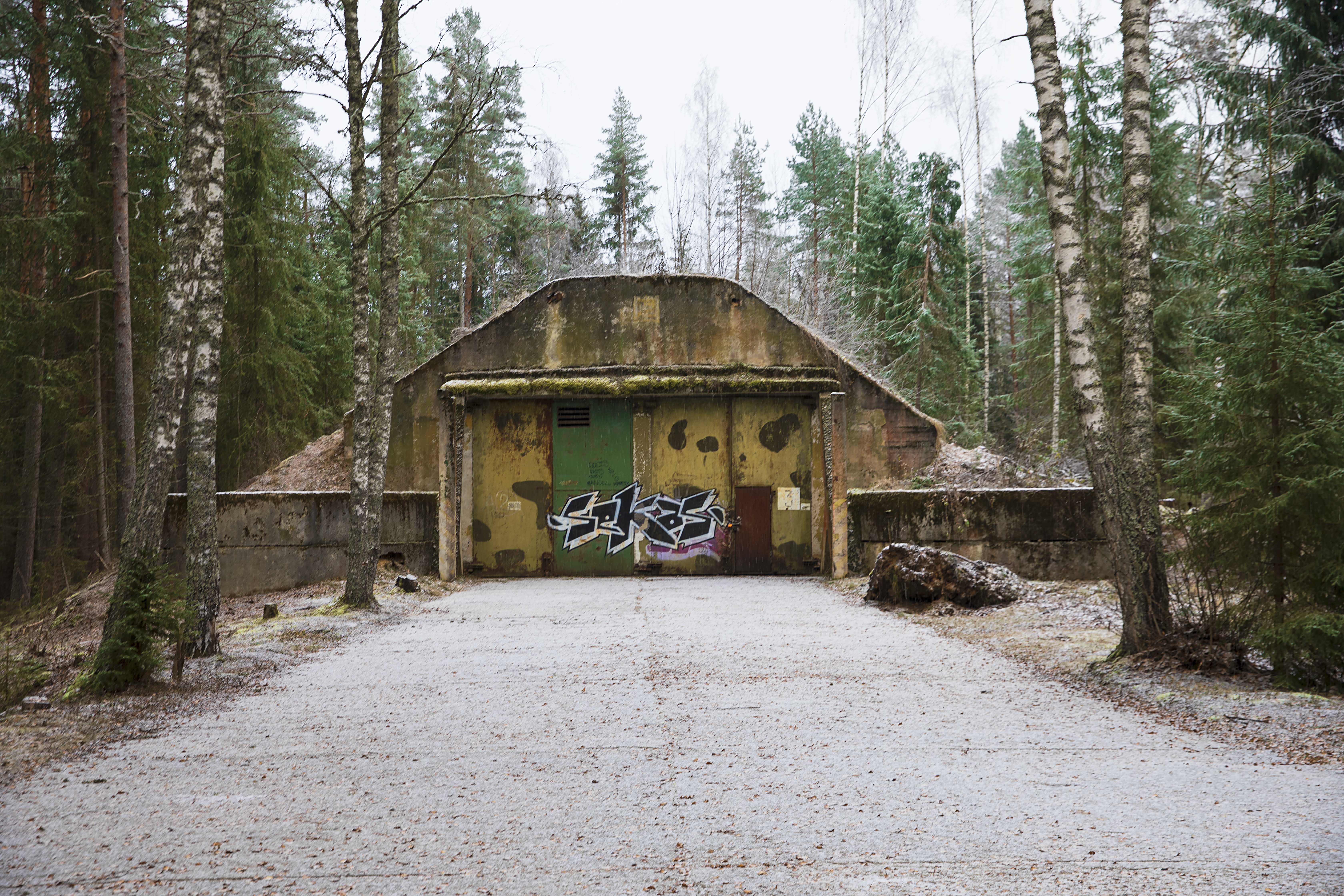
Buried under a winter’s blanket of snow, this army base once housed a chilling arsenal of nuclear weapons aimed at the heart of Europe. The tranquil scenery masks a history steeped in Cold War tensions, serving as a stark reminder of weighty moments in the past.
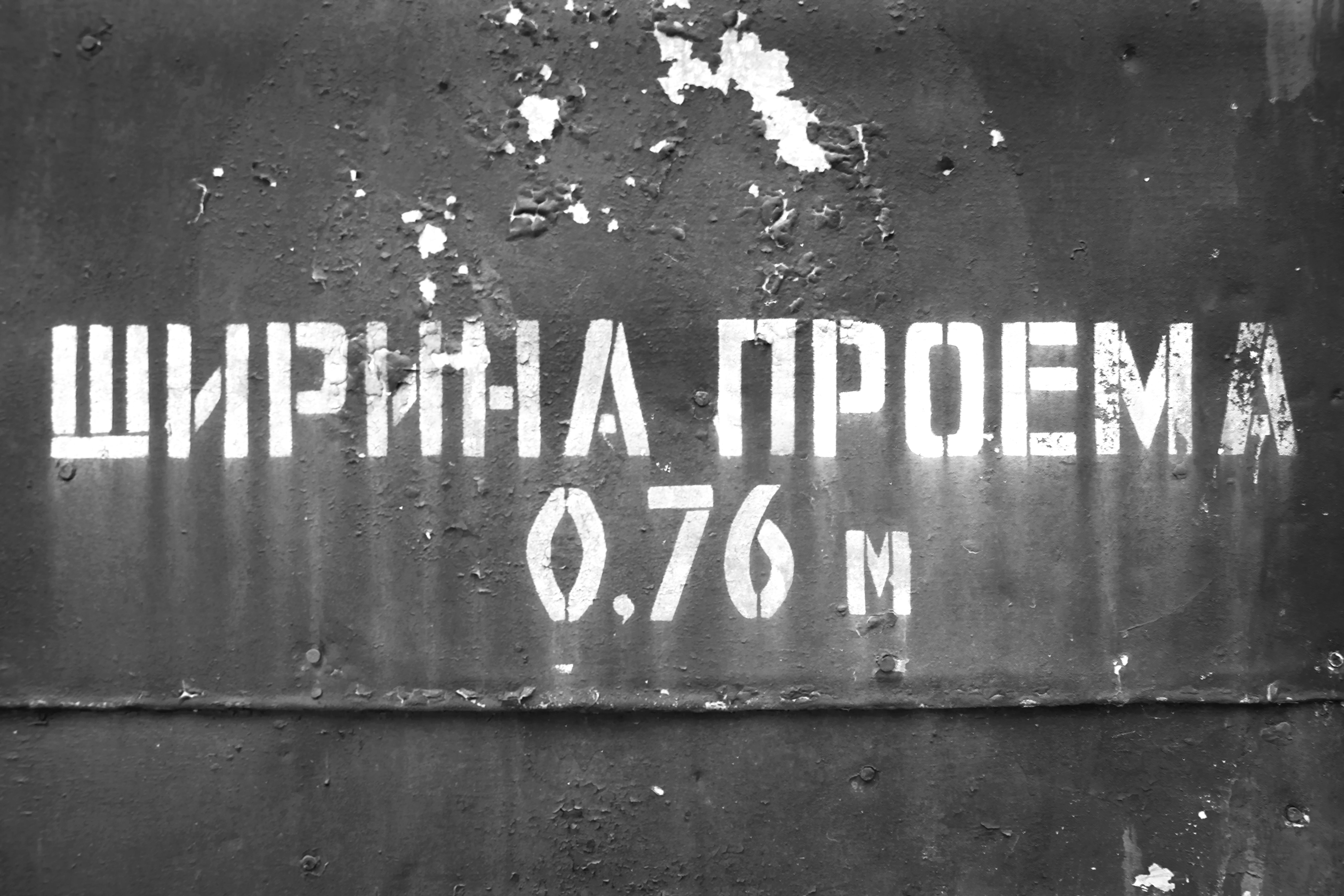
An inscription engraved on one of the hangar doors: Opening Width (ширина проема) 0.76m
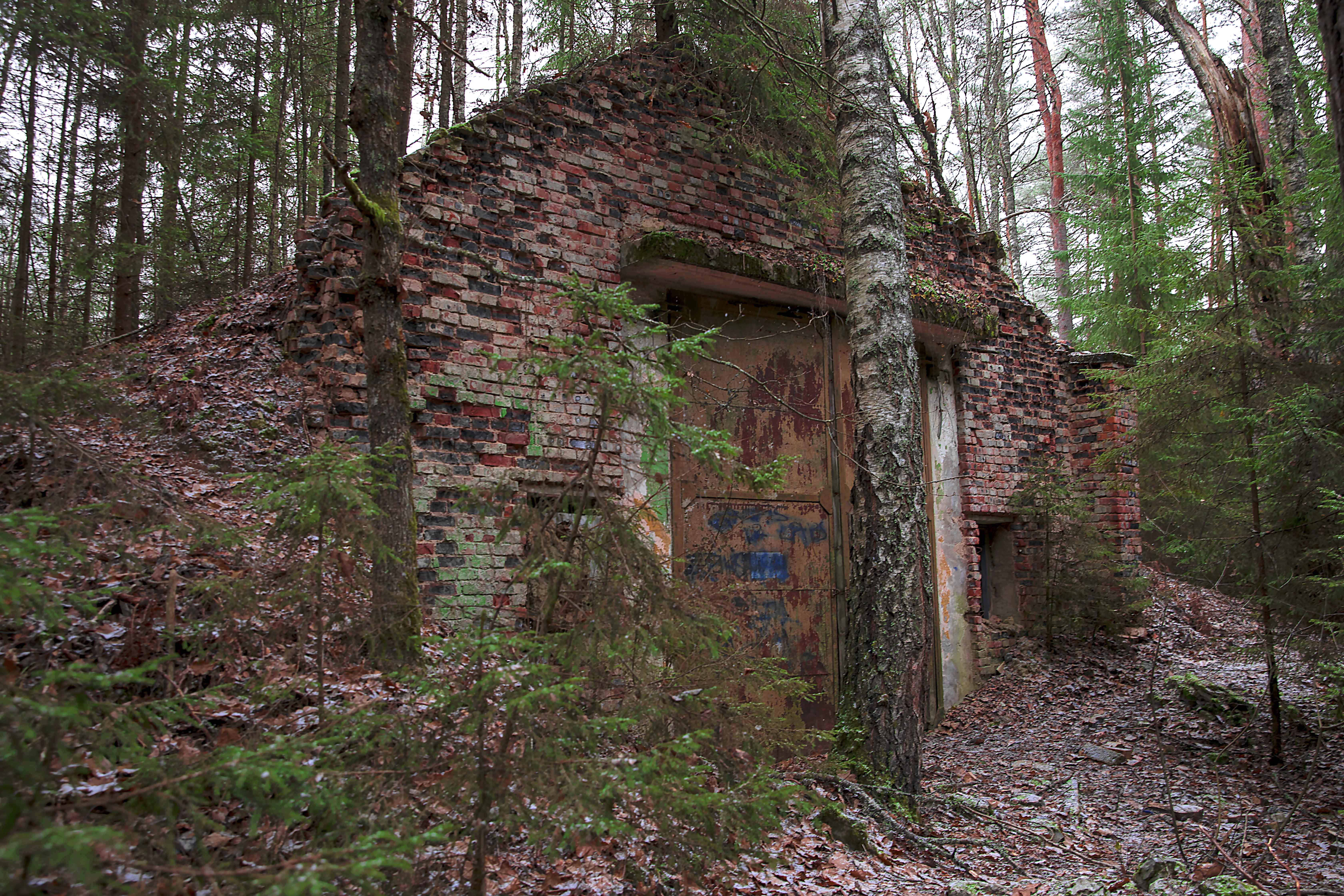
Its secluded position among tall pine trees and frosty landscapes enhanced its strategic value and guaranteed strict secrecy. The base formed part of a wider network aimed at strengthening Soviet military capabilities during the Cold War, a period marked by heightened global tensions and nuclear standoffs.
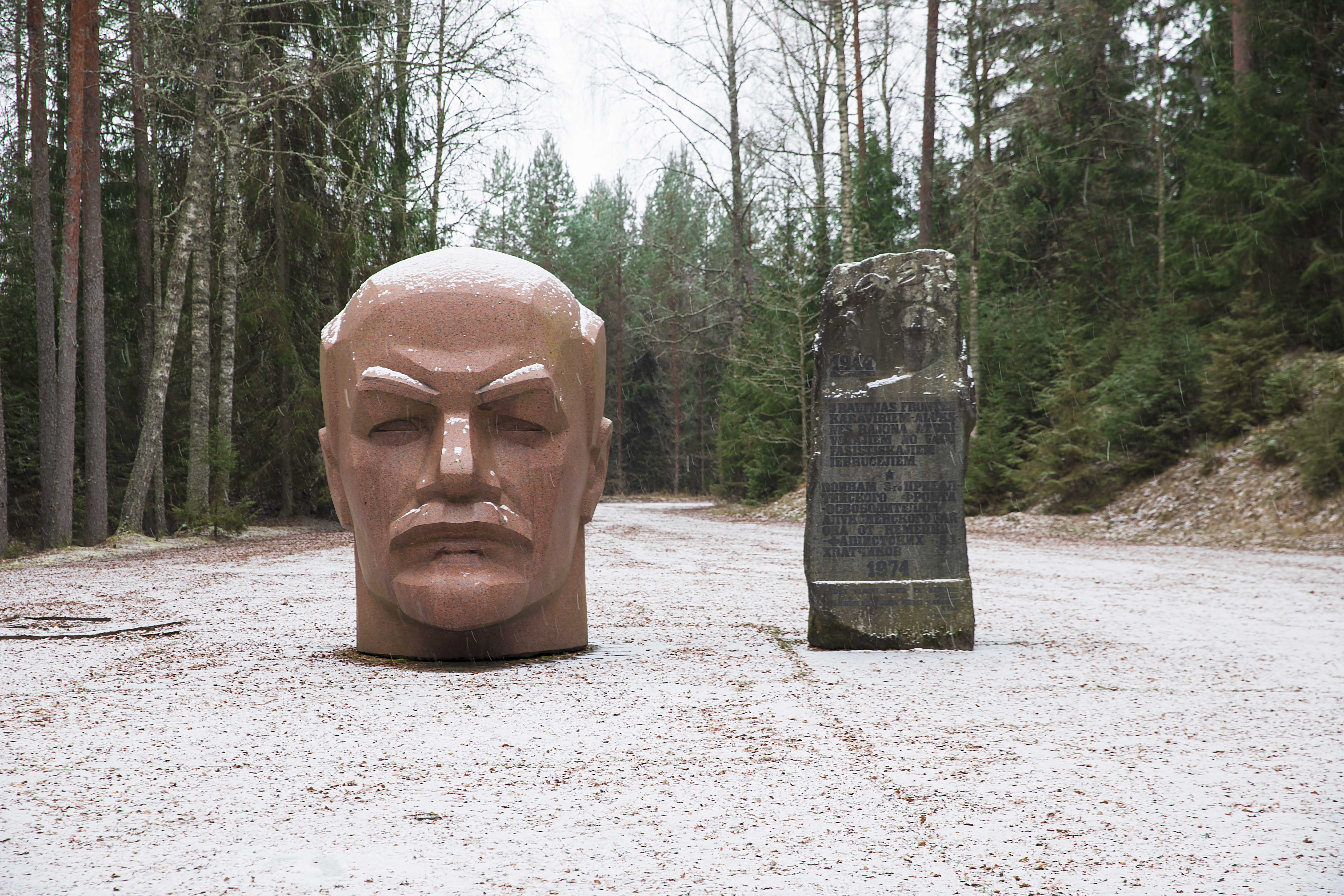
The bust of Vladimir Lenin – the renowned leader of the Bolshevik Revolution and the inaugural leader of the Soviet state…
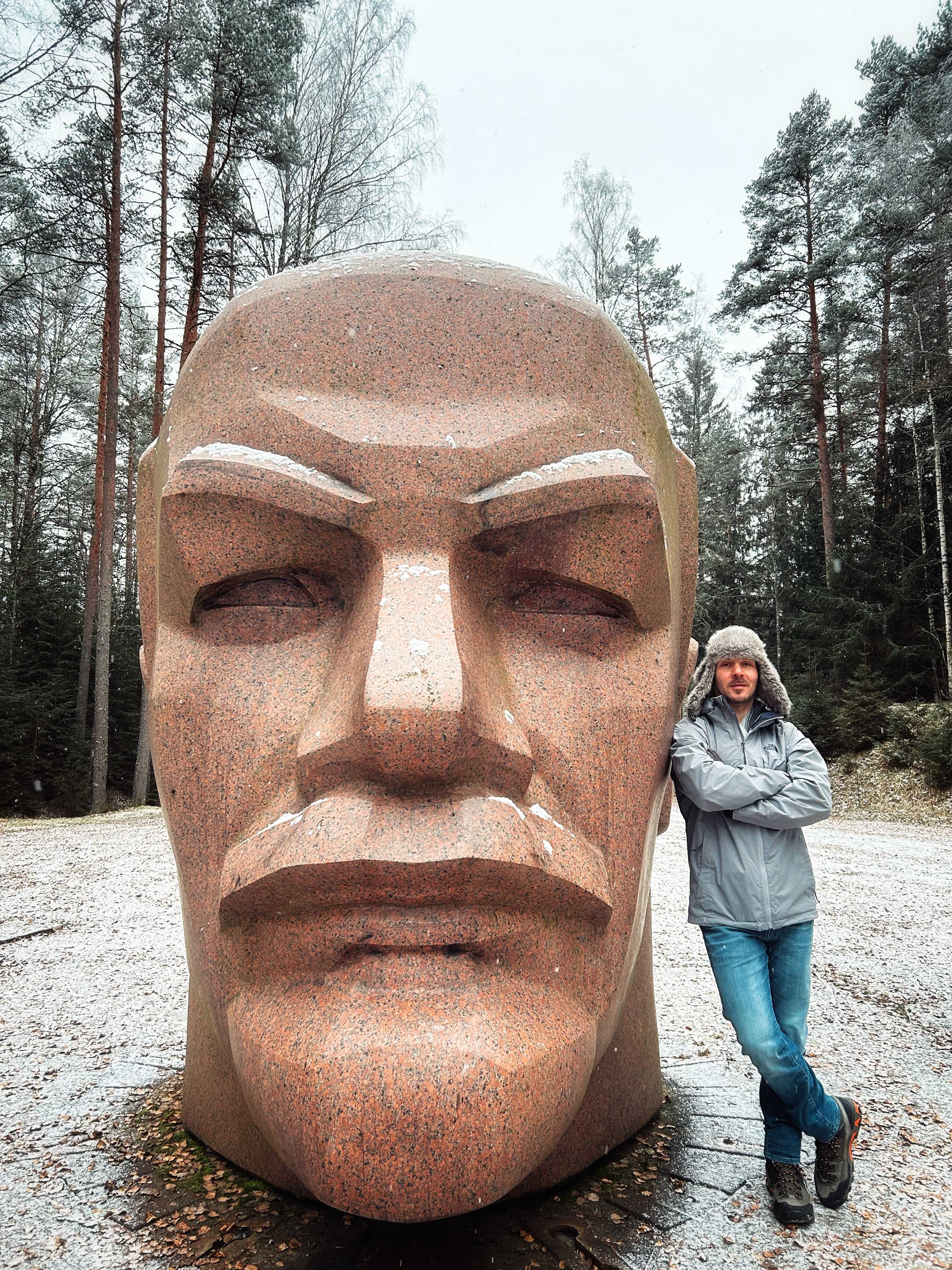
The large granite bust of Vladimir Lenin was first revealed in Aluksne, a small town about 25km east of Zeltini. After Latvia gained its independence in 1991, local residents relocated the bust to the abandoned base to protect it from possible destruction.
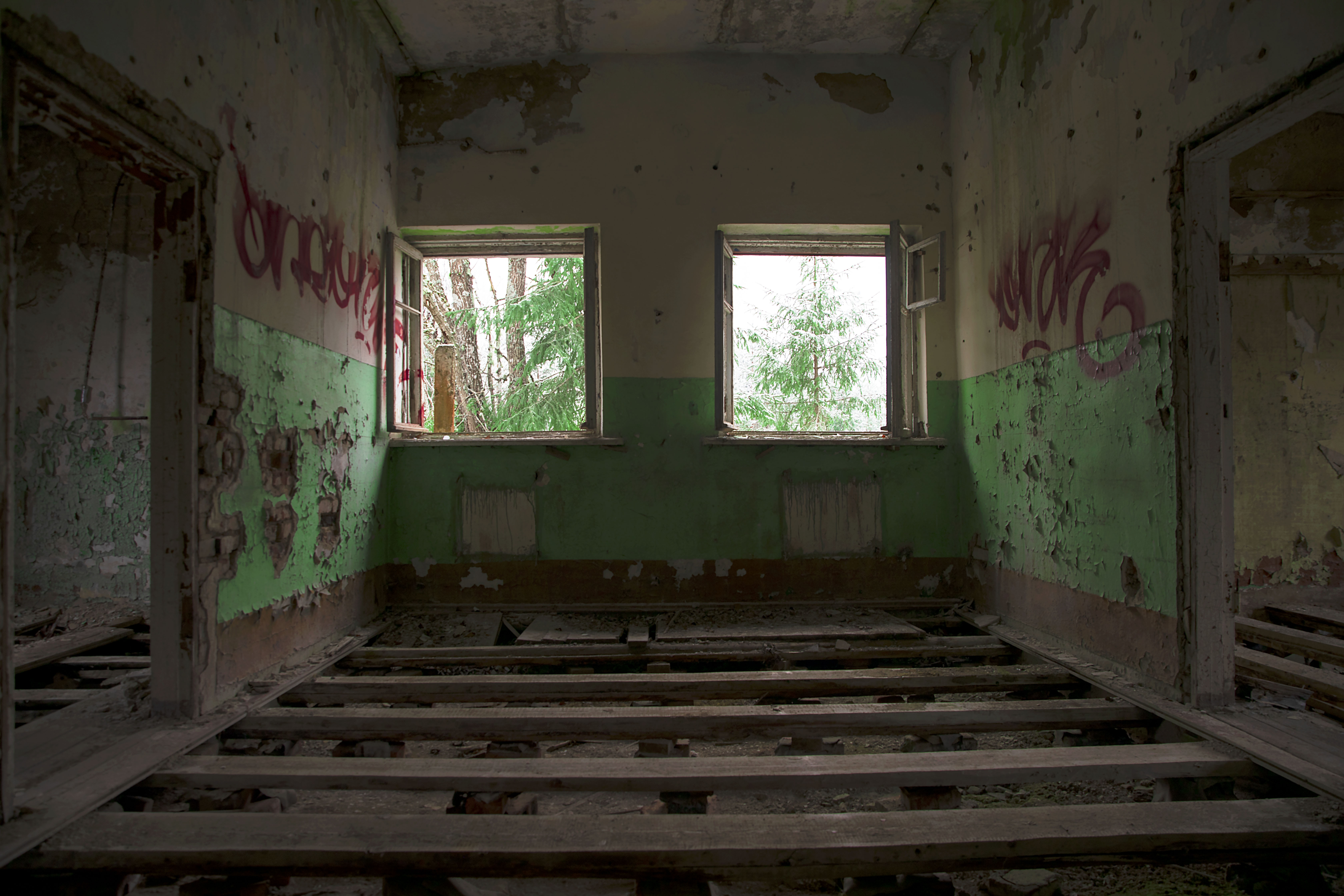
Visiting this formerly top-secret site gives a glimpse into a turbulent period of history. The stark concrete bunkers and rusty remnants of missile launch pads stand as silent witnesses to the era’s technological advancements and the constant threat of nuclear warfare.
Whether you’re drawn to historical intrigue, architectural marvels, or a taste of modern Latvian life, Riga promises something for everyone. This affordable and pedestrian-friendly city is a hidden gem waiting to be explored.
 Huseyin Karadeniz | Travel & Photography Journal