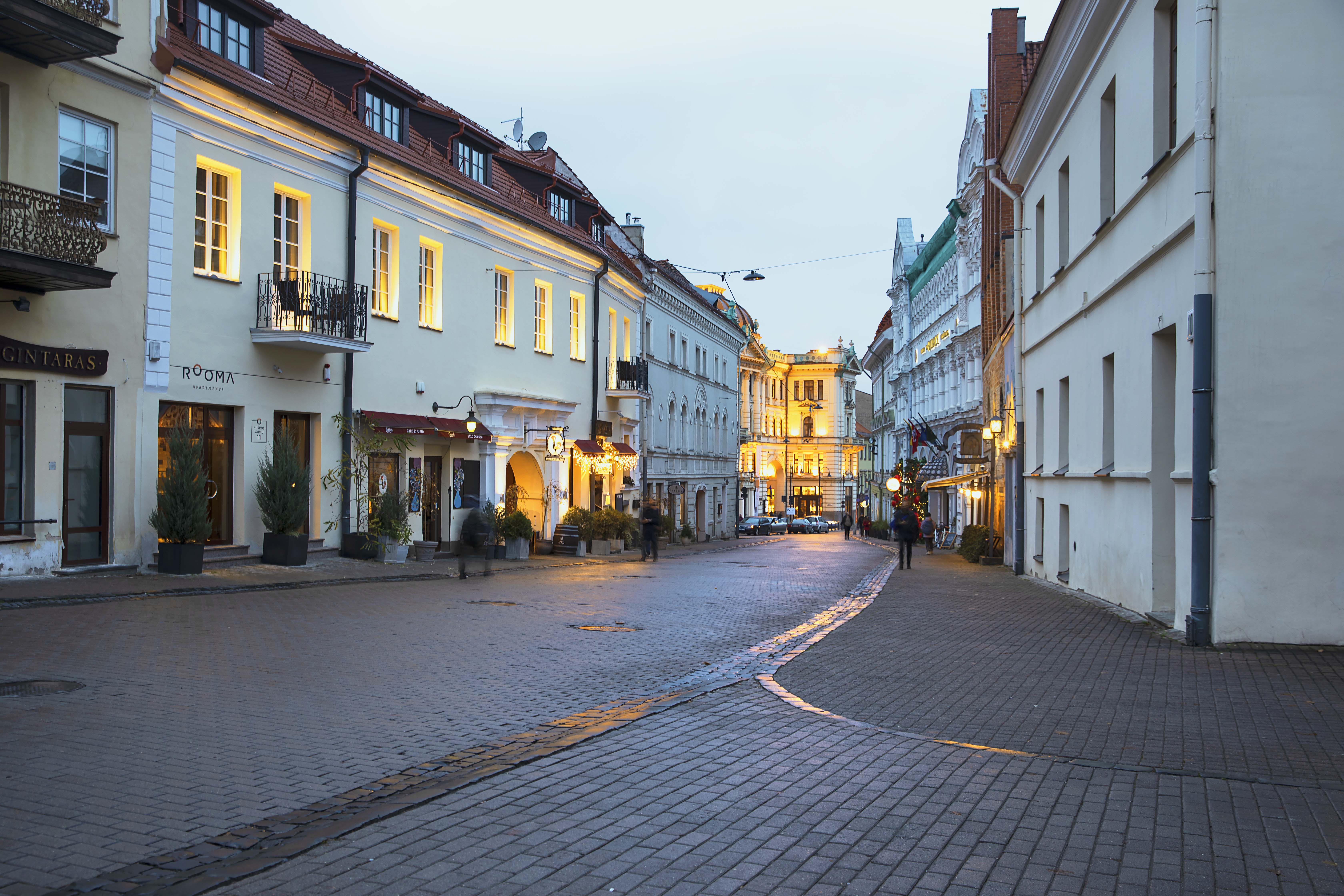
The Baltic countries often go unnoticed in typical European travel plans, particularly during the winter months. However, with their rich histories, vibrant cultures, and stunning landscapes, they certainly deserve a place on every traveler’s must-visit list. In this blog post, we’ll explore Vilnius, the capital of Lithuania and the largest Baltic state… and maybe a few other bonus cities along the way : )
Yes, you guessed it right – our journey begins in Old Town Vilnius, a UNESCO World Heritage site renowned for its expansive and well-preserved medieval old town. With its cobbled streets, baroque architecture, and numerous churches, this area is a true explorer’s delight.
In the center of Old Town Vilnius, there’s a quirky and artistic district known as Užupis, and it is often compared to Montmartre in Paris.
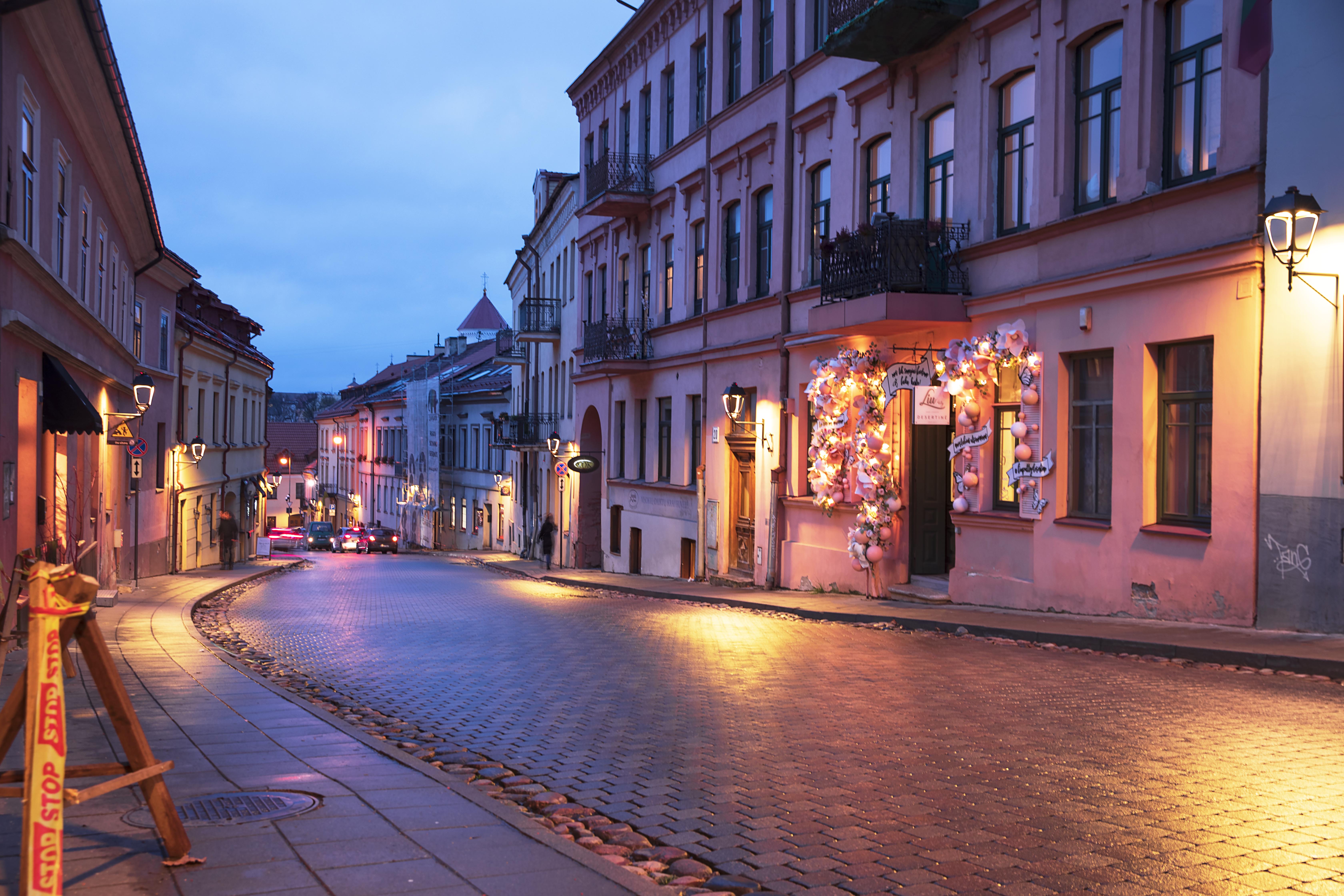
Exploring Užupis reveals a blend of diverse cafes, distinctive galleries, and captivating street art, creating an ideal environment for artists and those with a free spirit.
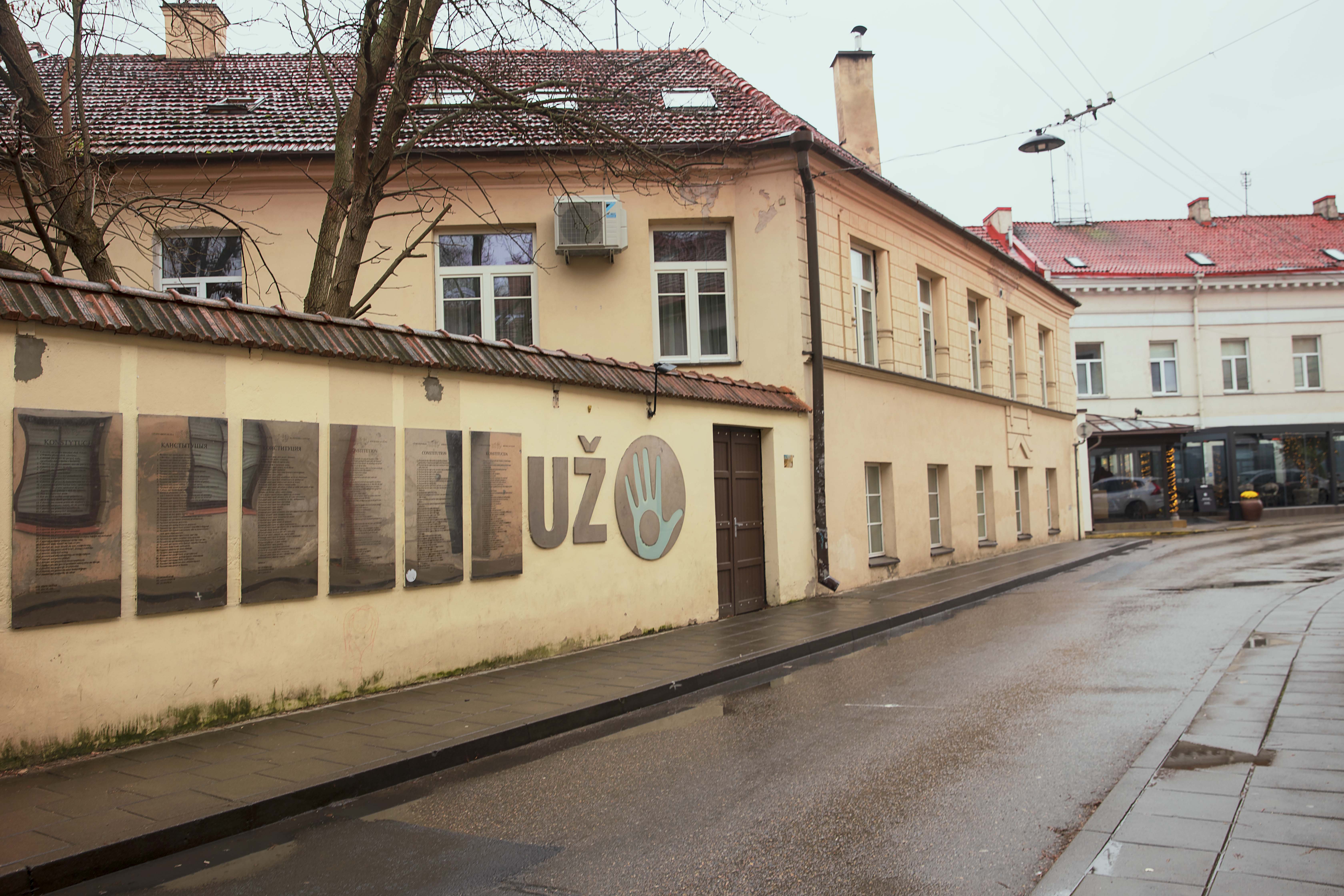
Renowned for its lively art community and unconventional atmosphere, Užupis declared itself an independent republic (although it started as an April Fools’ Day prank) in 1997. Užupis now has its own government, constitution (here), and currency. In case you are interested, Independence Day on April 1st is commemorated with lively festivities, concerts, and art exhibitions, attracting both locals and tourists.
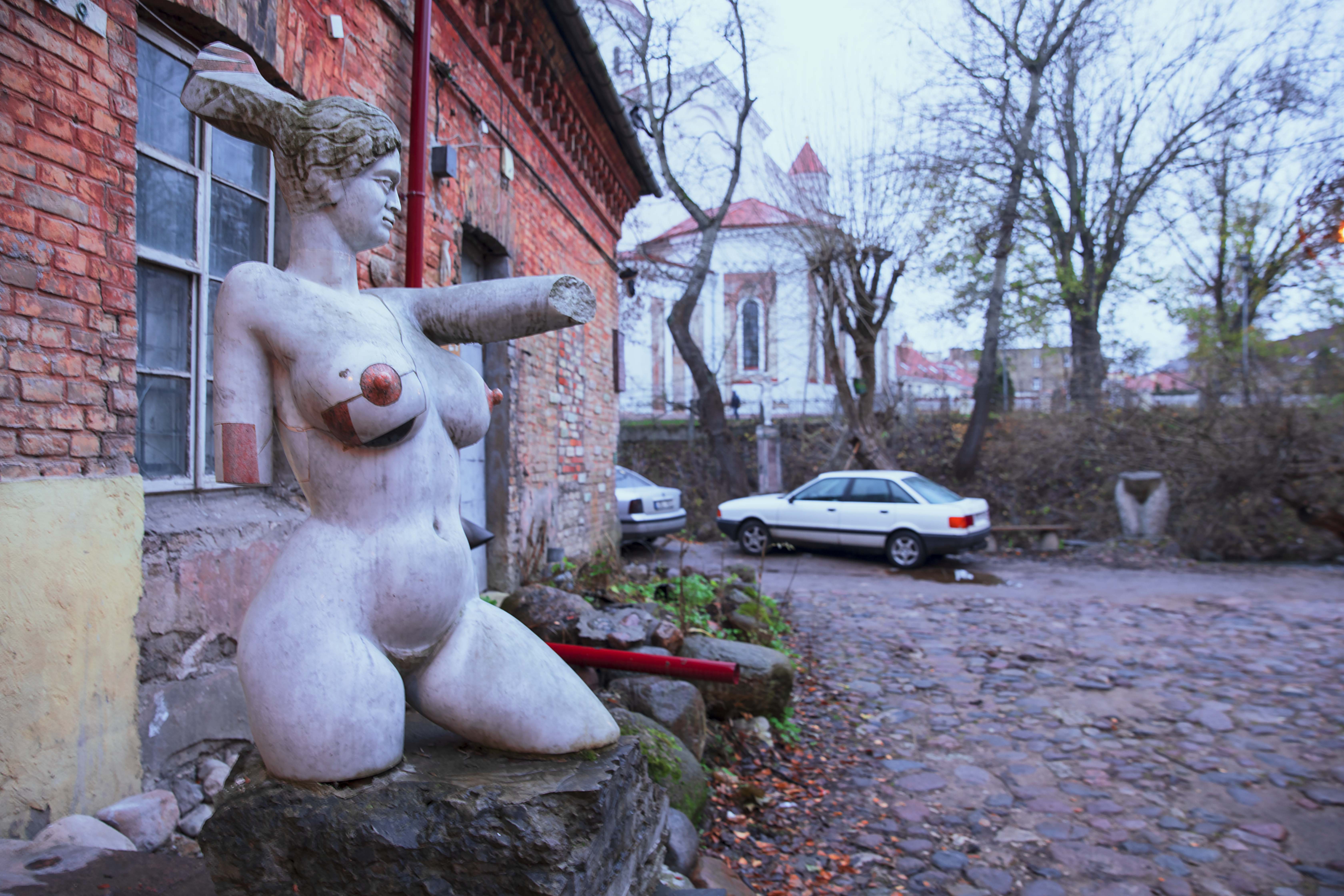
I know what you are thinking… I believe the name of the building in the middle of the picture is Orthodox Cathedral of the Theotokos – lol. The female statue, on the other hand, is a vivid representation of Užupis’ artistic character. Expect to see some quirky murals and installations as you explore this beautiful neighborhood.
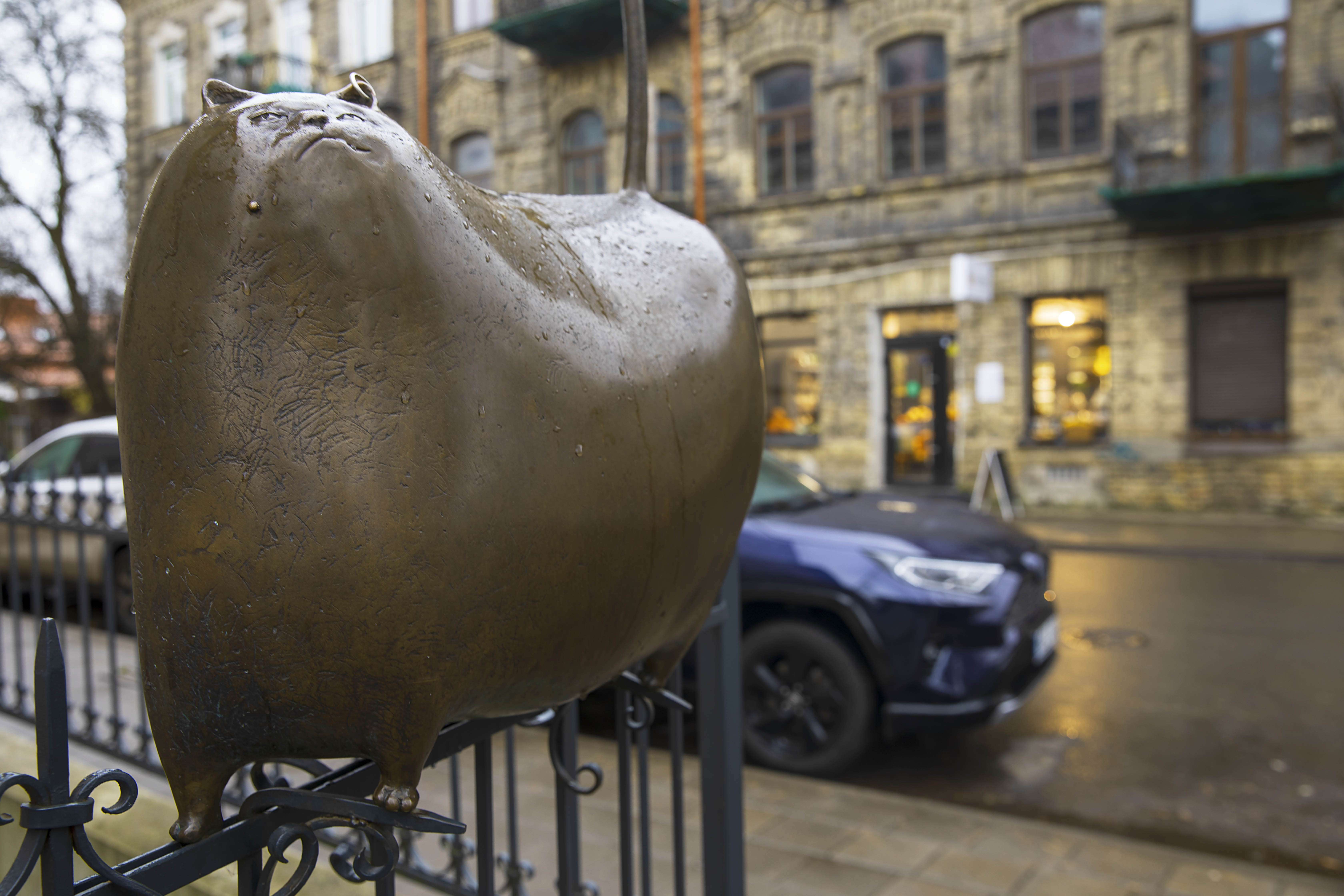
Another living proof of Užupis’ artistic spirit, Užupis Cat. Legend in Užupis has it that this cat helps people overcome their fears, and that doesn’t seem far-fetched to me based on its charm and puffy cheeks.
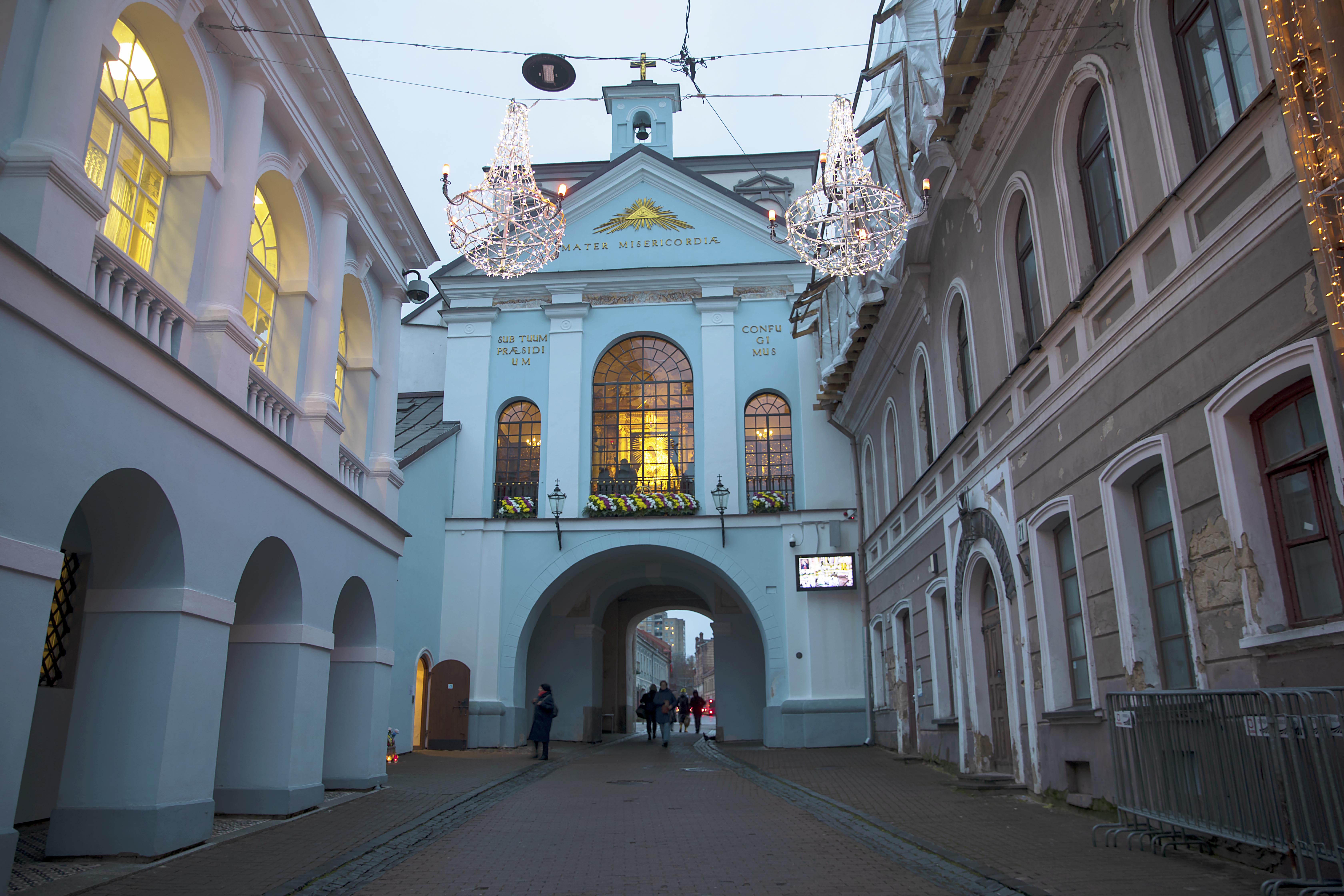
As you wander through the Old Town, you’ll encounter the Gates of Dawn, one of the few remaining city gates. This historic site is home to a revered icon of the Virgin Mary, known for its reputed miraculous powers.
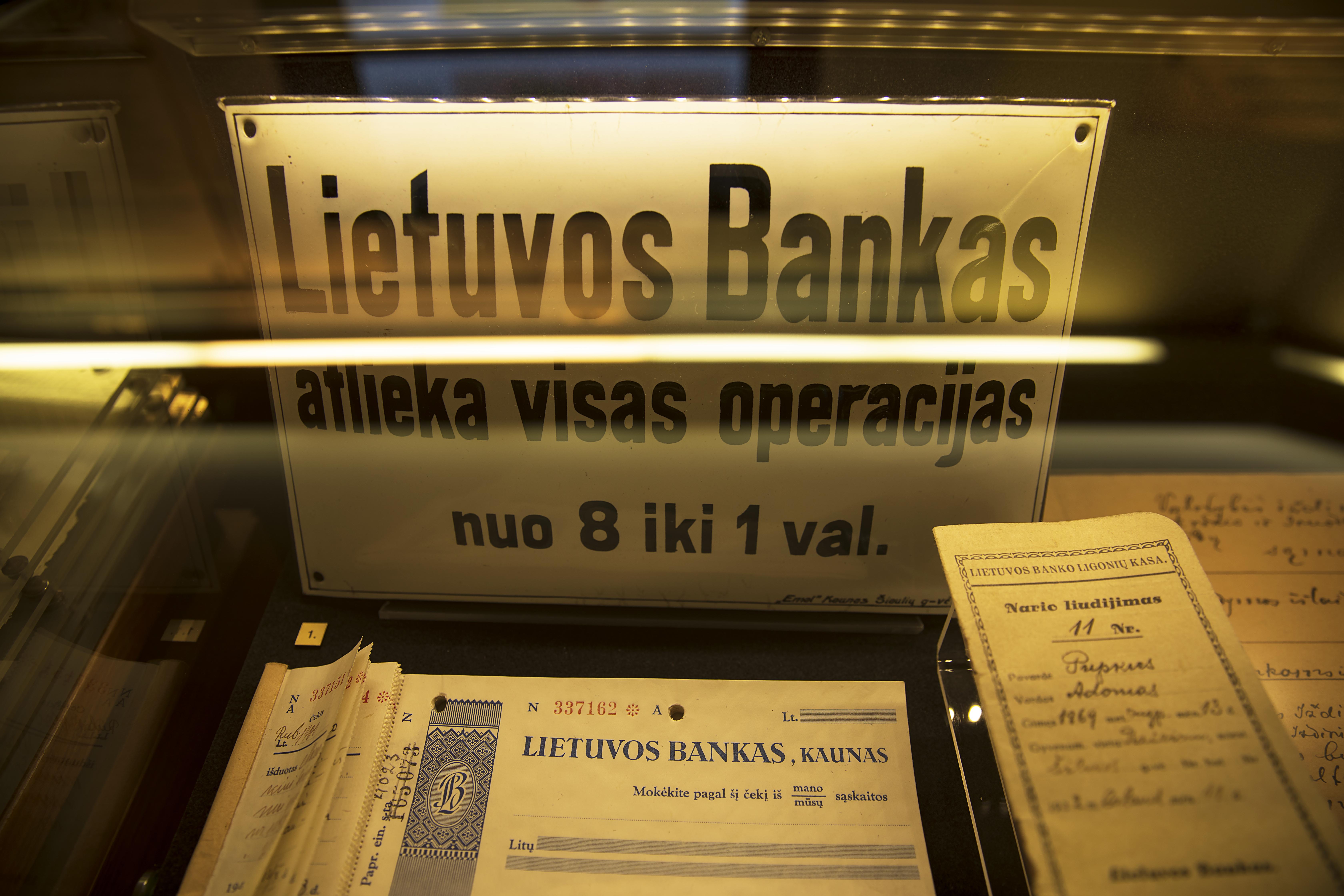
The Money Museum of the Bank of Lithuania (free entry) takes visitors on an intriguing exploration of the history and development of currency. Situated on the city centre’s main artery, Gediminas Avenue, this distinctive museum features an extensive array of coins, banknotes, and other items connected to monetary systems and financial history. You could also see the world’s largest coin pyramid in the museum made up of over 1,000,000 coins.
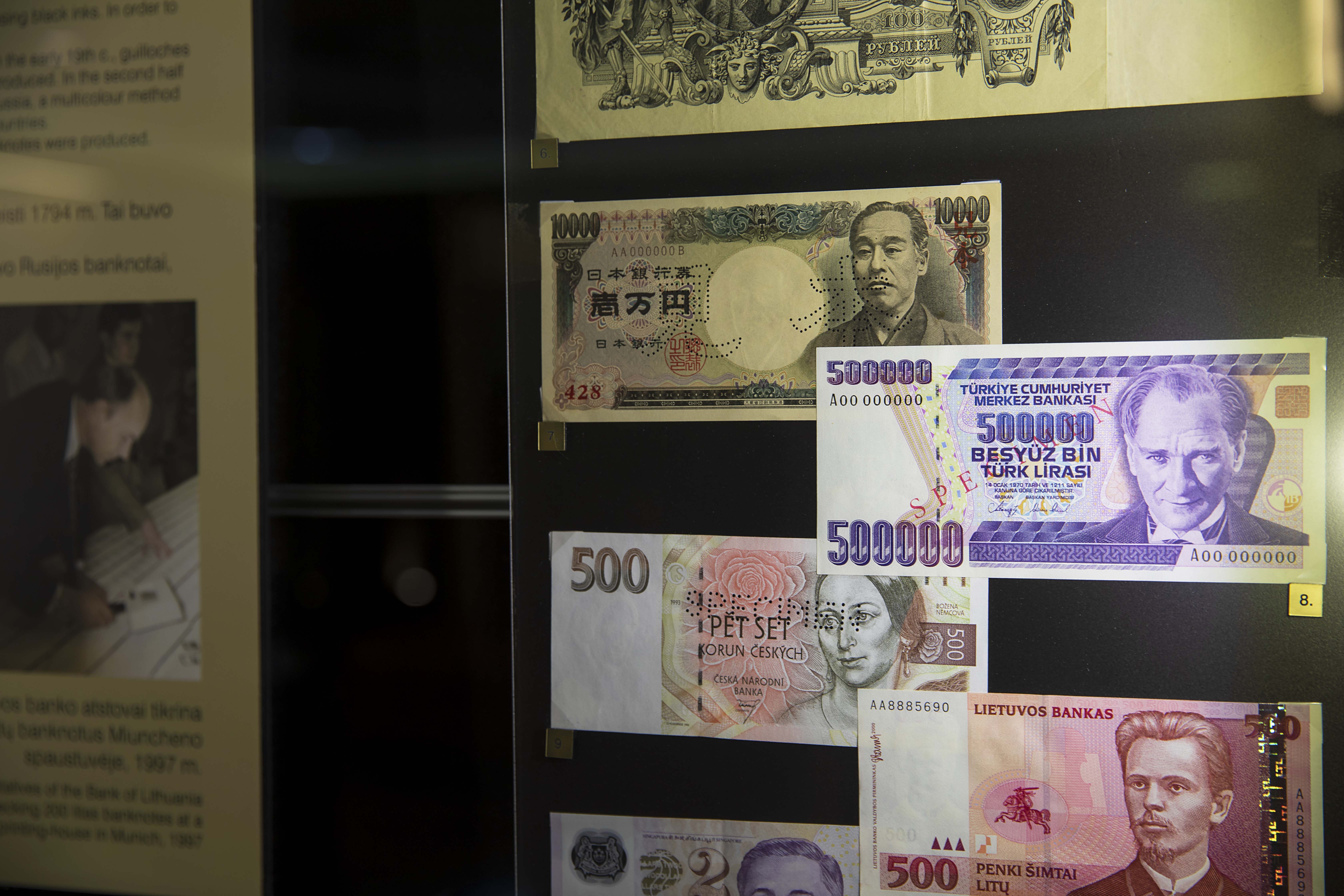
Do you recognize any of the bills in the picture? ; )
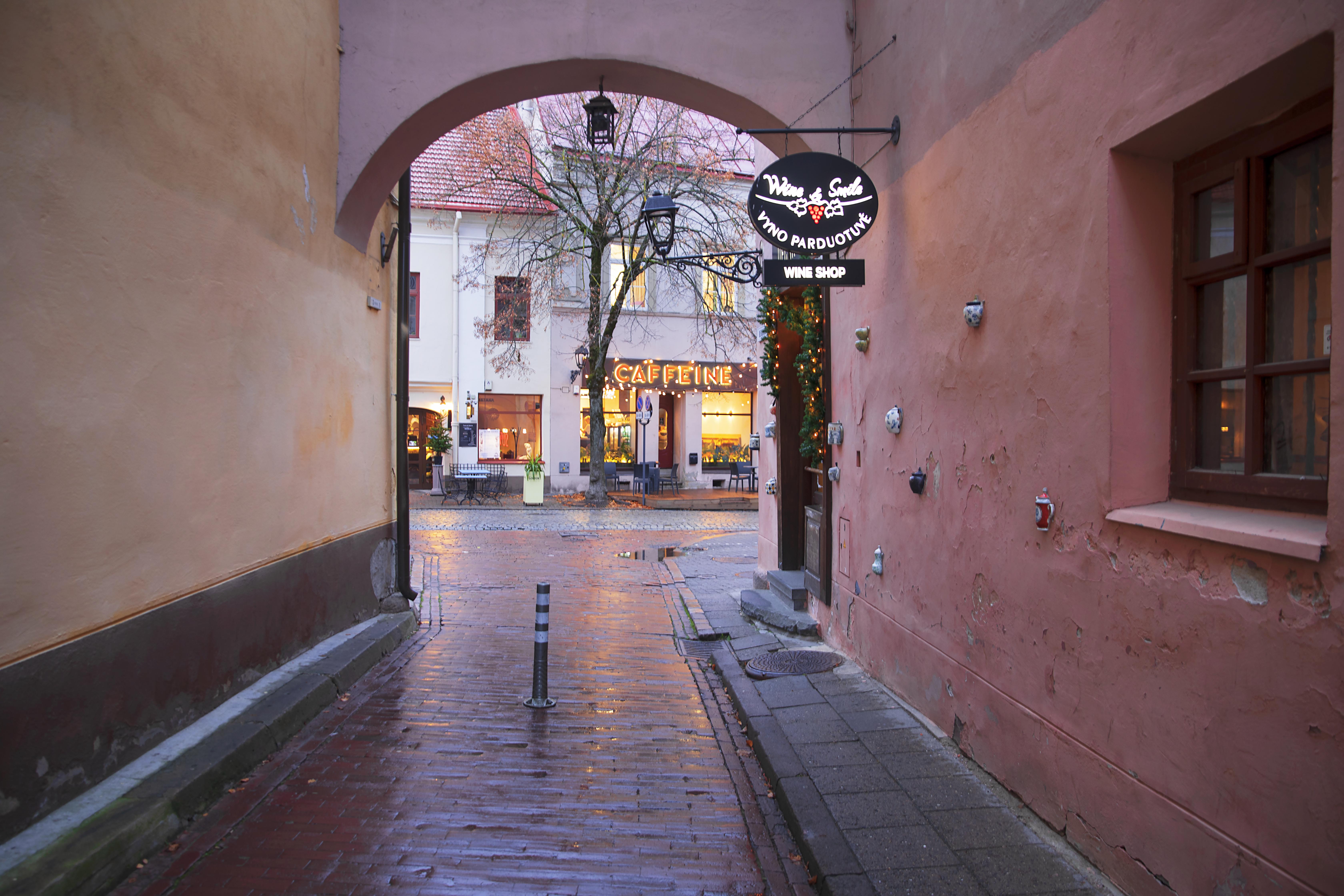
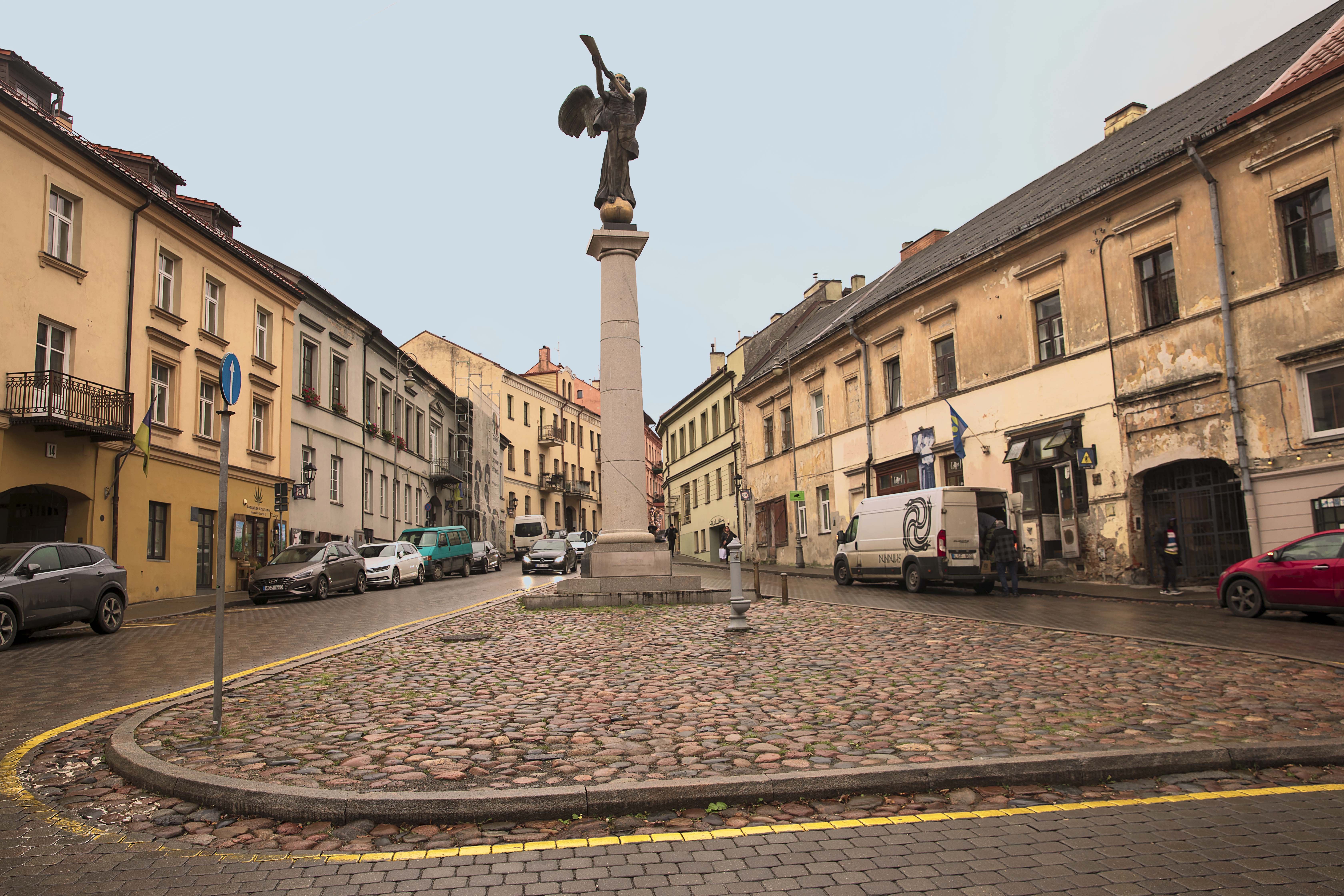
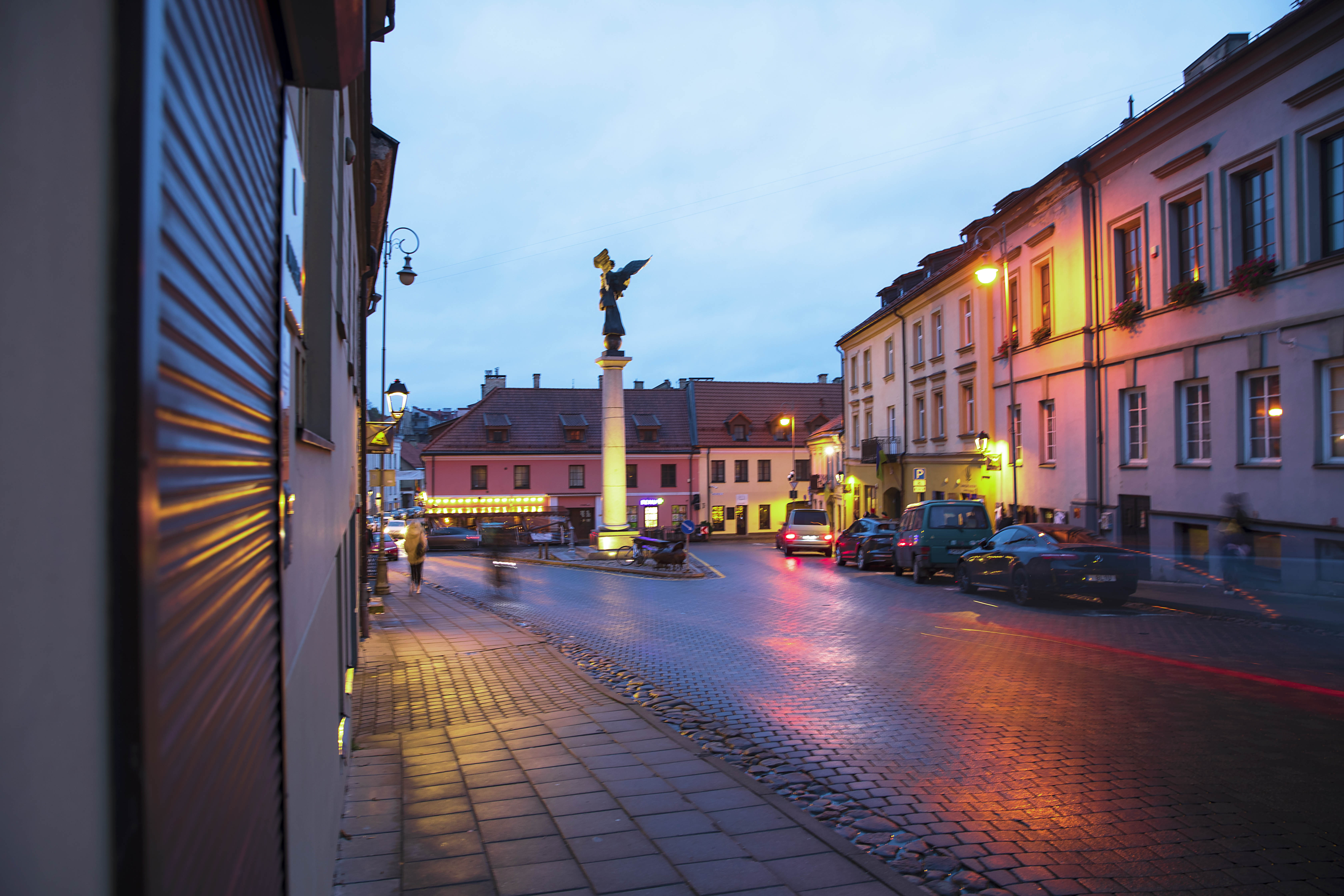
In Vilnius, coffee is not just a beverage but a social ritual. You can enjoy exploring many coffee shops spread across the city, each presenting its distinct atmosphere. My favorite ones are Coffee1 in Užupis (next to the Angel of Užupis statue) and Caffeine on famous Pilies Street. Be sure to visit some of the coffee shops, and enjoy the cozy ambiance, especially during a cold winter evening.
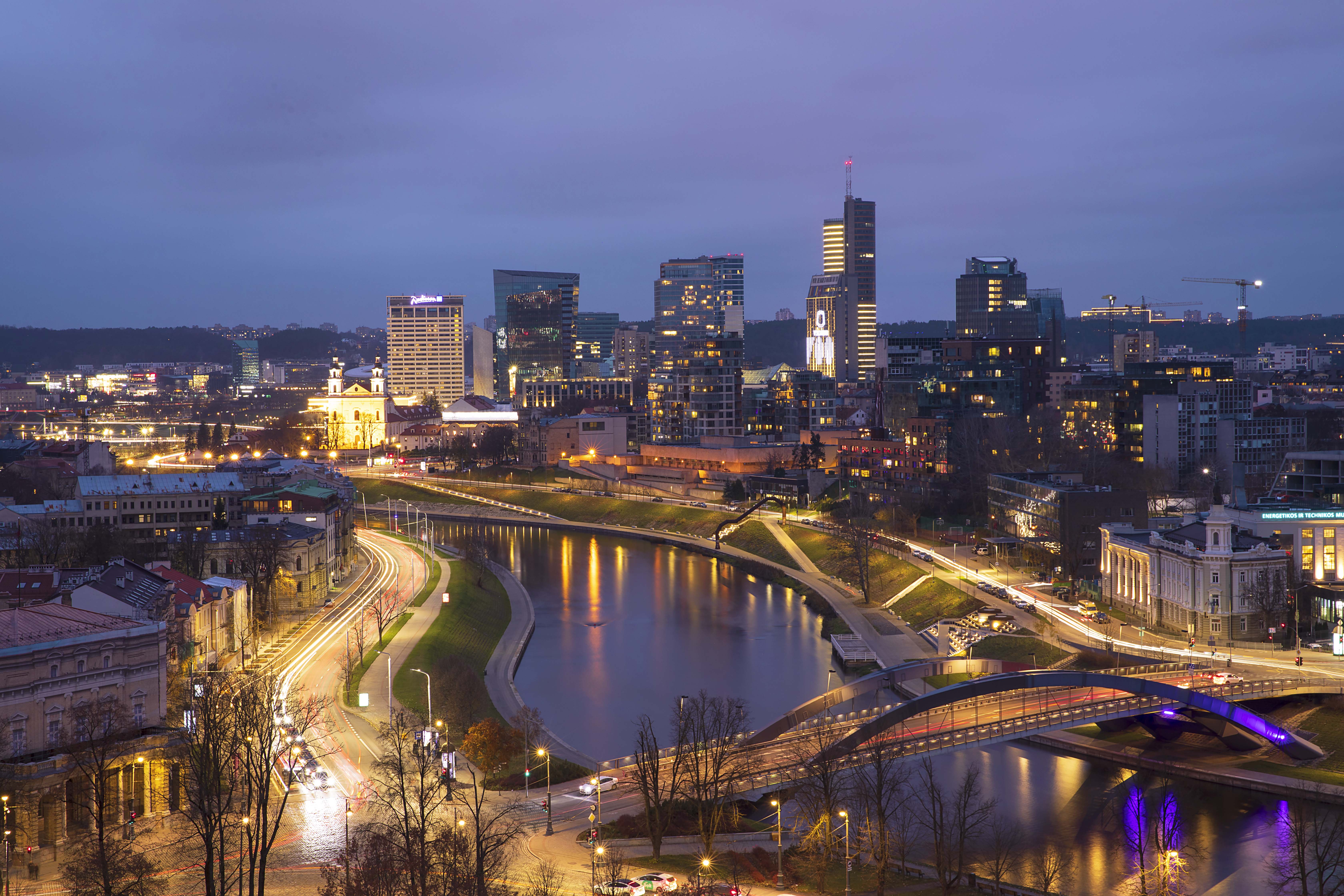
Gediminas Castle, dating back to the 14th century, is a historic jewel situated atop Castle Hill in Vilnius. A small hike up the hill provides breathtaking panoramic vistas of the city, where the charm of its Old Town meets the contemporary skyline.

A chilly yet joyful winter evening in Vilnius…
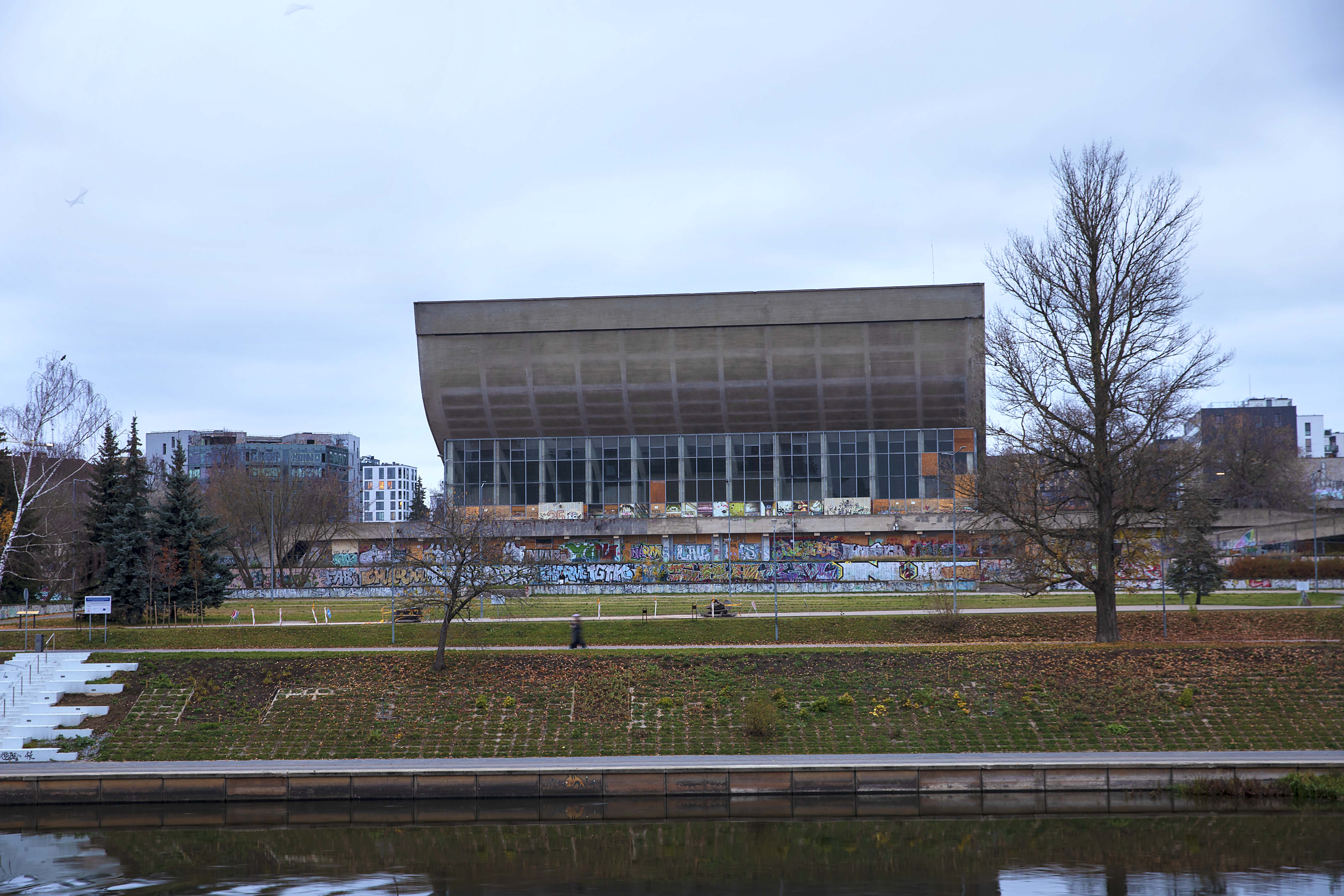
Clearly, we cannot overlook the Soviet period when reviewing Lithuania’s historical timeline. Although, Lithuania declared its independence from the Soviet Union, becoming the first Soviet republic to do so on March 1990, the Soviet past has left an indelible mark on its society and culture. Opened in 1971, Vilnius Palace of Concerts and Sports, the structure is a classic representation of Communist Modernism.
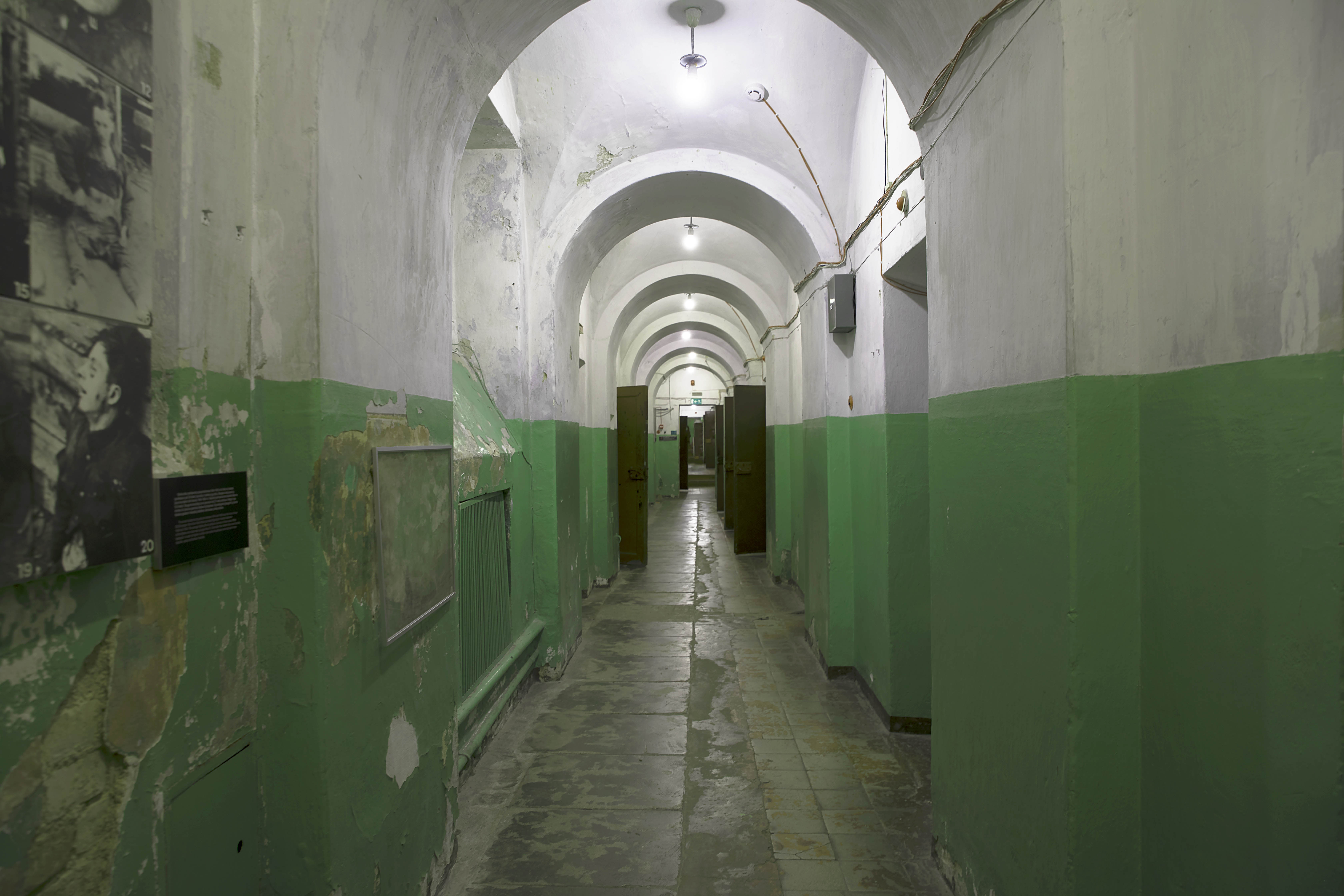
In the present day, Lithuania reflects on its Soviet era with a combination of solemn reverence and resilient pride. Museums like Vilnius’ Museum of Occupations and Freedom Fights keep alive the memories of the struggles faced and the courage of those who fought for independence.
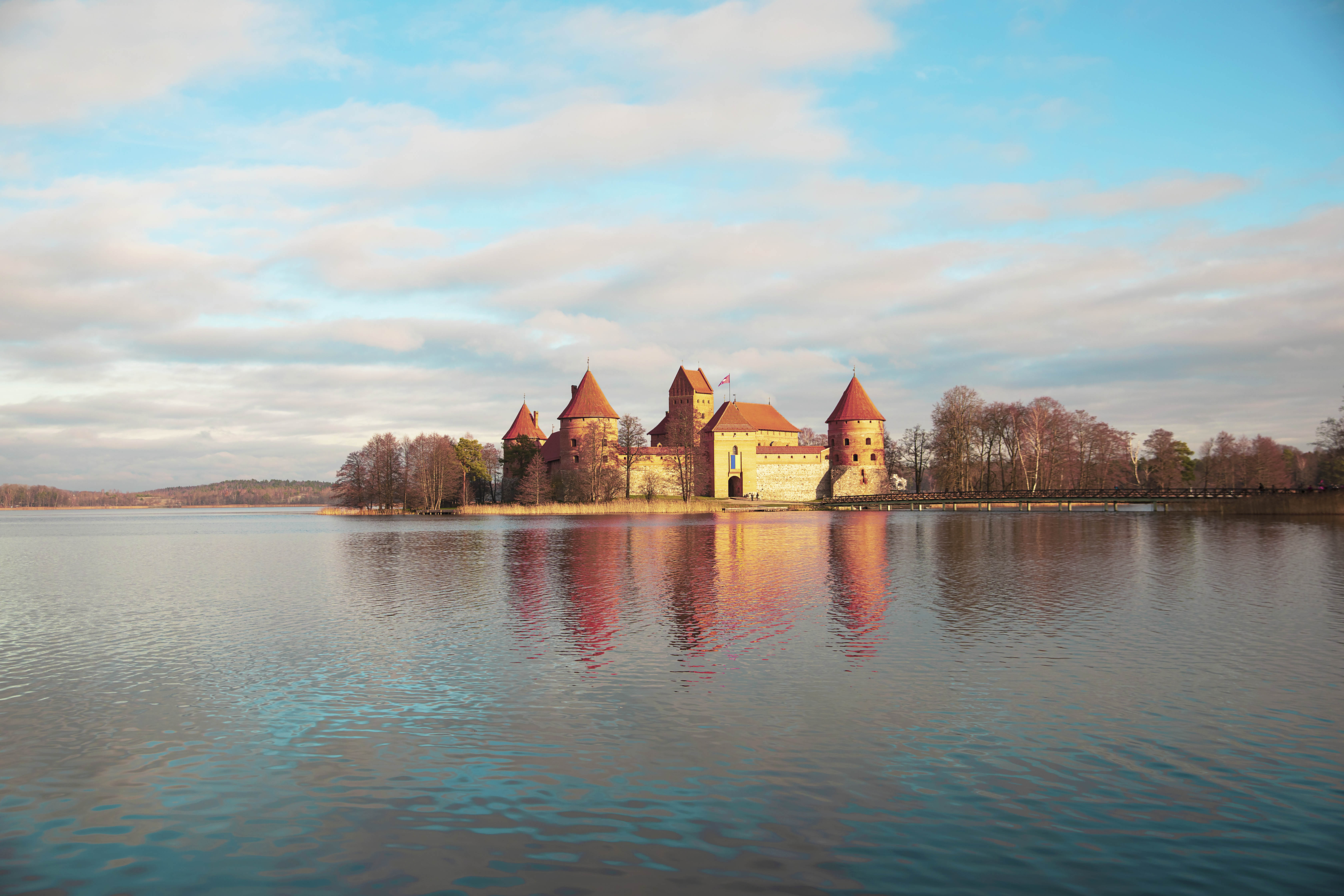
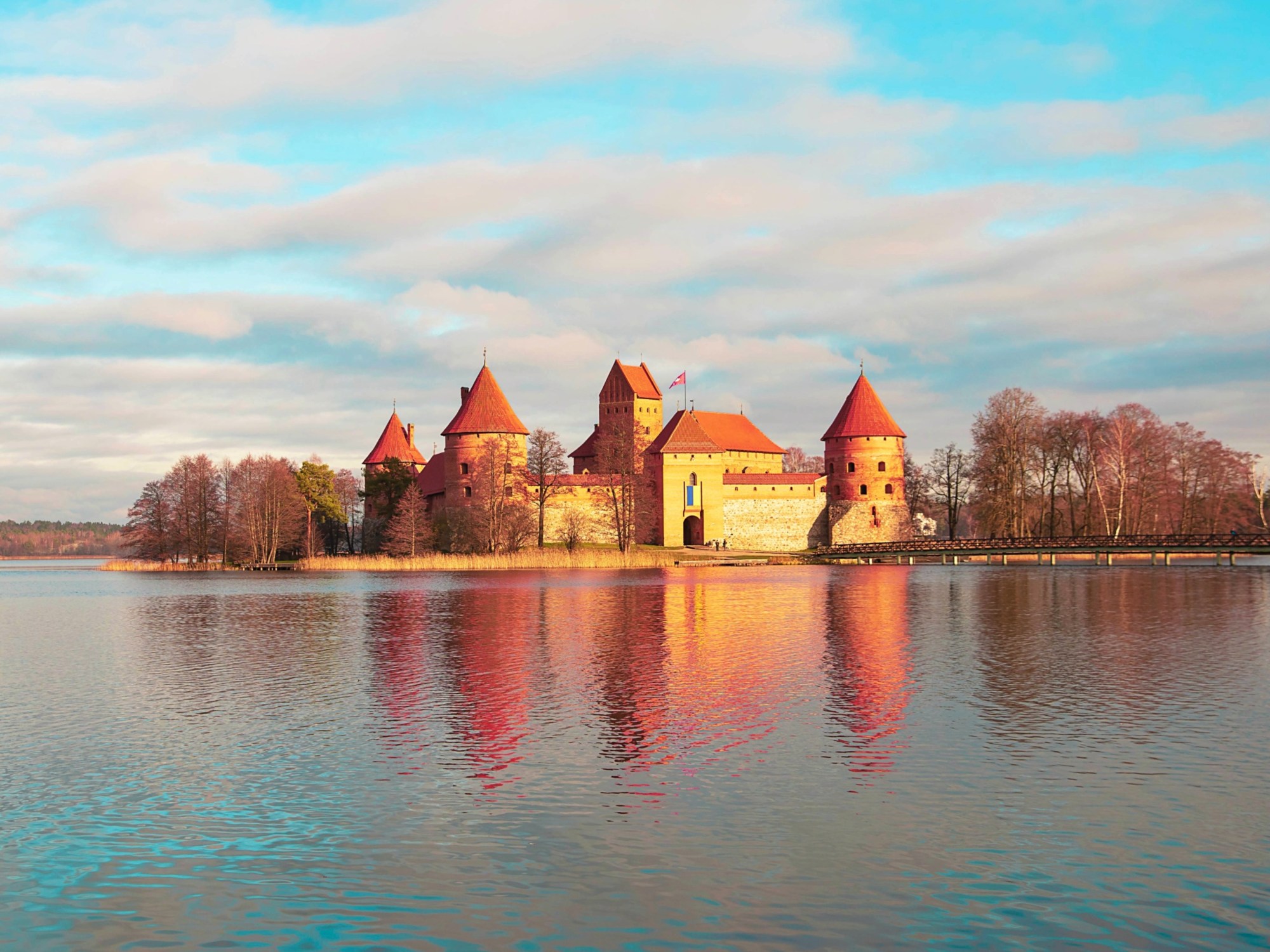
Aah, now we are at bonus cities section… Located just 28 kilometers west of Vilnius, Lithuania, Trakai Island Castle, is a captivating destination steeped in medieval history. Trakai Island Castle was once home to Lithuanian dukes and played a crucial role in defending against the Teutonic Knights in the 14th century. Its strategic position and impressive architecture make it a must-see for those interested in Lithuania’s medieval history set amidst peaceful waters and verdant landscapes.
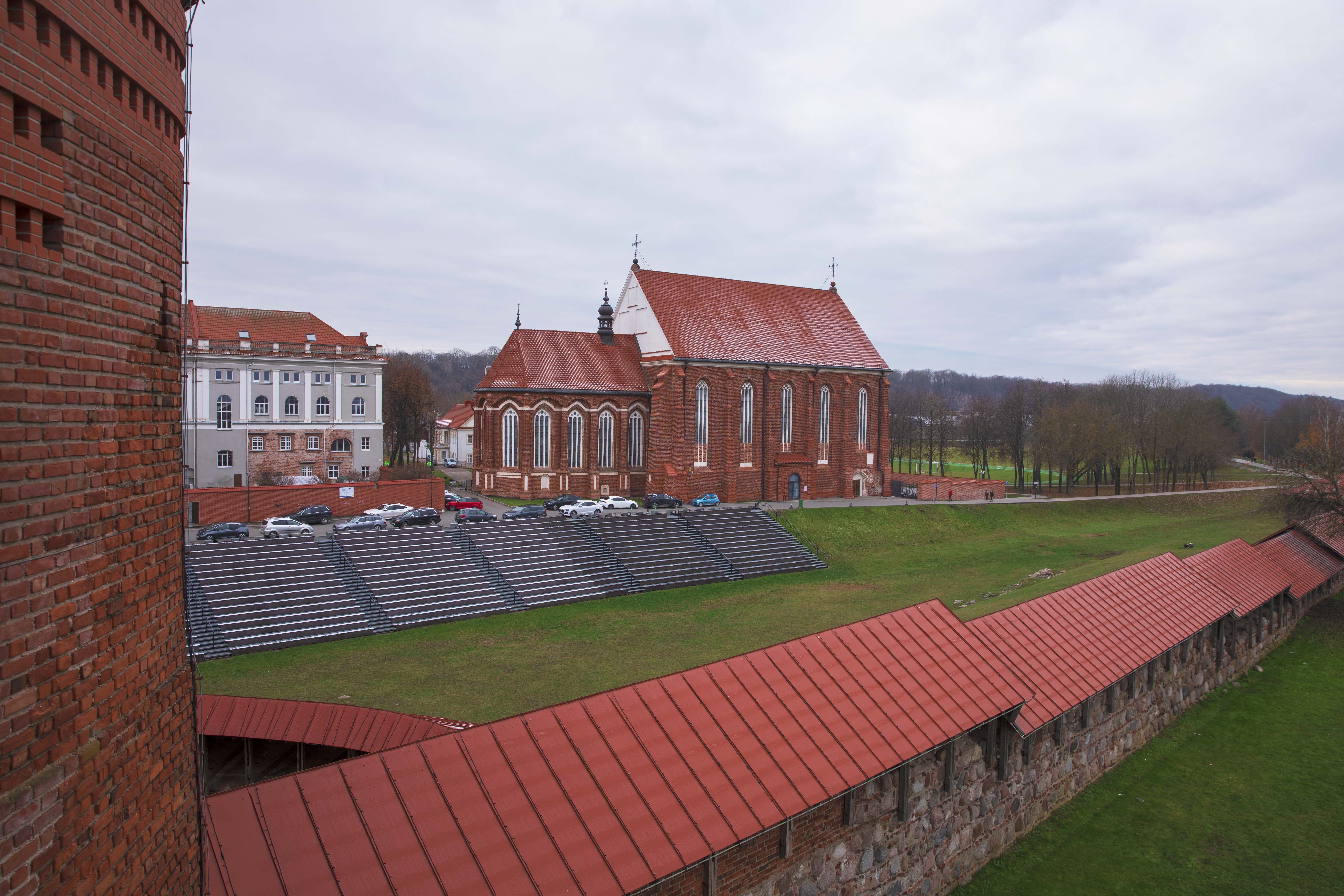
Kaunas, Lithuania’s second-largest city, seamlessly merges its medieval heritage with a contemporary urban environment, providing visitors with an intriguing voyage through history.
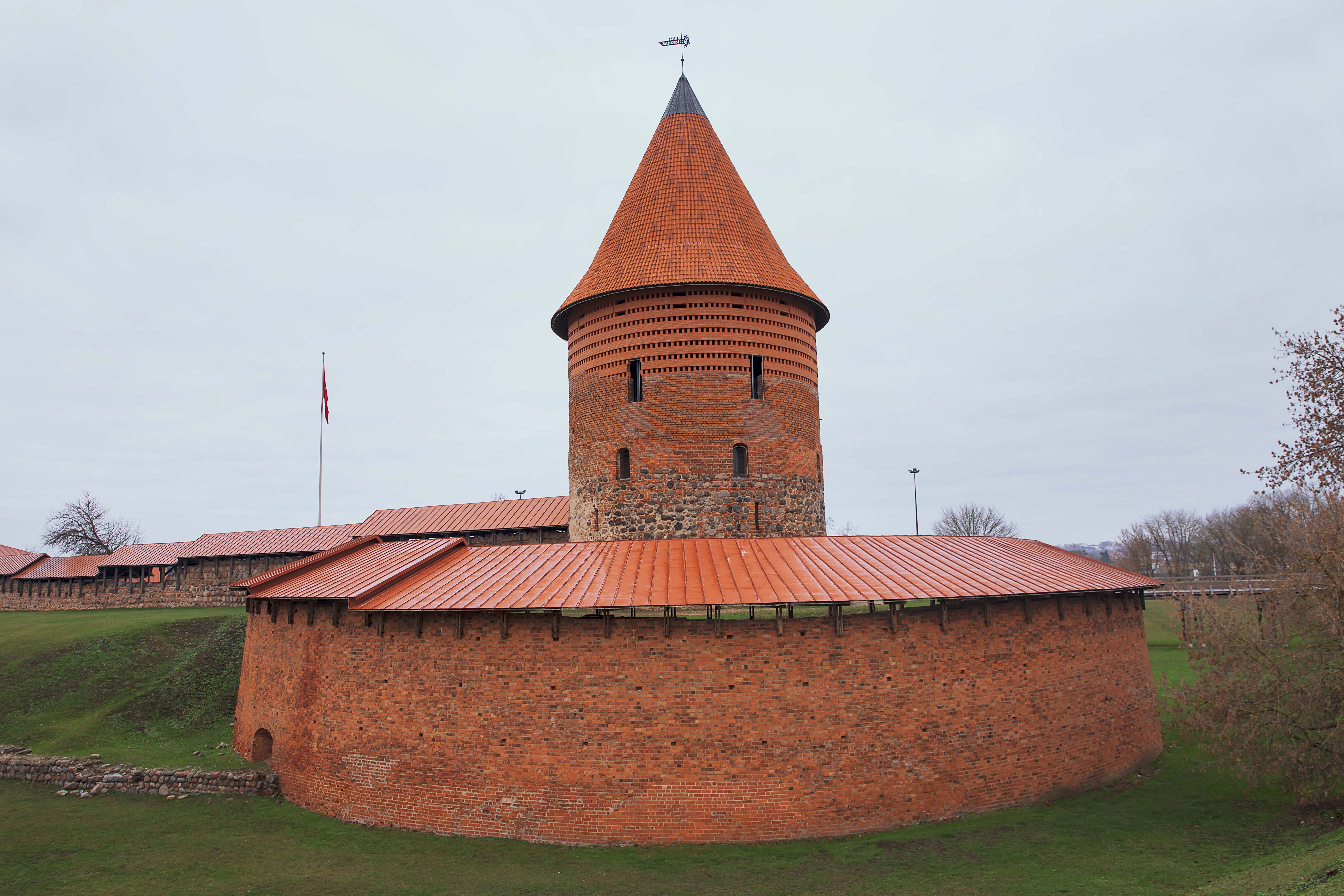
In the center of the city resides a 14th century castle built by the Grand Duchy of Lithuania. It was originally a strategic defense against invasions from the Teutonic Order and other enemies. Today, visitors can explore its old walls, towers, and exhibits that vividly depict its role in shaping Lithuania’s medieval history.
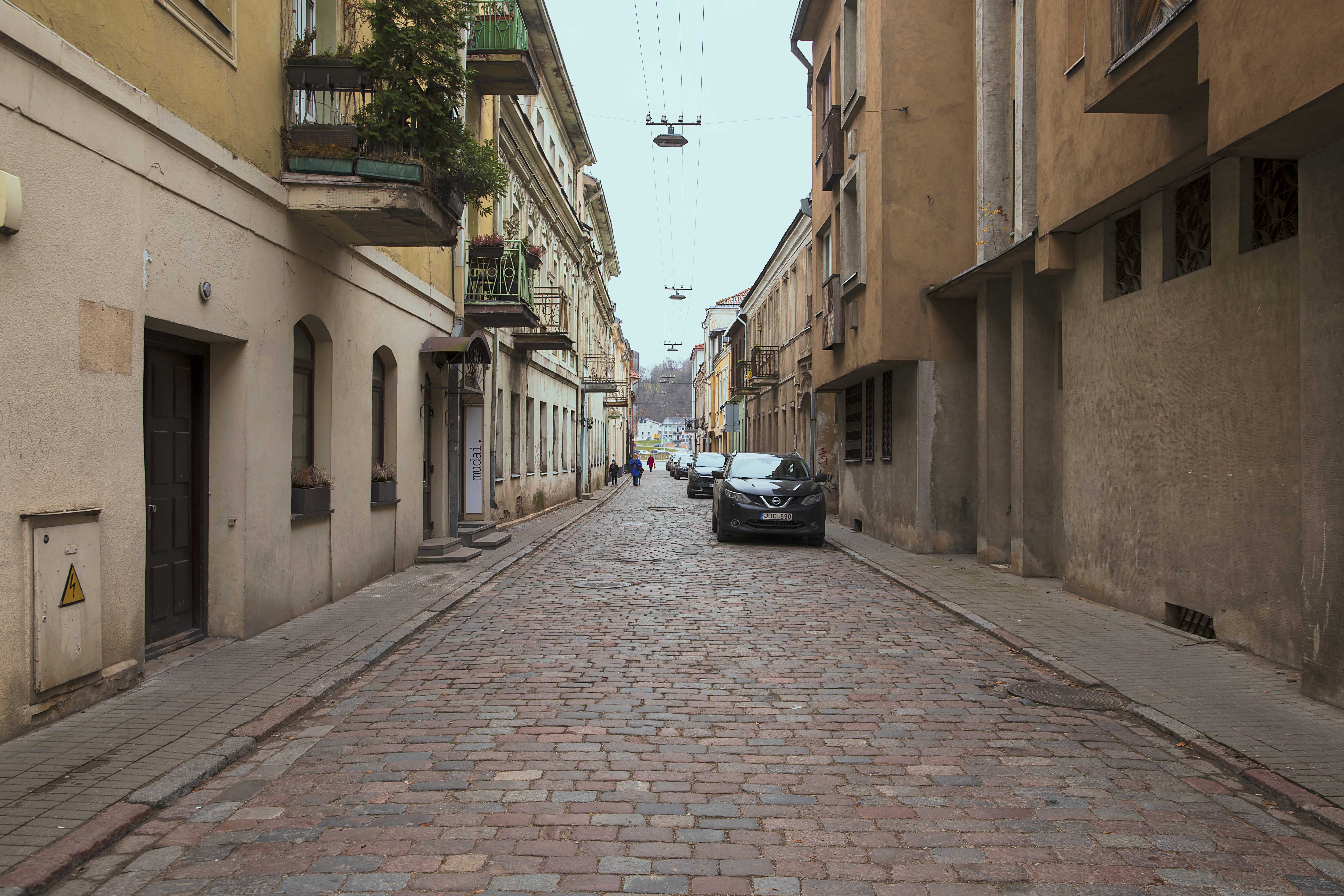
Strolling through Kaunas’ Old Town feels like a journey to the Middle Ages. Cobblestone streets lead past Gothic churches, Renaissance buildings, and peaceful squares, each corner unveiling tales of the city’s history.
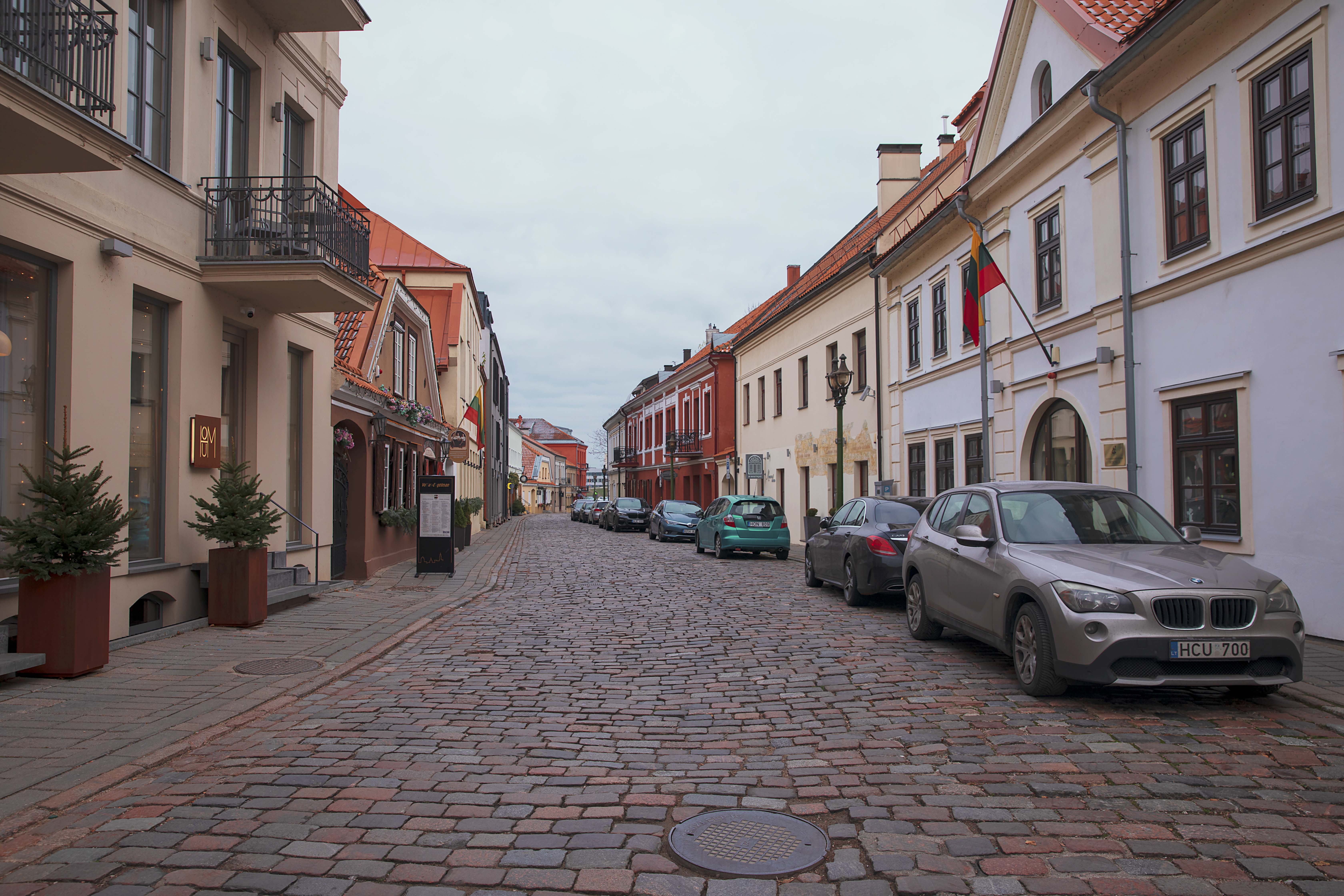
For travelers based in Vilnius, a visit to Kaunas offers a unique perspective on Lithuania’s cultural tapestry. I strongly recommend everyone to visit this city, as it holds countless tales from the past.
Get ready to pack your bags and discover the rich histories of Vilnius, Trakai, and Kaunas, where Eastern Europe’s hidden gems await. Prepare to turn enchanting moments into unforgettable memories…
 Huseyin Karadeniz | Travel & Photography Journal