
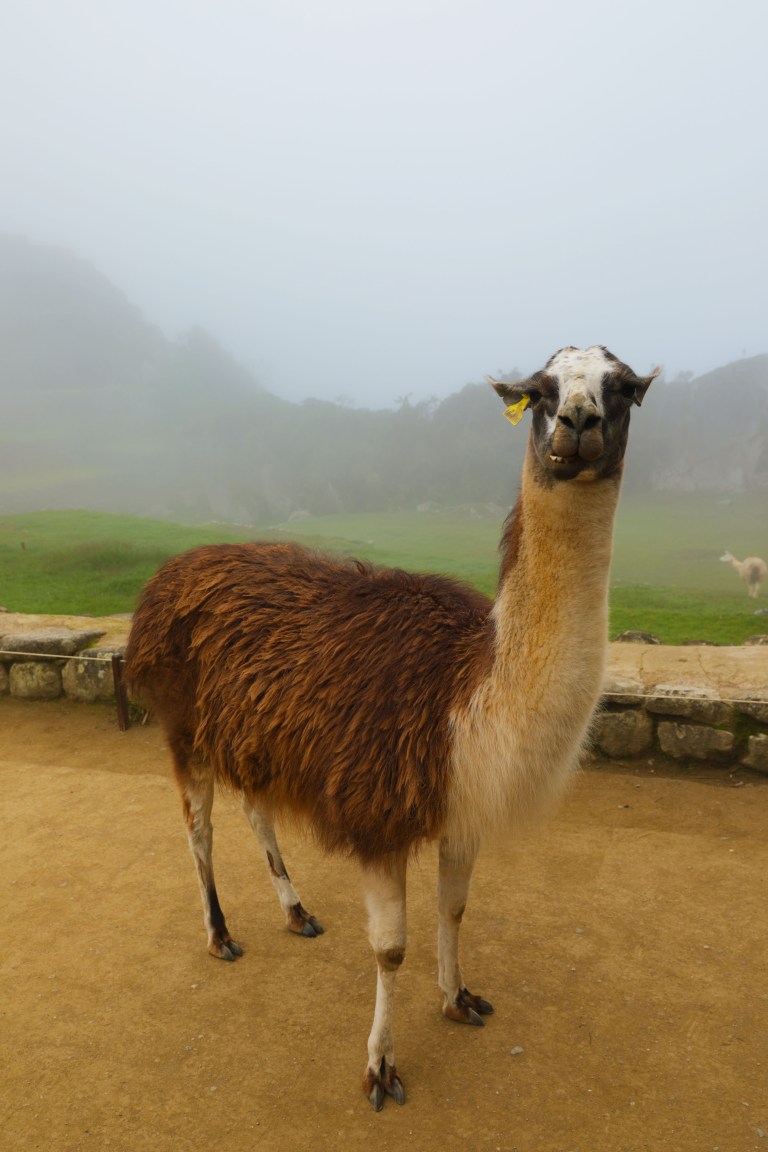
Baby llama is posing with all its cuteness at Sacsayhuamán in Cuzco.

Cuzco, historic capital of the Inca Empire.

In 1983 Cusco was declared a World Heritage Site by UNESCO.

The Incan terraces at Moray. The purpose of these depressions is uncertain, but their depth, design, and orientation with respect to wind and sun creates a temperature difference of as much as 15 °C (27 °F) between the top and the bottom.

There ancient salt mines in Maras were created by Inca and are still in use today.
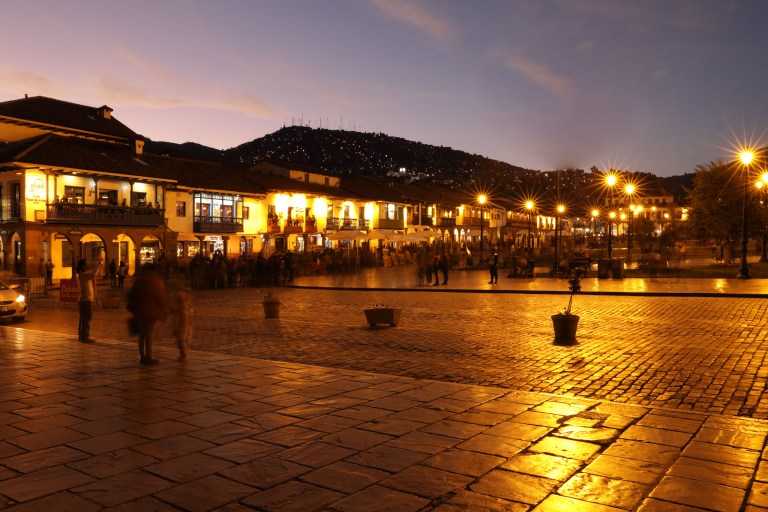
Plaza De Armas in Cusco at night.

The route to Machu Picchu via the Cusco – Hydroelectric route is an alternative route used in most cases by adventurous travelers. This journey is longer. Delay 6 or 7 hours but it is cheaper than the train trip.

Aguas Calientes which means hot water in Spanish is famous for serving as sort of “gateway” to the legendary citadel of Machu Picchu.

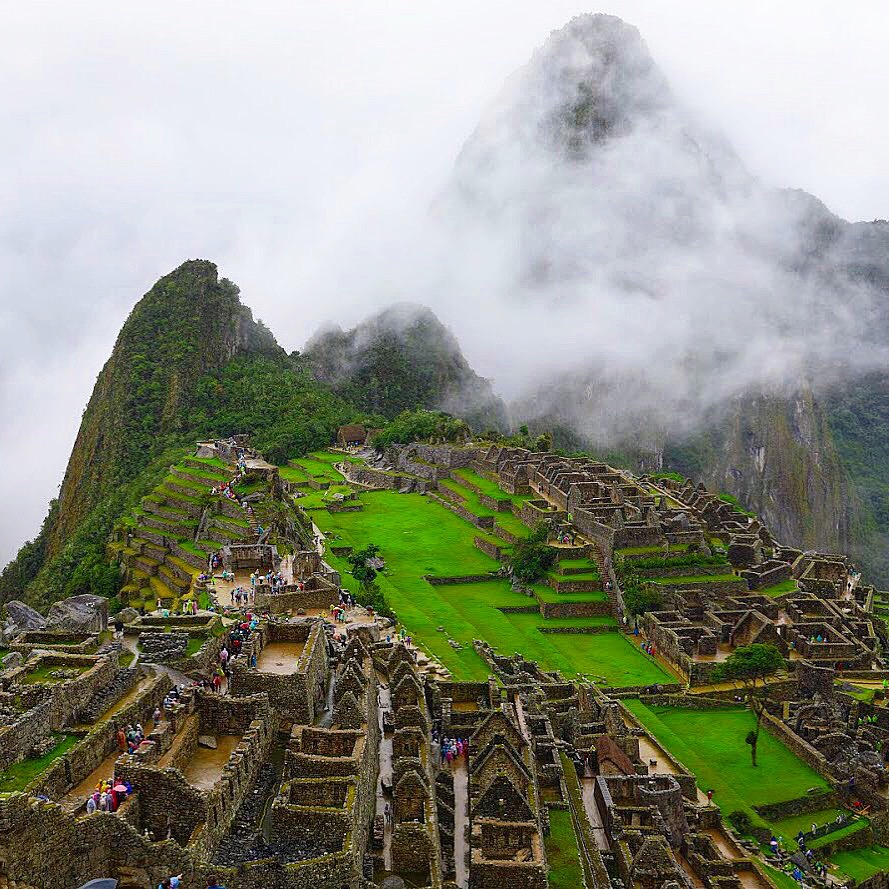
The crown of Inca Empire, Machu Picchu.

One of the most impressive feats of the Ancient Incas was their ability to set massive rocks together with near perfect joins. Some rocks were over 5 meters tall and 2-3 meters thick and wide with free-form shapes and they managed to fit them together perfectly.
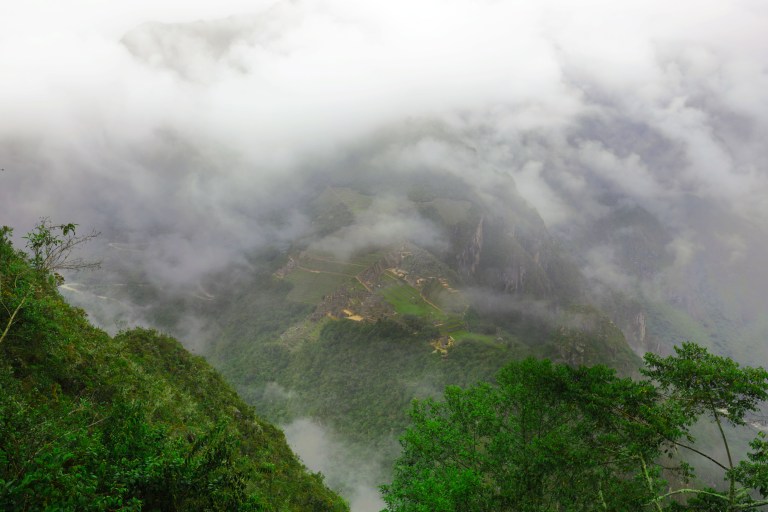
Huayna Picchu (Quechua: Wayna Pikchu), is a mountain in Peru around which the Urubamba River bends. It is located in the Cusco Region, Urubamba Province, Machupicchu District. It rises over Machu Picchu, the so-called lost city of the Incas. The Incas built a trail up the side of the Huayna Picchu and built temples and terraces on its top. The peak of Huayna Picchu is 2,693 metres (8,835 ft) above sea level, or about 260 metres (850 ft) higher than Machu Picchu. According to local guides, the top of the mountain was the residence for the high priest and the local virgins. Every morning before sunrise, the high priest with a small group would walk to Machu Picchu to signal the coming of the new day. The Temple of the Moon, one of the three major temples in the Machu Picchu area, is nestled on the side of the mountain and is situated at an elevation lower than Machu Picchu. Adjacent to the Temple of the Moon is the Great Cavern, another sacred temple with fine masonry. The other major local temples in Machu Picchu are the Temple of the Condor, Temple of Three Windows, Principal Temple, “Unfinished Temple”, and the Temple of the Sun, also called the Torreon.

A View from the Huayna Picchu trail.
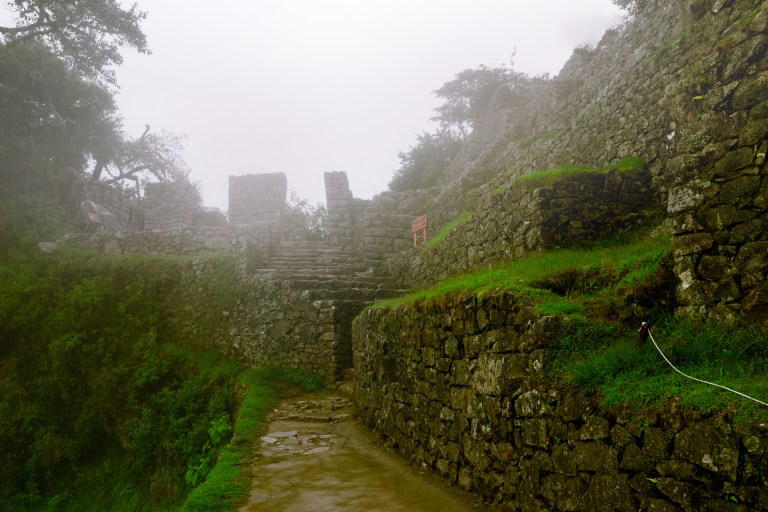
Inti Punku (Quechua inti sun, punku door, “Sun Gate”) is an archaeological site in the Cusco Region of Peru that was once a fortress of the sacred city, Machu Picchu. It is now also the name of the final section of the Incan Trail between the Sun Gate complex and the city of Machu Picchu. It was believed that the steps were a control gate for those who enter and exited the Sanctuary.

Barranco District is considered to be the city’s most romantic and bohemian, being the home and working place of many of Peru’s leading artists, musicians, designers and photographers. In the 19th-century, it was a very fashionable beach resort for the Limeño aristocracy, and many people used to spend the summer here and in neighboring Chorrillos. Today, Barranco’s beaches are among the most popular within the worldwide surfing community, and a marina completed in 2008 provides state-of-the-art services for its yacht club.
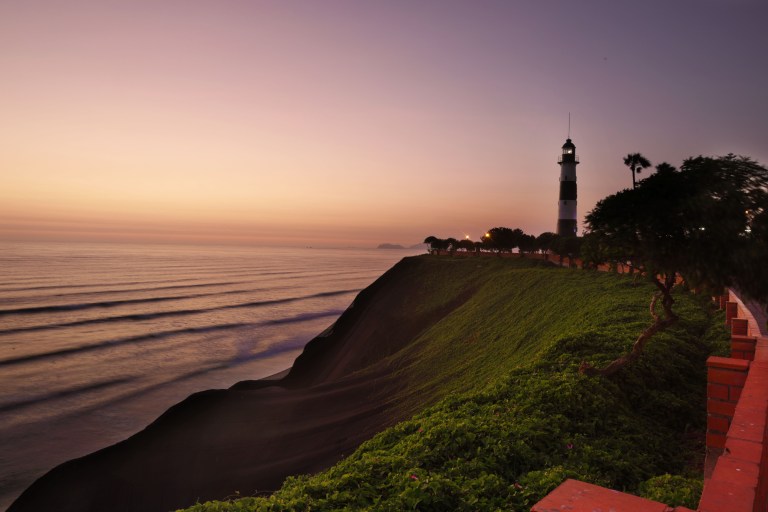
Miraflores is an exclusive residential and upscale shopping district south of downtown Lima. It is also one of the most affluent districts that make up the city of Lima. Featuring gorgeous coastal views, Miraflores offers the perfect balance of uptown class and midtown charm.
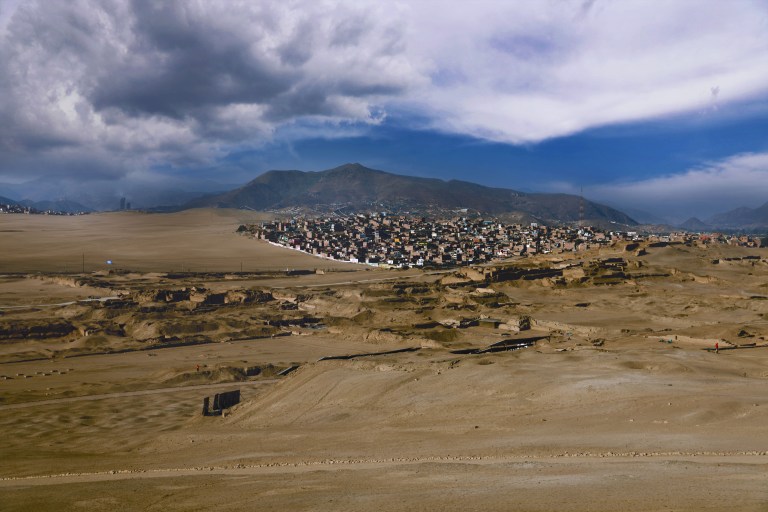
The maker of the Earth; the soul that animated the world; god not only of creation but also fire and earthquakes, with a visage too terrible for mere humans to gaze upon: Pachacamac was, without a doubt, a big deal. So it’s hardly surprising that a settlement named after the god, and centered around a shrine dedicated to him, would end up being a big deal as well.

Nestled among condominium towers and sprawling high-end homes, the simple Huaca Huallamarca is a highly restored adobe pyramid, produced by the Lima culture, that dates to somewhere between AD 200 and 500. A small on-site museum, complete with mummy, details its excavation.

The magnificent Miraflores’ cliffs near downtown Lima is one of the most popular paragliding sites in the entire world. Flying here is a unique experience where the flyer gets to paraglide over a combination of breathtaking city and coastal landscapes. There are a number of tourist services that offer excellent tandem flights and paragliding lessons.
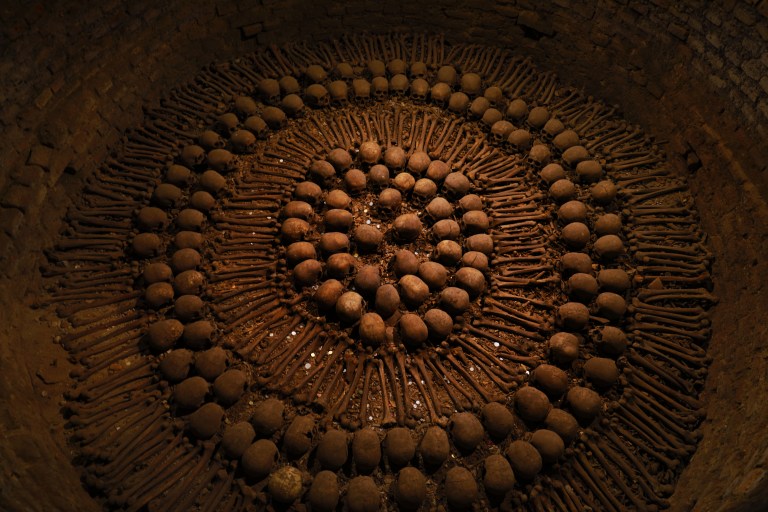
Basilica and Convent of San Francisco, Lima… It is estimated that 25,000 bodies were laid to rest in the catacombs; the crypts, built of bricks and mortar, are very solid and have stood up well to earthquakes. The catacombs served as a burial-place until 1808, when the city cemetery was opened outside Lima and contain thousands of skulls and bones.
 Archbishop’s Palace of Lima is the administrative headquarters of the Roman Catholic Archdiocese of Lima.
 Huseyin Karadeniz | Travel & Photography Journal